Why California Jays Are Burying Things In Your Garden Beds Right Now
So you walked out to your garden this morning and something has clearly been digging. Small holes in the bed, disturbed mulch, maybe a seedling or two knocked sideways.
First instinct? Blame a pest.
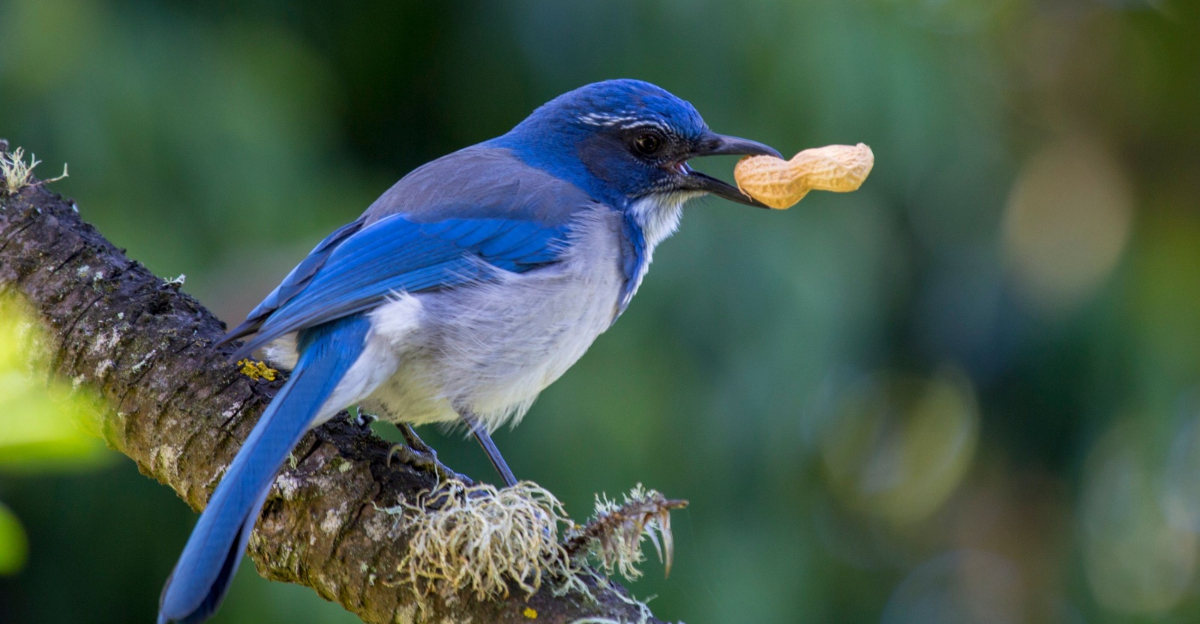
Reasonable guess, but there is actually a pretty good chance the culprit is one of California’s most charismatic backyard birds, the California Scrub-Jay.
These bold, brilliant blue birds are having a very busy June, and your garden beds are basically their version of a storage unit.
Jays are natural food cachers, meaning they bury snacks to retrieve later, and soft garden soil is prime real estate for this kind of operation. Peanuts, seeds, fruit, anything worth saving gets tucked away with impressive efficiency.
Once you know what is actually going on, the whole thing becomes a lot less annoying and honestly a little fascinating.
1. Jays Are Caching Food For Later
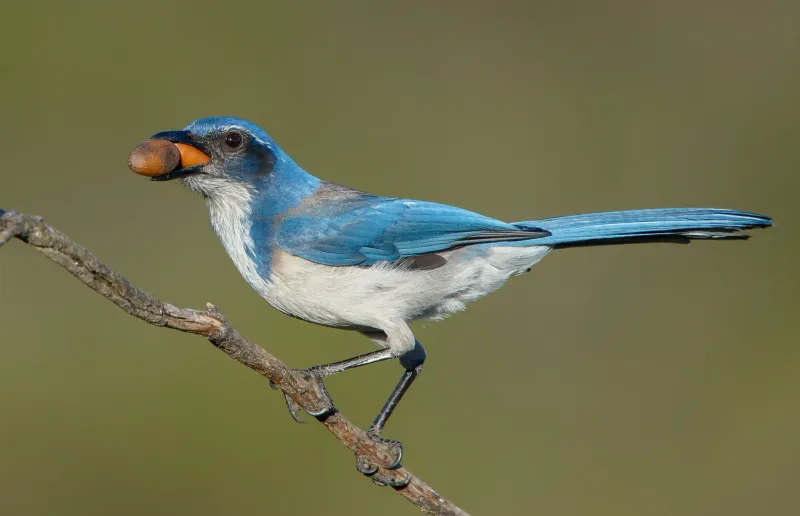
Small holes appearing overnight in a freshly mulched bed are one of the most common signs that a California Scrub-Jay has been busy in your yard. Food caching is a natural and well-documented behavior in this species, and it is not random or impulsive.
These birds store food deliberately, returning to their hidden stashes when other food sources become harder to find.
In California, this behavior tends to ramp up during warmer months when jays are active and food from feeders or nearby trees is easy to collect. A jay may visit a feeder, grab a peanut or seed, and immediately fly to a nearby garden bed to bury it.
The process can happen several times in a single morning, leaving behind a scattering of small disturbances across the soil.
Caching is not just a survival habit. It reflects how well-developed jay memory and planning instincts really are.
For gardeners, recognizing caching behavior early means fewer moments of frustration when holes appear in beds that were perfectly smooth the day before. The jay is not being destructive on purpose.
It is simply doing what comes naturally, using your garden as a reliable pantry.
2. Feeders May Be Supplying Easy Things To Hide
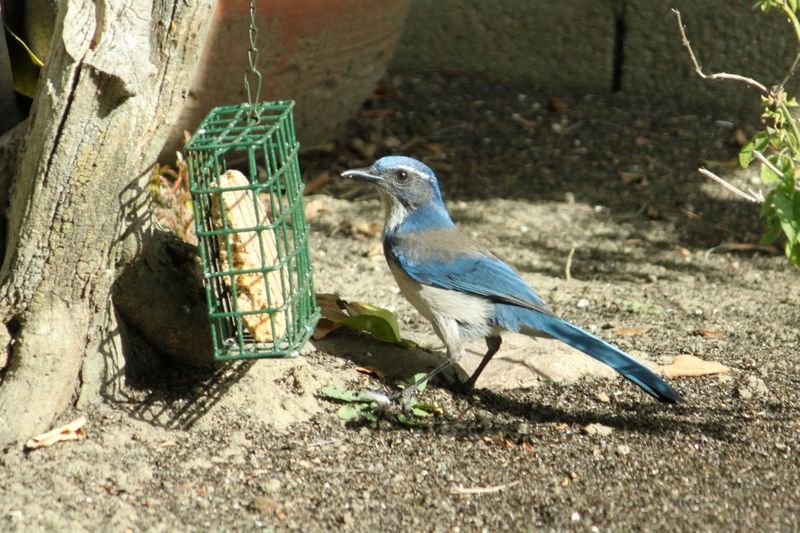
Walk outside on a June morning in California and you might catch a jay grabbing a peanut from your feeder, then flying straight to a nearby planting bed. Feeders are often the starting point for a lot of the caching activity gardeners notice this time of year.
When food is easy to collect in large amounts, jays tend to shift into storing mode rather than eating everything on the spot.
Peanuts in the shell are especially popular with California Scrub-Jays, and many backyard feeders across California are stocked with them year-round.
A single jay can carry multiple peanuts at once and make several trips between feeder and garden in a short window of time.
Sunflower seeds, dried corn, and even suet pieces may also end up cached in nearby soil.
If your feeder sits close to a raised bed or a soft-soil planting area, the connection between feeder visits and garden disturbance is usually pretty direct.
Your California Garden Changes Every Week. Your Plan Should Too.
Gardening in California changes quickly throughout the season. Every Friday you’ll receive a simple weekly plan showing exactly what to plant, prune, fertilize, harvest, and protect so you never miss the right timing.
Gardeners who want to reduce caching in specific beds might try moving feeders farther from those areas or switching to feeders with smaller perches that make it harder for jays to load up and fly off quickly.
Small adjustments can make a noticeable difference.
3. Soft Garden Soil Makes Burying Easier
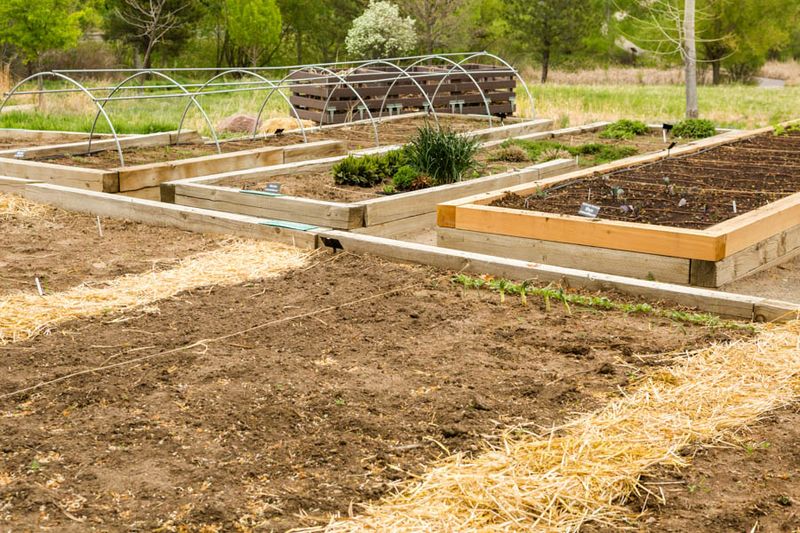
Freshly amended garden soil is one of the most attractive caching spots a California Scrub-Jay can find. Loose, soft earth is much easier to dig into quickly than compacted ground, dry lawn edges, or gravel paths.
Jays do not spend a lot of time digging. They prefer spots where a quick poke with their bill gets the job done fast.
In California, late spring and early summer often mean freshly turned vegetable beds, recently planted native gardens, and mulched ornamental borders.
All of these share the same quality that makes them appealing to a caching jay: they are soft, workable, and easy to disturb with minimal effort.
A jay can bury a peanut in a few seconds if the soil is right.
Gardeners sometimes notice that jays skip over harder or rockier areas entirely and go straight for the raised beds or freshly watered spots near the patio. This is not a coincidence.
The bird is making a practical choice based on ease of digging. Covering soft beds with a light layer of bark chips, coarse mulch, or bird netting over seedlings can reduce how often jays choose those spots without causing any harm to the birds or the garden.
4. They May Hide Peanuts, Seeds, Fruit, Or Nuts
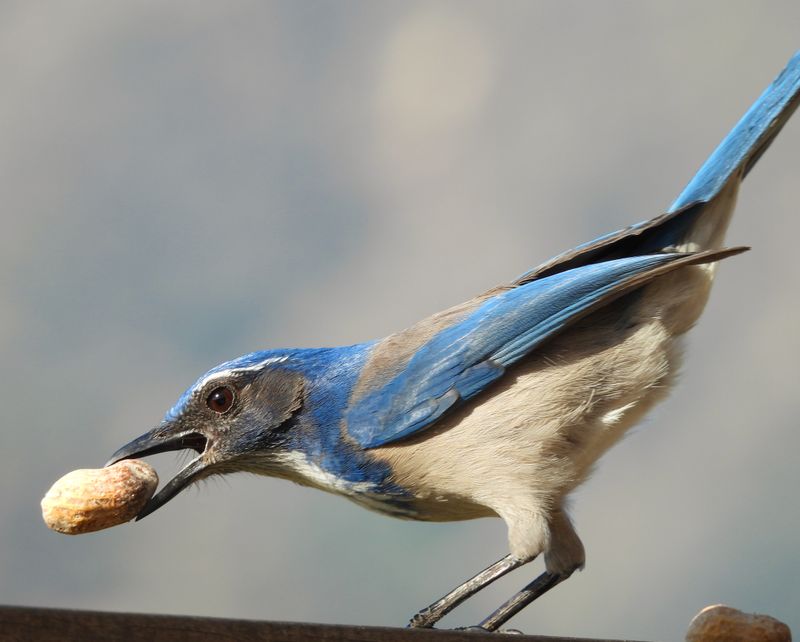
Not every jay cache looks the same, because not every jay is burying the same thing. California Scrub-Jays are opportunistic foragers, meaning they work with whatever food is available in their territory at a given time.
In middle to late June, that could mean peanuts from a feeder, sunflower seeds, fallen fruit from a backyard tree, or shelled nuts left out on a patio table.
Fruit pieces are a bit less common in caches than harder foods, but jays do occasionally bury soft items if the conditions seem right. Seeds and nuts tend to be the most reliable cache items because they hold up well underground and do not spoil as quickly.
Peanuts remain one of the top choices for California jays near residential feeders.
Gardeners who grow strawberries, blueberries, or other small fruits close to feeder areas may notice that partially eaten or moved fruit sometimes turns up in unexpected spots. This is not always pest activity.
A jay may have carried it and abandoned the cache or eaten part of it nearby. Knowing the range of foods jays cache helps gardeners make better sense of what they are finding in their beds and along garden borders throughout the season.
5. Family Groups Can Make Gardens Busier
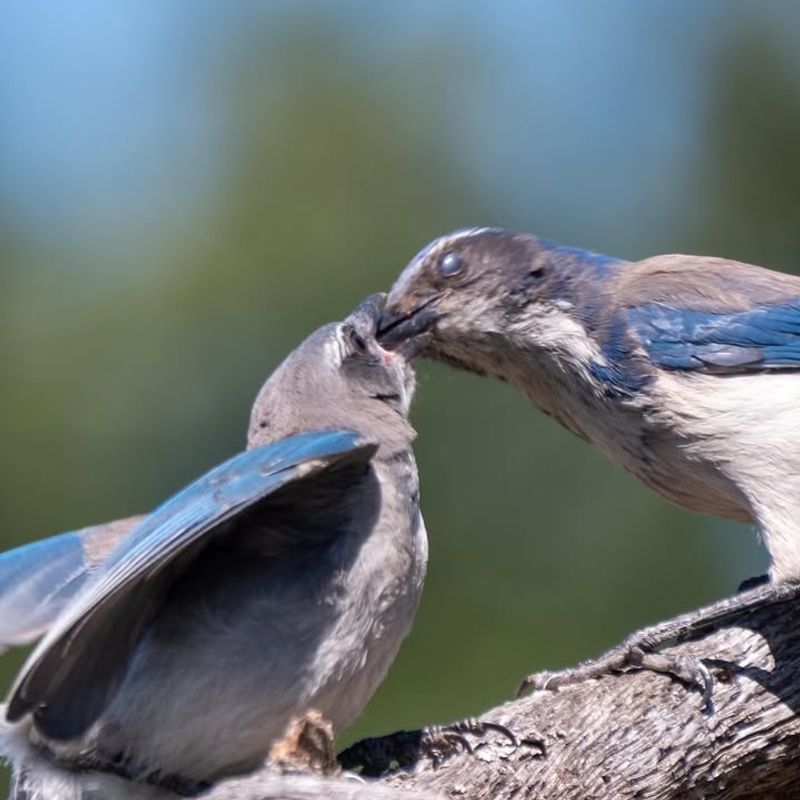
By mid-June in California, many California Scrub-Jays are moving around in loose family groups that include adults and recently fledged young birds. This shift from nesting pairs to small family units means more jays may be visiting the same yard at the same time.
More birds in one space naturally leads to more caching activity across more spots in the garden.
Young jays are still learning behaviors like caching, and adults may cache more actively when juveniles are nearby and food competition within the group increases slightly.
It is not unusual to see two or three jays working different parts of a yard on the same morning, each burying items in separate locations.
This can leave a garden looking quite disturbed by midday.
Homeowners who have always had one or two jays in the yard may suddenly feel like the bird traffic has jumped. That feeling is usually accurate for this time of year.
Family groups tend to stay together through summer before young birds eventually disperse. During this window, garden beds near shrubs, fences, and feeders may see noticeably heavier jay activity than they did earlier in spring.
Understanding the seasonal family dynamic takes some of the mystery out of the sudden increase.
6. They Remember Many Hidden Food Spots
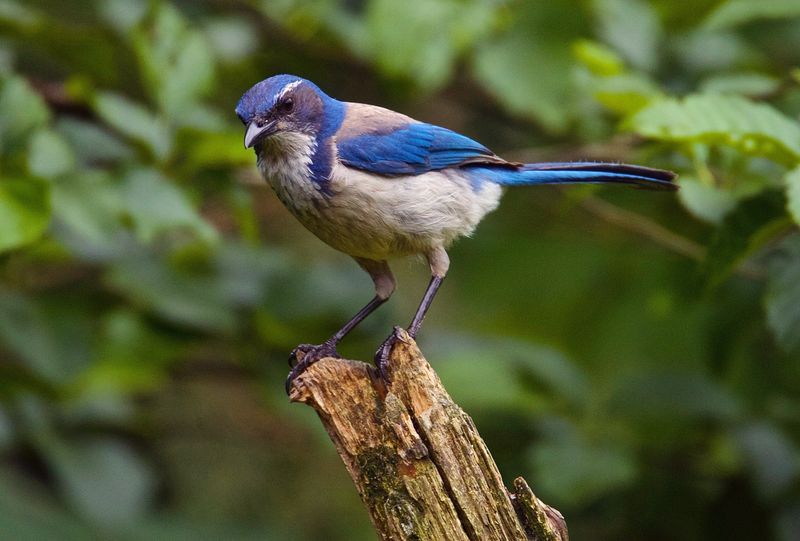
One of the most fascinating things about California Scrub-Jays is their spatial memory. These birds can remember the locations of hundreds of individual food caches, sometimes returning to retrieve items days or even weeks after burying them.
This is not guesswork. Research on scrub-jays has shown that they track both location and the type of food stored at each site.
For gardeners, this means a jay that cached a peanut in a raised bed last Tuesday may come back and dig it up with surprising accuracy on a later date.
The return visit can look just as disruptive as the original caching event, leaving gardeners puzzled about why holes keep reappearing in the same general area.
This memory ability also means jays are paying close attention to their surroundings while caching. They tend to avoid burying food when they feel watched, and they may return to move a cache if they think another bird observed the original hiding spot.
For a backyard bird, this level of awareness and planning is genuinely impressive.
Knowing that the jay will likely return to retrieve what it buried can help gardeners stay patient rather than assuming the disturbance is a recurring pest problem that needs fixing.
7. They May Move Food If Other Jays Are Watching
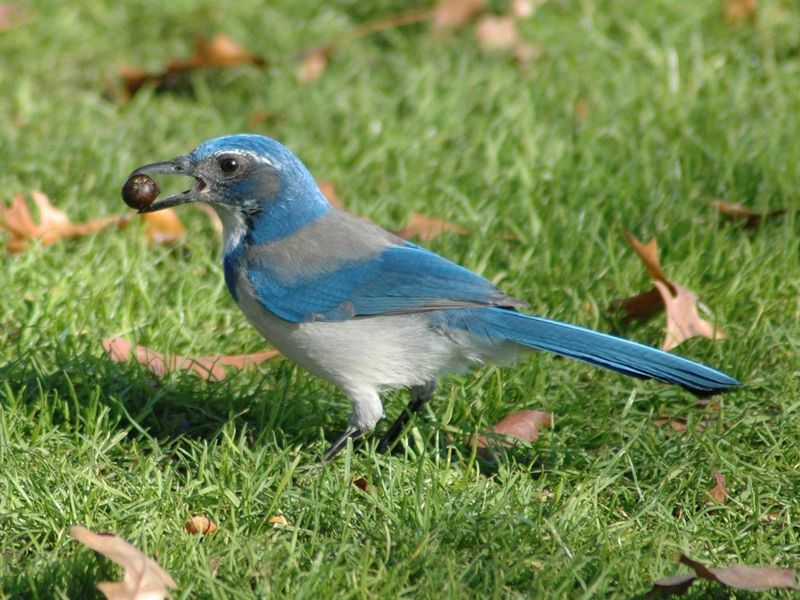
Catching a jay in the middle of burying something and then watching it suddenly fly off with the item still in its bill is a behavior that puzzles many gardeners. What looks like indecision is actually a calculated response to being observed.
California Scrub-Jays are known to relocate cached food when they believe another bird has seen where they hid it.
This behavior reflects a level of social awareness that is uncommon in the bird world. A jay that notices a second bird watching from a nearby branch may pick up its cached item and fly to a more private spot before reburying it.
The goal is protecting the food from potential theft, which does happen between jays in the same territory.
In California yards where multiple jays are present, this back-and-forth relocation can lead to a surprising number of small holes across different parts of the garden in a single session.
Gardeners sometimes count five or six disturbances and assume something is systematically digging through their beds, when in reality it may be one or two jays moving the same food item multiple times.
Watching quietly from a window rather than going outside can sometimes reveal the full picture of what is actually happening out there.
8. Small Holes May Be From Caching, Not Pests
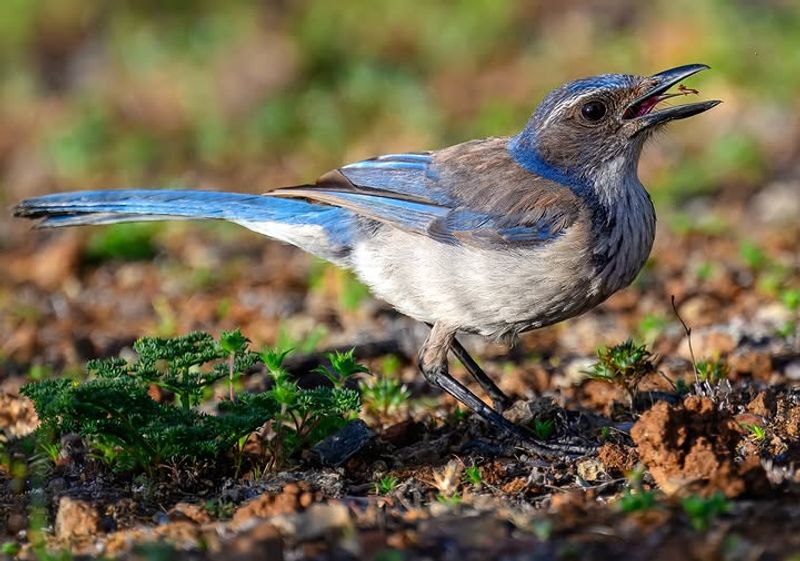
Finding a cluster of small holes in a garden bed can send a gardener straight to the internet searching for grubs, voles, or ground squirrels. In many California yards this time of year, though, the real culprit is a jay.
Jay caching holes tend to be narrow and relatively shallow, usually just deep enough to cover a peanut or seed, and they rarely disturb plant roots in a serious way.
Pest damage often looks different. Vole tunnels tend to follow a path and may show signs of chewing on roots or bulbs.
Ground squirrel holes are typically wider and may have loose soil mounded around the entrance. Jay holes, by contrast, are small, scattered, and often appear without any other signs of ongoing burrowing activity below the surface.
California gardeners who check their beds in the morning and find fresh small holes with no other damage should consider jays as a likely explanation before treating for pests.
A quick observation session near the bed during early morning hours can often confirm the source within a single visit.
Misidentifying jay caching as a pest problem can lead to unnecessary treatments that do not address the actual cause and may affect other beneficial garden wildlife in the process.
9. Oak Acorn Caching Becomes More Relevant Later
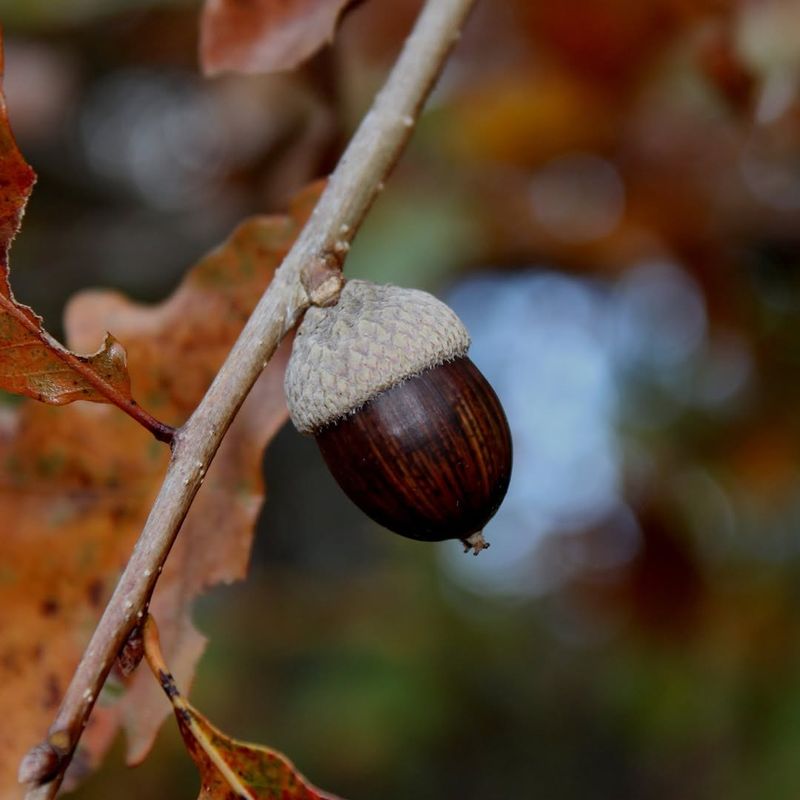
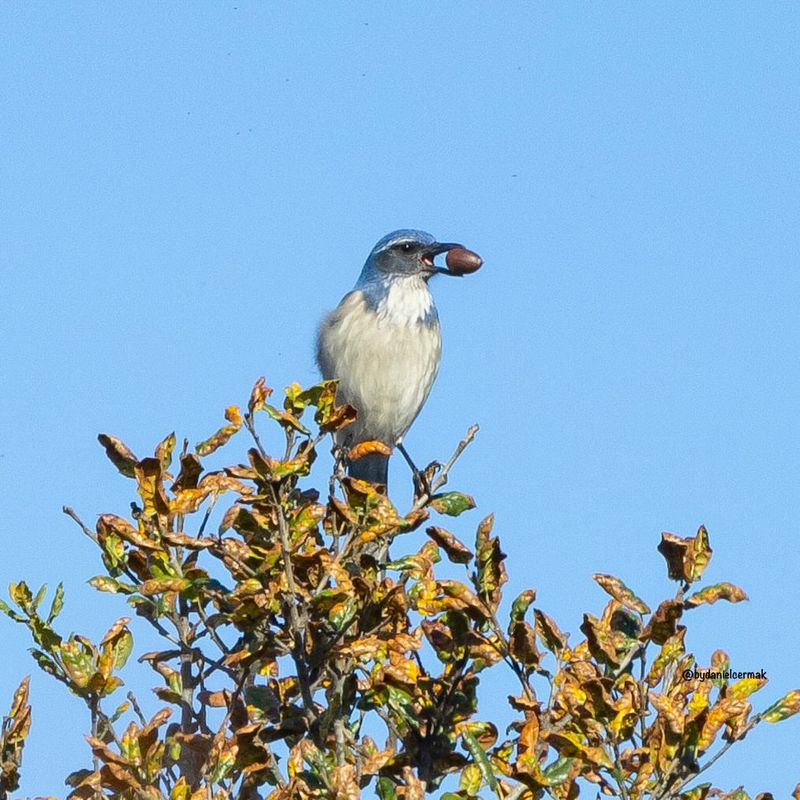
When most people picture a jay burying food, they picture acorns. California Scrub-Jays are closely associated with oak trees and acorn caching, and for good reason.
These birds play a real role in oak regeneration across California by burying acorns and occasionally failing to retrieve all of them, allowing some to sprout in new locations.
In middle to late June, though, fresh acorns are not yet available on most California oaks. The acorn crop typically matures in fall, so the intense acorn caching season that jays are famous for usually peaks later in the year.
Right now, jays are caching other available foods instead, which is why peanuts, seeds, and feeder items tend to be the main items showing up in summer garden beds.
Gardeners who live near valley oaks, blue oaks, or coast live oaks may start noticing acorn-related caching activity picking up in late summer and into fall. At that point, garden beds near oak trees can become especially active caching zones.
Knowing that acorn season is still ahead helps put the current summer caching into context. The jay behavior happening now is just one part of a year-round pattern of food storage that runs through every season in California.
10. Garden Beds Offer Safe Cover Near Shrubs
Location matters a lot to a caching jay. Open lawn areas or bare exposed ground offer little sense of security, so jays tend to favor spots that feel sheltered and close to a quick escape route.
Garden beds that sit along shrub borders, near fences, or under low-hanging branches check all the right boxes for a bird looking for a safe place to bury food.
In California, many residential gardens feature native shrubs, ornamental hedges, or mixed borders that run alongside raised beds or mulched planting areas. These spots give jays the visual cover they prefer when caching.
A bird can drop down from a shrub, bury something quickly, and retreat back to the branches in just a few seconds without feeling exposed.
Gardeners who notice that jay caching tends to concentrate in one part of the yard rather than spreading evenly across all beds should look at what is nearby.
A dense ceanothus, a toyon hedge, or even a tall rosemary plant can make an adjacent bed significantly more appealing to a caching jay than an open bed in the middle of the yard.
This pattern can help gardeners predict where new holes are likely to appear and decide whether any adjustments to the layout might help reduce disturbance in the most sensitive planting areas.