The Best Time Of Day To Water Container Plants In Wisconsin During Heat Spikes
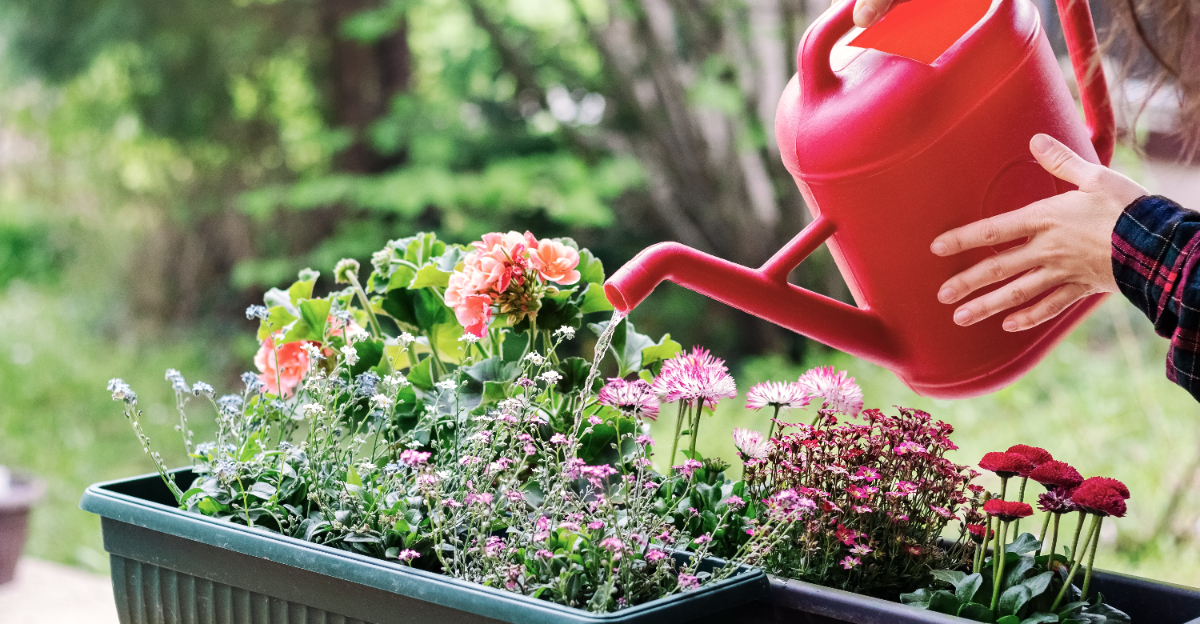
Your container plants send out a distress signal the moment Wisconsin’s temperature spikes. Potting soil loses moisture at a pace garden beds rarely match, and a single miscalculated hour can leave a lush planter looking scorched and lifeless.
Watering at the wrong time doesn’t just waste effort. It actively works against the plant, evaporating before roots ever get a chance to drink, while afternoon heat pulls moisture out of containers almost as fast as you pour it in.
There’s a specific window, though, when water sinks in instead of steaming off, when roots absorb rather than struggle. That window separates a planter that limps through July from one that keeps pushing out new growth despite the heat.
Learn to spot it, and your pots stop merely surviving each spike. They come out the other side fuller, greener, and tougher than before.
Early Morning Watering Works Best For Containers
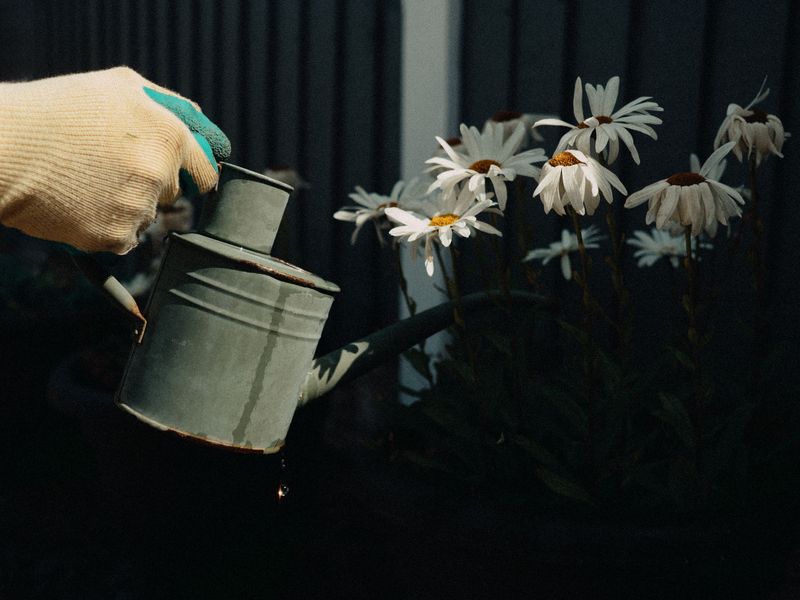
The alarm goes off early, but your plants are already waiting. Morning is hands-down the best window for watering container plants during a heat spike.
Watering between 6 and 9 a.m. gives roots time to soak up moisture before the sun cranks up the heat. Soil stays cool longer, and plants can prep themselves for the brutal midday temperatures ahead.
Containers heat up fast because they have less soil mass than garden beds. A terra cotta pot sitting in direct sun can reach scorching temperatures by noon.
Morning watering also lets foliage dry quickly as the day warms up. Wet leaves in cooler air are less likely to develop fungal problems than leaves soaked at night.
Think of early watering as giving your plants a full breakfast before a long, hot day. They absorb what they need, store it in their cells, and handle the afternoon heat much better.
Morning also tends to be cooler, so you can move through your container garden without rushing. You can move through your container garden faster and more efficiently.
Consistency matters just as much as timing. Watering at the same hour each morning trains your plants to expect hydration and helps you spot problems before they escalate.
If you can only water once a day during a heat spike, make it early morning as consistently as you can. That one habit protects your containers better than any other trick in the book.
Midday Watering Stresses Container Plant
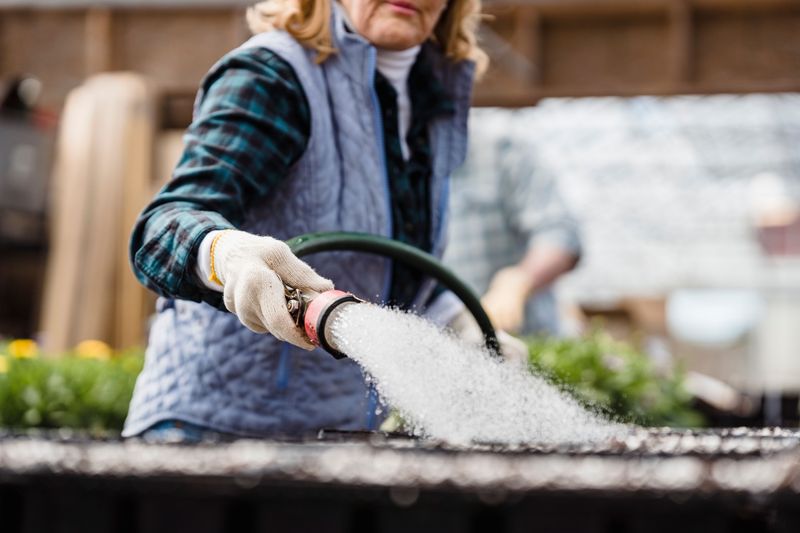
Noon is basically the worst window for potted plants. Watering containers at midday during a heat spike can do more harm than most gardeners realize.
When you water at peak sun, moisture evaporates from the soil surface almost immediately. Roots barely get a chance to absorb what they need before it vanishes into thin air.
Hot soil and cold tap water can also shock plant roots. That sudden temperature contrast stresses the root system and slows nutrient uptake for hours afterward.
Water droplets sitting on leaves under direct sun can contribute to leaf scorch as the sun heats trapped moisture against the surface, leaving behind brown, crispy spots that weaken the plant over time.
Your Wisconsin Garden Changes Every Week. Your Plan Should Too.
Gardening in Wisconsin changes quickly throughout the season. Every Friday you’ll receive a simple weekly plan showing exactly what to plant, prune, fertilize, harvest, and protect so you never miss the right timing.
Containers are especially vulnerable because they hold less thermal mass than garden soil. A small pot can go from damp to bone-dry within a couple of hours on a 95-degree Wisconsin afternoon.
Midday watering also tends to be rushed and uneven. People water quickly to escape the heat, which means some containers get too much and others get barely enough.
If your schedule forces a midday check-in, focus on containers that are visibly wilting and water them slowly at the soil level. Skip the foliage entirely and use a gentle stream rather than a blast.
Midday is a time to observe your plants, not drench them. Save the real watering session for early morning or wait until the sun drops lower in the sky.
Evening Watering Comes With Its Own Risks
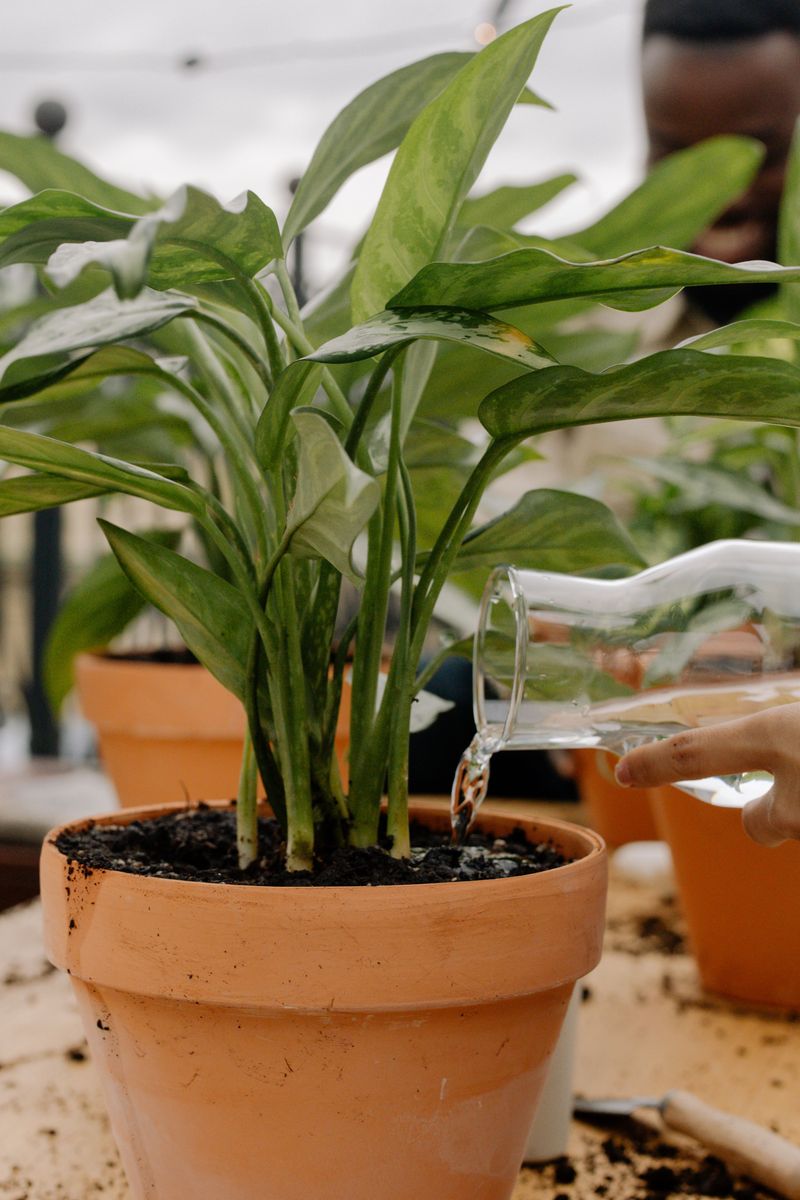
Evening feels like the logical backup plan when mornings are too hectic. The air cools down, the sun fades, and watering finally feels pleasant again.
However, evening watering during a heat spike in Wisconsin comes with a real downside. Wet foliage overnight creates the perfect breeding ground for mold, mildew, and fungal infections.
Containers hold moisture differently than open ground. Soil in a pot stays damp longer because there is less airflow around the root zone, especially when temperatures drop after sunset.
Fungal diseases like powdery mildew and root rot thrive in warm, moist conditions. Evening watering during a humid Wisconsin summer essentially sets the table for those problems.
If morning is truly not an option, aim to water no later than 4 p.m. That gives foliage and soil surface time to dry before nightfall.
When evening is your only choice, water at the base of each plant and keep leaves as dry as possible. A slow trickle directly onto the soil works far better than overhead watering with a spray nozzle.
Self-watering containers can help buffer the evening-watering risk. They release moisture gradually from a reservoir, which reduces the chance of soggy overnight conditions.
Evening watering is not the end of the world, but it is a compromise. Know the tradeoffs, adjust your technique, and your container plants can still survive a tough Wisconsin heat wave without major setbacks.
Container Watering Needs During Heat Spikes
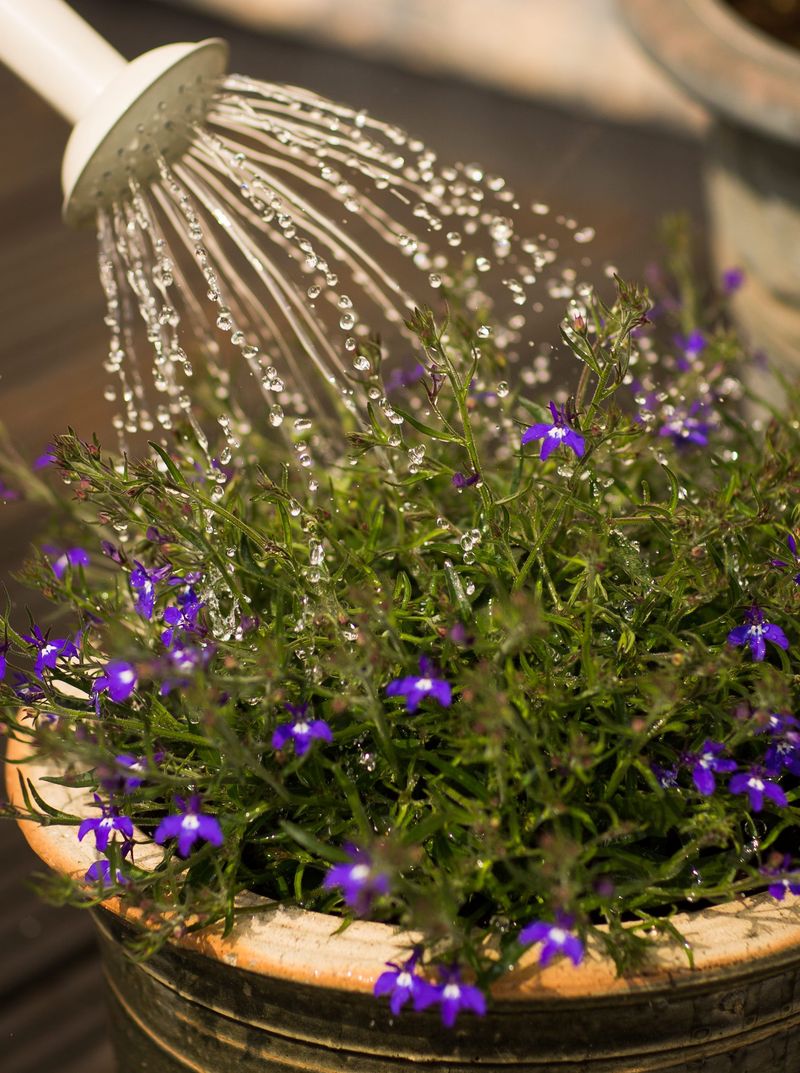
Normal watering rules go out the window when temperatures spike above 90 degrees. Container plants during a heat wave need a completely different approach than on a mild summer day.
Containers can dry out much faster during a heat spike than in regular warm weather. What normally needs water every two days might need it every single day, sometimes twice.
The best time of day to water container plants in Wisconsin during heat spikes becomes even more critical when temperatures stay elevated overnight. Plants never fully recover if they start the next hot day already stressed.
Dark-colored pots absorb more radiant heat than light ones. During a heat spike, a black plastic pot can cook roots from the outside in, even if the soil surface feels slightly damp.
Grouping containers together during extreme heat is a smart move. Clustered pots create a small microclimate that reduces moisture loss and buffers each plant from direct heat exposure.
Mulching the top of containers with a thin layer of wood chips or straw helps trap soil moisture. Even an inch of mulch can cut evaporation rates significantly during a brutal stretch of heat.
Check containers at least twice a day during a heat spike: once in the morning and again in late afternoon. Stick your finger about an inch into the soil to gauge moisture accurately.
Heat spikes demand more attention, not less. Staying proactive keeps your containers alive and thriving when the weather turns brutal.
Signs Containers Need Water Between Sessions
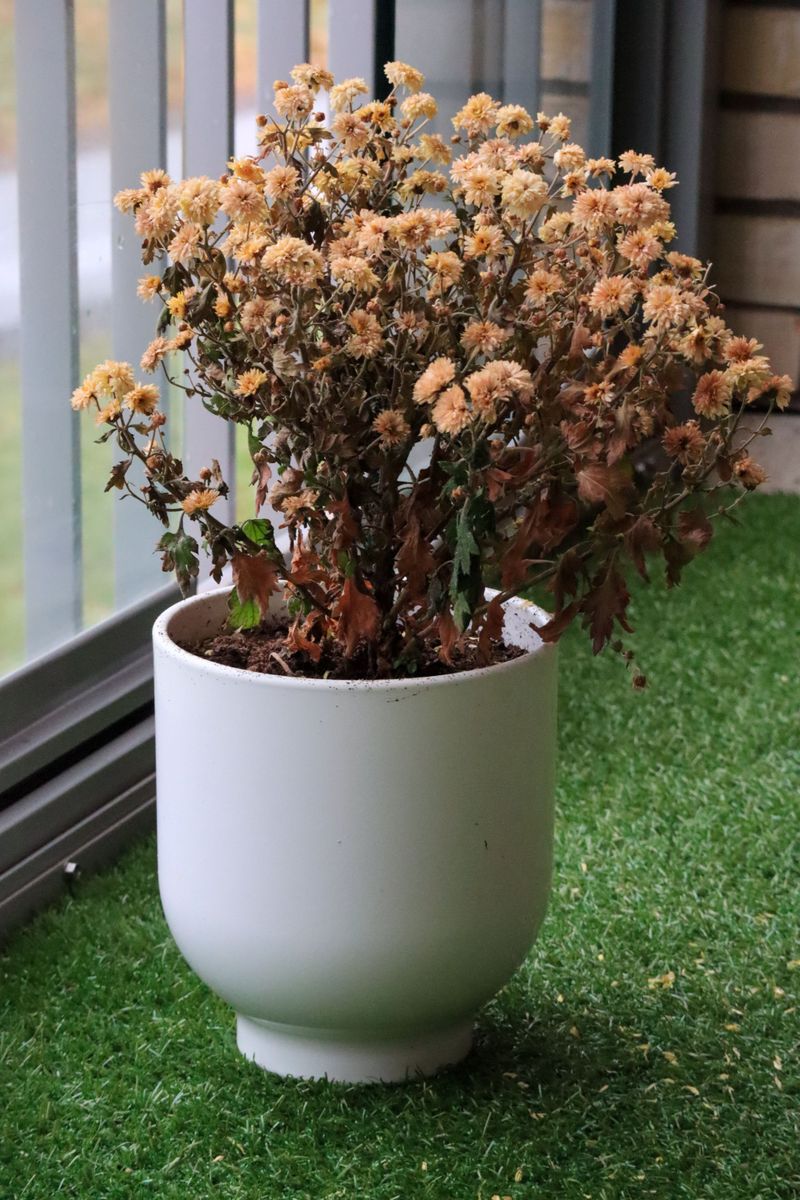
Plants talk to you, but only if you know their language. Catching dehydration signals early can save a container plant before real damage sets in.
The most obvious sign is wilting, but not all wilting means the same thing. Wilting in the morning almost always signals real drought stress, while afternoon wilting can sometimes be temporary heat protection.
Dry soil pulling away from the edges of the pot is a clear red flag. That gap means the soil has shrunk from moisture loss and water will run straight down the sides without soaking in.
Lift the container if you can. A lightweight pot almost always means dry soil, while a heavier pot usually still holds adequate moisture deeper down.
Leaves that feel papery or start curling inward are sending a distress signal. That curling is the plant reducing its surface area to slow down water loss through transpiration.
Gray or lighter-colored soil on the surface is another indicator. Healthy, moist container soil looks darker and feels cool to the touch when you press your finger in about an inch.
Some plants like petunias and impatiens wilt dramatically and bounce back quickly after watering. Others like succulents show stress more subtly through wrinkled or dull leaves.
Learning your specific plants’ signals takes a season or two of close observation. Once you know what normal looks like, spotting trouble becomes second nature and your containers stay healthier all summer long.
Adjusting Your Routine As Temperatures Ease
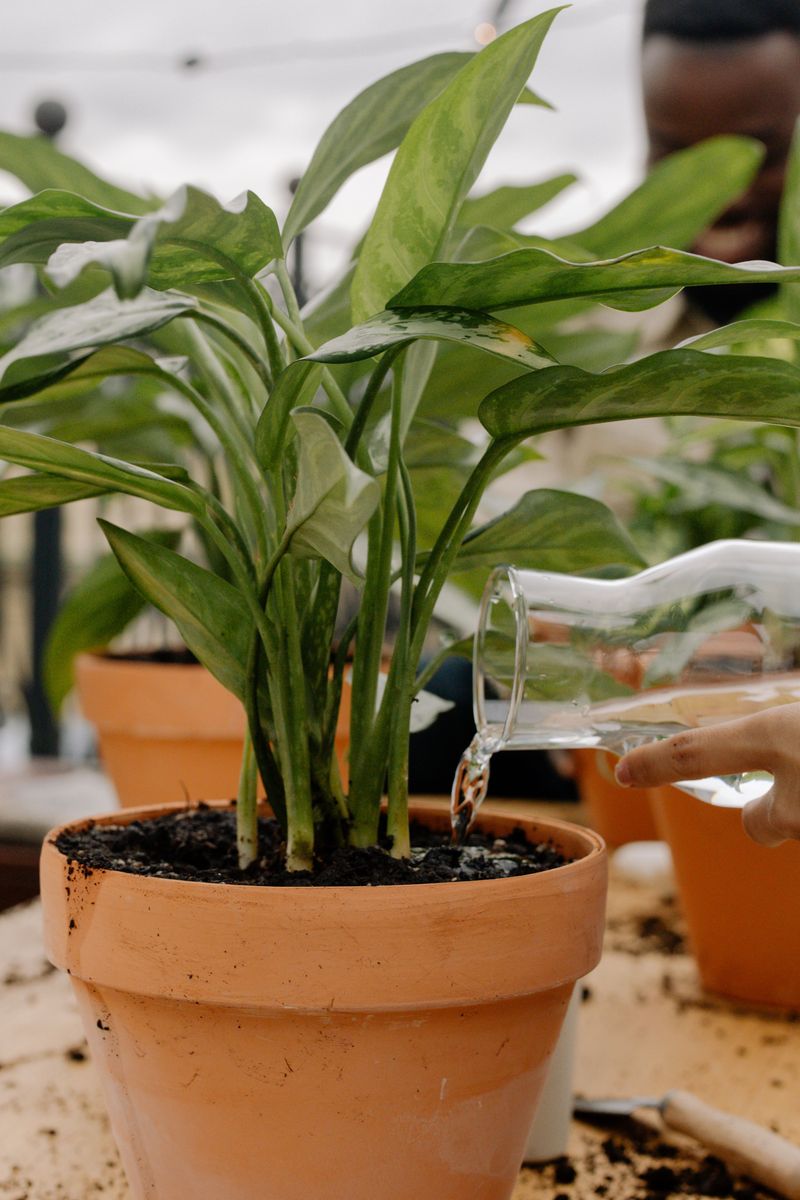
Heat spikes do not last forever, and that gives your container garden a break. As temperatures ease, your watering routine needs to shift just as quickly as it ramped up.
Overwatering after a heat spike is just as damaging as underwatering during one. Roots that have been stressed by heat are more vulnerable to rot when the soil stays soggy too long.
Scale back to every-other-day watering once highs drop back below 85 degrees. Let the top inch of soil dry out slightly between sessions to encourage deeper root growth.
Morning is still the best time of day to water container plants in Wisconsin even after a heat spike passes. That habit keeps foliage dry and gives plants a strong start regardless of the forecast.
Check your containers for damage after a heat event. Look for yellowed leaves, scorched edges, and stunted new growth, which are all signs of lingering heat stress that need attention.
Feed your containers with a balanced liquid fertilizer once temperatures normalize. Heat spikes deplete nutrients faster because plants draw heavily on reserves while trying to survive extreme conditions.
Adjust pot placement if certain containers struggled more than others. Moving them to a spot with afternoon shade can prevent the same problem from repeating during the next heat wave.
Gardening in Wisconsin means rolling with unpredictable weather, but a flexible routine keeps your container plants resilient. Adapt fast, pay attention, and your pots will reward you with a strong finish to the season.