Wisconsin Leaves Are Struggling, And Most Gardeners Miss The Real Cause
You watered it Wednesday. You fertilized it last month. You did everything right and your tree had every reason to thrive.
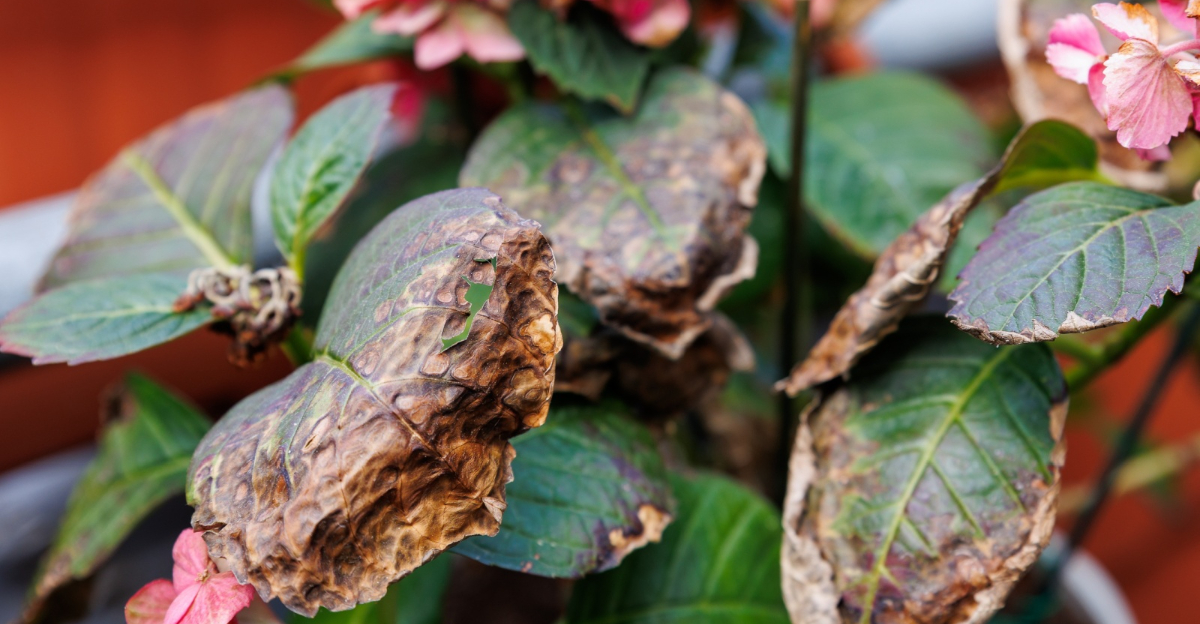
And yet here it is, Friday morning, your Japanese maple showing browning across nearly every leaf.
Brown edges, curling tips, the whole crown going crispy in real time. No bugs. No slime. No obvious explanation. Just the change appeared fast and looks worse by the hour.
Most Wisconsin gardeners at this point do one of two things: they panic and spray something, or they call somebody and spend money they did not need to spend.
Both are mistakes, and both will leave you exactly where you started. Leaf scorch is not what it looks like.
It is your tree telling you something specific about heat, water, and the way sunlight moves through your yard.
Once you learn to read that message, you will never misread crispy Wisconsin leaves the same way again.
Leaf Scorch Is Heat Stress Hiding In Plain Sight
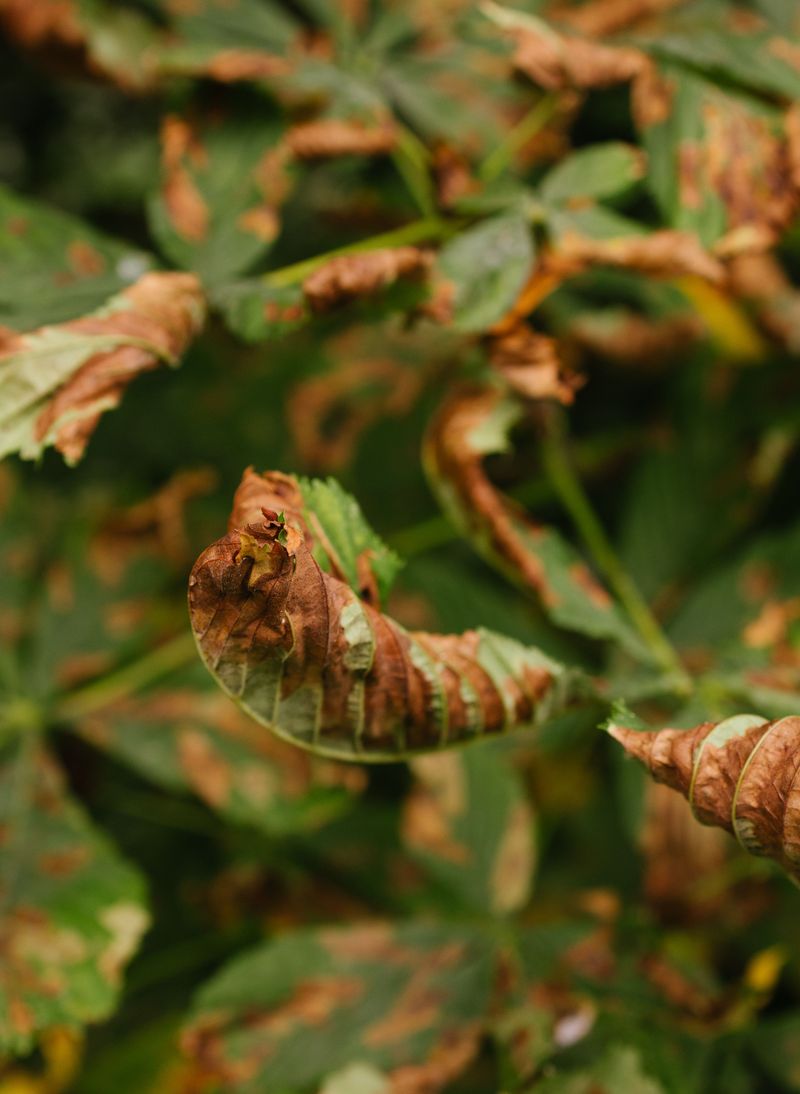
Your leaves are not lying to you. That brown, papery edge creeping across your favorite maple is a message from the plant itself.
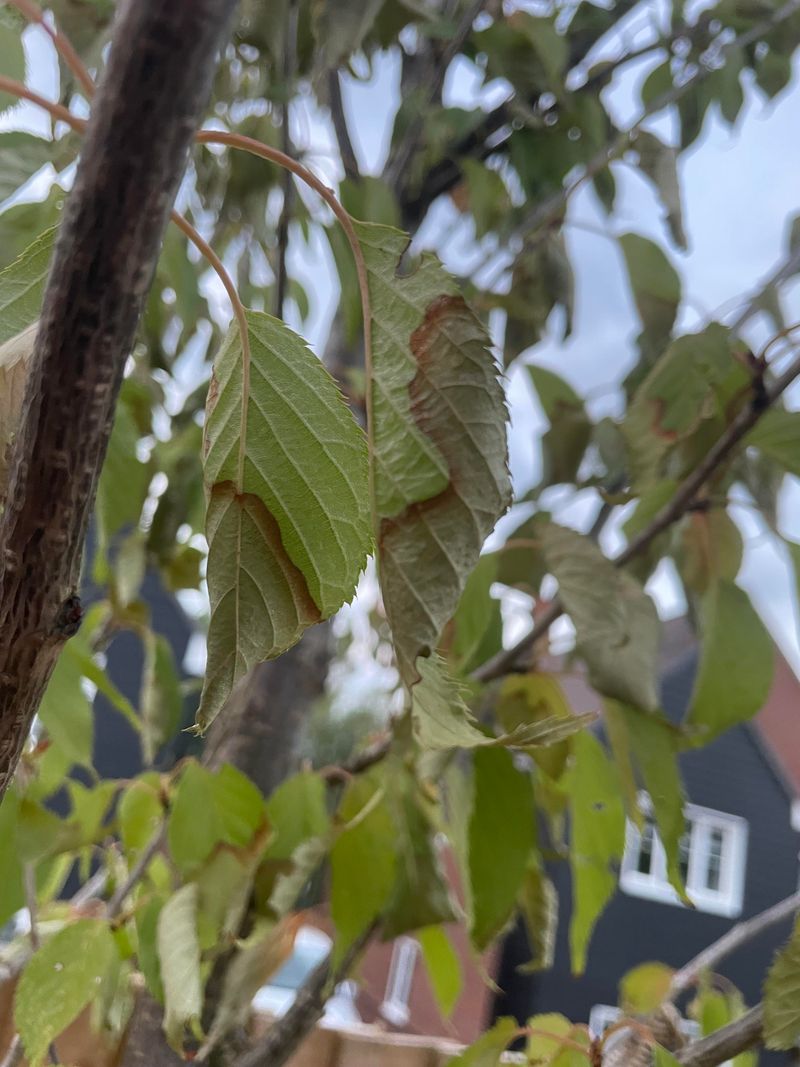
Leaf scorch happens when a plant loses water faster than its roots can replace it. Heat, wind, and bright sun team up to pull moisture straight out of the leaf tissue.
The damage shows up at the edges first because those cells are farthest from the water supply. By the time you notice it, the stress has already been building for days.
Leaf scorch is not contagious, and it will not spread from plant to plant. No spray, no fungicide, and no pesticide will fix it because there is nothing biological causing the problem.
What makes this tricky is that the damage looks almost identical to several common diseases. Some gardeners have removed healthy plants thinking they were infected, when the real issue was simply too much heat.
The green center of the leaf stays alive while the edges brown out. That contrast is a strong indicator of scorch, though early-stage fungal issues can sometimes look similar.
Identifying this early gives you a real shot at protecting the rest of your garden. Once you know what you are looking at, the fix becomes surprisingly simple and satisfying.
How Radiant Heat Creates Extreme Stress Around Plants
Concrete is not your plant’s friend. Patios, driveways, and brick walls absorb heat all day and radiate it back toward your garden beds at night.
This creates a heat dome effect right at ground level. Temperatures near pavement can run significantly hotter than open lawn areas just a few feet away.
Plants growing near south-facing walls or stone borders get hit from two directions at once. The sun beats down from above while the wall pushes heat back from behind.
That double exposure places significant stress on leaf tissue. Moisture evaporates faster than any root system can keep up with, even in well-watered soil.
Mulched beds actually help buffer this problem significantly. A thick layer of organic mulch keeps the soil cooler and holds moisture longer through the hottest parts of the afternoon.
Your Wisconsin Garden Changes Every Week. Your Plan Should Too.
Gardening in Wisconsin changes quickly throughout the season. Every Friday you’ll receive a simple weekly plan showing exactly what to plant, prune, fertilize, harvest, and protect so you never miss the right timing.
Container plants on sunny patios are especially vulnerable because the pot itself heats up. Dark-colored pots sitting on concrete can reach temperatures that cause serious root stress from the outside in.
Moving containers to shadier spots during heat waves makes a noticeable difference fast. Even moving a container a short distance into shade can drop its soil temperature noticeably.
Understanding your yard’s heat map helps you plan smarter. The hottest zones in your garden are often the ones causing the most leaf scorch complaints.
Symptoms That Look Like Disease But Are Not
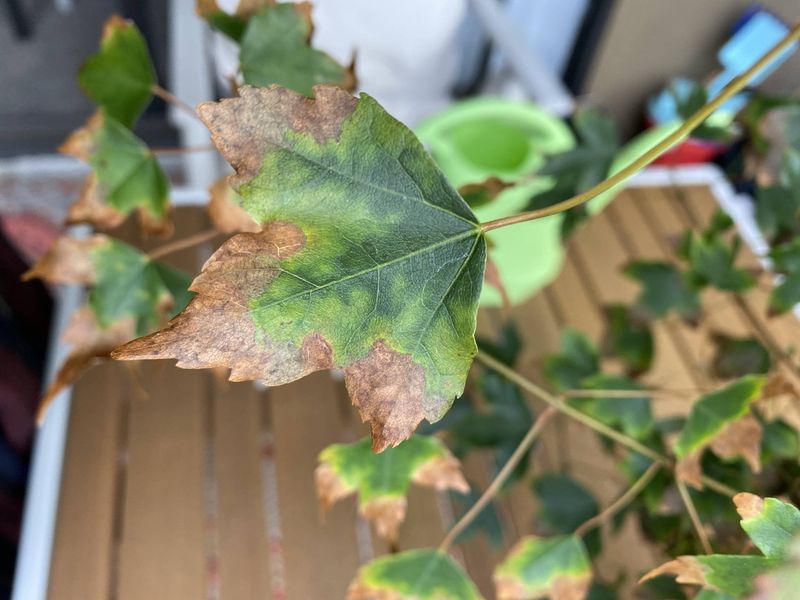
Brown leaves send most gardeners straight to Google, searching for diseases with scary names. The symptoms of leaf scorch are easy to confuse with a dozen different problems.
Fungal infections usually show up as spots with defined edges, sometimes with a yellow halo around them. Scorch damage looks more like a gradient, fading from brown at the tip to green toward the center.
Bacterial leaf scorch, which is an actual disease, looks almost identical to heat scorch. The difference is that bacterial scorch progresses slowly over years and affects specific species like oaks and elms.
Heat scorch can appear almost overnight after a hot, windy weekend. If your plant looked fine Monday and looks toasted by Friday, weather stress is almost certainly the cause.
Tip burn on lettuce and other vegetables is another version of the same problem. The outer leaves dry out while the inner growth stays green and healthy looking.
Yellowing between leaf veins often points to nutrient deficiency rather than scorch. True scorch keeps the veins green while the tissue between them browns and dries out.
Wilting that recovers in the evening is often a heat stress response, though some vascular conditions can cause similar temporary symptoms early on.
Plants close their pores during peak heat to slow water loss, which causes temporary drooping.
Knowing these differences keeps you from treating a problem that does not exist. Accurate observation is the most powerful tool in any gardener’s kit.
Which Wisconsin Plants Suffer The Most From Heat Scorch
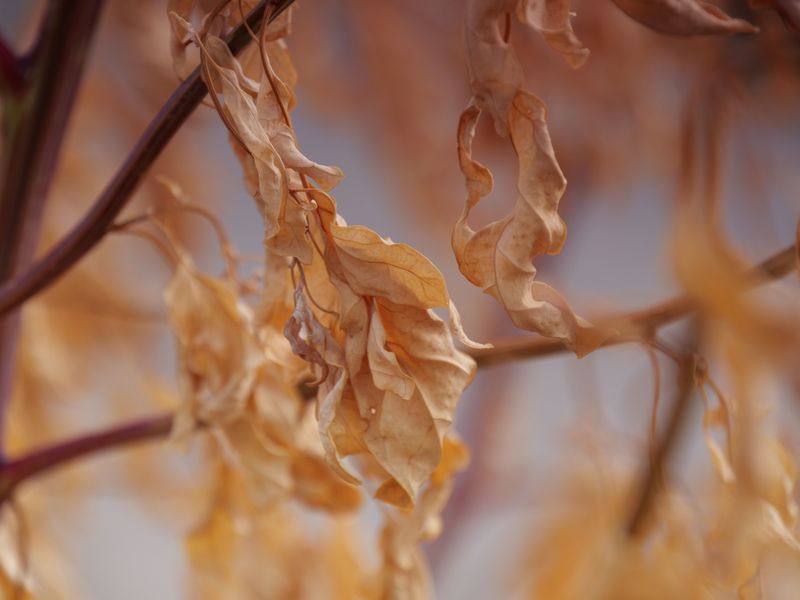
Not every plant handles heat the same way. Some species are far more likely to show scorch symptoms during a tough Midwestern summer.
Japanese maples are at the top of the struggle list. Their delicate, deeply cut leaves lose moisture rapidly and show browning within just a day or two of intense heat.
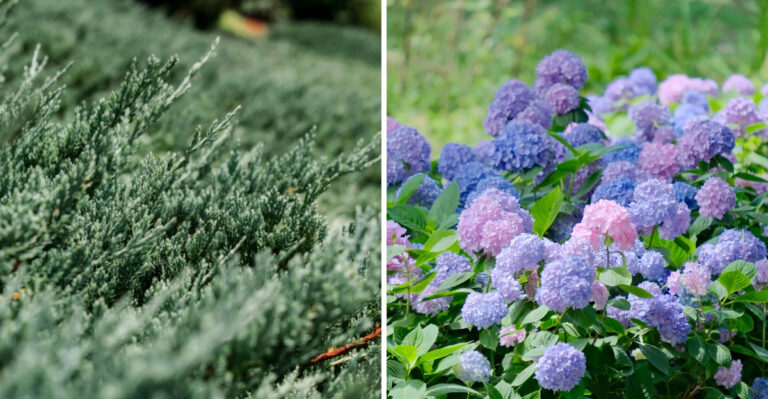
Hydrangeas respond visibly to heat stress. Big leaf varieties will wilt dramatically in afternoon sun and then perk back up by morning, but repeated stress leads to lasting edge damage.
Hostas planted in too much sun develop bleached, papery patches across their broad leaves. They prefer dappled shade and suffer noticeably when placed in open, sunny spots.
River birch trees are especially prone to scorch in dry summers. Their leaves curl and brown along the margins when soil moisture drops even slightly below their preferred level.
Boxwoods show a different kind of scorch called winter burn, but summer heat can cause similar bronzing on exposed outer foliage. They look sickly but often bounce back with cooler weather.
Tomatoes and peppers in vegetable gardens get hit too. Their lower leaves scorch first, especially when reflected heat from a nearby fence or wall adds to the pressure.
Knowing which plants are most vulnerable helps you prioritize care during heat waves. A little extra attention to these sensitive species goes a long way toward keeping the whole garden looking strong.
Heat Scorch Vs Actual Leaf Disease Key Differences
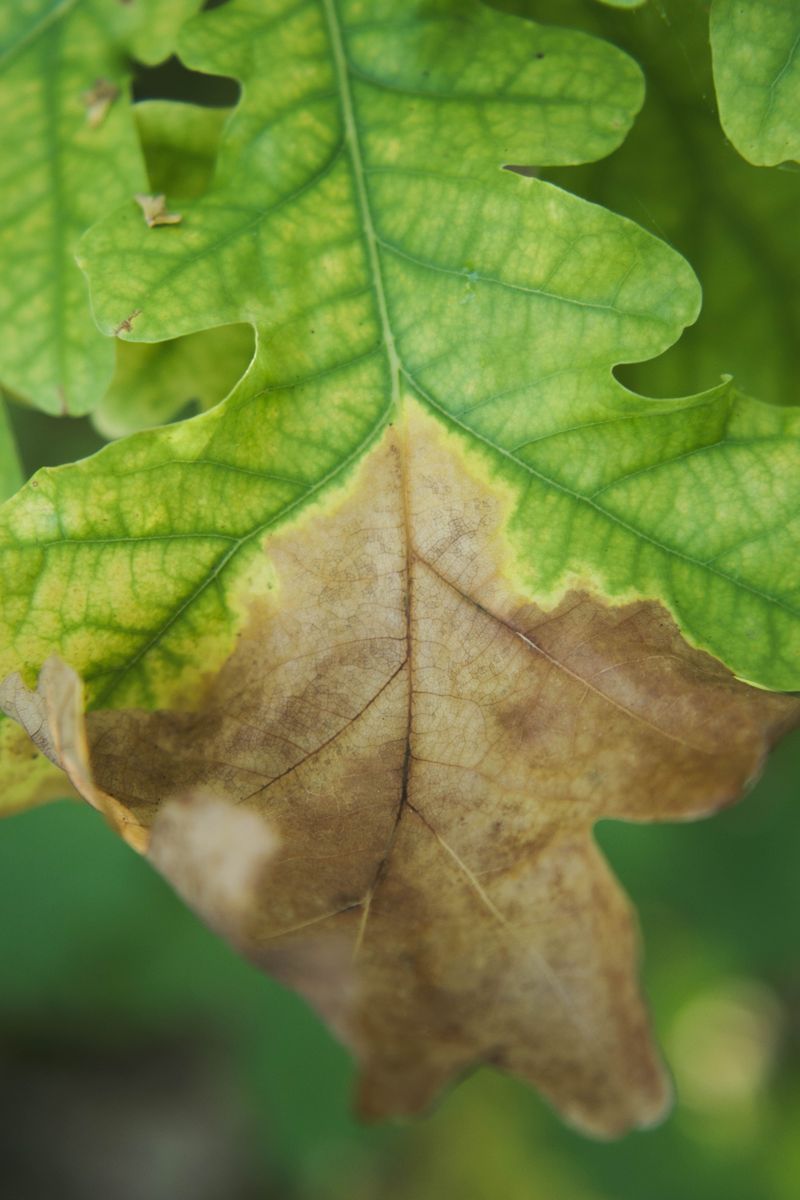
Getting the diagnosis right is everything. Treating scorch like a disease wastes time and money while the underlying stress continues unchecked.
Disease spots are usually irregular and random across the leaf surface. Scorch damage follows a predictable pattern, always starting at the tips and edges where moisture loss is greatest.
Fungal problems often come with visible signs like powdery coating, fuzzy growth, or dark speckling on the leaf surface. Scorch leaves look dry and papery with no surface growth at all.
Check the pattern across multiple plants of the same species. If all the damage appears on the side facing the afternoon sun, heat is almost certainly the cause rather than a pathogen.
Diseases tend to spread progressively over time regardless of weather conditions. Scorch damage typically appears quickly after a heat event and then stabilizes once temperatures drop.
Pull back the mulch and check your soil moisture before assuming anything. Dry, crumbly soil under a plant with brown leaves is a strong indicator of water stress, not infection.
A simple squeeze test on the brown leaf tissue tells you a lot. Scorched tissue feels dry and crisp, while diseased tissue is often soft, mushy, or slightly wet to the touch.
Careful observation is one of the most useful tools you have, though persistent or worsening symptoms are always worth a second opinion. The garden rewards patience and careful attention every single time.
How Soil Health Affects Leaf Scorch Vulnerability
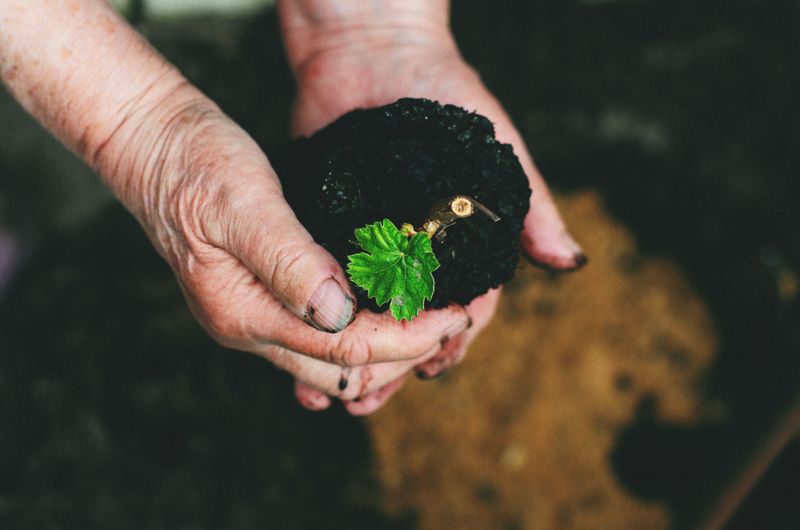
Healthy soil is your best defense against heat damage. Plants growing in rich, well-structured soil handle stress far better than those stuck in compacted or depleted ground.
Compacted soil cannot hold water effectively, which means moisture drains away before roots can access it. Plants in compacted areas show scorch symptoms earlier and more severely than those in loose, amended beds.
Organic matter acts like a sponge in the soil profile. Adding compost each season improves water retention, feeds beneficial microbes, and keeps roots cooler during peak summer temperatures.
Sandy soils drain too fast and leave plants thirsty within hours of watering. Mixing in compost or aged wood chips slows drainage and extends the window of available moisture for roots.
Clay-heavy soils have the opposite problem, holding water so tightly that roots struggle to extract it during stress. Aerating clay soil and adding organic material opens it up significantly over time.
Mycorrhizal fungi in healthy soil extend the effective reach of plant root systems. These fungi networks help plants access water from a much larger area than roots alone could cover.
A simple soil test from your local extension office tells you exactly what your garden needs. Knowing your soil’s pH, nutrient levels, and organic content takes the guesswork out of soil improvement.
Investing in soil health now produces lasting benefits through every hot summer ahead. Strong roots in good soil make leaf scorch far less likely to become a serious problem.
Prevention And Treatment Strategies Worth Trying
Prevention beats treatment every single time. Getting ahead of heat stress means setting up your Wisconsin garden to handle tough weather before it arrives.
Deep watering twice a week beats shallow watering every day. Roots follow water downward, and deep roots access cooler, more stable moisture reserves during hot spells.
A three-inch layer of wood chip mulch around the base of trees and shrubs makes a measurable difference. It cuts soil temperature, slows evaporation, and keeps roots comfortable through the worst Wisconsin afternoons.
Shade cloth stretched over sensitive plants during heat waves is a simple and effective solution. A shade cloth can meaningfully reduce leaf temperature on peak sun days, depending on the cloth density and airflow.
Avoid fertilizing during heat stress because it pushes new growth that the plant cannot support. New leaves are the most vulnerable to scorch because their tissue has not fully matured yet.
Anti-transpirant sprays coat leaves with a thin film that slows moisture loss. They are not a miracle cure, but they can buy your plants extra time during an unexpected heat spike.
Pruning scorched leaves after temperatures drop encourages fresh growth and improves the plant’s appearance. Do not prune during active heat stress because it adds more pressure to an already struggling system.
Small changes in your watering schedule and mulching habits can transform how your Wisconsin garden handles summer. Healthy, supported plants recover from leaf scorch faster than you might think.