The One Thing You Must Do To Ohio Serviceberry After It Fruits
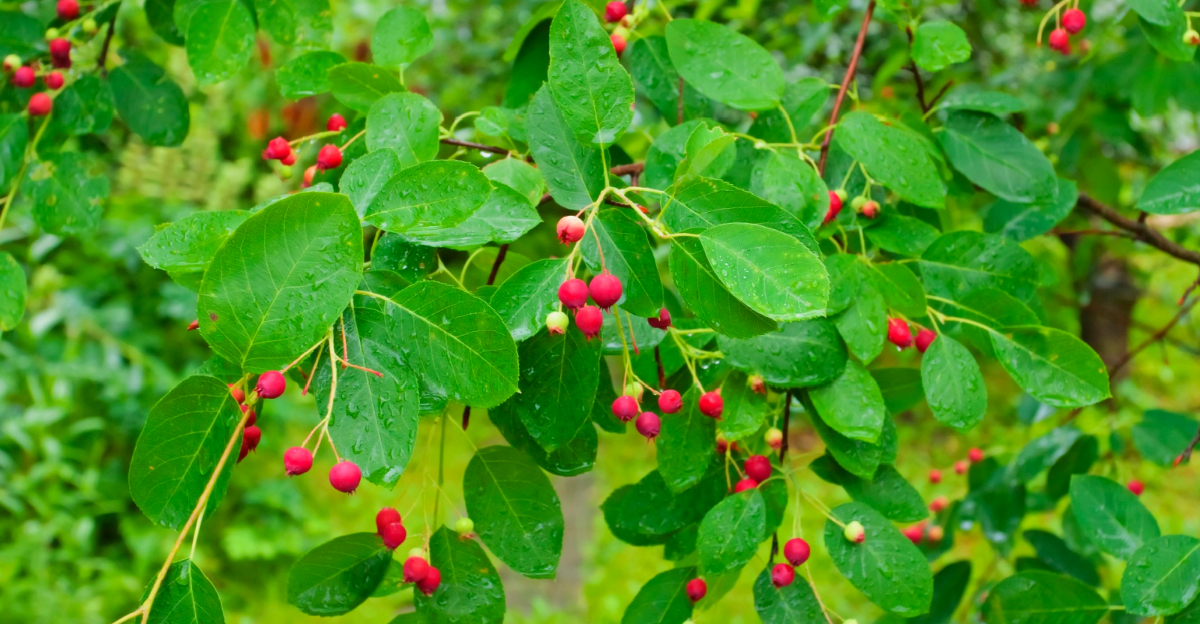
Once your Ohio serviceberry finishes fruiting, and the birds have enthusiastically helped themselves to every last berry, the plant hits a really useful window that a lot of gardeners walk right past.
Early summer is actually one of the best moments to take a closer look at your serviceberry.
The branch structure is visible, the season’s growth pattern is clear, and any crowded or crossing stems are easy to spot before the plant gets too settled into its summer routine.
Serviceberry does not need heavy shearing after fruiting: that is not what this is about.
A little selective thinning, some sucker removal, and attention to airflow can make a genuinely meaningful difference in long-term plant health. A few thoughtful steps right now and your serviceberry will reward you for years.
Totally worth ten minutes of your time.
1. Thin Crowded Branches After Fruiting
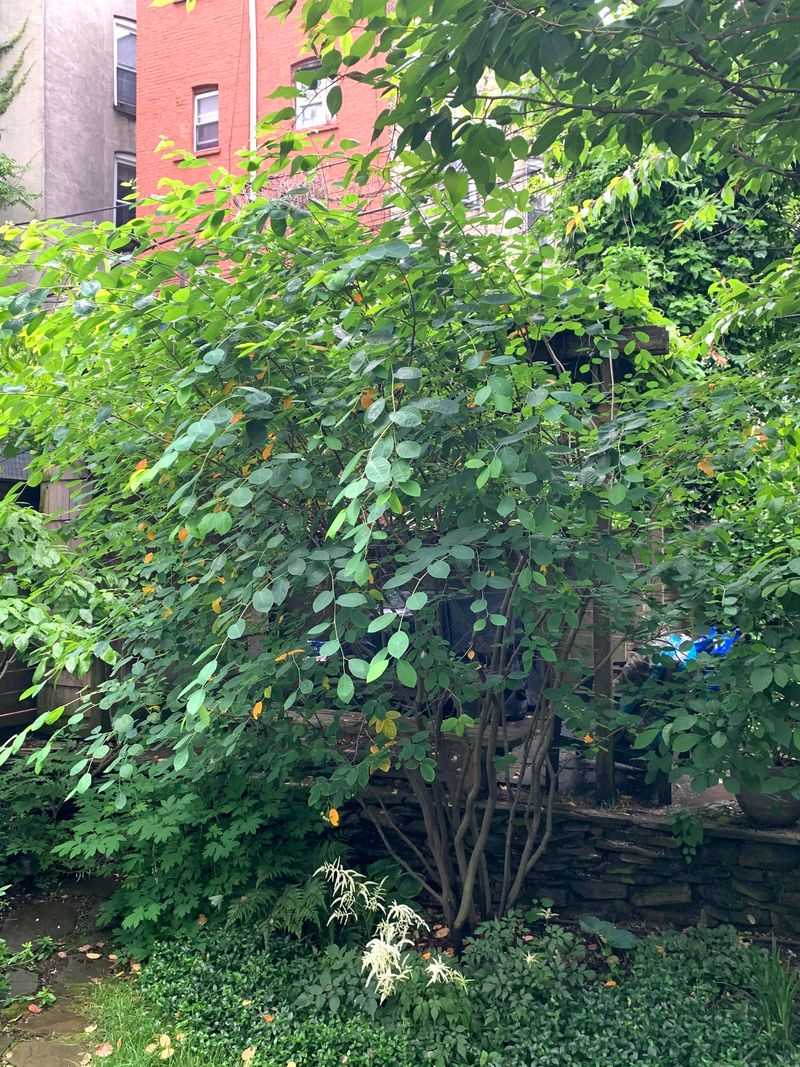
Early summer is one of the better times to step back and look honestly at how crowded your serviceberry has become. After fruiting wraps up in Ohio, the canopy is full of leaves, and it becomes easier to spot branches that are packed too tightly together.
When stems are jammed close, airflow drops and the interior of the plant stays damp longer than it should.
Light thinning means removing a few of the weakest or most awkward stems entirely rather than cutting everything back. The goal is to open up the plant a little without stripping it of healthy growth.
Focus on stems that angle inward, overlap heavily, or seem to be going nowhere useful.
Work slowly and step back often to check your progress. Removing one or two branches at a time helps you avoid taking out too much at once.
Ohio serviceberry responds well to gradual thinning done with care. Sharp, clean pruners make the cuts heal more smoothly, which reduces the chance of pest or disease entry at the wound site.
A little patience here goes a long way toward keeping the plant balanced and healthy through the rest of the growing season.
2. Remove Suckers At The Base
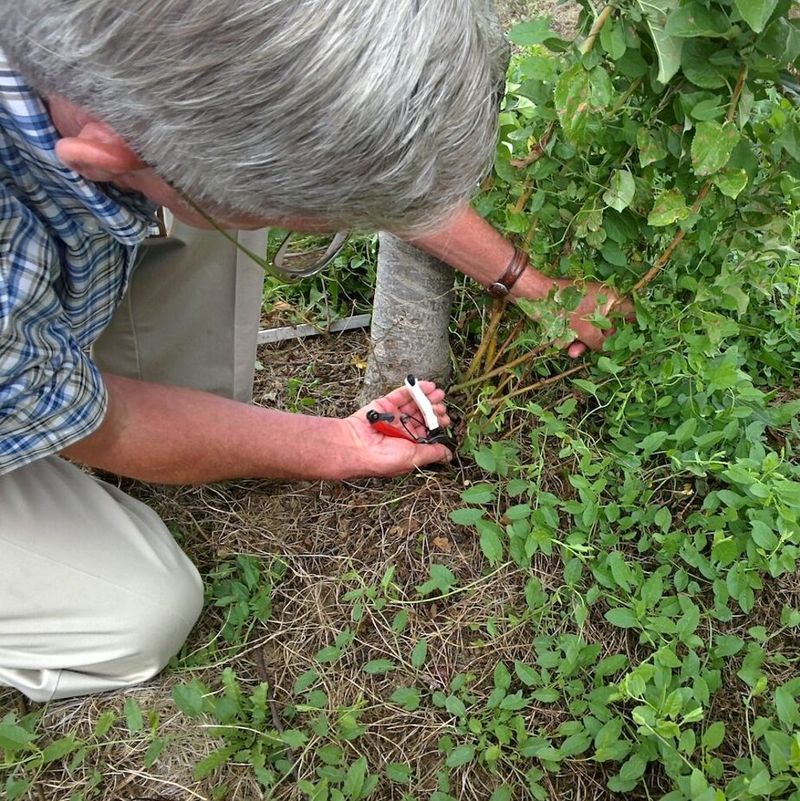
Clusters of thin, upright shoots pushing up from the soil around the base of a serviceberry are called suckers, and they are very common on Ohio serviceberry, especially on multi-stem plants.
Suckers draw energy away from the established stems and can make a tidy planting look cluttered and unruly within just one growing season.
Left unchecked, they can also crowd out nearby perennials or groundcovers in a mixed border.
After fruiting is a practical time to deal with them because you are already out there looking at the plant. Pull back any mulch near the base and trace each sucker down to where it meets the root or main stem.
Cut it off as close to the origin point as possible rather than snipping it higher up, which tends to encourage more branching from that same spot.
For small-tree forms of serviceberry grown in Ohio front yards or foundation edges, sucker removal is especially useful for maintaining the single or multi-trunk structure you are working toward.
Your Ohio Garden Changes Every Week. Your Plan Should Too.
Gardening in Ohio changes quickly throughout the season. Every Friday you’ll receive a simple weekly plan showing exactly what to plant, prune, fertilize, harvest, and protect so you never miss the right timing.
Wearing gloves and using a narrow hand pruner or even a sharp folding saw for thicker ones makes the job quicker.
Checking for new suckers a couple of times through summer keeps things manageable without a big effort each time.
3. Cut Out Crossing Branches Carefully
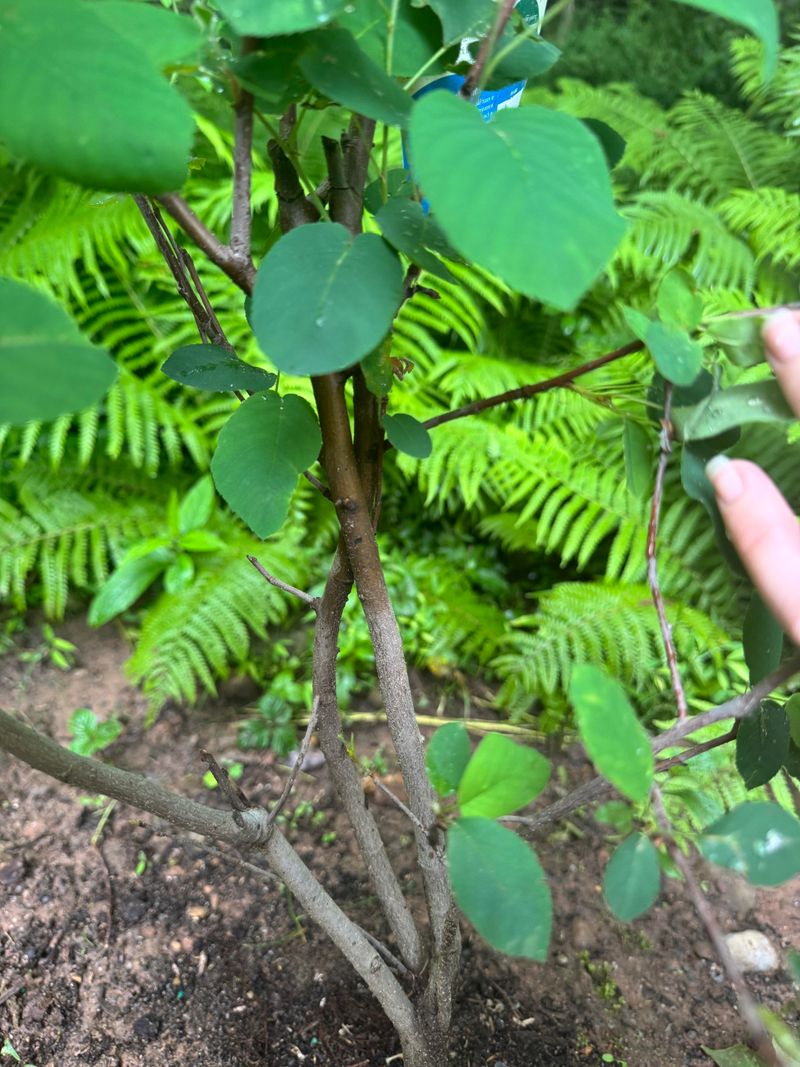
Tangled stems that rub against each other are one of the more overlooked problems in serviceberry shrubs and small trees grown in Ohio landscapes. When two branches cross and press together, the bark at the contact point gets worn down over time.
That worn area can become an entry point for disease or insects, which is worth avoiding in a plant you want to keep looking good for years.
After fruiting, take a look inside the canopy for any stems that are clearly crossing or rubbing. You do not need to remove every branch that passes near another, just the ones that are making consistent contact or are likely to do so as they grow thicker.
Usually, removing the weaker or more awkwardly placed of the two crossing stems is the right call.
Make your cut just outside the branch collar, which is the slightly swollen area where the branch meets the parent stem. Cutting there helps the wound close more naturally.
Ohio serviceberry grown as a naturalized border planting may have more crossing stems than one grown as a shaped small tree, so adjust your expectations based on the role the plant plays in your yard. A few careful cuts now can save bigger problems later.
4. Keep Young Fruiting Wood In Place
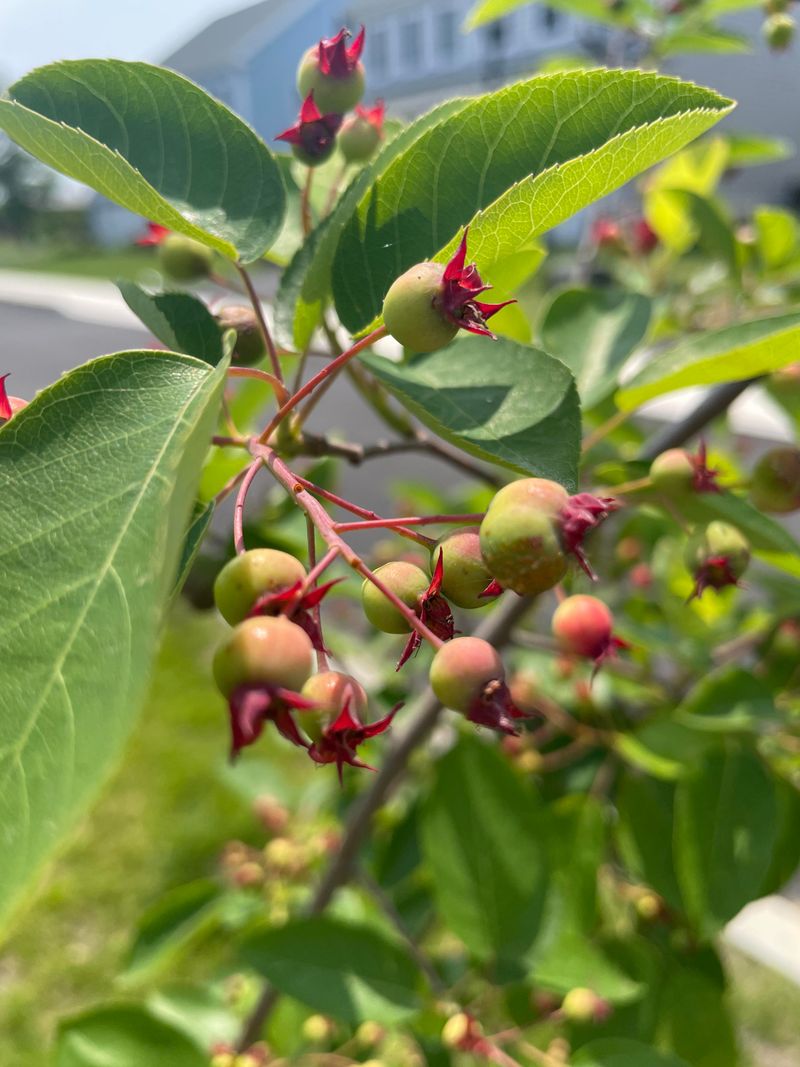
One of the most common mistakes homeowners make after serviceberry fruiting is cutting back too aggressively and accidentally removing the wood that will carry next year’s flowers and fruit.
Serviceberry blooms and fruits on established wood, meaning branches that have had at least one full season of growth.
Cutting those stems back hard after fruiting reduces your chances of a good berry crop the following spring.
Before making any cuts, try to identify which stems are young but established and showing signs of healthy growth. These are the ones to leave alone.
The branches you want to remove are the ones that are damaged, crowded, crossing, or clearly not contributing to the plant’s structure. Young, upright stems with good vigor are almost always worth keeping.
In Ohio wildlife-friendly plantings and native shrub borders, the fruiting value of serviceberry is a big part of why people grow it.
Birds rely on the berries in late spring and early summer, and keeping productive wood in place supports that relationship year after year.
Think of after-fruiting cleanup as editing the plant rather than resetting it. Selective removal of problem wood while protecting healthy young stems keeps the plant fruitful and structurally sound going into the next season.
5. Avoid Heavy Shearing In Summer
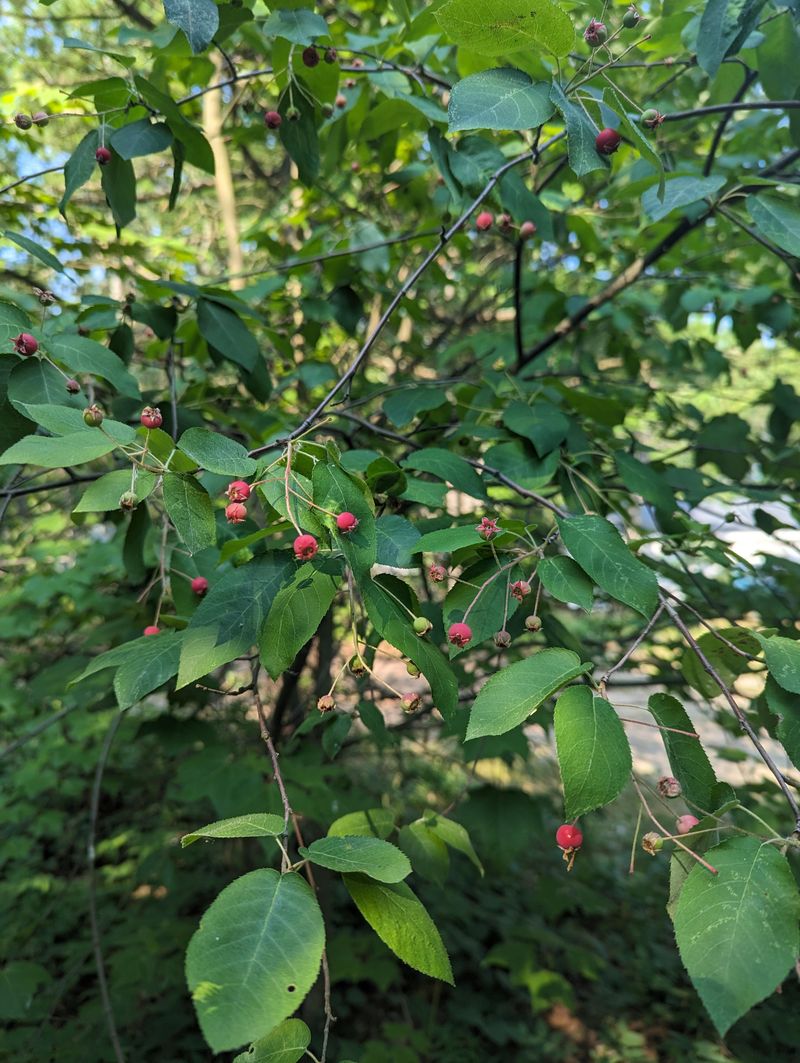
Grabbing the hedge shears and giving a serviceberry a flat-topped summer trim might seem like a quick fix for a plant that looks a little overgrown after fruiting, but it tends to cause more problems than it solves.
Heavy shearing removes a large amount of foliage all at once, which stresses the plant during warm weather when it is actively growing.
It also cuts through many of the branch tips that would otherwise produce flowers and fruit next year.
Serviceberry has a naturally graceful, arching form that looks best when it is shaped through selective pruning rather than blunt cutting.
Shearing turns that soft, layered look into something boxy and unnatural, which works against the plant’s appeal in Ohio native-style landscapes and informal garden borders.
Once sheared heavily, the plant often responds with a flush of dense, weak regrowth that makes it look even more cluttered.
Summer is also a time when serviceberry is putting energy into root development and setting up for the following year.
Disrupting that process with heavy pruning can slow recovery and leave the plant less prepared for Ohio’s sometimes harsh late-summer heat.
Light thinning and targeted cuts are a much better approach than shearing, and the plant will look more natural and stay healthier for it.
6. Improve Airflow Through The Canopy
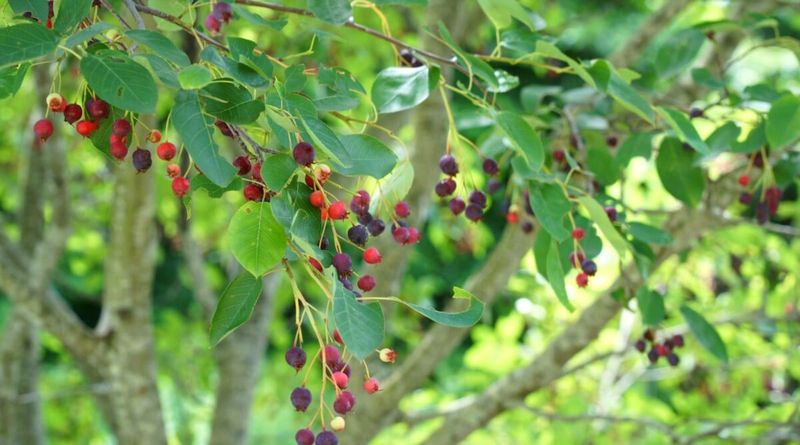
Shady, stagnant air inside a dense serviceberry canopy creates conditions that certain fungal problems enjoy, and Ohio summers can bring enough humidity to make this a real concern.
Improving airflow by selectively removing interior branches helps leaves dry out faster after rain or dew, which reduces the chance of leaf spot or powdery mildew taking hold during the warmer months.
You do not need to turn the plant into a bare skeleton to get good airflow. Removing just a handful of weak, inward-facing, or overlapping branches from the interior can make a noticeable difference.
The goal is to let light and moving air reach more of the canopy without stripping the plant of its natural density and fullness.
In Ohio landscapes where serviceberry is grown near fences, buildings, or other shrubs, airflow can be especially limited on one side of the plant. Pay extra attention to those spots when doing post-fruiting cleanup.
A plant that can breathe well through its canopy tends to handle summer stress more comfortably and comes out of the season in better condition.
Thinning for airflow is one of those small investments that quietly pays off over several growing seasons without requiring a lot of time or effort each year.
7. Remove Diseased Growth When Needed
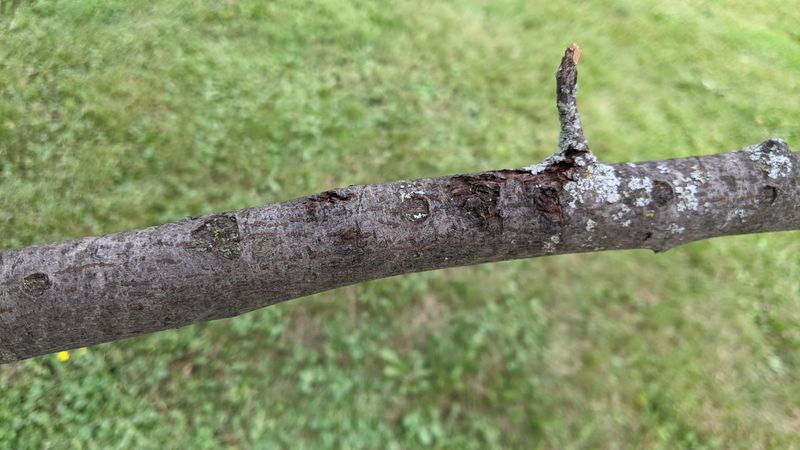
Spotting a branch with discolored, spotted, or otherwise unhealthy-looking leaves after fruiting season is a signal worth paying attention to.
Ohio serviceberry can occasionally experience leaf spot diseases or fire blight-like symptoms, especially during wet springs followed by warm, humid summers.
Catching affected growth early and removing it carefully can help keep the problem from spreading to healthier parts of the plant.
When removing diseased wood, cut back to healthy tissue and disinfect your pruner blades between cuts using a diluted bleach solution or rubbing alcohol. This simple step helps avoid spreading any pathogen from one cut to the next.
Bag and dispose of the removed material rather than leaving it near the plant or adding it to a compost pile.
Not every discolored leaf means a serious problem. Ohio serviceberry naturally drops some leaves in midsummer, and a little yellowing here and there is not always cause for concern.
Look for patterns like widespread spotting, blackened stem tips, or cankers before deciding that significant removal is needed. When in doubt, observe the plant for a week or two before making cuts.
Removing too much healthy wood trying to address a minor issue is a common mistake that sets the plant back more than the original problem would have.
8. Water During Long Dry Spells
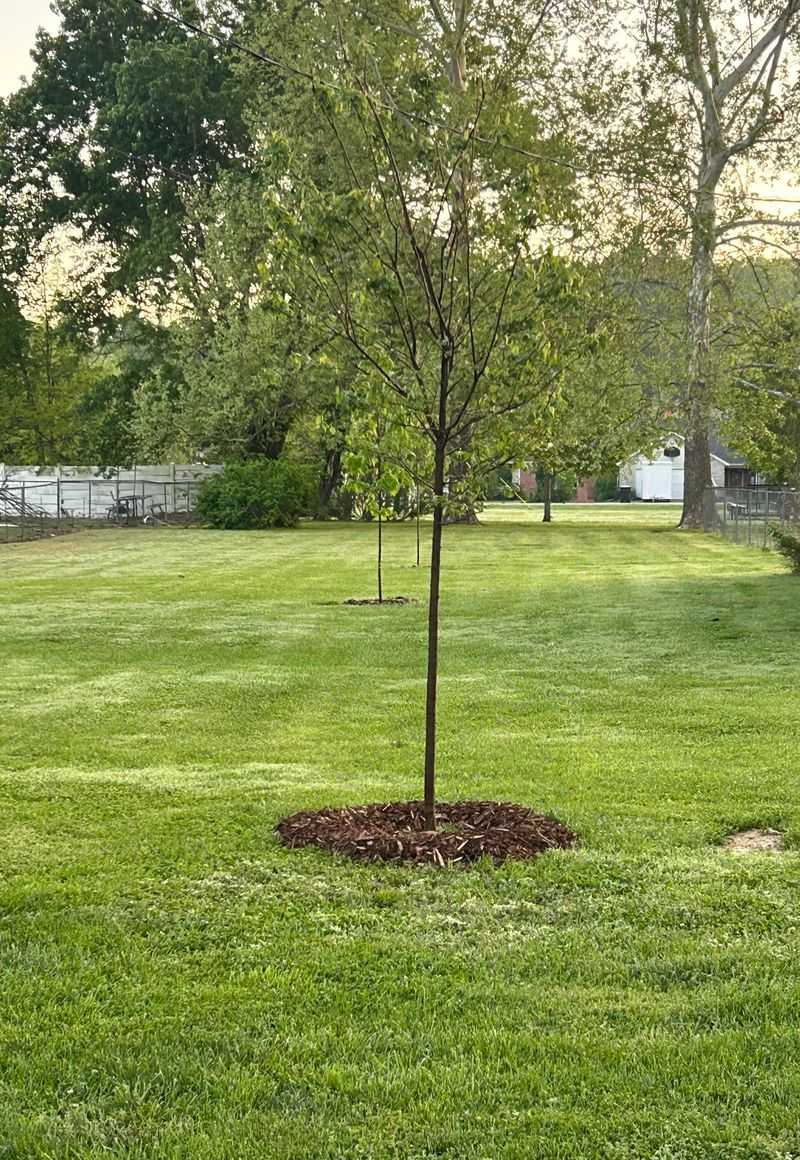
Ohio summers can swing from plenty of rain to stretches of dry weather that stress landscape plants more than homeowners sometimes realize.
Serviceberry, while considered a fairly adaptable native plant, benefits from supplemental watering during extended dry periods, especially in the weeks right after fruiting when the plant is still actively growing and preparing for next year.
A slow, deep watering once or twice a week during dry spells is more effective than frequent shallow watering.
Deep watering encourages roots to grow further down into the soil rather than staying near the surface, which makes the plant more resilient during future dry periods.
Water at the base of the plant rather than overhead to keep foliage dry and reduce the chance of fungal issues.
Newly planted serviceberry in Ohio landscapes needs more consistent moisture than an established one, but even older plants benefit from attention during unusually long dry stretches.
Watch for signs of stress like wilting leaves, premature leaf drop, or a dull, muted leaf color.
A serviceberry that goes into late summer well-hydrated is better positioned to harden off properly before Ohio winters arrive. Checking soil moisture a few inches below the surface gives a much more accurate picture than looking at the surface alone.
9. Mulch Without Covering The Trunk
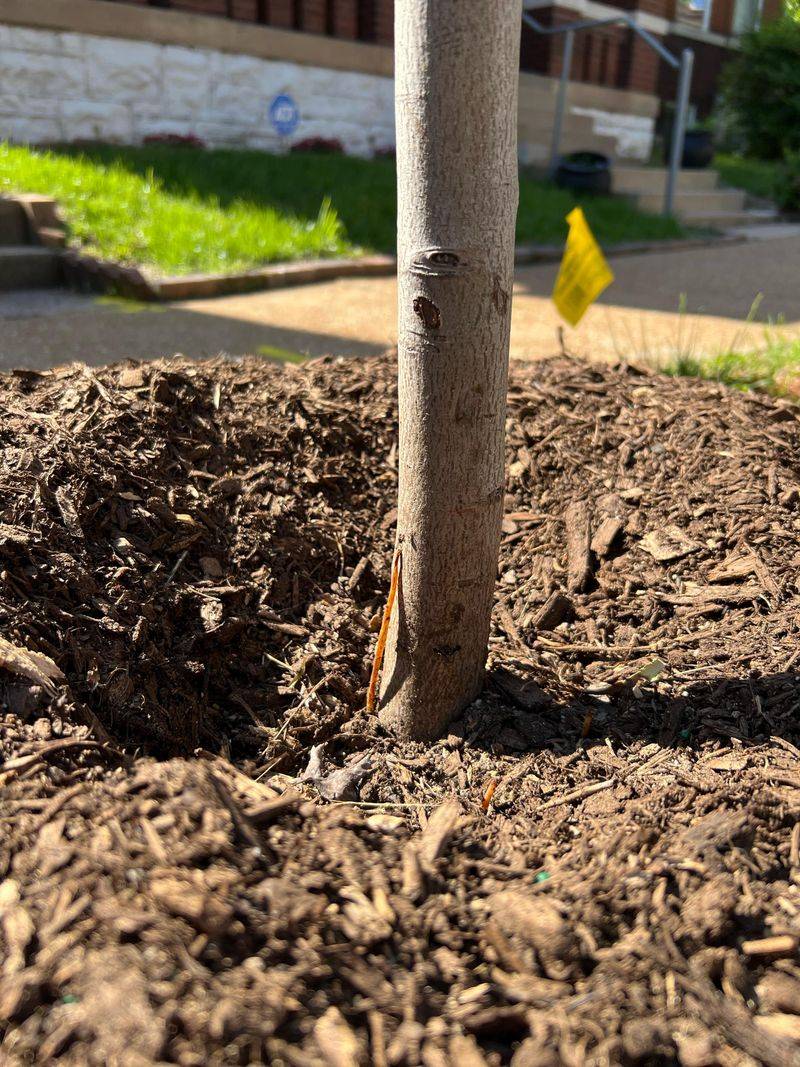
Fresh mulch applied after fruiting season gives Ohio serviceberry roots a layer of protection through the rest of summer and into fall.
A two-to-three-inch layer of wood chips or shredded bark spread in a wide ring around the plant helps retain soil moisture, moderate soil temperature, and gradually improve soil structure as it breaks down over time.
The most important thing to remember when mulching is to keep the material away from the trunk or main stems.
Mulch piled up against the bark, sometimes called a mulch volcano, holds moisture against the wood and can lead to bark softening and rot over time.
Leave a clear gap of a few inches between where the mulch ends and where the trunk begins.
Spreading the mulch ring out wide, ideally as far as the branch canopy extends, is more beneficial than piling it thick in a tight circle right at the base.
A wide, shallow application covers more of the root zone and does a better job of suppressing weeds without smothering the soil.
In Ohio residential landscapes, serviceberry planted in lawn areas especially benefits from a generous mulch ring that keeps mower and string trimmer equipment away from the base of the trunk, which reduces the risk of bark damage from equipment contact.