These California Desert Gardens Are Still Worth The Trip In Hot Weather
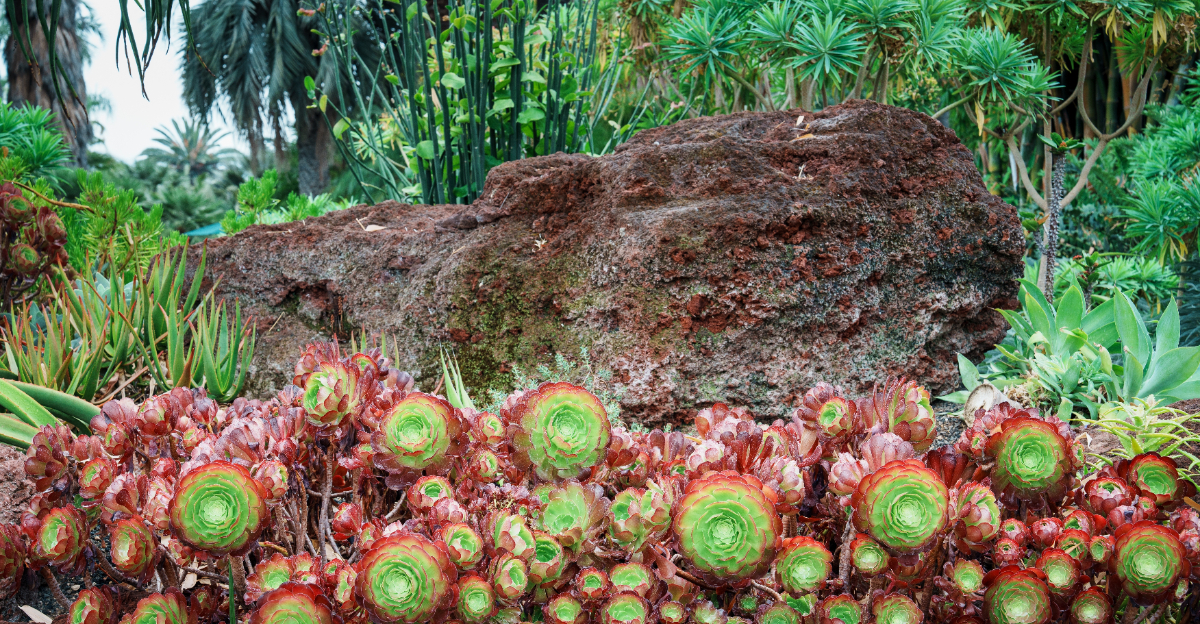
California’s desert gardens know how to put on a show before summer turns the thermostat all the way up.
Spring brings bold blooms, sculptural plants, and landscapes that look almost too dramatic to be real. Even the cacti seem ready for their close-up.
These gardens offer the perfect excuse to escape for a day and wander somewhere completely different.
Curving paths lead past strange silhouettes, unexpected colors, and plants that somehow make harsh conditions look glamorous.
The timing matters, though. Desert heat does not ease into summer politely.
It arrives with confidence, and suddenly that peaceful stroll feels more like an endurance challenge.
Visiting earlier means more time to explore without racing toward the nearest patch of shade. Charge your phone, wear comfortable shoes, and prepare to take far too many photos.
The desert may be rugged, but these gardens prove it can also be wildly beautiful.
1. Moorten Botanical Garden Is Palm Springs’ Classic Cactus Stop
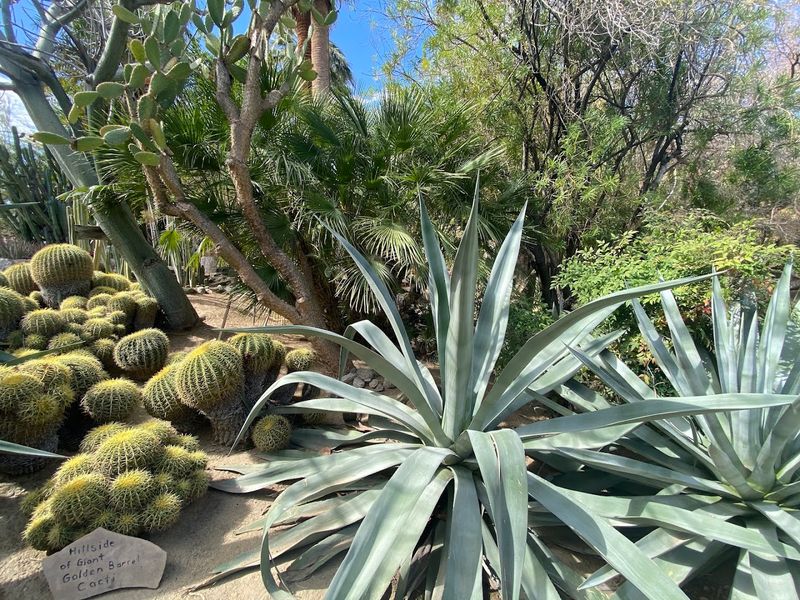
Few places carry as much old-school desert charm as this family-owned gem in Palm Springs.
Open since 1938, it has welcomed curious visitors for decades with its one-acre collection of more than 3,000 cacti, succulents, and arid plants.
The grounds feel intimate and personal, more like wandering through someone’s extraordinary backyard than a formal garden.
Plants are arranged by geographical habitat, grouping species from the Mojave Desert, Sonoran Desert, Baja Peninsula, South Africa, and South America.
Many specimens are impressively large, with some reaching heights of 20 feet or more.
The sheer variety of shapes, textures, and colors makes every step feel like a small discovery.
A fan favorite is the Cactarium, a greenhouse packed with rare and unusual species that photographers absolutely love.
The Moorten family’s original home, nicknamed the “Cactus Castle,” adds a quirky historical touch to the experience.
Spring visits from March through May are especially rewarding when seasonal blooms add bursts of color throughout the grounds.
Admission is just $5, and leashed dogs are welcome. A small nursery on-site sells plants and pottery, so you can bring a little desert magic home.
Plan for about 30 to 60 minutes, making it a perfect quick stop on a desert road trip.
2. The Living Desert Turns Palm Desert Into A Garden-And-Wildlife Trip
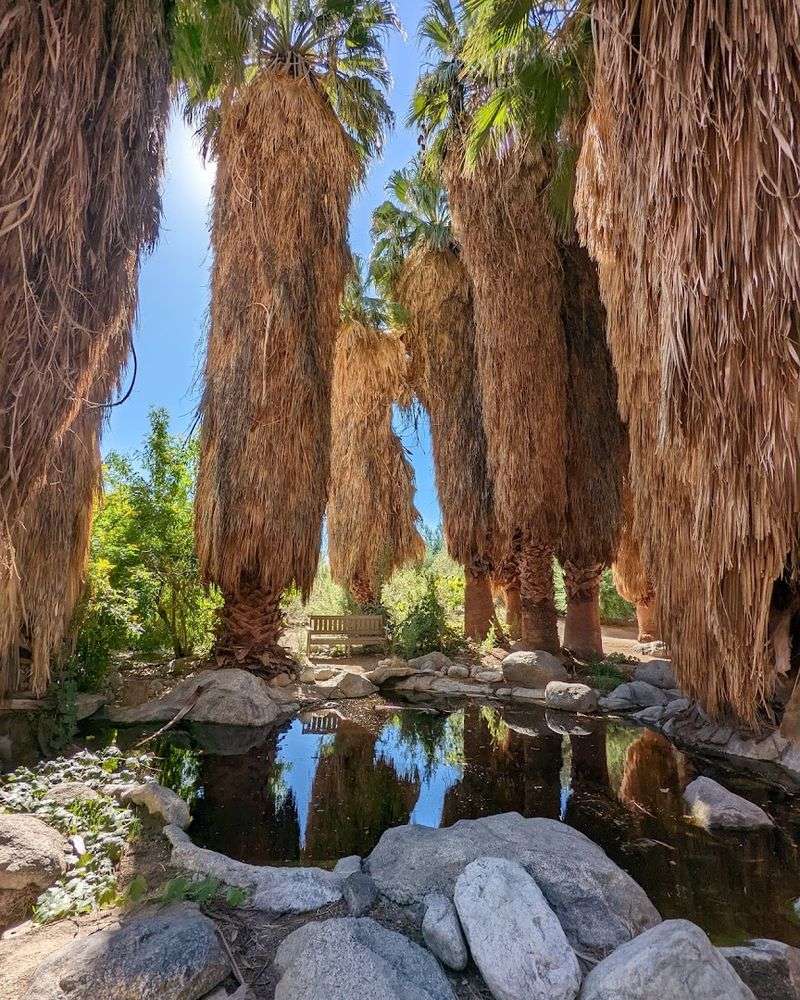
Part zoo, part botanical garden, and entirely unforgettable, this Palm Desert institution has been delighting visitors for over 50 years.
Sitting about 16 miles southeast of downtown Palm Springs, it spans 1,200 acres with 80 acres fully developed and open to guests.
Very few places in California blend wildlife conservation with botanical education quite so seamlessly.
The garden sections feature native and exotic desert plants, including extensive collections of cacti, agaves, and succulents arranged to recreate natural desert ecosystems.
Exhibits transport you from the Sonoran Desert to the African Savanna, offering a genuinely global perspective on arid environments.
The plant curation here is thoughtful, with each pathway telling a botanical story worth following.
Over 500 animals representing more than 150 species call this place home. Giraffes, cheetahs, bighorn sheep, desert tortoises, and even the rare sand cat are among the residents.
Your California Garden Changes Every Week. Your Plan Should Too.
Gardening in California changes quickly throughout the season. Every Friday you’ll receive a simple weekly plan showing exactly what to plant, prune, fertilize, harvest, and protect so you never miss the right timing.
Keeper-led animal encounters happen throughout the day, offering educational insights that kids and adults both appreciate.
Families will love the Gecko Gulch playground, the giraffe feeding station, and the impressive model train display.
The best visiting months run from January through April when the weather is most comfortable.
Summer hours shift to early mornings only, so planning ahead ensures a much more enjoyable outing.
3. Sunnylands Brings Desert-Garden Polish To Rancho Mirage
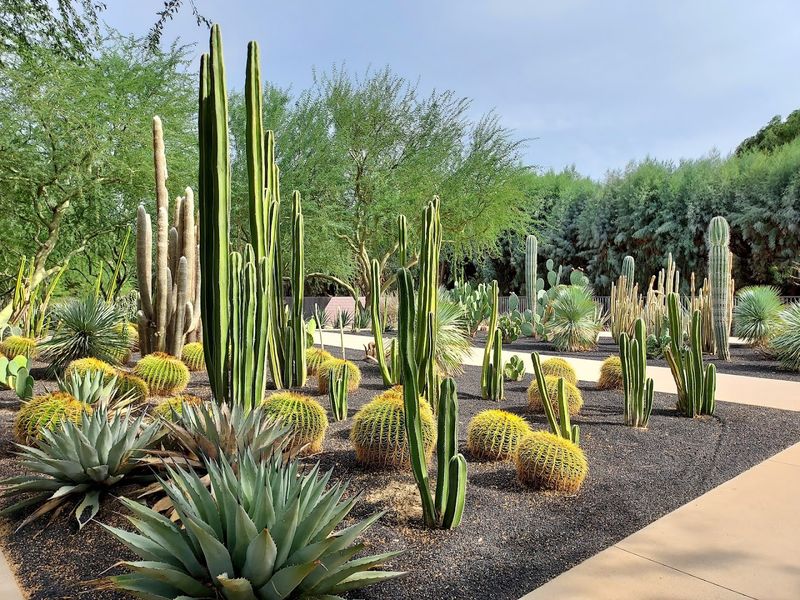
There is a quiet grandeur to Sunnylands that sets it apart from every other garden destination in the desert.
Once the private winter retreat of philanthropists Walter and Leonore Annenberg, this 200-acre estate welcomed presidents, royalty, and celebrities before opening to the public in 2012.
The gardens were designed with Impressionist and Post-Impressionist paintings as their artistic inspiration, and that influence shows in every carefully composed planting.
Fifteen acres of curated landscape feature more than 70,000 specimens of cacti, succulents, and drought-adapted trees sourced from North and South America, Africa, and the Mediterranean.
Twin reflecting pools filled with river stones flank the rear of the Center building, creating a serene visual anchor for the entire space.
A winding labyrinth planted with Wedelia invites slow, contemplative walks through the grounds.
The Center building itself houses rotating art exhibitions, a cafe, a gift shop, and multimedia displays about the Annenbergs’ legacy.
Guided tours including the Historic Walk and Open-Air Experience offer deeper insight into the landscape design and sustainability efforts.
Advance tickets for the Historic Home Tour are strongly recommended since they sell out quickly.
Admission to the gardens is free, and the site is open Wednesday through Sunday from September to May.
Visiting between November and April offers the most comfortable temperatures for fully exploring this breathtaking estate.
4. Anza-Borrego’s Visitor Center Garden Makes Borrego Springs Worth The Drive
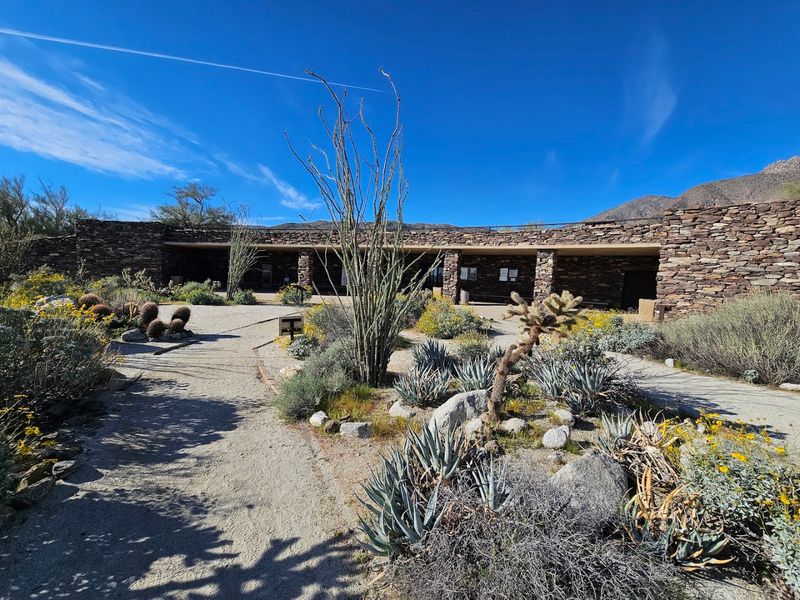
Not every great garden experience requires acres of manicured landscape. Sometimes a compact, well-labeled collection outside a visitor center can be just as inspiring, especially when it serves as your gateway to 600,000 acres of wild desert.
The garden at the Anza-Borrego Desert State Park Visitor Center does exactly that, offering a curated preview of the flora you will encounter deeper within the park.
Native desert scrub species, a variety of cacti, and seasonal wildflowers are all clearly labeled, making this a genuinely educational stop.
After significant winter rains, late February through April transforms the surrounding landscape into a breathtaking wildflower spectacle.
Pink sand verbena, yellow brittlebush, and red chuparosa create sweeping color displays that attract visitors from across the country.
Inside the visitor center, award-winning exhibits cover the park’s paleontology, geology, archaeology, and wildlife. You can view fossils including a Southern mammoth skull and a giant tortoise display.
A 15-minute film titled “A Year in the Desert” provides a helpful overview before you head out to explore.
Knowledgeable staff and volunteers are on hand to offer trail recommendations and current bloom reports. Day use parking fees may apply.
February through April is widely considered the best window to visit, though the garden itself offers something interesting to observe throughout the year regardless of the season.
5. The Huntington Desert Garden Is San Marino’s Cactus Showpiece
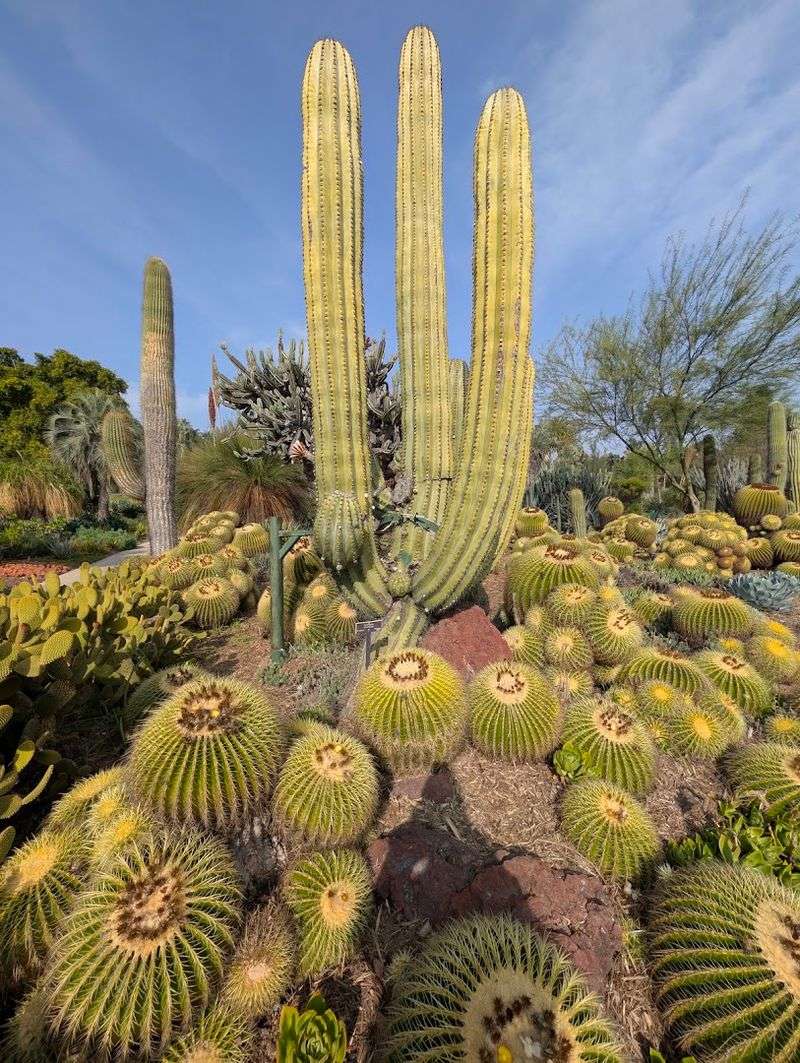
Back in 1907, head gardener William Hertrich convinced Henry Huntington to let him grow a few cacti on the property.
That modest experiment grew into one of the most significant desert plant collections in the entire world.
Today, the Huntington Desert Garden spans 10 acres and holds more than 5,000 species across 60 landscaped beds, making it a landmark destination for plant lovers everywhere.
One of the most photographed features is a spectacular cluster of 500 golden barrel cacti, some over 85 years old, that blaze with bright yellow spines under the sun.
The garden also maintains one of the largest aloe collections outside Africa, with roughly 200 of the world’s 300 known species represented here.
Winter brings dramatic floral displays from these aloes, drawing nectar-seeking birds to the garden in impressive numbers.
Species from Mexico, Africa, and the Canary Islands give the collection a genuinely global character. A tree-like columnar cactus known as Cereus xanthocarpus was already mature when planted in 1905, making it approximately 125 years old today.
The agave and yucca sections are also world-class, including the largest known Yucca filifera specimen anywhere.
The garden is open daily except Tuesdays, from 10 AM to 5 PM. Early spring visits offer the most blooms and comfortable temperatures.
Given everything the Huntington offers, setting aside a full day to explore is a very wise idea.
6. Ruth Bancroft Garden Gives Walnut Creek A Dry-Garden Landmark
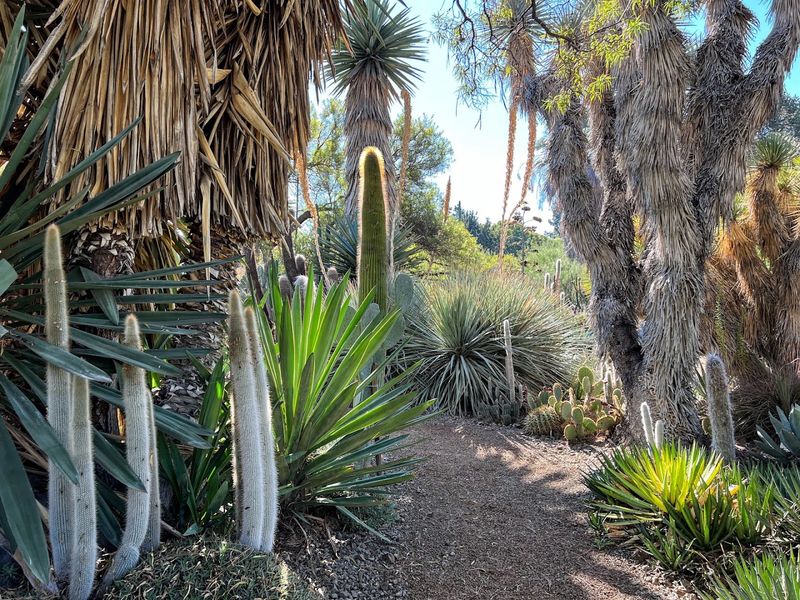
Ruth Bancroft was already in her sixties when she began planting what would become one of America’s most celebrated dry gardens.
Working on three acres of former walnut orchard land in the Ygnacio Valley, she set herself one firm rule: no new wells and no city water hookups.
That commitment to sustainability shaped every plant choice she made, resulting in a landscape that feels both intentional and wildly alive.
The 3.5-acre garden showcases large, mature specimens of cacti, succulents, and drought-tolerant plants from around the world.
Many of these plants have flourished for decades, developing the kind of sculptural presence that only time can create.
Ruth deliberately avoided traditional botanical signage, letting the plants speak through their forms, colors, and textures rather than labels.
Aloe plants are the garden’s signature stars, celebrated for their structural rosettes and reliable yearly blooms in vivid reds, oranges, and yellows.
Thanks to decades of collecting and careful breeding, at least one aloe variety is in bloom during almost every season.
Iconic California fan palms, grown from small containers Ruth planted herself, now stand 50 feet tall and anchor the garden’s skyline.
Rocks are used throughout the landscape both for aesthetics and to support plant health in dry conditions. Each visit feels slightly different as plants cycle through bloom and color changes.
Mild spring and autumn temperatures make for the most comfortable and rewarding visits to this extraordinary place.
7. California Botanic Garden Shows Off Native Plants In Claremont
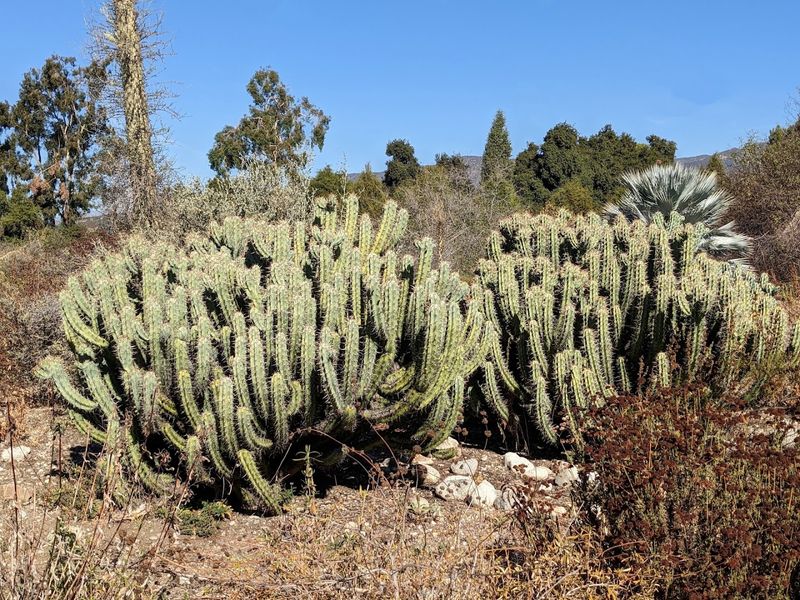
There is only one botanic garden in the entire country dedicated exclusively to the native plants of California, and it sits in Claremont, about 35 miles east of Los Angeles.
Spanning 86 impressive acres, it functions as a living museum housing more than 22,000 native plants, including many rare and threatened species.
Its mission goes beyond beauty, focusing on conservation, research, and public education about the unique flora found only within these borders.
Rather than organizing plants by taxonomy alone, the garden arranges them into natural plant communities that mirror how they grow in the wild.
Walking through these sections feels genuinely immersive, as if you have stepped into a slice of native landscape rather than a curated exhibit.
Showy penstemons, native cacti, and an extraordinary range of other species create a rich tapestry that changes with every season.
Education is woven into every corner of the experience. The garden offers resources like Collections Connection, an online tool designed to build knowledge of native plants for students and curious learners.
Plant sales are held regularly, giving visitors a chance to take home species that will thrive in local, low-water landscapes.
Spring is the prime visiting season when native wildflowers and blooming cacti put on their most colorful show. Autumn also offers pleasant temperatures and interesting plant activity.
Either way, comfortable walking shoes and a few hours of free time are all you really need to enjoy this botanical treasure.
8. UC Riverside Botanic Gardens Adds Inland Heat-Loving Texture
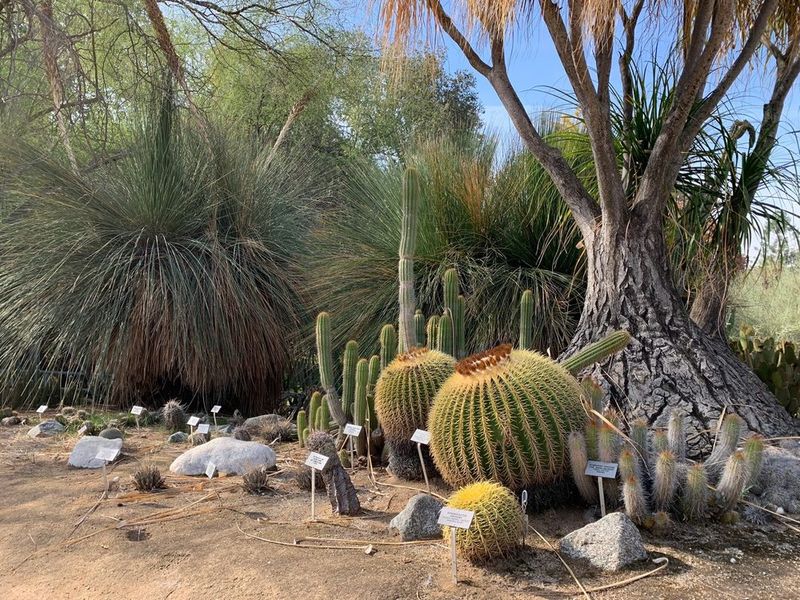
Tucked within the University of California, Riverside campus, these botanic gardens offer a surprisingly rich and varied plant experience.
While the gardens cover multiple ecological zones, their arid and drought-tolerant sections are a genuine highlight for anyone interested in desert flora.
The gardens serve as both a living classroom and a peaceful retreat, reflecting the university’s deep commitment to botanical research and conservation.
Dedicated xeriscaping displays show exactly how beautiful a low-water garden can be. Succulents, cacti, and other resilient species are thoughtfully arranged to demonstrate practical landscaping solutions for our drought-prone region.
Informative signage throughout the gardens explains the origins and characteristics of each plant, turning a casual stroll into an educational experience without feeling like a lecture.
The variety here ensures there is always something visually interesting to discover, from delicate desert blooms to bold, architectural cacti.
Innovative irrigation setups are on display as well, offering home gardeners concrete ideas they can adapt for their own yards.
The peaceful atmosphere makes it easy to slow down and really observe the intricate details of each specimen.
Spring and fall offer the most comfortable conditions for exploring the outdoor collections. Summer heat in Riverside can be intense, so timing your visit thoughtfully makes a real difference in how much you enjoy the experience.
Early mornings on a weekday are particularly pleasant, with fewer crowds and cooler air that makes every path feel inviting and refreshing.
9. The Water Conservation Garden Makes El Cajon A Water-Wise Stop
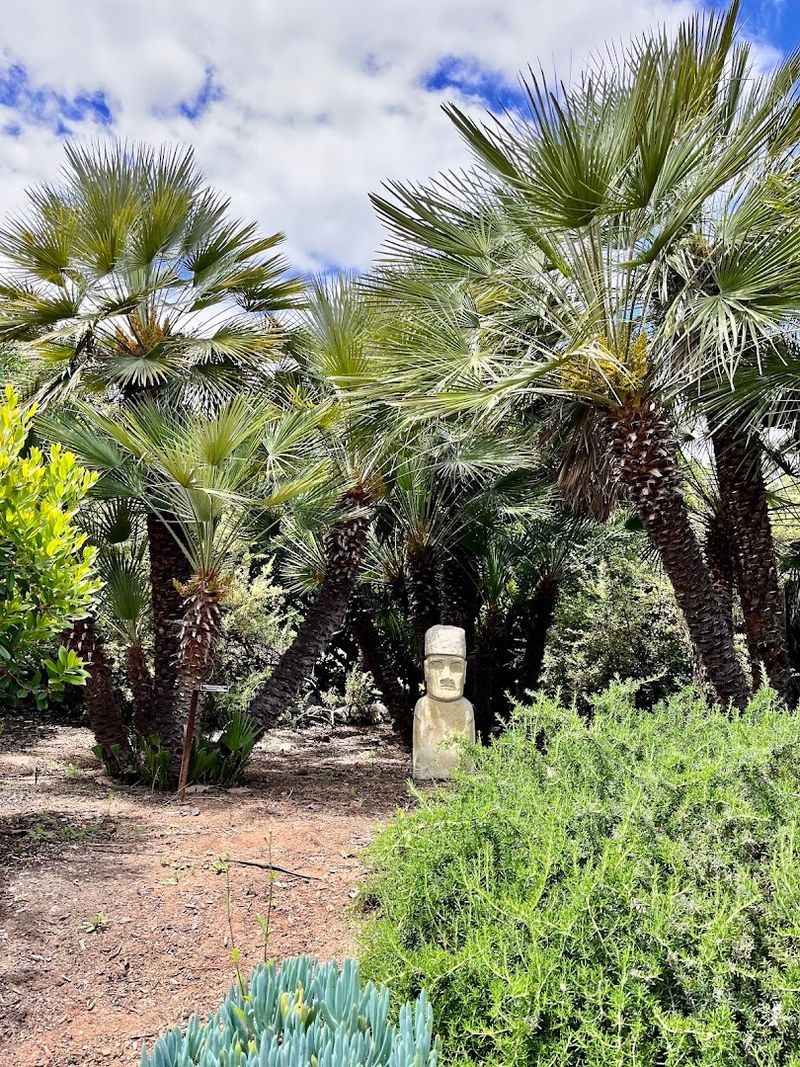
What if a garden could teach you how to save thousands of gallons of water while still looking absolutely stunning?
That is exactly the promise of this innovative six-acre destination in El Cajon, and it delivers on every count.
Far from being a barren collection of rocks and sparse plants, it bursts with color, texture, and life while using a fraction of the water a traditional garden would require.
Themed exhibits throughout the grounds cover a wide range of sustainable landscaping ideas. The California Natives Loop showcases local plants on both sloping and flat terrain, demonstrating how native species can anchor a beautiful, low-maintenance landscape.
The Bird and Butterfly Garden is specifically designed to attract pollinators, drawing hummingbirds, butterflies, and bees that make the space feel wonderfully alive.
Practical how-to displays on mulching, efficient irrigation, and soil preparation give visitors actionable takeaways they can apply at home right away.
A native butterfly pavilion operates during spring and summer, offering an enchanting close-up view of pollinators in motion.
Views of the Jamul Mountains add a scenic backdrop to the entire experience, making it as visually rewarding as it is educational.
The garden is open Tuesday through Sunday from 10 AM to 4 PM, with extended summer hours available. Cooler months from fall through spring offer the most comfortable outdoor conditions.
Whether you are a seasoned gardener or a complete beginner, this place will genuinely change how you think about landscaping and water use.
10. South Coast Botanic Garden Adds Coastal Desert Texture
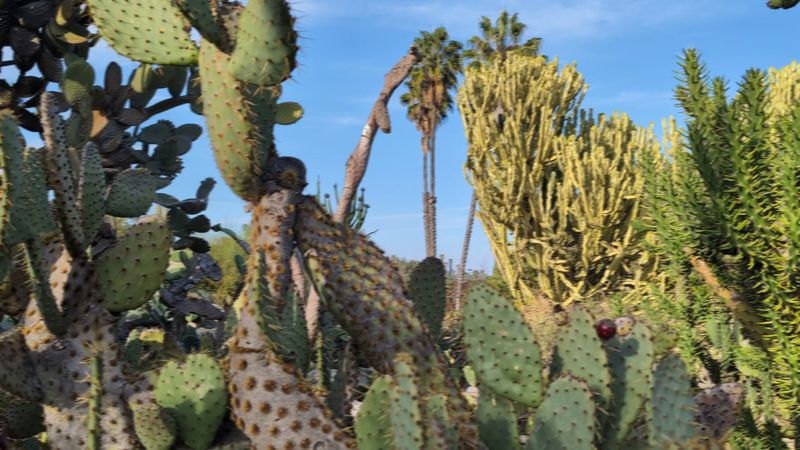
It started as a landfill. Today it is one of the most lush and beautiful botanical spaces in Southern California, a transformation so dramatic it almost sounds fictional.
Spread across 87 acres on the Palos Verdes Peninsula, this garden proves that with vision and sustained effort, even the most unlikely landscapes can be reborn as thriving green sanctuaries worth celebrating.
Drought-tolerant and Mediterranean-adapted plants feature prominently throughout the grounds, showcasing the surprising variety of forms and colors that characterize water-wise flora.
These sections demonstrate that resilient, low-water plants can be just as visually compelling as any traditional garden planting.
The juxtaposition of lush greenery growing atop a former industrial site adds an extra layer of meaning to every plant you encounter.
Beyond the arid collections, the garden offers diverse themed areas, scenic walking paths, and abundant resident wildlife. It functions as a vital urban green space, providing a calm retreat from the surrounding city environment.
The commitment to sustainability is visible in the plant choices, design philosophy, and ongoing conservation efforts that shape the garden’s evolution.
Spring and autumn are the most pleasant seasons for exploring the outdoor areas in depth. Temperatures during these months allow for extended walks without the discomfort of peak summer heat.
Arriving in the morning on a clear day also rewards visitors with panoramic views that stretch toward the ocean, adding a breathtaking dimension to an already impressive botanical destination.
11. Los Angeles County Arboretum Hides A Desert Garden In Arcadia
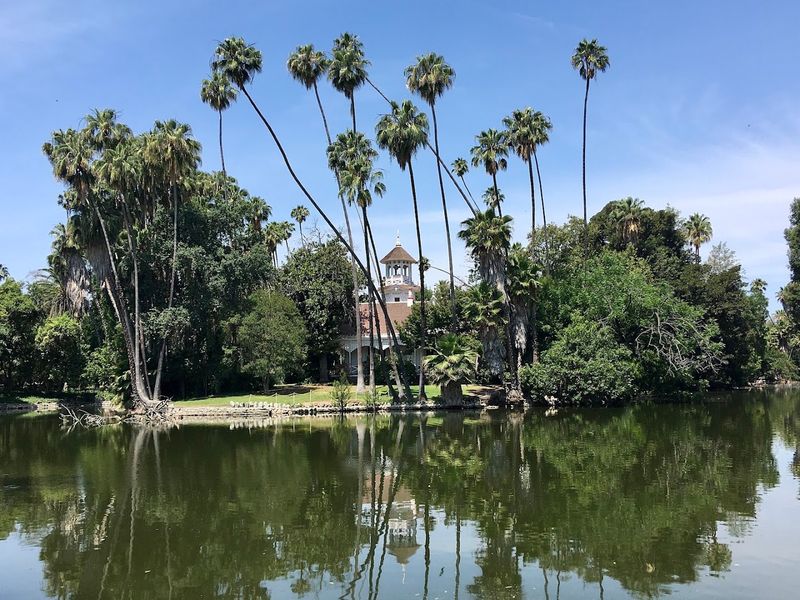
Within the sprawling grounds of the Los Angeles County Arboretum and Botanic Garden in Arcadia, the desert section stands out as a particularly compelling destination for arid plant enthusiasts.
The arboretum as a whole draws visitors with collections from around the globe, but this dedicated desert garden offers a focused and deeply satisfying look at plants built for survival in the driest environments on Earth.
Sculptural agaves, prickly pear cacti, and a wide array of succulents are arranged to highlight the remarkable diversity found within desert ecosystems.
Each specimen is carefully cultivated, giving visitors a chance to observe fascinating adaptations up close without traveling to a remote wilderness area.
The landscape design also communicates clear principles of water-wise gardening, making it both beautiful and practically instructive.
Photography opportunities are plentiful here, with dramatic plant forms and interesting textures creating compelling compositions at almost every turn.
The garden also contributes to scientific research and species conservation, preserving plants that face pressure in their native habitats.
That dual role as both public attraction and conservation resource gives the space a sense of purpose that elevates the entire visit.
Leisurely strolls along the garden paths invite quiet reflection and unhurried observation. Spring and fall offer the most comfortable outdoor temperatures for extended exploration.
Planning your visit during these cooler seasons ensures you can fully appreciate the extensive collections and the tranquil, sun-dappled atmosphere that makes this Arcadia destination genuinely memorable.
12. Cholla Cactus Garden Turns Joshua Tree Into A Wild Desert Walk
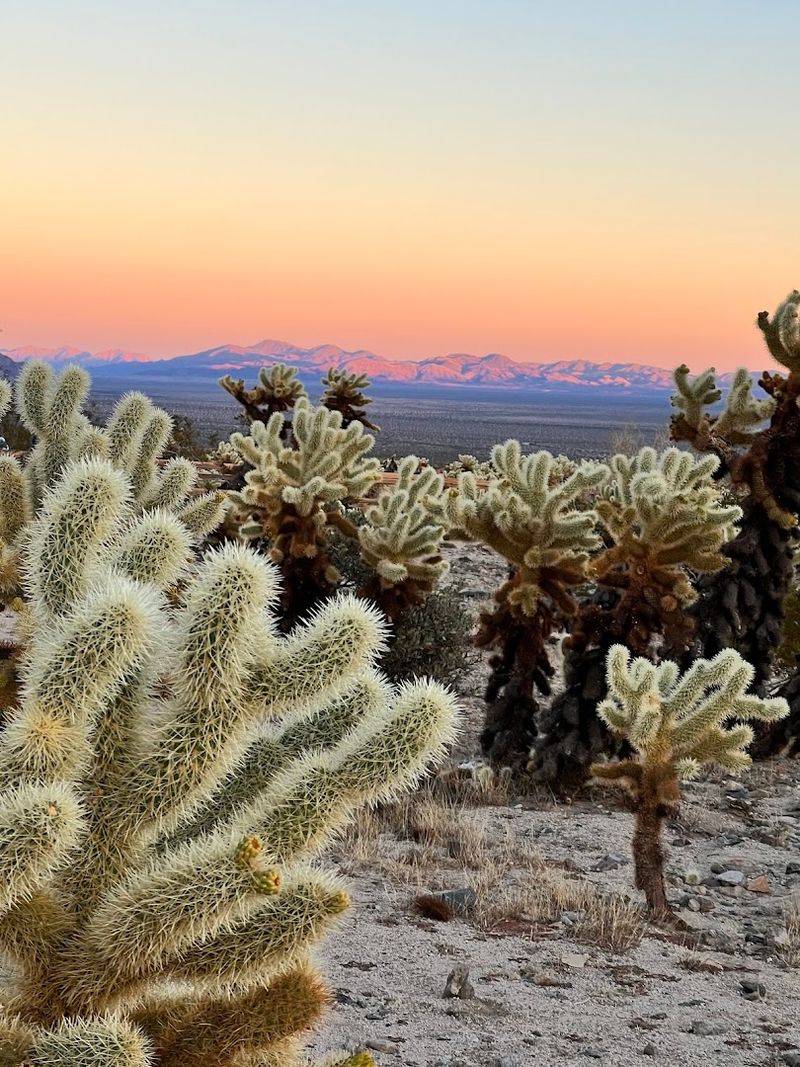
No other spot in Joshua Tree National Park stops visitors in their tracks quite like this one.
Thousands of teddybear cholla cacti cluster across a 10-acre stretch in the Pinto Basin, creating a dense, almost dreamlike landscape that sits at the meeting point of the Mojave and Colorado Deserts.
Despite their soft, fuzzy appearance, these plants are armed with barbed spines that detach easily and cling to anything that brushes against them.
A short, flat quarter-mile loop trail guides you through the heart of the cholla field. The path is mostly dirt with some boardwalk sections and is accessible for visitors of all ages and fitness levels.
Keeping a respectful distance from the plants is essential, and carrying a comb or pair of pliers is a genuinely smart precaution in case a spine attaches to clothing or skin.
Early morning visits between March and May or late October through November offer the most magical experience.
Soft golden light makes the cholla appear to glow from within, a phenomenon that photographers travel long distances to capture.
Wildlife is also most active during these cooler hours, and the cactus wren, which famously nests inside cholla spines, is often spotted along the trail.
Summer temperatures here regularly exceed 100 degrees, so if a warm-season visit is unavoidable, arriving right at sunrise and finishing before 10 AM is non-negotiable.
Bring plenty of water, wear closed-toed shoes, and apply sun protection before stepping onto the trail.