These California Groundcovers Bloom Instead Of Just Sitting Green
A homeowner in Sacramento stands on the porch, coffee in hand, staring at the same flat carpet of green that has covered the front slope for six years now.
It never once produced a single flower. It does its job holding soil in place, sure, but it never gives anything back worth looking at twice.
That kind of quiet, flowerless groundcover fills yards across California more often than people realize, mostly because nobody ever mentioned there were better options sitting right there in the native plant aisle.
California actually has native groundcovers that hold soil, shrug off summer drought, and still put on a real flower show at different points throughout the year.
The trick is knowing which ones bloom when, and giving them enough water during that first season or two while roots settle into their new home.
Get that timing right, and a bare, boring slope turns into something worth grabbing coffee for every single morning.
1. Ceanothus Groundcover Forms Add Spring Color
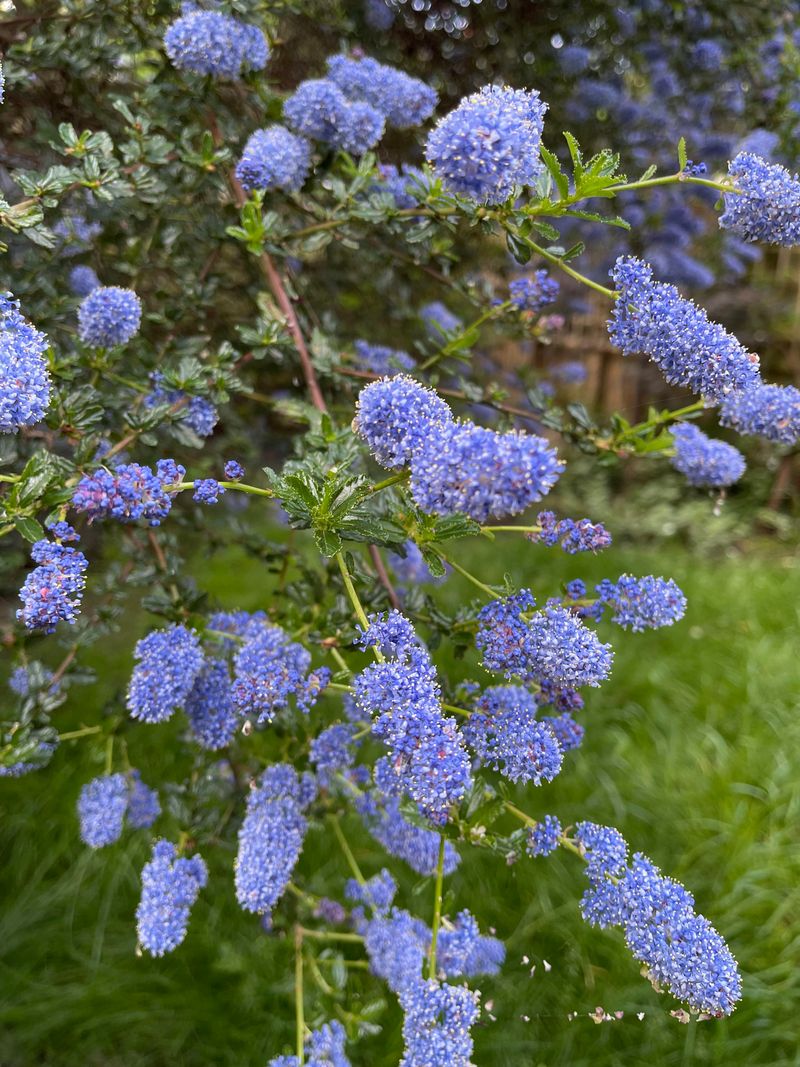
Blue is a rare color in the plant world, which is exactly why low-growing ceanothus stops people mid-walk.
Also called California lilac, this shrub family includes prostrate selections that hug the ground instead of reaching upward.
Varieties such as Ceanothus griseus horizontalis and the well known Ceanothus Yankee Point stay low and spread wide, often covering six to ten feet across.
In spring, usually March through May depending on your region, the whole mat fills with clusters of powder blue to deep purple flowers.
Bees absolutely swarm them.
UC guidance notes ceanothus as a strong native choice for slopes and banks where you want erosion control plus seasonal interest.
The catch is water. Established ceanothus resents summer irrigation, especially near the crown, and too much moisture combined with warm soil invites root rot.
Plant in fall, water regularly through the first year or two, then taper off sharply.
Full sun works in coastal and inland areas, though inland gardens appreciate a little afternoon relief.
Drainage matters more than soil richness, so skip the compost amendments and heavy mulch right against the stems.
Lifespan runs shorter than many shrubs, often ten to fifteen years, so treat it as a beautiful medium-term planting rather than a permanent fixture.
Avoid heavy pruning into old wood since it rarely resprouts. A light tip trim after bloom keeps the mat dense.
2. Trailing Manzanita Blooms In Late Winter
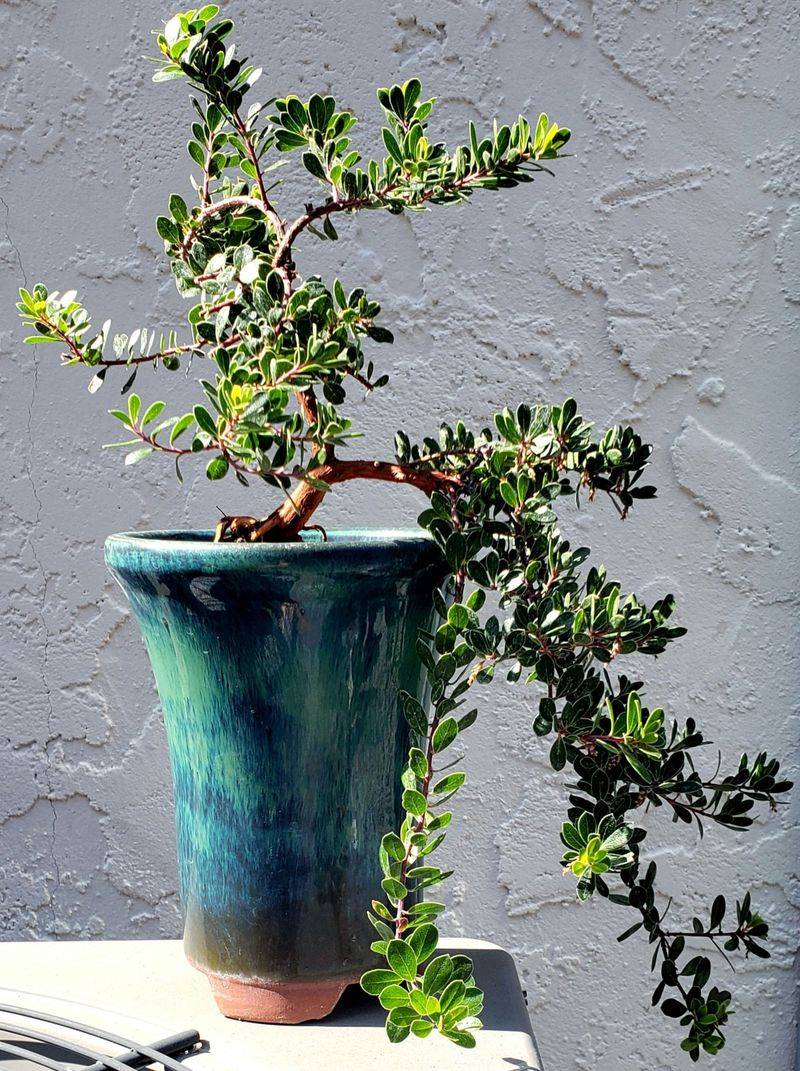
While most of the garden is still asleep in January and February, trailing manzanita quietly opens hundreds of tiny pink and white bells shaped like little urns.
Hummingbirds that overwinter in California find them fast.
Arctostaphylos uva-ursi, sometimes sold as kinnikinnick, along with low forms such as Emerald Carpet and Pacific Mist, creeps along at six to eighteen inches tall with glossy evergreen leaves and cinnamon-colored stems.
The late-winter timing is the real selling point here.
It fills a gap when almost nothing else is flowering, and the small red berries that follow feed birds later in the year.
Coastal and cooler inland gardens suit it best.
Your California Garden Changes Every Week. Your Plan Should Too.
Gardening in California changes quickly throughout the season. Every Friday you’ll receive a simple weekly plan showing exactly what to plant, prune, fertilize, harvest, and protect so you never miss the right timing.
Hot interior valleys can stress it during summer, so give those spots morning sun and afternoon shade if you want to try.
Drainage is non-negotiable.
Manzanita roots rot in soggy clay, so plant on a slight mound or a slope and use a gravel or shredded bark mulch that keeps the crown dry.
Regular water through the first two summers helps roots reach down, then cut back to occasional deep soakings once a month during hot stretches.
Overwatering a mature plant is the most common way gardeners lose it.
Fun detail worth knowing: the name kinnikinnick comes from an Algonquian word referring to smoking mixtures made from the dried leaves.
The plant has been useful to people long before it decorated suburban slopes.
3. California Fuchsia Blooms Through Late Summer
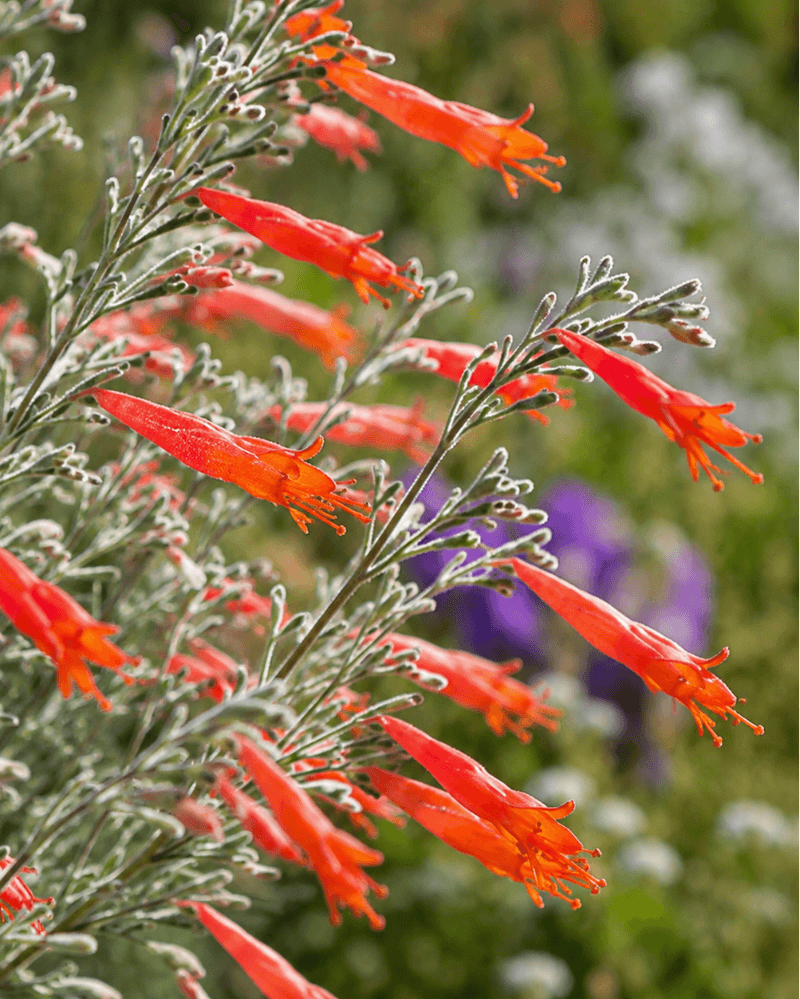
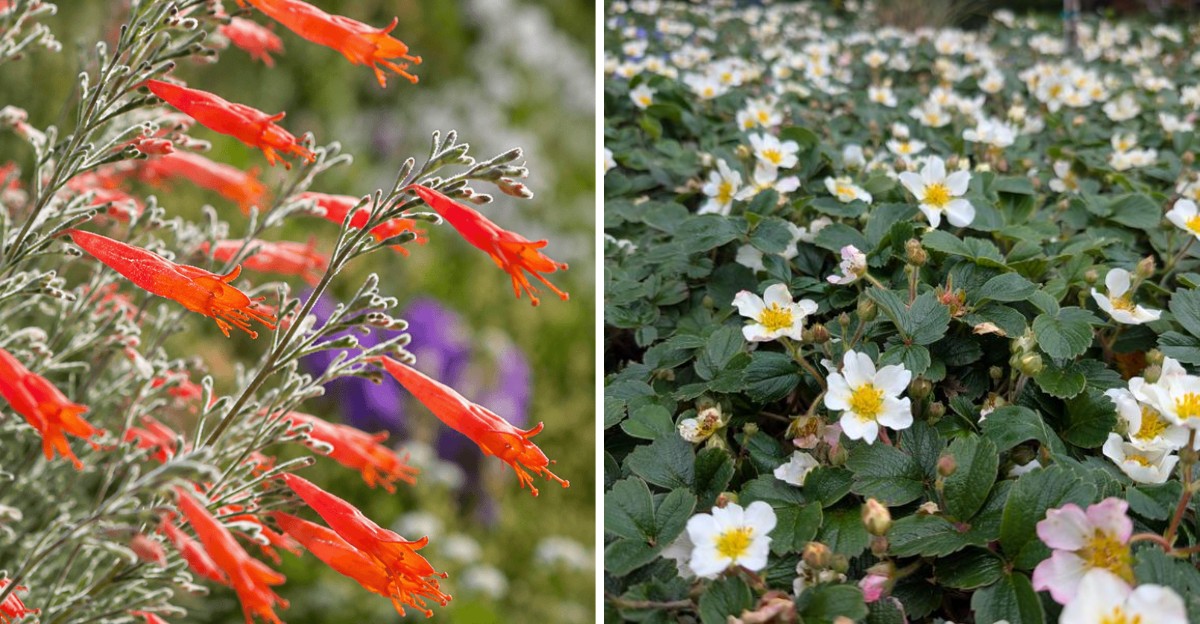
Just when everything else looks tired and dusty in August, California fuchsia lights up with scarlet-orange tubes that look almost tropical.
Hummingbirds treat it like a fueling station before migration.
Known botanically as Epilobium canum, and formerly as Zauschneria, this perennial spreads by underground runners to form loose mats anywhere from six inches to two feet tall.
Selections like Everett’s Choice and Catalina stay lower and wider.
Bloom timing sets it apart from the earlier options on this list.
Flowers typically begin in late July or August and continue into October, sometimes until the first frost.
That means you can pair it with spring bloomers like ceanothus and get color at opposite ends of the year from the same slope.
Layering bloom seasons is how native gardens stay interesting twelve months running.
Sun and sharp drainage keep it happy.
It tolerates poor, rocky soil and needs very little summer water once established, though a monthly soaking often produces heavier flowering.
Cut the whole plant back hard in late winter, nearly to the ground.
The new growth that follows is tidier and blooms better than leftover woody stems.
One warning worth passing along: it spreads. In a small bed it can wander farther than you planned, so give it room or plan on pulling stray runners each spring.
4. Verbena Spreads Color Across Dry Slopes
Ask anyone who has fought erosion on a hot, west-facing bank and they will tell you how few plants actually enjoy that spot.
Verbena is one of the willing ones.
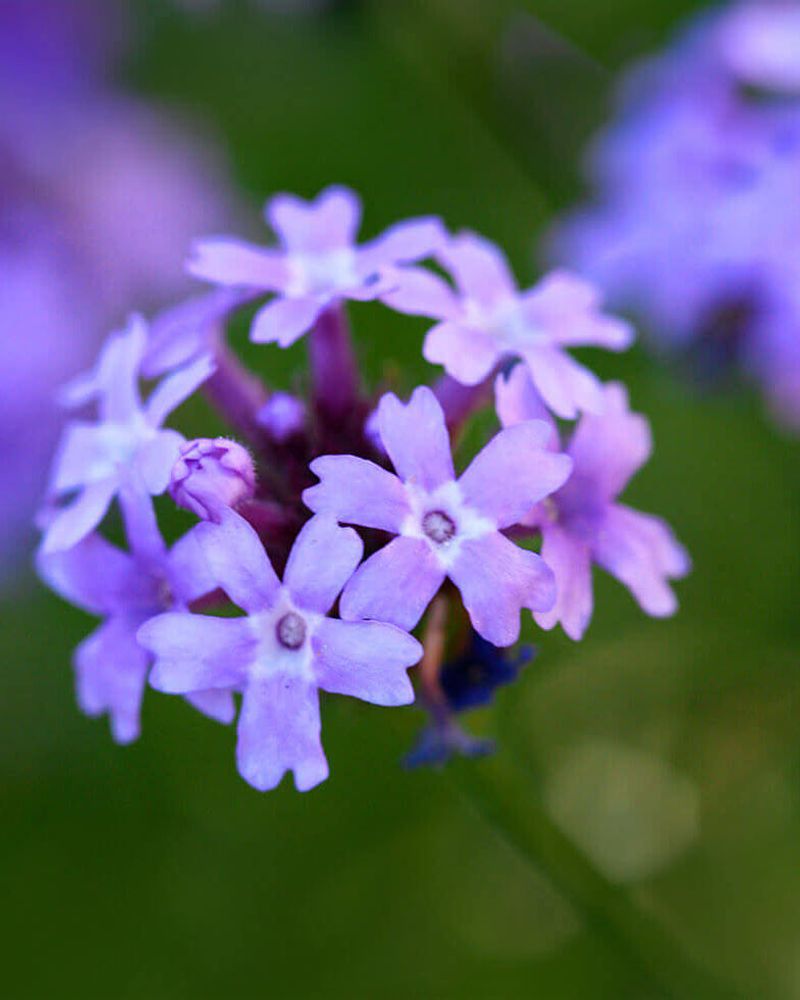
Verbena lilacina, best known through the selection De La Mina from Cedros Island, forms a mounding mat of finely cut gray-green leaves topped with lavender-purple flower clusters.
It carries a sweet fragrance that is easy to miss unless you kneel down.
Bloom is generous and long, often starting in spring and repeating through much of the warm season when it gets an occasional drink.
Butterflies work the flower heads constantly.
Sandy, rocky, or gravelly soil suits it perfectly, and full sun brings the heaviest flowering.
Heavy clay that stays wet in winter is the one condition that shortens its life quickly.
Plan on regular irrigation the first summer or two while it establishes.
After that, deep water every few weeks during the hottest stretch keeps it blooming rather than merely surviving.
Shear it back by about a third after a heavy flush of flowers.
The plant responds with fresh growth and another round of color instead of turning woody and thin in the middle.
Lifespan tends toward the short side, maybe three to five years in many gardens.
Plant a few extras, let volunteers fill in, and the patch keeps renewing itself with almost no effort from you.
5. Seaside Daisy Blooms Nearly Year Round
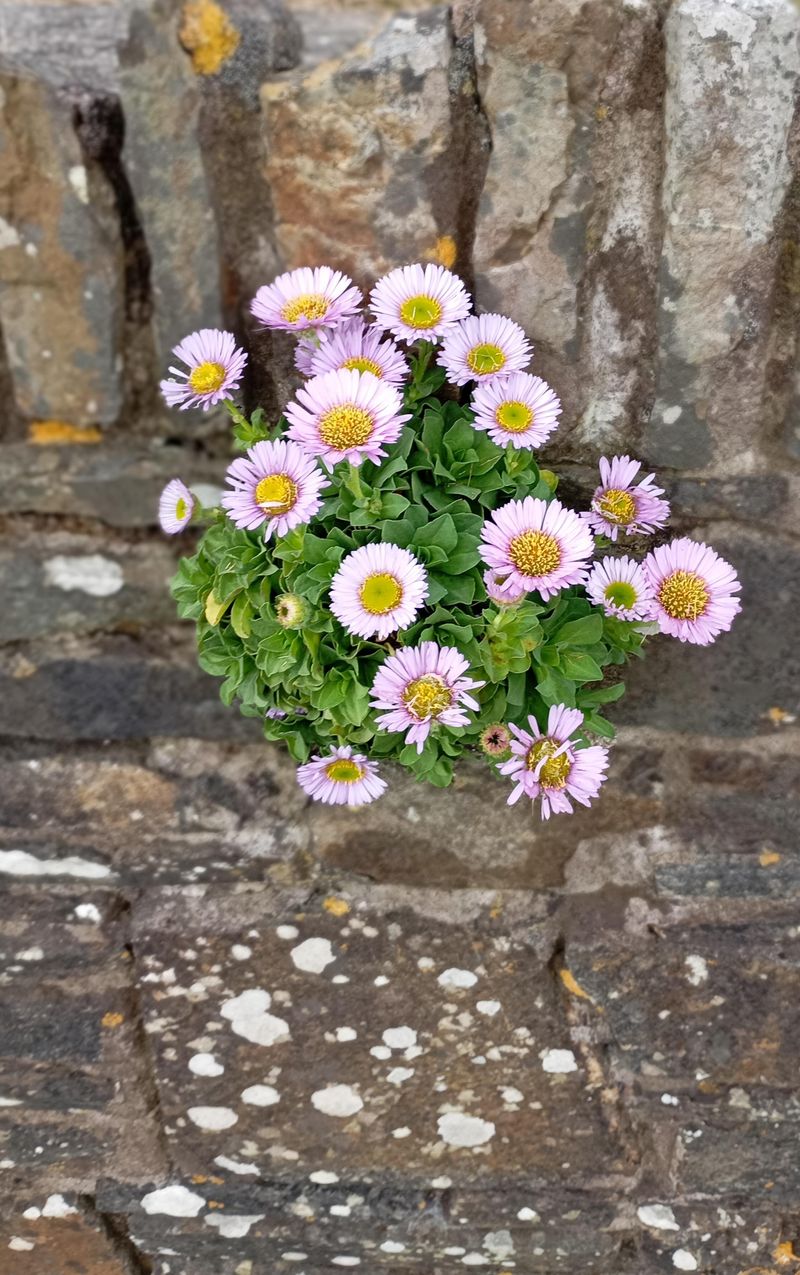
Some plants take a season off. Seaside daisy barely bothers, especially in coastal gardens where it can push out lavender-pink daisies almost any month of the year.
Erigeron glaucus grows wild on bluffs and dunes from Oregon down through central California, which explains its tolerance for salt spray, wind, and sandy soil.
In the garden it forms low rosettes of thick, spoon-shaped leaves about a foot tall.
The main flower show runs spring through summer, but trimming or a light shearing often triggers repeat rounds well into fall and winter near the coast.
Inland gardeners get a shorter season and should give the plant afternoon shade plus more consistent water.
It is genuinely happiest where fog rolls in.
Wallace Orbit and Cape Sebastian are two selections worth asking about at a native plant nursery, each offering slightly different flower size and growth habit.
Use it along walkways, between stepping stones, at the front edge of a border, or tucked into rock garden pockets.
It knits together nicely with other low natives without smothering them.
Water regularly during establishment, then moderately afterward.
Unlike manzanita or ceanothus, seaside daisy accepts some summer irrigation without sulking, which makes it a useful bridge plant in mixed beds.
Slugs and snails occasionally chew the leaves.
Hand picking after evening irrigation usually handles the problem without any chemicals.
6. Beach Strawberry Blooms White Then Turns To Fruit
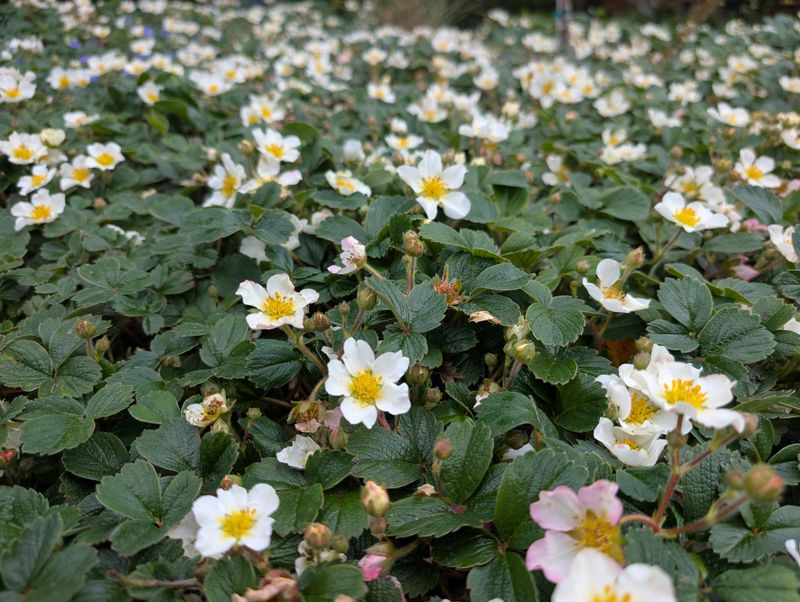
Fragaria chiloensis carpets coastal bluffs from Alaska down through California, forming a dense mat of glossy, dark green leaves rarely taller than six inches.
Small white flowers with five simple petals open mainly in spring, followed by tiny red strawberries that birds strip within days.
The fruit is edible for people too, though it is small and mostly seed, so most gardeners grow it for the groundcover value rather than dessert.
Full sun near the coast works well, while inland plantings appreciate afternoon shade and a bit more water during hot stretches.
It spreads by runners much like a cultivated strawberry, filling in a bed within a season or two once established.
Foot traffic is not a problem for this one. It tolerates light walking, which makes it a smart choice along informal garden paths.
Mow it occasionally or leave it alone entirely. Either approach keeps the mat healthy, and it rarely needs the hard pruning some other natives demand.
7. Woolly Sunflower Adds Gold Through Late Spring
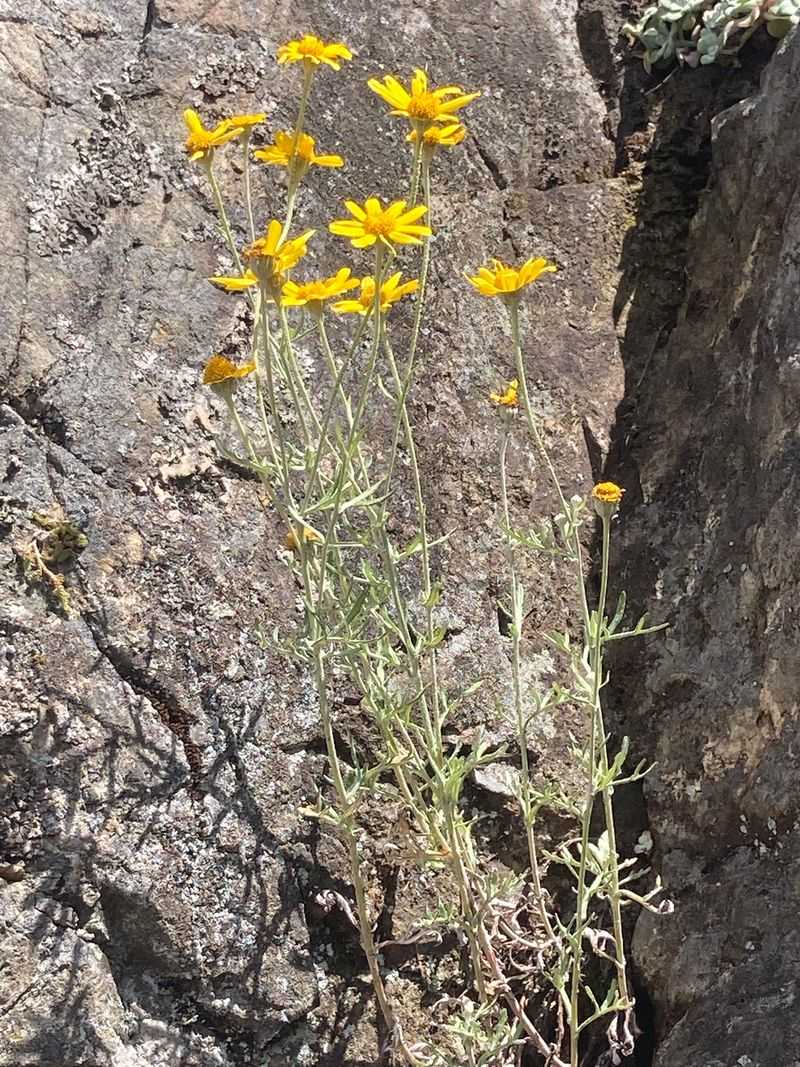
Eriophyllum lanatum brings a cheerful burst of yellow daisy-like blooms held above soft, silvery-gray foliage that feels almost felted to the touch.
Plants stay low, usually six to eighteen inches, and spread into loose, informal clumps rather than a tight, uniform carpet.
Flowering runs heaviest from April through June, with butterflies and native bees visiting steadily during that stretch.
It handles poor, rocky soil without complaint, which makes it a natural fit for slopes where richer plants would struggle to establish.
Drainage matters more than fertility here, so a lean, gritty spot suits it better than a rich garden bed.
Cut plants back lightly after the main bloom fades to keep growth tight and encourage a possible second, smaller flush later in summer.
Give it full sun and a little room to spread. Once settled, it needs only occasional water and rewards that neglect with gold every spring.
8. Yarrow Brings Flat-Topped Blooms Through Summer
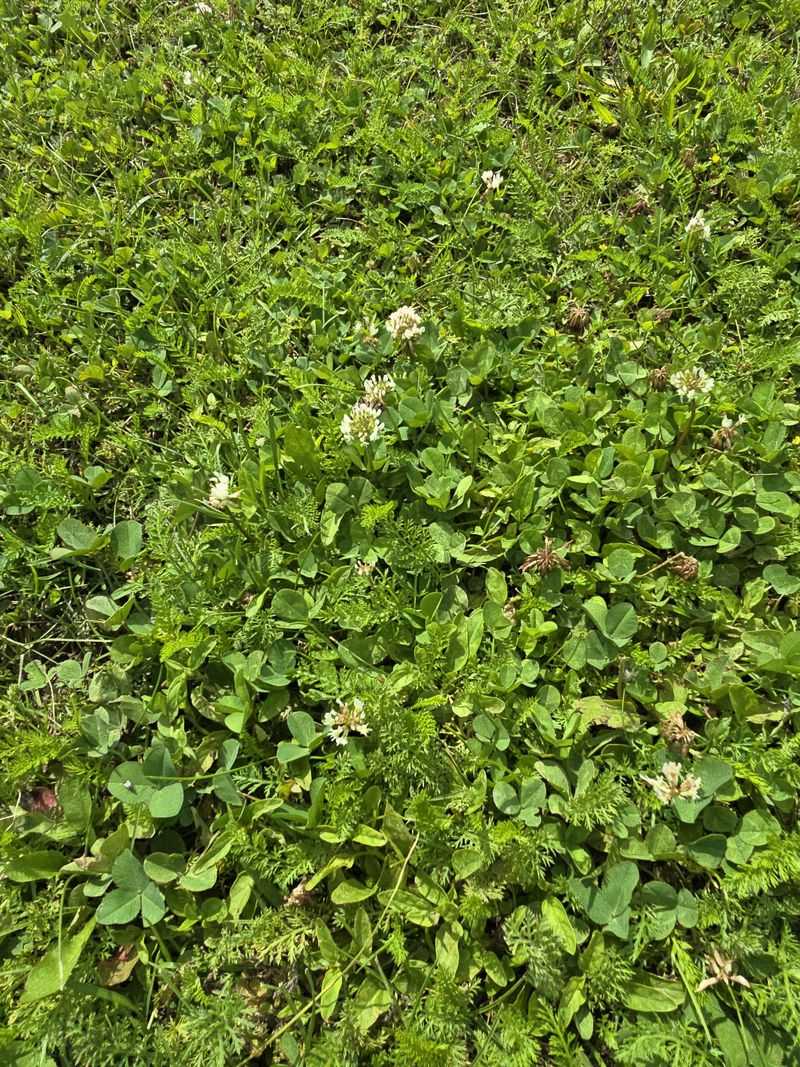
Achillea millefolium grows wild across California in sunny meadows and open slopes, forming ferny, aromatic foliage topped by flat clusters of tiny flowers in white, cream, or soft pink depending on the selection.
Bloom stretches from late spring well into summer, often May through August, and the flat flower heads make an easy landing pad for butterflies and beneficial insects.
Plants reach roughly one to two feet tall, spreading by rhizomes into a loose colony rather than staying as a single tidy mound.
It tolerates poor, compacted, or rocky soil without much fuss, which makes it a reliable filler for spots where other natives hesitate.
Full sun brings the strongest bloom, though a little afternoon shade is fine in hotter inland gardens.
Established plants need very little supplemental water, and overwatering tends to produce floppy growth rather than healthier flowers.
Shear spent flower heads back after the main bloom, and a second, lighter round often follows before the season winds down.
9. Island Alum Root Blooms Tall Above Rounded Leaves
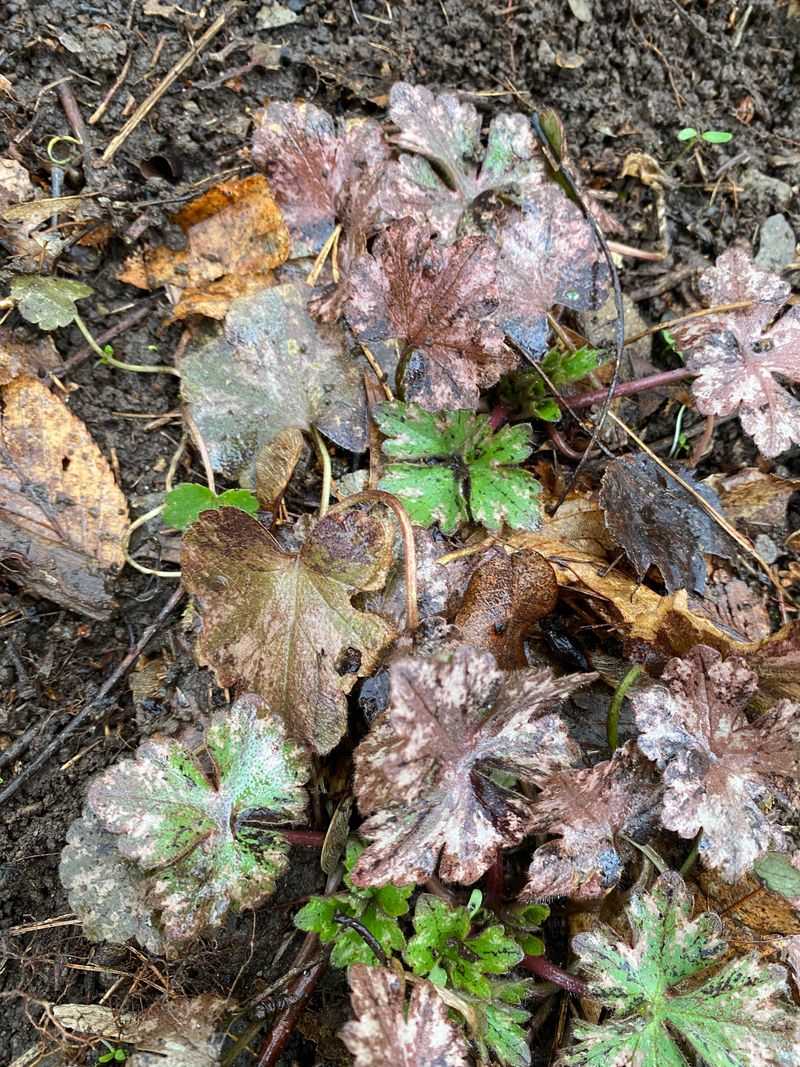
A native perennial from the Channel Islands and parts of the coastal mainland, this plant forms clumps of large, rounded, slightly fuzzy leaves that stay evergreen through most of the year.
Wiry flower stalks rise well above the foliage, sometimes reaching two to three feet, carrying airy sprays of small pink or white blooms that hummingbirds visit regularly.
Bloom season runs mainly through spring into early summer, adding vertical interest to a groundcover bed that might otherwise stay flat and low.
Part shade to full shade suits it best, especially in warmer inland gardens where direct afternoon sun can scorch the broad leaves.
Coastal gardens can push it into more sun without much trouble, since cooler air and fog soften the intensity.
It prefers soil with decent drainage but appreciates a bit more moisture than manzanita or ceanothus, making it a good companion under trees or along a shaded slope.
Established clumps handle light foot traffic near a path, and dividing them every few years keeps plants vigorous while giving you free starts for other shaded corners.