The California Garden Storage Mistake That Gives Rats Shelter Before Cooler Weather
A tidy garden can feel incredibly satisfying. Pots stacked, hoses coiled, tools tucked away, bags moved out of sight, and suddenly the whole yard looks like it has its life together.
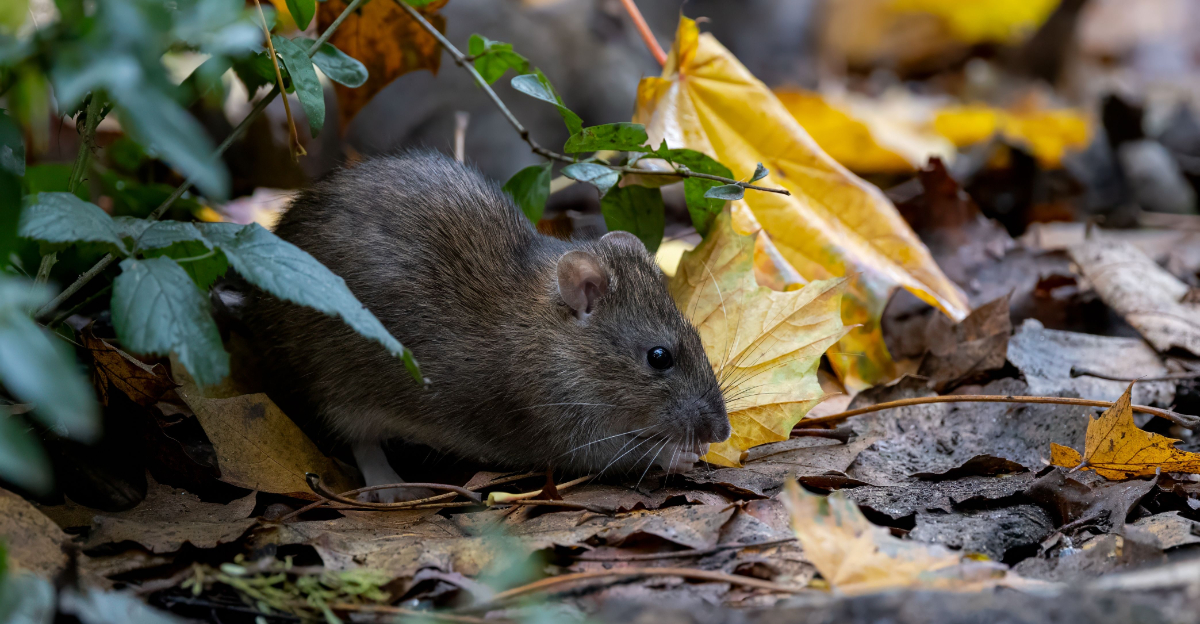
Unfortunately, some storage choices can look just as appealing to rats as they do to an organized homeowner. Rude, but impressive.
California yards are full of little spaces that barely register during a cleanup. A narrow gap beside a shed, a pile tucked against a fence, or a cluster of gardening supplies can seem completely harmless when you are focused on making everything neat.
Then cooler weather starts creeping closer, and those overlooked corners may deserve a second glance.
Rats are experts at noticing opportunities people miss, especially around places that offer cover and quiet.
That makes garden organization a little more complicated than simply getting clutter off the patio.
Before you finish your seasonal cleanup and admire your beautifully organized yard, take a closer look at how everything is stored. One ordinary-looking setup could be far more inviting than you intended.
1. This Gives Rats A Ready-Made Hideout
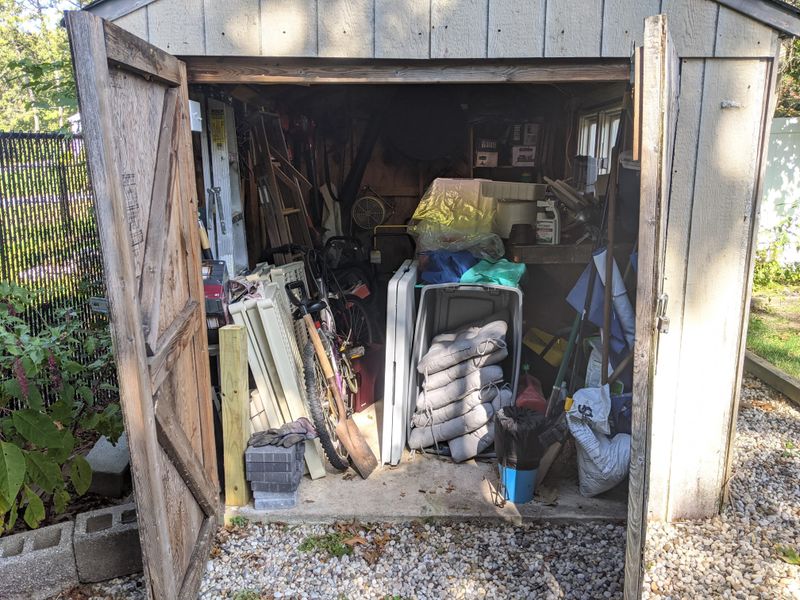
Rats are not picky. Give them enough stuff to hide behind and they will call it home almost immediately.
A cluttered storage area does not just provide cover. It gives rats a full environment with shelter, warmth, and protection from predators all in one spot.
When garden supplies pile up without any real organization, the spaces between items become natural tunnels and hiding zones. Rats can squeeze through gaps as small as a quarter.
That means even a loosely stacked row of pots or a jumbled corner of tools creates dozens of entry points.
The clutter also makes it harder for you to notice signs of rat activity. Droppings, gnawed bags, and nesting material can sit hidden for weeks inside a messy storage space.
By the time you spot the problem, rats have often already settled in comfortably.
Keeping storage areas tidy is one of the simplest ways to reduce rat appeal. Try grouping items by type and stacking them neatly.
Leave visible gaps between stored objects so you can see through the area easily. The goal is to remove the sense of security that clutter provides.
Rats prefer to feel protected and hidden. When a space feels open and exposed, they tend to move on and look for better cover elsewhere. A little organization goes a very long way.
2. Piles Against The Wall Make Them Feel Protected
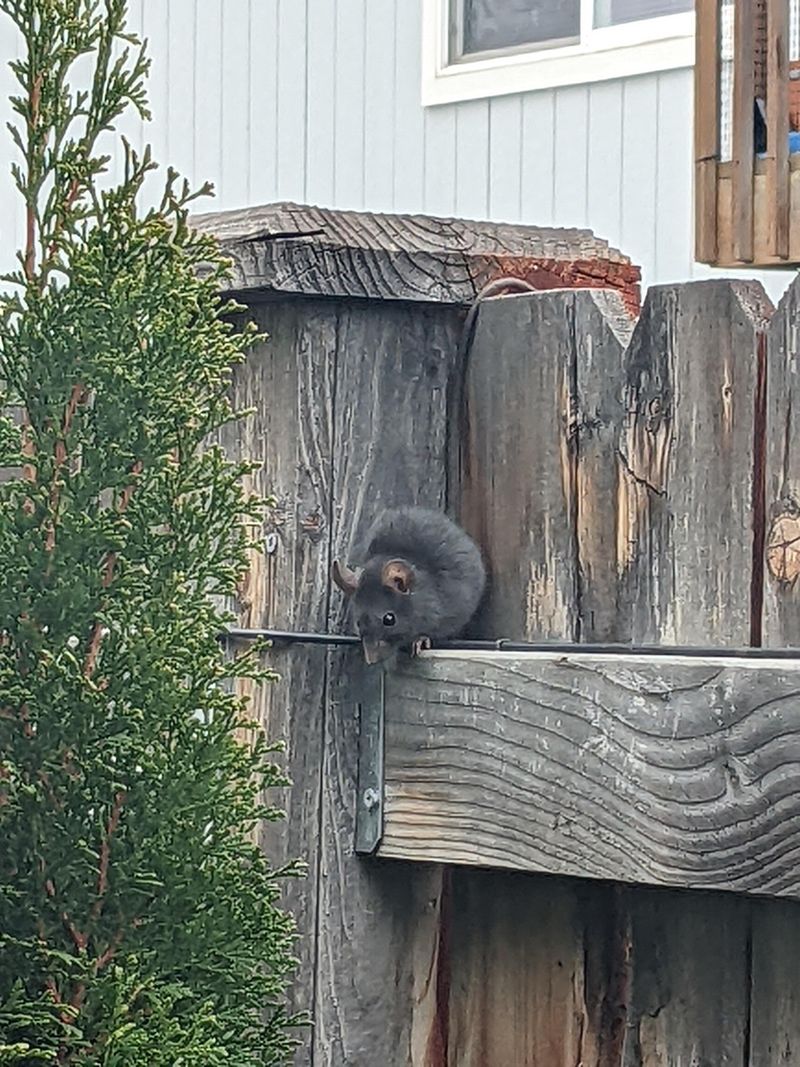
There is something about a wall that rats find very reassuring. They prefer to travel and nest along edges rather than out in the open.
When you stack items directly against a wall or fence, you are creating the exact kind of sheltered corridor they feel safest in.
Rats use walls as navigation guides. They run along them, nest beside them, and feel exposed without them.
A pile of garden bags or old planters pushed flush against a fence gives rats a protected pocket of space that feels almost purpose-built for nesting.
Your California Garden Changes Every Week. Your Plan Should Too.
Gardening in California changes quickly throughout the season. Every Friday you’ll receive a simple weekly plan showing exactly what to plant, prune, fertilize, harvest, and protect so you never miss the right timing.
The wall blocks one side, the pile blocks another, and the narrow gap in between stays dark and undisturbed. That combination is very attractive to a rat looking for a place to settle before colder nights arrive.
A simple fix is to pull all stored items at least one foot away from walls and fences. Yes, it takes up more yard space, but the open gap makes rats feel exposed and uncomfortable.
They rely on feeling hidden. When there is no tight, enclosed space between the pile and the wall, the area becomes far less inviting.
You can also use that open space to check regularly for droppings or signs of activity, which helps you catch any problem early before it grows into something much harder to manage.
3. The Less Disturbed The Clutter, The Better For Rats

Rats are creatures of habit, and they strongly prefer places that humans do not visit often. A storage corner that gets rearranged regularly feels risky to them.
But a pile that has not been touched in weeks or months? That feels like a safe permanent address.
Think about the spots in your yard that you rarely go near. Maybe it is a stack of old pots behind the shed, or a pile of bags you keep meaning to deal with.
Those forgotten corners are exactly where rats feel most comfortable setting up a nest.
The longer clutter sits undisturbed, the more confident rats become about staying. They leave scent trails, build nests, and start raising young.
What started as one or two rats exploring can become a small colony in a surprisingly short amount of time.
Making a habit of disturbing your storage areas regularly is one of the most underrated prevention strategies. You do not have to reorganize everything every week.
Simply moving items, checking underneath them, and shifting things around is enough to make rats nervous. They want predictability and calm.
When a space gets disrupted on a regular schedule, rats begin to see it as unreliable and unsafe. That feeling of uncertainty is often enough to send them searching for a quieter, more stable place to nest somewhere far away from your California yard.
4. Dark Gaps Between Stored Items Become Nesting Spots
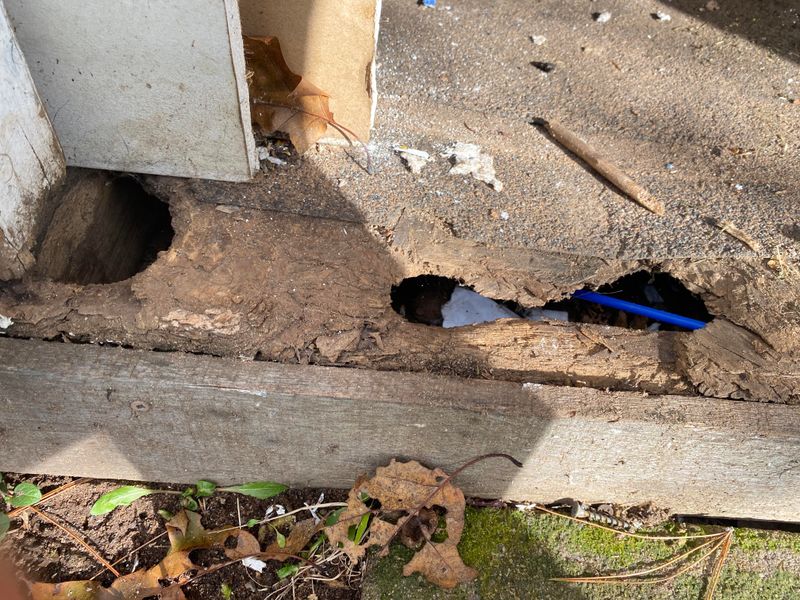
Darkness and tight spaces are two things rats seek out above almost everything else. When garden items are stacked close together without much spacing, the dark gaps in between become ideal nesting zones.
Rats feel hidden, protected, and safe inside those narrow pockets. A gap as small as half an inch between two boards or containers is enough for a rat to investigate.
If the space is dark, sheltered, and quiet, they will often try to expand it by chewing or shifting materials to make it more comfortable. Over time, those small gaps can become full nesting chambers.
Nesting material like dried leaves, shredded paper, or chewed fabric often gets dragged into these gaps from nearby areas. Rats are resourceful builders.
They will use whatever soft material they can find to line a nest and keep it warm as nighttime temperatures drop.
Reducing dark gaps is easier than it sounds. Try storing items in sealed plastic bins rather than open stacks.
Use shelving units to keep things elevated and spaced out. Clear bins are especially helpful because they let you see inside without moving anything.
Avoid stacking items in ways that create tunnels or enclosed pockets. Even small changes in how you arrange your storage can make a big difference in how appealing the space feels to a rat looking for a cozy, hidden nesting spot before cooler nights arrive.
5. Rats Love Storage Areas People Rarely Move
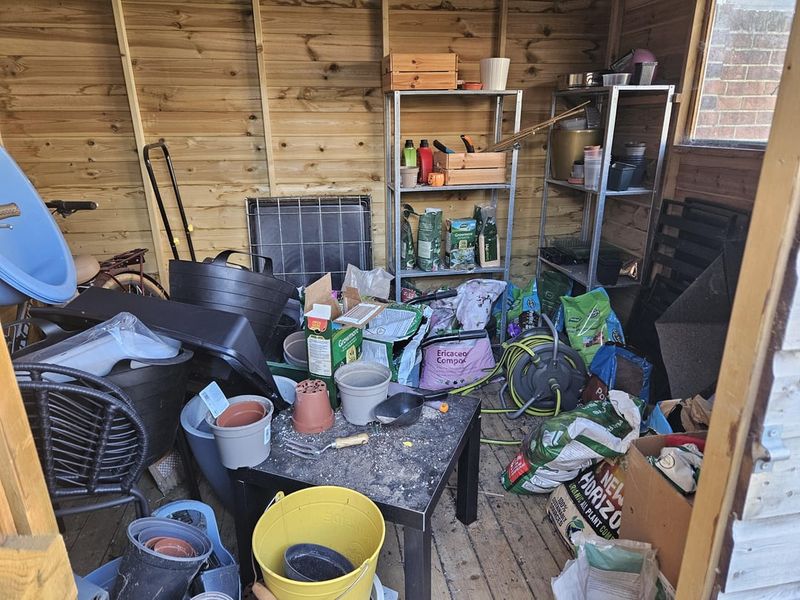
Low-traffic areas are a rat’s favorite kind of real estate. The less human activity a space sees, the safer a rat feels about staying there.
Garden storage areas that only get visited once or twice a season are practically perfect from a rat’s point of view.
Sheds, side yard corners, and areas behind large equipment are commonly neglected spots. People store things there and then forget about them for months.
That kind of predictable quiet is exactly what rats look for when they are scouting for a long-term nesting location.
Rats are very alert to human presence. Frequent foot traffic, sounds, and movement make them anxious and reluctant to nest in an area.
But a space that goes untouched for weeks sends them the opposite signal. It tells them the area is safe, stable, and worth investing in.
You can disrupt this pattern without a major overhaul. Simply visit your storage areas more frequently.
Open bins, shift items around, and spend a few minutes checking the space every week or two. You do not need to clean everything out every time.
The act of being present and creating movement is enough to make rats reconsider. Pairing regular visits with good lighting can also help.
Bright, well-lit storage areas feel exposed and risky to rats, which reduces the chance they will try to settle in and stay.
6. Cooler Weather Makes Those Hidden Piles Even More Appealing
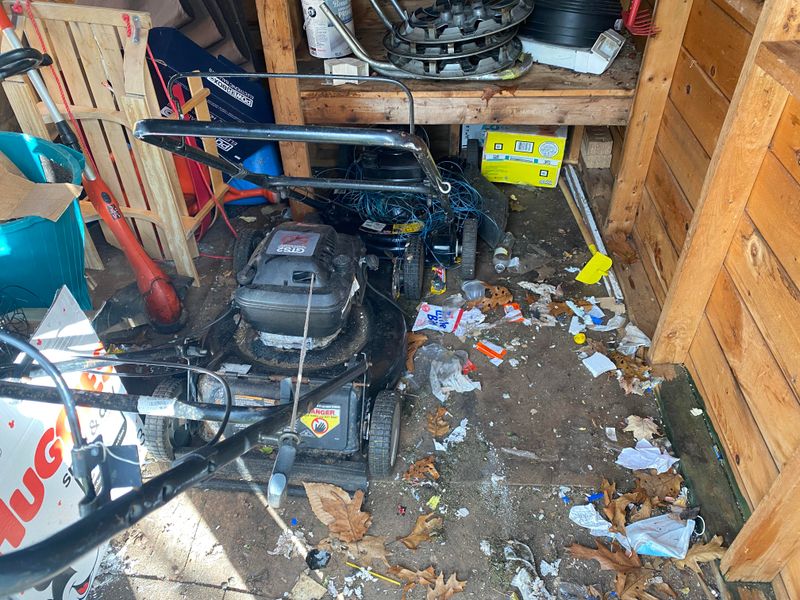
As temperatures start to drop in the evening, rats begin to shift their priorities. Finding food is still important, but finding a warm, protected place to sleep becomes urgent.
A pile of stored garden items that sat ignored all summer suddenly becomes very valuable real estate once the nights get cooler.
Stored materials like tarps, bags of soil, and stacked wood hold warmth longer than open ground. Rats instinctively seek out these heat-retaining spots.
A pile that has been sitting against a fence all season may already feel warmer than the surrounding yard, making it even more attractive as fall approaches.
This seasonal shift is why so many homeowners notice rat activity in their gardens during late summer and early fall. The rats were likely already nearby.
Cooler weather simply pushes them to commit to a nesting spot rather than just passing through.
Getting ahead of this seasonal behavior means acting before the temperature drops. Late summer is the best time to reorganize your storage area, seal up gaps, and move items away from walls.
If you wait until you see a rat, you are already behind. Rats move fast once they commit to a location.
Cleaning up your storage area in August or early September gives you a real advantage. It removes the option before rats even start looking, which makes your yard a much less appealing target when cooler nights begin.
7. One Messy Corner Can Be Enough To Keep Them Around
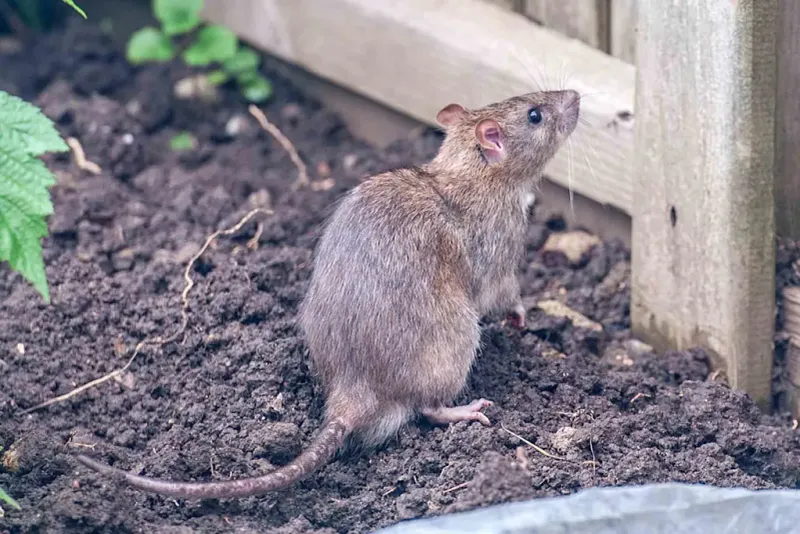
You might have a mostly tidy yard, but rats only need one good spot to set up a home base. A single messy corner with enough cover, darkness, and undisturbed space is all it takes for a rat to decide your yard is worth staying in permanently.
That one corner becomes an anchor point. Rats explore outward from their nest, which means a nest tucked behind a pile of old pots can lead to rats showing up in your vegetable garden, near your compost bin, or even inside your garage.
The mess in one spot creates problems across your whole property. It is easy to overlook a single corner because it feels minor. But from a rat’s perspective, that corner is everything.
It is their shelter, their safe zone, and their starting point for nightly foraging trips around your yard.
Addressing that one corner can have a surprisingly big impact on your overall rat situation. Clear it out completely rather than just tidying around the edges.
Check underneath everything, look for droppings or gnaw marks, and remove any nesting material you find. Once the corner is cleared, store items there in a more organized way that leaves less room for hiding.
Keeping that one spot clean and open takes away the anchor point rats need, and without a secure base, they are much less likely to stick around your yard long term.
8. Moving Everything Off The Ground Removes Easy Shelter
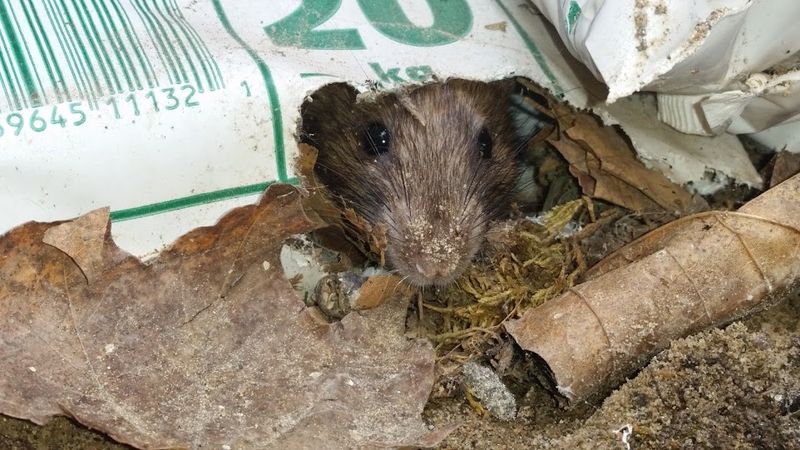
Ground-level storage is one of the easiest ways to accidentally invite rats into your yard. Anything sitting directly on the ground creates a potential hiding spot underneath it.
Bags of soil, stacked pots, and flat boards all become tiny shelters the moment they touch the ground and stay there for a while.
Rats do not need a permanent structure to nest under. A bag of fertilizer that has been sitting in the same spot for two weeks is enough.
The key is that ground contact creates a shaded, protected zone that rats can slip under without much effort. It feels like a roof over their heads.
Elevation removes that option almost entirely. When items are stored on shelves, racks, or pallets raised at least a foot off the ground, the open space underneath is visible and exposed.
Rats do not like exposed areas because they feel vulnerable to predators. An open, visible gap under a shelf does not offer the same security as a pile sitting flat on the ground.
Metal wire shelving is a great option for outdoor storage because it allows air flow and visibility from all angles.
Plastic shelving with solid shelves works too, as long as items on each shelf are not piled in ways that create new hiding spots.
Raising your storage is one of the most effective single changes you can make to reduce rat shelter options in your California yard without spending a lot of time or money.