Hard To Find Native Pennsylvania Shrubs For A Garden That Looks Completely Different From Every Neighbor’s
There’s a certain point where every neighborhood starts looking the same. The same arborvitae along the fence, the same spirea in the foundation beds, the same familiar rotation of whatever happened to be on sale at the garden center that spring.
It all looks fine. But fine is not the same as interesting, and if you’ve been wanting a garden that actually stops people in their tracks, the answer often lies in the plants almost nobody else is growing.
Native Pennsylvania shrubs that are genuinely hard to find are where things get interesting. These are shrubs with real character.
Unusual bloom times, striking foliage, textures and forms that look like nothing in a typical residential landscape.
They’re ecologically valuable, perfectly suited to Pennsylvania’s climate, and rare enough in residential settings that your neighbors will genuinely ask what you’re growing.
Tracking them down takes a little more effort than a weekend trip to the big box garden center. But for gardeners who want something truly different, the search is completely worth it.
1. Leatherwood
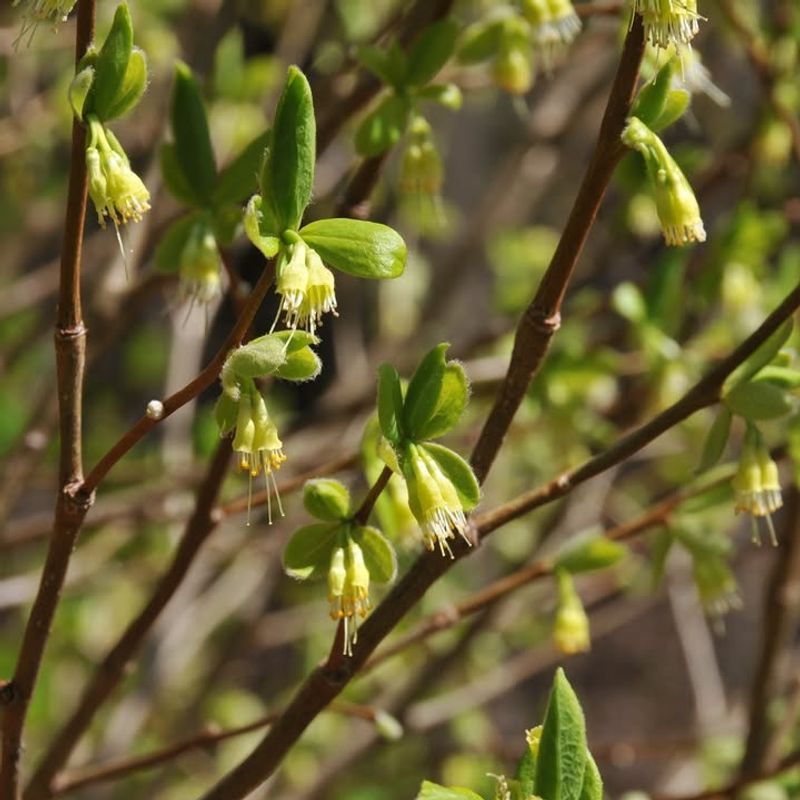
Walk through a quiet Pennsylvania woodland in late winter and you might spot tiny yellow flowers blooming before almost anything else has woken up. That early bloomer is Leatherwood, and it is one of the most unusual native shrubs you can grow.
Most gardeners have never even heard of it, which makes it an instant conversation starter. Leatherwood earns its name from its stems. They are incredibly flexible and tough, almost like rope or leather, and they will bend without snapping.
Native Americans historically used these stems to make rope and lashings. That is a fun piece of history you can share with anyone who asks about your garden.
This shrub is listed by Pennsylvania Natural Heritage as a native species, and it grows naturally in rich, moist, shaded spots. It prefers a woodland setting with deep, humus-rich soil that stays consistently moist.
Think of it as a companion for ferns, trilliums, and other woodland plants that love cool shade.
Leatherwood grows slowly and stays fairly compact, usually reaching four to six feet tall over many years. Its rounded form and soft yellow spring flowers give it a subtle, elegant look that suits naturalized shade gardens beautifully.
It does not shout for attention, but once people notice it, they always ask what it is. Finding Leatherwood at a nursery takes some searching.
Your best bet is a native plant nursery or a state native plant society sale. It is worth every bit of effort because nothing else in your garden will look quite like it.
2. Sweetfern
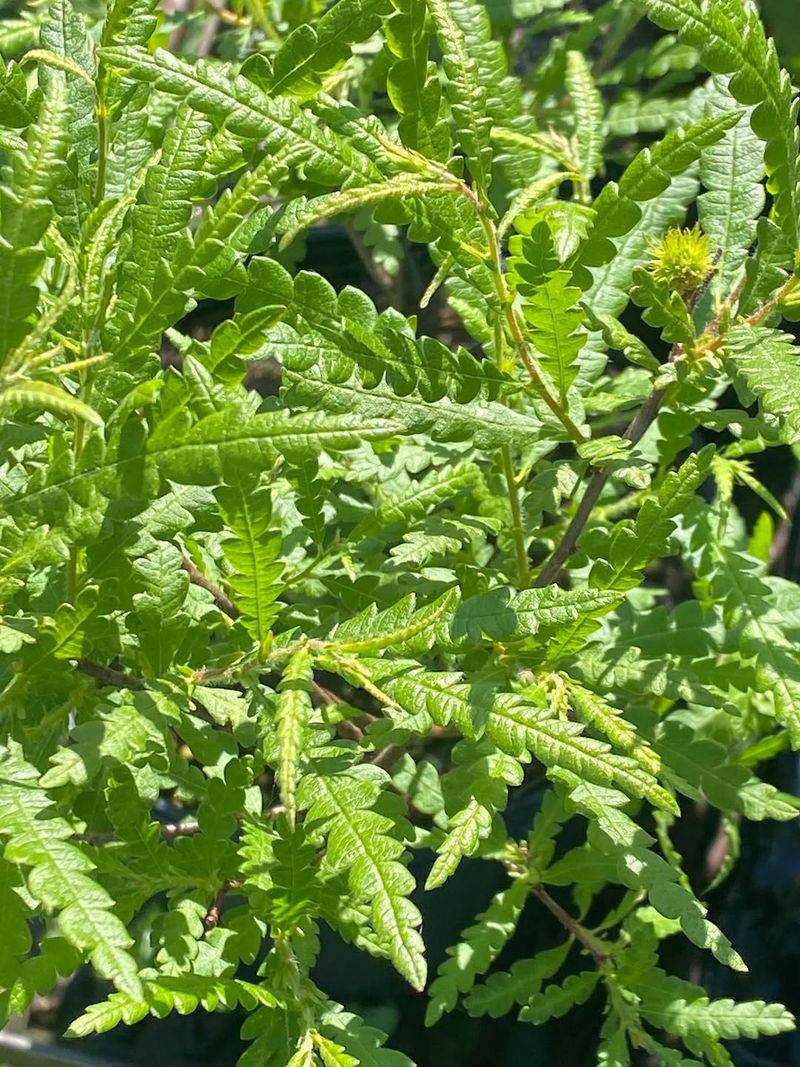
Rub a leaf between your fingers and you get a warm, spicy, almost bayberry-like scent that is completely unforgettable. Sweetfern is not actually a fern at all.
It is a native shrub with fern-shaped leaves that give it a wild, coastal-heath look unlike anything else you can plant in a Pennsylvania garden.
Sweetfern thrives where many other shrubs struggle. It loves dry, acidic, sandy, or rocky soils and full sun.
Your Pennsylvania Garden Changes Every Week. Your Plan Should Too.
Gardening in Pennsylvania changes quickly throughout the season. Every Friday you’ll receive a simple weekly plan showing exactly what to plant, prune, fertilize, harvest, and protect so you never miss the right timing.
If you have a tough, sun-baked slope or a sandy spot where grass refuses to grow, Sweetfern will move right in and make itself at home. It spreads slowly by underground runners to form a low, airy colony that looks completely natural.
This shrub is native to Pennsylvania and grows naturally in dry open woods, barrens, and disturbed sandy areas. It fixes nitrogen in the soil, which means it actually improves the ground around it over time.
That makes it a great partner for other native plants that prefer lean, low-fertility soils. Sweetfern grows to about two to four feet tall and spreads into a loose, open patch.
The foliage stays attractive all season long, and the plant produces small, nutlet-like fruit clusters that look interesting up close. Birds and small mammals use the plant for cover and food.
Because Sweetfern does not transplant easily, look for container-grown plants from a reputable native nursery. Once established, it is incredibly tough and needs almost no care.
It is the kind of low-maintenance, high-personality shrub that makes a dry corner of your yard look like a wild New England heath.
3. Hobblebush
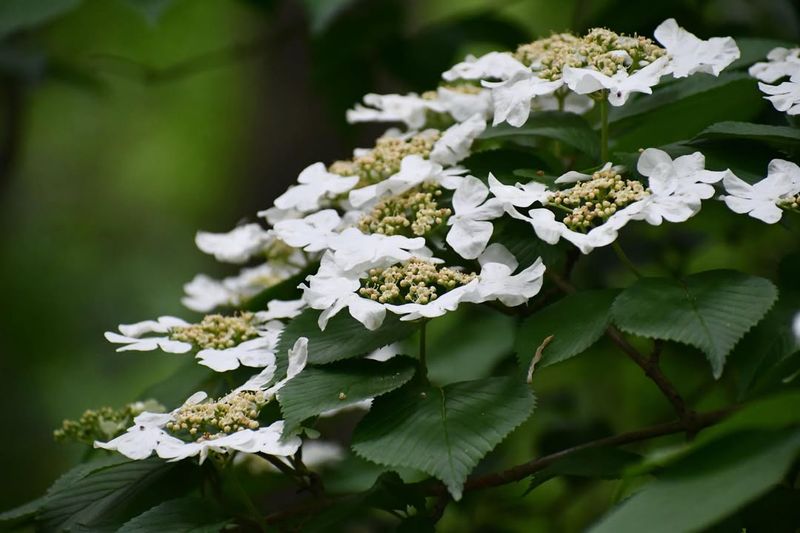
Few native shrubs make as bold a statement in a shaded garden as Hobblebush. Its common name comes from the way its arching branches root where they touch the ground, creating loops that could trip up hikers in the wild.
In your garden, that same arching habit creates a dramatic, layered look that feels straight out of a fairy tale forest.
Hobblebush is native to Pennsylvania and grows naturally in cool, moist mountain woods. In spring, it produces gorgeous lacecap-style flower clusters with large white outer florets surrounding smaller inner flowers.
Those blooms are followed by berries that shift from red to deep purple-black in late summer, attracting birds and other wildlife to your yard.
The leaves are another reason to love this shrub. They are large, heart-shaped, and deeply veined, giving the plant a lush, tropical feel even in a Pennsylvania shade garden.
In fall, the foliage turns shades of deep red and purple, giving you a second round of color before the season ends.
Hobblebush prefers cool, moist, acidic soil with good organic matter. It does best in full to partial shade and does not tolerate drought or hot, dry sites. Plant it near a stream, in a low-lying shaded area, or on a north-facing slope for best results.
This is not a shrub you will find at a big-box garden center. Seek it out at native plant nurseries or woodland garden specialty growers.
Once established in the right spot, Hobblebush rewards you with four full seasons of beauty and a woodland garden that looks genuinely wild and rare.
4. Purple-Flowering Raspberry
Most people think of raspberries as thorny canes grown in tidy rows for fruit. Purple-Flowering Raspberry throws that whole idea out the window.
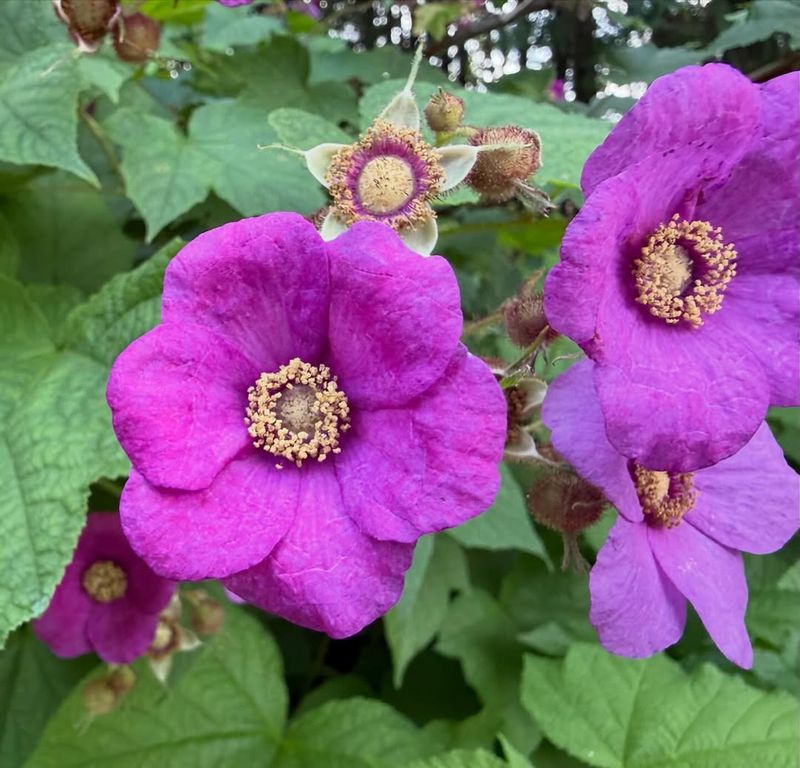
It is thornless, spreads in broad, leafy patches, and produces big rose-purple flowers that look more like wild roses than anything you would expect from a raspberry plant.
The leaves are another standout feature. They are large and maple-shaped, giving the plant a bold, lush texture that fills in a garden edge beautifully.
When a breeze moves through a patch of Purple-Flowering Raspberry, the whole thing ripples in a way that feels alive and dynamic. It creates a look that is wild and lush rather than stiff and formal.
This shrub is native to Pennsylvania and grows naturally along forest edges, roadsides, and stream banks. It thrives in partial shade to full sun and tolerates a wide range of soils, including moist, rocky, or average garden soil.
It spreads by underground runners to form colonies, so give it room to roam or plan to manage its edges each year.
The flowers appear in late spring to early summer and keep coming for several weeks. They are followed by small red raspberries that are edible but not very flavorful. Birds and pollinators absolutely love both the flowers and the fruit.
Purple-Flowering Raspberry is perfect for a wild garden edge, a naturalized area, or a steep bank that needs ground cover.
It is not the right choice for a neat, clipped foundation bed, but for a garden that feels lush and free, it is hard to beat. Look for it at native plant sales and specialty nurseries.
5. Eastern Wahoo
With a name like Wahoo, this shrub was always going to be memorable. Eastern Wahoo is a native understory shrub or small tree that earns its place in the garden through sheer fall drama.
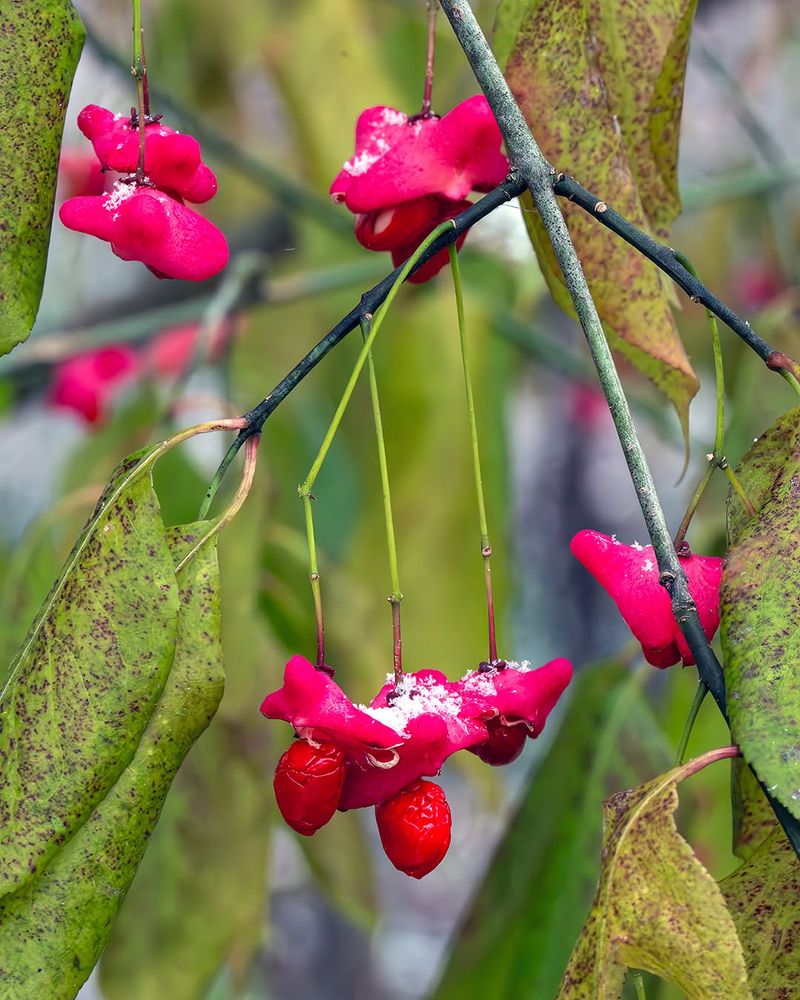
When its fruit capsules ripen in autumn, they split open to reveal bright red and pink colors that look almost too vivid to be real.
Eastern Wahoo is native mostly to southern and central Pennsylvania. It grows naturally along stream banks, forest edges, and in moist upland woods.
In the garden, it does well in partial shade to full sun and prefers moist, well-drained soil. It can reach anywhere from six to twelve feet tall, depending on conditions, and it often takes on a graceful, multi-stemmed form.
The flowers are easy to miss but genuinely interesting up close. They are small and purple-brown, appearing in late spring, and they attract native bees and other pollinators.
By fall, the plant transforms into something spectacular as the red fruit capsules hang in clusters along the branches. Songbirds, including bluebirds and robins, are attracted to the fruit.
One important note: the fruit of Eastern Wahoo is considered toxic to humans, so treat this plant as an ornamental and wildlife shrub rather than an edible one. Keep that in mind if young children spend time in your garden.
Finding Eastern Wahoo requires some hunting, but native plant nurseries and woodland garden growers sometimes carry it.
Its unusual flowers, brilliant fall fruit, and wildlife value make it one of the most rewarding rare native shrubs you can add to a Pennsylvania garden that wants to stand completely apart from the crowd.
6. Shrubby St. John’s-Wort
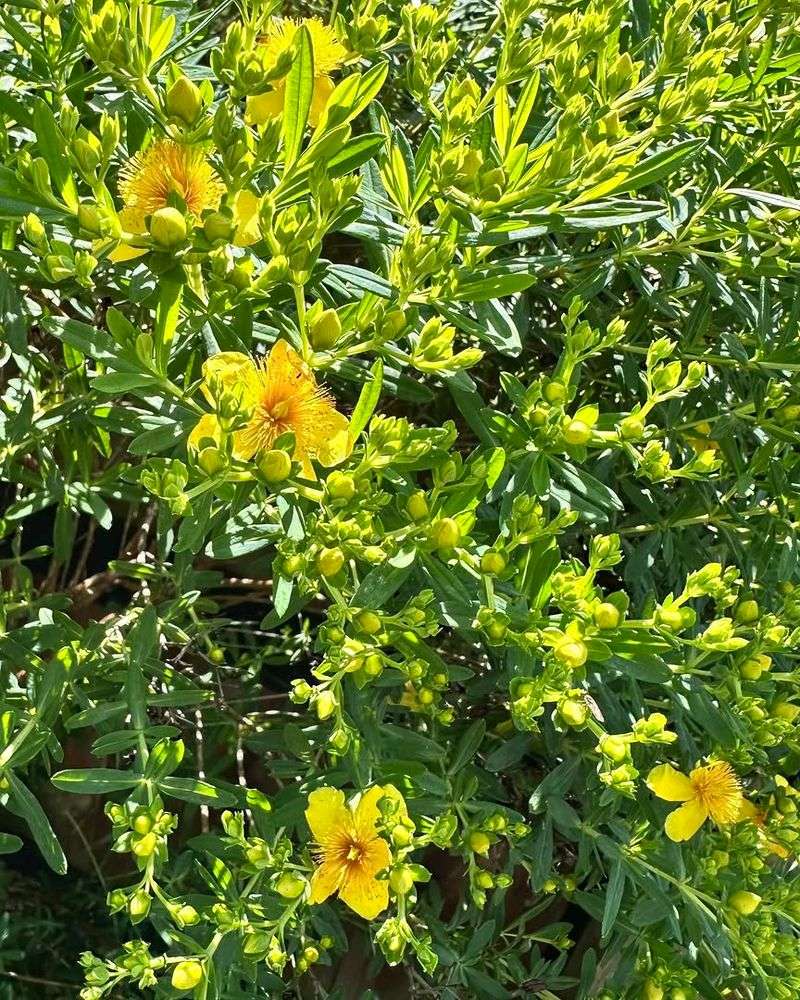
Bright, cheerful, and surprisingly tough, Shrubby St. John’s-Wort is a native Pennsylvania shrub that punches well above its weight in the garden.
When it blooms in midsummer, it is covered in small, sunny yellow flowers with showy stamens that give each bloom a fluffy, almost sparkly look.
Few native shrubs can match it for sheer flower power during the hottest weeks of summer.
This shrub is compact and well-behaved, usually growing two to four feet tall and wide. Its fine-textured, narrow leaves give it a delicate look that contrasts nicely with bolder foliage plants nearby.
The overall form is dense and rounded, making it useful as a low hedge, a border shrub, or a filler plant in a mixed native planting.
Shrubby St. John’s-Wort handles a surprisingly wide range of conditions. It grows in full sun to part sun and tolerates moist or dry soils, including rocky and sandy spots.
That kind of adaptability makes it useful in places where other shrubs might struggle. It is also quite drought-tolerant once established, which is a big plus for low-maintenance gardens.
Native bees and other pollinators are strongly attracted to the flowers. The plant also produces small capsule-like fruits that add subtle winter interest to the garden.
It holds its structure well through cold months, giving you something to look at even after the blooms are gone.
Shrubby St. John’s-Wort is sometimes available at native plant nurseries but is still far less common than it deserves to be. Adding it to your garden gives you a reliable, beautiful, and genuinely native plant that most of your neighbors will never have seen before.
7. Leatherleaf
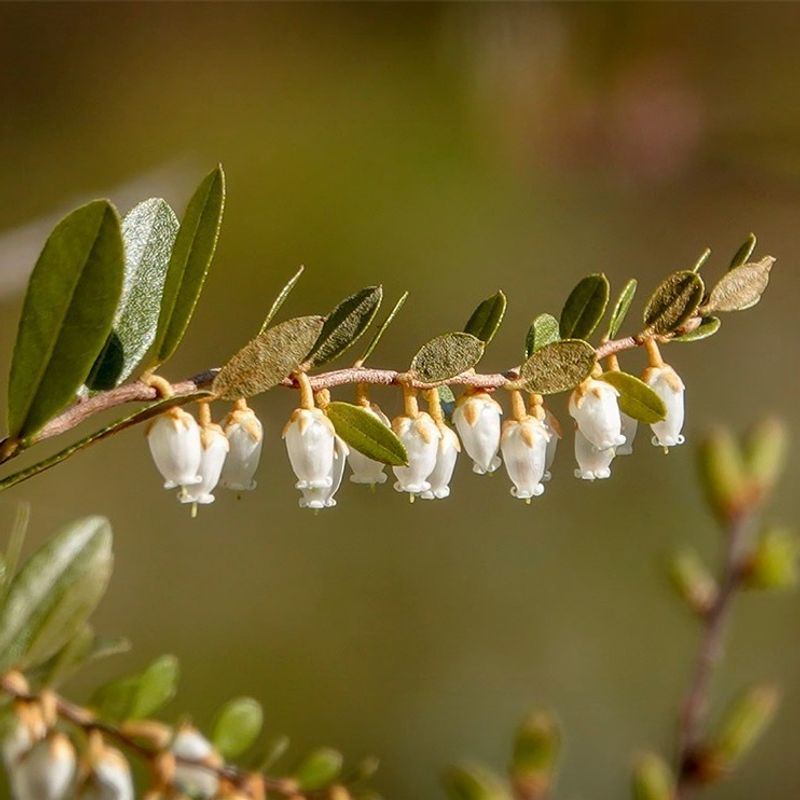
Bog gardens and consistently wet, acidic spots are some of the hardest places to plant, and most gardeners just give up on them. Leatherleaf does not just survive in those conditions, it thrives in them.
This low-growing evergreen native shrub is perfectly built for soggy, acidic soil where almost nothing else will grow.
Leatherleaf is native to Pennsylvania and grows naturally in bogs, fens, and wet acidic areas. Its thick, leathery leaves stay on the plant year-round, giving you evergreen structure even in the coldest months.
In early spring, small white bell-shaped flowers hang in rows along the arching branch tips, creating a delicate, graceful display before most other plants have even started growing.
The leaves are dark green on top and covered with small rusty scales underneath, giving the foliage an interesting two-tone texture when you look closely. The plant grows slowly to about two to four feet tall and spreads into a low, dense colony over time.
It forms a tight, weed-suppressing mat in the right conditions. Leatherleaf is not a plant for average garden soil. It absolutely needs consistently moist to wet, acidic, peaty or sandy soil to perform well.
Pair it with other bog-loving native plants like pitcher plants, sundews, native sedges, or bog rosemary for a truly one-of-a-kind planting that looks nothing like any garden on your street.
Because it is so specialized, Leatherleaf is rarely found at general nurseries. Seek it out through native plant specialty growers or bog garden suppliers.
For the right wet, acidic spot, it is an irreplaceable native shrub that brings genuine rarity and year-round beauty to your garden.