Why Greater Roadrunners Prefer Native Arizona Desert Landscaping
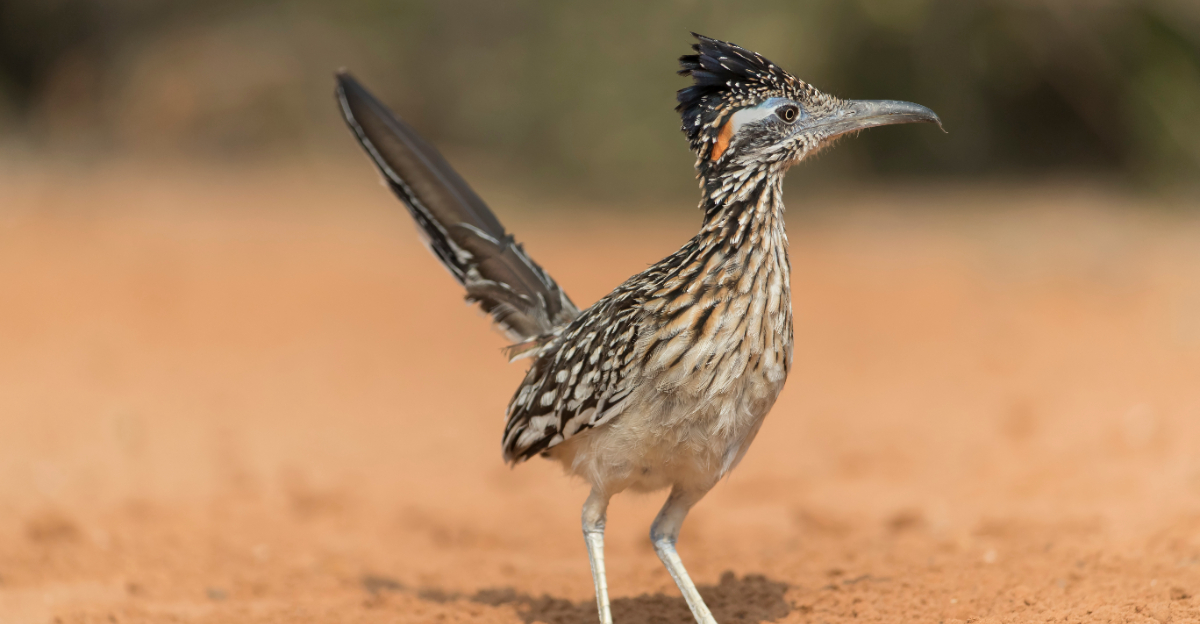
Forget perfectly trimmed landscapes for a moment and think about what wildlife actually needs to survive.
Greater roadrunners choose places that provide reliable food, protective cover, and open ground for hunting every day.
If your yard lacks those features, these remarkable birds will probably keep moving without stopping. A few thoughtful changes can make your landscape much more inviting without making it harder to maintain.
Native Arizona desert landscaping naturally provides many of the conditions greater roadrunners prefer throughout the year. The right plants attract insects, support small reptiles, and create shelter where these birds can rest safely.
Focus on working with the desert instead of fighting against it whenever you update your yard.
You will build a healthier landscape while giving local wildlife many more reasons to stay nearby.
1. Native Plants Support More Natural Prey
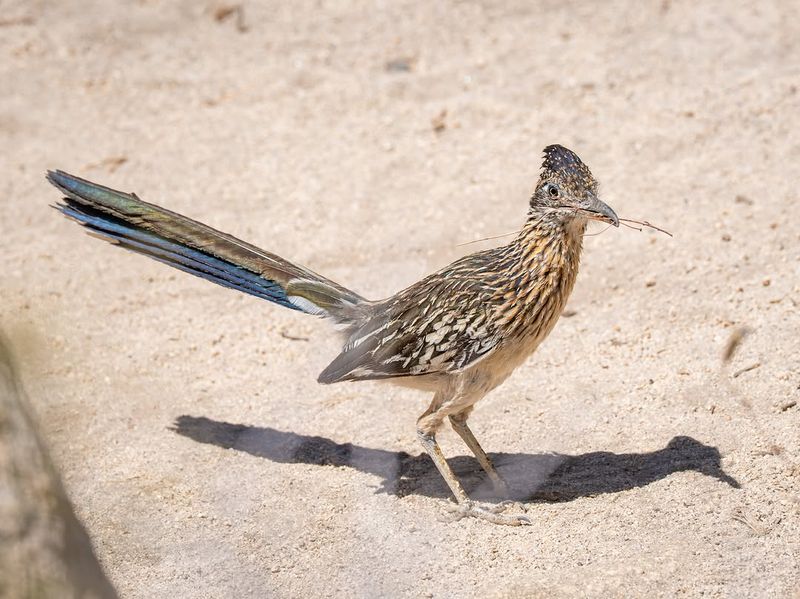
Roadrunners are not picky eaters, but they are smart hunters. Native desert plants attract the exact insects, lizards, and small animals that roadrunners depend on for food.
Non-native plants often lack the chemical makeup and structure that local insects recognize. Without familiar host plants, insect populations drop, and so does the food supply for roadrunners.
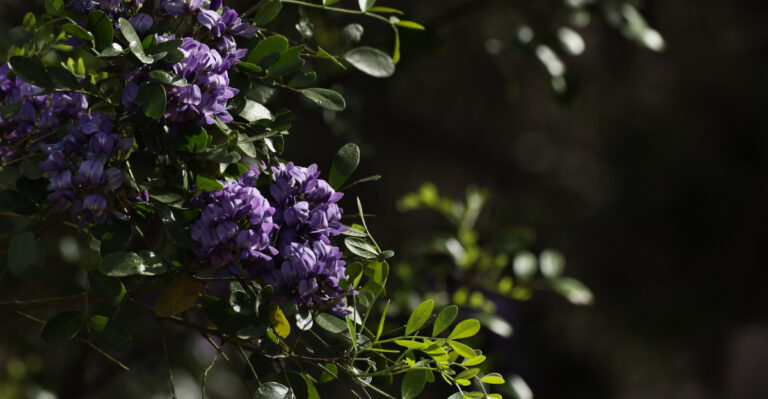
Prickly pear, mesquite, and desert willow all support rich insect communities. Beetles, grasshoppers, and caterpillars gather on these plants throughout the warmer months.
Roadrunners patrol areas with dense native vegetation because prey is predictably present there. A yard full of non-native grass offers almost nothing worth hunting.
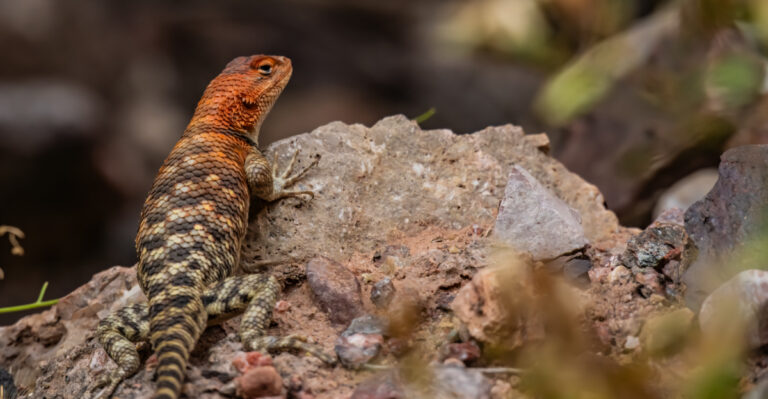
Lizards also favor native plant zones. Rock-dwelling species like side-blotched lizards and whiptails hide near native shrubs and emerge to bask in open patches nearby.
Roadrunners have sharp eyesight and can spot movement quickly. A landscape rich in native plants essentially sets the table for them without any extra effort from you.
Planting natives does not guarantee instant roadrunner visits, but it steadily builds the kind of habitat they search for.
Over time, a yard planted with species like brittlebush, desert sage, and ironwood becomes a reliable hunting ground. Patience matters more than perfection here.
2. Thorny Vegetation Creates Safer Nesting Sites
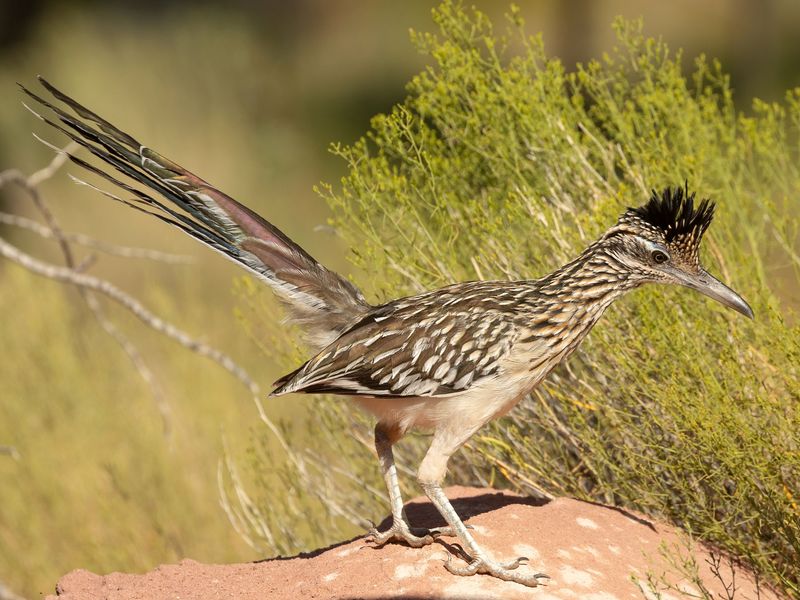
Roadrunners pick nesting spots based on one main factor: protection. Thorny native plants like cholla cactus, catclaw acacia, and crucifixion thorn offer exactly that.
Predators such as coyotes, ravens, and snakes think twice before pushing through sharp spines. A nest tucked into a dense cholla is far safer than one placed in open or smooth-leafed vegetation.
Native thorny shrubs also tend to grow in layered, irregular shapes. Roadrunners use those natural gaps and platforms to build their flat, stick-based nests without much trouble.
In Arizona and surrounding desert regions, cholla cactus is especially common in roadrunner territories.
Its dense spines and sturdy branching structure provide outstanding protection, making it one of the safest places for roadrunners to build their nests.
Smooth ornamental plants used in conventional landscaping rarely offer this kind of structural defense. A decorative hedge might look tidy, but it does not protect eggs or chicks the way native thorny plants do.
Roadrunners also return to the same general nesting areas across seasons if conditions remain stable. Keeping native thorny plants intact gives them a reason to come back.
Your Arizona Garden Changes Every Week. Your Plan Should Too.
Gardening in Arizona changes quickly throughout the season. Every Friday you’ll receive a simple weekly plan showing exactly what to plant, prune, fertilize, harvest, and protect so you never miss the right timing.
Removing or trimming these plants too aggressively can push nesting birds away.
3. Greater Roadrunners Help Control Pest Populations
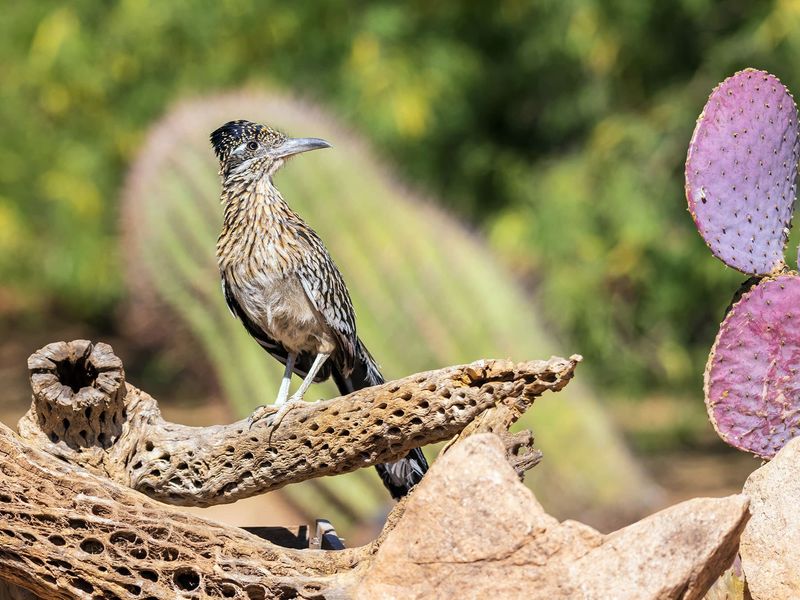
Scorpions, centipedes, and large beetles are not welcome guests in most desert yards. Roadrunners eat all of them, and they do it efficiently.
A single roadrunner can consume dozens of invertebrates in one day during peak activity periods. Scorpion populations in particular tend to stay lower in areas where roadrunners actively hunt.
Roadrunners also catch rattlesnakes on occasion, though this is less common than popular culture suggests. Small and juvenile snakes are more realistic prey items, but the bird’s agility makes even larger encounters possible.
Native landscaping supports this pest control naturally. Ground-level habitat created by native shrubs and rocks gives roadrunners places to search for prey without having to travel far.
Lawns treated with synthetic fertilizers and non-native plants often have fewer of the insects and reptiles roadrunners eat. Pest control in those yards gets outsourced to chemicals instead of natural predators.
Welcoming roadrunners means accepting that your yard will look a bit more natural and less manicured. That tradeoff usually pays off quickly when you stop seeing as many scorpions near your doorstep.
That approach also helps create the kind of habitat greater roadrunners naturally seek across Arizona’s desert landscapes.
4. They Help Keep Desert Ecosystems Balanced
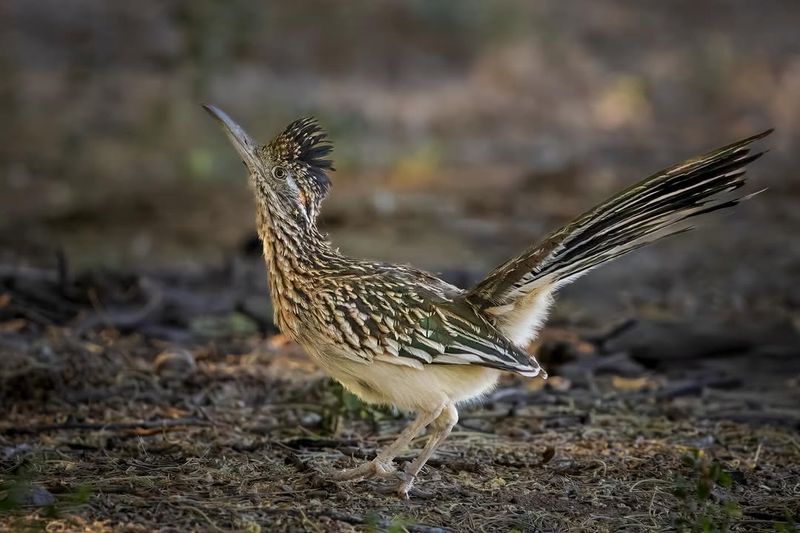
Roadrunners sit near the middle of the desert food chain. Removing them, or reducing their habitat, creates ripple effects that touch many other species.
When roadrunners hunt lizards and insects regularly, they prevent any single population from growing out of control. Balance like that keeps plant life healthy too, since unchecked insect populations can damage native vegetation.
Roadrunners are also prey themselves. Hawks, great horned owls, and coyotes all hunt them occasionally.
Supporting roadrunner populations means supporting the predators above them in the chain as well.
Native landscaping creates the layered habitat structure that makes all of this possible. Ground cover, mid-level shrubs, and taller cacti together provide shelter and hunting ground for multiple species at once.
Conventional landscaping simplifies that structure. Flat grass and ornamental plants reduce habitat complexity, which tends to reduce biodiversity over time.
Roadrunners respond to habitat quality quickly. A yard that shifts from non-native to native planting can start attracting them within a season or two, depending on surrounding land use and available food sources.
Supporting roadrunners is really about supporting the whole system they belong to.
Across Arizona, protecting native desert habitat helps support greater roadrunners along with the many other species that share the same ecosystem.
5. Add A Shallow Water Source
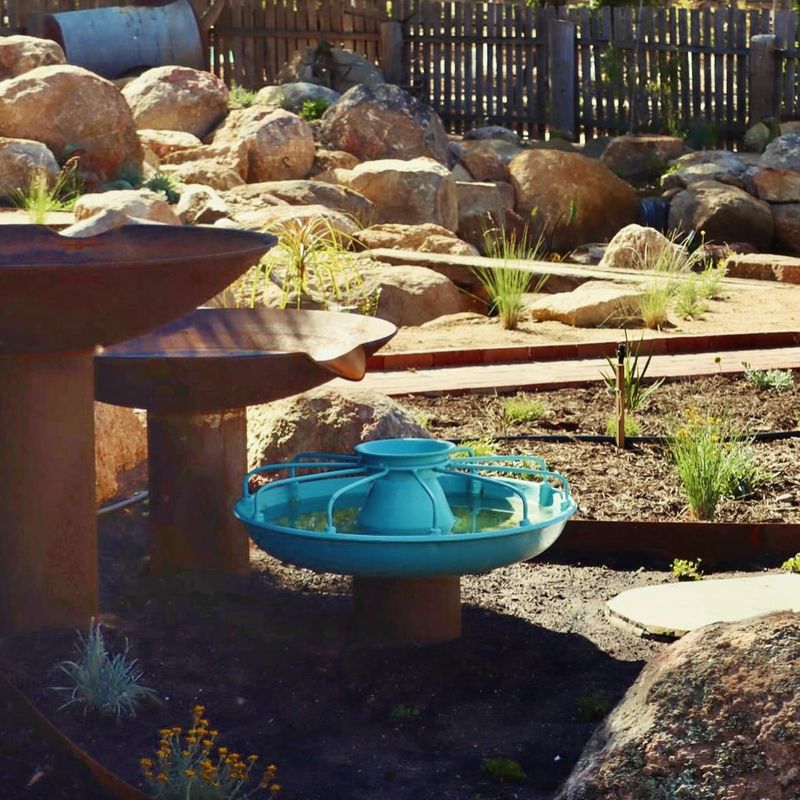
Water is scarce in the desert, and roadrunners know exactly where to find it. Adding a shallow water source to a native yard can make your space far more attractive to them.
Roadrunners drink water and also absorb moisture from their prey. Still, during dry stretches, a reliable water spot becomes a strong draw for birds moving through the area.
Ground-level birdbaths work better than elevated ones for roadrunners.
These birds spend most of their time on the ground and prefer to approach water the same way they approach everything else: on foot.
Keep the water shallow, no more than two inches deep. Change it every couple of days to prevent mosquito breeding and keep the source clean and appealing.
Placing the birdbath near native shrubs gives roadrunners a sense of cover while they drink. Open and exposed water sources make them nervous, so nearby vegetation helps them feel secure enough to linger.
Rocks around the base of the water source add a natural look and give smaller birds a perch.
Roadrunners do not need the perch, but the rocks also help the setup blend into a native landscape more naturally.
6. Leave Open Ground For Hunting
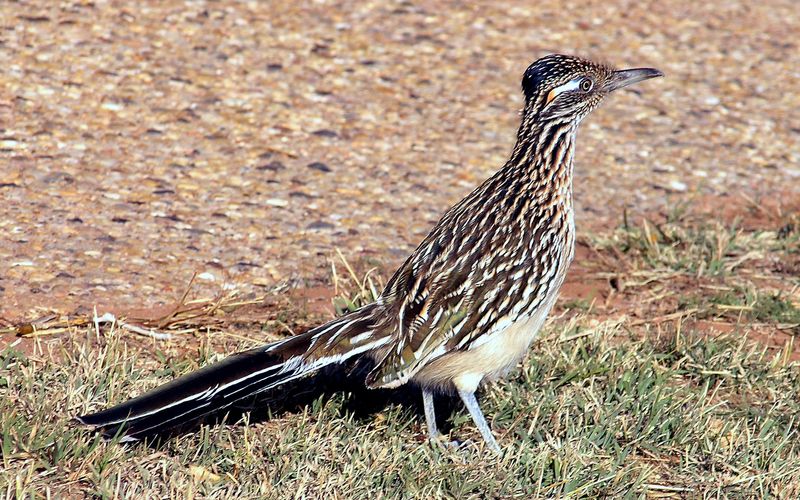
Speed is a roadrunner’s biggest advantage. Open ground lets them use it.
Roadrunners reach speeds close to 20 miles per hour in short bursts. Chasing down a lizard or a grasshopper requires clear space to accelerate without obstacles blocking the path.
Native desert landscapes naturally include open patches between plants. Gravel, bare soil, and rock outcroppings create the kind of mixed terrain roadrunners prefer for active hunting.
Overly planted yards with dense ground cover can actually work against roadrunner activity. If a bird cannot sprint freely, it loses its main hunting advantage and tends to move on to better territory.
Leaving some sections of your yard unpaved and unplanted is genuinely helpful. A gravel patch near native shrubs gives roadrunners a natural runway while still fitting the aesthetic of desert landscaping.
Open ground also warms up faster in the morning. Roadrunners are known to spread their wings and face the sun early in the day to raise their body temperature after cool desert nights.
Bare ground helps with that warming process too.
Resist the urge to fill every inch of your yard with plants or decorative rock. Roadrunners need breathing room.
7. Avoid Broad-Spectrum Pesticides
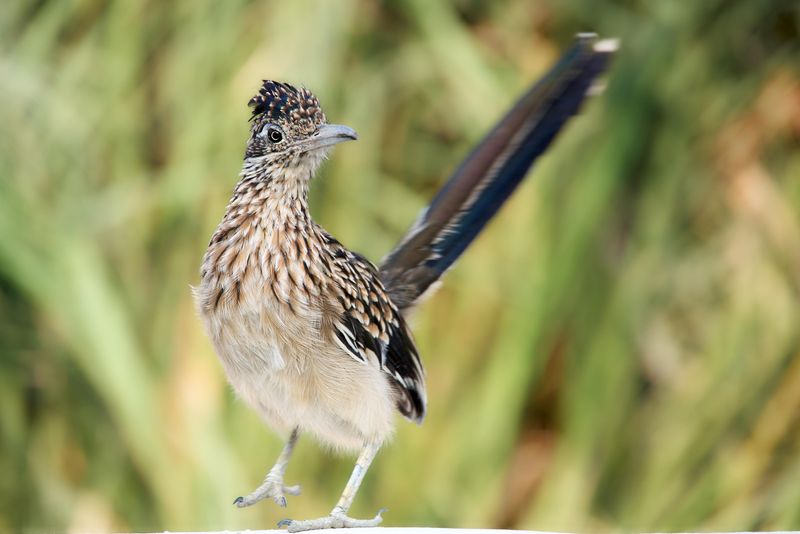
Broad-spectrum pesticides wipe out more than just the pests you are targeting. They reduce the entire insect population in your yard, including the prey roadrunners depend on.
When insect numbers drop sharply, roadrunners have less reason to visit. A yard that looks pest-free to you may look like an empty plate to a hunting bird.
Pesticides can also affect roadrunners directly. Birds that eat poisoned insects or lizards can absorb those chemicals into their own bodies.
Secondary exposure is a real concern, even when birds are not the intended target.
Native plants tend to need fewer chemical inputs than non-native ornamentals. Many have evolved alongside local insects and have natural defenses that reduce serious pest damage without human intervention.
Spot treatments with targeted, low-toxicity products are a more balanced approach when pest issues do come up. Treating only specific problem areas limits the impact on the broader insect community.
Checking with a local extension office or native plant nursery can help you find pest management options that work without compromising wildlife habitat. Advice grounded in local conditions is usually more reliable than general product labels.
Yards that skip broad-spectrum pesticides tend to have more biodiversity overall. More insects mean more lizards, and more lizards mean more roadrunners.