How To Tell If Your Arizona Plumeria Is Heat Stressed
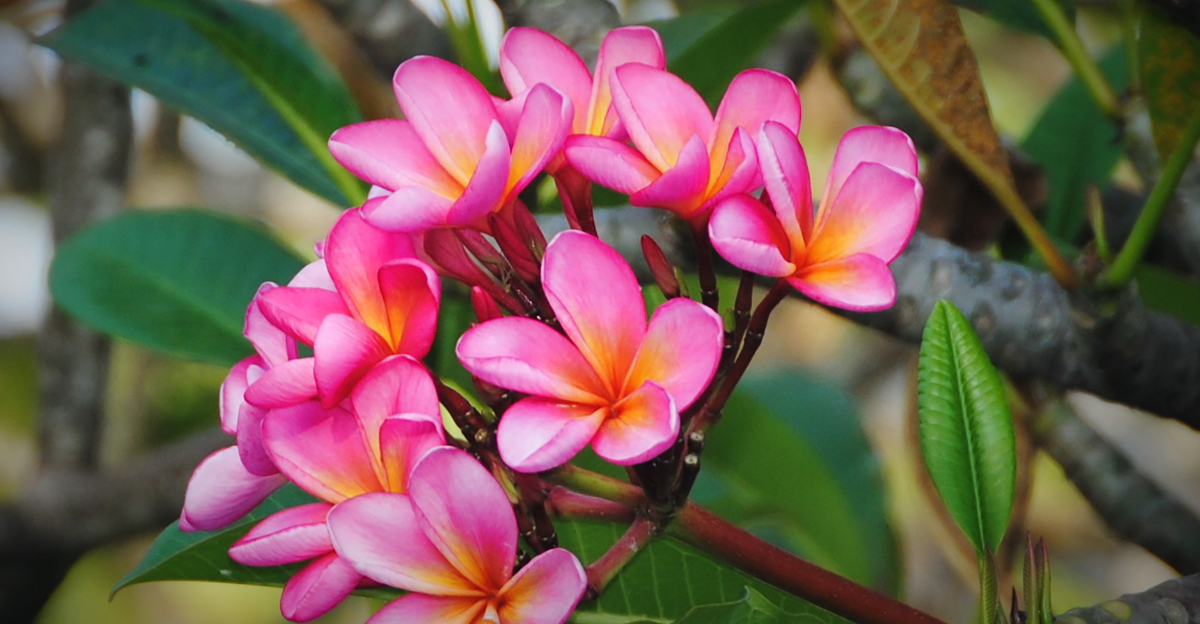
One rough afternoon does not always tell the whole story. A plumeria can look perfectly fine in the morning and seem completely different after hours of intense sun.
That change catches plenty of people off guard, especially when healthy leaves begin drooping or losing color. The first reaction is often to water more or move the plant, but those decisions are not always the right ones.
Waiting a little longer and paying attention to the full picture usually leads to a much better outcome.
Heat affects every plumeria differently, and small changes often appear before serious damage develops. Leaf texture, stem firmness, and new growth all reveal how well the plant is handling the weather.
Arizona regularly brings long periods of intense summer heat, so knowing which signs deserve attention can save your plant from unnecessary stress.
A careful look now can prevent the kind of well-meaning care that makes recovery much more difficult later.
1. Wilting Leaves That Stay Limp Overnight
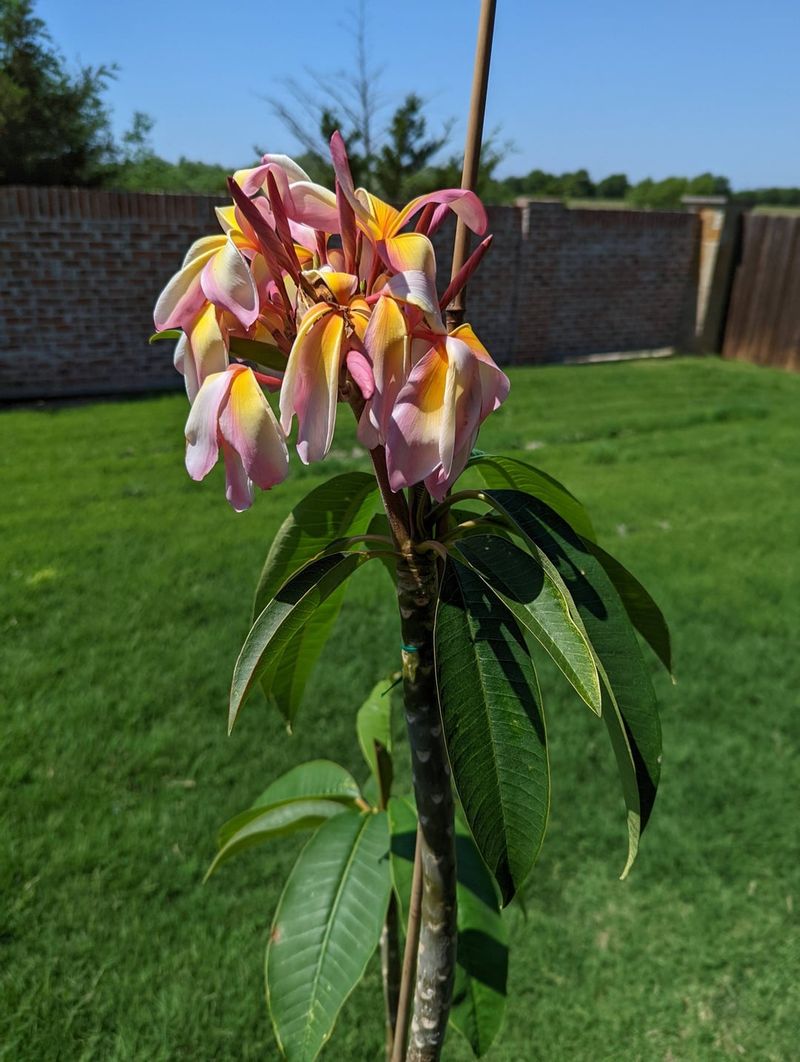
Leaves that droop in the afternoon heat are one thing, but leaves that stay limp through the night are a different story. Healthy plumeria typically perk back up once the sun goes down and temperatures drop.
If yours are still sagging the next morning, heat stress is likely the cause.
Check the soil before assuming water is the fix. Overwatering in extreme heat can cause root problems that look exactly like drought stress.
Press two fingers about an inch into the soil and feel for moisture before reaching for the hose.
Arizona summers can push overnight lows into the mid-80s in some areas, which does not give plants much recovery time. Consistent overnight wilting usually means your plumeria is not getting enough relief from the heat cycle.
Consider moving potted plants to a shadier overnight spot if temperatures stay unusually high.
Wilting that comes with yellowing or mushy stems may point to something beyond heat stress. Root rot and pest damage can mimic heat symptoms, so inspect the base of the plant carefully.
Catching the real cause early gives your plumeria the best shot at a strong recovery during the growing season.
2. Brown Spots Signal Sun Scorch
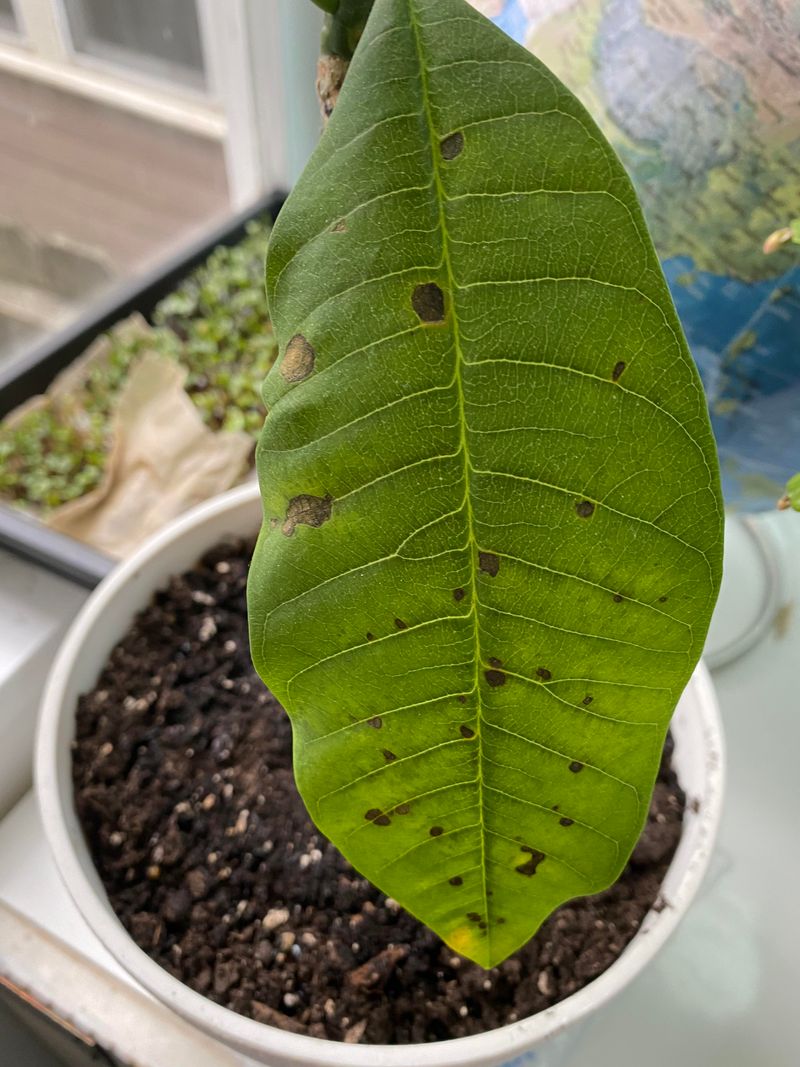
Crispy brown patches on plumeria leaves are a classic sign of sun scorch, and they tend to show up fast once temperatures spike. Unlike disease spots, sun scorch usually appears on the upper surface of leaves that face direct afternoon sun.
The damage tends to look dry, bleached, or papery at the edges.
Scorch marks do not heal or reverse once they form. New leaves can grow in healthy if conditions improve, but the damaged ones will stay marked.
Focus on protecting new growth rather than trying to fix what is already burned.
Afternoon sun in the desert Southwest is especially brutal between 1 p.m. and 4 p.m. Even plumeria that handle full sun well in milder climates can struggle under that kind of intensity.
Shifting a potted plant slightly west to east, or adding a shade cloth rated around 30 to 40 percent, can reduce scorch risk noticeably.
Your Arizona Garden Changes Every Week. Your Plan Should Too.
Gardening in Arizona changes quickly throughout the season. Every Friday you’ll receive a simple weekly plan showing exactly what to plant, prune, fertilize, harvest, and protect so you never miss the right timing.
Not every brown spot means sun damage. Fungal infections and bacterial issues can also leave marks on leaves.
Sun scorch spots tend to be dry and irregular, while disease spots often have defined edges or a yellow halo around them. When in doubt, check multiple leaves and look for a pattern before deciding on a response.
3. Flower Buds Fall Before Blooming
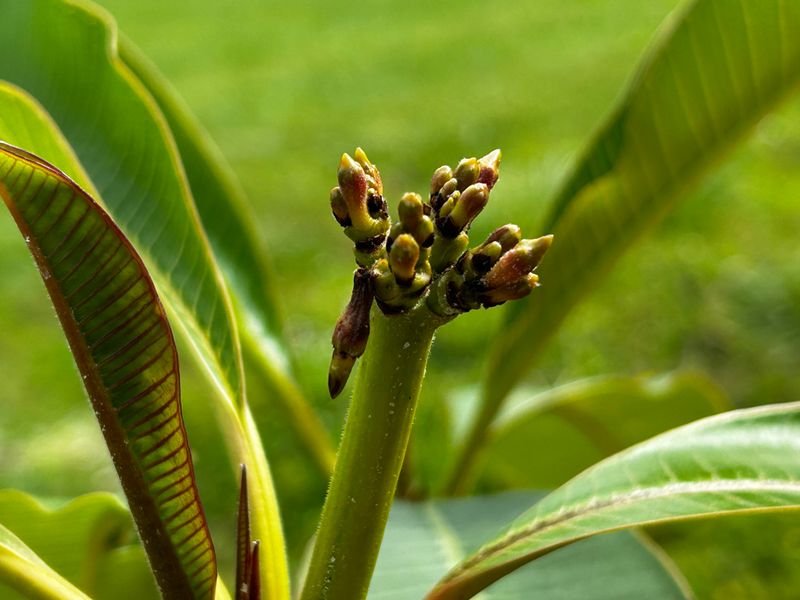
Bud drop is one of the most frustrating signs of heat stress, especially when you have been waiting all season for blooms.
Plumeria set buds with a lot of energy, and when temperatures spike or conditions shift suddenly, the plant can abort those buds to redirect resources.
It feels discouraging, but it is actually the plant protecting itself.
Sudden changes in watering, intense heat waves, or a combination of both tend to trigger bud drop most often. Consistency matters more than perfection when it comes to preventing it.
Erratic watering right before or during a heat wave is a common culprit that gardeners sometimes overlook.
Not every case of bud drop is heat related. Nutrient deficiencies, pest pressure, and root stress can all cause buds to fall early.
If bud drop happens alongside other symptoms like wilting or brown leaves, heat stress is more likely the primary issue.
Once buds drop, they will not reattach or reopen. New buds can form later in the season if the plant stabilizes and conditions improve.
Keep up with consistent watering, provide some afternoon shade during peak heat, and hold off on fertilizing until temperatures ease up. Giving the plant time to recover is often more effective than adding products or making big changes mid-crisis.
4. Water Deeply Early In The Morning
Morning watering is one of the simplest and most effective habits for protecting plumeria through summer. Water applied early soaks into the root zone before the heat of the day drives evaporation.
Roots get what they need, and the soil stays cooler longer into the afternoon.
Shallow, frequent watering trains roots to stay near the surface, which makes them more vulnerable to heat. Deep, less frequent watering encourages roots to grow downward where soil temperatures are lower and more stable.
Aim to water slowly and thoroughly rather than giving quick splashes every day.
In ground-planted plumeria, watering two to three times per week during peak summer heat is often a reasonable starting point. Potted plants dry out much faster, especially in terracotta or dark-colored containers.
Check soil moisture before each watering session rather than sticking to a rigid schedule.
Avoid watering in the late afternoon or evening if possible. Wet foliage overnight in humid monsoon conditions can encourage fungal issues.
Wet soil that sits without draining properly can also stress roots over time. Early morning gives the plant a full day to absorb moisture, and any water that splashes on leaves dries quickly once the sun comes up.
5. Protect Young Plants From Afternoon Sun
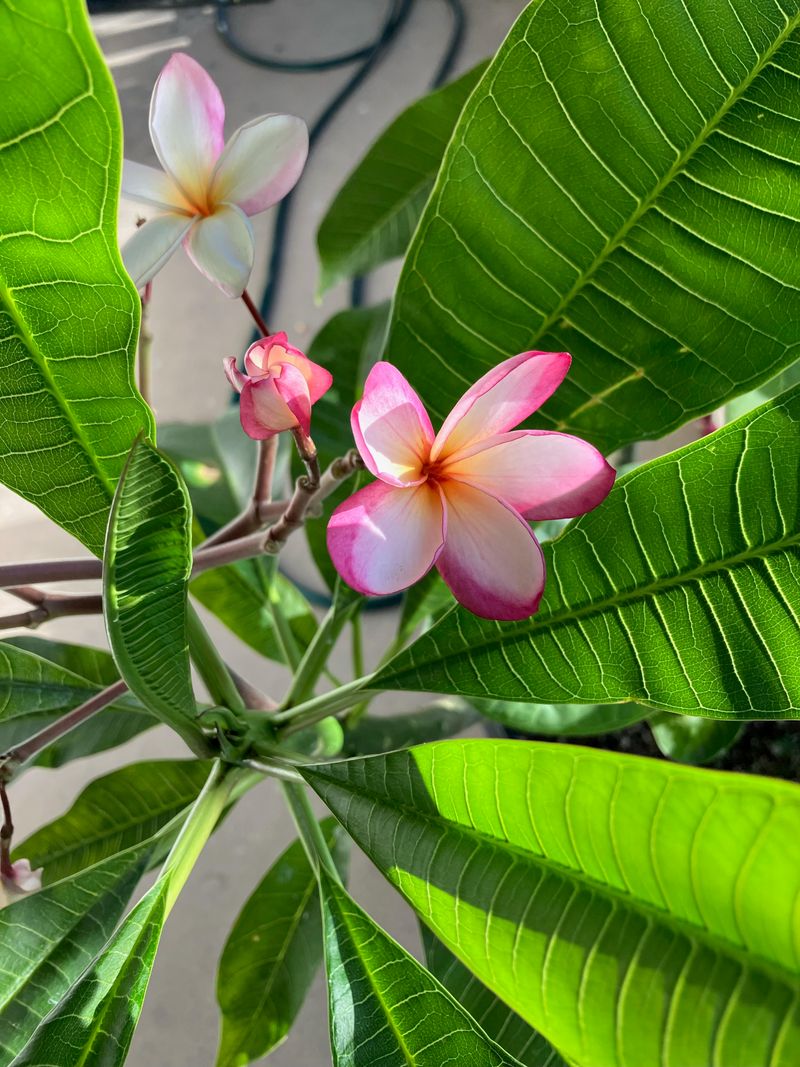
Young plumeria plants have not yet built up the toughness that mature specimens develop over time. Afternoon sun in a hot climate can overwhelm a small plant in just a few hours, especially one that was recently repotted or transplanted.
Starting with some protection during the hottest part of the day gives young plants a real advantage.
Shade cloth is a practical and affordable option for backyard gardeners. A 30 to 40 percent shade cloth placed on the west-facing side of a young plant blocks the worst of the afternoon rays without reducing overall light too drastically.
Avoid blocking morning sun, which is gentler and helps drive healthy growth.
Grouping young plants near larger, established plants or garden structures can also provide natural afternoon shade. Patios, walls, and fences cast useful shadows in the late afternoon that can protect tender plants without any extra equipment.
Pay attention to where shadows fall in your yard between noon and 5 p.m.
As young plants mature and their stems thicken, they generally handle direct sun better. Gradually increasing sun exposure over a few weeks helps them adjust without shock.
Sudden moves from shade to full sun can trigger the same stress symptoms you were trying to prevent. Patience during the establishment phase pays off with stronger, more resilient plants heading into future summers.
6. Stop Fertilizing During Extreme Heat
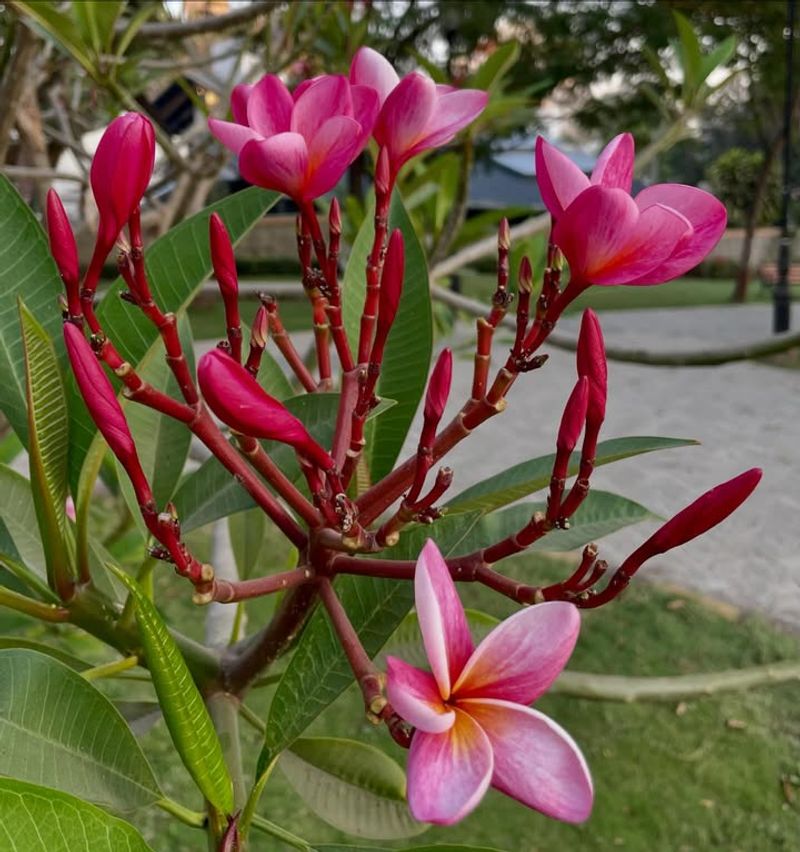
Fertilizing a heat-stressed plumeria can make things worse, not better. When a plant is already struggling to manage water and temperature, pushing it to produce new growth adds more strain on a system that is already overloaded.
New growth is soft and tender, which makes it even more vulnerable to heat and sun damage.
Most experienced plumeria growers in hot climates pause fertilizing once temperatures consistently hit triple digits. Roots absorb nutrients less efficiently under extreme heat, so much of what you apply may not even reach the plant.
Some of it can also build up in the soil and create salt stress, which adds another layer of problems.
Resume fertilizing once nighttime temperatures drop back below 85 degrees and the plant shows signs of stable, active growth. A balanced, lower-nitrogen fertilizer works well for easing back in after a heat break.
High-nitrogen formulas push leafy growth quickly, which is not ideal right after a stress period.
Timing fertilizer applications around the natural growing rhythm of the plant tends to produce better results than following a fixed calendar.
In Arizona, late summer into early fall often brings a second flush of growth once monsoon moisture and slightly cooler nights arrive.
7. Wait For New Growth Before Pruning
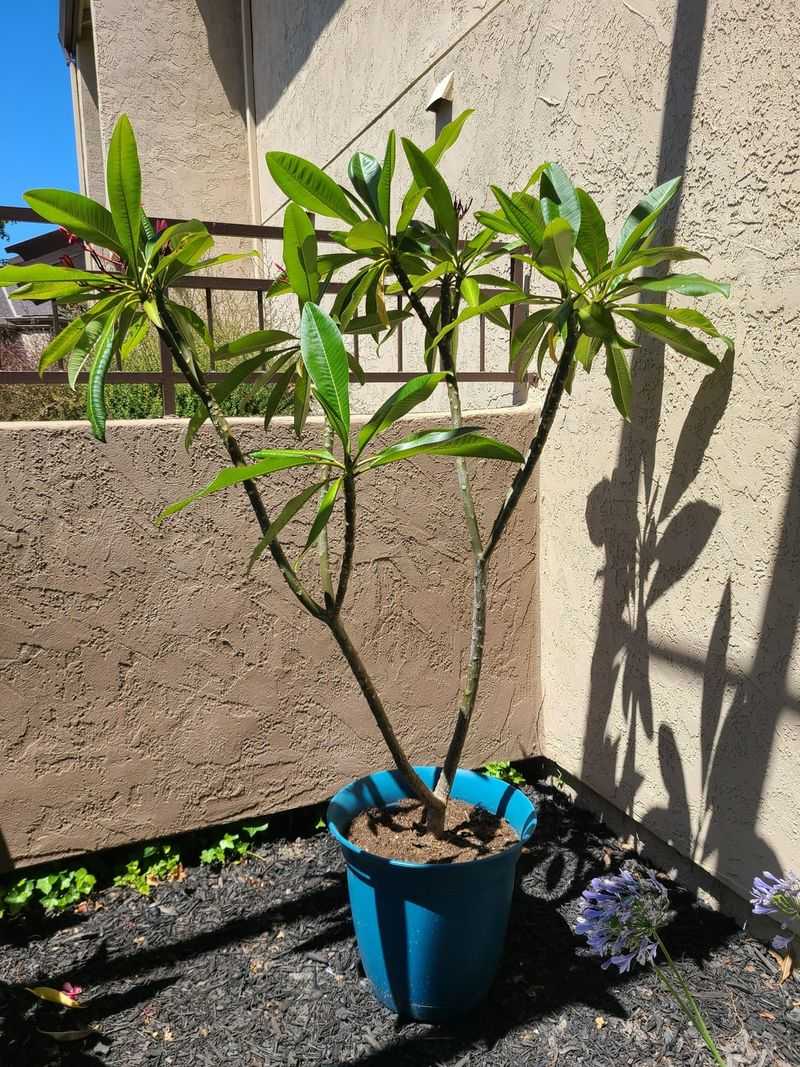
Pruning a heat-stressed plumeria before it shows new growth is a gamble that rarely pays off. Cutting back a plant that is already under stress removes stored energy reserves that it desperately needs to recover.
Patience here is genuinely one of the most useful tools in a gardener’s kit.
New growth emerging from branch tips is a strong signal that the plant has stabilized and has enough energy to handle pruning. Waiting for that green signal before making cuts reduces the risk of sending the plant into a deeper stress spiral.
Even light pruning can be disruptive to a plant that has not yet bounced back.
Some gardeners feel the urge to remove damaged leaves and brown tips right away, and that instinct is understandable.
Avoid cutting back into healthy green tissue until the plant is visibly growing again and temperatures have eased somewhat.
Pruning is best done in late winter or very early spring in most warm climates, well before the heat of summer arrives.
If a plant needs shaping or size management, doing it during that cooler window gives it time to callous over and push new growth before summer stress begins.