Check These 7 Things On Your Drip Irrigation Before Arizona Summer Gets Worse
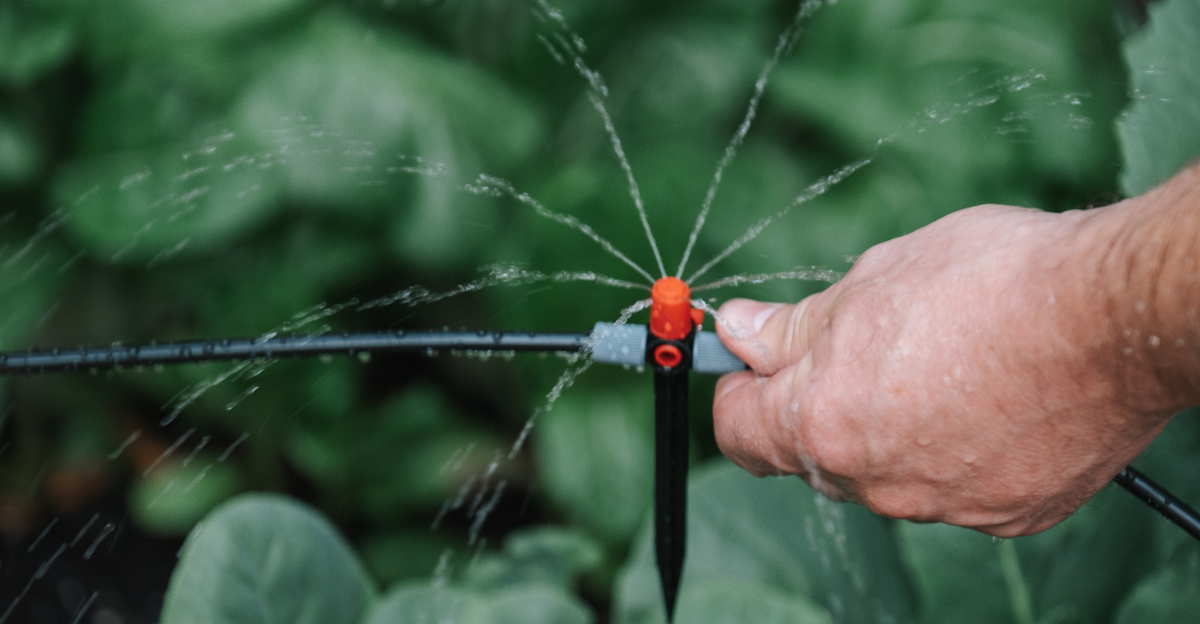
There is nothing worse than realizing something is wrong with an irrigation system after plants start showing signs of stress. By that point, days or even weeks may have passed, and the damage can be difficult to undo.
Everything may seem to be working normally from a distance, yet a small problem hidden somewhere in the system can leave certain plants receiving far less water than expected.
That is why a quick inspection before the most intense part of summer arrives can be so valuable. Drip irrigation systems work quietly in the background, and minor issues often go unnoticed until temperatures begin climbing.
A clogged emitter, damaged line, or pressure problem may not seem like a big deal at first, but the effects can become much more noticeable during extended periods of heat.
Arizona homeowners who take a few minutes to check their systems now can often avoid bigger headaches later.
Some of the most common problems are also the easiest to miss, making this one of the most important times of year to give drip irrigation a closer look.
1. Blocked Drip Heads Can Leave Plants Dry
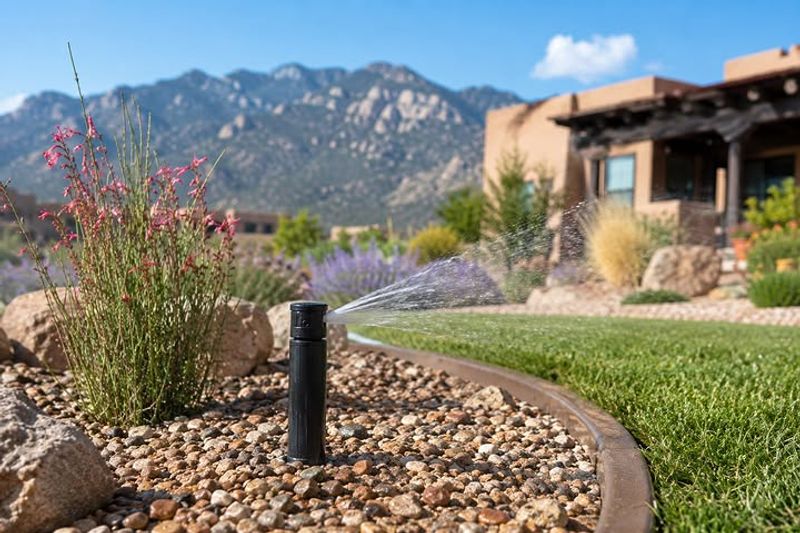
A blocked emitter is sneaky. Your timer runs, water flows through the lines, but nothing reaches the plant.
You might not notice until leaves start curling or a shrub looks stressed.
Mineral buildup is the most common culprit in desert regions. Hard water leaves calcium and sediment deposits inside emitters over time.
Those tiny openings clog up faster than most people expect.
Pull each emitter off the line and hold it up to the light. If you cannot see through it, it needs cleaning or replacing.
Soaking emitters in white vinegar for about 30 minutes loosens most mineral deposits.
Some emitters are cheap enough that swapping them out entirely makes more sense than cleaning. A pack of replacement emitters costs just a few dollars at most hardware stores.
Check each emitter while the system is running. Watch for a steady drip at the base of every plant.
Uneven dripping or no flow at all means something is blocked.
Cacti and succulents can handle short dry spells, but newly planted shrubs and citrus trees cannot. A blocked emitter during peak heat puts real stress on root systems that are still getting established.
Make a habit of walking your system at least once a month during summer. Catching a blocked head early is far easier than nursing a struggling plant back to health in triple-digit weather.
Keep a few spare emitters in your garage so you can fix problems on the spot.
2. Small Leaks Waste Water Every Day
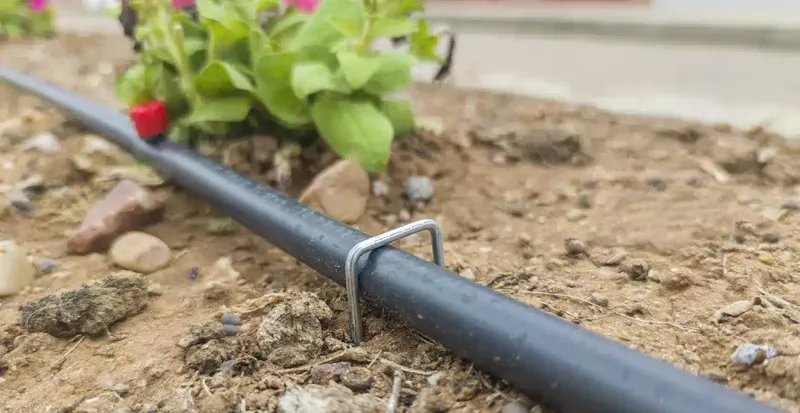
Even a pinhole leak adds up fast. A drip line leaking just a half-gallon per hour wastes over 350 gallons a month.
In a region where water rates are climbing, that adds real money to your bill.
Walk your entire system while it is running. Look for wet spots in the soil that do not match where your emitters are placed.
Unexpected puddles or soggy patches are a clear sign of a leak somewhere in the line.
Your Arizona Garden Changes Every Week. Your Plan Should Too.
Gardening in Arizona changes quickly throughout the season. Every Friday you’ll receive a simple weekly plan showing exactly what to plant, prune, fertilize, harvest, and protect so you never miss the right timing.
Leaks often show up at connection points first. Barbed fittings, end caps, and T-connectors loosen over time from heat expansion and soil movement.
Give each fitting a gentle tug to test how secure it is.
Micro-tubing is especially vulnerable. Roots can shift it, animals can chew it, and UV exposure weakens the plastic over months.
A small crack in a half-inch supply line can drain your pressure fast.
Fixing most leaks is straightforward. Cut out the damaged section and use a barbed coupler to reconnect the line.
Replacement fittings are inexpensive and easy to install without any tools beyond a pair of scissors.
Check around the base of your backflow preventer and pressure regulator too. Those components sit outside and take a beating from temperature swings.
Rubber seals inside them can dry out and crack.
Catching leaks now means your system runs efficiently when plants need it most. Wasted water during peak summer months is both costly and avoidable with a simple visual check each week.
3. Cracked Lines Get Worse In Extreme Heat
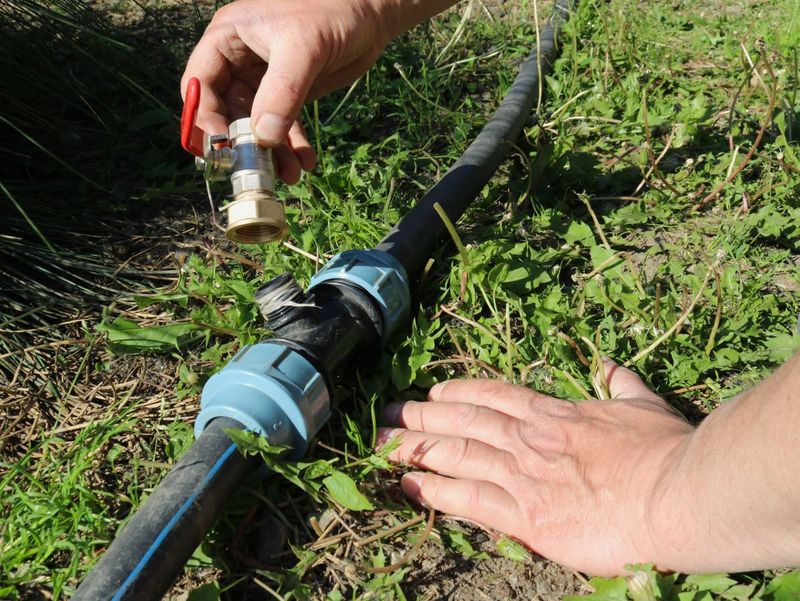
Black polyethylene tubing absorbs heat like a sponge. Exposed lines sitting on top of dry desert soil can reach surface temperatures well above 150 degrees on a hot afternoon.
At that point, plastic becomes brittle fast.
UV exposure is the other problem. Sunlight breaks down the material in irrigation tubing over time, especially lines that are not buried or covered with mulch.
Cracks often start as hairline fractures that are easy to miss.
Run your hand slowly along every section of exposed tubing. Feel for rough patches, thin spots, or areas where the line feels stiff and inflexible.
Those are early signs of heat and UV damage.
Pay extra attention to tubing that runs along south-facing walls or open gravel areas. Those spots get the most direct sun exposure and tend to degrade faster than shaded sections of the system.
Burying your main supply lines at least two inches below the soil surface helps protect them. Where burial is not practical, covering exposed sections with a layer of wood chip mulch can significantly reduce surface temperatures.
When you find a crack, do not just patch over it with tape. Tape breaks down quickly in the heat and is not a reliable fix.
Cut the damaged section out completely and splice in a fresh piece of tubing with barbed couplers.
4. Loose Connections Cause Uneven Watering
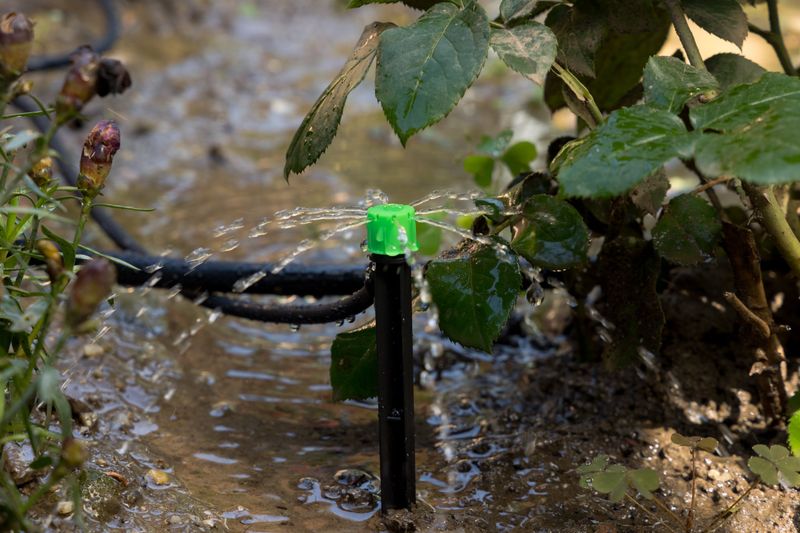
Loose fittings are one of the most frustrating problems in a drip system. Water escapes at the connection instead of reaching the plant, and the rest of the line loses pressure at the same time.
Desert heat is tough on irrigation components. Repeated expansion and contraction of tubing, shifting soil, growing roots, and normal wear can gradually loosen fittings throughout the system.
Start your inspection at the main supply line near the valve or hose bib. Follow each branch line and check every connector, tee, elbow, and end cap for signs of movement, leaking, or separation.
If a fitting feels loose, push it firmly back into place and watch it while the system runs. Water dripping around a connection usually means the tubing has stretched or the fitting is no longer sealing properly.
In many cases, trimming back a small section of tubing and reconnecting it to fresh material solves the problem. Severely worn fittings are often best replaced entirely.
End caps deserve special attention. A loose end cap can release a surprising amount of water and reduce pressure throughout the rest of the system.
Uneven plant growth can also signal a connection problem. When one plant looks healthy while another nearby appears dry, water may be escaping somewhere before it reaches the end of the line.
Tight, secure connections help maintain consistent pressure and ensure water reaches every part of the system where it is needed most.
5. Timer Settings May No Longer Be Correct
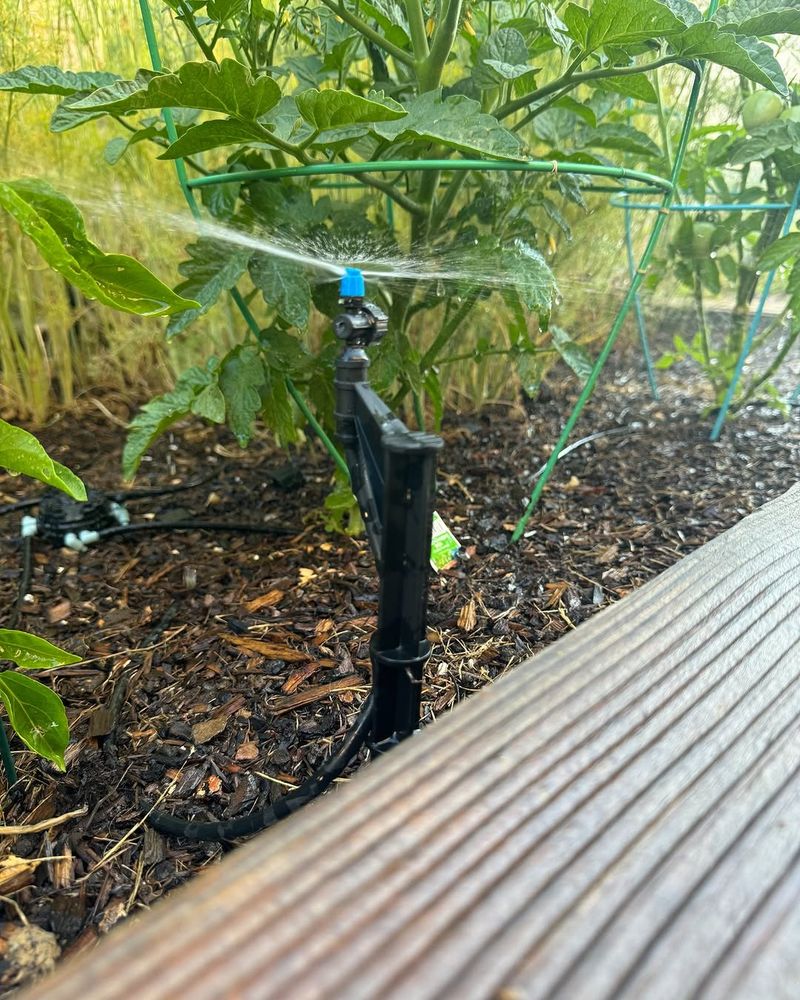
Your timer settings from last fall are almost certainly wrong for summer. Plants need significantly more water as temperatures rise, and a schedule built for mild weather will leave your garden short when heat peaks.
Most drip timers allow you to set both frequency and duration. Frequency means how often the system runs.
Duration controls how long each zone waters. Both need adjustment as the season changes.
A general rule for desert landscapes is to increase run time rather than frequency. Longer, deeper watering encourages roots to grow downward where soil stays cooler.
Short, frequent cycles keep roots near the surface where they are more vulnerable to heat stress.
Check whether your timer has a seasonal adjustment feature. Some controllers let you dial in a percentage increase without reprogramming every zone manually.
Bumping up to 130 or 150 percent of your spring settings is a reasonable starting point for summer.
Battery-powered timers are easy to overlook. A low battery can cause skipped cycles or incorrect timing without any obvious warning.
Replace batteries at the start of each season as a standard habit.
Smart controllers that adjust based on local weather data are worth considering if you have a larger system. They automatically reduce watering after rain and increase it during heat spikes without any manual input from you.
Write down your current settings before making changes. Keeping a simple log helps you track what works and makes it easier to adjust back in fall.
6. Missing Coverage Leaves Dry Areas Behind
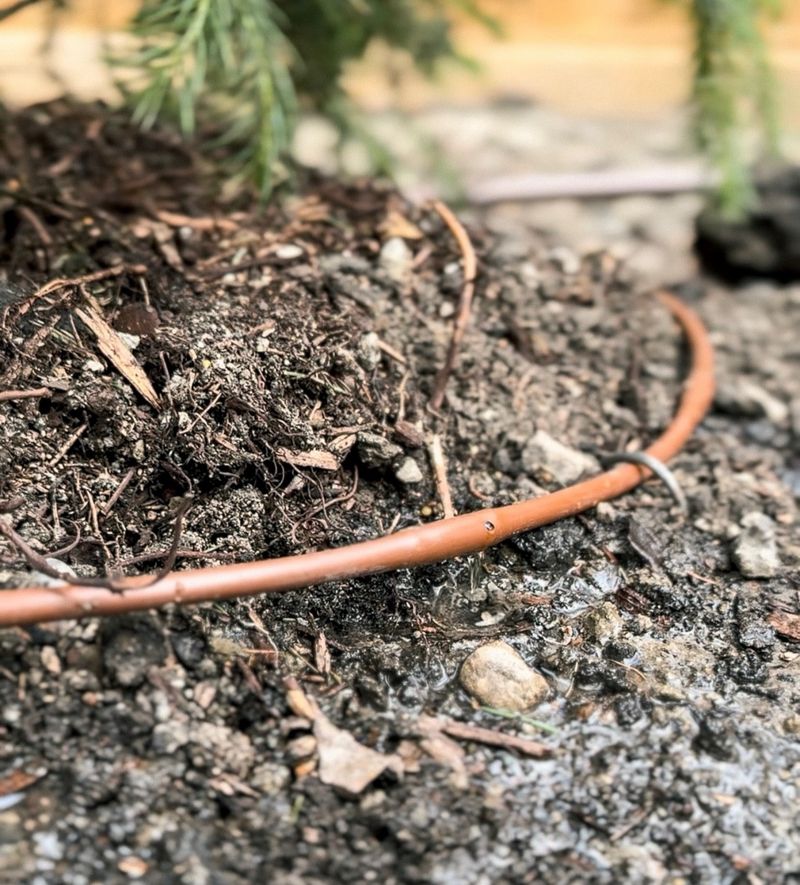
Coverage gaps are easy to miss until a plant starts showing stress. You assume everything is getting water, but one corner of the garden has been running dry for weeks without you realizing it.
Walk your yard while the system runs and watch where water is actually landing. Look at the base of every plant, not just the general area.
An emitter placed six inches from the root zone may not be delivering water where roots can actually reach it.
Newly planted trees and shrubs need emitters positioned close to the root ball, not at the drip line. As plants grow, emitter placement should be adjusted outward to follow root expansion.
Most gardeners set emitters once and never move them.
Some plants may have added since your system was originally installed. If you have put in new plants without adding emitters, those plants are relying on runoff or soil moisture from neighbors.
That is not reliable in peak summer heat.
Check for emitters that have been knocked out of position by foot traffic, animals, or wind. A misaligned emitter waters the gravel instead of the plant.
The plant nearby looks like it is covered but gets almost nothing.
Adding coverage is inexpensive. A basic emitter and a short piece of half-inch tubing can be tapped into an existing line in minutes.
Punch a hole in the supply line with an emitter punch tool and press the barbed fitting in firmly.
7. Pressure Problems Affect The Entire System
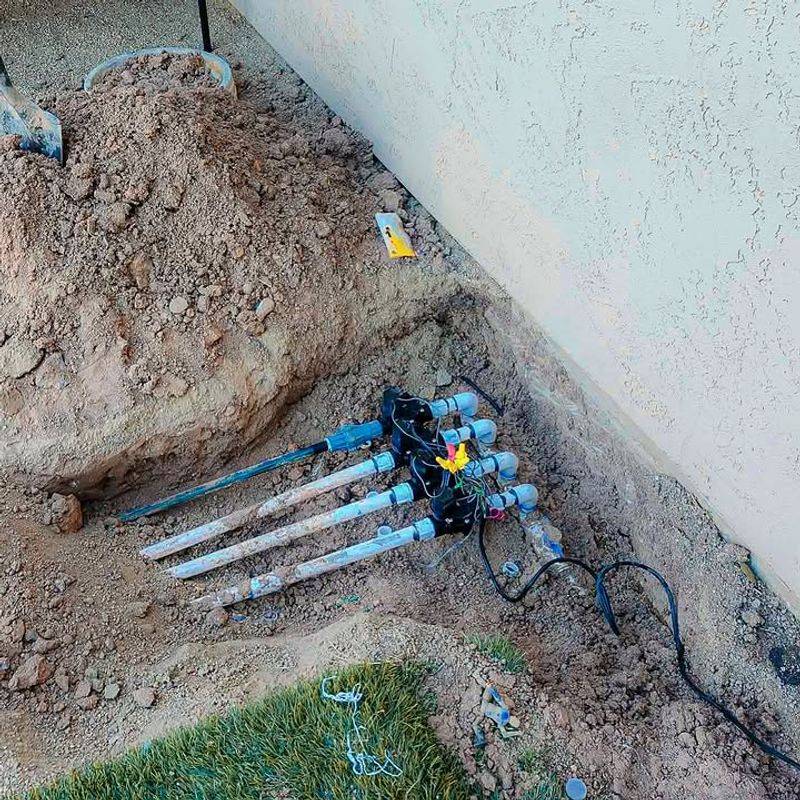
Wrong water pressure wrecks a drip system from one end to the other. Too much pressure blows emitters off the line and causes micro-tubing to separate at fittings.
Too little pressure means emitters at the far end of long runs barely drip at all.
Most residential drip systems are designed to operate between 15 and 30 PSI. Standard home water pressure often runs between 60 and 80 PSI straight from the tap.
Without a pressure regulator, that force is too strong for drip components.
Check your pressure regulator first. If you have one installed, make sure it is functioning correctly.
A failed regulator can stick open and let full line pressure into your drip system, blowing out fittings and emitters.
If you do not have a pressure regulator on your system, adding one is a straightforward fix. They screw directly onto the hose bib before your backflow preventer and cost around ten to twenty dollars at most hardware stores.
Low pressure is a different problem. It often points to a significant leak somewhere in the system, a partially closed valve, or a filter screen that is clogged with sediment.
Flush your filter screen monthly during heavy-use months.
Sediment filters protect emitters from debris that enters through the water supply. A clogged filter drops pressure noticeably across the entire system.
Removing and rinsing the screen takes about two minutes.
Pressure issues affect every plant on the system simultaneously.