Why Arizona Gardeners Are Choosing Grow Bags For Their Vegetables
Not every gardening idea sounds convincing the first time you hear about it.
Some trends disappear almost as quickly as they arrive, so it makes sense to be a little skeptical before trying something different.
Then you notice the same idea showing up in more and more yards, and curiosity starts to take over. You begin to wonder what makes it worth the attention, especially when experienced gardeners keep coming back to it.
Sometimes the biggest improvements come from methods that look surprisingly ordinary at first glance.
That is exactly what has happened with grow bags for many gardeners in Arizona.
They have become a popular choice for growing vegetables because they fit a wide range of outdoor spaces and work well in challenging conditions.
After giving them a chance, many gardeners decide they are a practical option that makes growing fresh vegetables much easier throughout the season.
1. Roots Stay Cooler During Extreme Heat
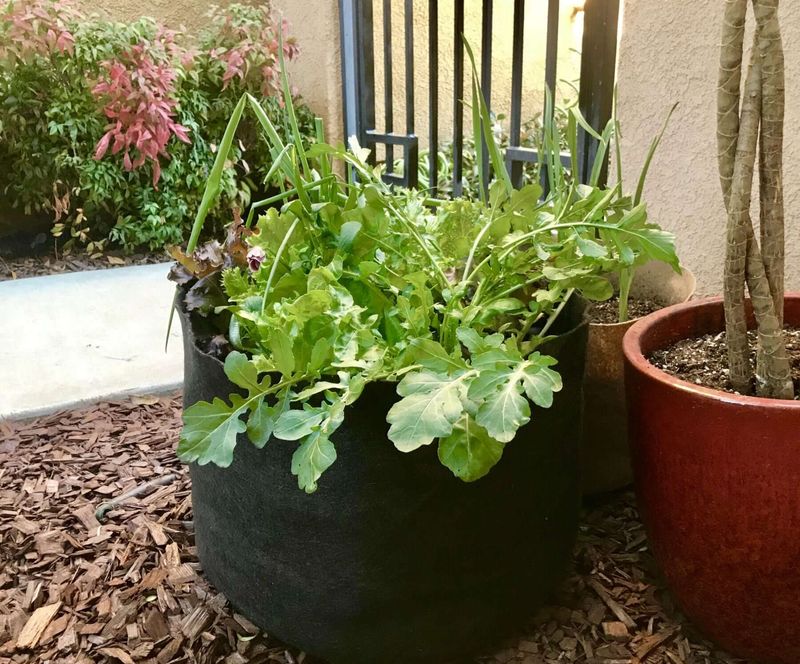
Fabric breathes. That single fact changes everything when summer temperatures push past 110 degrees in the desert.
In traditional plastic pots or raised beds, heat builds up fast. Soil near the container walls can reach temperatures that stress root systems and slow plant growth significantly.
Grow bags handle heat differently because the fabric allows air to pass through on all sides.
Air movement through the fabric creates a natural cooling effect. Moisture evaporates from the sides, which pulls heat away from the soil.
Roots near the edges stay noticeably cooler compared to roots pressed against a sun-baked plastic wall.
Gardeners who have made the switch often notice their plants look less wilted during peak afternoon heat. That does not mean grow bags eliminate heat stress entirely, but they do reduce it in a meaningful way.
Consistent watering still matters a lot.
Lighter-colored grow bags reflect more sunlight than dark ones. Choosing tan, gray, or white fabric can make an additional difference during the hottest months.
Placement matters too. Partial shade during the afternoon hours helps more than any container choice alone.
Root health drives everything above ground. When roots are under less stress, plants put more energy into producing vegetables rather than just surviving.
2. Excess Water Drains Away More Easily
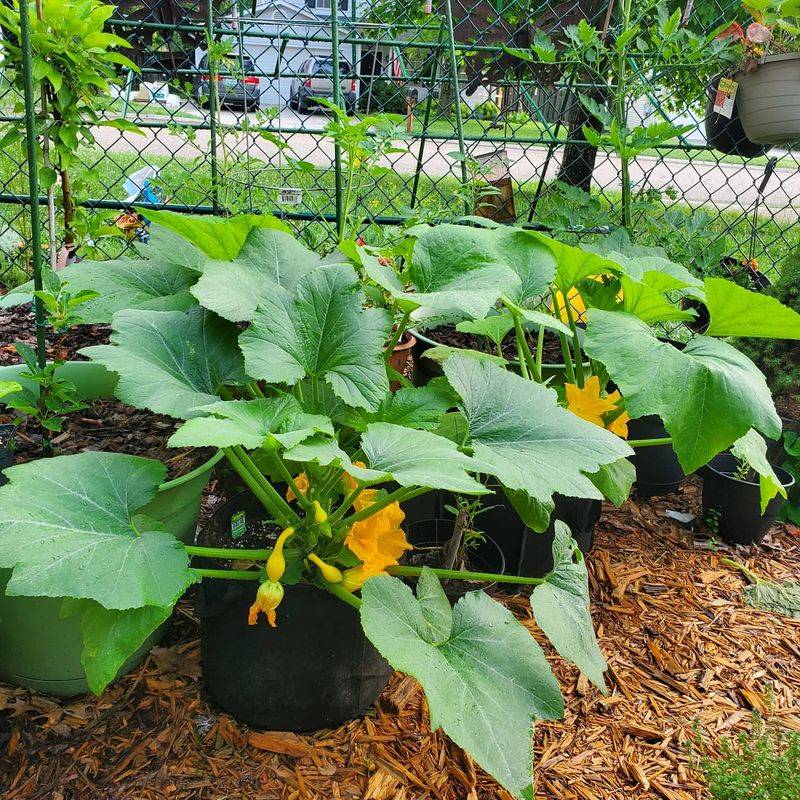
Overwatering is one of the sneakiest problems in container gardening, and it trips up even experienced growers.
Standard plastic pots have one or two drainage holes at the bottom. When soil gets compacted or roots block those holes, water sits in the lower portion of the pot longer than it should.
Roots sitting in soggy soil lose access to oxygen, which weakens plants over time.
Grow bags drain from every surface. Water moves through the fabric walls and base in a much more even pattern.
Soil moisture stays balanced rather than pooling at the bottom, which gives roots the air they need to function well.
During the monsoon season, unexpected heavy rains can dump a lot of water quickly. Raised beds and plastic containers sometimes struggle to shed that volume fast enough.
Grow bags handle sudden saturation better because drainage is not limited to a single point.
Your Arizona Garden Changes Every Week. Your Plan Should Too.
Gardening in Arizona changes quickly throughout the season. Every Friday you’ll receive a simple weekly plan showing exactly what to plant, prune, fertilize, harvest, and protect so you never miss the right timing.
Gardeners in the desert Southwest often water frequently to compensate for fast evaporation. With grow bags, that frequent watering is less likely to cause root problems because excess moisture escapes before it accumulates.
It is still possible to overwater, especially with very dense soil mixes, so using a light, well-aerated potting blend makes a real difference.
3. Plants Are Easier To Move When Needed
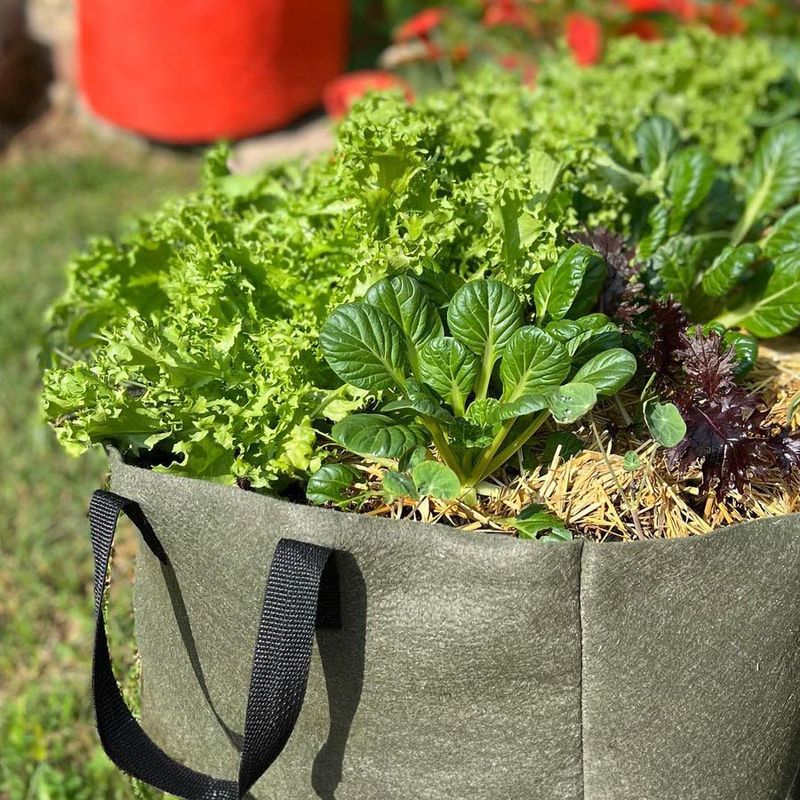
Flexibility is underrated in gardening. Being able to move a plant can save it when conditions shift unexpectedly.
Ceramic pots crack in freeze-thaw cycles. Wooden raised beds stay put no matter what.
Grow bags, on the other hand, can be picked up and relocated with minimal effort, especially when sized appropriately for the plant inside.
Desert winters bring occasional frost that catches gardeners off guard. A grow bag with pepper plants can be moved to a covered porch or garage overnight without any complicated setup.
Plastic pots can do the same, but they are often heavier and more awkward to handle.
Sunlight patterns shift with the seasons. A spot that gets ideal morning sun in spring may become too shaded or too exposed by midsummer.
With grow bags, adjusting plant placement to match changing light conditions is straightforward and quick.
Some vegetables bolt or stress out when temperatures spike suddenly. Moving a grow bag to a cooler, shadier spot during an unexpected heat surge can reduce that stress noticeably.
It is not a guaranteed fix, but having the option matters.
4. Better Airflow Encourages Healthier Roots
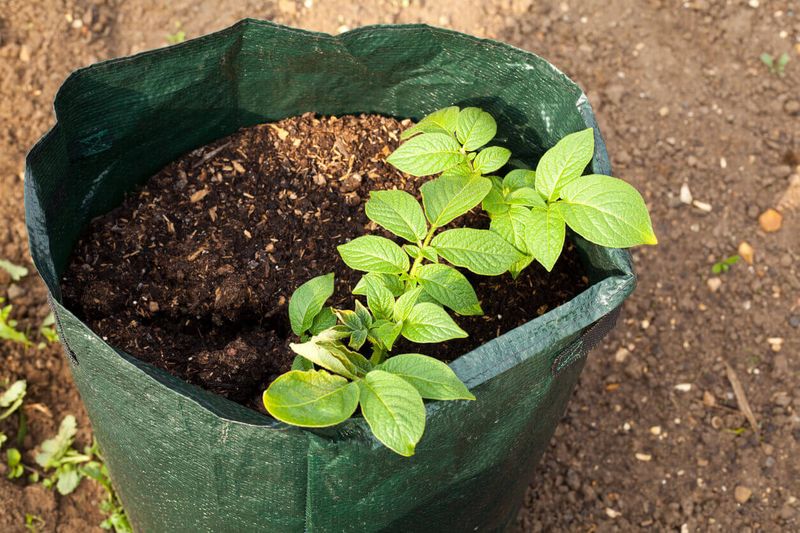
Roots need oxygen just as much as they need water. Without it, even a well-watered plant can struggle.
Standard containers trap air poorly. Roots grow outward until they hit a solid wall, then circle around the inside of the pot.
That circling pattern, called girdling, restricts the root system and limits how effectively a plant can take up nutrients and water.
Grow bags interrupt that pattern. When roots reach the fabric wall, the tips sense drier air and stop elongating.
New growth branches off behind the tip, creating a denser, more fibrous root system. Growers call this air pruning, and it produces noticeably stronger root structures over time.
A denser root system means more surface area for nutrient absorption. Plants with well-developed roots tend to handle stress better, recover faster after transplanting, and produce more consistent yields throughout the growing season.
Airflow through the fabric also reduces the risk of certain fungal issues that thrive in stagnant, overly moist soil environments. Adequate air circulation around the root zone keeps conditions less favorable for those problems to develop.
Using a quality potting mix with good aeration enhances these benefits further.
5. Many Common Vegetables Grow Well In Them
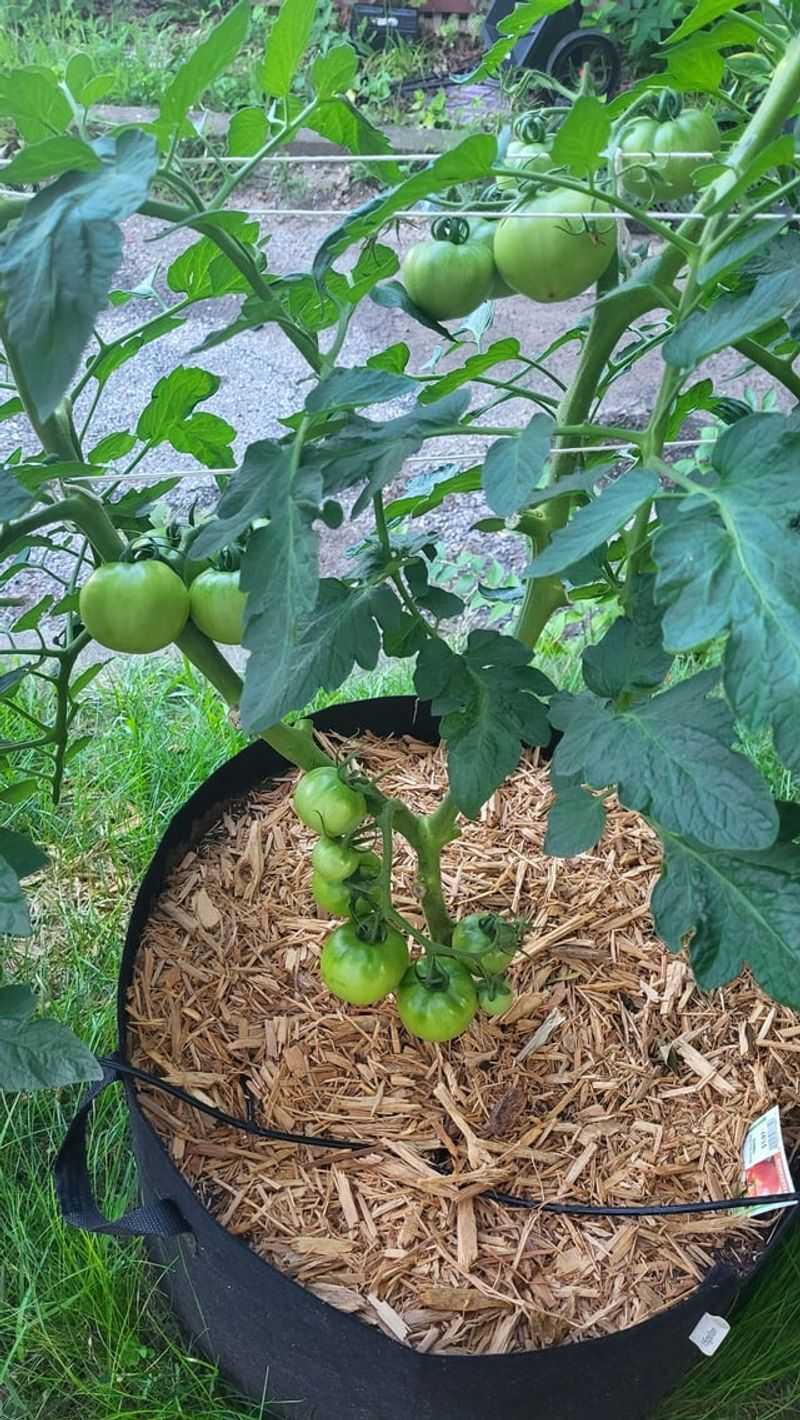
Not every vegetable needs a sprawling garden bed. Plenty of popular crops adapt well to containers, and grow bags are among the most effective options available.
Tomatoes are a top choice. Varieties like Roma, Celebrity, and most cherry types produce reliably in 5 to 10 gallon bags.
Consistent watering and feeding matter more than container size for most standard varieties.
Peppers thrive in grow bags too. Both sweet and hot varieties do well, and they tend to produce steadily through the long warm season that the desert Southwest offers.
A single 5-gallon bag per plant is usually sufficient.
Leafy greens like lettuce, spinach, and kale work well in shallower bags. Timing matters more for these crops since they prefer cooler temperatures.
Planting in fall or late winter gives them the best chance in a hot climate.
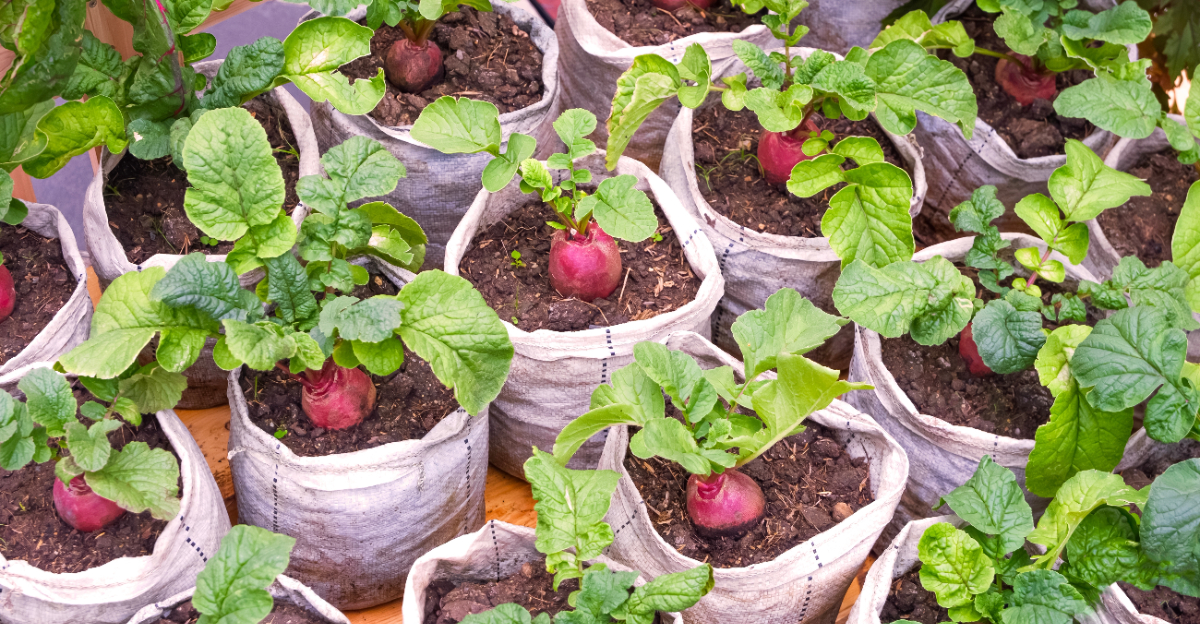
Root vegetables including radishes, beets, and shorter carrot varieties can succeed in deeper bags with loose, well-amended soil. Compact and half-long carrot types are better suited to container depth than standard full-length varieties.
Herbs like basil, cilantro, and parsley fit easily into smaller bags and can be positioned near the kitchen for convenience. Cucumbers and bush beans also perform reasonably well with consistent care and adequate bag size.
6. Soil Compaction Is Less Likely To Develop
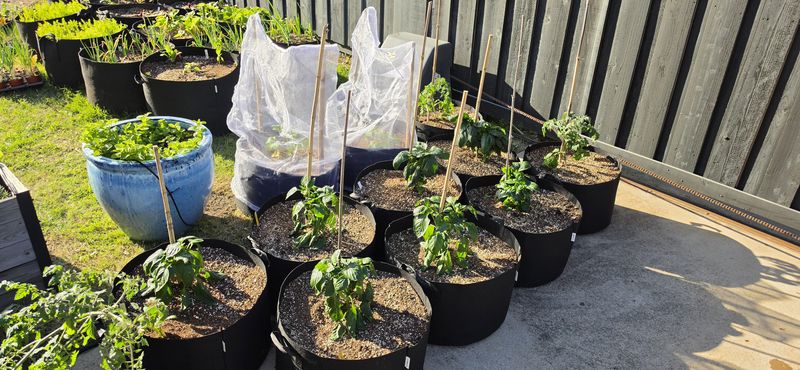
Compacted soil is a quiet yield-reducer. Plants can look fine on the surface while their roots struggle below.
In ground-level garden beds, foot traffic, repeated watering, and heavy rainfall press soil particles closer together over time. Compacted soil reduces water infiltration and limits how far roots can spread.
Fixing it usually involves digging, aerating, and amending, which takes real effort.
Grow bags sidestep that problem from the start. Nobody walks on the soil inside a bag.
Watering pressure is distributed through the fabric rather than pounding directly onto the surface. Soil structure holds up better season after season with less intervention needed.
Choosing the right soil mix also plays a role. A blend of quality potting mix, compost, and a coarse amendment like perlite or pumice stays loose and well-structured throughout the growing season.
Heavier mixes with a lot of native soil tend to compact more easily even inside a bag.
At the end of each season, refreshing or replacing the soil mix keeps conditions optimal. Grow bags make that process simple.
Emptying, cleaning, and refilling a bag takes far less time than tilling and amending an in-ground bed.
Loose, well-structured soil also supports the beneficial microbial activity that contributes to plant health.
7. Growing Spaces Can Be Expanded More Easily
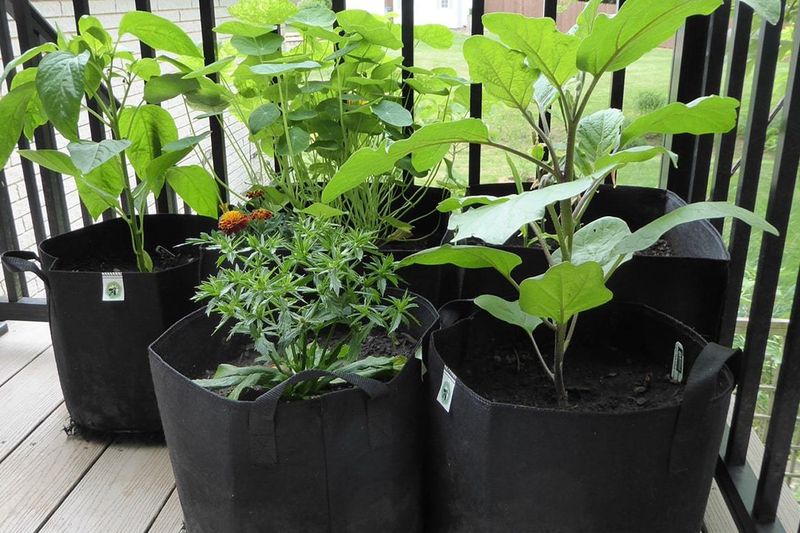
Starting small and scaling up is one of the smartest approaches to home gardening, and grow bags make that process genuinely straightforward.
Ground space is limited for many homeowners. Concrete patios, gravel yards, and rocky soil are common in desert communities.
Grow bags work on any flat surface, which means usable growing space is not limited to traditional garden plot areas.
Adding more bags as interest and experience grow requires almost no setup. No digging, no building, no permanent changes to the yard.
A few new bags, fresh soil mix, and seeds or transplants are all it takes to expand production meaningfully.
Vertical space can also be used more effectively with grow bags. Stacking systems and tiered shelving designed for fabric containers allow gardeners to grow more food in a compact footprint.
Herbs and smaller crops fit well in these arrangements.
Seasonal adjustments are easier too. Fewer bags in summer when heat is most intense, more bags in the milder fall and spring growing windows.
Scaling production up or down based on the season is practical and low-cost with grow bags compared to fixed raised bed systems.
Storage is manageable as well. Empty grow bags fold flat and take up very little space between seasons.