Trellising Vs Letting Vines Sprawl In North Carolina Vegetable Beds And Which Gives Fewer Pest Problems
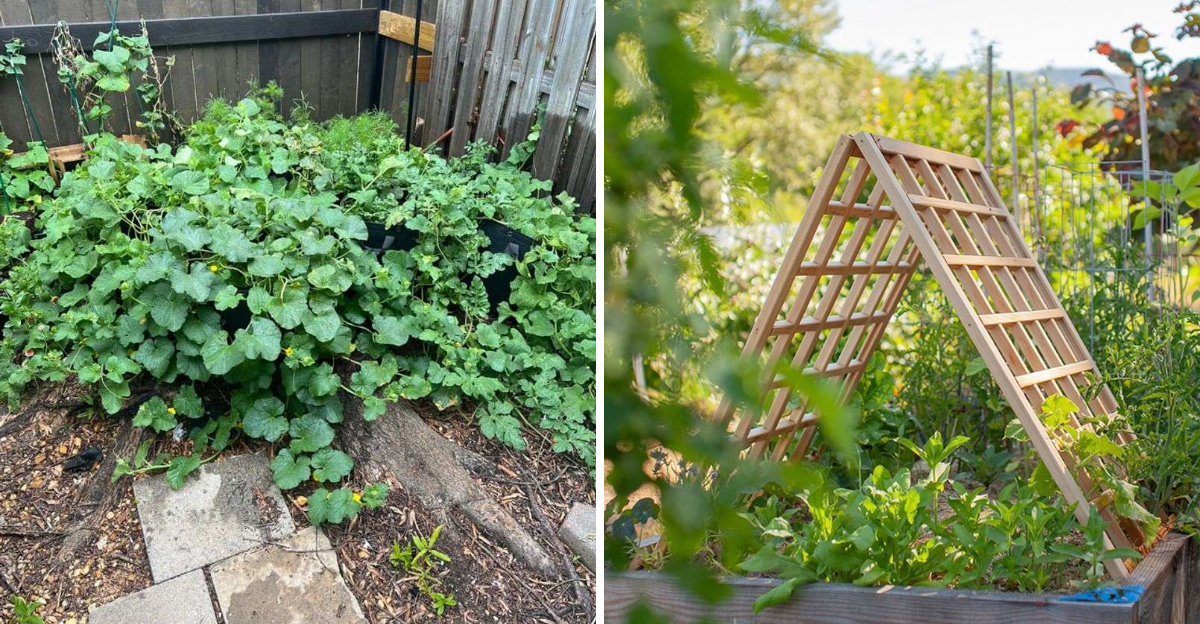
The decision to trellis or let vines sprawl feels like a space management choice. It turns out to be a pest management choice too.
North Carolina summers create specific conditions where that decision plays out very differently than it does in cooler climates.
Sprawling vines hold moisture against the soil. They create dense, shaded ground cover that certain insects and diseases find genuinely hospitable.
Trellised vines dry faster, get more airflow, and expose pest activity in ways that sprawling growth completely hides.
The difference in pest pressure between the two approaches in a North Carolina August is real enough that gardeners who have tried both in the same season rarely go back to sprawling once they see the comparison side by side.
1. Trellising Usually Gives Fewer Problems Overall
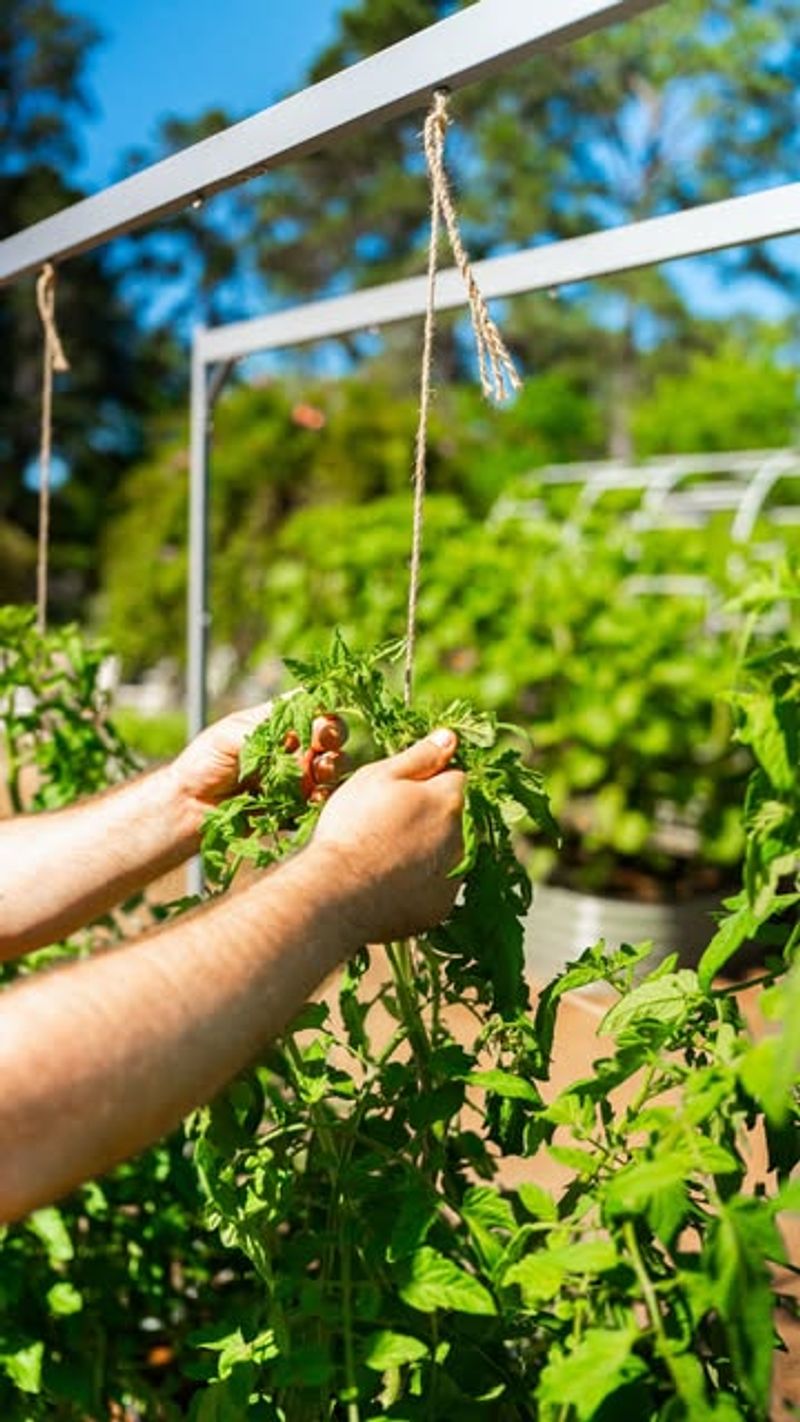
Most experienced North Carolina gardeners will tell you the same thing: getting vines off the ground is one of the smartest moves you can make.
Trellising keeps leaves and fruit lifted away from the soil, which right away removes one of the biggest sources of moisture, bacteria, and fungi that love to settle in during the long humid summers here.
When plants grow upward, air can move through the canopy more freely. That movement helps leaves dry out after afternoon thunderstorms, which are basically a weekly event in North Carolina from June through August.
Wet leaves that stay damp for hours are an open invitation for fungal issues like powdery mildew, downy mildew, and early blight, all of which spread quickly in tight, crowded beds.
Fruit that hangs off a trellis also stays cleaner and is much easier to spot when it is ready to pick.
Forgotten fruit left on the vine attracts insects and can become a breeding spot for pests that then spread to healthy parts of the plant.
Catching fruit early keeps the plant producing longer. Trellising is not a perfect shield against every insect out there. Cucumber beetles, aphids, and squash vine borers can still find their way to trellised plants.
But overall, the combination of better airflow, less soil contact, and easier visibility gives trellised gardens a real advantage when it comes to keeping pest and disease pressure manageable throughout the growing season.
2. Better Airflow Helps Leaves Dry Faster
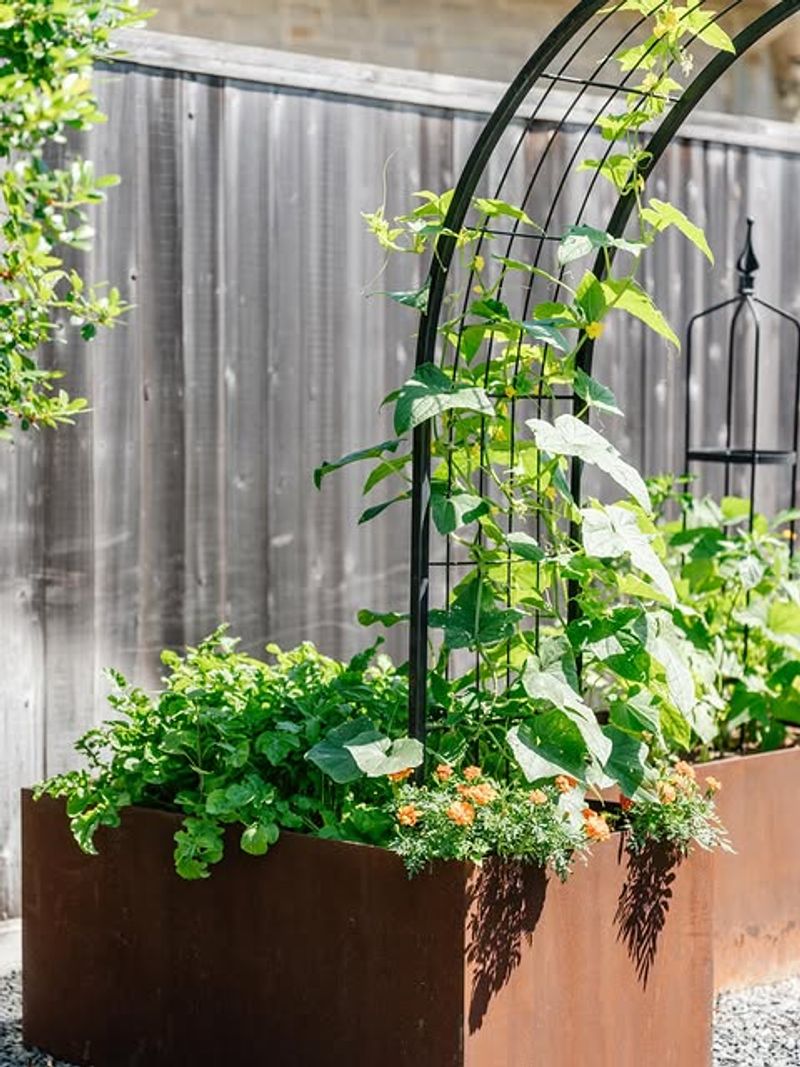
Humidity is one of the defining features of a North Carolina summer, and any gardener who has grown tomatoes or cucumbers here knows exactly what that means for plant health.
When the air around your plants stays thick and wet for long stretches, fungal diseases find the perfect conditions to take hold and spread fast.
Trellising changes that equation in a meaningful way. When vines grow upward instead of across the ground, there is more open space between stems and leaves.
Wind and warm air can move through the plant much more easily, and that movement speeds up the drying process after rain, irrigation, or heavy morning dew. Cucumbers are especially sensitive to foliar disease in humid conditions.
A cucumber plant sprawled on the ground in a North Carolina summer bed is almost guaranteed to show signs of angular leaf spot or downy mildew before the season ends.
Your North Carolina Garden Changes Every Week. Your Plan Should Too.
Gardening in North Carolina changes quickly throughout the season. Every Friday you’ll receive a simple weekly plan showing exactly what to plant, prune, fertilize, harvest, and protect so you never miss the right timing.
The same plant grown vertically on a trellis has a much better chance of staying productive longer because the foliage dries out faster after each watering or rainstorm. Tomatoes benefit just as much.
Varieties like Cherokee Purple or Better Boy that are trained up a stake or cage with good pruning will almost always outperform a sprawling plant left to its own devices. The goal is simple: dry leaves resist disease.
Trellising is one of the most effective and low-cost ways to improve airflow and give your plants a fighting chance against North Carolina’s notoriously sticky growing season.
3. Less Soil Contact Means Less Splash Trouble
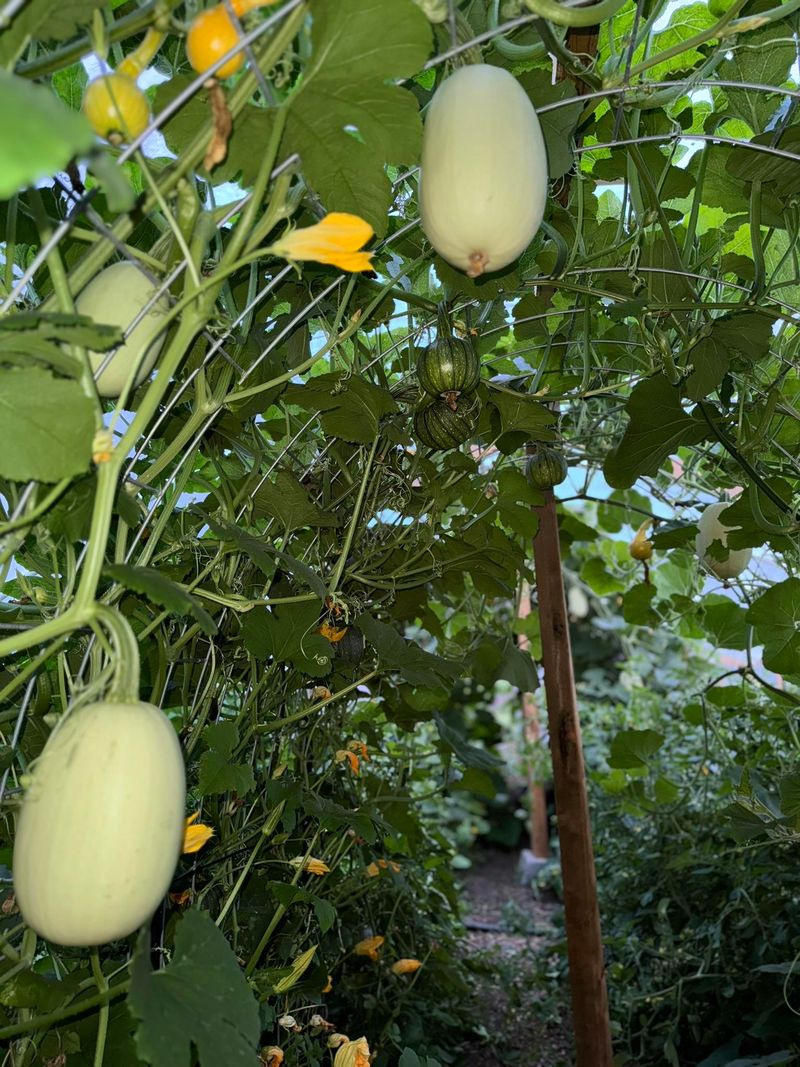
Summer rainstorms in North Carolina can come down hard and fast.
When heavy rain hits bare soil around your plants, tiny droplets bounce up and carry soil particles, old plant debris, and any pathogens living near the surface straight onto the lower leaves of your crops.
This process, called soil splash, is one of the sneakiest ways disease spreads in a vegetable bed. Vines that sprawl across the ground are especially vulnerable.
Squash and melon plants that spread low along the soil surface end up with their leaves, stems, and developing fruit sitting right in the path of that splash zone.
After a few summer storms, those lower leaves often show dark spots, yellowing edges, or signs of fungal infection that can work its way up the plant if left unchecked.
Trellising lifts most of the plant away from the soil, which dramatically reduces how much splash actually reaches the foliage and fruit. Even a few inches of height makes a noticeable difference.
Pairing a trellis with a layer of straw mulch on the soil surface adds another layer of protection by softening the impact of raindrops before they can bounce up.
Gardeners who water at the soil level using drip irrigation or a soaker hose instead of overhead sprinklers also cut down on splash significantly.
Combining that habit with trellising gives your plants two strong defenses working together, and in a humid climate like North Carolina, every small advantage adds up to a healthier, longer-producing garden bed.
4. Sprawling Vines Create More Hidden Pest Areas
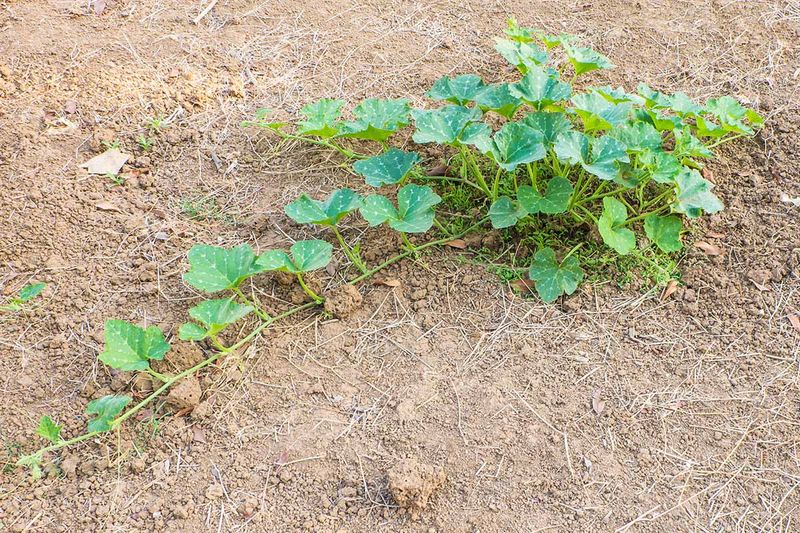
Picture this: a sprawling squash plant that has sent runners in every direction, creating a thick, leafy carpet across your garden bed.
From above it looks lush and full. But underneath that canopy is a completely different world, one that pests absolutely love. Squash bugs are a prime example.
These flat, brownish insects press themselves against stems and the undersides of leaves, laying neat rows of copper-colored eggs in hidden spots. In a sprawling plant, those hiding places multiply fast.
Dense low growth keeps the area underneath shaded, cool, and moist, which is exactly the kind of microclimate that squash bugs, cucumber beetles, aphids, and spider mites prefer when they are looking for a place to settle and reproduce.
Cucumber beetles are another big concern in North Carolina beds. They can chew on foliage and transmit bacterial wilt, and they are much harder to spot when a plant is spread low and thick across the soil.
By the time you notice the damage, populations may already be large enough to cause serious setbacks for the plant.
Early detection is one of the most effective ways to manage pests without reaching for sprays. When vines sprawl densely, early detection becomes genuinely difficult.
Egg clusters, early leaf discoloration, and small pest populations can go unnoticed for days or even weeks.
Trellising opens up the plant structure so those warning signs are visible much sooner, giving you a real head start before a small problem turns into a bigger one across the whole bed.
5. Trellising Makes Scouting Much Easier
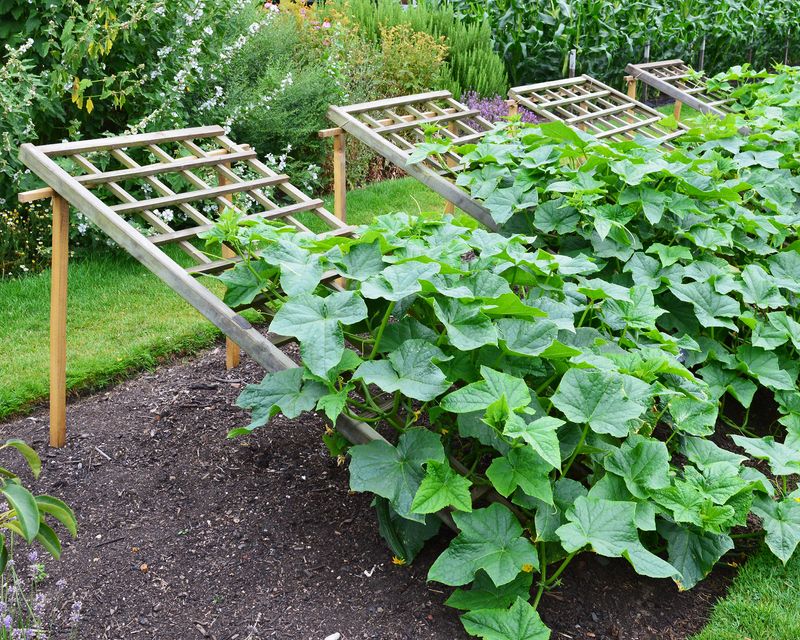
One of the most underrated benefits of trellising has nothing to do with airflow or soil splash. It is simply about being able to see your plants clearly.
When vines grow upward on a trellis, the whole structure opens up, and checking every part of the plant becomes a quick and easy part of your garden routine.
Scouting, which means regularly walking through your garden and checking plants for early signs of pest activity or disease, is one of the most effective tools any gardener has.
Catching a problem early almost always means you have more options and less damage to deal with.
A few aphids spotted on a Monday are far easier to handle than a full colony discovered the following weekend. When vines climb a trellis, leaf undersides are at eye level or easy to reach with a glance.
You can check stems for vine borer entry points, look at flowers for thrips activity, and spot developing fruit for any signs of chewing or scarring.
That kind of full-plant visibility is nearly impossible when a plant is sprawled across the ground with leaves overlapping in every direction.
North Carolina gardeners dealing with crops like indeterminate tomatoes, cucumbers, and pole beans find that trellising turns scouting from a crouching, leaf-flipping chore into a simple walk-along inspection.
Building a twice-weekly scouting habit is much easier when your plants are upright and organized.
That habit alone can save entire crops from pest pressure that would otherwise go unnoticed until it was too late to respond effectively.
6. Sprawling Can Still Work For Some Large Crops
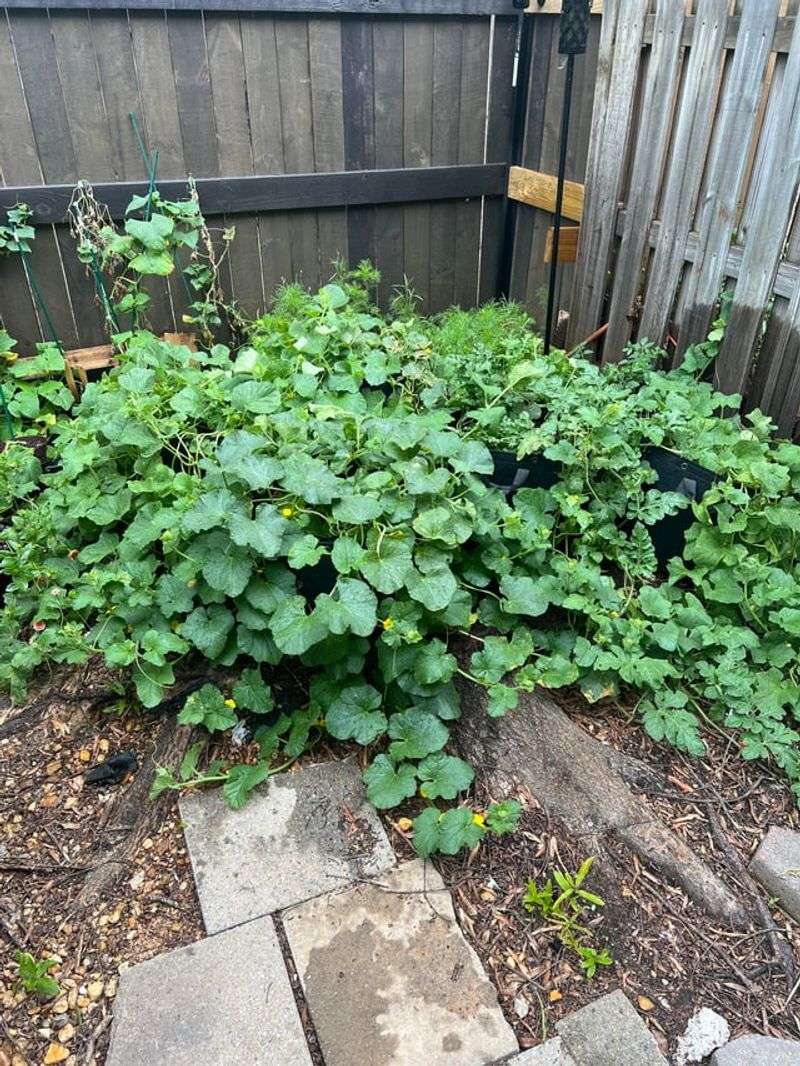
Trellising is a fantastic tool, but it is not the right answer for every single vine crop in your garden.
Some plants are simply too large and heavy to realistically support on a standard trellis, and forcing them upward can create more problems than it solves.
Big winter squash varieties like Hubbard or Blue Banana, along with large pumpkins such as Atlantic Giant or Cinderella, produce fruit that can weigh anywhere from ten to well over fifty pounds.
No standard garden trellis is going to hold that kind of weight safely. Trying to rig up support for massive fruit often leads to structural failure mid-season, which can damage the plant and ruin weeks of growth.
For these crops, sprawling across the ground is actually the practical choice. The key is managing that sprawl thoughtfully.
Giving large squash and pumpkin plants plenty of space between them reduces the crowding that creates pest-friendly hiding zones.
Laying straw mulch under developing fruit keeps it off bare soil, which cuts down on rot and soil-borne issues that would otherwise affect the rind.
Smaller melons like Athena cantaloupe or Sugar Baby watermelon can sometimes be trellised with fruit supported in fabric slings, which is a creative and effective solution for North Carolina gardeners with limited space.
Cucumbers, pole beans, and indeterminate tomatoes are among the best candidates for vertical growing.
Matching your trellis plan to the actual size and weight of your crop is what makes the difference between a setup that thrives and one that struggles all season long.
7. Trellising Needs Strong Support Before Plants Get Heavy
Timing matters more than most beginners expect when it comes to setting up a trellis.
Many gardeners make the mistake of waiting until their vines are already climbing and tangled before trying to put up support, and that is when things get messy fast.
Cucumber vines, for example, start putting on serious weight as the season progresses.
A plant that looked lightweight and manageable at four weeks old can become a dense, heavy tangle of stems, leaves, and developing fruit by week eight.
Trying to install a trellis at that stage risks breaking stems, disturbing roots, and damaging the very plant you are trying to help.
The best approach is to install your trellis before you even put transplants in the ground, or right at planting time for direct-sown crops.
That way the support structure is already in place as the plant grows into it naturally.
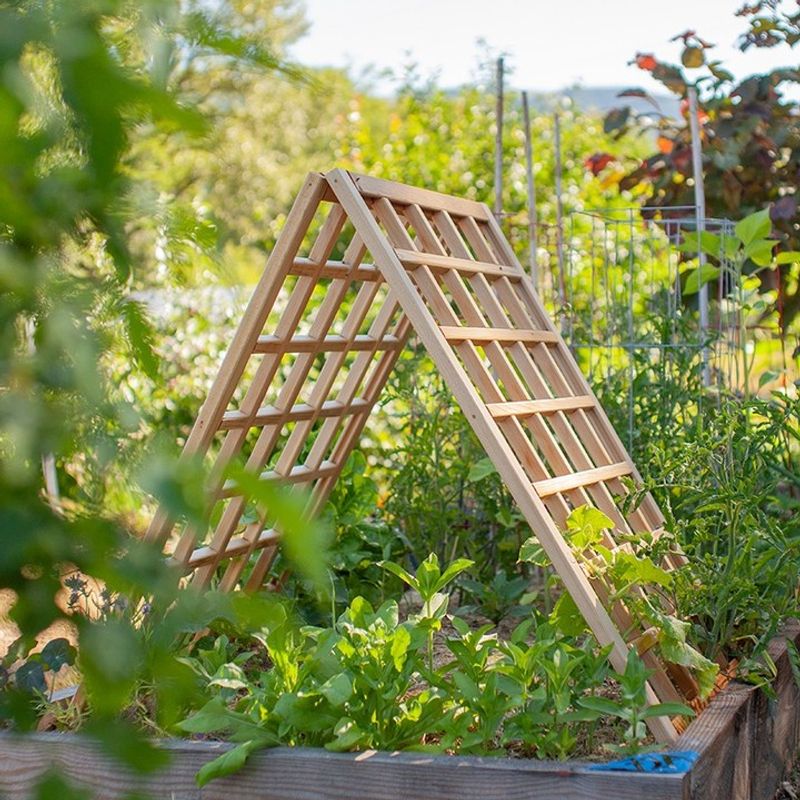
Stakes, T-posts with wire, cattle panels, and wooden A-frames are all popular choices among North Carolina gardeners, and each one has its strengths depending on what you are growing.
Sturdiness is non-negotiable. A trellis that wobbles or leans under the weight of mature vines is not doing its job properly, and a collapsed trellis mid-season can set your crop back significantly.
Drive stakes deep into the soil, use sturdy connecting wire or heavy-duty garden twine, and check the structure regularly as plants grow heavier.
A well-built trellis installed at the right time is one of the best investments you can make in your vegetable garden from the very start of the season.
8. The Best Choice Combines Trellising With Clean Bed Care
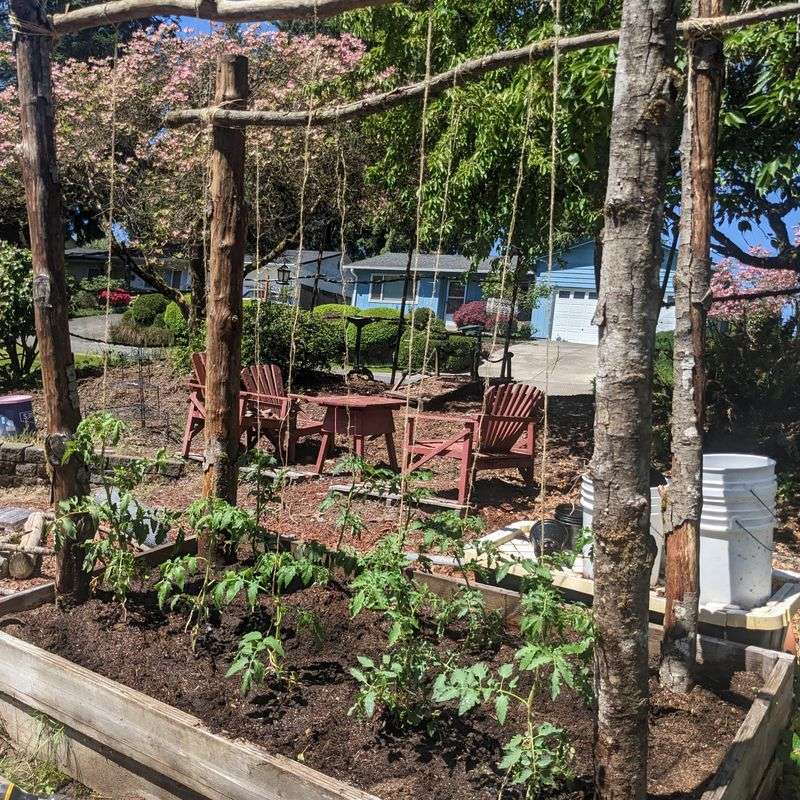
After looking at all the evidence, trellising comes out ahead when it comes to reducing pest and disease pressure in North Carolina vegetable beds. But here is the honest truth: a trellis alone will not carry the whole load.
The gardeners who see the best results are the ones who pair vertical growing with a handful of solid bed-care habits that work together all season long.
Mulching the soil surface with straw or wood chips is one of the most impactful things you can add to a trellised bed.
Mulch suppresses weeds, holds soil moisture, regulates soil temperature during North Carolina’s intense summer heat, and most importantly, reduces that soil splash problem during heavy rain.
It also keeps the area under the trellis tidier, which makes scouting easier. Watering at the soil level using drip irrigation or a soaker hose keeps foliage dry between rain events.
Spacing plants generously, even when it feels like you are wasting room, allows air to circulate properly and prevents the kind of crowding that gives pests a comfortable place to hide and multiply.
Crop rotation from one season to the next prevents pest populations and soil-borne pathogens from building up in the same spot year after year. Regular scouting twice a week keeps you ahead of problems before they spread.
Removing badly affected leaves or old plant debris promptly takes away the habitat and food source that pests depend on.
Put all of these habits together with a well-built trellis and your North Carolina garden will be in excellent shape from the first warm days of spring all the way through the fall harvest.