North Carolina Gardeners Are Seeing Better Squash This Season By Avoiding These Common Mistakes
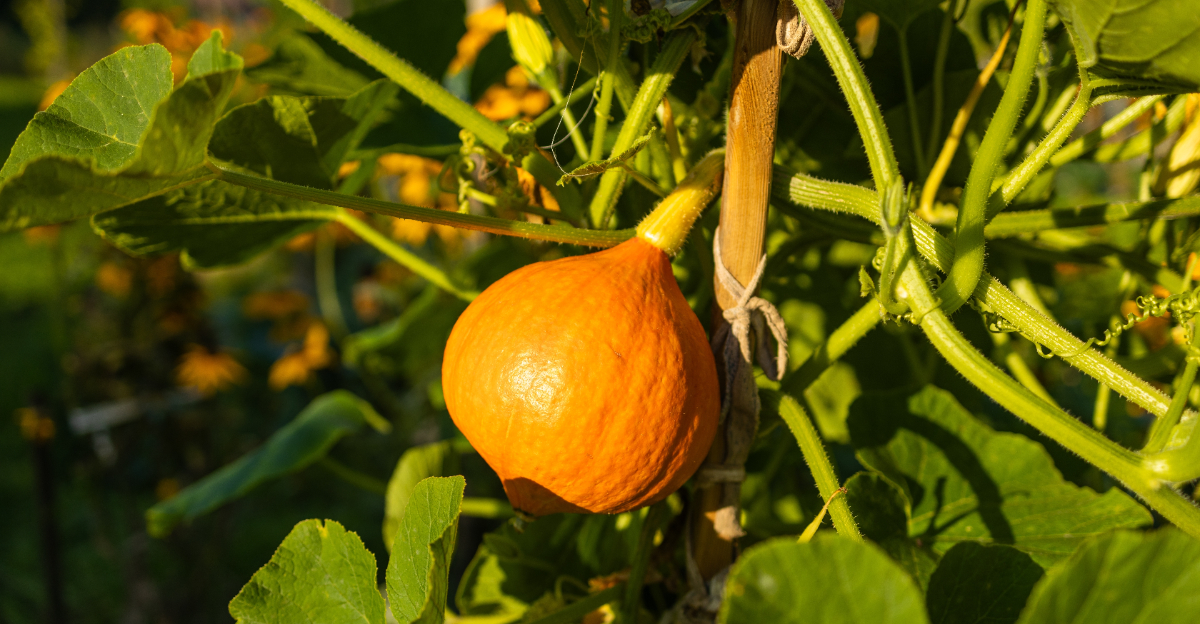
North Carolina squash beds that used to disappoint are producing better than ever this season.
The gardeners behind those beds did not find a new fertilizer or a better variety. They did not add expensive equipment or completely rebuild their raised beds.
They stopped doing things. Specific things they had been doing for years without questioning whether those habits were helping or working against them the whole time.
Small adjustments to timing, spacing, watering, and a few other overlooked details changed the entire outcome of the season.
The frustrating part is that none of these habits look obviously wrong while you are doing them. They feel reasonable. They feel like good gardening. But, the squash plants tell a different story by July.
North Carolina has its own specific combination of heat, humidity, vine borers, and timing windows that makes squash both rewarding and genuinely challenging to grow well.
If you have been doing everything right and still ending up with less squash than you expected, these seven habits explain that outcome more often than anything else.
1. Planting Too Late In Spring
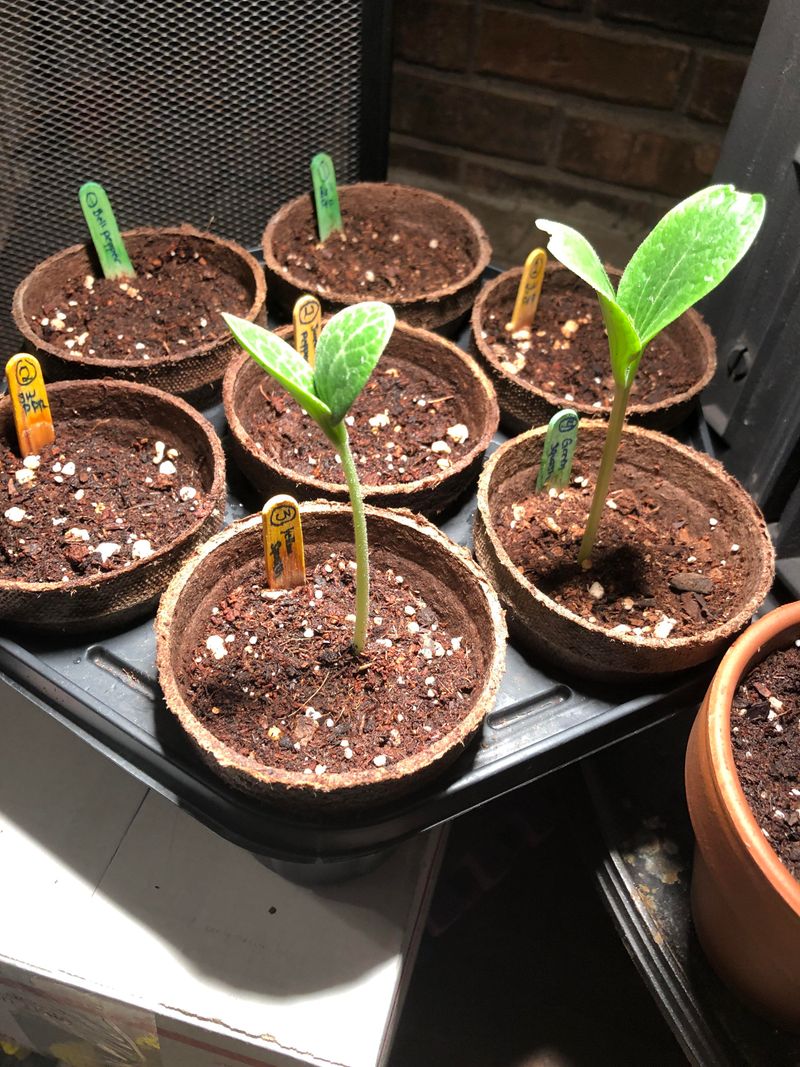
Almost every spring the same story plays out across North Carolina gardens.
A gardener waits until late May or early June, thinking the soil needs more time to warm up, and misses one of the most important windows in the entire growing season.
Squash vine borer moths begin flying in North Carolina from roughly late June through August.
That narrow calendar means plants put in the ground on time get four to six weeks of relatively calm growing before adult moth activity peaks. Plants that go in late get almost none of that buffer.
The timing advantage extends beyond pest pressure. Early planting means the first big harvest arrives before the hottest, most humid stretch of summer.
High heat combined with humidity sets up powdery mildew and other fungal diseases that make late-planted squash miserable to manage and inconsistent to harvest from.
In much of the Piedmont, mid-April into May is the safer main window, depending on frost and soil temperature. Along the coast, even earlier works well.
A late frost concern is not a reason to delay planting entirely. Row cover fabric protects young transplants effectively and lets the planting date stay on schedule.
Transplants started indoors two to three weeks before the target date add another head start that pays off once they go in the ground.
The squash vine borer is not flexible about its schedule. The North Carolina gardener who plants on time is the one who gets to eat squash in July.
2. Ignoring Vine Borer Timing
Squash vine borers do not announce themselves with obvious early damage.
By the time a plant wilts dramatically and a fat cream-colored larva appears inside the split stem, the damage is fully established and the season for that plant is effectively over.
The adult moth looks more like a wasp than a typical garden moth, with orange markings on the abdomen and a fast, darting flight pattern.
Your North Carolina Garden Changes Every Week. Your Plan Should Too.
Gardening in North Carolina changes quickly throughout the season. Every Friday you’ll receive a simple weekly plan showing exactly what to plant, prune, fertilize, harvest, and protect so you never miss the right timing.
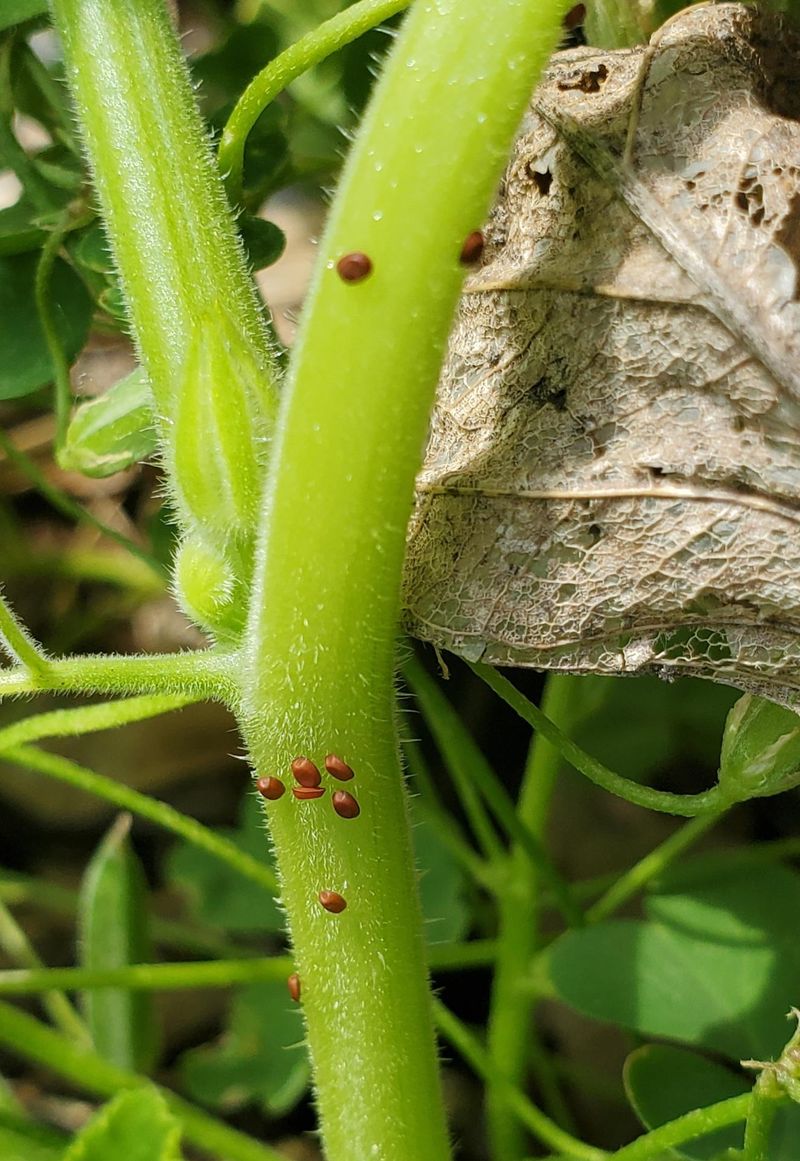
It begins laying small, flat, reddish-brown eggs at the base of squash stems in late June. Each egg is barely the size of a sesame seed, pressed flat against the stem just above the soil line.
Catching eggs before they hatch is the only point in the cycle where simple physical removal actually works.
Check the base of every squash plant at least twice a week starting in late June. Scraping eggs off with a fingernail before they hatch is fast, free, and genuinely effective when done consistently.
Row cover fabric applied at planting and removed only during the brief daily window when flowers are open for pollination is the most reliable physical barrier available.
Some North Carolina gardeners also run a second succession planting in late July, timing it so new plants emerge after adult moth activity begins declining.
Kaolin clay and spinosad-based sprays applied to the base of stems on a consistent schedule add another layer of protection for gardeners dealing with heavy borer pressure. But always follow label instructions for application rates and timing.
The borer does not give second chances. Regular scouting starting in late June is the only real advantage available.
3. Letting Squash Get Oversized
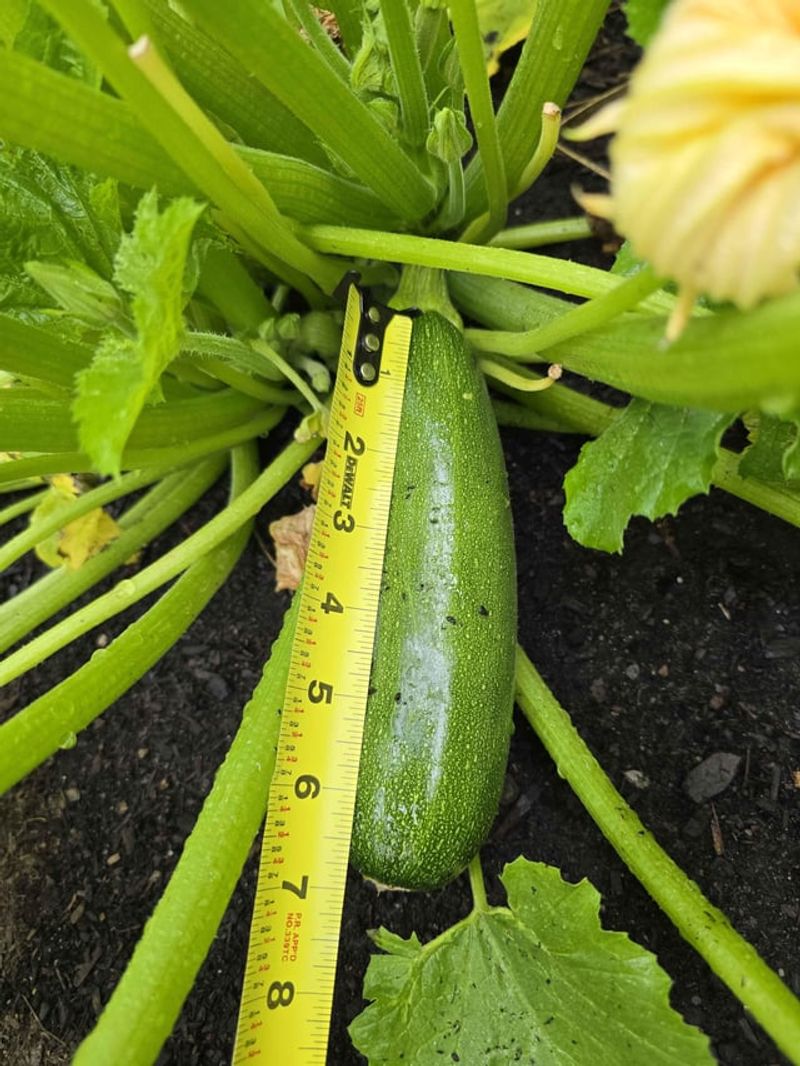
Summer squash grows faster than most gardeners expect, especially during warm North Carolina weeks when the plants are actively producing.
A zucchini that looks perfect on a Tuesday afternoon becomes a baseball bat by Thursday morning, and that oversized fruit sends a clear signal to the plant that seed development is the priority now.
When a squash matures fully on the vine, the plant shifts energy toward completing that fruit’s seed development and reduces new flower production accordingly.
The gardener who wanted more squash accidentally communicated the opposite intention by walking past that one big one too many times.
Zucchini should come off the vine at six to eight inches. Yellow squash peaks at four to six inches. Patty pan types are best at about three inches across.
At these sizes the skin is still tender, the seeds are barely formed, and the flavor is at its best.
Regular harvesting keeps the plant focused on producing new flowers and new fruits rather than finishing old ones.
Checking squash plants daily during peak production is not excessive. It is the habit that separates a productive bed from one that peaks early and coasts through the rest of the season on one large, unmarketable squash per week.
Bring a basket. Take everything that is the right size. The neighbors will take the extras without complaint.
4. Watering Leaves In Humid Weather
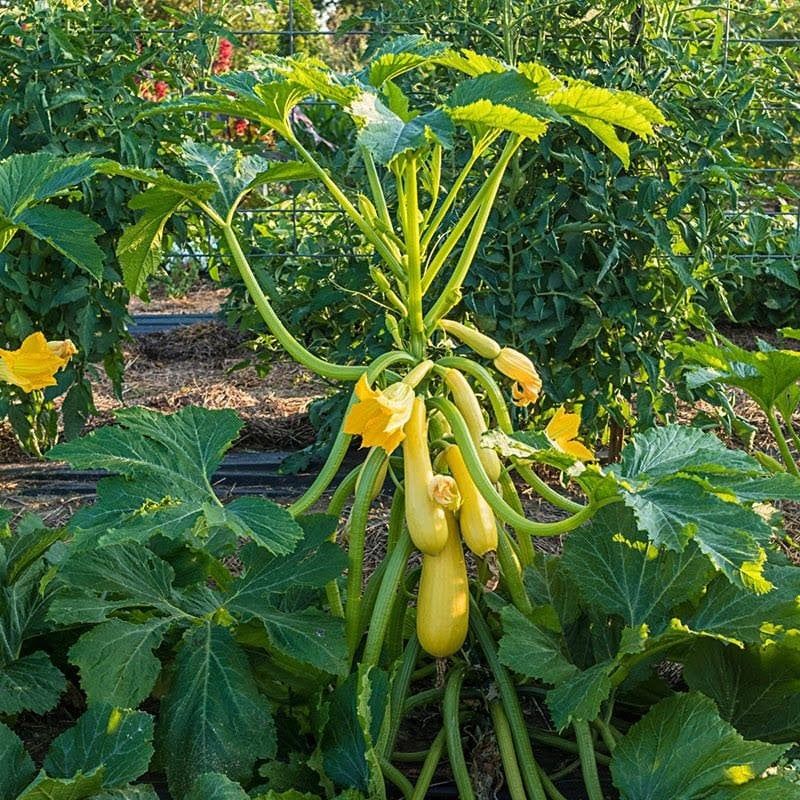
North Carolina summers do not need any additional help creating humid conditions.
The air already carries enough moisture to make powdery mildew, angular leaf spot, and downy mildew feel completely at home in any squash bed.
Overhead watering adds the final ingredient those diseases need by keeping leaf surfaces wet long after the morning dew has dried.
Switching to drip irrigation or a soaker hose is one of the highest-return changes a North Carolina squash gardener can make.
Both methods deliver water directly to the root zone while keeping foliage dry throughout the entire watering session.
That single adjustment reduces fungal disease pressure across the whole growing season without requiring any additional products or effort.
Timing matters alongside method. Watering early in the morning gives any accidental leaf moisture a chance to evaporate before evening temperatures drop and humid conditions peak.
Evening watering is the least productive option available because leaves stay wet overnight, which is exactly when many fungal pathogens are most active.
Mulching around squash plants supports the whole system. A two to three inch layer of straw or wood chip mulch holds soil moisture longer, which reduces how often watering is needed in the first place.
Less frequent watering means fewer opportunities for leaves to get accidentally wet.
Dry leaves and moist roots is the combination North Carolina squash actually wants.
5. Crowding Plants Too Close
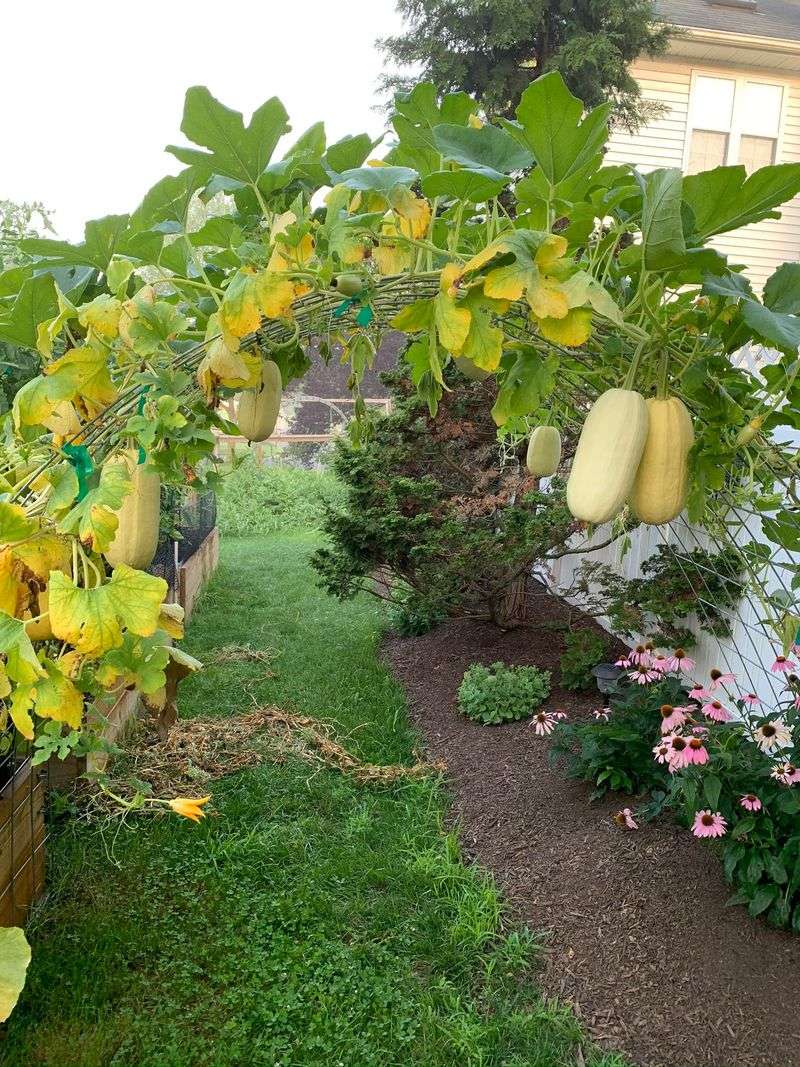
Squash transplants look completely manageable when they go in the ground. Two small leaves, a compact root ball, and plenty of space between them.
Four weeks later that assessment is no longer accurate, and gardeners who planted on six-inch centers are now managing a canopy so tangled that air cannot move through it at all.
Bush-type summer squash needs about twenty-four to thirty-six inches between plants with rows three to four feet apart. Vining types need even more, sometimes six feet or more depending on the variety.
That spacing feels excessive at planting and becomes obviously correct about thirty days later.
Good airflow between plants is one of the most practical defenses against the fungal diseases that North Carolina humidity promotes reliably every summer.
When leaves are crowded together, moisture gets trapped, surfaces stay damp after rain, and powdery mildew finds exactly the still, damp environment it needs to spread rapidly across the entire planting.
Properly spaced plants also compete less for nutrients, water, and light. Each individual plant grows stronger and more productive than a crowded plant in the same soil.
Stronger plants handle pest pressure and weather stress better than weakened ones, which compounds the spacing advantage across the whole season.
Resist the urge to fit one more transplant into the available space. The squash production from properly spaced plants exceeds what any extra crowded plant would contribute, usually by a significant margin.
6. Skipping Pollinator Help
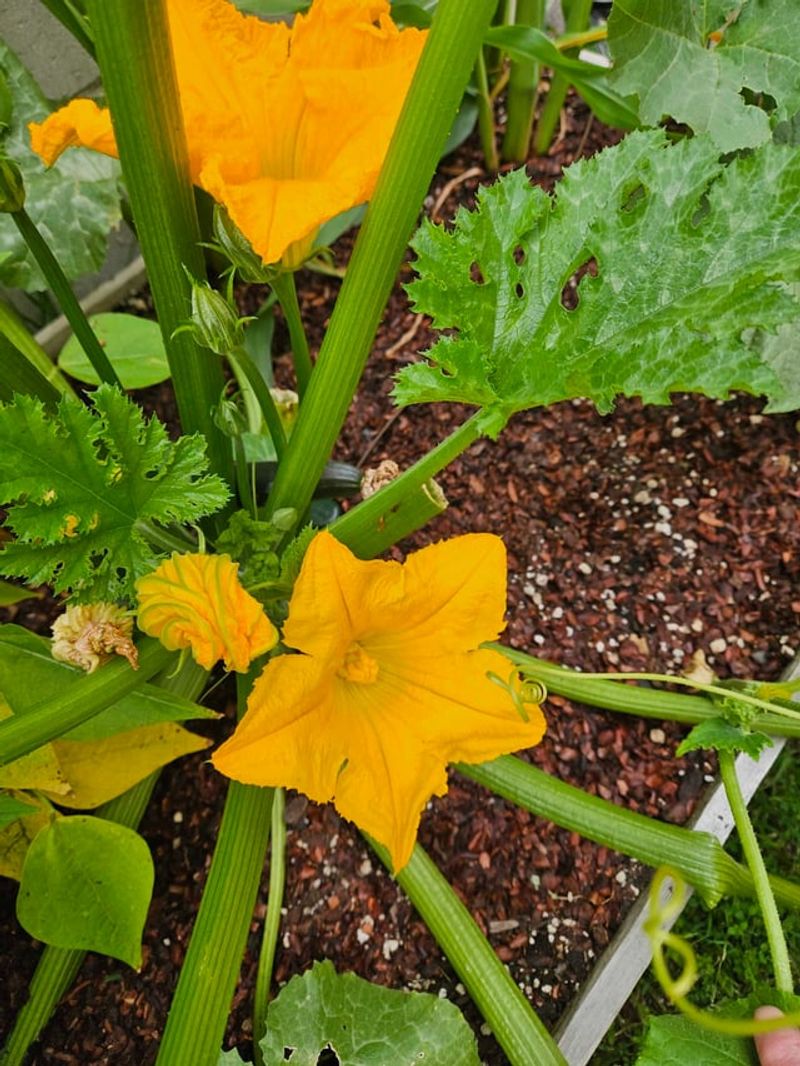
Squash plants open bright yellow flowers every morning and gardeners assume the fruit production will follow automatically. The actual process is more conditional than that.
Male flowers appear first on straight, thin stems. Female flowers arrive a bit later with a tiny immature fruit visible at the base of the bloom.
A bee must carry pollen from the male flower to the sticky center of the female flower for that tiny fruit to develop.
When that transfer does not happen on schedule, the small fruit behind the female flower turns yellow and drops off within a day or two.
Gardeners regularly attribute this to disease, nutrient deficiency, or mysterious plant stress. Poor pollination is one of the most common actual causes of early fruit drop in North Carolina squash beds, and it is entirely fixable.
Hand pollination takes about two minutes per flower. A small paintbrush or a cotton swab collects pollen from the center of a male flower, then transfers it directly to the sticky center of a fresh female flower.
Do this in the morning when flowers are freshly open and both types are available simultaneously.
Planting pollinator-friendly flowers nearby supports the longer-term fix. Zinnias, basil, and borage all attract native bees and honeybees that increase consistent fruit set without requiring daily hand pollination throughout the season.
The tiny dropped fruit is not a failure. It is a request for a specific kind of help that takes about two minutes to provide.
7. Leaving Old Debris In Beds
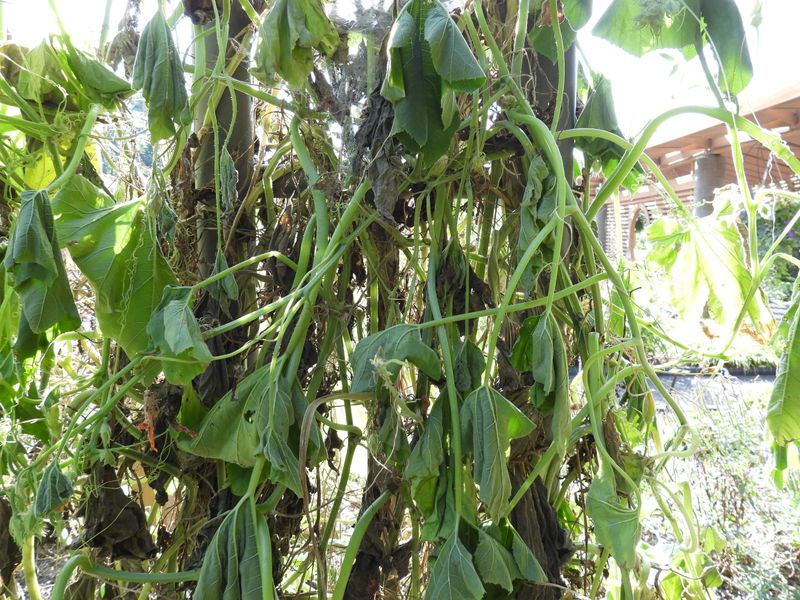
At the end of a long, productive growing season, dealing with the spent squash vines feels like a low-priority task.
The bed looks tired, the season is winding down, and there is always something more urgent happening elsewhere in the garden.
That pile of old vines and leaves sitting in the bed through fall and winter is actively working against next season.
Squash vine borer pupae overwinter in the soil near plants they fed on. Adult cucumber beetles shelter in plant debris and soil through winter, emerging in spring to feed on new plantings.
Fungal spores from powdery mildew and other diseases persist in spent leaves and stems, ready to reinfect new plants the following spring.
Cleaning out squash beds promptly after production slows is one of the most effective pest and disease management steps available, and it costs nothing but the time to remove the material.
Do not compost squash debris showing any signs of disease or pest damage. Bag it and put it out with the trash so it leaves the property entirely rather than cycling back through the compost pile and into next year’s beds.
Once old plants are cleared, a light soil cultivation near the surface exposes any pupae or eggs to birds and natural predators that reduce the overwintering population before spring arrives.
Rotating squash to a different bed each season adds the final layer. Clean beds, fresh location, and no debris means next season’s plants start without inheriting this season’s problems.