What It Really Means When Crows Start Gathering In Your North Carolina Trees Every Evening
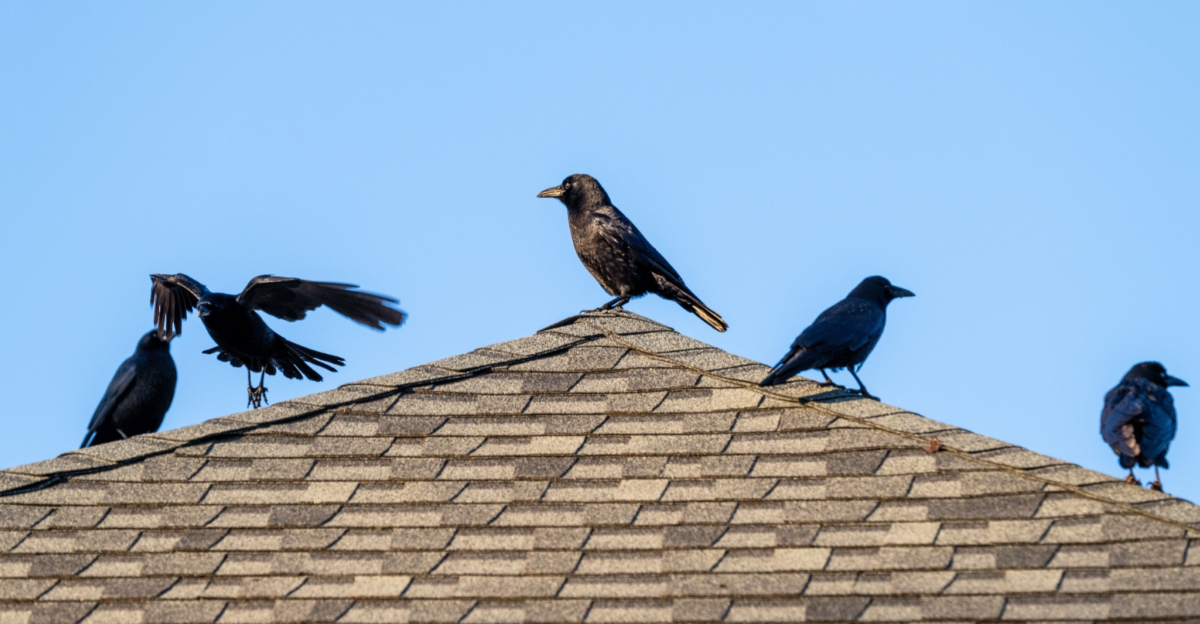
One minute your North Carolina backyard is perfectly quiet and the next it sounds like a hundred very opinionated birds have decided your trees are the hottest real estate in the neighborhood.
If you have ever stepped outside at dusk and found yourself completely surrounded by loud, swooping crows settling in for the evening, welcome to one of nature’s more dramatic little shows.
It happens across North Carolina every year, in suburbs, small towns, and wooded neighborhoods alike, and it tends to peak during fall and winter when these gatherings get seriously impressive in size.
Here is the reassuring part though: evening crow crowds almost always point to completely normal roosting and staging behavior rather than anything unusual going on with your trees.
Once you understand what is actually happening out there, it goes from slightly unsettling to genuinely fascinating pretty fast.
1. A Night Roost May Be Forming
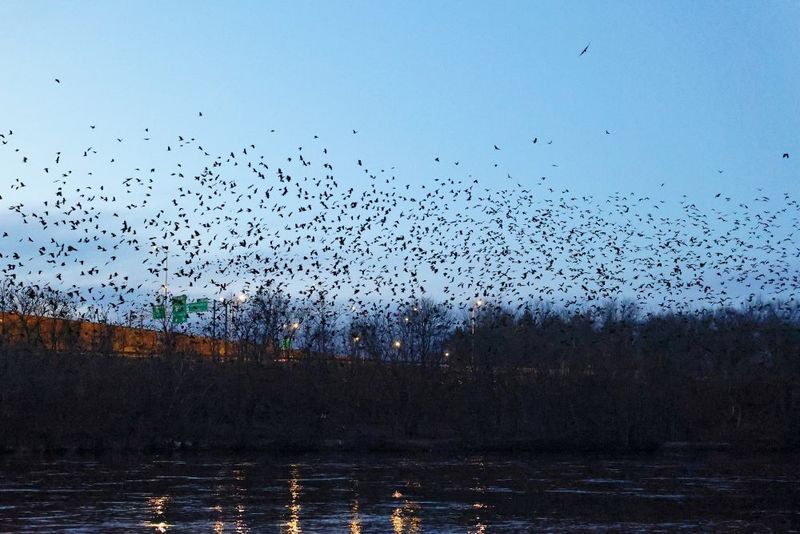
That loud chorus of cawing you hear just before dark may be the sound of a communal roost coming together. Crows are highly social birds, and many of them prefer to spend the night gathered in large groups rather than sleeping alone.
When you start seeing the same trees fill up with crows night after night, your yard may have become a regular roosting location.
Communal roosts can range from a few dozen birds to several thousand, depending on the area and the season. In North Carolina, these roosts tend to build up during fall and reach their peak numbers through the winter months.
A roost often forms gradually, with a small group arriving first and more birds joining over several evenings.
Roosting together gives crows warmth, safety, and social connection during the night. Your trees may offer just the right combination of canopy cover, branch structure, and nearby open space that crows look for in a roost site.
Once a roost becomes established, the same birds may return to the same trees for weeks or even months at a stretch.
2. Your Trees May Be A Staging Area
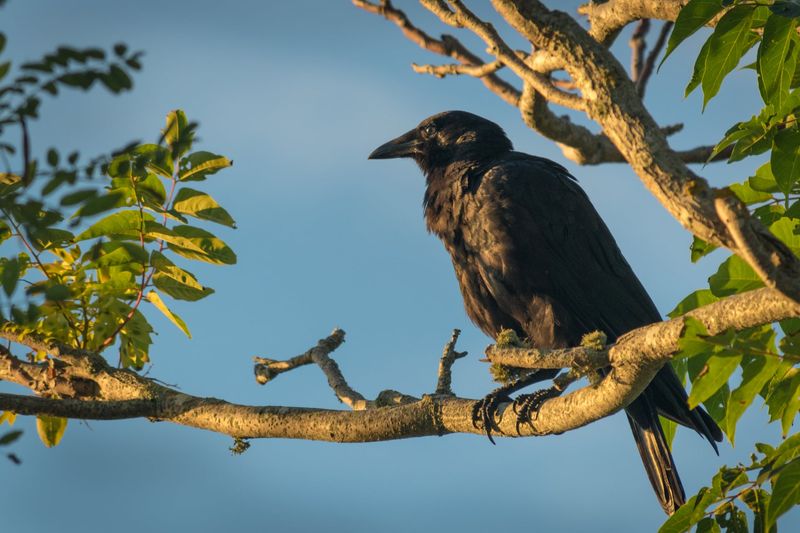
Not every crow gathering you see at dusk is a full roost. Sometimes the trees in your yard are being used as a staging area, which is a kind of temporary gathering spot where crows collect before moving on together to a larger roost site somewhere else.
Staging areas are a normal and well-documented part of crow evening behavior.
You might notice crows landing in your trees for thirty minutes to an hour, making a lot of noise, and then suddenly lifting off together and flying in one direction.
That organized departure is a strong sign your trees are being used as a staging spot rather than an overnight sleeping location.
The actual roost could be several miles away in a park, a wooded creek bottom, or a neighborhood with taller trees.
Staging areas shift around over time, so the crows using your trees one week may switch to a different spot the next. In many North Carolina neighborhoods, homeowners notice this pattern during the cooler months when crow flocks are at their largest.
Your North Carolina Garden Changes Every Week. Your Plan Should Too.
Gardening in North Carolina changes quickly throughout the season. Every Friday you’ll receive a simple weekly plan showing exactly what to plant, prune, fertilize, harvest, and protect so you never miss the right timing.
Watching the birds leave together can actually be one of the more impressive wildlife sights a backyard can offer.
3. Safety In Numbers Matters At Dusk
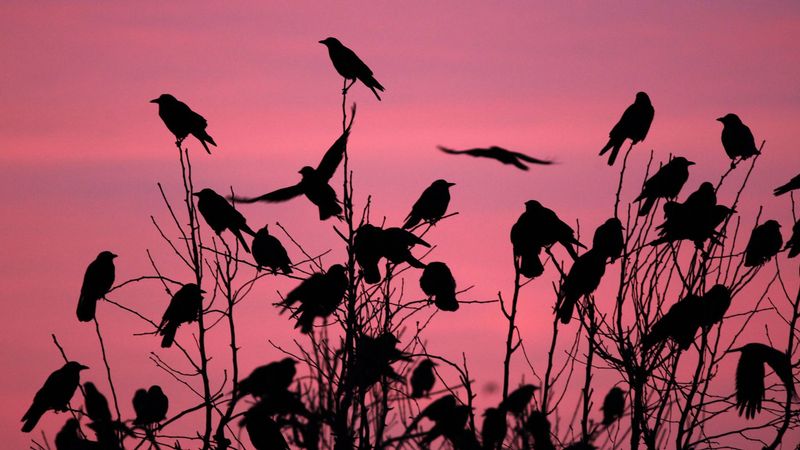
Gathering in a crowd at night is one of the most practical survival strategies crows use. Dusk is a vulnerable time for many birds because predators like great horned owls become active as the light fades.
By clustering together in large numbers, crows reduce the individual risk each bird faces during that dangerous transition from day to night.
There is a real benefit to having many eyes watching for threats. In a group of hundreds of crows, the chances that at least one bird spots a predator approaching are much higher than they would be for a lone bird or a small family group.
Crows are also known to respond aggressively to owls and hawks as a group, a behavior called mobbing, which helps drive predators away from the roost.
For North Carolina homeowners watching from a back porch, this safety-in-numbers behavior can look and sound chaotic. Birds may shuffle between branches, call loudly, and shift positions frequently before settling in for the night.
That restless energy is actually the flock staying alert and communicating. Once the group feels secure, the noise usually settles down and the birds become noticeably quieter until morning.
4. Evening Gatherings Can Help Crows Find Food
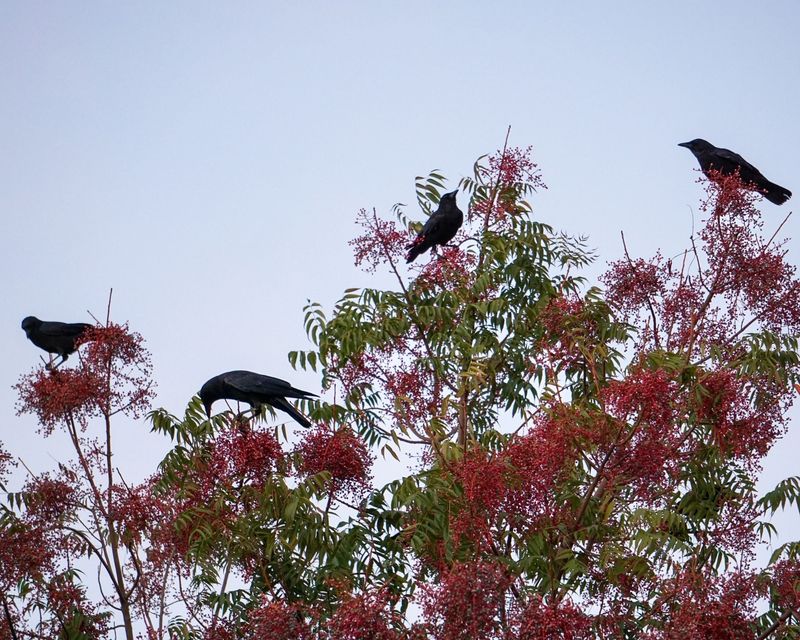
One reason crows roost communally may have to do with sharing information about food sources.
Researchers studying crow behavior have suggested that roost sites could act as information centers, where birds that found food during the day can be followed the next morning by others that had less success.
This idea helps explain why large roosts tend to form in areas where food is somewhat predictable and available in patches.
In North Carolina suburbs, crows have access to a wide range of food, including insects, small animals, seeds, berries, and human food scraps found near neighborhoods, parks, and open lots.
A crow that knows where a reliable food patch is located may be trailed the following morning by roost-mates that watched it leave in a specific direction.
Over time, this creates a loose food-sharing network across the flock.
If your neighborhood has consistent food sources nearby, such as uncovered compost bins, accessible garbage cans, or fruit-bearing trees, that availability may be one reason crows keep returning to your trees each evening.
Securing food waste and removing easy food access from your yard can sometimes reduce how attractive your property is as a staging or roosting spot without causing any harm to the birds.
5. A Reliable Food Source May Be Nearby
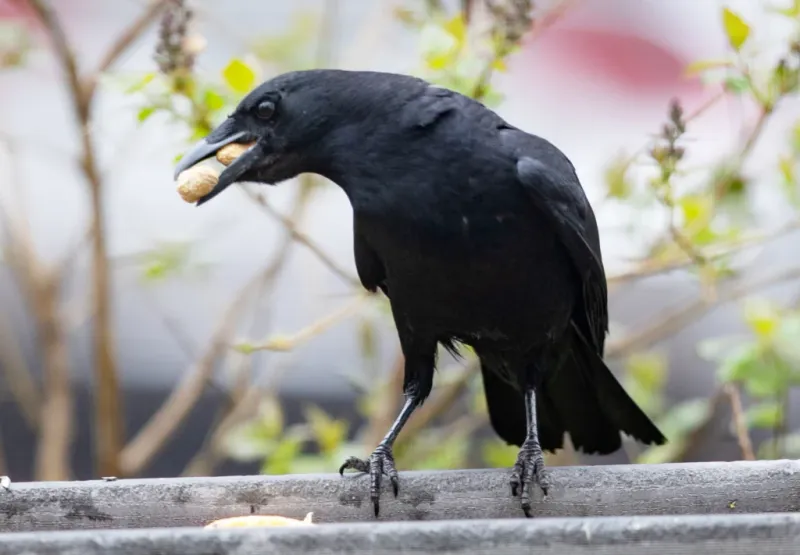
Crows tend to roost close to where food is available. When a group of crows starts showing up in your trees every evening, it is worth thinking about what might be drawing them to your general area during the day.
Crows are opportunistic feeders with a broad appetite, and North Carolina neighborhoods offer plenty of foraging opportunities across lawns, wooded edges, and open lots.
Earthworms and grubs pulled from moist lawns after rain are a common crow food source in residential areas. Crows also forage along roadsides, in neighborhood parks, and near areas where people regularly leave out food.
They are smart enough to remember where they found food before and will return to those spots consistently.
If you have noticed crows not just roosting but also spending time on your lawn or in nearby open areas during the day, your yard may be part of their regular foraging route.
Keeping pet food indoors, securing compost, and using wildlife-resistant garbage containers can make your property less attractive as a daily feeding stop.
Reducing the food draw does not harm the birds and may gradually shift their activity to a different area of the neighborhood over time.
6. Family Groups May Be Joining The Crowd
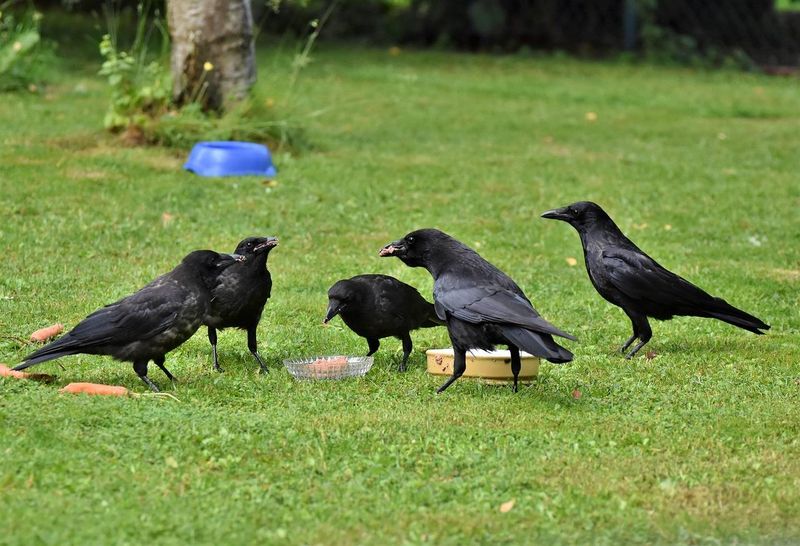
American crows have one of the more complex social structures among North American birds. They live in family groups that often include not just the breeding pair but also offspring from previous years that stick around to help raise younger siblings.
When fall arrives and these family groups begin merging into larger flocks, the resulting gatherings can seem like they appeared out of nowhere.
Young crows born earlier in the year are often easy to spot within a flock because they may look slightly different from adults and tend to be noisier and more active.
By the time fall arrives in North Carolina, many of these younger birds have learned to fly and forage well but are still socially connected to their family group.
As those family units combine with neighboring groups, the flock size grows quickly.
Watching a crow flock closely, you may notice smaller clusters within the larger group that seem to interact more frequently with each other. Those tighter clusters are often family units staying loosely together even within the broader roost.
This layered social structure is part of what makes crow behavior so interesting to observe from a North Carolina backyard, especially during the peak gathering months of late fall and winter.
7. The Noise Is Normal Crow Roosting Behavior
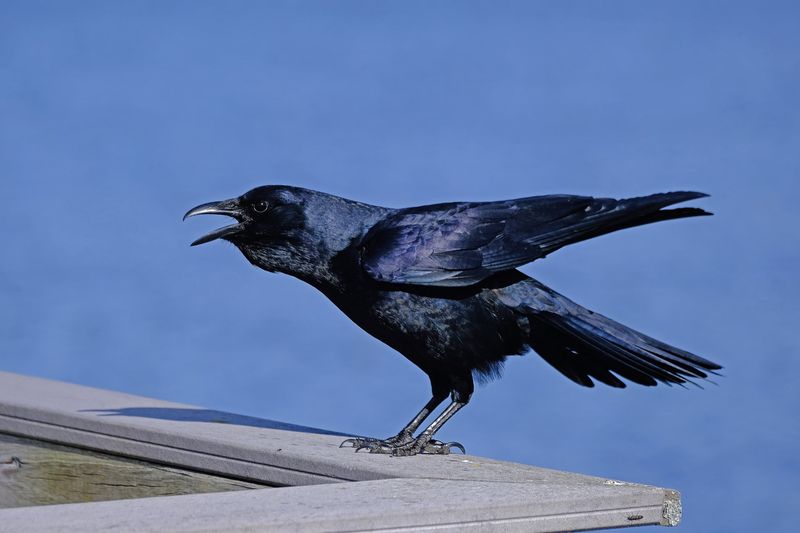
Few things catch a homeowner off guard quite like stepping outside and hearing what sounds like an entire neighborhood of crows all calling at once.
The noise that comes with a crow gathering is one of the most common complaints North Carolina residents raise, and it makes sense because large crow roosts can be genuinely loud, especially in quieter residential streets and smaller towns.
Crows use a range of calls during evening gatherings, including their familiar caw, softer rattling sounds, and shorter contact calls that help birds locate each other within the group.
The volume tends to peak as the flock assembles and then gradually decreases as birds settle in for the night.
Early morning can bring another burst of noise as the roost breaks up and birds head out to forage.
The noise, while disruptive, is not a sign that something is wrong. It is simply crows communicating, which is something they do constantly and enthusiastically.
Temporary solutions like closing windows, using white noise indoors, or spending less time on a porch during peak gathering hours can help on particularly noisy evenings.
The noise level often drops on its own as the season progresses and the roost stabilizes into a more settled routine.
8. Seasonal Crow Behavior May Be Picking Up
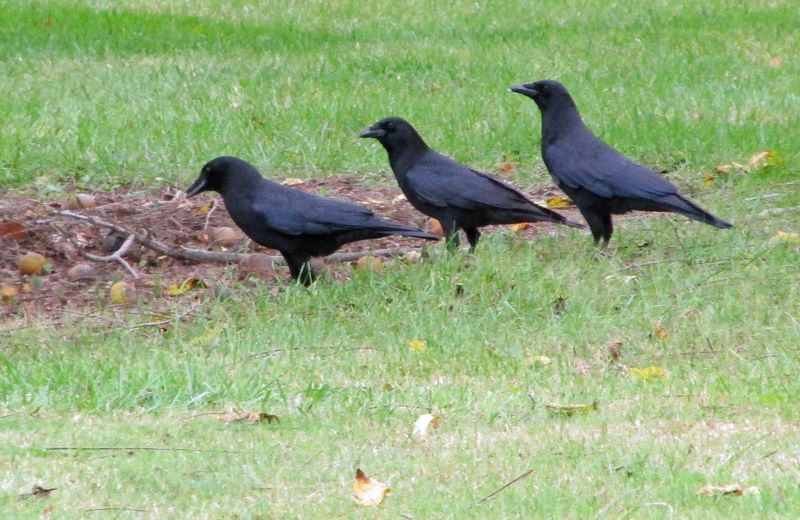
Late summer and fall tend to bring a noticeable shift in crow activity across North Carolina. As days shorten and temperatures begin to drop, crows that spent the warmer months in smaller family groups start coming together in larger flocks.
This seasonal change in behavior is well established among American crows and is one of the main reasons evening gatherings seem to appear out of nowhere.
During spring and summer, crows focus on nesting, raising young, and staying close to a home territory. Once the breeding season winds down, those family bonds expand outward and crows begin mixing with other family groups and unrelated birds.
The result is the large, noisy flocks that North Carolina residents often notice by October or November.
Crow activity tends to stay elevated through the winter and then gradually quiet down again as spring approaches and pairs begin nesting.
So if your trees have suddenly become a crow hotspot, it may simply be that the season has shifted and the birds are responding to it.
Knowing that timing can help you anticipate when the gatherings may naturally taper off on their own without any action needed from you.
9. The Gathering May Shift To Another Spot
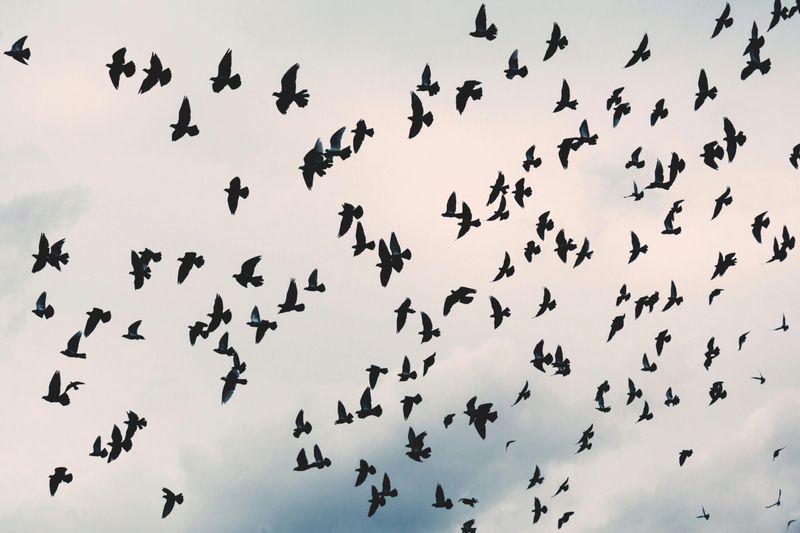
Crow roosts and staging areas are not always permanent. Even when a group has been using the same trees for several weeks, the flock may eventually shift to a different location on its own.
Roost sites can change in response to weather, food availability, disturbance, or simply the natural movement patterns of the birds as the season progresses.
North Carolina homeowners who find a crow gathering frustrating may be relieved to know that patience sometimes works as well as anything else.
Crows that feel regularly disturbed at a particular spot may choose to move on without any major intervention.
Gentle, legal deterrents such as reflective tape, shiny objects hung in trees, or motion-activated lights can sometimes encourage birds to choose a different staging or roosting location.
Hazing techniques, when used consistently and at the right time in the evening, may also help shift a roost. However, results can vary and what works in one yard may not work in another.
It helps to start any deterrent efforts early in the season before the roost becomes fully established, since a well-settled roost tends to be harder to redirect.
Either way, the gathering will likely shift on its own by late winter or early spring as breeding season approaches and crows return to smaller family territories.
10. Crow Protection Rules Limit Removal Options
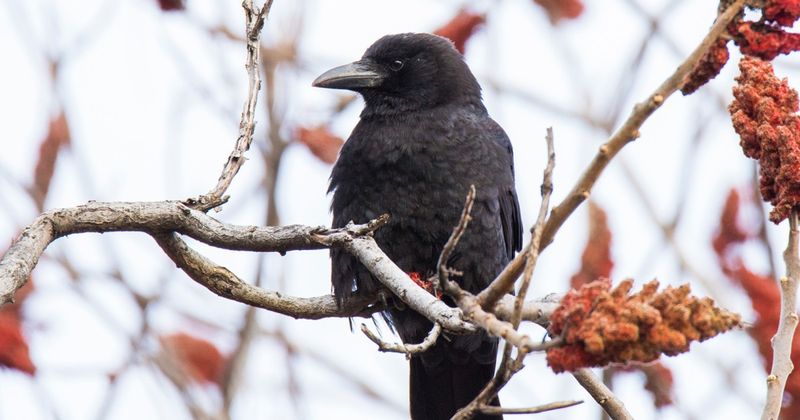
Before trying to do anything about a crow gathering, it is worth knowing that American crows are federally protected under the Migratory Bird Treaty Act.
That protection means it is illegal to harm, capture, or remove crows without proper permits, even when a large roost becomes a nuisance.
North Carolina homeowners should be aware of these rules before taking any action beyond basic deterrents.
Legal options for managing a crow gathering generally focus on discouraging the birds from using a specific location rather than removing them.
Reflective deterrents, noise-making devices used at the right time of evening, and habitat modifications such as trimming dense branches can make a roost site less appealing.
These approaches work best when started early and applied consistently over several evenings.
If a roost is large enough to raise genuine concerns about property or public health, contacting a licensed wildlife control professional or reaching out to the North Carolina Wildlife Resources Commission for guidance is a reasonable step.
They can advise on what is legally permitted and what approaches may be most effective for your specific situation.
Understanding the legal framework upfront can save a lot of frustration and help you focus on solutions that are both practical and fully within the law.