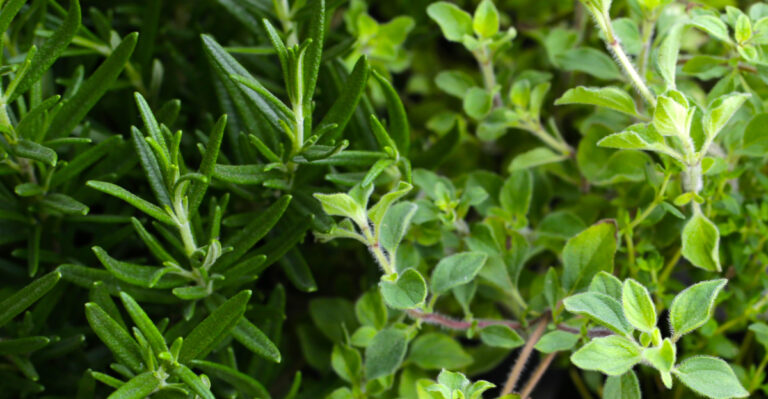
The Best Plants For Arizona’s East-Facing Garden Beds In Summer
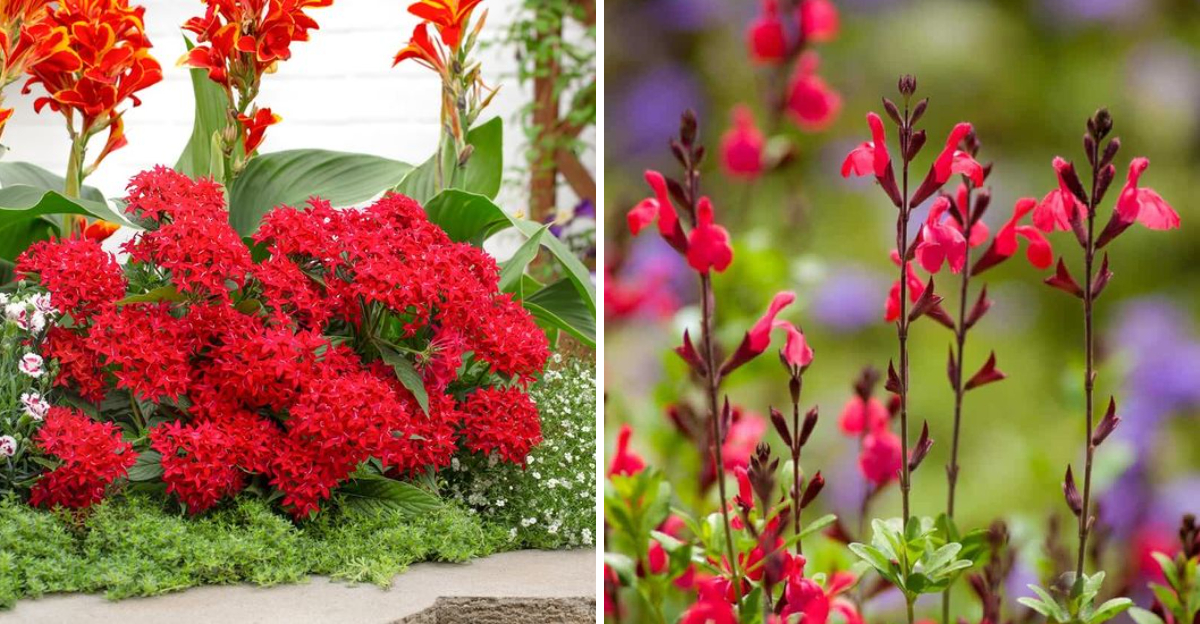
Not all Arizona garden beds are created equal, and east-facing beds might just be the best kept secret in desert landscaping.
While everyone else is out there battling scorched leaves and stressed plants in full western exposure, your east-facing bed is quietly doing something smarter.
It soaks up that bright, energizing morning sun and then gracefully steps into shade right around the time the afternoon heat gets truly unreasonable. Honestly, it’s a pretty smart arrangement.
For Arizona gardeners who have spent any amount of time watching plants struggle through brutal late-day sun, discovering what an east-facing bed can actually support in summer feels a little bit like finding a cheat code.
More color, less stress, and plants that actually look good instead of just surviving.
1. White Plumbago Brings Flowers To Morning-Sun Beds
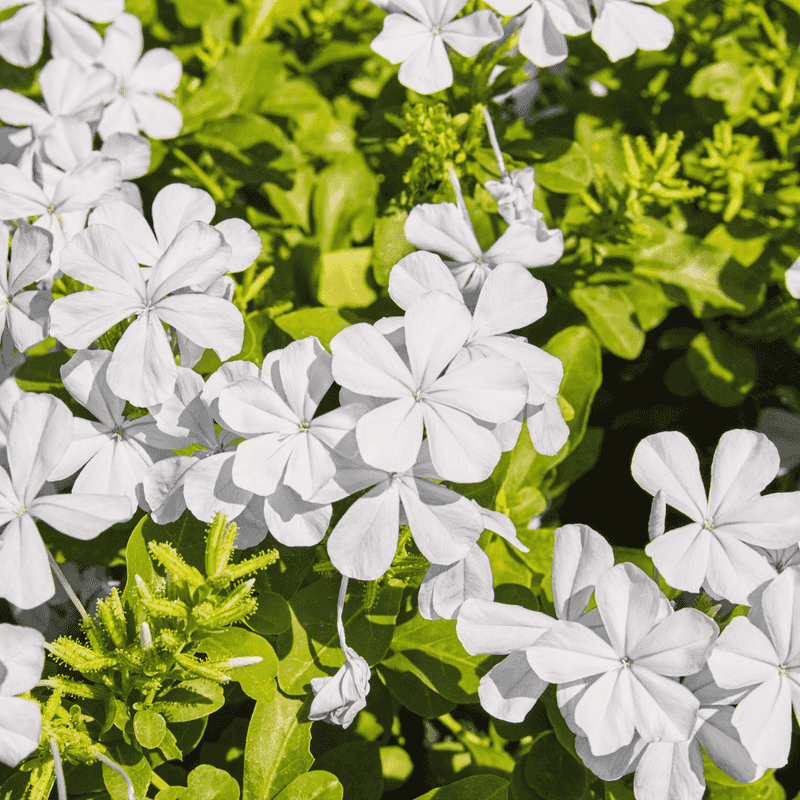
Morning light has a way of making white flowers glow, and White Plumbago takes full advantage of that soft early-day brightness.
This flowering shrub produces clusters of small, papery white blooms that keep coming through the heat of summer, which is not something every plant manages in the low desert.
In an Arizona east-facing bed, it tends to settle in well, appreciating the gentler afternoon conditions rather than relentless direct sun.
White Plumbago typically reaches three to four feet tall and wide, making it a solid mid-border plant for foundation beds, walkway edges, or patio corners.
It handles reflected heat better when it has some afternoon shade to recover in, and regular watering during establishment helps it build the root system it needs for summer survival.
Mulch around the base can make a noticeable difference in keeping moisture consistent.
Homeowners often appreciate how low-maintenance this shrub can be once it settles in. Occasional pruning keeps it tidy, and it tends to rebloom more freely when spent flower clusters are trimmed back.
For Arizona gardeners wanting reliable white summer color in a partial-sun bed, White Plumbago is worth serious consideration.
2. Red Justicia Handles Protected Summer Exposure
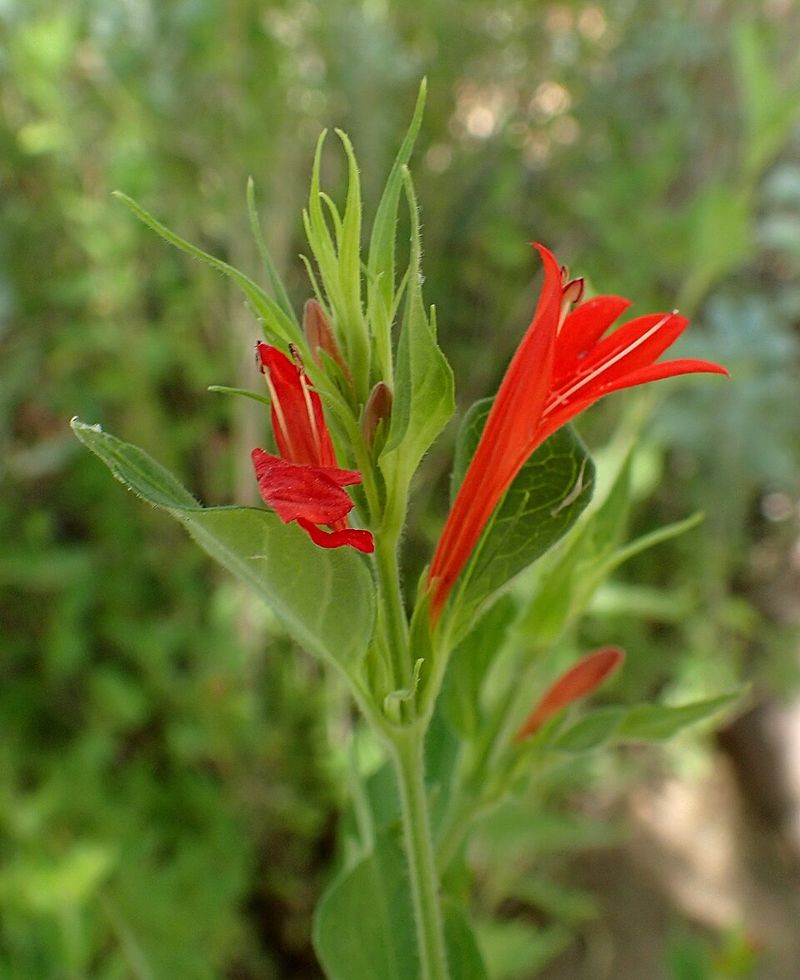
Tucked against a wall or under the canopy edge of a patio cover, Red Justicia can put on a surprisingly bold show during Arizona summers.
The tubular, flame-colored flowers are a magnet for hummingbirds, and watching those tiny birds visit a well-placed Justicia in a backyard bed is one of those small summer rewards that keeps gardeners coming back.
The plant appreciates protection from the harshest afternoon sun, which makes an east-facing bed a reasonable fit.
Red Justicia grows at a moderate pace and can reach three to five feet in height with a similar spread, depending on conditions. It tends to perform better with consistent moisture during the summer months, especially while it is getting established.
Letting the soil dry out too much between waterings during peak heat can stress the plant and reduce flowering, so keeping an eye on the irrigation schedule matters.
The foliage stays fairly lush compared to many desert-adapted plants, giving it a slightly tropical feel that some Arizona homeowners enjoy mixing into their landscapes.
Your Arizona Garden Changes Every Week. Your Plan Should Too.
Gardening in Arizona changes quickly throughout the season. Every Friday you’ll receive a simple weekly plan showing exactly what to plant, prune, fertilize, harvest, and protect so you never miss the right timing.
Placing it near a shaded patio bed or along a north or east wall tends to produce the most consistent results through the summer months.
3. Autumn Sage Performs Best With Afternoon Shade
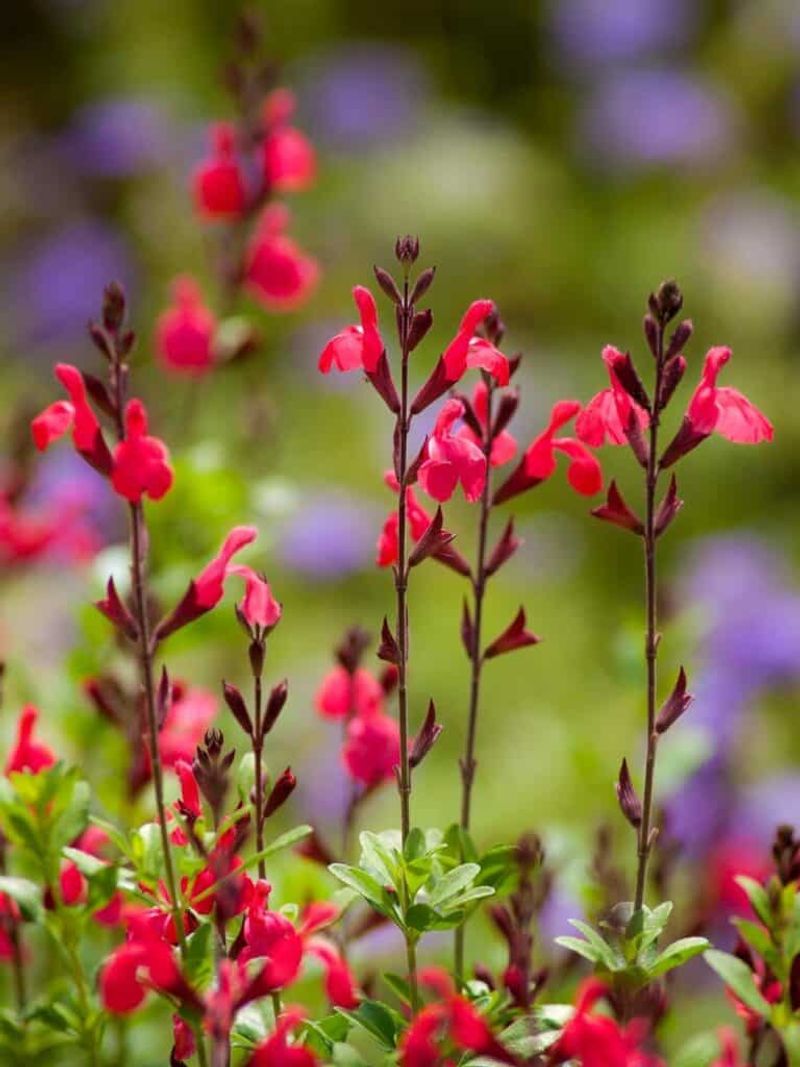
Despite its name, Autumn Sage can bloom well into summer in Arizona, especially when it has some protection from the most intense afternoon heat.
The bright red, tubular flowers are a favorite of hummingbirds and draw pollinators consistently through the warmer months.
An east-facing bed gives this plant the morning energy it needs while shielding it from the afternoon sun that can push desert temperatures past what many flowering shrubs handle comfortably.
Autumn Sage is a tough, low-water plant once established, but it still benefits from regular irrigation during its first summer in the ground.
Planting it in well-draining soil is important because standing water around the roots can cause problems quickly in Arizona’s summer heat.
A layer of gravel or organic mulch helps regulate soil temperature and retain just enough moisture between watering cycles.
Mature plants typically reach two to three feet tall and wide, fitting neatly into smaller beds along home foundations or walkway borders. Trimming back spent flower stems encourages new growth and keeps the plant looking tidy.
For Arizona homeowners who want reliable hummingbird appeal and summer color without heavy water demands, Autumn Sage brings a lot to the table in a partial-sun setting.
4. Blackfoot Daisy Fits Sunny Edges With Fast Drainage
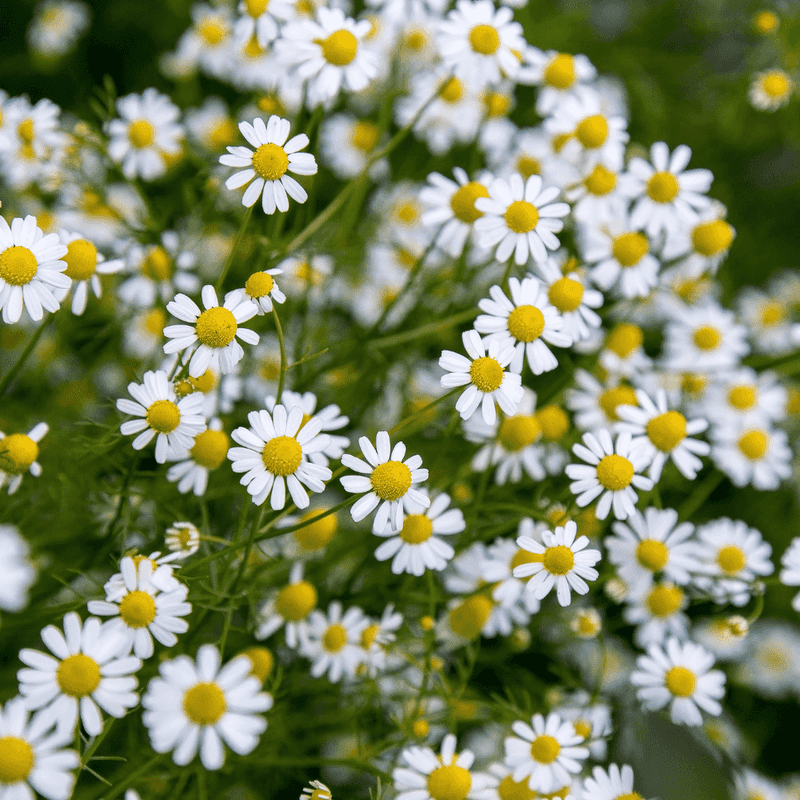
Along the sunnier edges of an east-facing bed, where morning light lingers and the soil warms up quickly, Blackfoot Daisy tends to feel right at home.
This cheerful little native produces a steady supply of small white and yellow daisy-like flowers from spring through fall, and it handles Arizona’s summer heat with a toughness that surprises many first-time growers.
The key factor for success is drainage – this plant strongly prefers fast-draining, lean soil over anything that holds moisture.
Blackfoot Daisy stays relatively compact, usually reaching one to two feet tall and slightly wider, which makes it a good candidate for bed edges, low borders, or spots near walkways where a low-growing flowering plant adds interest without blocking views.
It is considered drought-tolerant once established, though some supplemental watering during extreme summer heat can help keep it blooming more consistently.
Gravel mulch suits it better than organic mulch in many cases, since it mimics the rocky, well-drained conditions the plant naturally prefers.
Deadheading spent flowers can extend the blooming season, though the plant often continues flowering without much intervention.
For Arizona gardeners who want a native option with cheerful color and minimal fuss, Blackfoot Daisy earns its spot.
5. Firebush Adds Summer Color And Hummingbird Appeal
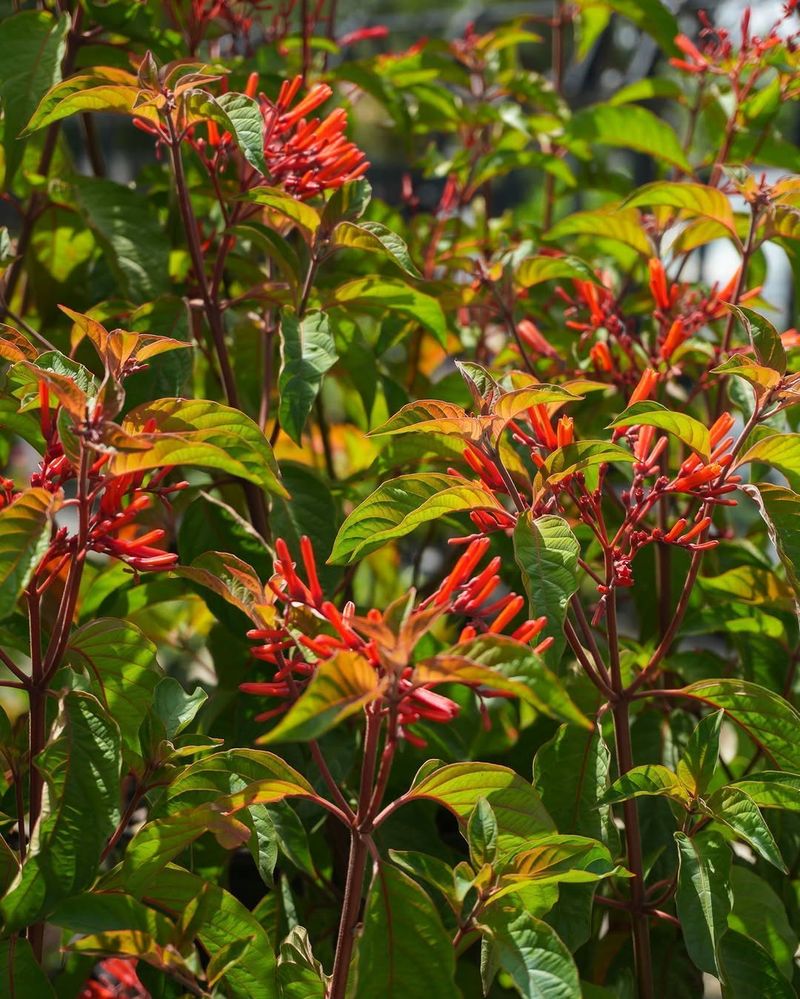
Few plants bring the kind of bold, fiery energy to a summer garden that Firebush does. The clusters of narrow, orange-red tubular flowers bloom heavily during the heat of summer, which is exactly when many other plants take a break.
Hummingbirds and butterflies are drawn to it reliably, making it one of the more rewarding pollinator plants an Arizona homeowner can add to a backyard bed.
In an east-facing bed, Firebush benefits from that morning sun boost while avoiding the most damaging afternoon exposure.
It can grow quite large – sometimes six feet or more in a single season under good conditions – so giving it enough room is worth planning for before planting.
Smaller beds may need a more restrained variety, but in larger east-facing spaces along a fence or wall, Firebush can fill in impressively.
Regular watering during establishment is important, and the plant appreciates consistent moisture through summer even after it settles in.
It is not considered fully cold-hardy in all parts of Arizona, so gardeners in higher-elevation areas should check local conditions before planting.
In the low desert, though, it tends to thrive with minimal fuss and maximum color through the hottest months of the year.
6. Cape Honeysuckle Fills Larger East-Facing Spaces
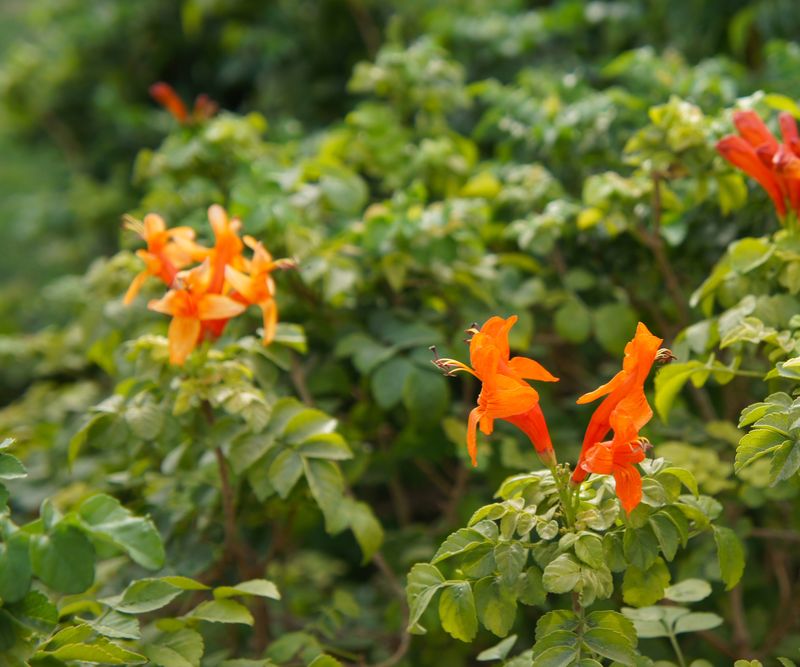
When a larger east-facing bed needs something with real presence, Cape Honeysuckle tends to deliver in a way that smaller perennials simply cannot match.
This vigorous, sprawling plant produces bright orange tubular flowers that hummingbirds visit eagerly, and it can cover a significant amount of ground – or climb a fence or wall – given the right conditions.
In Arizona, it often blooms through summer and into fall, providing color during months when many plants slow down.
Cape Honeysuckle is not a true honeysuckle, but it shares that lush, generous growth habit that fills empty spaces quickly. It can function as a sprawling shrub, a trained vine, or even a bank cover depending on how it is managed.
East-facing exposure suits it well because it gets enough light to bloom freely without the stress of intense afternoon sun pushing it past its comfort zone.
Pruning is important with this plant since it can become quite large and somewhat unruly without regular shaping. Homeowners should plan for its eventual size before placing it near structures or smaller plants.
Supplemental irrigation during summer establishment helps it root in solidly, and once established, it handles Arizona’s dry heat with reasonable resilience. It is a strong choice for filling challenging larger garden spaces.
7. Katie Ruellia Works In Smaller Partial-Sun Beds
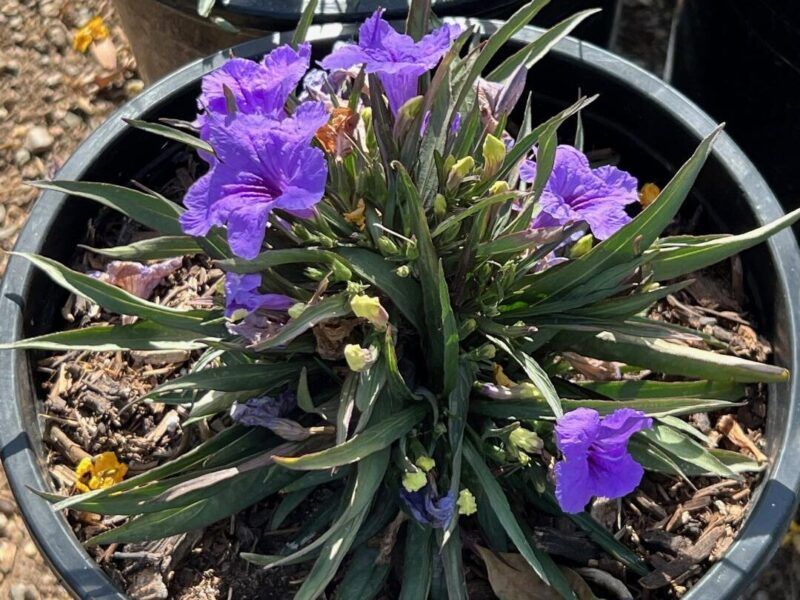
Compact garden beds along walkways, near front doors, or tucked beside patio steps often need a plant that stays tidy without constant management. Katie Ruellia – a dwarf form of Mexican Petunia – fits that role well in Arizona’s east-facing beds.
The small, purple-pink trumpet-shaped flowers bloom through summer and attract butterflies, giving even a modest bed a lively, colorful feel during the hottest months.
Unlike the standard Mexican Petunia, which can spread aggressively, the Katie variety stays much more contained, usually reaching about eight to twelve inches tall.
That smaller scale makes it appropriate for borders, edging, or narrow beds where a full-sized shrub would overwhelm the space.
It handles partial sun reasonably well, which is part of why an east-facing bed tends to suit it better than a location with all-day exposure.
Regular watering helps Katie Ruellia stay looking its best through summer, and it responds well to light trimming if it starts to look leggy. Planting it in groups of three or more creates a fuller, more impactful look than placing individual plants far apart.
For Arizona homeowners managing smaller residential beds with limited space but a desire for consistent summer color, this dwarf variety offers a manageable, attractive option worth planting.
8. Elephant’s Food Adds Soft Structure In Bright Shade
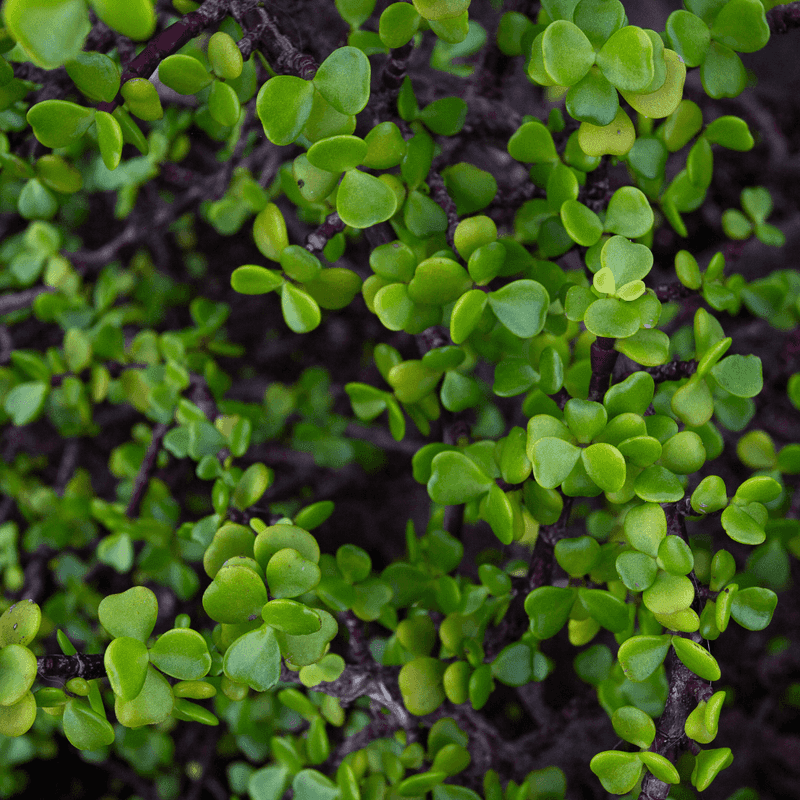
Bright shade – the kind an east-facing bed delivers in the afternoon – is actually where Elephant’s Food tends to look its best.
This South African succulent has a rounded, mounding form with soft blue-green foliage and small yellow daisy-like flowers that appear seasonally.
The texture it brings to a shaded garden bed is different from most Arizona-friendly plants, making it a useful design element for homeowners who want something a little unexpected.
Elephant’s Food handles heat reasonably well when it has afternoon shade to retreat into, but it can struggle with intense all-day sun in the low desert.
An east-facing bed gives it the brightness it needs for healthy growth while offering protection during the harshest part of the day.
Good drainage is essential since this is a succulent that does not tolerate waterlogged soil.
Mature plants can reach three to four feet tall and wide, giving them enough presence to anchor a mid-border position or fill a corner near a shaded patio. Watering deeply but infrequently suits this plant well once it is established.
For Arizona gardeners looking to add a soft, sculptural element to a partially shaded bed without reaching for the usual cacti or agaves, Elephant’s Food offers a genuinely interesting alternative worth exploring.
9. Pentas Brings Seasonal Color With Extra Care
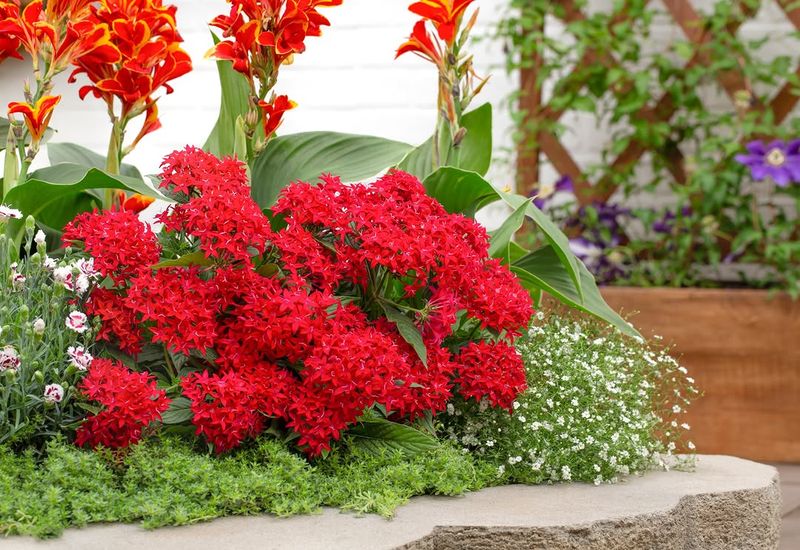
Clusters of star-shaped flowers in shades of red, pink, and white make Pentas one of the more visually striking summer annuals available to Arizona gardeners.
Butterflies and hummingbirds are drawn to the blooms reliably, and the plant can produce color continuously through summer when its needs are met.
In an east-facing bed, Pentas gets the morning light it needs to flower well while gaining some afternoon relief from the most intense heat of the day.
Pentas is typically grown as a warm-season annual in Arizona rather than a permanent perennial, which means homeowners should plan to replant it each season.
It needs regular watering to stay healthy through summer, and letting the soil dry out significantly between waterings can cause the plant to drop flowers and look stressed.
Consistent moisture, good drainage, and mulch around the base all contribute to better summer performance.
Planting Pentas in spring once temperatures are warm gives it time to establish before the peak of summer heat arrives. It works well in container gardens near patios, in small decorative beds, or along walkway borders where seasonal color is the main goal.
The extra attention it requires is balanced by the steady, cheerful flower display it offers through Arizona’s long, warm summer season.