Why This Mulch Choice Is Not Ideal For Arizona Gardens
Most yard projects start with the goal of helping plants grow better, not creating new problems.
That is why it can be frustrating when a simple choice ends up working against everything you have been trying to do.
Many people never think twice about the materials they spread around their plants because they assume every type of mulch does the same job. The difference is not always obvious at first.
Weeks can pass before the signs begin to appear, and by then the damage is already happening. A healthy-looking garden can slowly begin losing its color and strength without an obvious explanation.
One popular mulch choice does not perform as well as many people expect.
That becomes much more noticeable in Arizona, where extreme summer heat changes the way some mulches affect both the soil and the plants growing in it.
1. Rubber Mulch Holds More Heat Than Natural Mulch
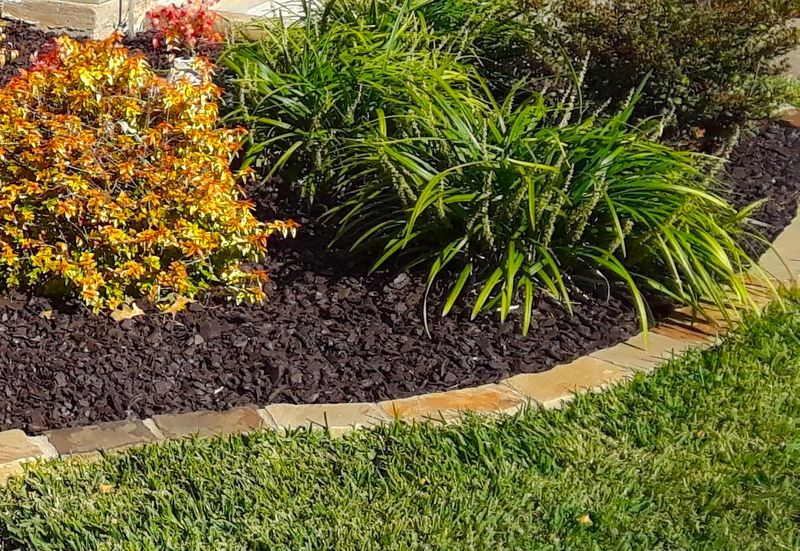
Rubber mulch acts like a heat sponge. In a desert climate, that can quickly become a problem for many landscape plants.
Unlike natural mulch, rubber absorbs and holds a great deal of heat throughout the day. Wood chips and bark help shade the soil while slowing moisture loss, but rubber continues heating up under direct sunlight without providing the same cooling effect.
During the hottest part of summer, the surface of rubber mulch can become much hotter than the surrounding air. That heat transfers into the upper layer of soil, where many feeder roots are located.
Because these roots sit close to the surface, they are exposed to higher temperatures for much of the day.
Plants already coping with intense sunlight and dry conditions have to work even harder when the soil around their roots stays excessively warm.
Heat stress can make it more difficult for roots to absorb enough water, leading to wilting, slower growth, and reduced vigor, especially in shallow-rooted flowers, shrubs, and young plants.
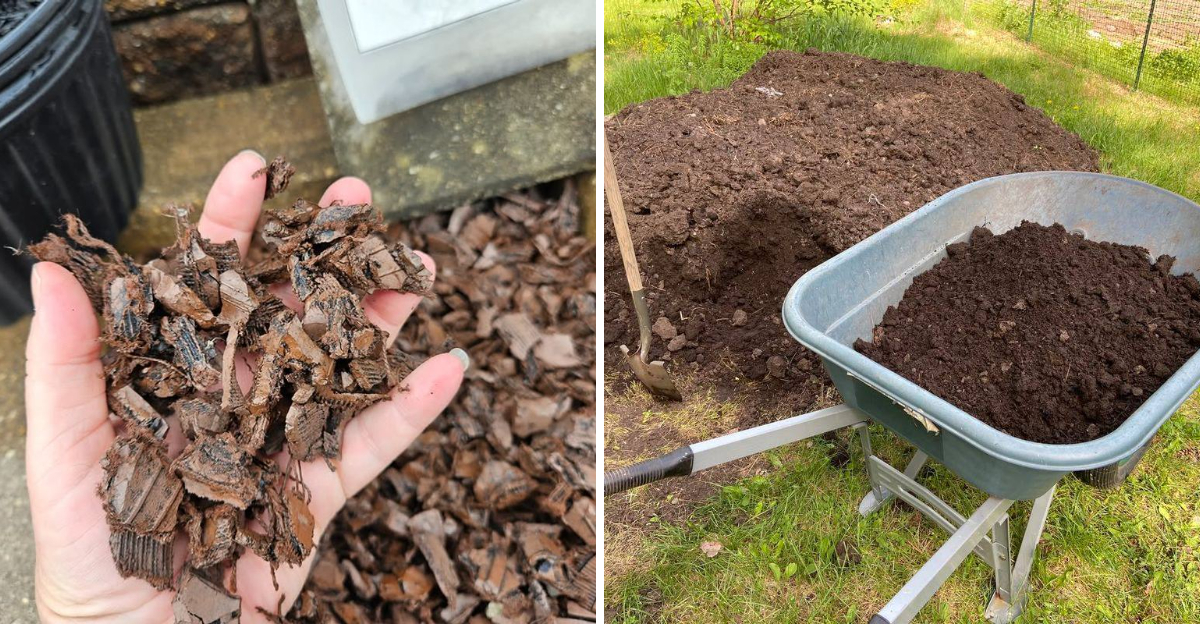
Natural mulches such as wood chips or bark create a protective layer that helps moderate soil temperatures while conserving moisture.
2. High Temperatures Can Stress Nearby Plants
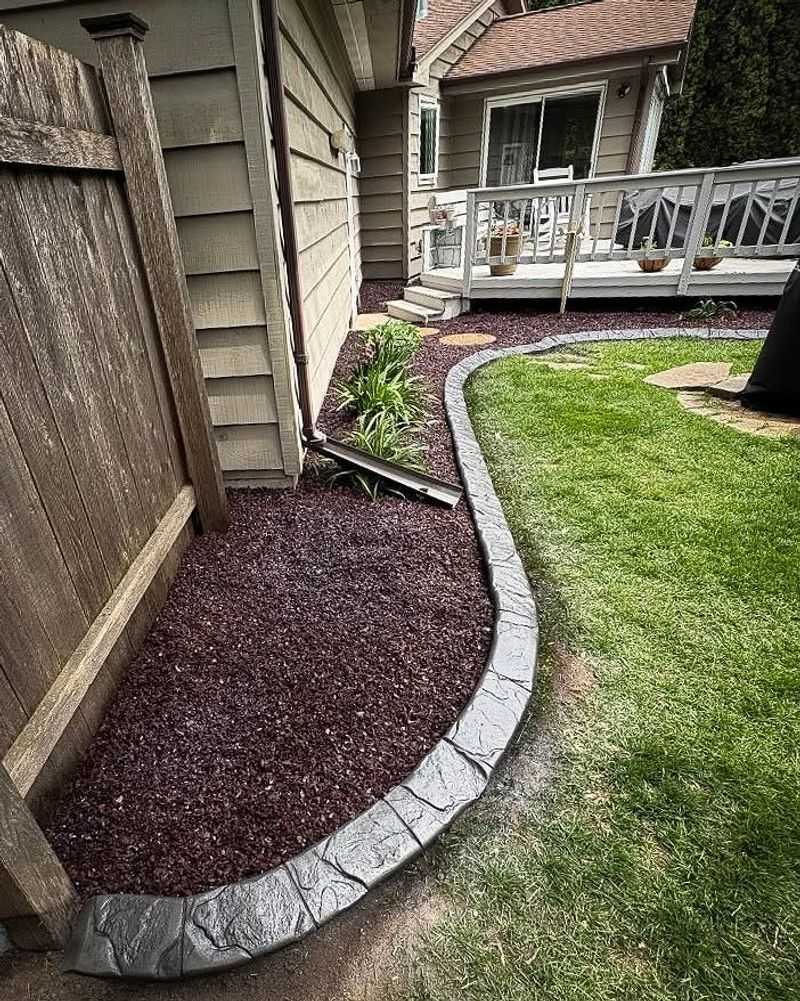
Plants near rubber mulch often show signs of stress that puzzled gardeners blame on watering or disease. The real culprit is radiant heat.
Rubber mulch radiates stored heat back upward after the sun goes down. Natural mulch does not hold heat the same way.
That nighttime release of heat prevents soil from cooling, which is something plants rely on to recover from a brutal desert day.
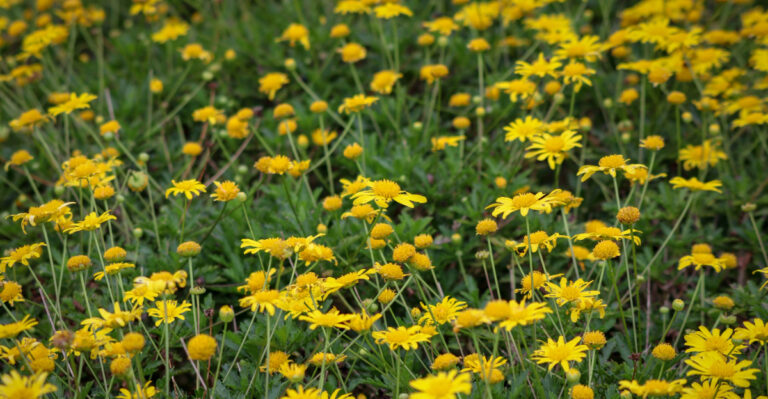
Even drought-tolerant plants like desert marigold or brittlebush can struggle when their root zone stays abnormally warm overnight. These plants evolved to handle intense daytime heat partly because desert nights cool down significantly.
Rubber mulch disrupts that pattern.
Citrus trees are a good example. They are common in residential yards across the Southwest and are sensitive to root zone temperature spikes.
Mulching with rubber around their base can create conditions that weaken them during summer, making them more prone to secondary problems like fungal issues or pest pressure.
Your Arizona Garden Changes Every Week. Your Plan Should Too.
Gardening in Arizona changes quickly throughout the season. Every Friday you’ll receive a simple weekly plan showing exactly what to plant, prune, fertilize, harvest, and protect so you never miss the right timing.
Vegetable gardeners face similar challenges. Tomatoes, peppers, and squash all need soil temps within a manageable range to set fruit properly.
Rubber mulch can push those temps out of that range during peak heat.
Choosing an organic mulch with better insulating properties gives plants a fighting chance. It won’t fix every problem, but it removes one major stressor from the equation during the hottest months of the year.
3. It Does Not Improve The Soil Over Time
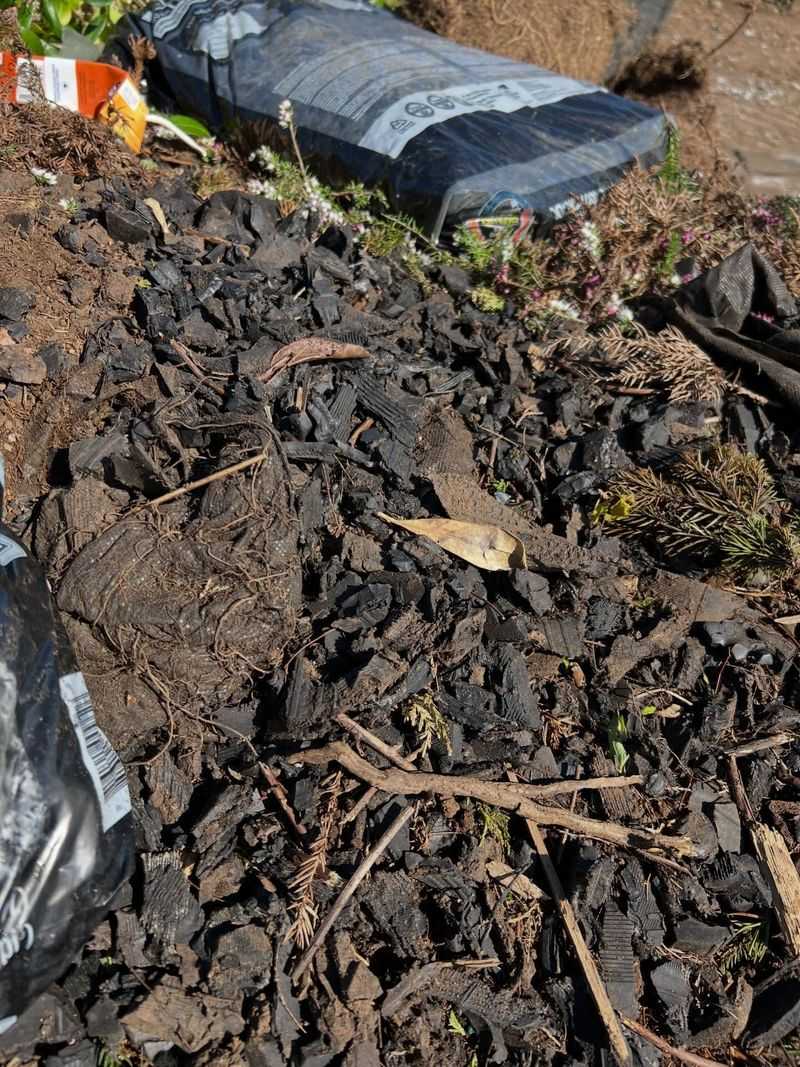
Soil health is a long game. Rubber mulch plays no part in winning it.
Organic mulches slowly break down and feed the soil beneath them. Earthworms, fungi, and beneficial bacteria all benefit from decomposing organic material.
Rubber sits on top of the soil doing nothing for the biology below it.
Desert soils in the Southwest tend to be low in organic matter naturally. Caliche layers, sandy textures, and low microbial activity are common challenges.
Organic mulch helps address all three over time by slowly adding carbon and improving structure.
Rubber mulch does not add carbon. It does not improve drainage.
It does not help break up compacted caliche. After five or ten years under rubber mulch, soil quality stays roughly the same as it was on day one, sometimes worse if the heat damage has reduced beneficial microbial populations.
Gardeners who have switched from rubber to organic mulch often notice the soil underneath rubber looked pale, dry, and lifeless compared to areas covered with wood chips or compost.
Improving soil takes patience, but organic mulch makes progress with every passing season. Rubber mulch simply delays that progress indefinitely.
4. Wood Chips Keep Roots Cooler
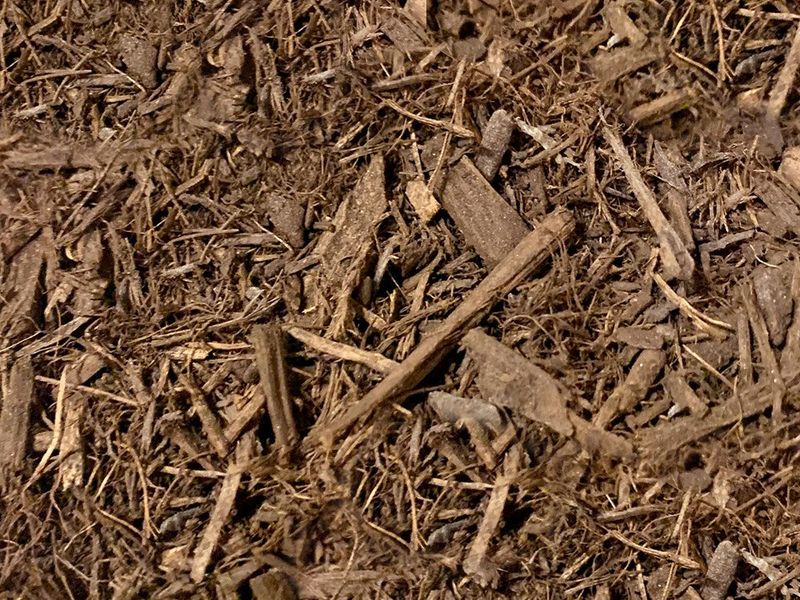
Wood chips do something rubber mulch simply cannot: they actively moderate soil temperature.
A three to four inch layer of wood chips creates genuine insulation. It slows heat transfer from the air down to the root zone.
On hot afternoons, that difference in soil temperature can be significant enough to reduce plant stress noticeably.
Wood chips also hold moisture better than rubber. They slow evaporation by shading the soil surface and creating a slightly humid microclimate just above the ground.
In a dry desert environment, that retained moisture matters more than most gardeners realize.
Arborist wood chips are especially effective. They tend to be chunkier and less uniform than bagged chips, which allows for better airflow while still providing good insulation.
Many municipalities and tree trimming services offer them at low or no cost.
One practical consideration is depth. Spreading wood chips too thin reduces their effectiveness.
Aim for at least three inches, and replenish them as they break down over the season. They will not last as long as rubber, but the tradeoff in plant health is worth it.
Fruit trees, flowering shrubs, and native plants all respond well to wood chip mulch. Roots stay cooler, moisture lasts longer between waterings, and soil biology improves steadily underneath.
Wood chips are not perfect, but they work with the desert environment rather than against it.
5. Compost Adds Nutrients As It Breaks Down
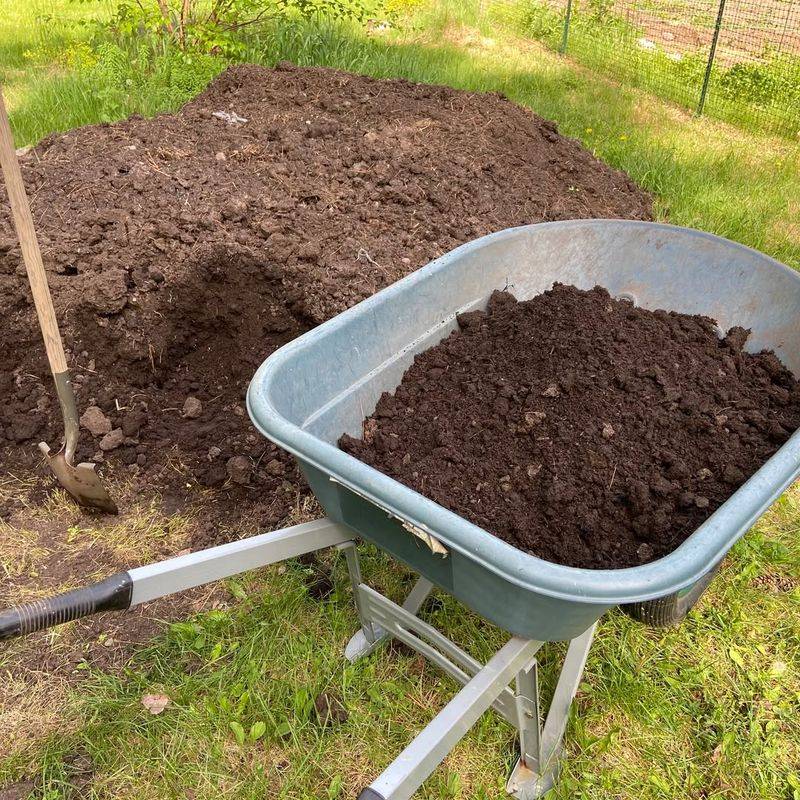
Compost is not just mulch. It is a slow-release soil amendment that keeps working long after you spread it.
As compost breaks down, it releases nitrogen, phosphorus, potassium, and dozens of trace minerals. Desert soils are often deficient in organic nitrogen, so that slow release can make a real difference in plant growth over a full growing season.
Spreading a two to three inch layer of compost on top of garden beds in spring or fall serves double duty. It protects the soil surface from direct sun and wind erosion while feeding the root zone from above as rain or irrigation water carries nutrients down.
Rubber mulch offers none of this. It sits inert on the surface, contributing no nutrition and no organic matter to the soil profile below.
Vegetable gardeners benefit most from compost mulch because their plants are heavy feeders. But even native plant beds and xeriscape landscapes benefit from occasional top-dressing with compost.
It helps establish plants faster and improves water infiltration in compacted soils.
Homemade compost works well if you have access to kitchen scraps and yard waste. Bagged compost from garden centers is a reliable alternative and widely available in most areas of the Southwest.
6. Pine Bark Helps Hold Soil Moisture
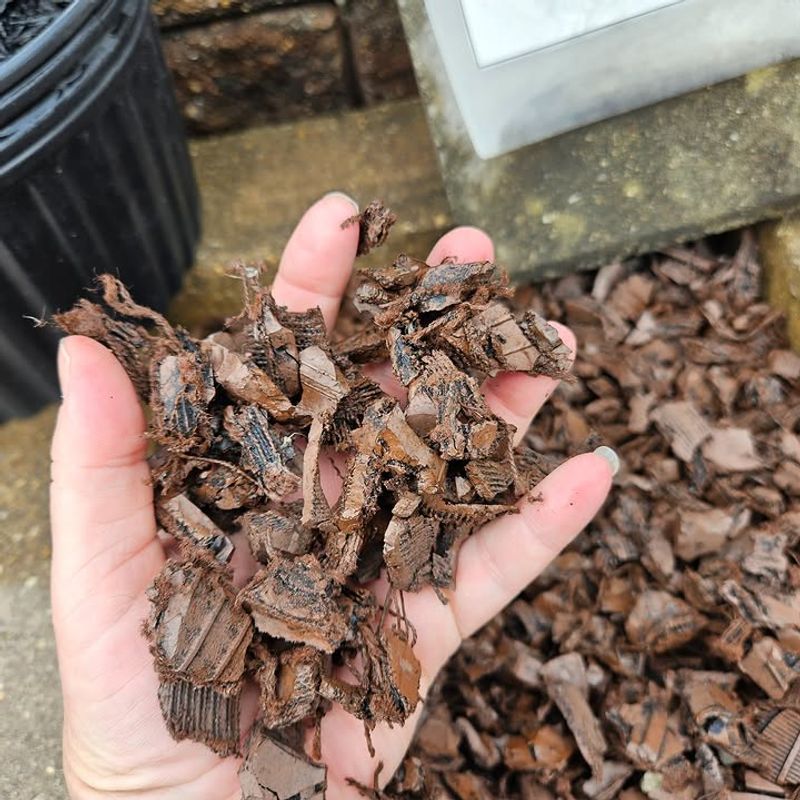
Pine bark mulch has a texture and structure that makes it surprisingly effective in hot, dry climates.
Its chunky, irregular surface slows water evaporation without completely blocking airflow to the soil. That balance is harder to achieve than it sounds, and pine bark handles it naturally without any special treatment or additives.
In a desert garden where irrigation water is both expensive and limited, every inch of retained soil moisture counts. Pine bark can noticeably extend the time between watering sessions for established shrubs and trees.
That means lower water bills and less stress on your plants during the worst heat stretches of summer.
Pine bark also resists compaction better than fine mulches like shredded wood. It tends to stay loose and airy over time, which helps rain and irrigation water penetrate the soil rather than running off the surface.
One thing to keep in mind: pine bark is slightly acidic as it breaks down.
Most desert soils in the region already lean alkaline, so that gradual acidification can actually be beneficial for certain plants like roses, gardenias, or blueberries that prefer lower pH conditions.
Spread pine bark at least two to three inches deep for best results. Refresh it once a year or when you notice it has thinned considerably.
7. Leaf Mulch Improves Soil Every Season
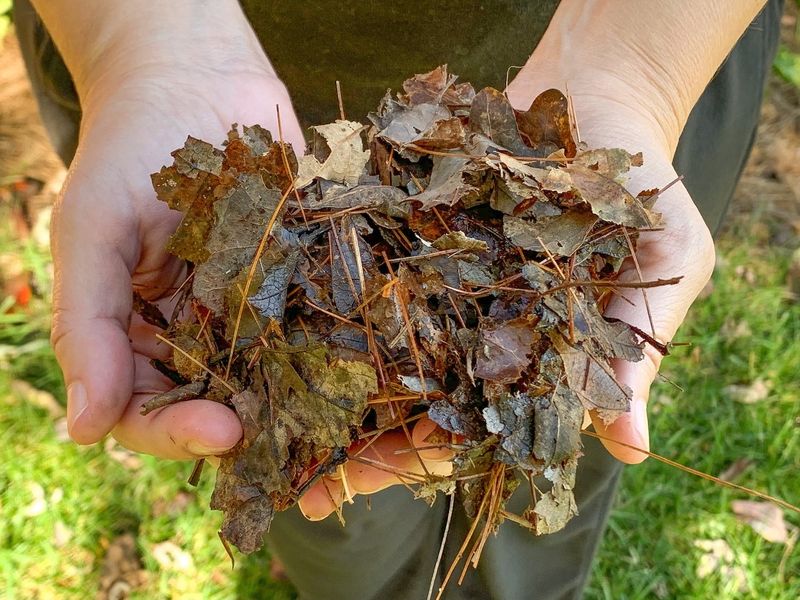
Leaf mulch is one of the most underrated tools in a desert gardener’s toolkit.
Shredded leaves break down relatively quickly in warm climates, which means they feed the soil faster than wood chips or bark.
Each season brings a fresh opportunity to add organic matter that improves soil texture, water retention, and microbial activity all at once.
Desert soils often lack the organic layer that naturally builds up in forests or grasslands. Leaf mulch is one of the most accessible ways to start building that layer from scratch.
Even a thin seasonal application makes a measurable difference over two to three years.
Leaves from trees like mesquite, palo verde, and cottonwood are commonly available in Southwest yards during fall and winter.
Running them through a shredder or simply mowing over them before spreading speeds up decomposition and prevents them from matting together on the soil surface.
Rubber mulch, by contrast, contributes nothing to soil biology no matter how many seasons it sits in place. It stays the same while the garden around it either improves or struggles depending on what other inputs you are providing.
Leaf mulch pairs well with compost or wood chips if you want to layer different materials for maximum benefit. Mixing textures helps with both moisture retention and airflow.