Skip English Ivy Along Your Oregon Walkway And Plant These Natives Instead
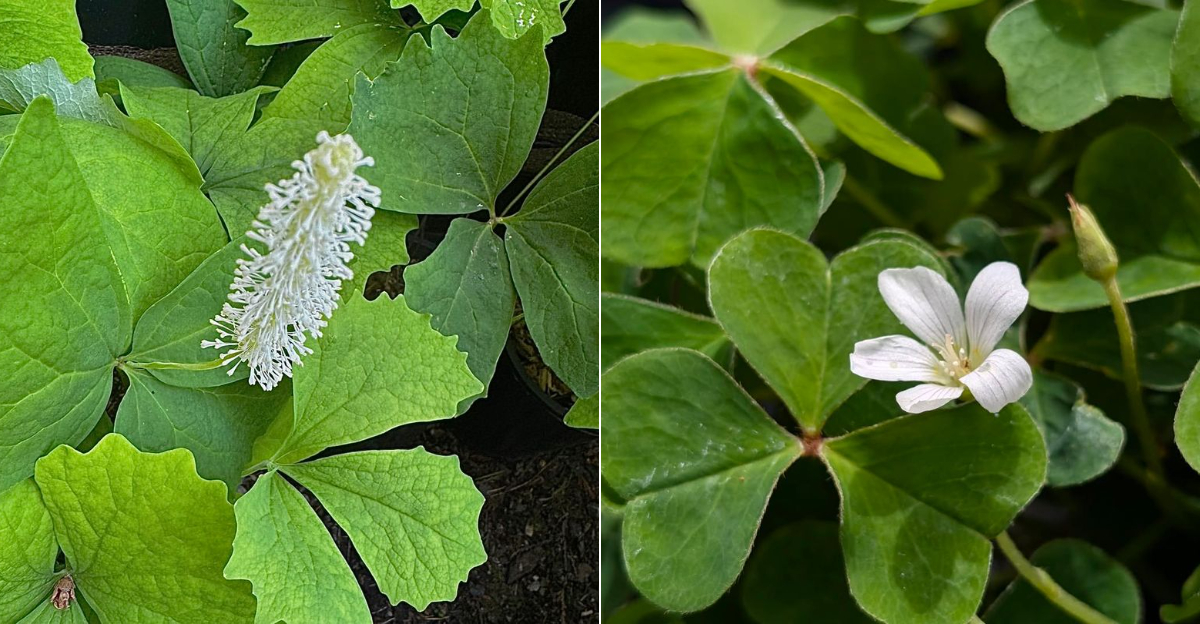
English ivy can make a walkway look lush at first, but its polished appearance often comes with a catch.
Give it enough time, and that tidy green edge may start creeping into places it was never invited. Classic ivy behavior.
Native plants can offer a more thoughtful way to soften paths without creating the same kind of garden takeover. They can bring texture and seasonal interest while fitting naturally into Oregon landscapes.
That makes the walkway feel less like an imported design choice and more like it truly belongs.
The best alternatives do more than fill space. They can handle local conditions with less fuss and add character without swallowing nearby beds.
Swapping out ivy is not about giving up that beautiful, planted look. It is about choosing greenery that works with the yard instead of constantly testing its boundaries.
Your walkway can still feel charming, just with fewer botanical power struggles.
1. Western Starflower Softens Cool Walkway Shade
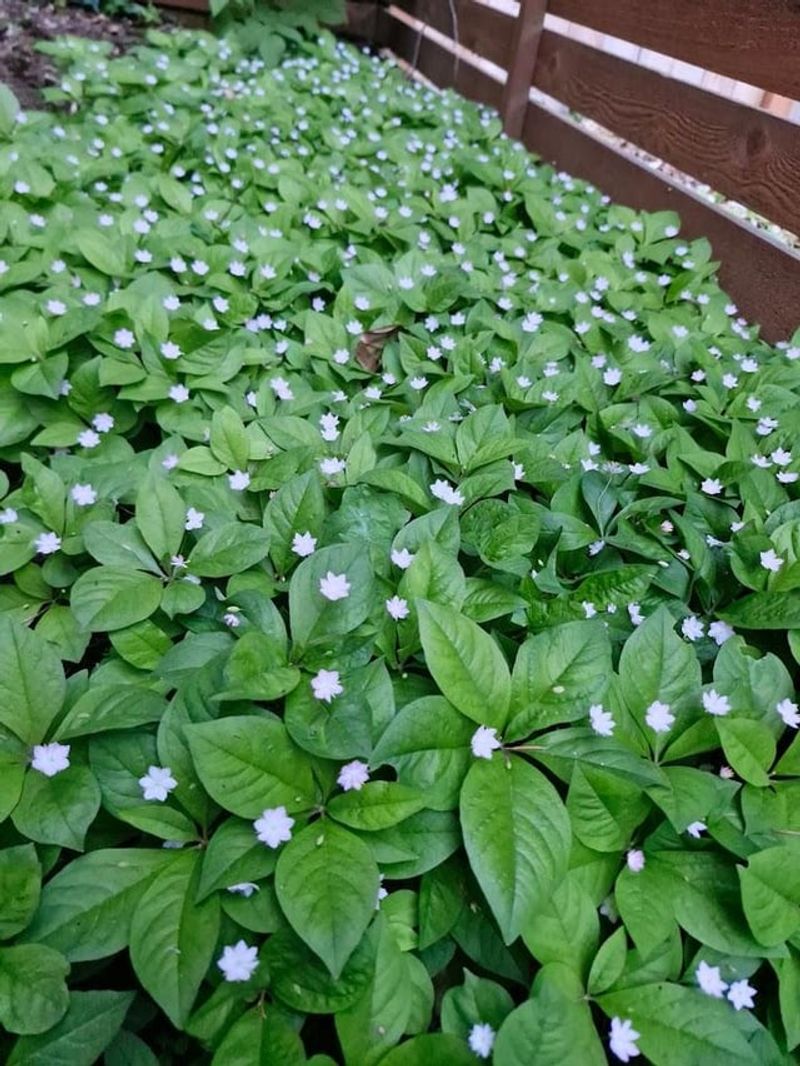
Few plants stop people in their tracks the way a patch of Western starflower does in full bloom.
Those tiny, star-shaped pink flowers hovering above a neat whorl of leaves look almost too delicate to be real.
Yet this little native thrives in the cool, shaded spots that line many woodland walkways across our state.
Western starflower grows from small underground tubers, which means it comes back reliably every spring without you doing much at all. It spreads slowly and politely, never crowding out its neighbors the way ivy does.
The plant typically stays just four to eight inches tall, making it a tidy, low-profile choice for path edges.
It prefers moist, well-drained soil rich in organic matter, which is exactly what you find under conifers and broadleaf trees throughout much of Oregon.
You can pair it with mosses or ferns for a layered, natural look that feels right at home in a Pacific Northwest setting.
Planting in clusters gives the best visual effect, especially when the flowers open in late spring.
Wildlife also appreciates this plant. Small native bees visit the flowers, and the dense leaf cover provides shelter for ground-dwelling insects.
Once established, Western starflower needs almost no care. Just keep the area lightly mulched with leaf litter, and it will reward you season after season with that signature starry display.
2. Bunchberry Adds A Low Woodland Carpet
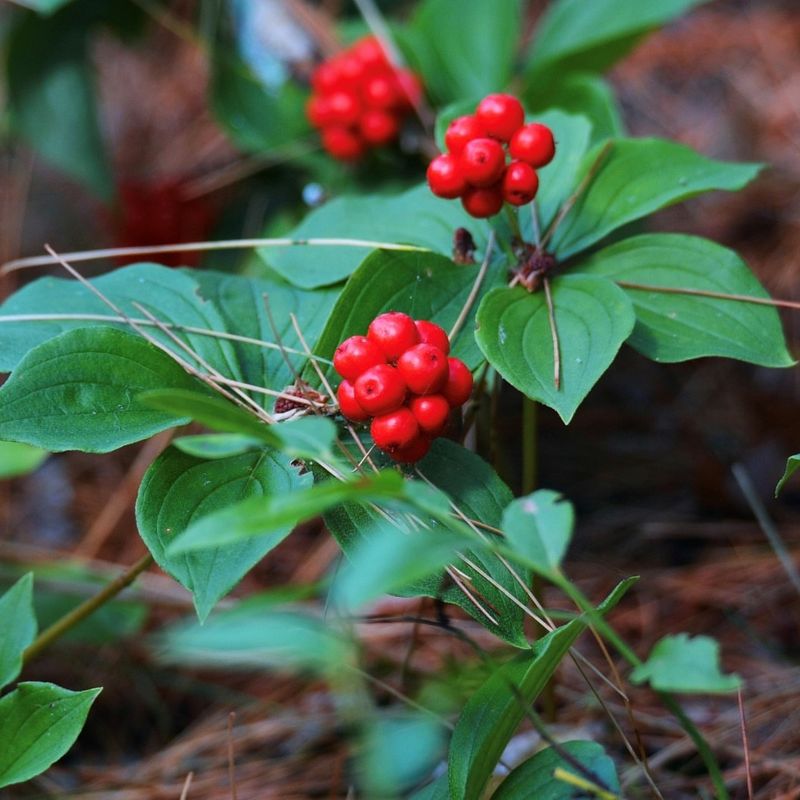
There is something almost storybook-like about a patch of bunchberry in full fruit. Clusters of bright red berries sit right on top of the leaves like little jewels, making this plant one of the most eye-catching native ground covers you can grow along a shaded walkway.
Bunchberry is actually a miniature relative of the dogwood tree, and it shares the same four-petaled white flowers that make dogwoods so beloved in spring.
Those flowers appear in late spring and give way to the vivid berry clusters by late summer. The leaves turn red and burgundy in fall, adding another season of visual interest.
It grows best in cool, moist, acidic soil with good organic content, which makes it well-suited to the conifer-heavy landscapes common across much of our state.
Your Oregon Garden Changes Every Week. Your Plan Should Too.
Gardening in Oregon changes quickly throughout the season. Every Friday you’ll receive a simple weekly plan showing exactly what to plant, prune, fertilize, harvest, and protect so you never miss the right timing.
It spreads by underground rhizomes, slowly filling in bare spots along a path without ever becoming invasive. You can expect it to stay around four to six inches tall.
Birds love the berries, especially thrushes and waxwings that pass through in fall. Planting bunchberry near mossy logs or under Douglas fir creates a look that feels completely natural and effortless.
Give it consistent moisture during the first growing season, and it will take care of itself from there. It is a plant that earns its place without demanding much in return.
3. Streambank Violet Fills Damp Pathside Gaps
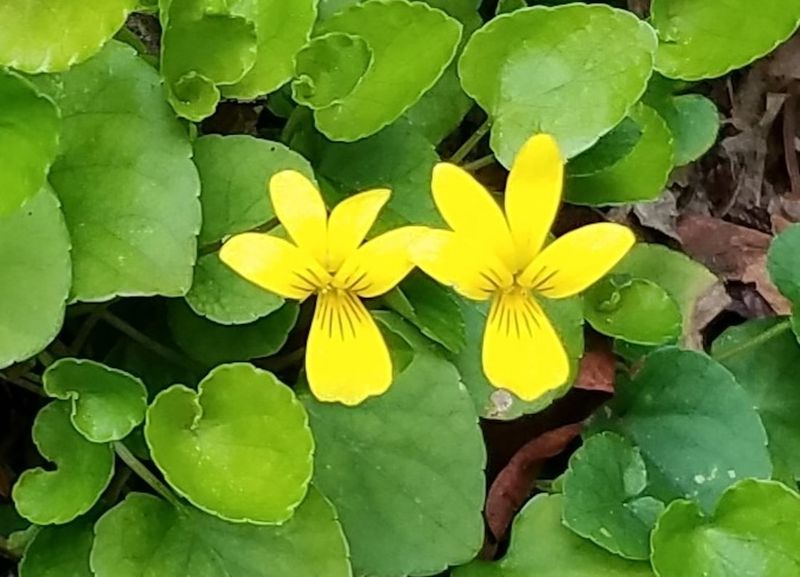
Gaps along a damp walkway can be tricky to fill, but streambank violet handles them with ease and a cheerful personality.
The bright yellow flowers with purple veining pop against the rich green heart-shaped leaves, giving shady path edges a burst of color in early spring when not much else is blooming.
Native across much of the Pacific Northwest, this violet naturally grows along stream banks, in wet meadows, and under moist forest canopies. It thrives in exactly the kind of soggy, shaded spots that many other plants struggle with.
That makes it a practical and attractive solution for low areas beside walkways where water tends to collect.
Plants spread by seed and by short rhizomes, gradually filling in bare patches without becoming aggressive.
They stay relatively compact, reaching about six to ten inches in height during the blooming period.
After flowering, the leaves stay lush and green through the summer, maintaining a tidy appearance along the path edge.
Pollinators are drawn to the flowers early in the season when food sources are still scarce. Several native bee species and early butterflies visit the blooms regularly.
The leaves also serve as host plants for native fritillary butterfly caterpillars, making this a plant that supports the local food web in a quiet but meaningful way.
Pair it with bunchberry or western starflower for a layered native planting that looks full and intentional all season long.
4. Redwood Sorrel Brightens Deep Shade
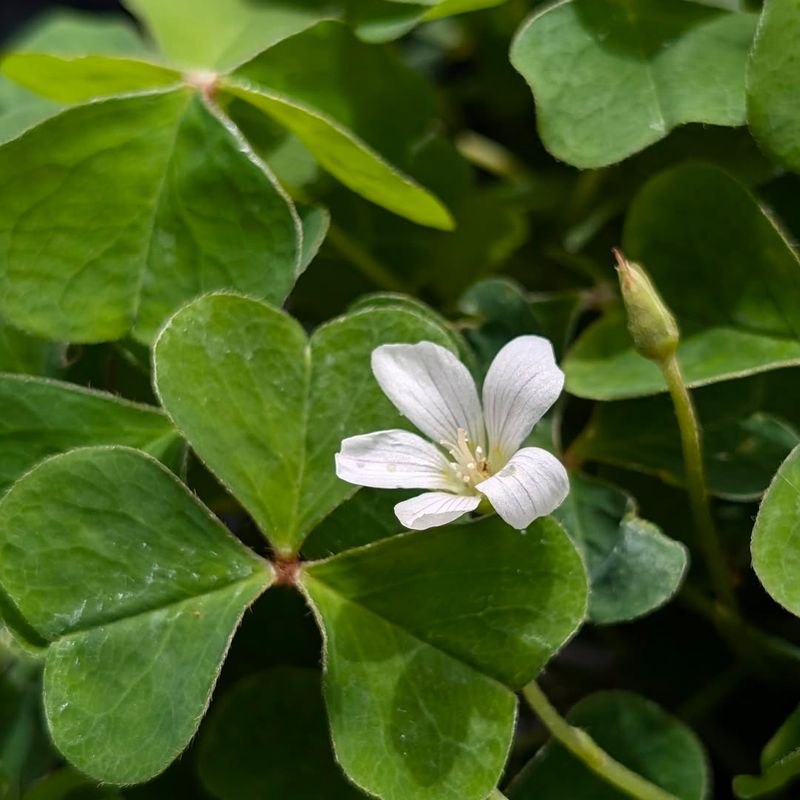
Not many plants can make deep shade look lush and alive, but redwood sorrel pulls it off beautifully.
Those shamrock-shaped leaves form a thick, soft carpet that stays green and full even in spots where almost nothing else will grow.
It is one of the most reliable native ground covers for the darkest corners of a shaded walkway.
Native to coastal forests from Oregon down through California, redwood sorrel has adapted to grow under dense tree canopies where light is scarce. It spreads by rhizomes and can fill a large area over several seasons without any help from you.
The leaves fold downward in bright light, which is a clever survival trick that protects them from sunburn on rare sunny days.
Delicate pink or white flowers appear in spring and sometimes again in fall, adding a soft, romantic touch to what might otherwise be a plain green carpet. The flowers are small but plentiful, and they attract early native bees looking for nectar.
The plant typically grows four to six inches tall, keeping a neat, low profile.
Redwood sorrel prefers consistently moist, acidic soil with plenty of organic matter. It pairs especially well with sword ferns and trilliums for a classic Pacific Northwest forest floor look.
Once established, it needs very little attention. Just keep fallen leaves around it as natural mulch, and it will spread and thrive season after season with almost no effort required from you.
5. Vanilla Leaf Creates A Soft Green Drift
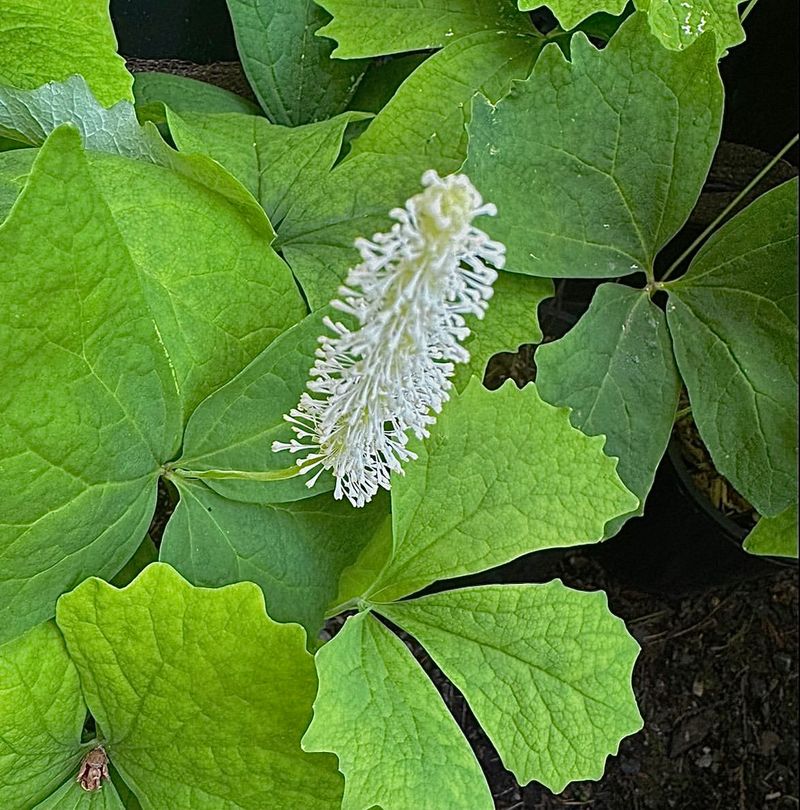
Walk through an old-growth forest in Oregon and you will likely step past drifts of vanilla leaf without knowing its name.
Those distinctive fan-shaped leaves arranged in threes are instantly recognizable once you learn them, and the way they spread across a shaded forest floor is nothing short of beautiful.
The common name comes from the sweet vanilla scent the dried leaves release, which has been used by Indigenous peoples to keep insects away. Fresh plants have a mild, pleasant smell that adds a subtle sensory element to a garden path.
That alone makes it worth planting near a walkway where people brush past it on their way through.
Vanilla leaf grows from spreading rhizomes and forms dense, uniform colonies over time. It reaches about twelve to eighteen inches in height, which gives it a slightly taller presence than many other native ground covers on this list.
Slender white flower spikes rise above the leaves in spring, adding vertical interest before fading gracefully.
It thrives in moist, humus-rich soil under deciduous or conifer canopy. It does not do well in dry or sunny spots, so it is best suited to naturally shaded walkway sections where the soil holds moisture.
Pair it with redwood sorrel or bunchberry for a varied, layered look. Once it settles in, vanilla leaf spreads steadily and requires almost no maintenance beyond occasional watering during dry spells.
6. Youth-On-Age Handles Moist Shade
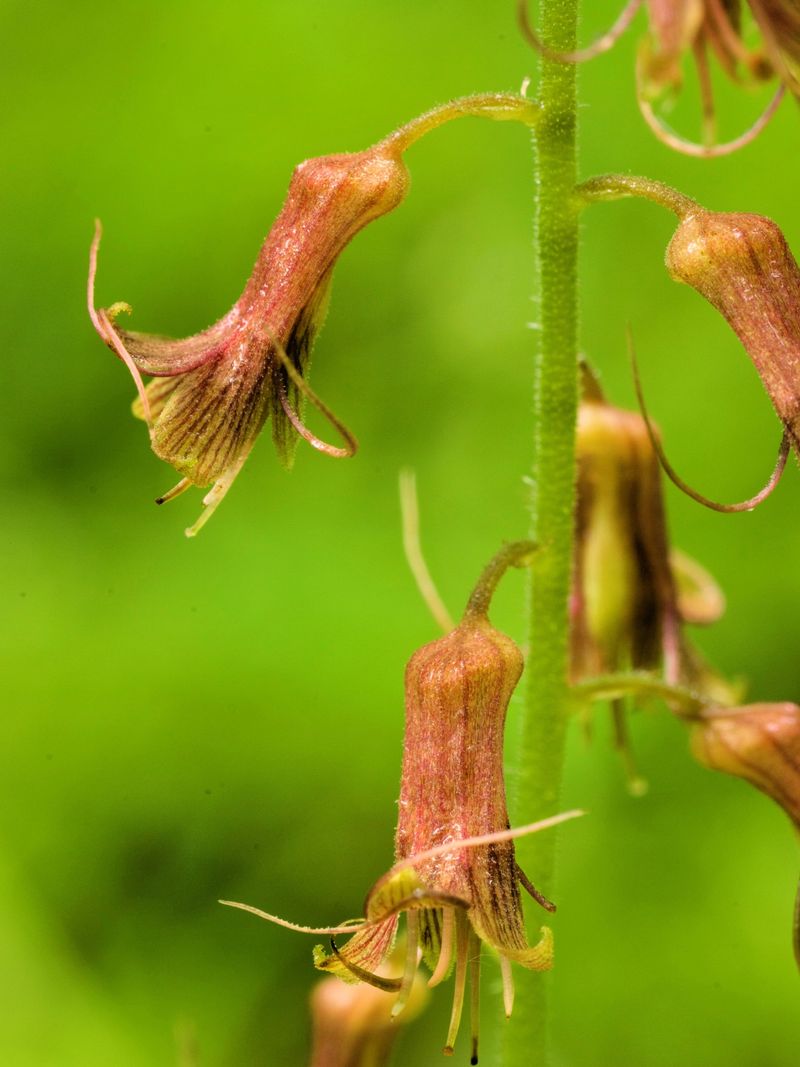
Youth-on-age has one of the quirkiest tricks in the plant world: it grows tiny plantlets right at the base of its own leaves.
Those little offshoots eventually weigh the leaf down until it touches the ground and roots itself, which is how the plant spreads naturally.
It is a fascinating process to watch up close, and it makes this native a conversation starter in any garden.
Native to moist coastal forests from Alaska down through Oregon, youth-on-age is built for exactly the kind of cool, wet conditions that many Pacific Northwest walkways offer.
It forms lush, leafy mounds of heart-shaped, textured foliage that stay green and full throughout the growing season.
The leaves are slightly hairy and have a soft, tactile quality that adds interest up close.
Slender spikes of small brownish-red flowers appear in spring and early summer. They are not showy, but they attract small native insects and add a quiet, natural elegance to the planting.
The plant typically grows eight to sixteen inches tall, giving it a slightly bolder presence than lower ground covers.
Moist, well-drained soil with plenty of organic matter is ideal. It does not tolerate drought well, so consistent moisture is important, especially in the first season.
Youth-on-age works beautifully under large-leafed shrubs or alongside ferns. You can also propagate it easily by pinning a leaf with a plantlet to moist soil and watching it root within a few weeks.
7. Yerba Buena Softens Shady Walkway Edges
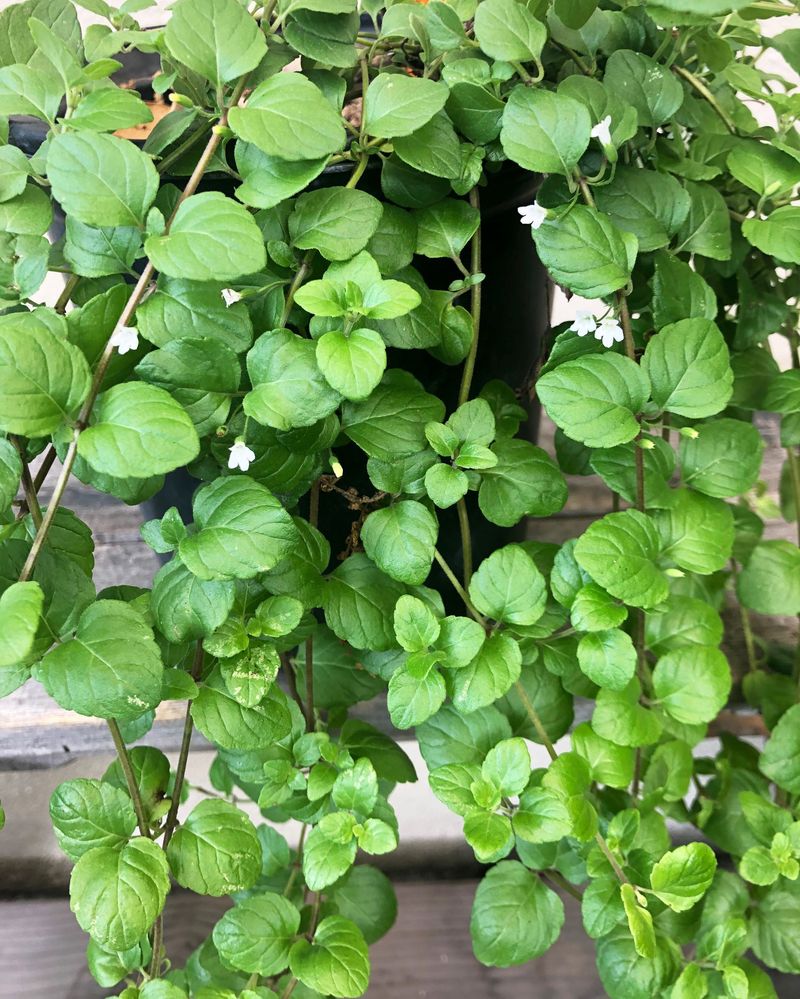
There is a reason Indigenous peoples across the Pacific Coast prized yerba buena for centuries.
The small, rounded leaves carry a fresh minty fragrance that releases every time someone brushes past the plant along a walkway.
That sensory quality alone makes it one of the most enjoyable native ground covers to plant near a path.
Yerba buena is a trailing, low-growing plant that spreads along the ground by slender stems, rooting as it goes.
It stays very low, usually just two to four inches tall, and fills in gradually to form a soft, fine-textured mat along walkway edges.
Small white to pale lavender flowers appear throughout summer, drawing in native bees and other small pollinators.
It grows naturally in shaded and partly shaded spots from coastal bluffs to inland forest edges across Oregon.
Well-drained soil with moderate moisture suits it best, and it handles a bit more drought than many other shade-loving natives once established.
That slight drought tolerance makes it useful in spots that dry out a little between rainfalls.
Yerba buena pairs well with sword fern and low-growing native sedges for a layered path edge that looks naturalistic and full.
It is also a wonderful choice for planting between stepping stones, where foot traffic releases its minty scent.
Give it a little organic mulch and occasional water in dry months, and it will spread steadily along your walkway edges without ever becoming a nuisance.
8. Self-Heal Handles Low Garden Gaps
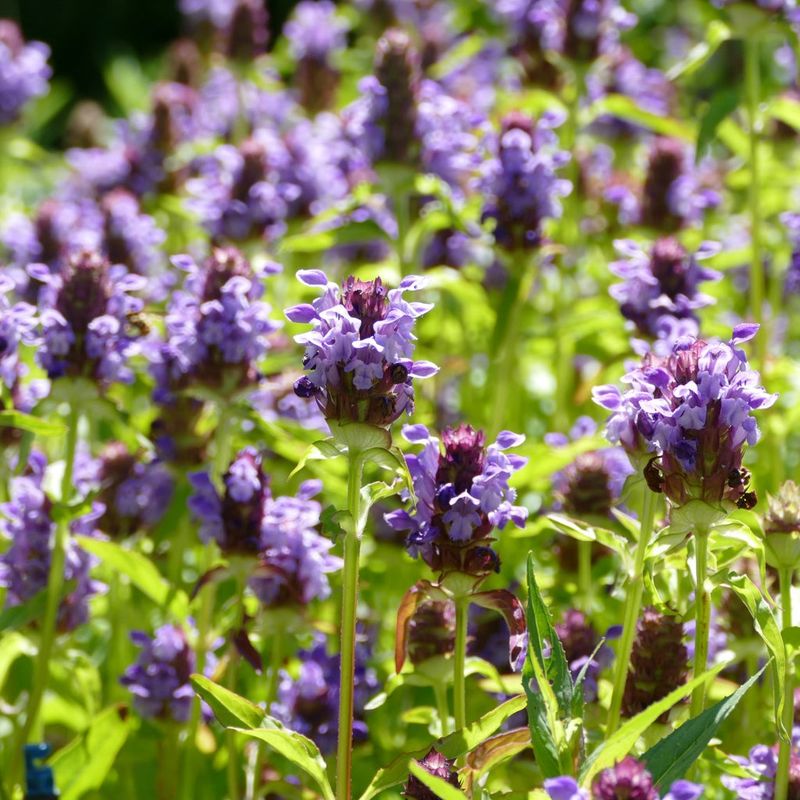
Self-heal is one of those tough, adaptable plants that fills awkward low gaps along a walkway without complaint.
It has been growing wild across North America for thousands of years, and its dense, low mat of foliage handles foot traffic edges, damp spots, and partial shade with equal ease. Few natives are this forgiving and this useful at the same time.
The purple-blue flower spikes are the real showstoppers, rising just six to twelve inches above the leaves from late spring through early fall.
Bumblebees are especially fond of the flowers, and you will often see them working the blooms on warm afternoons.
The long blooming season makes self-heal one of the most pollinator-friendly options on this list.
Native varieties of self-heal are found throughout Oregon in meadows, open woodlands, and along roadsides. The plant spreads by runners and by seed, filling gaps steadily without becoming aggressive.
It tolerates a wide range of soil conditions, from moist clay to average garden soil, and handles both sun and shade reasonably well.
For walkway gaps that get occasional foot traffic nearby, self-heal is especially practical because it bounces back quickly from light disturbance.
It stays low enough not to obstruct the path itself while providing a full, green look along the edges.
Pair it with streambank violet or yerba buena for a mixed native planting that blooms across multiple seasons and keeps your walkway looking cared-for all year long.