The Oregon Perennial Dividing Calendar That Gives You Free Plants Every Single Season
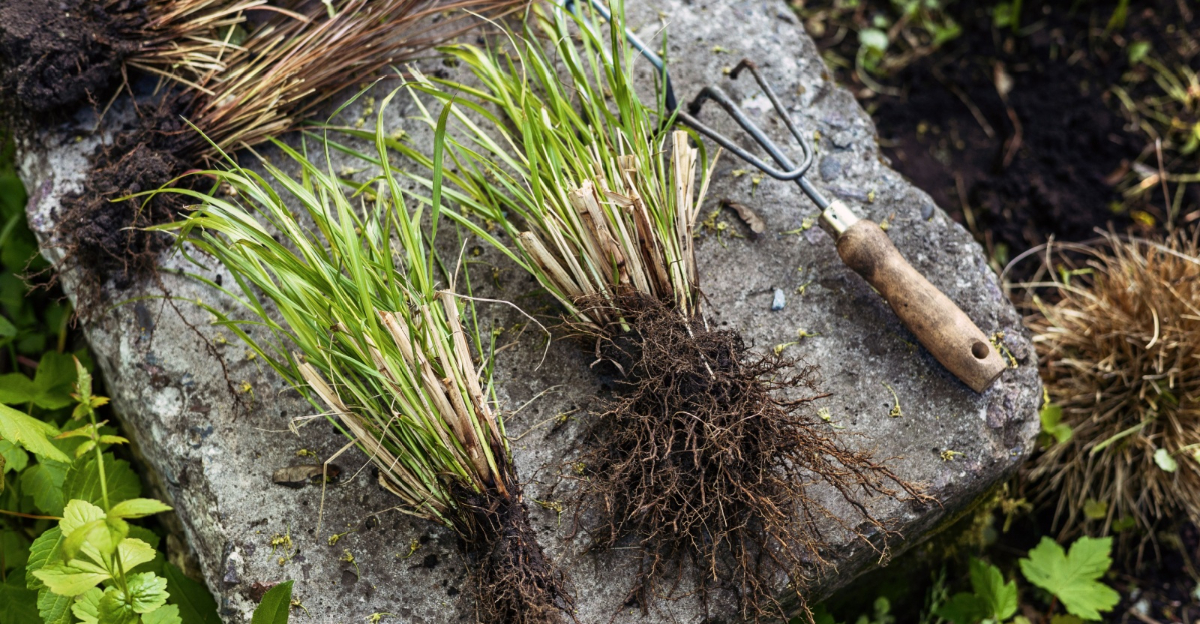
Free plants are one of gardening’s best kept secrets, and dividing perennials is basically the cheat code.
You take one crowded, overgrown clump, split it into pieces, and walk away with several healthy new plants that cost you nothing except a little effort and maybe some muddy knees.
Oregon is a genuinely great state for this particular skill because the climate offers real planting windows in both spring and fall that give divisions a solid chance to establish before conditions get tough.
That said, timing matters more than most people realize.
Tossing the phrase “divide anytime” around does nobody any favors, because splitting a perennial mid-bloom or during a dry Oregon summer is a recipe for a very unhappy plant.
Get the timing right though and this is one of the most satisfying things you can do in the garden.
1. Spring Is Best For Summer And Fall Bloomers
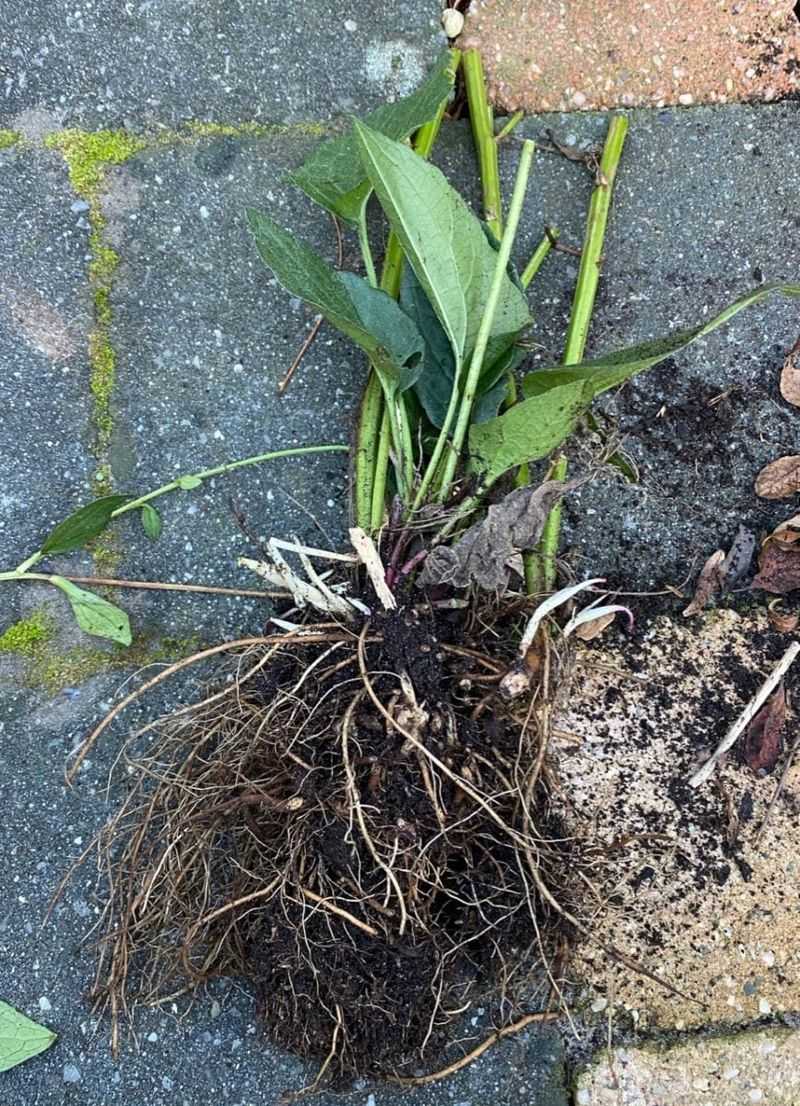
Pulling back the mulch in early spring and spotting fresh new growth pushing through the soil is one of the clearest signs that dividing season has arrived for summer and fall bloomers.
Plants like coneflowers, black-eyed Susans, rudbeckia, and asters put most of their energy toward flowering later in the season, which means spring gives you a clean window to lift and separate them before that energy is fully committed.
In Oregon, spring can arrive gradually, with cool soil and frequent rain through March and April. That moisture actually works in your favor when dividing, because freshly separated roots have an easier time settling into damp ground than into dry, warm soil.
Waiting too long, once stems are tall and buds are forming, adds stress to the plant and slows recovery.
A good rule of thumb is to divide summer and fall bloomers when new growth is about two to four inches tall. At that stage, the plant is actively waking up but has not yet invested heavily in flowering.
Each division should include healthy roots and at least one or two visible growing points. Replant divisions promptly, water them in well, and Oregon’s typically cool spring weather will do much of the settling work for you.
2. Fall Works Well For Many Spring Bloomers
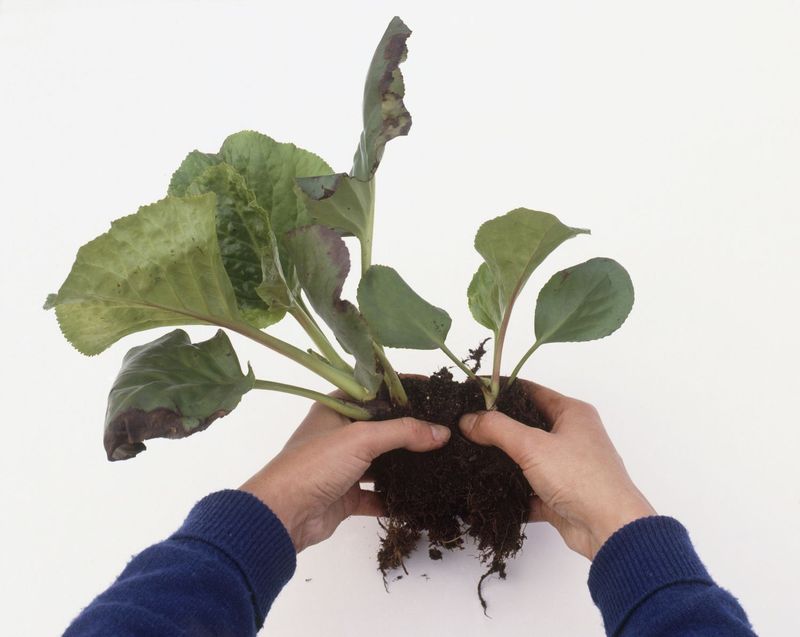
After a long Oregon summer, fall brings cooler air, returning moisture, and soil that is still warm enough to encourage root growth before winter sets in.
For spring bloomers like astilbe, creeping phlox, and bergenia, fall division can work quite well because these plants have already finished flowering and are beginning to slow down for the season.
Dividing in fall gives roots several weeks to establish before the ground cools significantly. Oregon’s mild fall weather, especially in the Willamette Valley, often stretches well into October, giving divisions a decent recovery window.
That said, timing matters. Dividing too late in the season, when soil temperatures have dropped sharply, leaves little time for roots to anchor before winter rains begin in earnest.
Aim for late August through early October for most spring bloomers in western Oregon.
Your Oregon Garden Changes Every Week. Your Plan Should Too.
Gardening in Oregon changes quickly throughout the season. Every Friday you’ll receive a simple weekly plan showing exactly what to plant, prune, fertilize, harvest, and protect so you never miss the right timing.
Coastal gardens may have a slightly longer window due to milder temperatures, while higher elevation gardens in the Cascades or eastern Oregon should lean toward earlier fall timing.
Water divisions regularly if fall weather turns dry, and consider a light layer of mulch to protect newly planted crowns from early frosts. Fall division rewards patience and gives spring bloomers a strong start heading into their next bloom season.
3. March Is A Good Time For Hostas And Daylilies
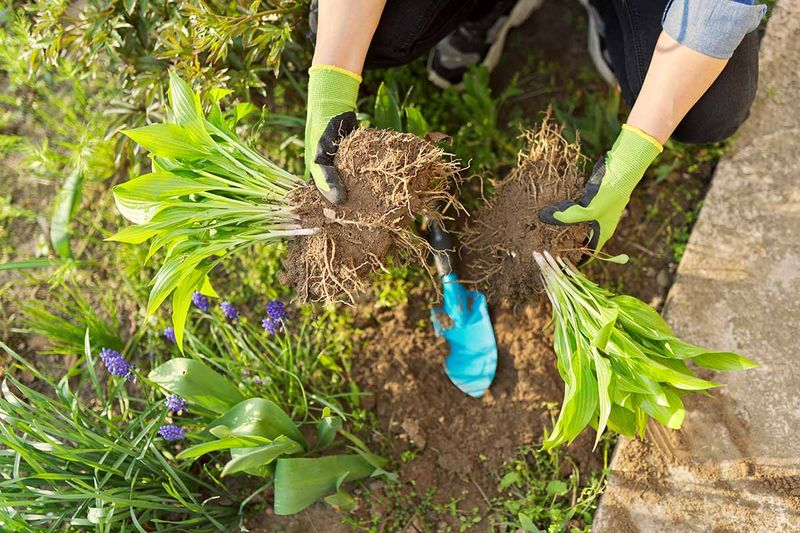
March in Oregon often brings that in-between feeling, still cool and rainy, but with unmistakable signs of new growth appearing in the garden.
Hostas and daylilies are two of the most commonly divided perennials in Oregon landscapes, and March is widely considered a useful window for both.
Hostas are especially easy to work with in early spring because their new shoots, called noses, emerge as tight, pointed spikes that are easy to see and count.
Dividing before the leaves unfurl fully reduces the risk of damaging the foliage and makes the clump easier to handle.
A mature hosta clump can be quite large and heavy, so having a sturdy garden fork and a second pair of hands can make the job easier.
Daylilies respond similarly well to March division in Oregon. The fan-shaped foliage is just beginning to emerge, making it simple to identify individual fans and separate them cleanly.
Each fan with attached roots can become a new plant. Daylily clumps can become very dense over several years, with crowded centers that produce fewer blooms.
Dividing refreshes the planting and often improves flowering the following season. Replant divisions at roughly the same depth they were growing, firm the soil around the roots, and water them in thoroughly after planting.
4. September Works Well For Peonies And Iris
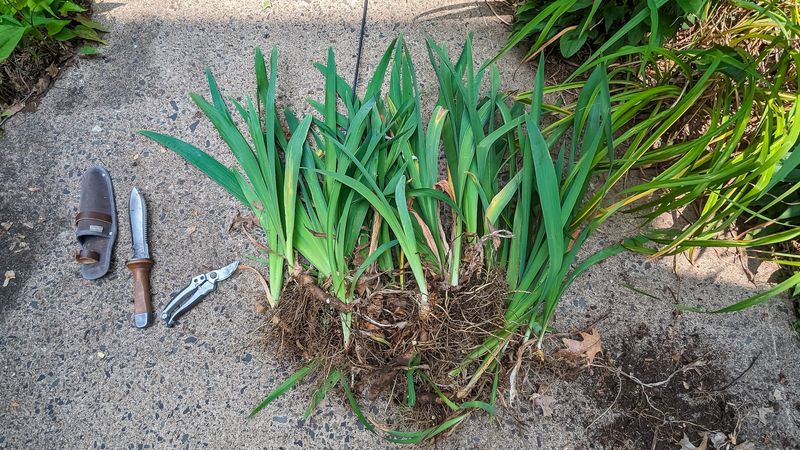
September carries a particular usefulness in the Oregon perennial garden, especially for two plants that gardeners often hesitate to touch: peonies and iris.
Both are long-lived perennials that do not need frequent division, but when they do need it, September is generally a reliable time to act.
Bearded iris is one of the most commonly divided perennials in Oregon landscapes. After a long summer, the rhizomes can become crowded and the centers of established clumps may stop producing blooms.
September division allows gardeners to lift the entire clump, select the healthiest outer rhizomes with good fans of foliage, and replant them at the correct shallow depth.
Iris rhizomes need to sit near the soil surface to receive enough warmth to bloom well the following spring.
Peonies are more sensitive to division and do not always respond enthusiastically to being moved. September is generally preferred because the plants have finished blooming and the foliage is beginning to fade and go dormant naturally.
Each division should include at least three to five healthy eyes, which are the reddish buds visible on the root mass. Planting depth matters considerably with peonies.
Setting the eyes too deep is one of the most common reasons peonies fail to bloom after being divided or transplanted.
5. Do Not Divide Perennials While They Bloom
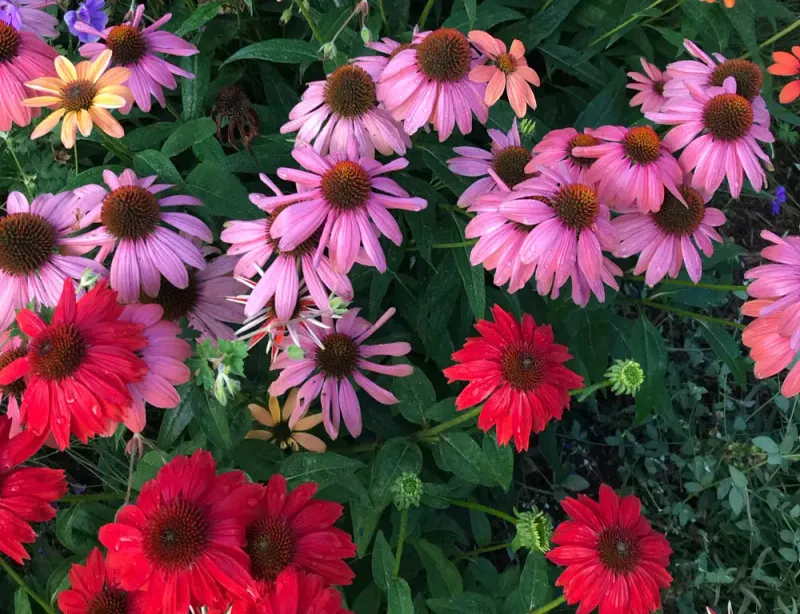
Watching a perennial reach full bloom is one of the most satisfying moments in any Oregon garden, but it is also one of the worst times to divide it.
When a plant is actively flowering, it is directing a significant amount of its energy toward producing blooms, setting seed, and completing its reproductive cycle.
Adding the physical stress of being dug up and split apart during that period can set the plant back considerably.
Plants that are divided while blooming may drop their flowers quickly, show wilting that takes longer than usual to resolve, or produce noticeably weaker growth afterward.
In some cases, a stressed division may skip blooming entirely the following season as the plant focuses on rebuilding its root system rather than flowering.
The practical advice here is straightforward: observe your plants and note when they bloom, then plan division for before or after that window. For most Oregon perennials, this means spring or fall timing depending on the plant’s bloom season.
If a clump looks crowded or is clearly outgrowing its space during midsummer, resist the urge to divide immediately. Mark it with a small stake or garden tag as a reminder, then come back when conditions and timing are more favorable for a smooth recovery.
6. Crowded Clumps Tell You When To Start
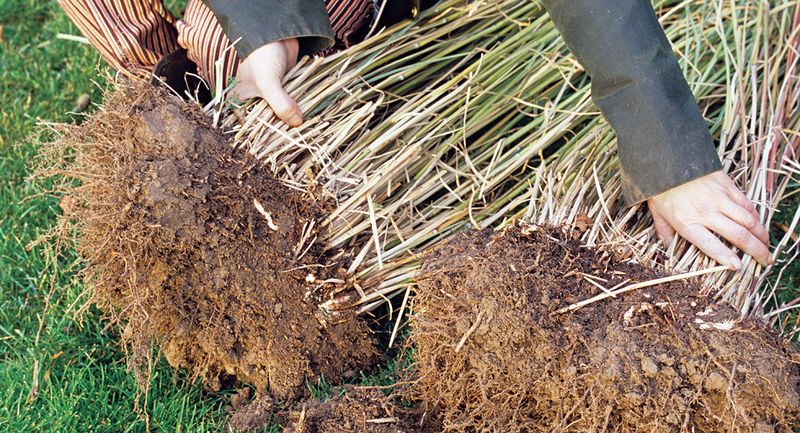
Sometimes the garden itself gives you the clearest signal that it is time to divide.
A perennial clump that was once full and floriferous but now shows a hollow or thinning center, fewer blooms than in past years, or stems crowding into neighboring plants is often telling you that division would help.
Many perennials spread outward as they mature, with the most vigorous growth happening at the outer edges of the clump while the center gradually loses energy.
Rudbeckia, yarrow, coneflowers, and ornamental grasses commonly show this pattern in Oregon gardens.
When the center thins out noticeably, dividing the clump and replanting the healthy outer sections can restore the planting to its earlier vigor.
Not every crowded plant needs immediate attention. If a perennial is still blooming well, looks healthy overall, and fits comfortably in its space, there is no urgency to divide it on a set schedule.
Healthy perennials do not require division simply because a certain number of years have passed. The plant’s appearance and performance are better guides than any calendar.
Watch for reduced blooming, visible crowding, or clumps pushing into paths or other plants, and use those observations to decide when the time is right rather than dividing out of habit alone.
7. Each Division Needs Healthy Growing Points
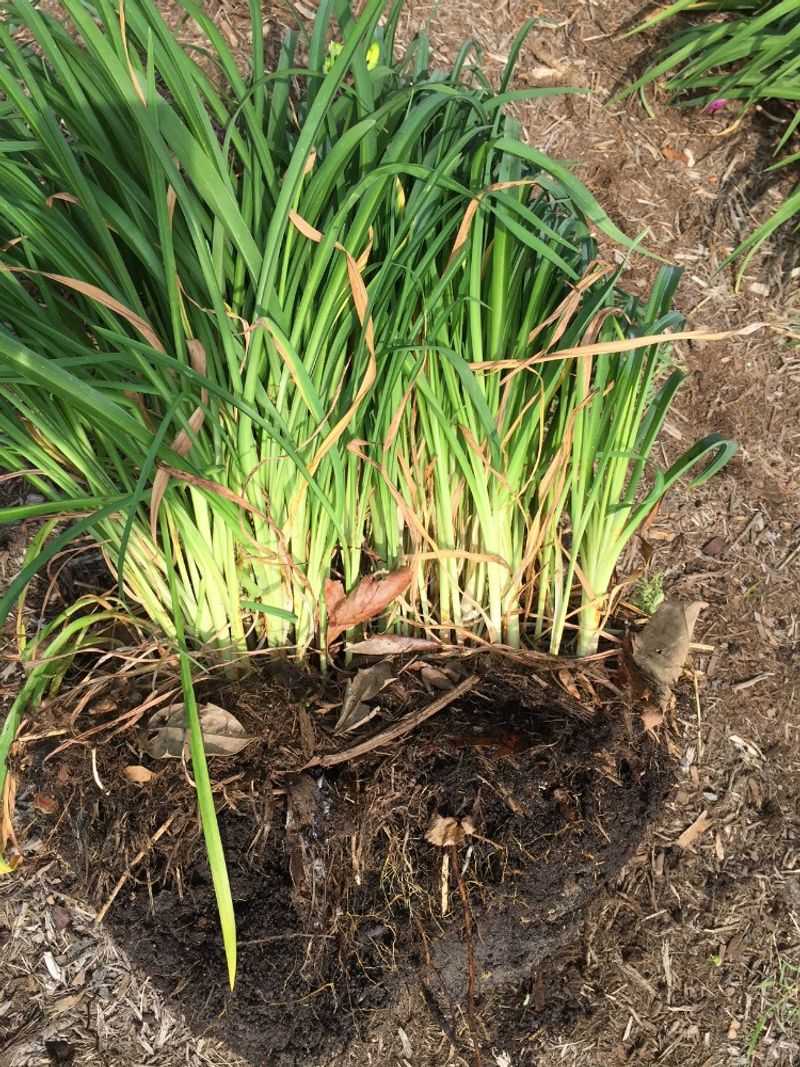
Getting a clean division is about more than just breaking a clump into pieces. Every section you replant needs to have at least one healthy growing point, whether that is a bud, a crown, a shoot, an eye, or a rhizome with visible foliage attached.
Without a growing point, a division has no way to regenerate and will not establish as a new plant.
For hostas, growing points appear as firm, pointed noses near the crown. For daylilies, each fan of foliage attached to a set of roots counts as a viable division.
Iris divisions should include a healthy section of rhizome with at least one fan of leaves. Peonies need divisions with a minimum of three to five eyes to have a reasonable chance of blooming within a season or two after replanting.
The size of the original clump influences how many usable divisions you can expect. A large, well-established clump that has been growing undisturbed for several years may produce quite a few healthy sections.
A smaller or younger clump may only yield two or three good divisions. Prioritize quality over quantity.
A smaller division with strong roots and a healthy growing point will outperform a larger piece that lacks viable buds or has damaged roots from rough handling during the process.
8. Some Plants Give More Free Starts Than Others
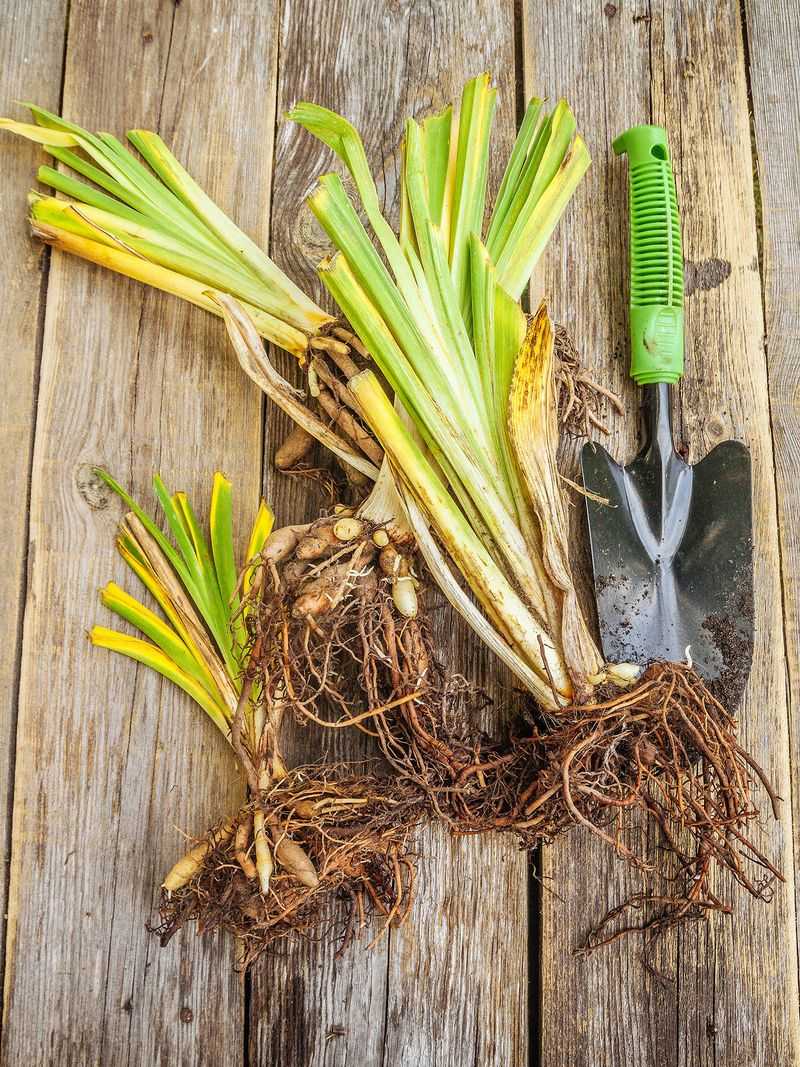
One of the most appealing parts of dividing perennials is the prospect of getting more plants without spending any money.
However, the number of usable starts you get depends heavily on the plant species, the size of the clump, and how long it has been growing undisturbed in the same spot.
Daylilies are among the most generous plants in this regard. A large, established clump can yield dozens of individual fans, each capable of becoming a new plant.
Hostas are similarly productive once they reach a good size, though they tend to grow more slowly than daylilies and may take a few extra years to build a clump worth dividing.
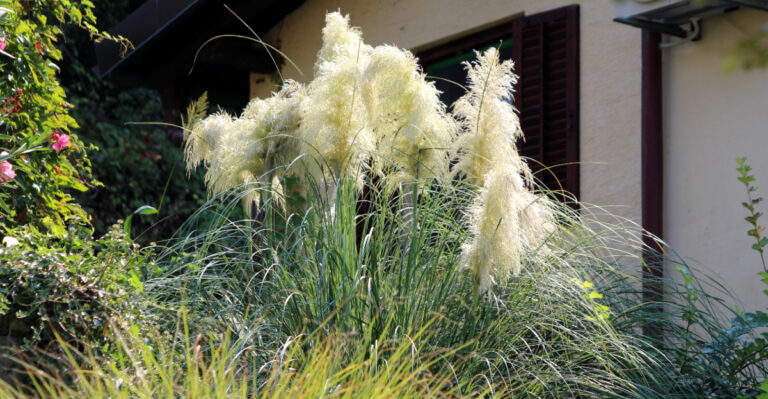
Ornamental grasses can also yield several divisions from a mature clump, though they can be physically demanding to dig and separate.
On the other end of the spectrum, peonies and hellebores are slower to establish after division and tend to produce fewer usable sections from a single clump. These plants also take longer to return to full blooming form after being moved.
Managing expectations helps avoid disappointment.
A healthy daylily bed in an Oregon garden can genuinely supply enough divisions to fill a new border, while a single peony may yield just two or three sections that take a full season or two to settle before flowering again.
9. Cool Moist Weather Helps New Divisions Settle
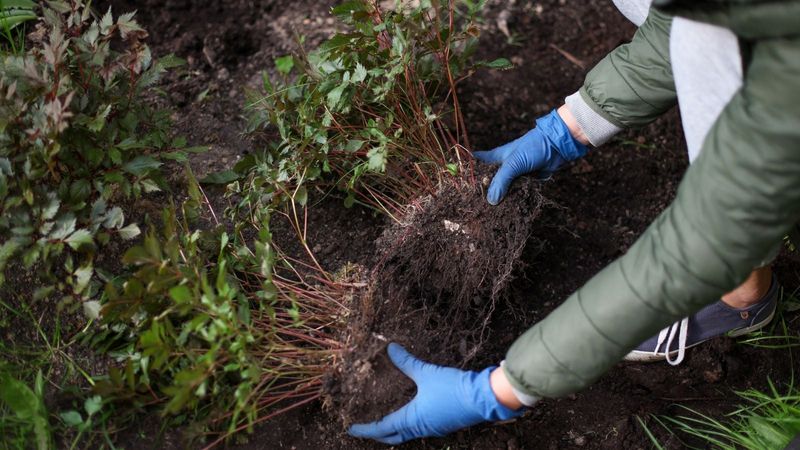
Oregon’s climate has a particular advantage when it comes to establishing divided perennials, and that advantage is cool, moist weather.
Unlike gardeners in hotter, drier climates who must work hard to keep new divisions hydrated, Oregon gardeners dividing in spring or fall often get help from the weather itself.
Cool soil temperatures reduce the water demand on newly planted divisions, giving roots time to anchor before the plant is under any significant stress.
Overcast skies lower the rate at which foliage loses moisture, which is especially helpful for divisions that were lifted and separated with some root disturbance.
A light rain after replanting is genuinely useful, settling the soil around the roots and reducing air pockets that can cause roots to dry out.
Summer division, by contrast, is generally harder on perennials in Oregon because of the warm, dry conditions that typically settle in from July onward.
Divisions planted in midsummer need much more consistent watering and may struggle to establish before fall.
If you find yourself needing to divide a plant during summer for space reasons, try to do it on a cool, overcast day rather than during a warm stretch, shade the new divisions lightly for the first week, and water more frequently than you would for a spring or fall planting.
10. Regional Oregon Timing Can Shift The Calendar
Oregon is not a single climate, and anyone who has driven from the coast to Bend in a single afternoon knows just how dramatically conditions can change within the state.
That variability matters when planning perennial division, because the timing that works well in the Willamette Valley may not translate directly to gardens in Central Oregon, along the coast, or at higher elevations in the Cascades.
Western Oregon gardens, particularly in the Willamette Valley and surrounding areas, tend to follow the general spring and fall division windows fairly closely.
Coastal gardens often enjoy milder temperatures year-round, which can extend the fall window and make early spring division slightly easier.
However, coastal soil can stay quite wet for extended periods, so waiting for soil to drain a bit before digging helps avoid compacting wet ground or damaging waterlogged roots.
Central Oregon and higher elevation gardens face a shorter growing season and harder winters, which means fall division should wrap up earlier than in the valley, often by mid-September rather than October.
Spring division in these areas may need to wait until soil has fully thawed and dried enough to work without compacting.
Gardeners in any Oregon region benefit from watching their own soil and weather rather than following a fixed date, because local conditions are ultimately the most reliable guide available.