What Warm Overnight Temperatures Are Doing To Tennessee Gardens
Tennessee nights aren’t cooling down the way they used to. Thermometers that once dropped comfortably after sunset now stay noticeably warmer, and plants notice long before gardeners do.
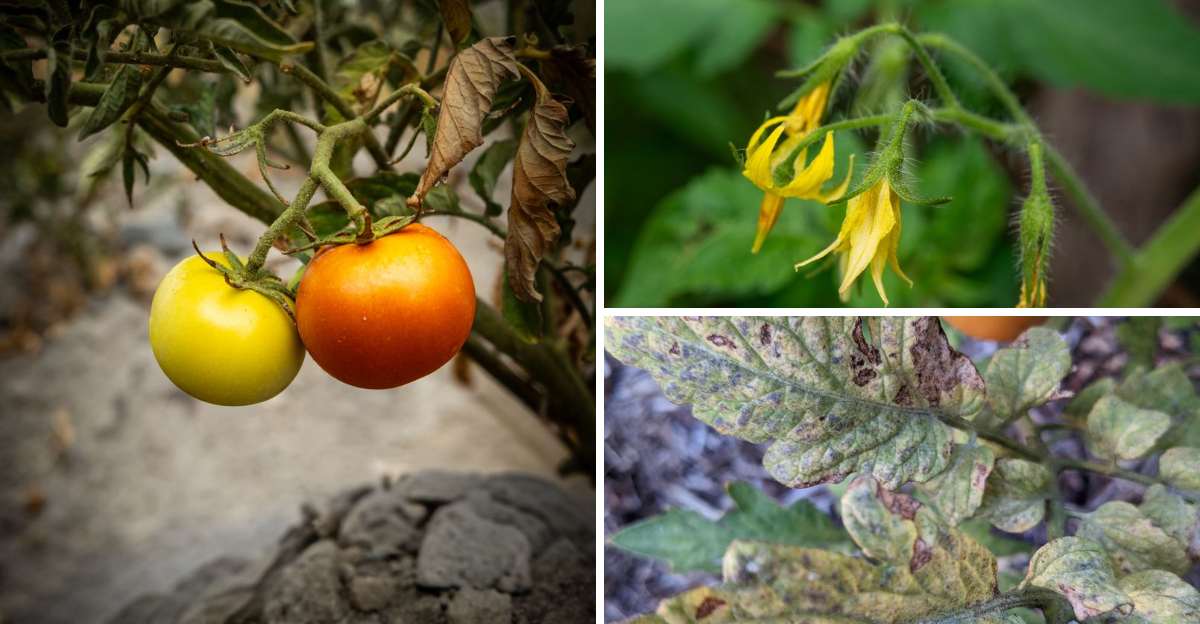
Tomatoes stop setting fruit when nighttime temperatures climb too high. Squash blossoms drop early, and pollen becomes less viable right when pollinators are most active.
Warm nights force plants to burn through energy reserves instead of resting. That constant respiration drains resources meant for growth, flowering, and fruit production.
Most gardeners blame poor soil or pests when yields drop, missing the real culprit hiding in overnight weather data. Recognizing this pattern changes how you plan planting dates, variety selection, and watering schedules for the rest of the season.
Tennessee’s climate is shifting in ways that reward gardeners who pay attention to what happens after dark, not just what happens under the sun.
Plants Burn Through Their Daytime Sugar Reserves All Night
Most people think plants rest at night. That belief is one of the most common gardening myths out there.
During daylight hours, plants work hard converting sunlight into sugars through photosynthesis. Those sugars are stored as energy meant to fuel growth, root development, and reproduction.
When nights stay warm, plants keep their metabolic engines running at high speed. They burn through those sugar reserves just trying to manage the heat.
Think of it like leaving your car idling in the driveway all night. By morning, the tank is lower than it should be.
Warm overnight temperatures are doing to Tennessee gardens what a sleepless night does to a person. The plant shows up to the next day already behind.
Plant respiration rates are known to increase significantly once nighttime temperatures climb above 70 degrees Fahrenheit.
The result is a plant that looks fine on the outside but is quietly running low on internal resources. Gardeners often mistake this for a watering problem or a nutrient deficiency.
Checking your overnight low temperatures regularly is a smart first step. A simple outdoor thermometer near your garden beds tells the real story.
Plants need that nighttime cool-down like athletes need sleep after a hard workout. Without recovery time, performance drops fast.
Less Energy Remains For Growth And Fruit Development
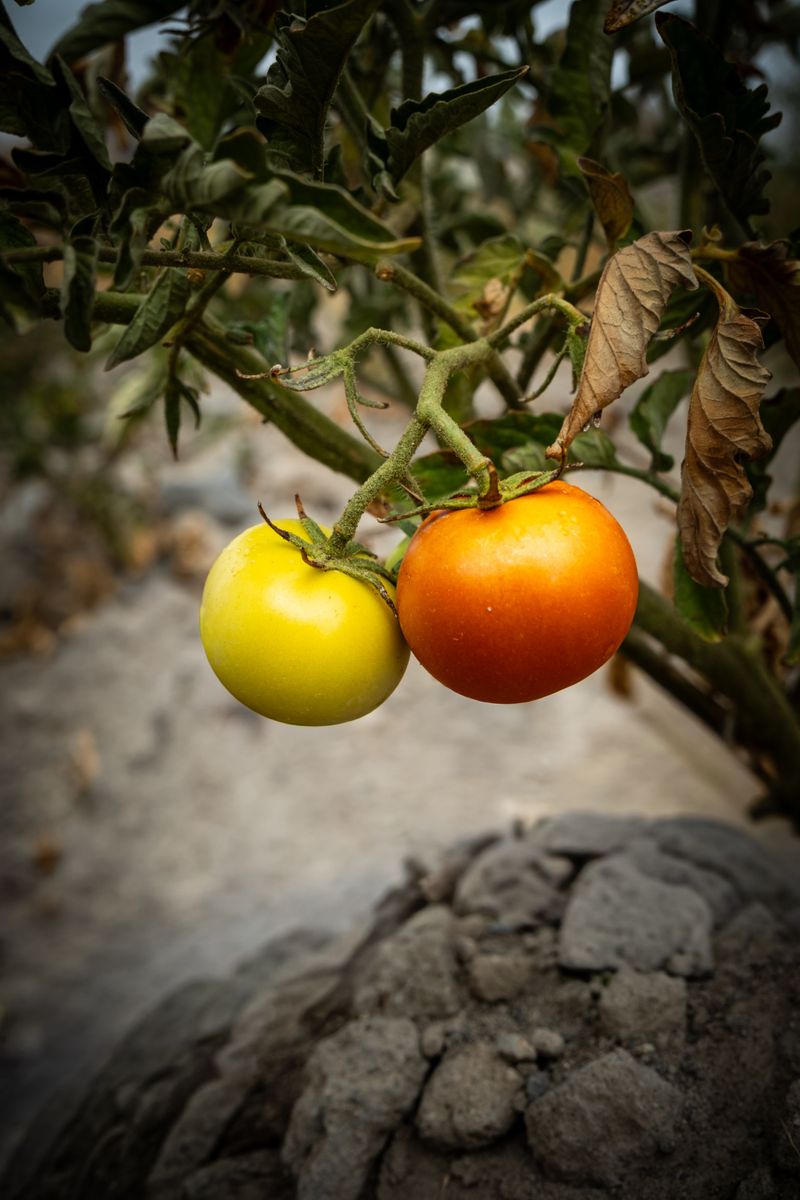
Picture your tomato plant as a small business with a limited budget. Every sugar calorie it earns during the day needs to be spent wisely.
When warm nights drain that budget on basic survival, there is nothing left for expansion. Fruit development, new leaf growth, and root expansion all get cut from the spending plan.
Gardeners across Middle and East Tennessee have noticed this pattern for several seasons now. Plants look healthy enough, but production just does not match expectations.
The science behind it is straightforward. Plants prioritize staying alive over reproducing, so fruit set and seed development take a back seat when energy runs low.
Warm overnight temperatures are doing to Tennessee gardens something similar to chronic stress in humans. The body keeps functioning, but thriving becomes impossible.
Your Tennessee Garden Changes Every Week. Your Plan Should Too.
Gardening in Tennessee changes quickly throughout the season. Every Friday you’ll receive a simple weekly plan showing exactly what to plant, prune, fertilize, harvest, and protect so you never miss the right timing.
Squash, peppers, and beans are particularly vulnerable during extended warm nights. These crops demand significant energy for pod and fruit fill, energy that simply is not available.
You might notice fruits that start forming but stop growing at a small size. That is a classic sign of energy shortage, not disease or pest damage.
Feeding plants with a balanced fertilizer helps replace some lost resources. Compost tea applied in the early morning gives a gentle, accessible nutrient boost.
Giving plants extra support during heat stretches pays off later. A well-fed plant handles warm nights better than one running on empty from the start.
Fruit Set Slows Down Even When Days Stay Manageable
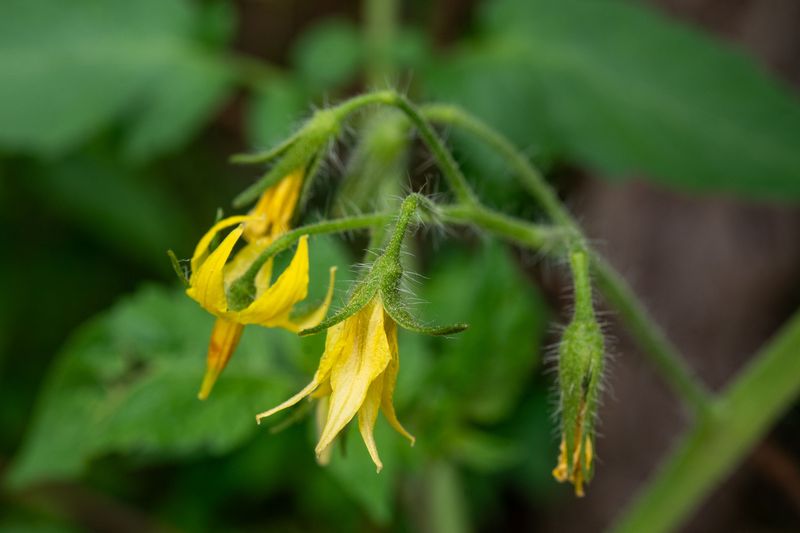
Blossom drop is one of the most frustrating sights in a summer garden. Flowers appear, then fall off before setting fruit, leaving gardeners puzzled.
Most assume daytime heat is the villain, and sometimes it is. But warm overnight temperatures play an equally sneaky role in poor fruit set.
Tomatoes, for example, need nighttime temperatures between 55 and 75 degrees Fahrenheit to pollinate successfully. When nights push above that range, pollen becomes sticky and unviable.
That means even if your days are a comfortable 85 degrees, those warm nights above 75 are quietly shutting down reproduction. The plant blooms but cannot follow through.
Peppers behave similarly, dropping flowers when nights refuse to cool below comfortable thresholds. Eggplant and beans face the same challenge across Tennessee gardens every July and August.
Warm overnight temperatures are doing to Tennessee gardens what a bad signal does to a phone call. The connection just does not complete.
Planting heat-tolerant varieties helps significantly. Look for tomato cultivars labeled as heat-set, such as Solar Fire or Heatmaster, along with cherry tomato varieties, which generally set fruit more reliably in heat.
Shade cloth used strategically during the hottest weeks can lower both daytime and nighttime temperatures around plants. Even a two-degree drop overnight can make a real difference in fruit set.
Timing your garden season earlier in spring also helps you harvest before the worst heat arrives. Getting ahead of summer is often the smartest move a Tennessee gardener can make.
Trapped Humidity Gives Fungal Diseases An Opening
Warm nights and high humidity are best friends, and together they throw a party that no gardener wants to attend. Fungal spores thrive in exactly those conditions.
When temperatures stay elevated after sunset, moisture that would normally evaporate lingers on leaf surfaces. That wet film is an open invitation for powdery mildew, early blight, and downy mildew.
Tennessee summers already bring plenty of humidity on their own. Add warm nights that don’t let things dry out, and fungal pressure becomes relentless from June through September.
Powdery mildew spreads fastest when nights are warm and slightly humid but not soaking wet. That describes a typical Tennessee July night almost perfectly.
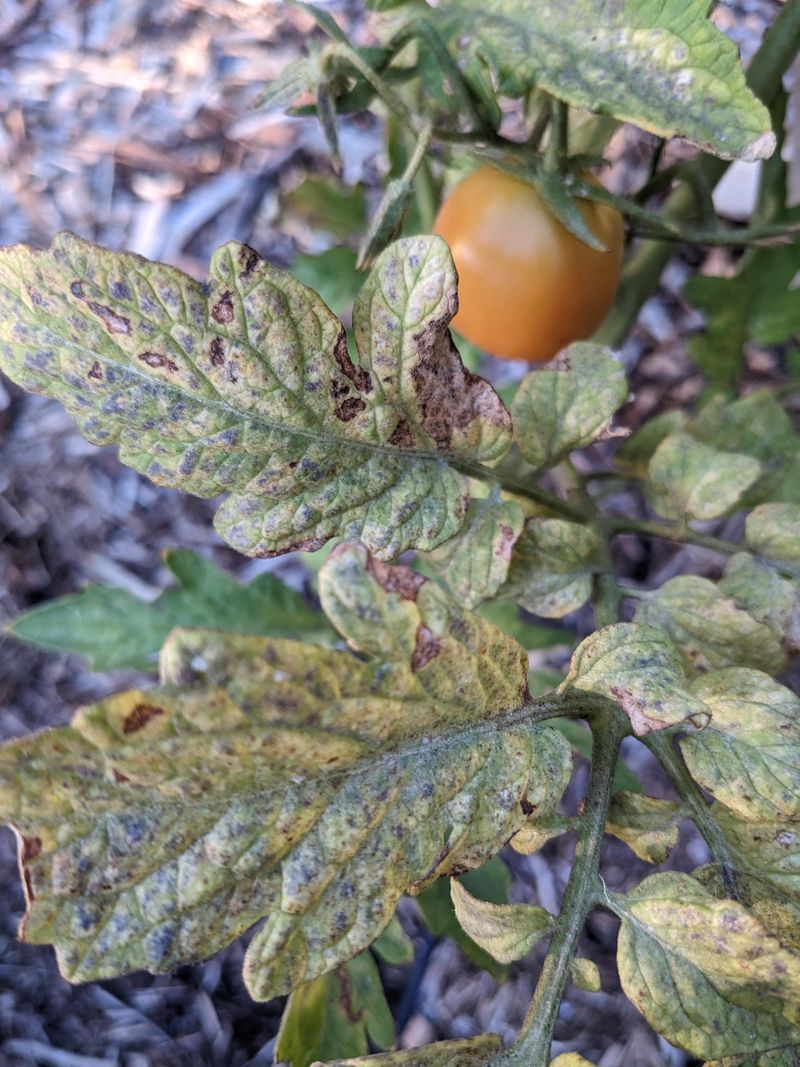
Early blight on tomatoes often explodes during warm, muggy stretches. Gardeners see lower leaves yellowing and spotting, then the damage climbs the plant rapidly.
Warm overnight temperatures are doing to Tennessee gardens a favor for fungi and a disservice for crops. The balance tips toward disease when nights refuse to cool.
Improving airflow around plants is one of the best defenses available. Pruning lower leaves, staking sprawling plants, and spacing rows generously all help moisture escape faster.
Applying copper-based fungicide early in the season, before symptoms appear, creates a protective barrier. Consistent application every seven to ten days keeps pressure manageable.
Morning watering rather than evening irrigation also reduces overnight leaf wetness. Small timing changes in your routine can dramatically cut fungal disease rates all season long.
Stems Stretch And Weaken Under Constant Warmth
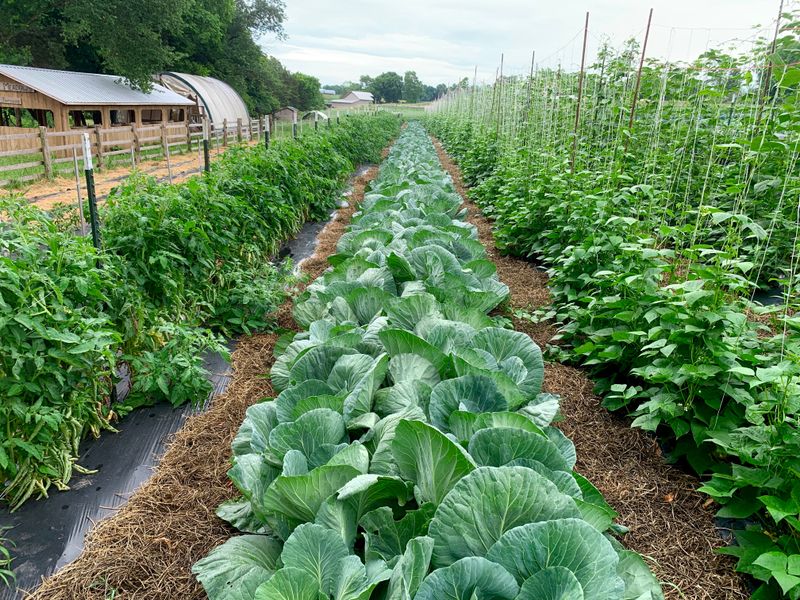
Leggy plants are a telltale sign that something is off, and warm nights are often the culprit behind that stretched, floppy growth. Plants respond to constant warmth by reaching rather than rooting.
Normally, cooler nights trigger a slowdown in cell elongation. That natural pause keeps stems compact, sturdy, and able to support heavy fruit loads.
When nights stay warm, that pause rarely comes. Cells keep dividing and stretching around the clock, producing tall, weak stems that cannot hold themselves upright.
Basil is a dramatic example of this. A plant that should stay bushy and low becomes tall and spindly during extended warm nights, losing both flavor concentration and structural strength.
Pepper plants suffer too, growing tall and thin instead of branching outward. Those weak stems snap easily in summer storms, which Tennessee gets plenty of.
Warm overnight temperatures are doing to Tennessee gardens what skipping leg day does to an athlete. Everything looks tall, but the foundation is soft.
Staking and caging plants early in the season prevents storm damage before it happens. Use sturdy tomato cages and bamboo stakes for any plant showing signs of stretch.
Pinching back the growing tips of basil and herbs encourages lateral branching. That simple technique counteracts the legginess caused by warm nights and keeps plants productive longer.
Choosing compact or dwarf plant varieties also helps. Breeding programs have developed bushy cultivars specifically for warm-climate gardens, and they perform noticeably better through hot Tennessee summers.
A Few Adjustments Help Gardens Cope With The Heat
Knowing the problem is only half the battle. Warm overnight temperatures do not have to mean a failed garden season.
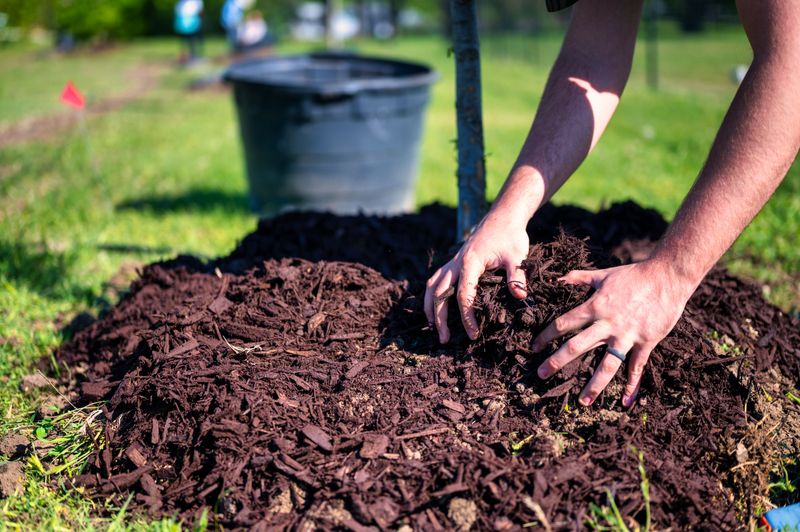
Mulching heavily around plant bases is one of the most effective tools available. A three to four inch layer of straw or wood chips keeps soil cooler and retains moisture through hot nights.
Shade cloth rated at 30 to 40 percent coverage lowers both daytime and nighttime temperatures around sensitive crops. Installing it over raised beds or hoops makes a measurable difference in plant performance.
Choosing the right planting timing matters enormously in a warming climate. Getting warm-season crops in the ground early, by late March or early April, lets plants mature before the worst heat settles in.
Watering deeply and infrequently trains roots to go deeper into cooler soil layers. Shallow watering encourages roots to stay near the surface where heat stress hits hardest.
Adding compost generously each season improves soil biology and water retention. Healthy soil biology supports plant resilience in ways that fertilizer alone cannot replicate.
Selecting heat-tolerant plant varieties is perhaps the single biggest upgrade a gardener can make. Seed companies now offer options specifically bred for warm overnight temperatures and Southern summers.
What warm overnight temperatures are doing to Tennessee gardens is real, but it is manageable with the right strategies. Small consistent adjustments build a garden that holds up even when the nights refuse to cool down.