Never Ignore This White Dust Spreading Across Your Pennsylvania Garden Beds
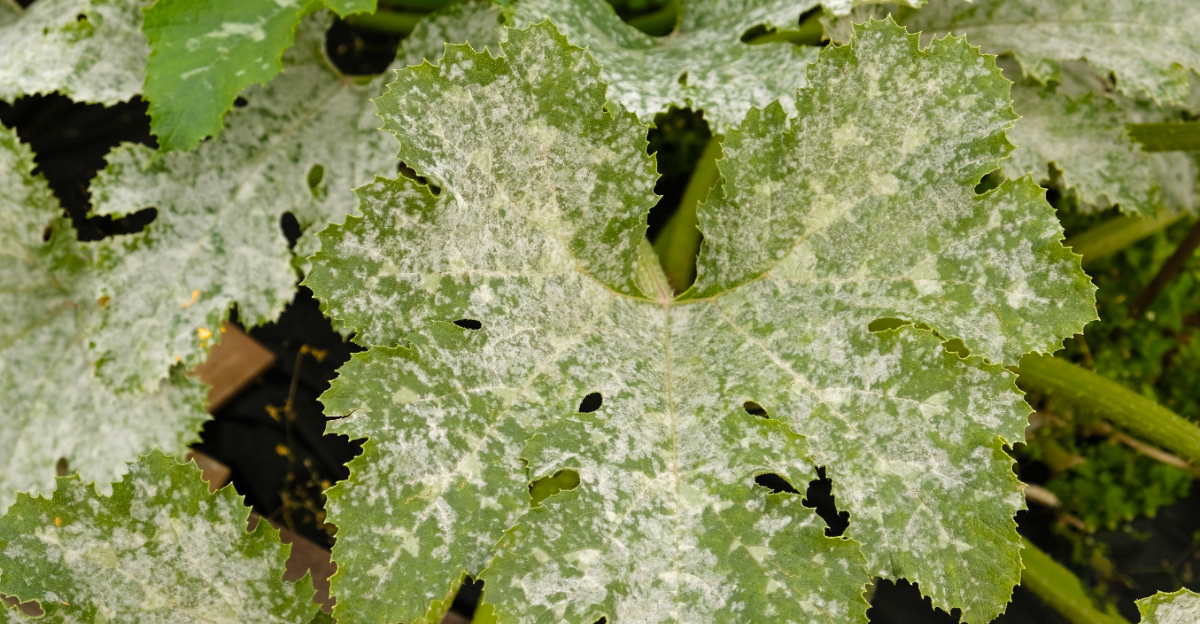
That chalky film across your leaves did not appear by accident. One morning your squash or roses look fine, and the next they look like someone dusted them with flour overnight.
This kind of spread does not stop on its own once it takes hold. It creeps from leaf to leaf, stem to stem, and often reaches buds and fruit before a gardener notices the pattern.
Pennsylvania’s warm days and humid nights create exactly the conditions this problem needs to thrive.
A few pale spots today can swallow an entire plant within days. Your squash stops setting fruit, your roses stop blooming, and the dust just keeps crawling toward the next healthy leaf in line.
1. A Coating That Signals Something Living Underneath
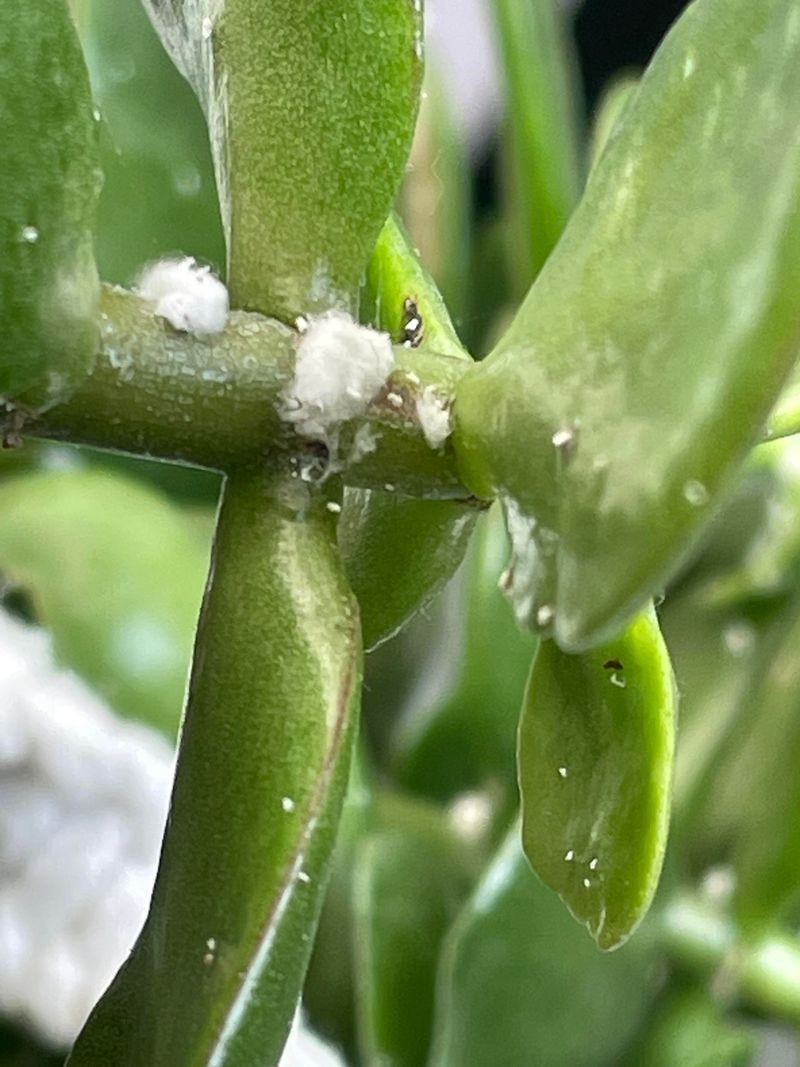
That white coating looks like dust, but something alive is behind it. Powdery mildew is a fungal growth, and it spreads fast once it settles in.
The coating you see is actually made of fungal threads called mycelium. These threads grow right on the surface of leaves, stealing nutrients from the plant beneath.
Unlike most fungi, powdery mildew does not need wet soil to grow. It thrives in dry conditions with high humidity in the surrounding air.
That combination is exactly what Pennsylvania summers deliver. Warm afternoons, shady garden corners, and humid air create a perfect launch pad for this fungus.
The coating usually starts on the upper side of leaves first. You might notice a small circular patch before it spreads into a full dusty layer.
As the fungus expands, leaves begin to curl, yellow, and weaken. The plant loses its ability to absorb sunlight properly through the coated surface.
Spotting this early gives you a real advantage. A small white patch today can cover an entire plant within days if left alone.
Do not brush the coating off and assume the problem is solved. That fungus needs to be treated at the source, not just cleaned off the surface.
Treating the plant the right way matters more than scrubbing. The goal is to stop the fungus from reproducing, not just to clean the surface visually.
2. Warm Days And Shady Corners Set The Stage
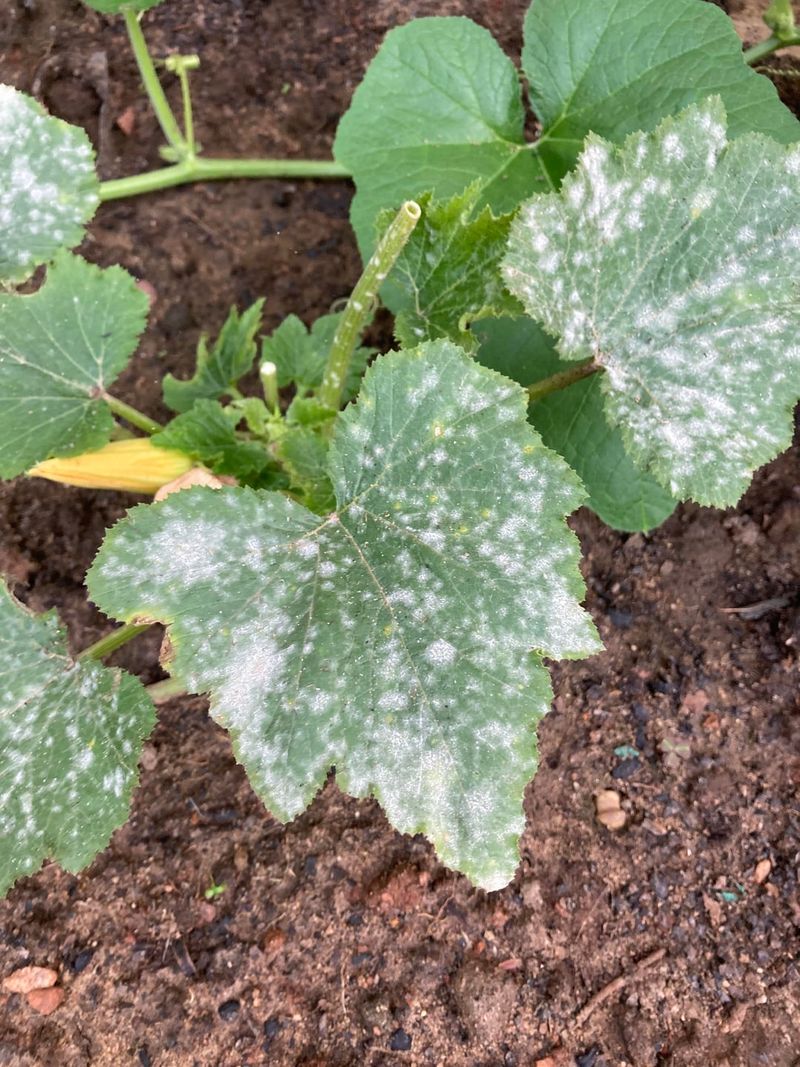
Powdery mildew loves a specific kind of weather, and Pennsylvania hands it over generously. Warm days between 60 and 80 degrees Fahrenheit are its sweet spot.
Add in shaded spots where air barely moves, and the fungus has everything it craves. Those cozy corners of your garden bed give spores exactly what they need to settle in.
Humidity plays a huge role too, but not in the way you might expect. High relative humidity in the air around leaves encourages spore germination, even without rain.
That is why you often see white dust spreading across your Pennsylvania garden beds during dry spells. The air holds moisture while the soil stays dry. Spores travel most easily during warm, humid stretches, not just after rain.
Shady areas stay damp longer into the morning, giving the fungus more time to settle in before conditions dry out. That is why shaded beds tend to show symptoms first.
Your Pennsylvania Garden Changes Every Week. Your Plan Should Too.
Gardening in Pennsylvania changes quickly throughout the season. Every Friday you’ll receive a simple weekly plan showing exactly what to plant, prune, fertilize, harvest, and protect so you never miss the right timing.
Overcrowded plantings trap that humid air right at the leaf level. Plants packed too close together create a microclimate that the fungus readily exploits.
Understanding the conditions helps you think like the fungus. If your garden has dense shade and warm temperatures, watch those beds closely all summer long.
Prevention starts with knowing when conditions are ripe. Catching the problem early in ideal fungal weather is far easier than treating a full-blown outbreak.
3. Powdery Mildew Has Been Outsmarting Gardeners For Generations
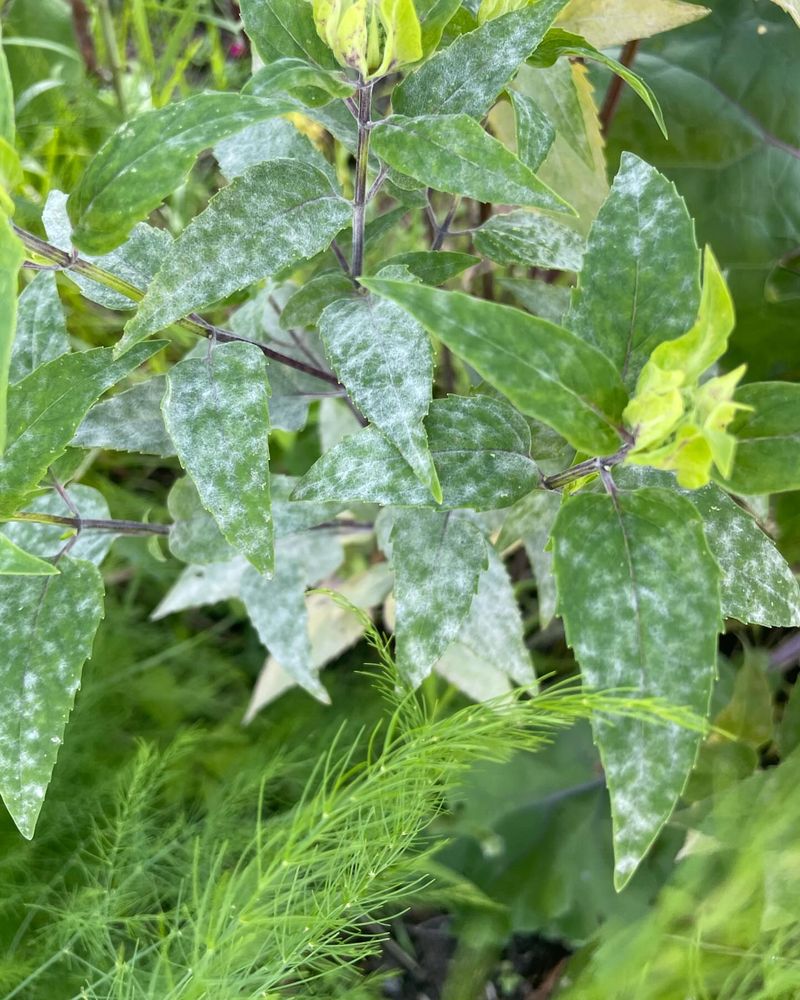
Gardeners have fought this exact fungus for centuries, and it still catches people off guard every summer. Erysiphales, the family it belongs to, includes dozens of species, each one loyal to a narrow set of host plants.
That loyalty explains why one plant in a bed can be covered while its neighbor stays untouched nearby. Squash might carry a heavy coating while the peppers growing right beside it show no symptoms at all.
The fungus survives only on living tissue, feeding directly on plant cells rather than breaking down debris like most other fungi. Once a season ends, the fungus does not simply vanish with the fallen leaves.
Its spread relies mainly on spores riding wind, insects, or splashed water from one leaf to the next. A single infected stem can seed an entire row within days once temperature and humidity line up in its favor.
Cool nights followed by warm days push spore production into overdrive, a pattern Pennsylvania hits often through spring and early summer. That timing is part of why the same gardens see this problem return season after season.
Old plant debris left over winter gives the fungus a place to wait out the cold months. Come spring, dormant spores hiding in that debris wake up and start the cycle again, often before anyone notices the first pale spot forming.
Understanding this pattern is the difference between chasing symptoms every July and getting ahead of them before the season even starts.
4. Certain Pennsylvania Garden Plants Face Higher Risk
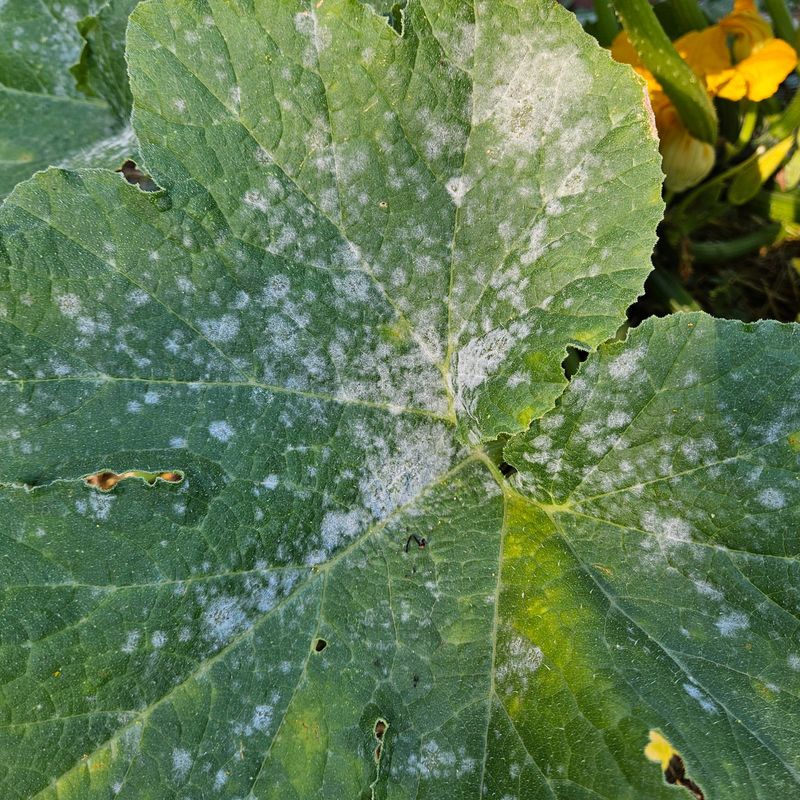
Not every plant in your garden is equally vulnerable to powdery mildew. Some plants attract this fungus far more than others every single season.
Squash and cucumbers are among the most commonly affected vegetables in Pennsylvania gardens. Their broad, slightly rough leaves give spores plenty of surface area to grip.
Roses are another frequent target, especially in gardens with dense plantings. Gardeners who grow hybrid tea roses often notice white patches by midsummer every year.
Garden phlox is a Pennsylvania favorite that suffers heavily from powdery mildew. The tall, flowering stems look stunning in bloom but become coated in white by late summer.
Bee balm, also called monarda, is similarly prone to infection. Many gardeners find bee balm frustrating because the white coating shows up so reliably.
Zucchini plants show signs of infection almost every season, though they often keep producing fruit even with a moderate infection.
Lilacs are a woody shrub that also attracts this fungus. Seeing white dust on their leaves is common and not always a sign of serious damage.
Knowing which plants are high-risk lets you monitor them more closely. Check the undersides of leaves on these plants every few days during warm, humid stretches.
Choosing resistant plant varieties is one of the smartest long-term strategies. Many seed catalogs now label mildew-resistant cultivars clearly for exactly this reason.
5. Spacing And Sunlight Reduce The Spread
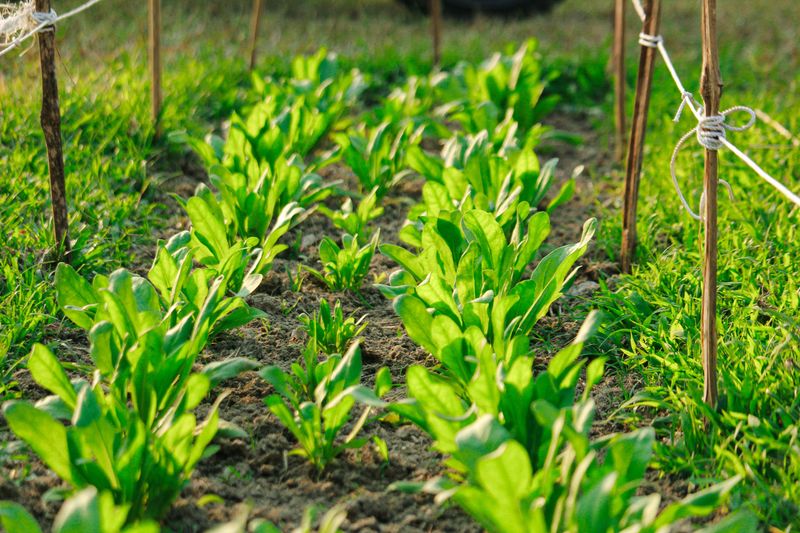
Good airflow is one of the most underrated tools in a gardener’s toolkit. Plants that breathe freely are far less likely to develop powdery mildew problems.
When plants grow too close together, moisture and heat get trapped between stems and leaves. That stagnant air is exactly where the fungus thrives and reproduces quickly.
Spacing plants according to their tag recommendations is not just about aesthetics. It is a practical defense against fungal spread throughout the entire growing season.
Sunlight also plays a protective role that many gardeners overlook. A few hours of direct sun each day can dramatically reduce the humidity that clings to leaf surfaces.
Morning sun is especially helpful because it dries off any overnight moisture quickly. Leaves that stay damp into midday are far more inviting to settling spores.
Pruning is another way to open up the canopy of dense plants. Removing a few inner stems from a rose bush or squash plant improves airflow significantly.
Thinning out overcrowded beds mid-season feels counterintuitive, but it works. A slightly less full garden that stays healthy is better than a packed bed covered in white dust.
Raised beds in sunny spots tend to have lower infection rates overall. The elevated position improves drainage and increases exposure to drying breezes throughout the day.
Repositioning plants next season based on where mildew appeared is a smart move. Your garden layout is always a work in progress, and sunlight placement matters more than most people realize.
6. Treatment Works Best At The First Sign
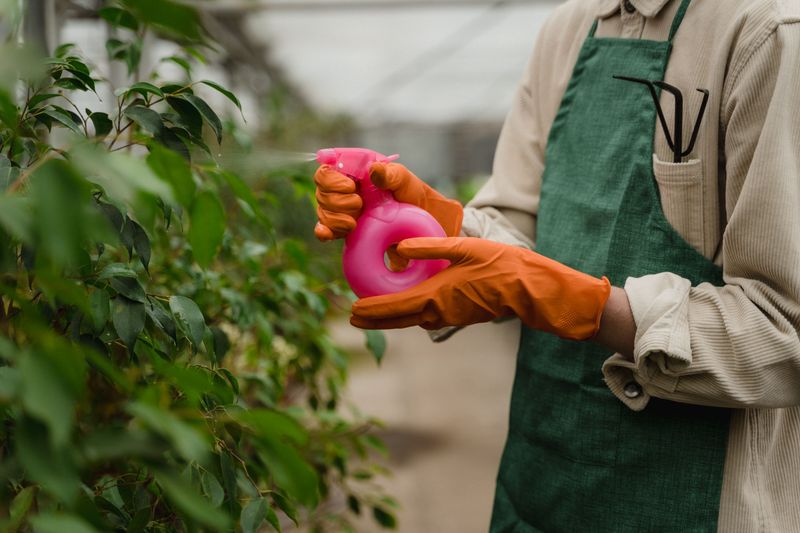
Catching powdery mildew early is the single biggest factor in successful treatment. A small white patch is much easier to control than a fully coated plant.
One of the most effective home remedies is a baking soda spray. Mix one tablespoon of baking soda with a gallon of water and a few drops of dish soap.
Spray the mixture directly on affected leaves, covering both the top and underside. Reapply every seven to ten days for the best results during active growing season.
Neem oil is another widely used option that disrupts the fungus at a cellular level. It is derived from a tree and is considered safe for most beneficial insects when used correctly.
Potassium bicarbonate sprays are often considered a stronger alternative to baking soda. Garden centers in Pennsylvania often carry it under several brand names.
Milk spray sounds unusual but has real science behind it. A mixture of roughly 10 percent milk and 90 percent water applied weekly has shown measurable results in some studies.
Whatever treatment you choose, consistency is what makes it work. Missing a week during peak fungal conditions can undo two weeks of careful treatment.
Remove heavily infected leaves before spraying to reduce the spore load. Bag those leaves and put them in the trash, not the compost pile.
Treating early and staying consistent is the most reliable way to protect your plants. The white dust spreading across your Pennsylvania garden beds does not have to win this season.