This Simple Trick Trains Utah Plants To Handle Drought Better
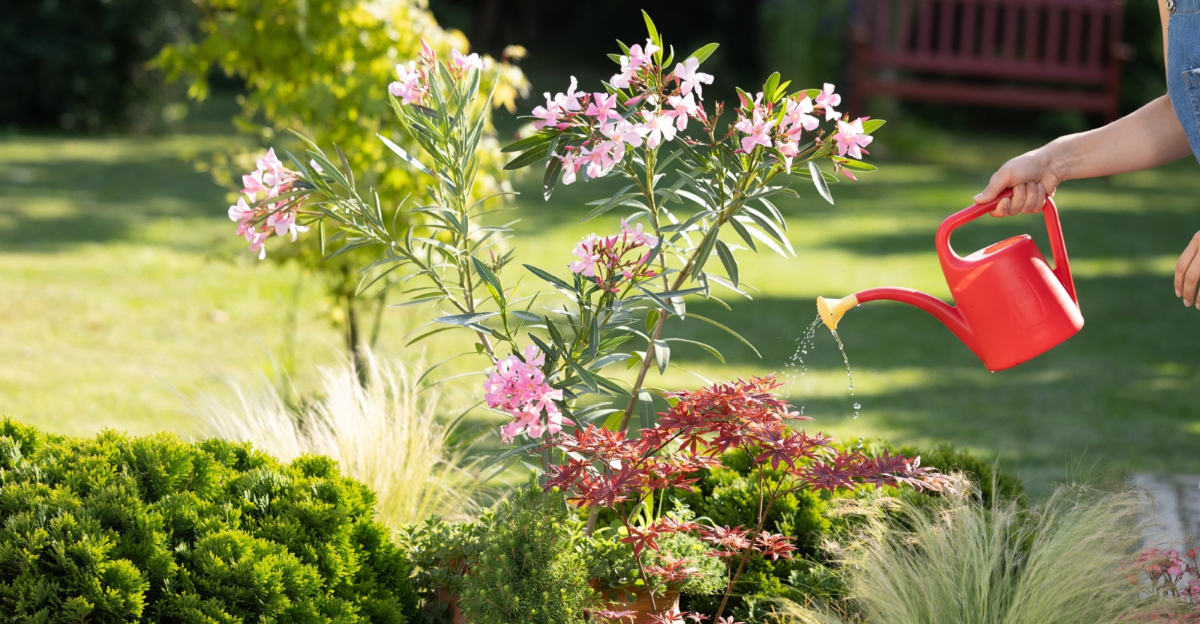
Every evening you grab that hose without asking why. Comfort feels good, but it hides your uncomfortable truth. Utah soil rewards patience, not the frequency you give it.
Shallow roots form when you water too often, too gently. Those roots stay relaxed until summer heat tests your plants. Relaxed roots struggle once your ground dries out fast.
Plants you’ve trained this way falter under real pressure. Real stress arrives fast once Utah heat tests you. Deeper roots exist, but only if you allow them.
Training them means breaking a habit you trust. Confidence in your routine might be costing you resilience. Everything changes once you understand how roots actually respond.
Small adjustments push your growth downward instead of sideways. Nothing about this process happens without you noticing eventually.
This shift in your watering habits changes everything you know. You cannot unknow what your plants have been trying to tell you.
Deep Infrequent Watering Builds Real Drought Tolerance
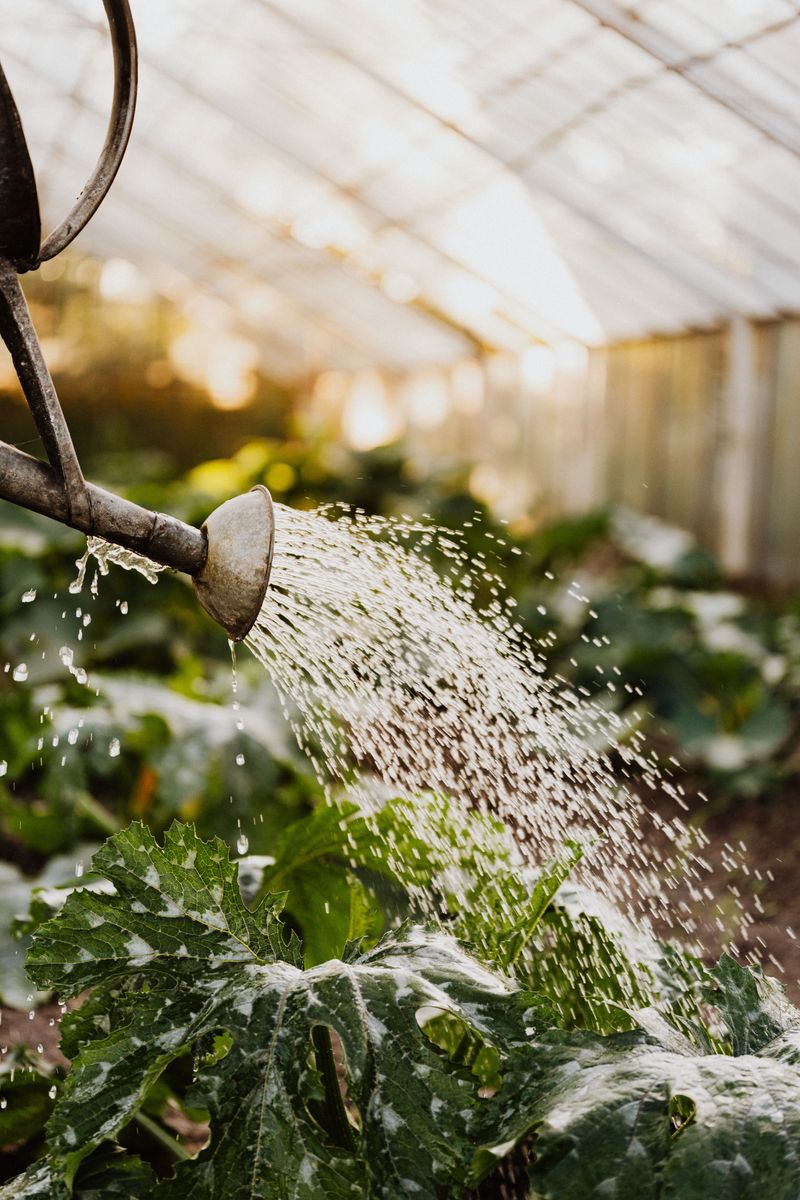
Your garden is thirstier than you think, but not in the way you expect. Deep infrequent watering is the single most powerful trick to train Utah plants to handle drought better.
When you water deeply, moisture sinks far below the surface, sometimes 12 to 18 inches down. Roots follow that water, pushing deeper into the soil where moisture stays longer.
Over time, those deep roots tap into reserves that shallow roots never reach. This is how native desert plants survive intense summer heat without regular watering.
You are essentially teaching your plants the same resilience skill. A slow, long soak once a week generally works better than five quick sprinkles, depending on your plant type and soil.
The goal is to encourage roots to work harder, not just sit near the surface waiting for a sprinkler. In Utah’s dry climate, soil dries out fast on top but stays cooler and wetter below.
Plants with deep roots access that hidden moisture bank during hot spells. Think of it like building a savings account instead of spending every penny immediately.
Start by gradually increasing watering duration while reducing frequency, adjusting based on your plant type and soil. Use a soaker hose or drip system to push water slowly and deeply into the ground.
After a few weeks, you will notice your plants standing stronger between watering sessions.
That resilience is not luck, it is trained behavior you created. Plants that learn to go deep early in the season are far better equipped for August heat.
Why Shallow Frequent Watering Weakens Root Systems
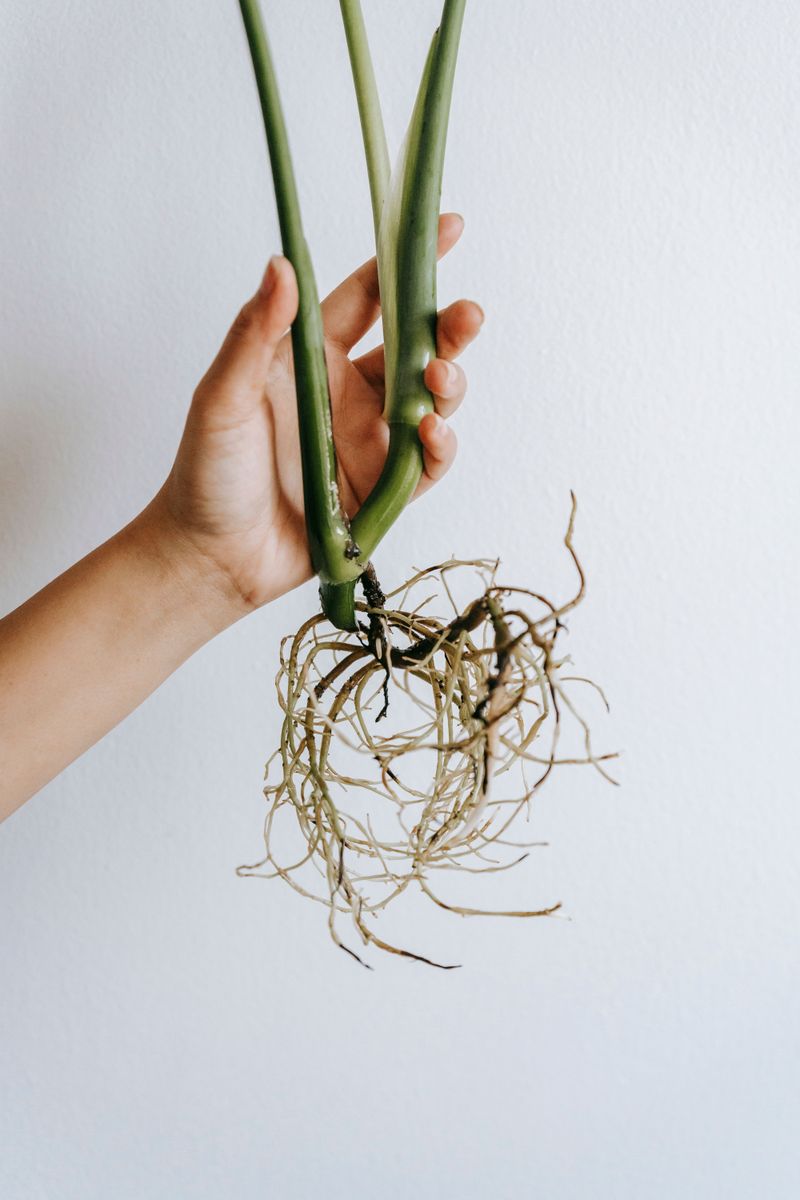
Shallow roots are a significant hidden vulnerability in any dry-climate garden. When you water lightly every day, plant roots learn that moisture is always just an inch away.
They stop reaching downward because they simply do not need to. This creates a root system that looks fine above ground but is notably weak below.
The moment you skip a day or two of watering, the soil dries out fast near the surface. Those shallow roots suddenly have nothing to drink, and the plant shows stress almost immediately.
Your Utah Garden Changes Every Week. Your Plan Should Too.
Gardening in Utah changes quickly throughout the season. Every Friday you’ll receive a simple weekly plan showing exactly what to plant, prune, fertilize, harvest, and protect so you never miss the right timing.
Wilting, yellowing leaves, and drooping stems are all signs of a root system that was never challenged. Frequent watering also keeps the top layer of soil wet, which invites fungal problems and pests.
Wet surface soil can encourage root rot, particularly in areas with heavier clay soil. Ironically, watering more often can actually harm your plants more than watering less.
Think of it like a child who always gets help with homework and never learns to solve problems alone. Overprotected roots become dependent and weak over time.
Cutting back watering frequency forces roots to adapt and explore deeper soil layers Yes, plants may look slightly stressed at first during the transition, but that is normal.
Mild stress signals actually trigger plants to grow deeper root systems as an adaptive response.
That response is exactly what you want to build long-term drought resilience. Breaking the daily watering habit is uncomfortable but absolutely worth the payoff.
How To Switch Your Plants To A Deep Watering Schedule

Switching watering schedules does not have to be complicated or scary for your garden. Start by figuring out how much water your plants currently get and how often they receive it.
Then reduce your watering frequency and increase the duration per session, adjusting based on your plant type and soil.
For example, if you currently water three times a week for ten minutes, you might try once or twice a week for twenty minutes, adjusting as needed.
Use a screwdriver or wooden dowel to check soil moisture before each session. Push it six inches into the ground, and if it comes out dry, it is time to water.
If it still feels moist, wait another day or two before running the hose. This simple soil check prevents both overwatering and underwatering during the transition period.
Drip irrigation is the gold standard for deep watering in dry climates like Utah. It delivers water slowly right at the root zone, giving it time to sink deep rather than evaporate.
Mulching your garden beds also helps by slowing surface evaporation and keeping deeper soil moist longer. A two to three inch layer of wood chips or straw makes a noticeable difference in moisture retention.
During the first two weeks of switching, some plants may look a little droopy in the afternoon heat. Morning watering reduces that stress and gives plants time to absorb moisture before the sun peaks.
Stay consistent with the new schedule for at least three to four weeks before judging the results. Patience here pays off with stronger, more self-sufficient plants by midsummer.
Signs Your Plants Are Adapting To Less Water
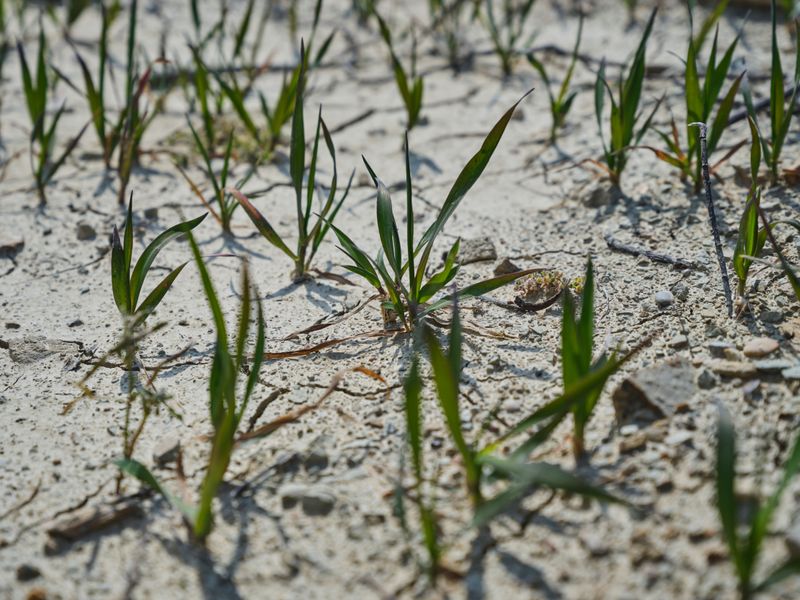
Watching your garden shift from water-dependent to drought-tough is noticeable once you know what to look for.
This shift usually shows up gradually, not overnight. Shift from water-dependent to drought-tough is genuinely exciting once you know what to look for.
One of the first signs of adaptation is that your plants stop wilting between watering sessions. Early in the training process, you might see slight drooping in the afternoon, which is totally normal.
But after a few weeks on a deep watering schedule, that afternoon droop disappears almost entirely. Leaves may also start to look slightly thicker or more waxy, which is a natural stress response.
Plants produce a thicker cuticle layer to reduce moisture loss when water becomes less frequent. New growth is another strong signal that your plants are thriving, not just getting by.
If you see fresh shoots and healthy green leaves pushing out, the root system is working well. Soil moisture checks will also show a change over time as roots pull water from deeper layers.
The top inch or two may dry out faster, but deeper soil stays moist longer than before. That pattern tells you roots are actively exploring downward, which is exactly the goal.
Flowering plants may even bloom more vigorously once they are no longer waterlogged near the surface. Some gardeners notice that adapted plants handle unexpected heat waves with far less visible stress.
That resilience is the reward for sticking with the training schedule through the awkward early weeks. Keep tracking your watering dates and plant behavior in a simple notebook or phone app.
Seeing the progress over time makes the whole process feel rewarding and worth continuing.
Best Plants For Drought Training In Utah’s Climate
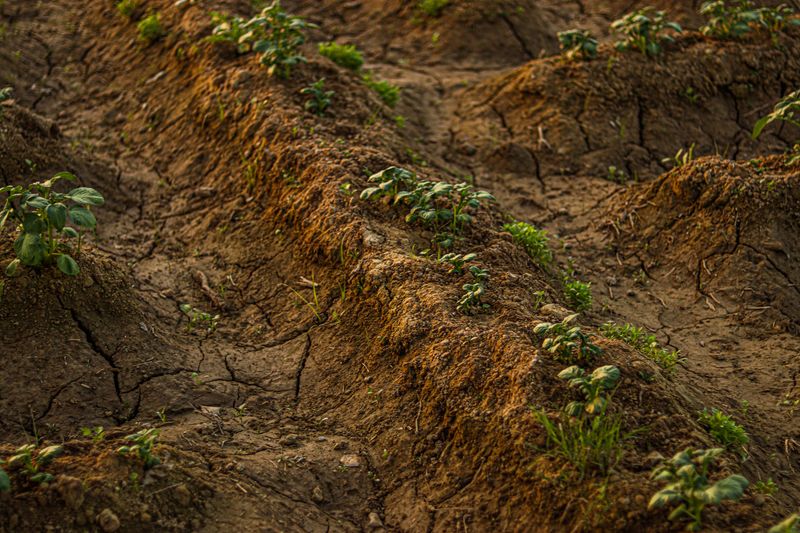
Not every plant responds equally to drought training, but many of Utah’s best garden plants are natural candidates.
Native species are your best starting point because they evolved in this exact climate over thousands of years.
Sagebrush is practically built for this environment, with deep roots that seek out moisture far below the surface.
Penstemon varieties are reliable bloomers that thrive on infrequent deep watering once established in the ground.
Rabbitbrush brings yellow blooms in late summer and asks for almost nothing in return. Blue grama grass is a tough, low-growing turf option that handles dry spells with ease.
Serviceberry and scrub oak are excellent woody shrubs that develop impressive root systems when watered deeply.
Lavender is a beloved choice that actually performs better in dry, well-drained soil than in wet conditions.
Russian sage is another strong performer that tolerates heat and low moisture while keeping its purple blooms.
Even some vegetables can be drought-trained with the right approach, including tomatoes and squash.
Tomatoes that receive deep infrequent watering often produce fruit with fewer cracks, and many gardeners report improved flavor.
The key is always to start deep watering training early in the season, not during peak heat stress.
Newly planted specimens need regular moisture for the first season before you begin reducing frequency.
Once established, most of these plants reward your patience with strong growth and minimal fuss.
Choosing the right plants makes the whole drought-training process faster, easier, and far more satisfying.
Common Mistakes That Undo Drought Tolerance Progress
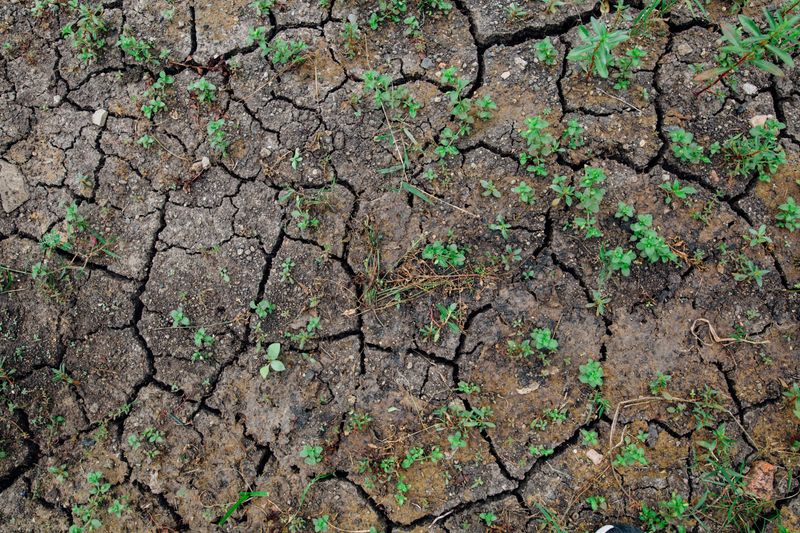
All that hard work building drought tolerance can be undone quickly if a few key mistakes creep back in.
The most common error is reverting to daily shallow watering out of concern during a heat wave.
One week of overwatering can undo weeks of deep-root training by pulling roots back toward the surface.
Stay the course during hot stretches by watering deeply rather than frequently, even when plants look stressed.
Another big mistake is skipping mulch, which causes surface soil to dry out too fast between sessions.
Without mulch, the soil temperature spikes and moisture evaporates before it can reach deep root zones. Fertilizing too heavily is another hidden problem that works against drought training goals.
High-nitrogen fertilizers push rapid leafy growth that demands more water, making plants thirstier than before.
Use slow-release or organic fertilizers sparingly to avoid creating a water-hungry plant in a dry climate.
Planting in the wrong season is another trap many gardeners fall into without realizing it.
Starting drought training during peak summer heat puts too much stress on plants before roots are established.
Spring and early fall are the best times to begin the deep watering transition in Utah’s climate.
Ignoring soil type is also a mistake that many gardeners overlook when training plants to handle drought better.
Clay soil holds water differently than sandy soil, so watering duration needs adjustment based on your specific ground.
Staying aware of these pitfalls keeps your progress intact all the way through the season. Small consistent choices protect the drought resilience you worked so hard to build.