9 Reasons Utah Homeowners Are Ditching Traditional Lawns This Year
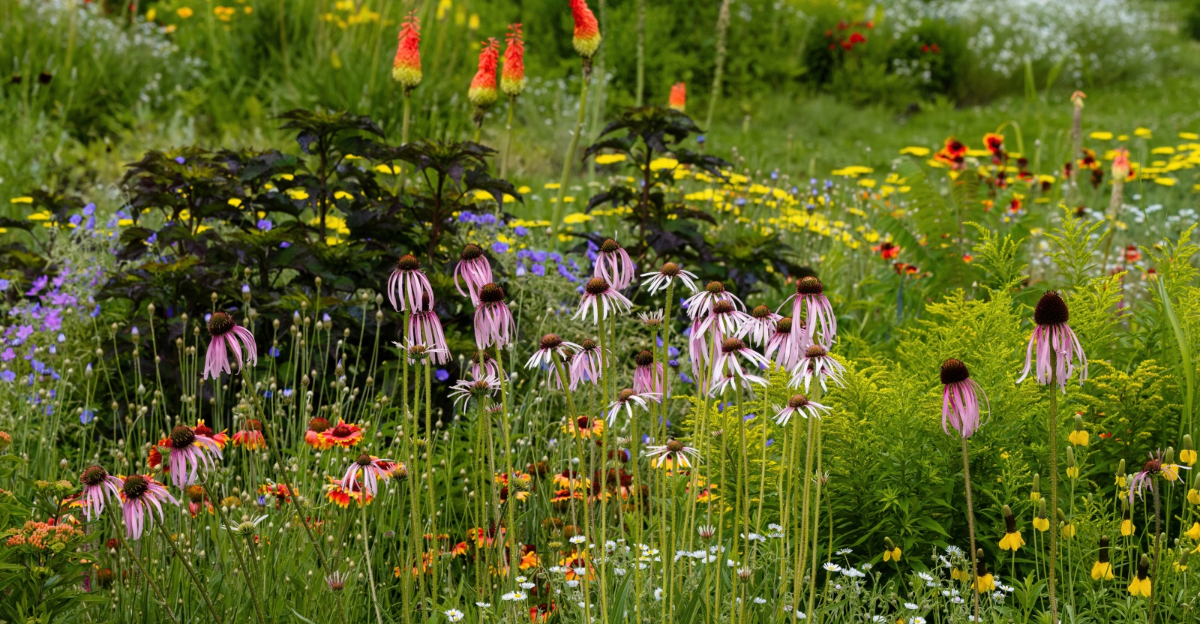
Utah’s front yards are quietly going through a shift. Sprinklers that once ran on autopilot are getting shut off for good.
The tidy green rectangles they used to feed are being torn up. In their place, something is showing up that actually makes sense for the climate.
This isn’t a weekend hobby for a handful of eco-minded homeowners. It’s a shift happening block by block.
From Cedar City driveways to Ogden cul-de-sacs, it’s picking up speed fast. Water restrictions keep getting stricter. Utility bills keep climbing every July.
Summers keep reaching past 100 degrees for weeks at a time. Put those three things together and a thirsty lawn stops looking like a symbol of pride.
It starts looking like an increasingly costly habit. So homeowners are asking a different question. Not “how do I keep this grass alive,” but “why am I keeping it at all.”
Across Utah, the answer is showing up in gravel, native grasses, and yards that finally work with the desert instead of against it.
1. Drought Rules Limit Outdoor Water Use
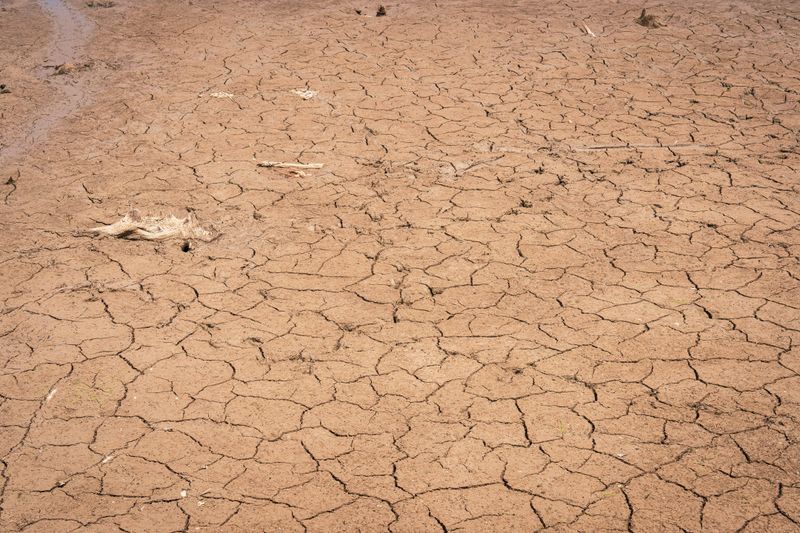
Your sprinkler schedule might not comply with local rules. Across much of the state, mandatory water restrictions now limit how often and how long residents can run irrigation systems.
These rules are not suggestions. Local water districts have enforcement officers who patrol neighborhoods and issue fines for violations, and repeat offenders face significant fines that climb with each notice.
Traditional grass needs deep, frequent watering to get through a Utah summer. Under current restrictions, that kind of schedule simply is not allowed anymore.
Many homeowners found out the hard way when they received a notice in the mail instead of a warning at the door. A fine of a few hundred dollars tends to prompt a quick response.
Switching away from turf removes the problem entirely. Without grass, there is nothing left to water on a restricted schedule, and nothing left to worry about when the next drought order comes through.
Native plants and gravel landscapes thrive on far less moisture. They actually perform better when left alone during dry spells, unlike traditional lawns that brown and wither under the same conditions.
Smart homeowners are not waiting for a second fine. They are converting now, before the rules tighten even further next season.
The shift feels dramatic at first, but the relief is almost immediate. No more checking the calendar before turning on the hose, and no more dreading what the mailbox might bring.
2. Water Costs Are Squeezing Budgets

Water bills in Utah have climbed sharply over the past three years. Some households have seen summer bills double compared to what they paid just a few seasons ago.
A lush green lawn can consume thousands of gallons every single week during peak heat. That water is not free, and the price keeps rising.
Most of that outdoor water goes straight to turf grass. Studies show that lawn irrigation accounts for up to 70 percent of residential culinary water use in Utah specifically, though the figure varies by state and source.
Your Utah Garden Changes Every Week. Your Plan Should Too.
Gardening in Utah changes quickly throughout the season. Every Friday you’ll receive a simple weekly plan showing exactly what to plant, prune, fertilize, harvest, and protect so you never miss the right timing.
Families on fixed incomes feel this pressure the hardest. A surprise spike in the July water bill can throw off an entire month of household spending.
Replacing grass with low-water landscaping cuts that bill dramatically. Homeowners who have converted report saving hundreds of dollars each summer season.
The upfront cost of conversion can feel intimidating. But most people break even within two to three years from water savings alone.
Some families reinvest those savings into better outdoor furniture or shade structures. Suddenly the backyard feels like a retreat instead of a financial burden.
Watching your water meter slow down after a landscape overhaul is genuinely satisfying. Your wallet notices, and so does your stress level.
3. Native Landscaping Cuts Maintenance
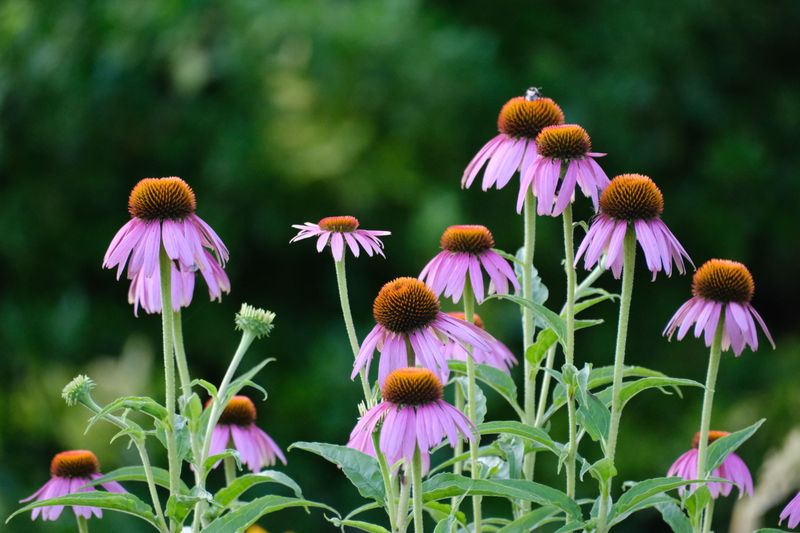
Mowing every weekend gets old fast. Native landscaping offers a way out of that exhausting routine without sacrificing curb appeal.
Plants that evolved in the Great Basin are built for this climate. They do not need coaxing, fertilizing, or constant attention to look good.
A typical grass lawn demands mowing, edging, aerating, fertilizing, and pest control. Native gardens need almost none of that once they are established.
Penstemon, Apache plume, and blue grama grass are stunning options. They bloom on their own schedule and ask for very little in return.
Weekend mornings freed from lawn care feel like a gift. Families are rediscovering what their yards are actually for, relaxing, playing, gathering.
Maintenance costs drop significantly with native plants. No more renting an aerator, buying bags of fertilizer, or calling a lawn service every spring.
The learning curve is shorter than most people expect. A quick visit to a local native plant nursery gives homeowners a solid starting point.
After one full growing season, most converts say they will never go back. The yard practically takes care of itself, and that changes everything.
4. State Incentives Pay Homeowners To Convert
Getting paid to tear out your lawn surprises many homeowners. In Utah, it is actually a real program with real money attached.
The state and several local water districts offer cash rebates for removing traditional turf. Payments are typically calculated per square foot of grass removed.
Some programs offer up to $3 per square foot of converted lawn space. A modest front yard conversion can yield a rebate check of several hundred dollars.
The application process is straightforward. Homeowners submit before-and-after photos, a simple form, and proof of the new landscape materials used.
These programs exist because water agencies know conversion works. Every square foot of removed turf saves thousands of gallons of water annually.
Funding for rebate programs is limited each year and varies by district. Homeowners who wait too long sometimes find that year’s budget already spoken for.
Some municipalities layer their own incentives on top of state programs. Combining both can significantly offset the total cost of a landscape overhaul.
The financial case for converting has never been stronger. Between rebates and ongoing water savings, the numbers point clearly in one direction.
5. Xeriscaping Is Gaining Ground Fast
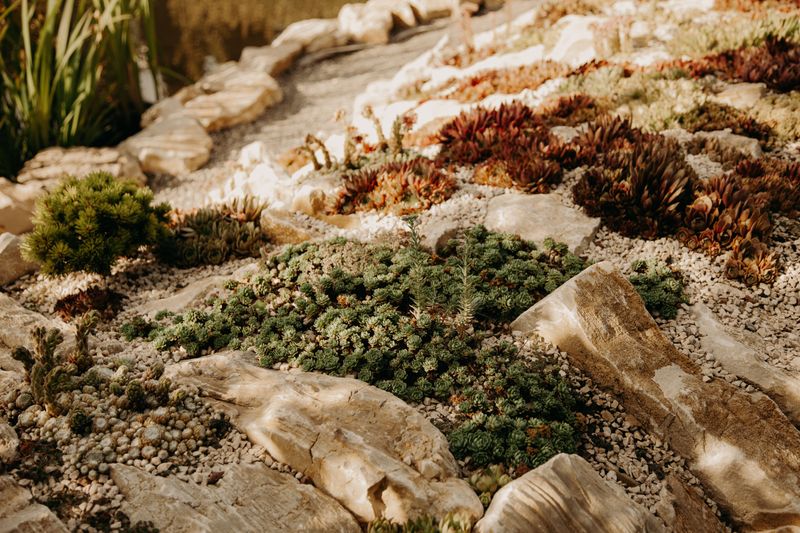
Xeriscaping used to sound like extra work. Now it looks like the smartest design choice a homeowner can make.
The word comes from the Greek word for dry. But modern xeriscape designs are anything but dull or barren.
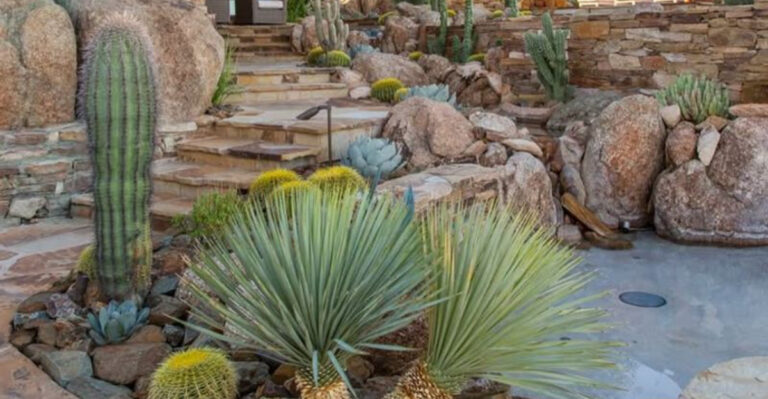
Layered textures of river rock, decomposed granite, and flowering perennials create yards that look intentional and polished. Neighbors stop to ask who did the work.
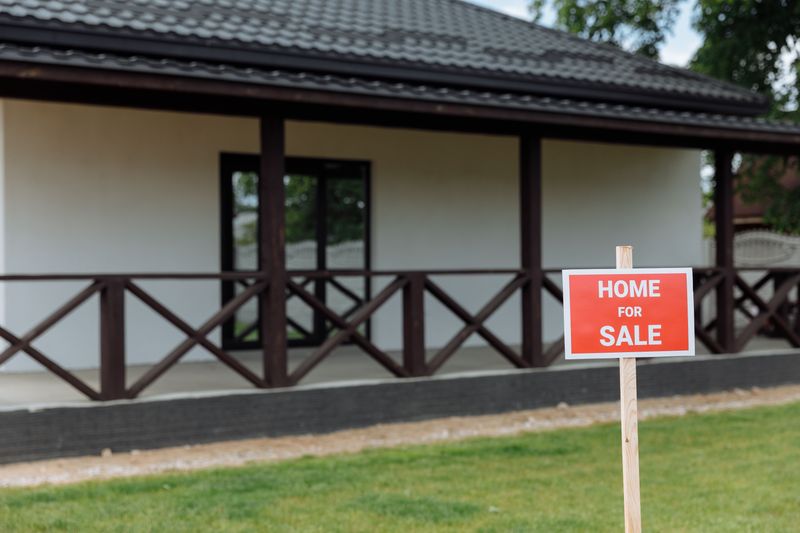
Utah homeowners ditching traditional lawns are discovering that xeriscape design actually increases property values. Buyers in water-stressed markets actively seek out low-maintenance, water-efficient properties.
Professional landscapers across the state say demand for xeriscape projects has surged. Some firms are booked months out due to the volume of requests.
The design options are surprisingly diverse. From minimalist gravel gardens to lush native flower beds, there is a style for every taste.
DIY xeriscaping is absolutely achievable for motivated homeowners. Dozens of free planning guides are available through local water conservation offices.
What started as a fringe concept is quickly becoming a common neighborhood choice. Grass is starting to look like the outdated choice on the block.
6. Reservoir Shortages Bring Tougher Rules
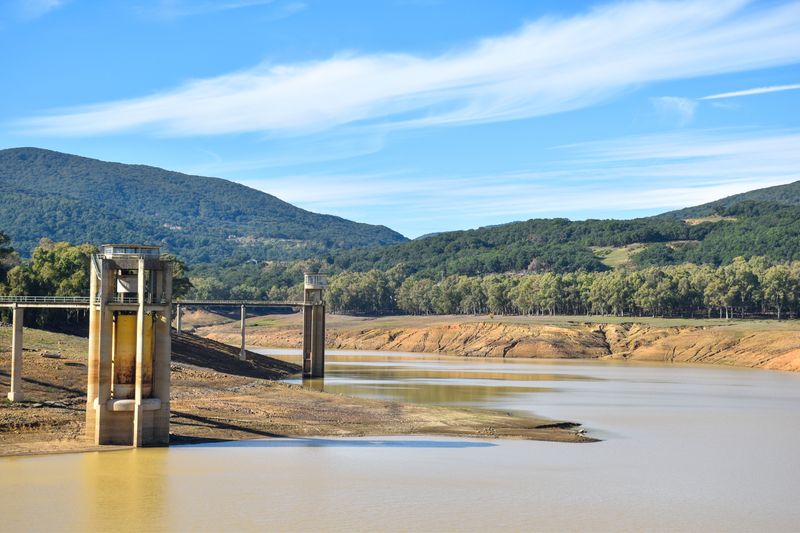
Lake Powell and other regional reservoirs have been at historic lows for several years. That shortage filters directly down to homeowners through tighter water policies.
When reservoirs drop, water managers have fewer options. Restrictions tighten, allocations shrink, and the pressure on residential users increases significantly.
Lawn irrigation is one of the largest controllable water uses in any city. It becomes an obvious target when conservation measures are needed quickly.
Some communities have already moved to two-day-per-week watering limits. Others have capped how much turf new front yards are allowed to include.
These policies are not temporary. Water managers have stated publicly that conservation measures will remain in place for the foreseeable future.
Homeowners who hold onto traditional grass face a growing challenge. Keeping a lawn alive under strict limits requires expensive drip systems or constant manual effort.
Switching to drought-tolerant landscaping removes that struggle completely. A yard built for dry conditions does not need reservoir water to stay attractive.
The reservoir shortage feels abstract until it affects your water bill. Converting your yard is one of the most direct ways to respond.
7. Heat Makes Grass Harder To Sustain
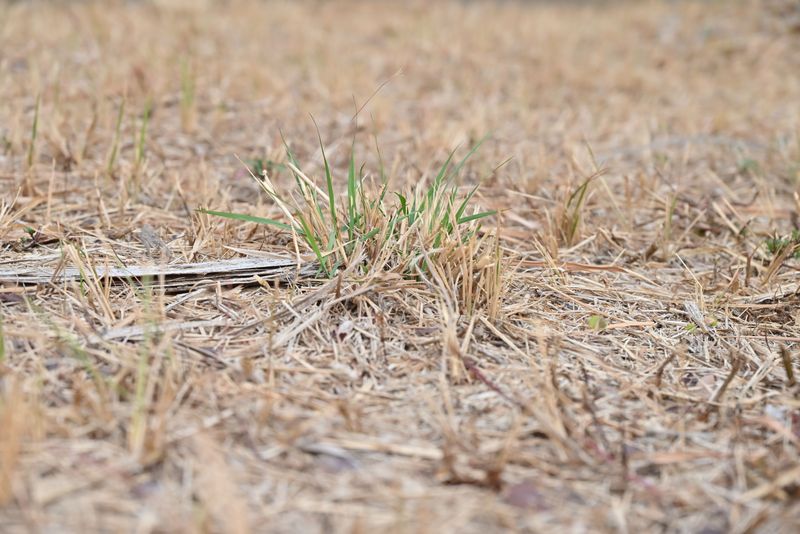
Southern Utah summers now regularly climb well into the triple digits. Grass struggles to handle that kind of sustained heat stress.
Even in northern parts of the state, heat waves are lasting longer and arriving earlier each year. Cool-season grasses like Kentucky bluegrass struggle badly under those conditions.
Brown patches appear by late June in many yards. No matter how much water gets applied, some areas simply cannot recover once heat stress sets in.
Homeowners end up spending more on water trying to rescue a lawn that is already failing. It becomes a frustrating and expensive cycle each season.
Heat-adapted plants face none of these problems. Agave, desert willow, and low-growing sedums look sharp even when temperatures soar.
These plants store water internally and slow their growth during peak heat. They are built to coast through the worst of summer without help.
Choosing plants suited to the actual climate takes the guesswork out of gardening. There is no more anxiety watching the forecast and wondering if the lawn will make it.
A yard that thrives in the heat brings real relief every summer. Many homeowners say that peace of mind outweighs the appeal of a green lawn.
8. Local Ordinances Push Water-Wise Yards
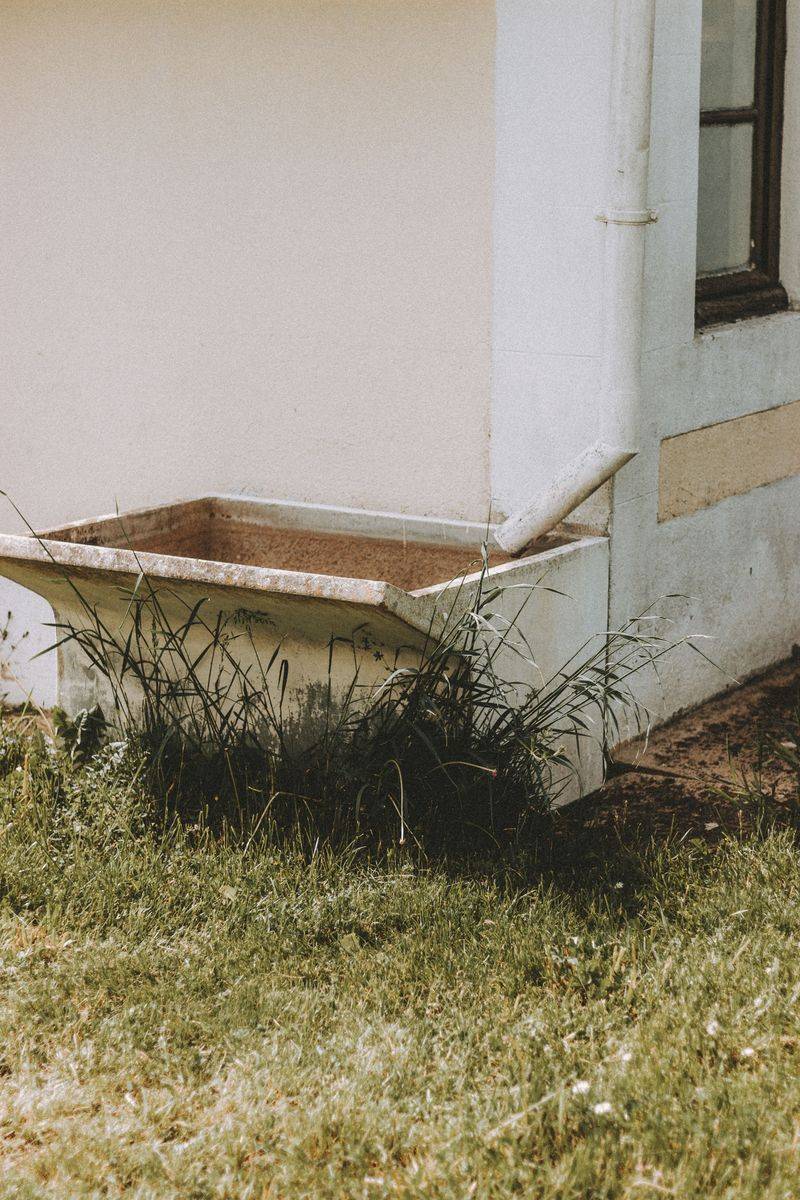
Cities across the state are no longer just encouraging water-wise landscaping. Many are now requiring it through formal ordinances with meaningful enforcement mechanisms.
New construction in several municipalities must meet water efficiency standards before a permit is approved. Front yard turf is often capped or tightly restricted.
Existing homeowners are not exempt in every city. Some ordinances include timelines for converting high-water-use landscaping in established neighborhoods.
Utah homeowners ditching traditional lawns in response to these rules are finding the process smoother than expected. City planning offices often provide free consultations and approved plant lists.
Compliance timelines vary by location. Checking with your local planning department early gives you time to plan a conversion that fits your style and budget.
Fines for non-compliance can reach into the hundreds of dollars in some cities, depending on local ordinance. Ignoring an ordinance can result in financial penalties.
On the positive side, many cities that passed these rules also expanded their rebate programs. Converting becomes financially attractive when incentives and compliance align.
Your neighborhood is changing whether you lead or follow. The homeowners who convert now are setting the standard for what a beautiful Utah yard looks like next.
9. Nurseries Are Stocking Up On Drought-Tolerant Plants
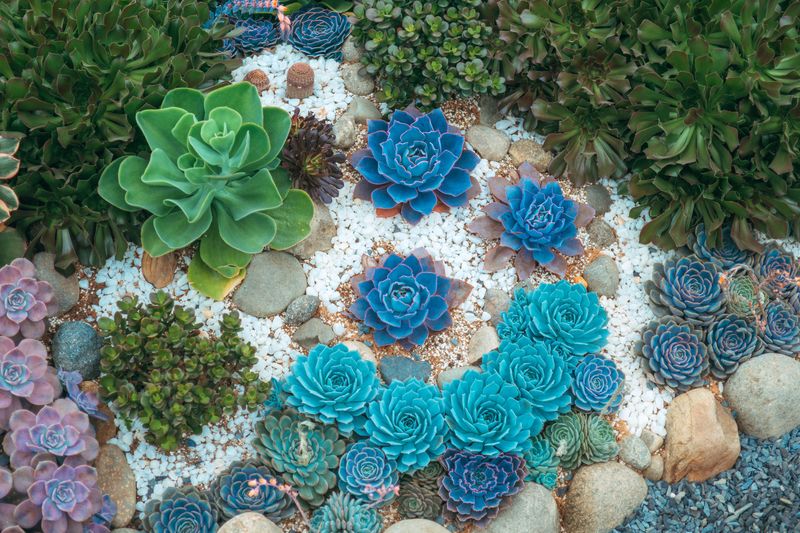
Walk into a Utah garden center this spring and the shelves tell a story. Rows of Kentucky bluegrass sod have shrunk.
In their place, tables are packed with penstemon, yarrow, and blanket flower. Nursery owners across the state say demand shifted faster than they expected. A few years ago, drought-tolerant plants sat in a small back corner.
Now they take up the best real estate near the entrance. This isn’t just a supply response. It reflects a genuine change in what homeowners are asking for at the counter.
Staff report fielding more questions about water needs and less about which fertilizer works best on turf.
Some nurseries have added dedicated xeriscape sections with plant tags listing water requirements right on the label. A few now host monthly workshops teaching homeowners how to design a full front yard without a single sprinkler head.
Local growers have taken notice too. Several Utah nurseries have started propagating native species themselves instead of importing water-hungry ornamentals from out of state.
That keeps costs lower and ensures the plants are already adapted to the soil and elevation they’ll be living in.
For homeowners just starting their conversion, this shift makes the whole process easier. A knowledgeable nursery employee can now guide a first-time xeriscaper through plant selection in a single visit.
The grass aisle isn’t gone yet, but it’s shrinking every season. That alone says something about where Utah yards are headed.