Stop Feeding Your Michigan Lawn Immediately If You See This Weather Forecast
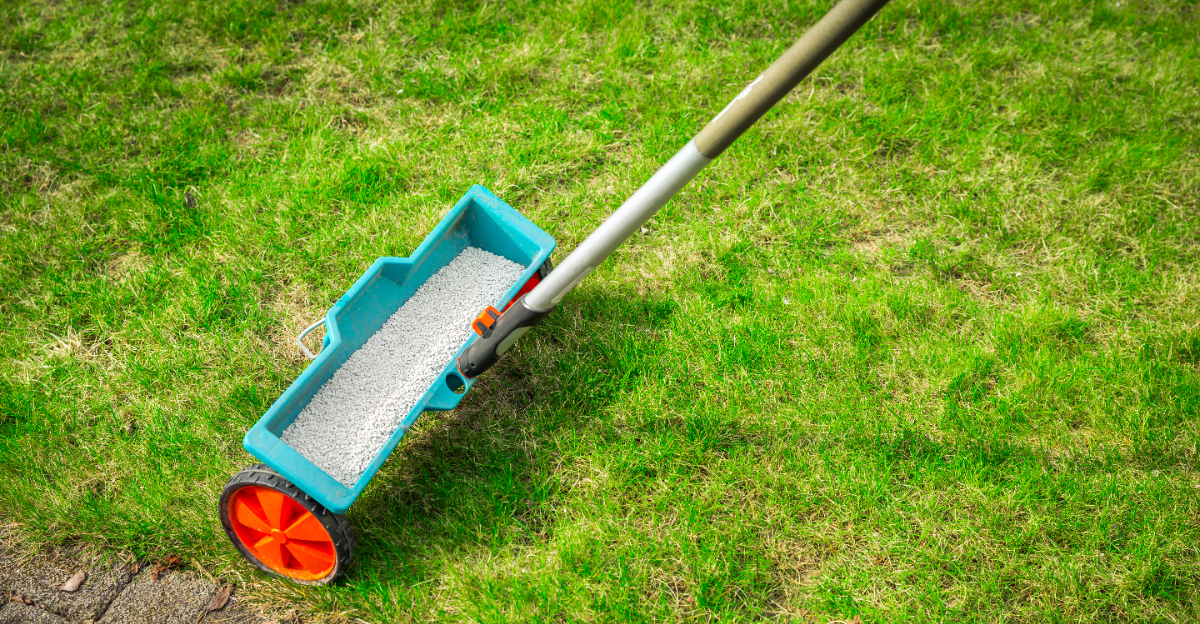
Lawn fertilizer applied at the wrong moment does not sit quietly until better conditions arrive.
It reacts with whatever weather follows it, and certain forecast patterns turn a routine feeding into a source of real and visible damage within days of application.
Michigan summers deliver the specific weather combination that makes this timing mistake most destructive more often than most homeowners realize when they look at the bag and decide the lawn looks ready for a feeding.
One forecast pattern in particular should trigger an immediate pause on any planned fertilizer application.
Recognizing it before the spreader comes out of the garage protects the lawn from damage that takes weeks to recover from and is entirely avoidable with one simple weather check.
1. A Hot Dry Forecast Means Stop Feeding
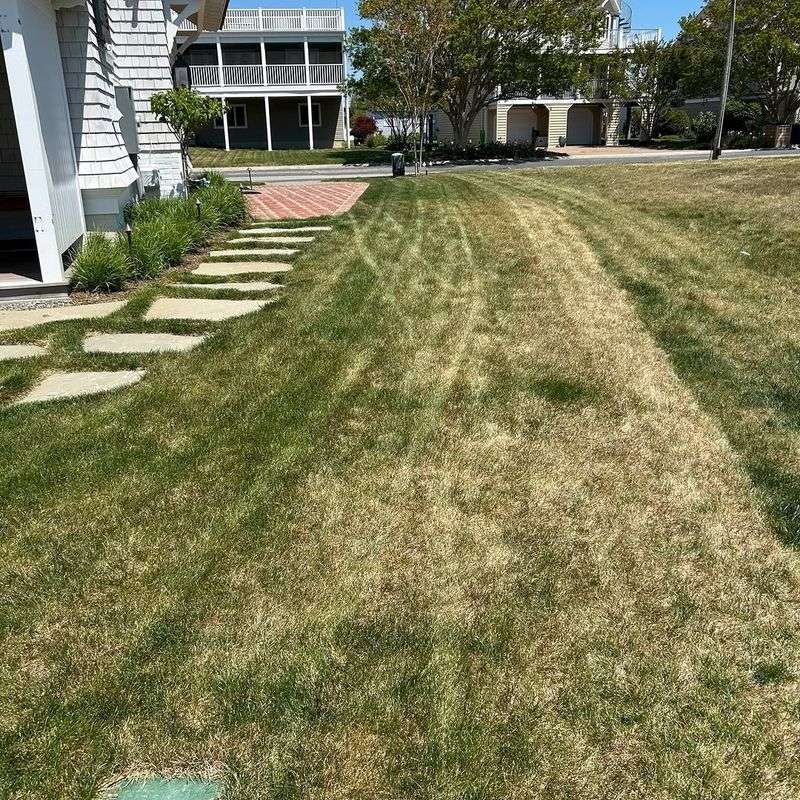
Picture this: you grab your fertilizer spreader on a Saturday morning, ready to give your lawn a boost, and then you check the forecast. Seven days of blazing sun, temperatures in the upper 80s, and zero rain in sight.
That is exactly the moment to put the spreader back in the garage.
Cool-season grasses like Kentucky bluegrass, tall fescue, and perennial ryegrass are the most common lawn types across Michigan. These grasses grow best when temperatures stay between 60 and 75 degrees Fahrenheit.
Once summer heat pushes past that range, growth slows down significantly, and the grass shifts its energy toward surviving rather than thriving.
Fertilizer only works when the grass is actively growing and has enough water to absorb and use nutrients. Without moisture, the fertilizer just sits on top of the soil or gets concentrated near the roots, which can stress the grass even more.
Think of it like trying to eat a big meal when you are already dehydrated. Michigan summers can turn surprisingly harsh, especially in July and August when dry stretches are common.
The Michigan State University Extension recommends avoiding summer fertilization during periods of heat and drought stress for exactly this reason.
Feeding during those conditions does not help the lawn grow faster. It just adds stress on top of stress.
Watching the forecast before every fertilizer application is one of the smartest habits a homeowner can build.
If rain is not in the picture for the next five to seven days and temperatures are high, hold off. Your lawn will thank you when the weather breaks.
2. Dormant Grass Should Not Be Pushed
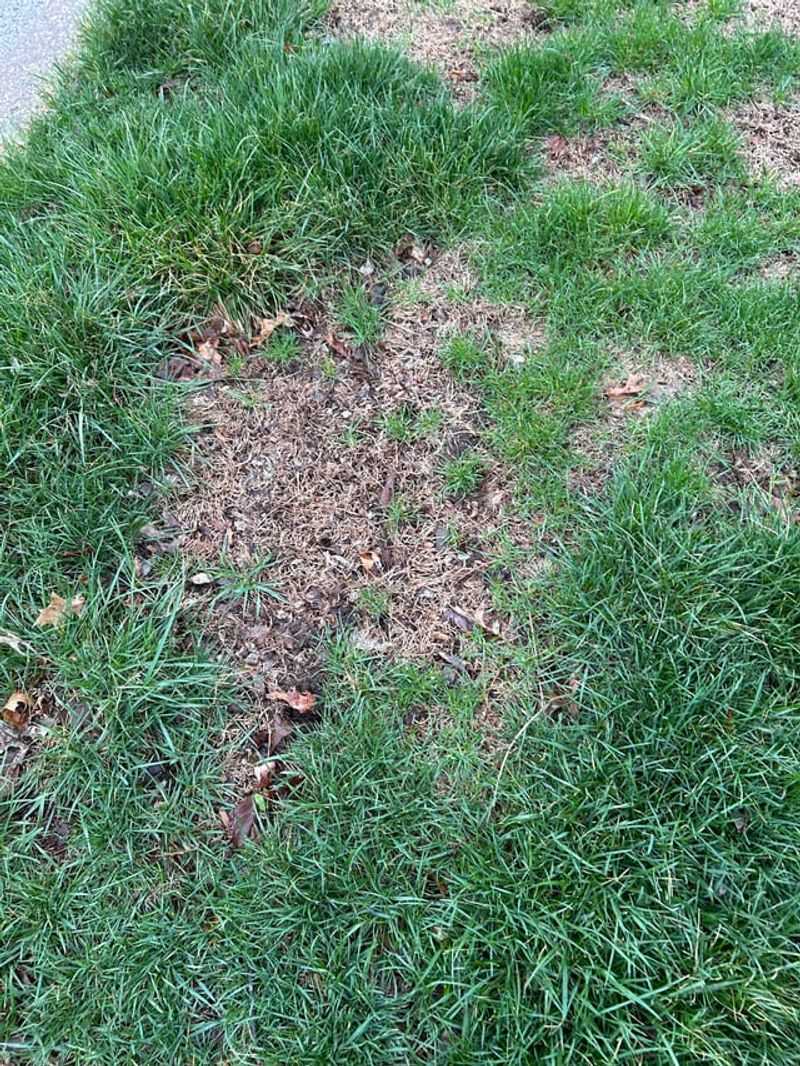
A tan lawn in July might look like a problem, but it is actually your grass doing something smart. Cool-season grasses in Michigan can go dormant during hot, dry stretches as a natural survival response.
The grass is not struggling as much as it looks. It is resting. Dormancy is the lawn’s built-in way of conserving moisture and energy when conditions get tough.
The above-ground blades may turn tan or straw-colored, but the roots and crown of the plant stay alive and ready to bounce back once rain and cooler temperatures return. This is completely normal behavior for lawns in summer.
Your Michigan Garden Changes Every Week. Your Plan Should Too.
Gardening in Michigan changes quickly throughout the season. Every Friday you’ll receive a simple weekly plan showing exactly what to plant, prune, fertilize, harvest, and protect so you never miss the right timing.
Fertilizing a dormant lawn is one of the most common mistakes homeowners make. When you apply nitrogen to grass that has gone dormant, you are essentially asking it to wake up and start growing during conditions that make that nearly impossible.
The grass does not have the water or energy reserves to respond the way you want it to.
Instead of helping, fertilizer on a dormant lawn can create an uneven, patchy appearance and put extra strain on a lawn that is already conserving resources.
Michigan State University Extension advises gardeners to let dormant lawns stay dormant and avoid any feeding until the grass naturally greens up again on its own.
Patience really is the best tool here. Once late summer or early fall arrives and moisture returns, your dormant lawn will recover and green up without any extra pushing.
Waiting is not giving up. It is the right call for a healthier lawn long-term.
3. Nitrogen Can Push Growth At The Wrong Time
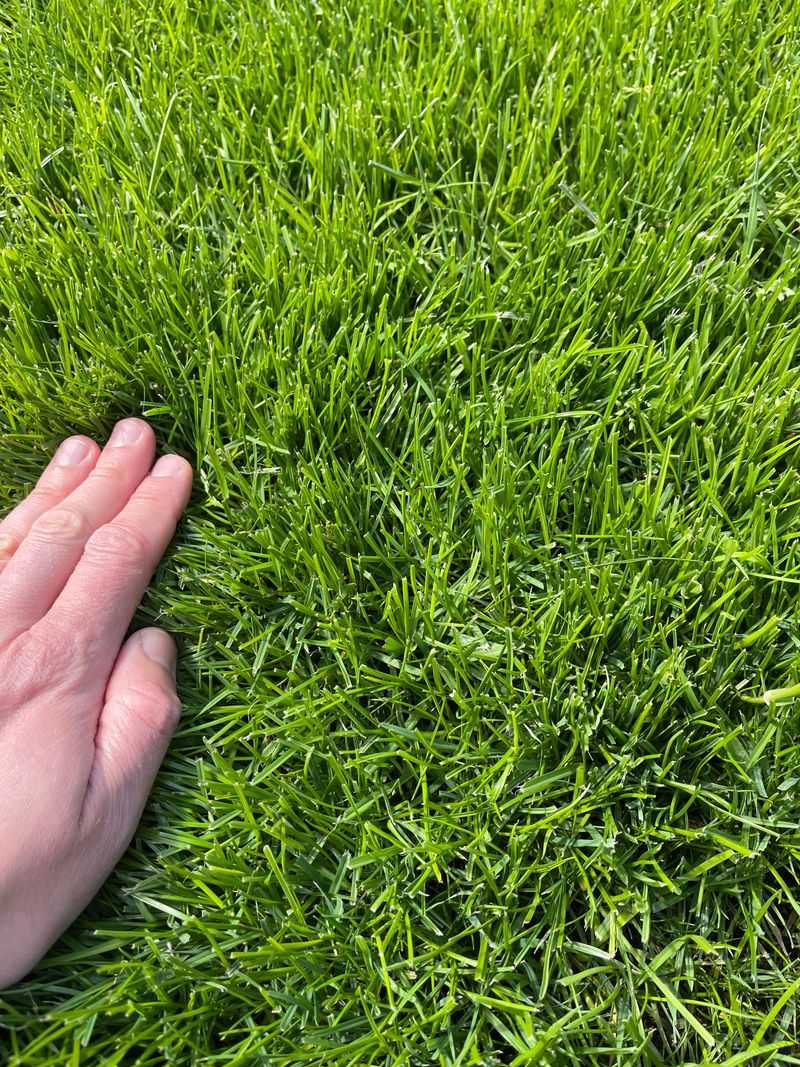
Nitrogen is the powerhouse nutrient in most lawn fertilizers, and it has one main job: push green, leafy growth. Under the right conditions, that is exactly what you want.
But when a hot, dry forecast is on the way, nitrogen becomes more of a burden than a benefit.
When nitrogen hits the soil, it signals the grass to start producing new top growth quickly. That sounds great in spring or fall when cool temperatures and steady rain support that growth.
In summer heat, though, the grass needs water to keep up with the growth that nitrogen triggers, and if that water is not there, the whole system breaks down.
The new growth pushed by nitrogen during a heat wave tends to be weak and moisture-hungry. It wilts faster, stresses more easily, and can make the overall lawn look worse than it did before the application.
You end up with a lawn that is working harder at exactly the wrong time of year.
There is also the risk of fertilizer burn, which happens when nitrogen concentrations get too high near the roots without enough moisture to dilute them.
Burn shows up as yellow or brown streaks across the lawn, and it can take weeks to clear up even after rain returns. It is a frustrating outcome that is completely avoidable.
Timing nitrogen applications around cooler, wetter weather is the key to getting real results.
Michigan gardeners who skip summer nitrogen and wait for late August or September consistently see stronger, greener lawns heading into fall. The science backs up the patience every single time.
4. Water Availability Decides Whether Summer Feeding Makes Sense
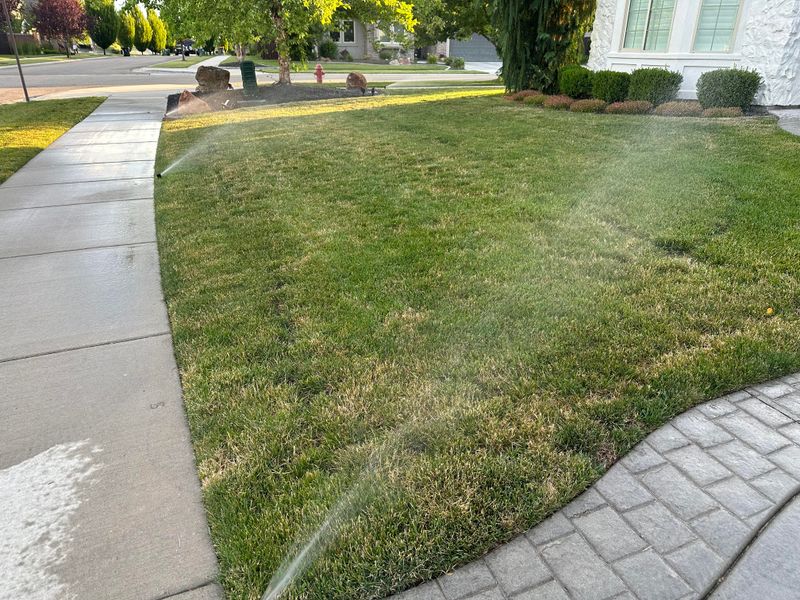
Here is a simple rule that Michigan State University Extension actually spells out clearly: summer fertilization should only happen when water is available.
That one guideline cuts through a lot of confusion about whether to feed your lawn in July or August.
Water is the delivery system for nutrients in the soil. Without enough of it, fertilizer cannot move into the root zone properly, and the grass cannot process the nutrients even if they do get close.
Dry soil essentially locks up the fertilizer and leaves it sitting where it can cause more harm than good.
If your lawn is on an irrigation system and you are actively keeping the grass green and growing through the summer, light fertilization can still make sense. The key word there is light.
A well-watered lawn in active growth can use nutrients, but even then, a reduced summer rate is smarter than a full application.
For lawns without irrigation, the math changes completely. If you are relying on rainfall and the forecast shows a dry stretch ahead, there is simply not enough water available to make feeding worthwhile.
MSU Extension is direct about this point: non-irrigated lawns should not be fertilized during summer dry periods.
Checking your watering situation before reaching for the fertilizer bag is a habit worth building. Ask yourself honestly whether the lawn is getting consistent moisture.
If the answer is no, and the forecast confirms it will stay dry, skip the feeding. Water first, then fertilize when conditions improve. That order of operations protects your lawn and your investment in fertilizer.
5. Green Irrigated Lawns Need A Light Approach
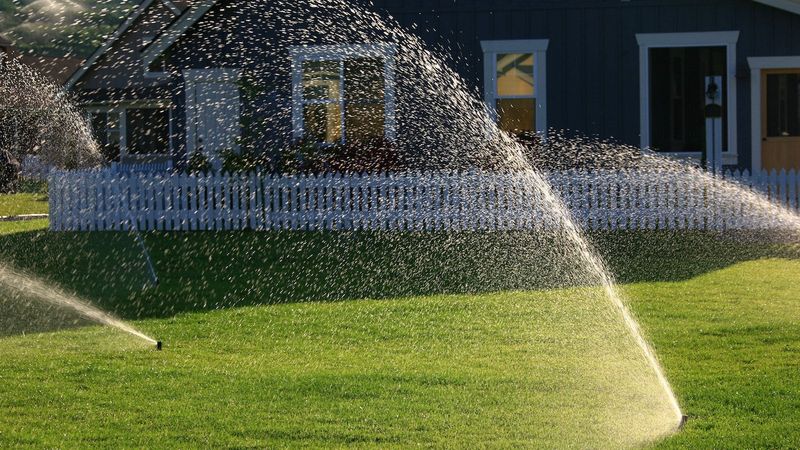
Not every Michigan lawn goes dormant in summer. If you have an irrigation system and you are keeping the grass consistently watered, your lawn may stay green and growing even through July and August.
That changes the fertilizer conversation quite a bit. A green, actively growing lawn does have a use for nutrients, even in summer.
The grass is still photosynthesizing, still producing new blades, and still benefiting from a steady supply of what it needs to stay healthy. The mistake is not feeding at all. The mistake is feeding too heavily.
Summer growth on cool-season grasses is naturally slower than spring or fall growth. The grass is not racing to fill in bare spots or recover from winter.
It is just maintaining. Because of that, a light summer application, often called a maintenance rate, is all the lawn really needs. Pushing more than that creates excess growth that the lawn cannot sustain well in heat.
A good rule of thumb from turf specialists is to use no more than half a pound of actual nitrogen per thousand square feet during a summer application on an irrigated lawn. That keeps the grass fed without overloading it.
Slow-release nitrogen sources are also a smarter choice in summer because they deliver nutrients gradually rather than all at once.
Timing the application for early morning when temperatures are cooler and watering it in right away helps too.
An irrigated green lawn is in a better position than a dry dormant one, but it still deserves a careful, measured approach. Light and steady wins the summer lawn game every time.
6. Heavy Feeding Before Heat Can Make The Lawn Look Worse
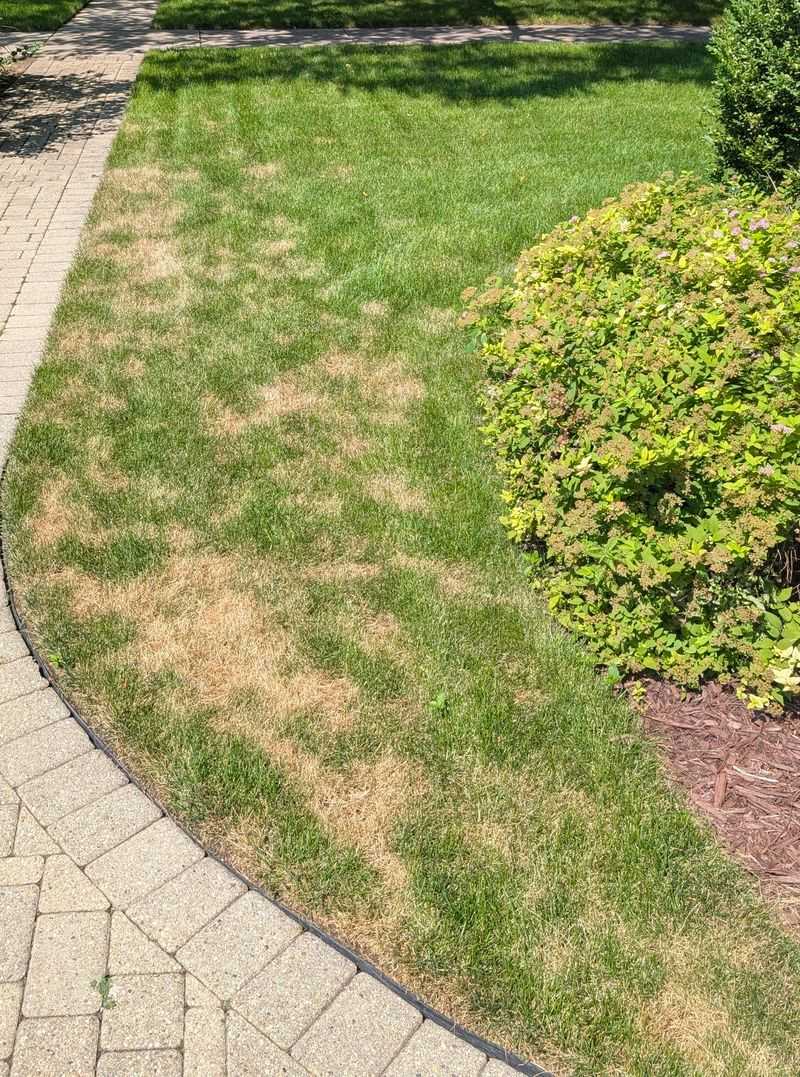
Timing is everything in lawn care, and nowhere does that show up more clearly than with heavy fertilizer applications right before a heat wave.
What feels like getting ahead of things can actually backfire in a big way once temperatures climb and rain disappears.
When a large dose of nitrogen hits the lawn just before hot, dry weather arrives, the grass gets a strong signal to grow fast. New green blades start pushing up quickly, looking great for a few days.
Then the heat sets in, the moisture runs out, and all that fresh growth becomes a liability instead of an asset.
New grass blades are more tender and moisture-dependent than established ones. They wilt faster, show stress sooner, and struggle to hold up when conditions turn tough.
A lawn that looked fine before a heavy feeding can end up looking patchy, uneven, and worse than it did before you applied anything.
There is also a compounding effect when heat stress and fertilizer stress hit at the same time. The lawn is already working hard to conserve moisture, and the extra demand from nitrogen-driven growth pulls resources in two directions at once.
The result is a lawn that looks more tired and worn out than it should for mid-summer.
Experienced Michigan lawn care folks often say that the best fertilizer you can give a lawn before a heat wave is none at all.
Holding off until cooler, wetter weather returns keeps the grass in a stable, manageable state. Sometimes restraint is the most powerful tool in your lawn care kit.
7. Wait For Cooler Weather And Steadier Moisture
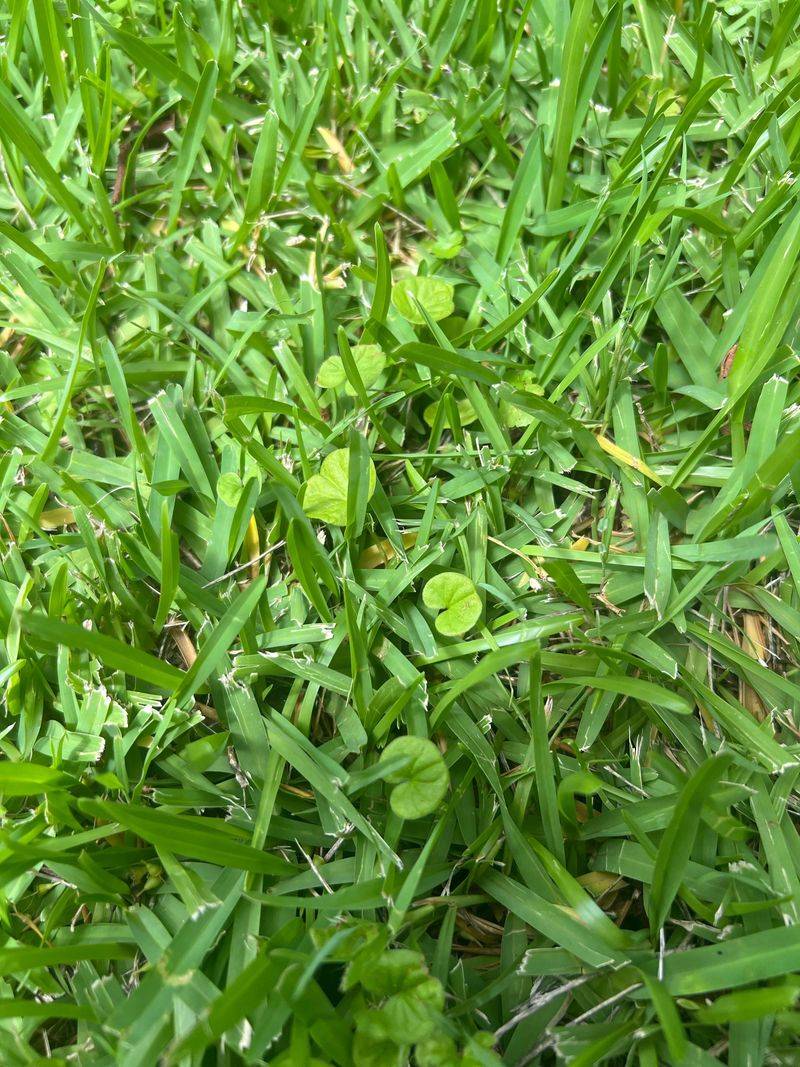
Good things come to those who wait, and that is genuinely true when it comes to Michigan lawn feeding in summer.
Once a hot dry stretch passes and the calendar starts moving toward late August and September, the conditions that make fertilizer actually work start coming back together.
Cool-season grasses in Michigan naturally shift back into active growth mode as summer heat eases.
Soil temperatures drop closer to that ideal 60 to 75 degree range, roots start reaching again, and the grass gets ready to do some serious recovering from whatever summer threw at it.
That recovery window is when fertilizer does its best work. Late summer and early fall feeding is actually one of the most important applications of the entire year for Michigan lawns.
Turf specialists often call the early September application the most valuable one because it feeds a lawn that is actively growing, heading into cooler weather, and building strength for winter.
Skipping summer feeding and saving that energy for fall is a genuinely smart strategy.
Rainfall patterns also tend to improve as August wraps up across most of Michigan. More consistent moisture means nutrients move through the soil properly and reach the root zone where they are needed most.
The grass can actually use what you are giving it, which makes every pound of fertilizer more effective.
Watching for the moment when nighttime temperatures consistently drop below 70 degrees is a good signal that the waiting period is over.
Once that happens and rain is in the forecast, your lawn is ready for a proper feeding. That moment is worth waiting for every single time.