7 Real Reasons Your Texas Hydrangeas Leaf Out But Never Bloom
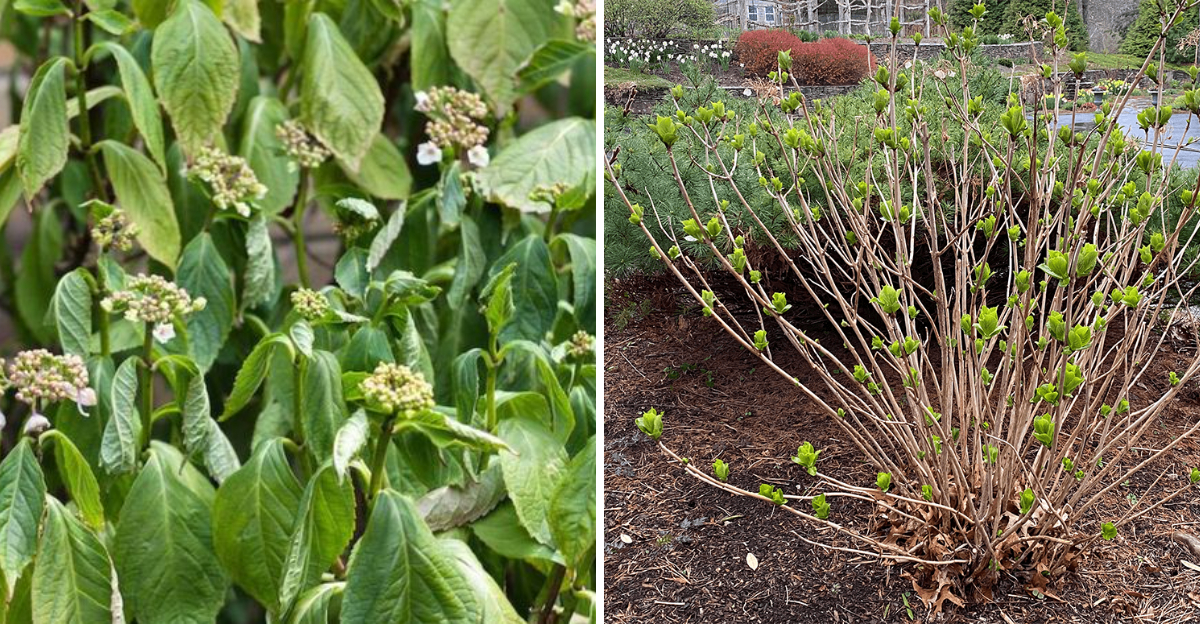
There are few garden frustrations quite like a hydrangea that leafs out beautifully every spring and then delivers absolutely nothing in the way of blooms. All that healthy looking green growth building through the season, all that anticipation, and then nothing.
Just leaves, all the way through. If this has happened to your Texas hydrangeas more than once, you’re not alone, and the reason is almost never what most people assume.
Texas hydrangeas that refuse to bloom are sending a message. Something in the cycle is being interrupted, and it usually comes down to one or two specific factors that are surprisingly common and surprisingly fixable once you understand what’s actually going on.
The good news is that a hydrangea that leafs out is a healthy plant. It just needs something adjusted.
Diagnosing the problem correctly is the key step, because the fix for one cause won’t help at all if a different cause is the real culprit. Here’s what’s actually keeping your Texas hydrangeas from blooming and exactly what to do about it.
1. They Are Getting Too Much Afternoon Sun
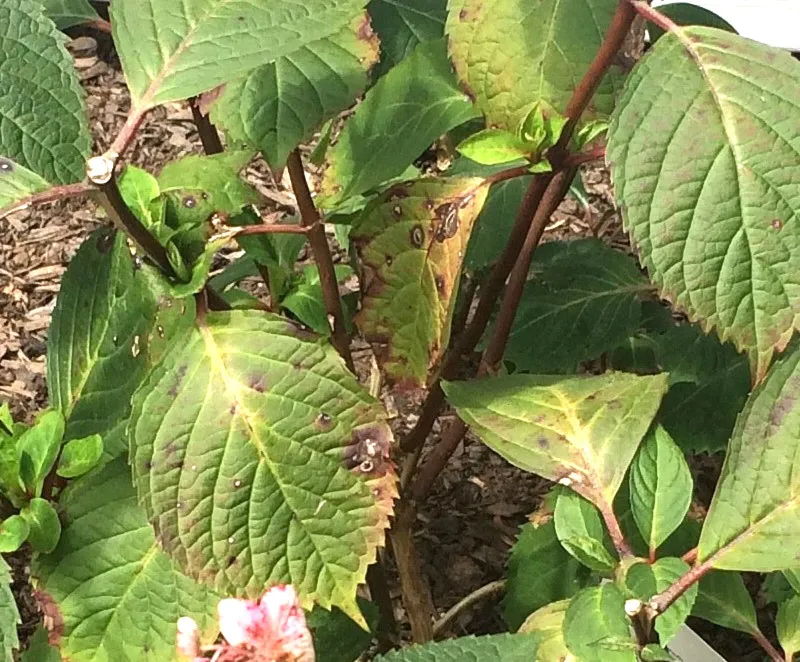
Picture this: your hydrangea woke up in spring looking full and healthy, leaves popping out like crazy, and then nothing happened. No buds.
No blooms. Just green. If your plant sits in a spot that gets blasted by afternoon sun, that could be exactly why.
Texas afternoon sun is no joke. Temperatures can push well past 95 degrees by midsummer, and direct sun during those peak hours puts serious stress on hydrangeas.
When a plant is stressed, it shifts all its energy toward surviving, not flowering. Blooming takes a lot of energy, and a heat-stressed plant simply does not have enough left over to make it happen.
Most hydrangeas do best with morning sun and afternoon shade. Morning light is gentle and gives the plant the energy it needs for healthy growth.
But once that intense midday and afternoon heat rolls in, shade becomes a real friend. A spot under a tall tree or near a fence that blocks western sun can make a huge difference.
If your plant is already in the wrong spot, you have a couple of options. You can transplant it to a shadier location in fall when temperatures cool down, which gives roots time to settle before the next growing season.
Or you can add a shade cloth during the hottest months to reduce sun exposure without moving the plant.
Sometimes just shifting a hydrangea a few feet to the left or right changes everything. Pay attention to how the sun moves across your yard throughout the day, and you might spot the perfect shady sweet spot your plant has been missing.
2. They Were Pruned At The Wrong Time
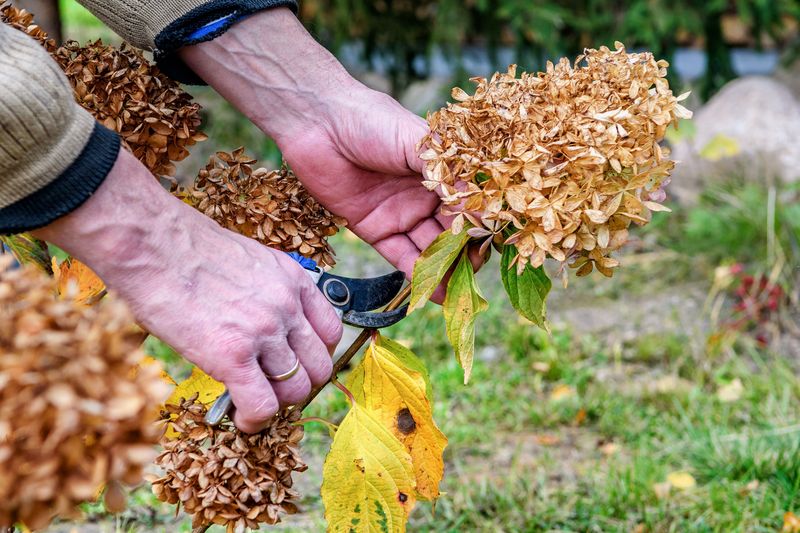
Pruning feels productive. You grab your shears, clean up those old stems, and feel like you are doing something great for your plants.
But with many hydrangeas, pruning at the wrong time is one of the fastest ways to accidentally remove every single flower bud before the season even starts.
Your Texas Garden Changes Every Week. Your Plan Should Too.
Gardening in Texas changes quickly throughout the season. Every Friday you’ll receive a simple weekly plan showing exactly what to plant, prune, fertilize, harvest, and protect so you never miss the right timing.
Many popular hydrangea varieties, including the classic bigleaf hydrangea, bloom on what gardeners call old wood. That means the flower buds actually form on last year’s stems during late summer or fall.
Those buds just sit there quietly through winter, waiting to open come spring. If you trim those stems back in winter or early spring, you are cutting off the very buds that were going to become your flowers.
The plant will still grow. It will push out plenty of fresh leaves and look totally healthy. But without those old stems, there are no buds left to open, and you end up with a full, leafy plant that never blooms all season long.
The fix is pretty simple once you know the rule. For old-wood bloomers, only prune right after the flowers fade in summer.
That gives the plant plenty of time to set new buds on the fresh stems before cold weather arrives. Avoid touching those stems again until after they bloom the following year.
If you are not sure what kind of hydrangea you have, a quick online search using the plant tag or a photo app can help. Knowing your variety is the single most useful thing you can do to get your pruning timing right and finally enjoy a full bloom season.
3. A Late Freeze Damaged The Buds
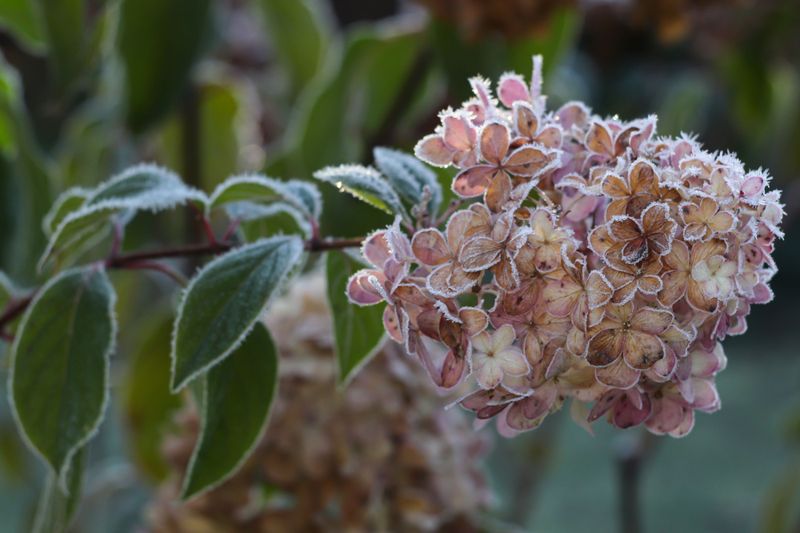
Texas weather has a personality all its own. One week it feels like summer, and the next week a surprise freeze rolls through and catches everyone off guard, including your hydrangeas.
Late freezes are a sneaky and very common reason why hydrangeas in Texas leaf out just fine but never produce a single flower.
Here is what happens. Hydrangea buds start forming and swelling as temperatures warm up in late winter and early spring.
The plant gets excited about the season ahead. Then a late cold snap hits, and while the tougher parts of the plant survive just fine, those tender little buds are much more vulnerable to frost.
They can get damaged or completely destroyed while the rest of the plant looks perfectly healthy.
A few weeks later, leaves push out beautifully and the plant looks like it is thriving. But those buds that were going to become flowers are already gone.
The plant simply does not have time to form a whole new round of buds before the growing season moves on.
Protecting your hydrangeas during late freezes can really pay off. Covering the plant overnight with a frost cloth or even a bedsheet when temperatures are expected to drop below freezing helps trap warmth and shield those fragile buds.
Remove the cover the next morning so the plant gets airflow and light. Paying attention to local weather forecasts from late February through April is a smart habit for Texas gardeners.
Even one well-timed frost cover can be the difference between a gorgeous bloom season and another year of nothing but green leaves staring back at you.
4. The Plant Is Too Young Or Still Establishing
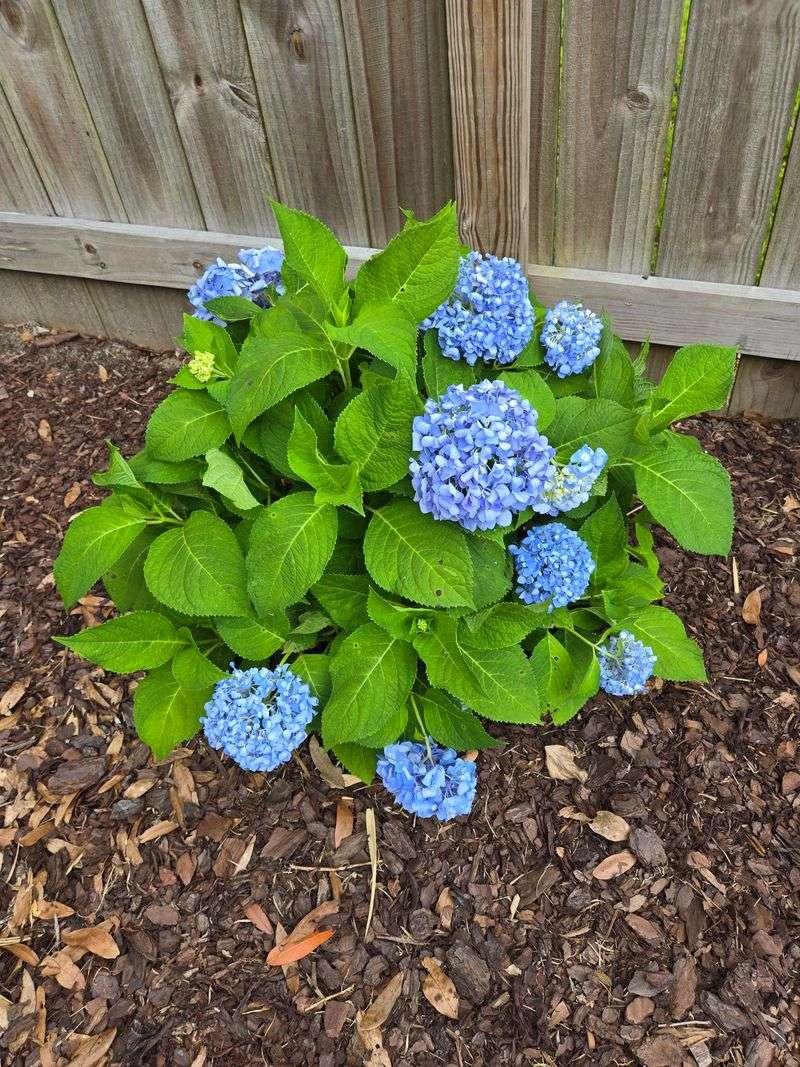
Patience is hard when you are excited about flowers. You plant a hydrangea, water it faithfully, and expect a beautiful bloom show the very next spring. But sometimes the plant has other plans, and those plans do not include flowers just yet.
Young hydrangeas, especially ones planted during the heat of summer or during a drought, spend most of their first season just trying to get comfortable. Growing a strong, healthy root system is the plant’s number one priority when it is new to a spot.
Roots need to spread out and anchor themselves before the plant feels secure enough to put energy toward producing flowers.
A plant that is still establishing might look perfectly happy above ground. The leaves come in green and full, and the overall shape looks great.
But underground, the roots are still working hard to settle in. Blooming takes a lot of resources, and a plant that is still getting established simply holds back on flowers until it feels ready.
Most gardeners find that newly planted hydrangeas bloom lightly or not at all in year one, do a little better in year two, and really hit their stride by year three. That is totally normal and not a sign that anything is wrong.
Giving the plant consistent water, a layer of mulch to keep the soil cool and moist, and a little patience goes a long way.
Avoid pushing a young plant with heavy fertilizer to speed things up. That can actually backfire and cause more leaf growth with even fewer flowers. Let the plant grow at its own pace, and the blooms will come when the time is right.
5. They Are Getting Too Much Nitrogen
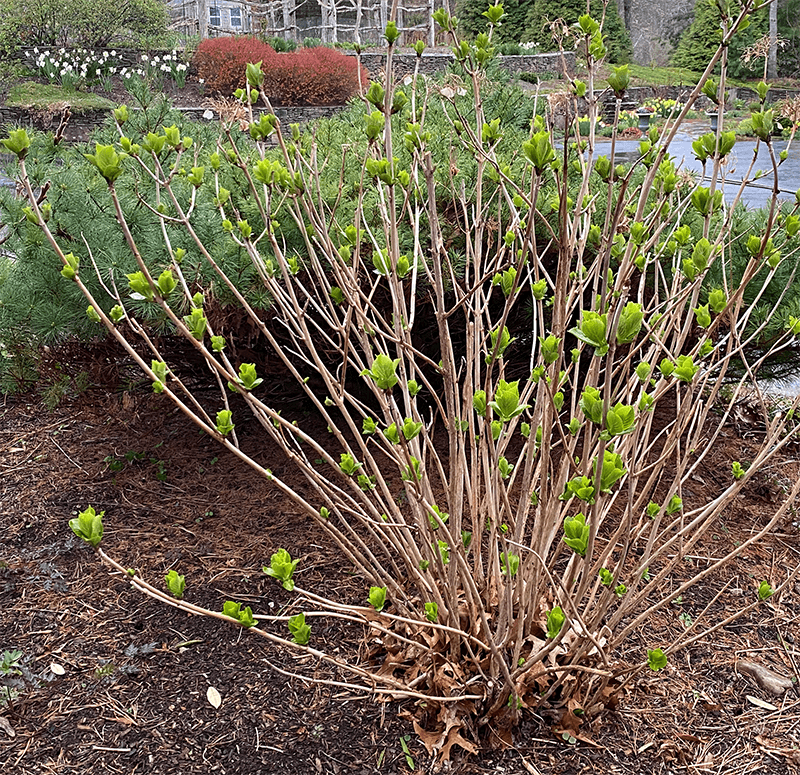
Lush, dark green hydrangea leaves with absolutely zero flowers sounds like a fertilizer problem. And honestly, it probably is.
Too much nitrogen is one of those sneaky issues that makes a plant look incredibly healthy on the outside while quietly working against the one thing you actually want: blooms.
Nitrogen is the nutrient that drives leafy, green growth. Plants need it, but too much of it throws things out of balance.
When a hydrangea gets flooded with nitrogen, it channels all of its energy into growing bigger leaves and longer stems. Flowering gets pushed aside because the plant is too busy putting on a leafy show.
In Texas yards, one of the most common sources of extra nitrogen is lawn fertilizer. If your hydrangea is planted near a lawn, fertilizer spreaders can easily drift product into the garden bed.
Lawn fertilizers tend to be high in nitrogen because grass loves it, but nearby shrubs and flowering plants can absorb it too, with mixed results.
Switching to a fertilizer that is lower in nitrogen and higher in phosphorus can help encourage blooming. Phosphorus is the nutrient most associated with flower and root development.
Look for a balanced fertilizer or one labeled for flowering shrubs, and follow the package directions carefully. More is not always better when it comes to plant feeding.
Also, try pulling back on fertilizing altogether if your hydrangea looks extremely green and leafy but refuses to bloom.
Sometimes the best move is to stop adding nutrients for a season and let the plant reset. You might be surprised how much a little restraint helps coax those flowers out.
6. The Soil Keeps Drying Out At The Wrong Time
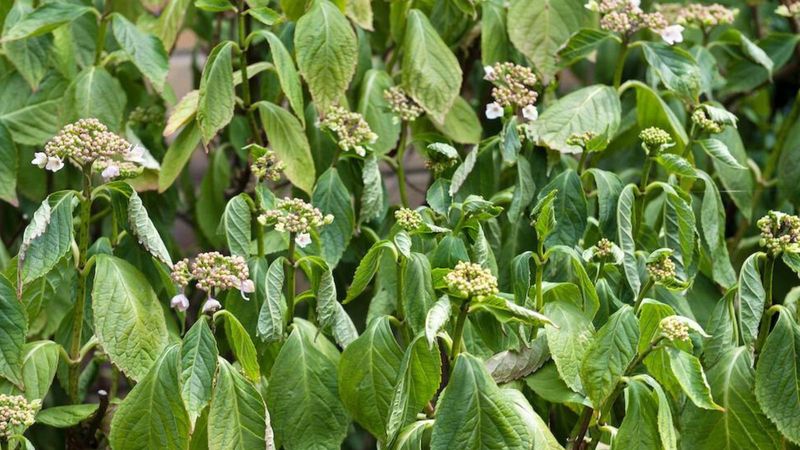
Hydrangeas and water go together like peanut butter and jelly. These plants are thirsty by nature, and their name actually comes from the Greek word for water.
So it probably comes as no surprise that inconsistent moisture is one of the top reasons they leaf out beautifully but never manage to bloom.
Timing matters more than most people realize. Hydrangea buds form and develop during specific windows of the growing season.
If the soil dries out repeatedly during those critical periods, buds can drop before they ever open. The plant might look fine a few weeks later when rain returns, but the damage is already done.
Those buds are gone and will not come back until the next season. Texas summers are tough on soil moisture. Heat pulls water out of the ground fast, and sandy or rocky soil types drain quickly and hold very little moisture between waterings.
Even gardeners who water regularly can end up with dry spells that hit at exactly the wrong moment during bud development.
A thick layer of mulch around the base of the plant makes a real difference. Two to three inches of wood chip mulch slows evaporation, keeps the soil cooler, and stretches the time between waterings.
It also helps protect roots from extreme temperature swings, which is a bonus in Texas.
Deep watering a couple of times a week tends to work better than light daily watering. Deep watering encourages roots to grow downward where soil stays cooler and holds moisture longer.
Getting the watering routine right during spring and early summer can be the key to finally seeing those long-awaited blooms open up.
7. You Have The Wrong Hydrangea For Your Texas Yard
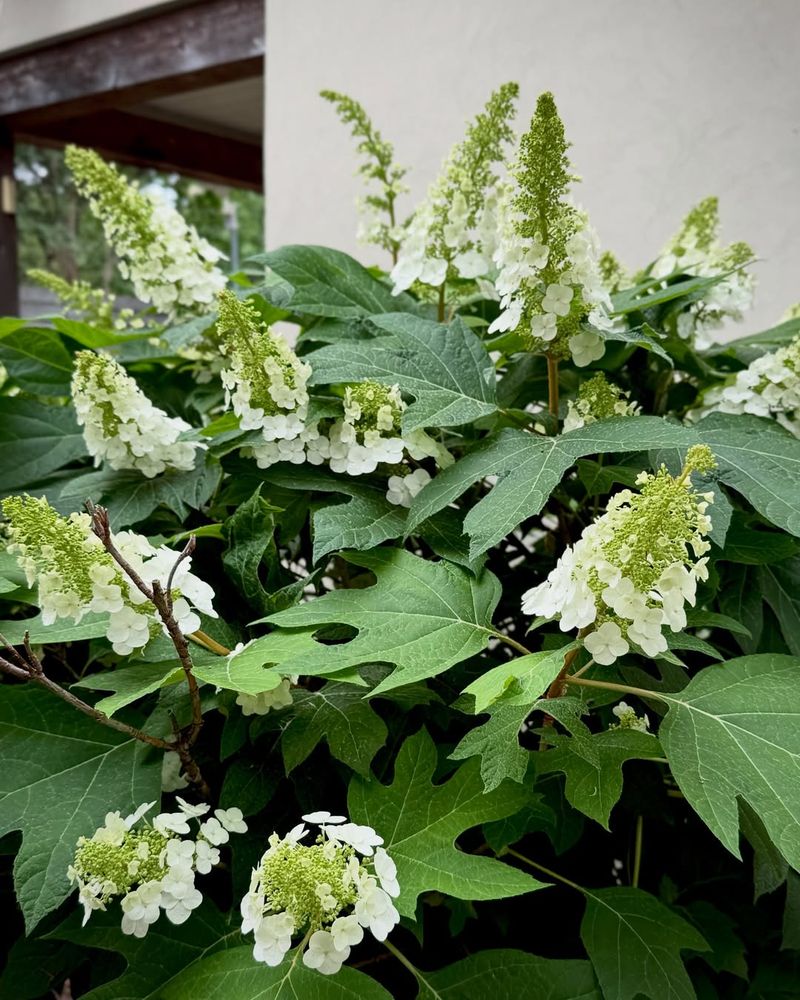
Not every hydrangea is built for Texas. That is just the honest truth, and it is something a lot of gardeners find out the hard way after years of trying to get a plant to bloom in conditions it was never really suited for.
Choosing the right variety from the start makes everything so much easier.
Bigleaf hydrangeas, the classic mophead kind you often see in photos, are popular and gorgeous, but they can really struggle in hot, sunny, or alkaline Texas soil. They are more finicky about heat, drainage, and soil pH than many other types.
In the wrong spot, they will leaf out every single spring and never give you a single bloom, no matter what you do.
Some varieties handle Texas conditions much better. Oakleaf hydrangeas are native to the southeastern United States and are far more heat and drought tolerant.
They bloom reliably even in warmer climates and handle poor soil better than most. Panicle hydrangeas are another solid option.
They bloom on new wood, so pruning timing is less of a concern, and they tolerate full sun and heat better than bigleaf types.
Smooth hydrangeas, like the popular Annabelle variety, also do reasonably well in parts of Texas with the right care. They bloom on new wood too, which makes them forgiving when late freezes or accidental pruning wipe out old stems.
If your hydrangea has been leafing out without blooming for two or more years despite good care, it might simply be the wrong plant for your spot.
Replacing it with a more Texas-friendly variety could finally give you the flower-filled garden you have been working toward all along.