These California Yard Habits Can Invite Skunks To Dig Up Your Lawn At Night
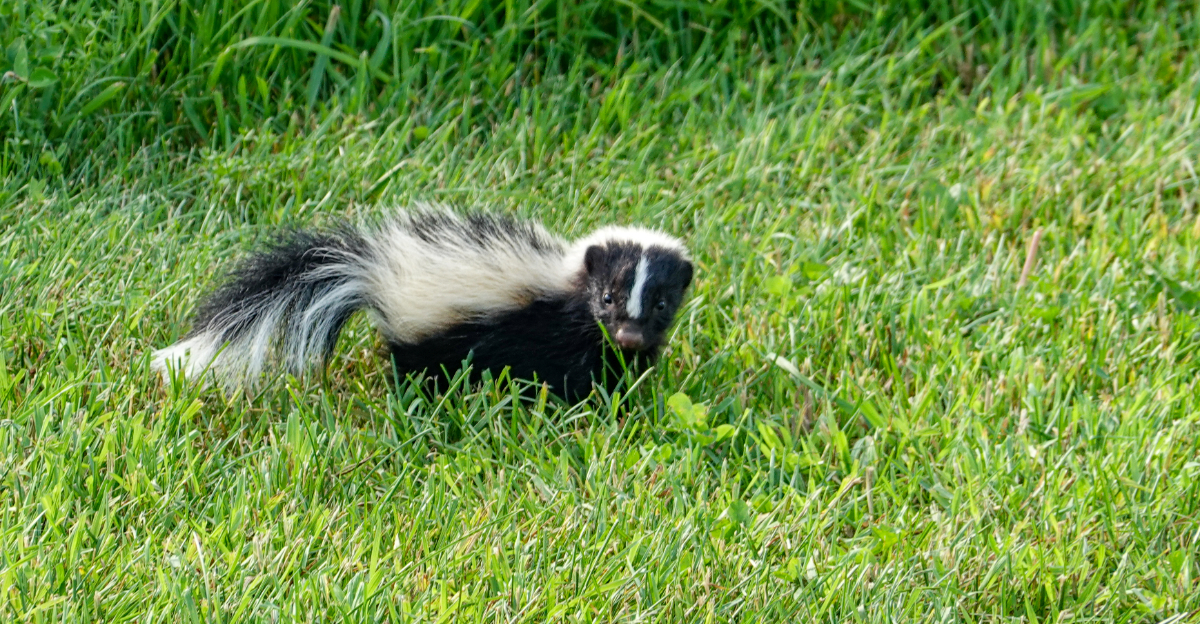
Skunks rarely announce themselves before turning a lawn into an overnight excavation site.
You simply wake up, look outside, and discover a collection of mysterious holes that definitely were not there yesterday. Lovely.
The frustrating part is that a yard can accidentally encourage this behavior without looking especially inviting.
Small habits around the lawn may create the perfect nighttime setup, and skunks are very good at noticing opportunities people miss.
Their digging is usually not random. Something beneath the surface is worth the effort, and everyday yard care can make that hidden reward easier to find.
The good news is that preventing repeat visits does not always require drastic changes. A few adjustments can make the lawn feel far less appealing after dark.
Once those tempting conditions disappear, the neighborhood skunks may decide your yard is no longer worth the trouble.
1. Leaving Grubs In The Lawn Invites Digging
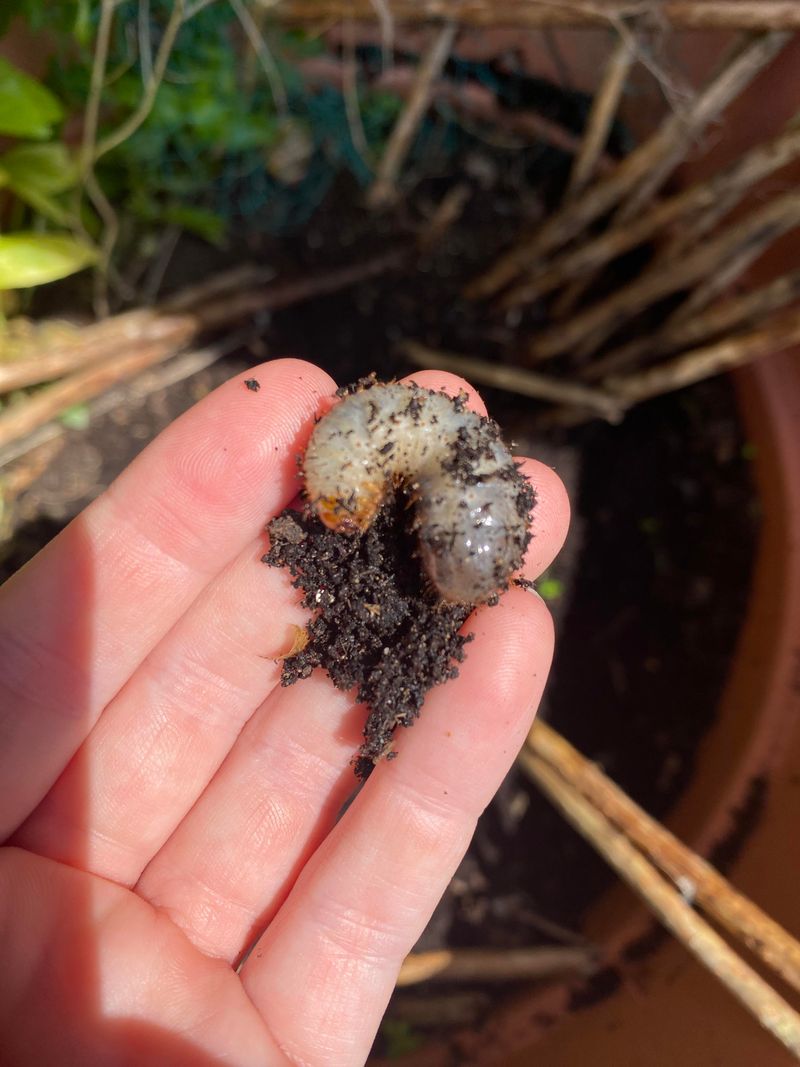
Most people do not realize that a healthy-looking lawn could actually be hiding a skunk magnet just below the surface. Grubs are the larvae of beetles, and they live in the top few inches of soil.
Skunks can smell them through the ground and will dig them up without hesitation.
A skunk on a grub hunt is not being destructive on purpose. It is simply following its nose to a reliable food source.
The problem is that even a small grub population can bring skunks to your yard night after night. Once they find a productive patch, they keep coming back to check for more.
Grub damage often looks like small, cone-shaped holes or sections of sod that feel loose and spongy underfoot. If you notice these signs, it is worth testing your soil for grubs before blaming other animals.
Pull back a square foot of turf and count what you find. More than five grubs per square foot is usually enough to attract nighttime diggers.
Treating your lawn for grubs in late summer or early fall can break the cycle. Beneficial nematodes are a natural, pet-safe option that many homeowners in California prefer.
Keeping your lawn healthy and well-aerated also reduces the conditions that grubs love. Fewer grubs underground means far less reason for skunks to visit your yard after dark.
2. Overwatered Turf Makes Grubs Easier To Find
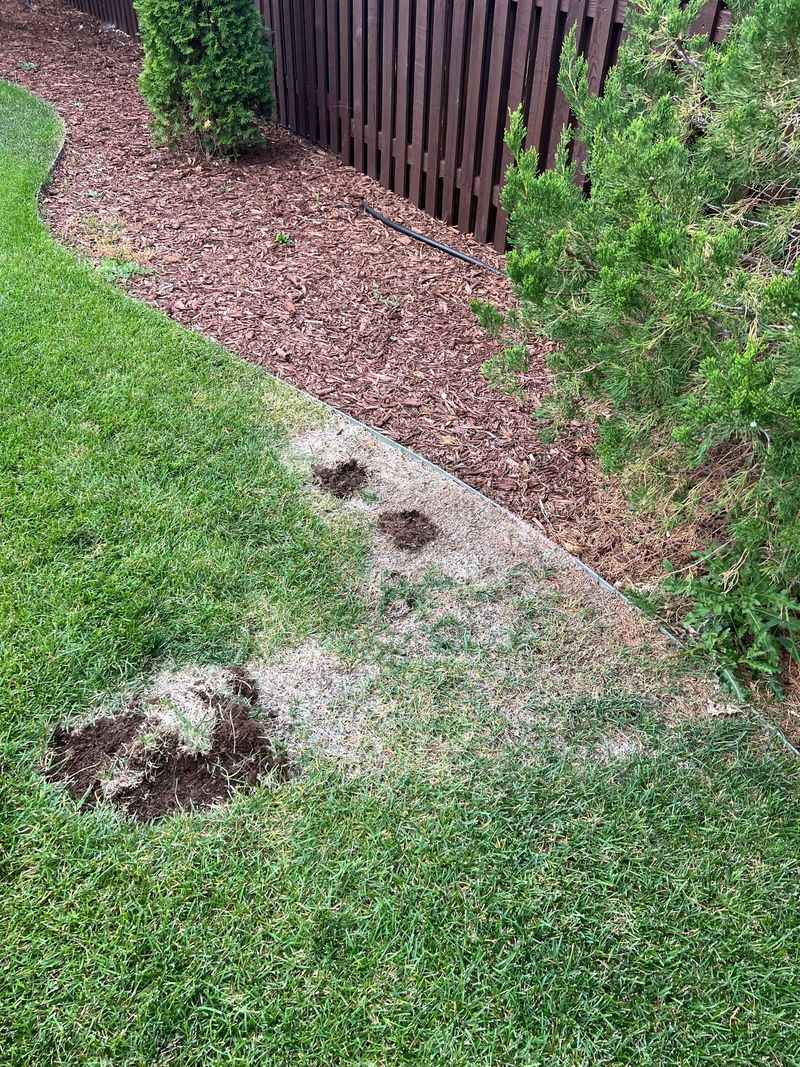
Watering your lawn too much does more than waste water. It softens the soil so thoroughly that grubs rise closer to the surface, making them much easier for skunks to detect and dig up.
In California, where water conservation is already a concern, overwatering creates problems on two fronts.
Soft, wet soil is practically an invitation. Skunks do not have to work nearly as hard to break through damp ground compared to firm, dry turf.
They will naturally gravitate toward the easiest spots to dig, and an overwatered lawn fits that description perfectly. Even neighbors with well-watered yards can attract skunks from several houses away.
A good rule of thumb is to water deeply but less frequently. This encourages grass roots to grow deeper while keeping the top layer of soil from becoming too soggy.
Your California Garden Changes Every Week. Your Plan Should Too.
Gardening in California changes quickly throughout the season. Every Friday you’ll receive a simple weekly plan showing exactly what to plant, prune, fertilize, harvest, and protect so you never miss the right timing.
Most California lawns do well with about one inch of water per week, depending on the season and grass type.
Consider switching to early morning watering so the surface dries out by nightfall. Skunks are most active after dark, so a drier lawn in the evening gives them less to work with.
Installing a smart irrigation timer can help you avoid accidental overwatering. Small adjustments to your watering schedule can make a surprisingly big difference in how often skunks show up.
3. Pet Food Left Outside Brings Skunks Closer
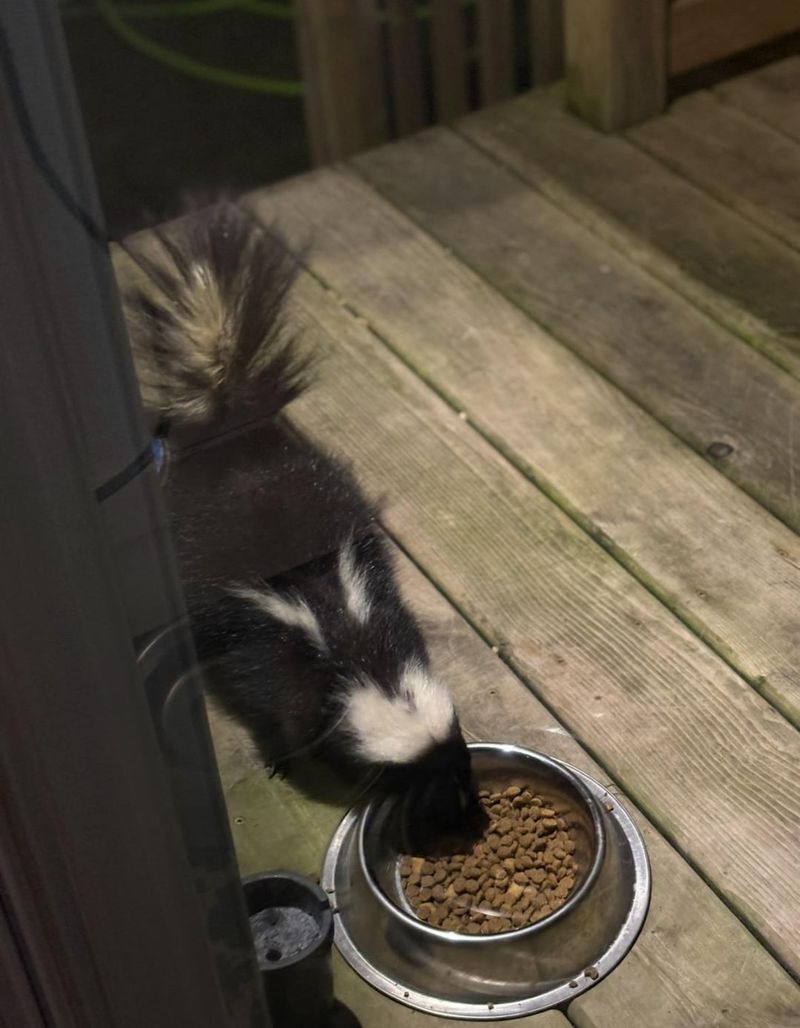
Leaving a bowl of kibble on the back porch might seem harmless, especially if your dog or cat did not finish dinner. But to a skunk, that leftover pet food smells like an easy, no-effort meal.
Skunks have an extraordinary sense of smell, and they can pick up food scents from surprisingly far away.
Once a skunk finds pet food on your porch, it will return at the same time the following night. And the night after that.
Over time, the skunk becomes comfortable around your home, which can lead to it exploring more of your yard and eventually setting up a den nearby.
What starts as one bowl of leftovers can quickly become a long-term wildlife problem. The fix is simple but requires consistency. Bring all pet food indoors before sundown.
If your pet eats outside, pick up the bowl as soon as mealtime is over. Rinse the bowl too, since even the smell of food residue can attract wildlife.
Do not leave water bowls outside overnight either, as skunks also look for reliable water sources.
If you have outdoor cats, consider feeding them during daylight hours only. Automatic feeders with timers can help keep meals on a schedule that does not overlap with skunk activity.
Protecting your pet’s food is one of the easiest ways to make your yard less appealing to these nighttime visitors without much effort at all.
4. Fallen Fruit Turns The Yard Into A Buffet
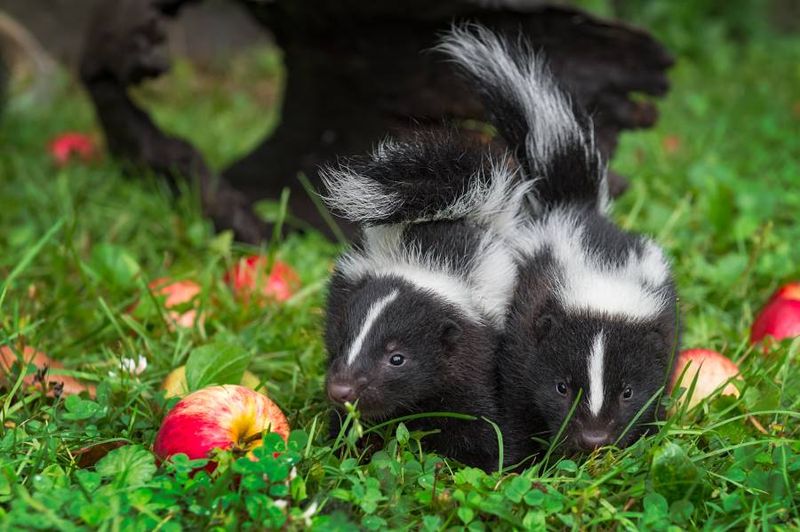
Fruit trees are one of the best things about having a yard in our state. But all that abundance comes with a downside when the fruit starts falling on its own.
Skunks are opportunistic feeders, and rotting or overripe fruit on the ground is one of their favorite finds.
The sweet, fermented smell of fallen fruit is incredibly appealing to skunks and many other wildlife visitors. Citrus, figs, apples, and stone fruits are all fair game.
A single tree dropping fruit regularly can turn your backyard into a nightly gathering spot for animals you never invited in.
Picking up fallen fruit every evening is one of the most effective ways to reduce skunk activity in your yard.
Yes, it takes effort, but it removes the food source before nightfall, which is when skunks start their search.
Even a few pieces of fruit left on the ground can be enough to draw them in.
If you have more fruit than you can use, consider donating it to a local food bank or composting it in a sealed bin.
Leaving it in an open pile or tossing it into an uncovered compost heap just moves the problem rather than solving it.
Keeping the ground beneath your fruit trees clean and clear sends a clear message that your yard is not the neighborhood buffet. Consistent cleanup is the key to keeping things under control.
5. Loose Trash Gives Skunks A Nighttime Reward
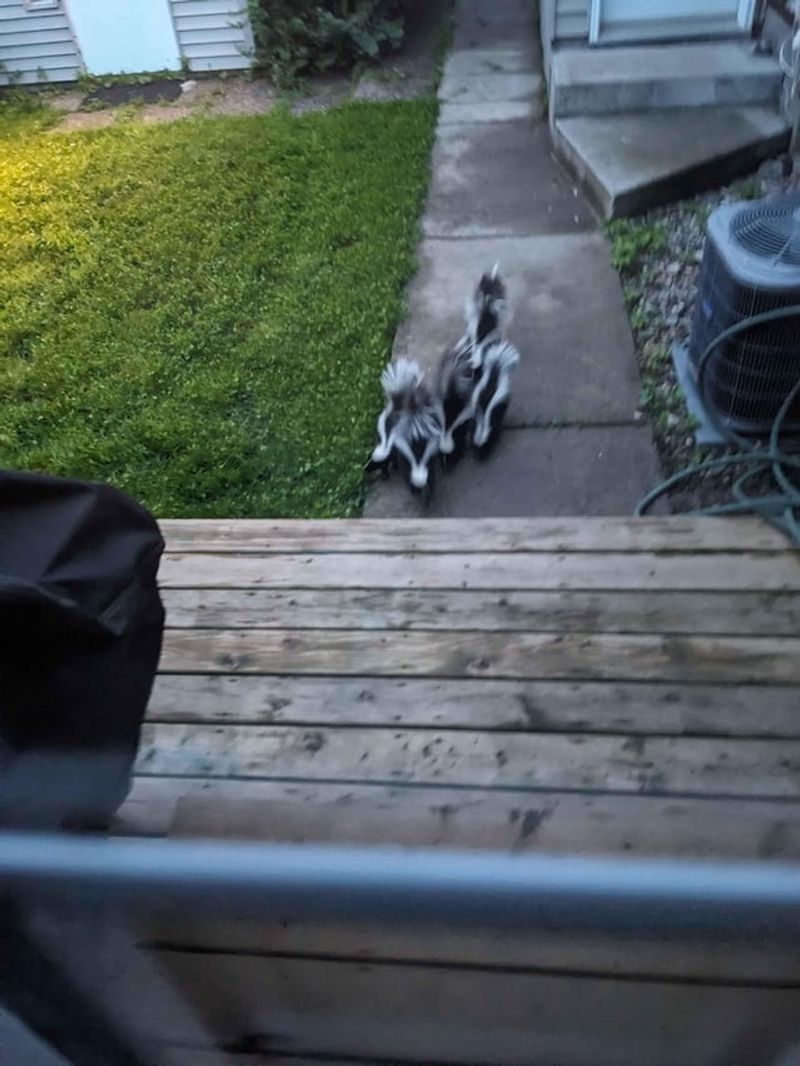
A trash can without a secure lid is practically a gift to a skunk. These animals are resourceful and surprisingly strong for their size.
They can tip over lightweight bins, pry off loose lids, and pull out food scraps with ease. Once they find a reliable trash source, they show up every single collection night like clockwork.
Food waste is the main attraction. Meat scraps, dairy packaging, vegetable peels, and leftover meals all release strong odors that travel through the night air.
Skunks follow their nose, and a trash can full of food smells is one of the strongest signals they can detect from a distance.
Switching to a heavy-duty trash can with a locking lid is one of the smartest investments a homeowner can make.
Many municipalities in California now offer wildlife-resistant bins, so check with your local waste management service.
Bungee cords can also secure lids in a pinch, though a proper locking mechanism is more reliable long-term.
Store your trash cans in a garage or shed until collection morning if possible. Avoid putting bins out the night before pickup, since that gives skunks more time to investigate.
Rinsing food containers before tossing them also reduces odors significantly. A little extra effort with your trash routine can eliminate one of the biggest skunk attractants around your home without costing much at all.
6. Open Compost Can Smell Like Dinner
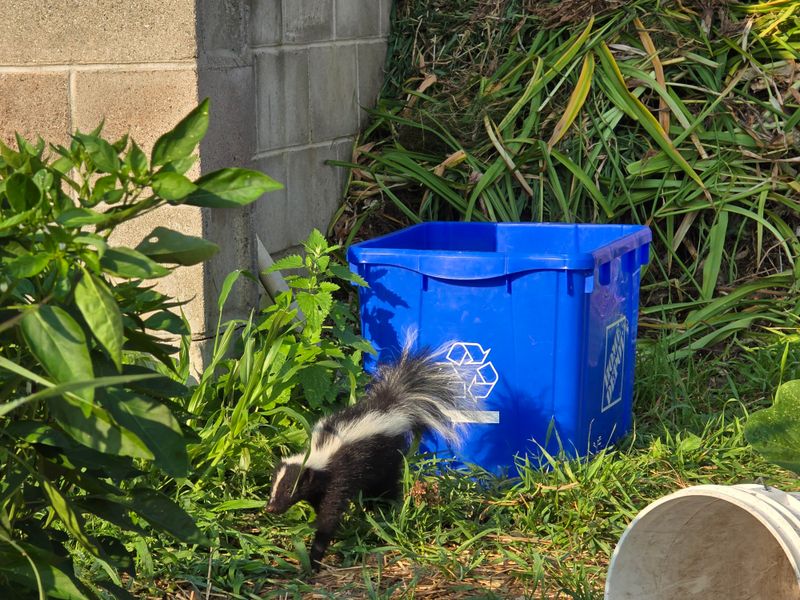
Composting is a fantastic habit for the environment, and many homeowners across California have embraced it fully.
But an open or poorly managed compost pile can become one of the strongest skunk attractants in your entire yard.
The combination of decomposing food, warmth, and moisture creates an irresistible scent.
Skunks are drawn to compost because it often contains fruit scraps, vegetable peels, coffee grounds, and eggshells, all foods they actively seek out.
The fermentation process makes the smell even more powerful and detectable from farther away.
An open heap sitting close to your lawn is basically a neon sign for wildlife after dark.
Using a sealed compost bin with a tight-fitting lid is the best solution. Tumbler-style composters are especially effective because they keep contents enclosed and elevated off the ground.
Avoid adding meat, dairy, or cooked food to your compost, since these items break down in ways that produce the strongest and most attractive odors for skunks.
Turn your compost regularly to speed up decomposition and reduce the time that food scraps sit near the surface.
Adding a layer of dry brown material like leaves or cardboard after each addition also helps mask odors.
Placing your compost bin far from your home and lawn adds another buffer. With the right setup, you can keep composting guilt-free while dramatically cutting down on unwanted skunk visits to your yard each night.
7. Birdseed On The Ground Attracts More Than Birds
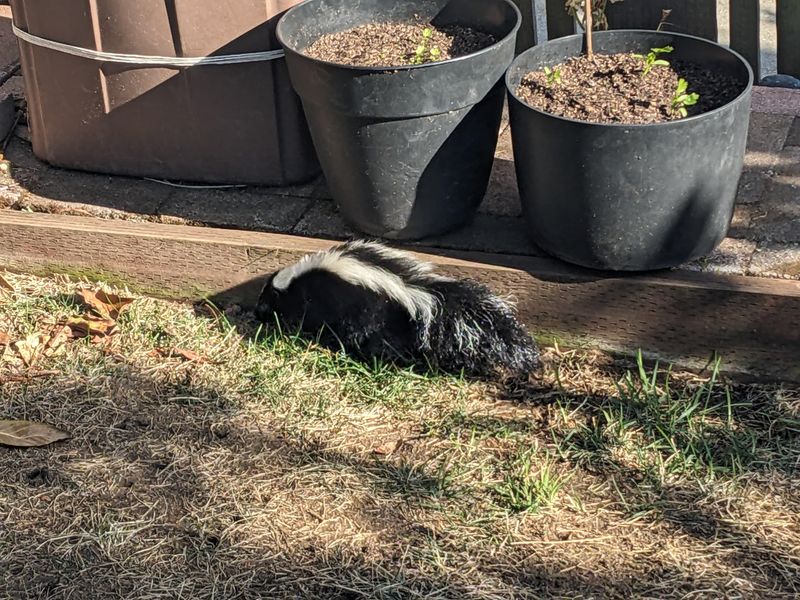
Bird feeders bring color and life to any yard, and watching birds is one of the most relaxing hobbies around.
But what happens when the birds fly away at sunset and all that spilled seed stays on the ground?
Skunks move in and clean it up for you, whether you want them to or not.
Birdseed is high in protein and fat, making it nutritionally appealing to skunks. Sunflower seeds, millet, and cracked corn are all favorites.
The problem is not just the seed itself but the smell it releases as it sits on warm soil throughout the day. By nightfall, that scent has spread in every direction.
One easy fix is to switch to a feeder with a catch tray that minimizes spillage. You can also place a tray beneath the feeder to collect fallen seed, then empty it before dark.
Switching to seed blends that birds prefer but skunks find less appealing, like safflower seeds, can also reduce the problem.
Bringing feeders indoors at night is another reliable option, though it takes commitment. Some homeowners use baffles on feeder poles to keep skunks from climbing up.
Keeping the ground beneath feeders raked and clean removes the leftover seed that lingers after birds have had their fill.
A tidy feeding station is much less likely to turn into an after-hours skunk dining spot once these simple habits are in place.
8. Low Decks Create Easy Denning Spots
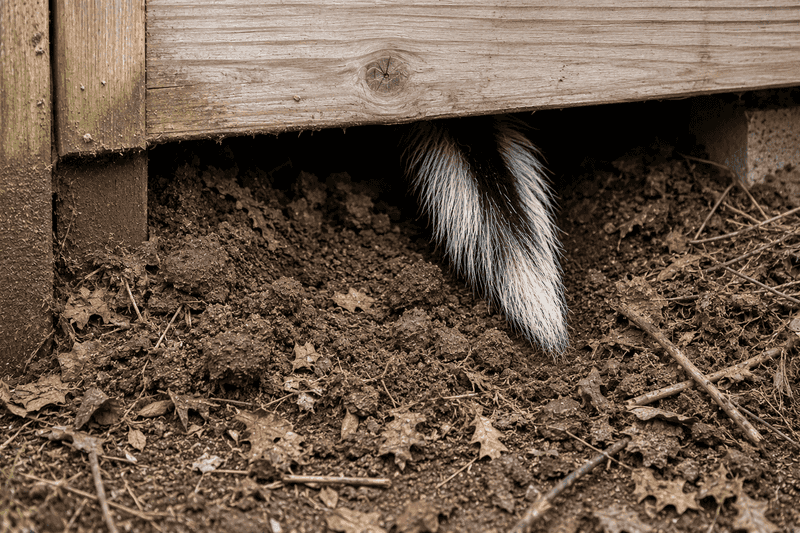
Skunks do not just come to your yard for food. They also look for safe, sheltered spots to rest and raise their young.
A low deck with open sides is one of the most appealing denning locations a skunk could hope to find in a residential neighborhood.
The space beneath a low deck offers darkness, protection from wind and rain, and proximity to food sources.
Skunks are not particularly picky about where they settle, but they do prefer spots that feel hidden and undisturbed.
Once a skunk sets up a den, it can be very difficult to encourage it to leave on its own.
Sealing off the space beneath your deck is the most effective long-term solution. Hardware cloth with a small mesh size works well for blocking entry points around the perimeter.
Bury the mesh a few inches into the soil to prevent skunks from digging underneath it. Make sure no animals are already inside before sealing everything up.
Adding motion-activated lights near your deck can also discourage skunks from approaching. These animals prefer darkness and tend to avoid areas with sudden bright light.
Cedar mulch or certain natural repellents placed near the deck perimeter may add an extra layer of deterrence.
Combining physical barriers with light-based deterrents gives you the best chance of keeping the space beneath your deck free of unwanted residents all year long.