10 Surprising Facts About Growing Narcissus In Washington
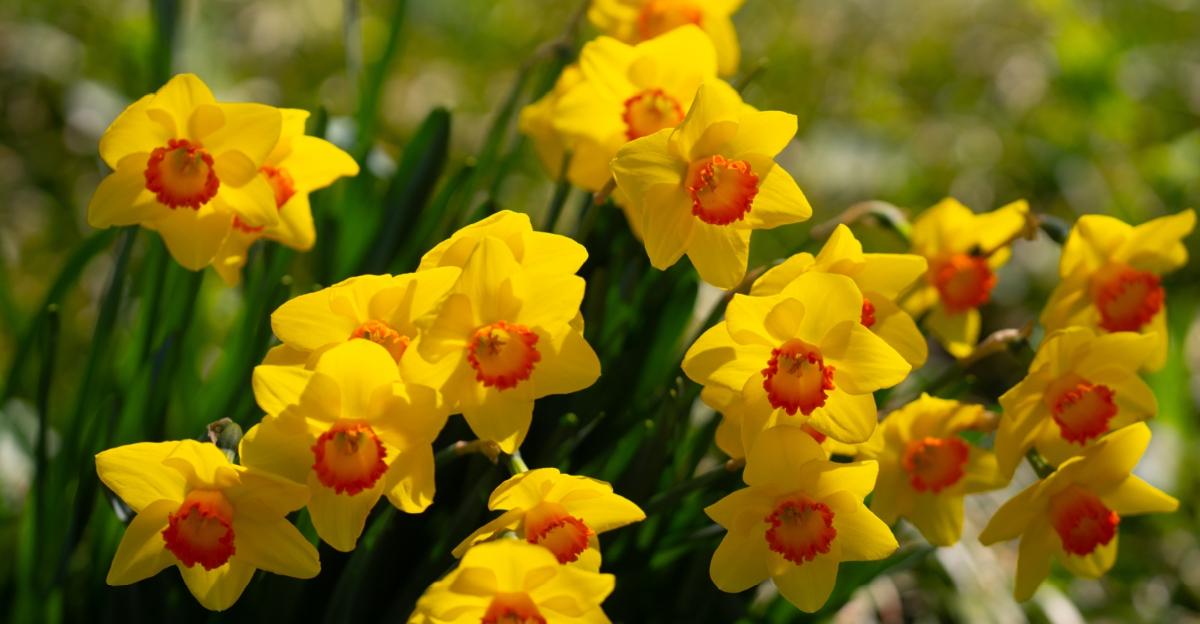
Narcissus bulbs arrive quietly, then completely change your entire spring garden. Washington soil holds secrets most gardeners never notice until it’s too late.
Your patience gets tested long before any bloom finally appears. Cold snaps threaten shoots that push upward far too soon.
Beneath that bright trumpet shape hides a quiet, calculated strategy. Most people assume bulbs simply sit and wait for warmth. Yours never do. Roots stretch downward while shoots climb upward at the same time.
Timing matters more than soil quality or steady sunlight ever will. Certain planting depths change bloom speed more than people expect.
This detail counts even more once Washington weather turns unpredictable. Squirrels and deer test your bulbs constantly, quietly, without warning.
Protecting them takes sharp instinct, not blind guesswork or luck. Every choice you make early shapes what eventually rises later.
Nothing about growing narcissus stays fixed or fully predictable. Real gardeners understand this long before spring finally arrives. You are about to discover why these blooms refuse to wait for anyone.
1. Bulbs Are Toxic If Eaten
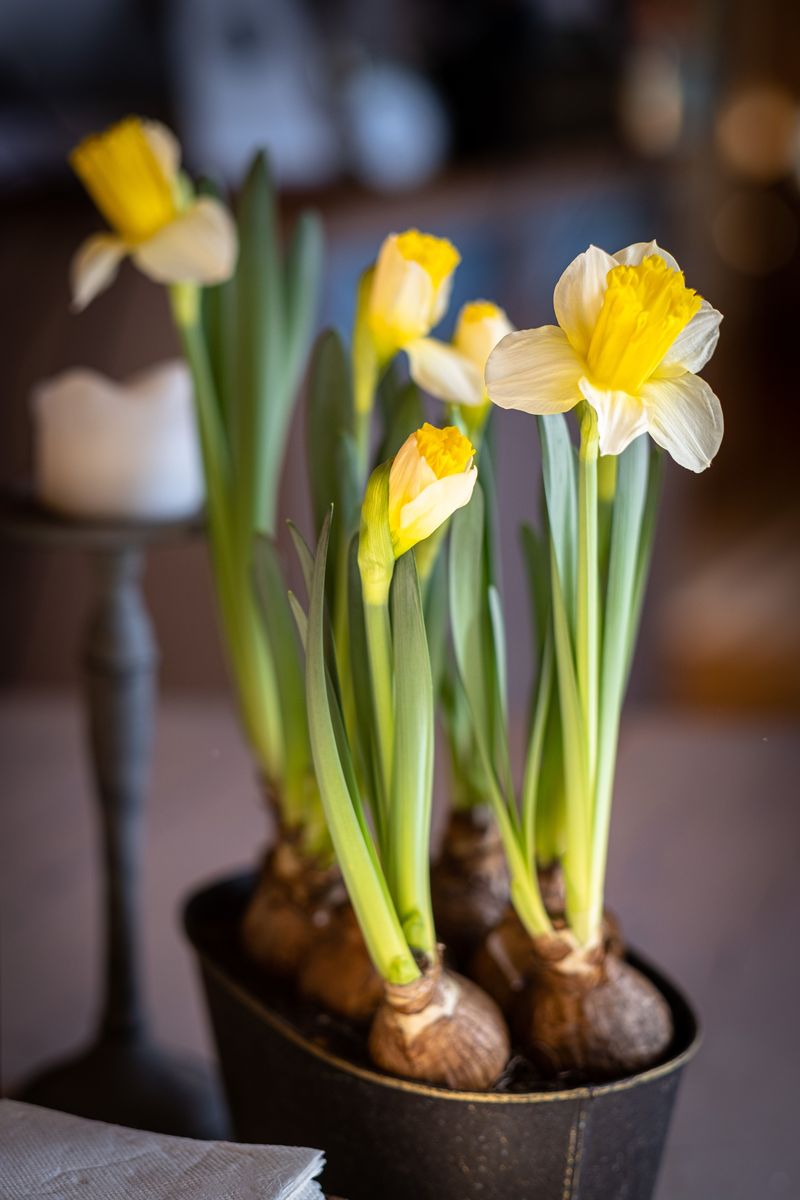
Narcissus bulbs look harmless sitting in a garden basket. But eating even a small piece can cause serious stomach trouble for humans and pets alike.
The bulbs contain lycorine, a natural compound that triggers vomiting and dizziness fast. This reaction happens quickly, often within minutes of ingestion.
Gardeners in Washington often mistake them for onions when cleaning out storage areas. This mix-up is one of the most common causes of accidental pet poisoning with narcissus bulbs.
Every spring, cases like this account for a real share of calls to animal poison control centers. That mistake alone sends several pets to emergency vet clinics every spring.
Kids and dogs are especially at risk, so keep bulbs locked away after purchase. Curious toddlers and hungry dogs rarely hesitate before biting into something unfamiliar.
Wearing gloves while handling them is a smart habit too, since skin contact can irritate sensitive hands. Store your bulbs in labeled bags, clearly marked so no one grabs the wrong thing by accident.
Awareness is your best tool here, especially in households with young children or curious pets. If someone accidentally eats part of a bulb, call Poison Control right away without waiting for symptoms.
Quick action makes a big difference in outcomes, sometimes preventing a serious hospital visit entirely. Growing narcissus in Washington is a joy, but safety always comes first.
Treat these bulbs with the same caution you would give any household chemical or medication.
2. Wet Winters Can Rot Bulbs
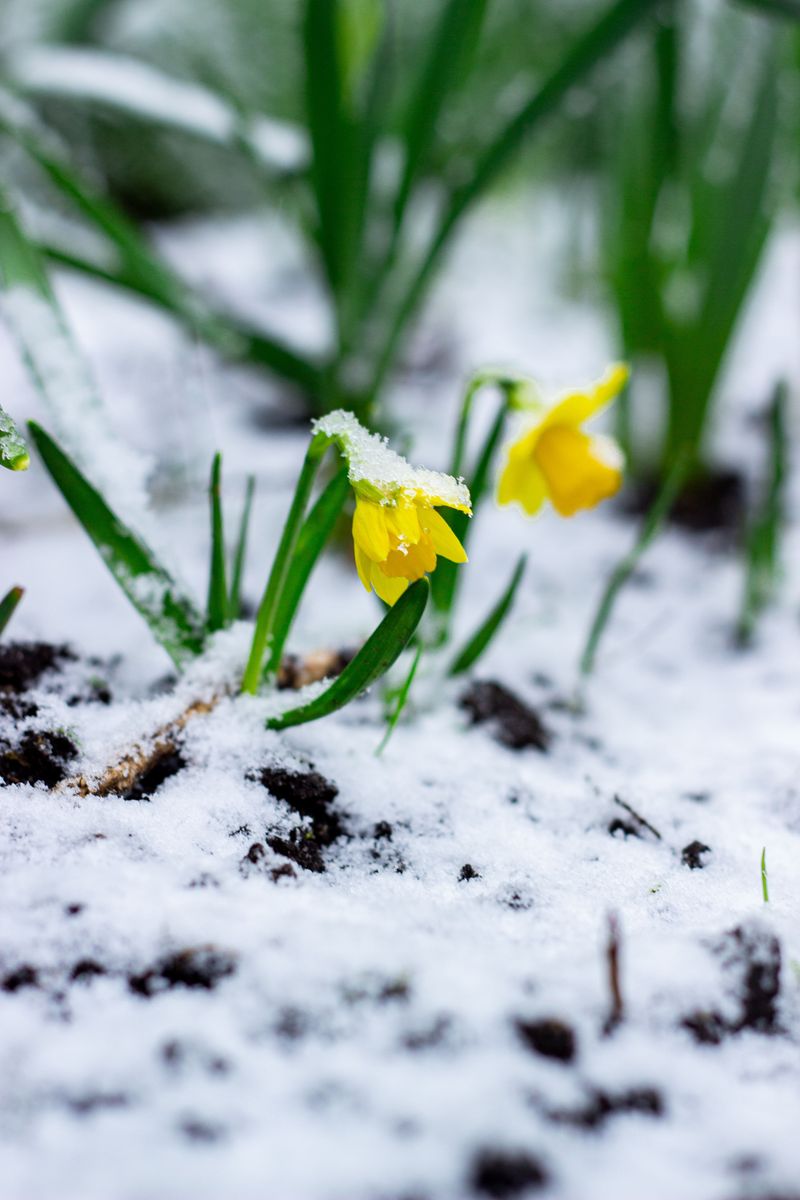
Washington winters are famously wet, and that moisture can quietly damage your bulbs underground. Soggy soil deprives bulbs of oxygen before they ever get a chance to bloom.
Root rot sets in fast when water pools around the bulb base. Once rot begins, there’s rarely any way to reverse the damage.
You might not notice the damage until spring arrives and nothing comes up. By then, the bulb has already turned soft and discolored underground.
Your Washington Garden Changes Every Week. Your Plan Should Too.
Gardening in Washington changes quickly throughout the season. Every Friday you’ll receive a simple weekly plan showing exactly what to plant, prune, fertilize, harvest, and protect so you never miss the right timing.
Raised garden beds are a popular fix for this problem across the Pacific Northwest. They lift bulbs above the saturated ground where water naturally collects.
Elevating your planting area, even by a few inches, can noticeably improve drainage in most soil types. That small change often means the difference between a bloom and a failure.
Sandy or loamy soil mixes also help water move through faster. These textures let excess moisture drain instead of lingering near delicate roots.
Avoid heavy clay patches, which hold moisture like a sponge all winter long. Clay traps water exactly where bulbs need it least.
Planting on a gentle slope is another clever trick gardeners use here. Gravity does the drainage work for you without any extra effort.
Check your beds after heavy rainfall and look for standing water near your bulbs. Growing narcissus in Washington means learning to work with the rain, not against it.
3. Bulbs Need Cold To Bloom
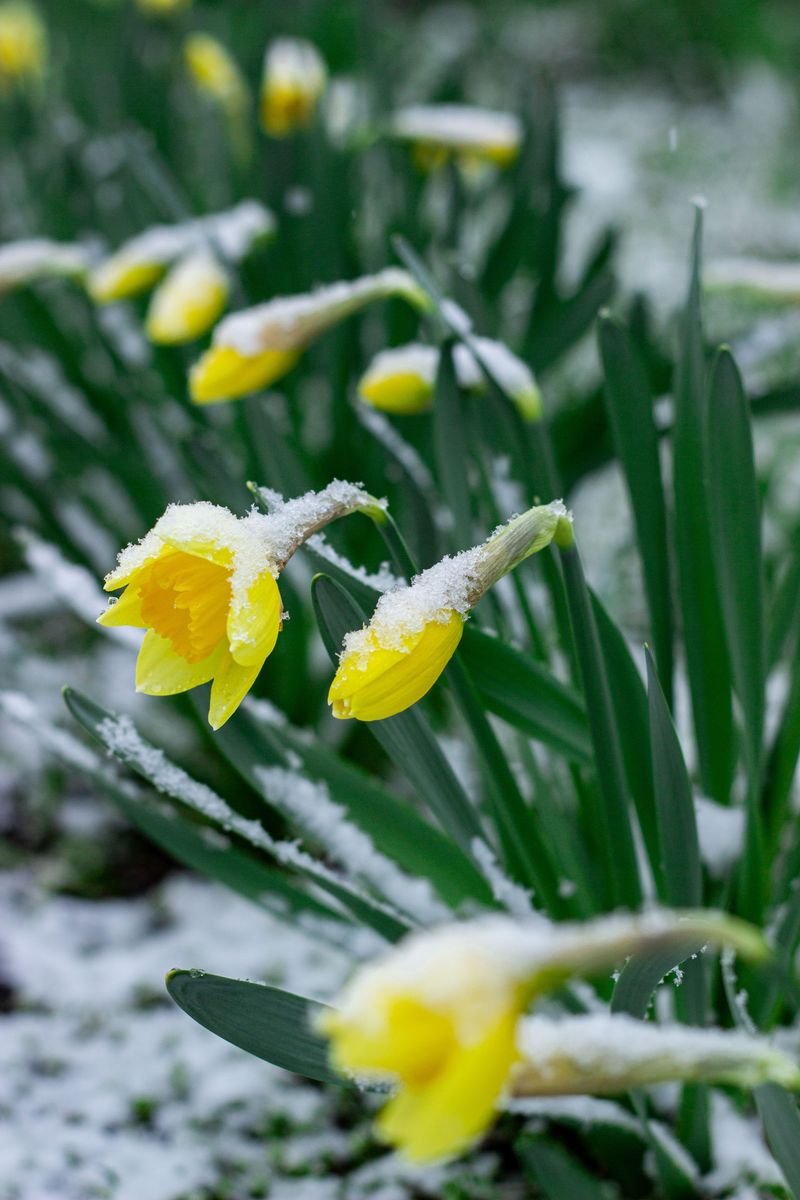
Cold weather is not the enemy of narcissus bulbs. Surprisingly, it is the secret ingredient that makes them bloom beautifully each spring.
Bulbs need a chilling period called vernalization to trigger their flowering cycle. Without enough cold hours, they stay dormant and never produce those cheerful yellow trumpets.
This dormancy can last an entire season if the chill requirement goes unmet. Washington’s winters usually provide the right amount of chill naturally.
Many narcissus varieties need roughly twelve to sixteen weeks of temperatures near or below 45 degrees Fahrenheit, though exact needs vary by cultivar.
That window matters more than gardeners often realize. If you live in a warmer microclimate in Western Washington, you might need to pre-chill bulbs in the refrigerator.
This extra step mimics winter conditions your bulbs would otherwise miss. Keep them away from ripening fruit, which releases ethylene gas and damages the bulb.
Even brief exposure to that gas can ruin an entire batch. Eastern Washington gardeners rarely have this problem since cold snaps arrive reliably each year.
Their bulbs get consistent chill without any manual intervention. The Cascade Mountains create a natural divide in climate that affects bulb performance on each side.
Understanding your local chill hours gives you a real advantage. Healthy cold exposure now means a stunning spring show later.
4. Sap Can Irritate Skin

Narcissus sap has a sneaky reputation among florists and gardeners. The milky liquid that oozes from cut stems can cause redness, itching, and even blisters on sensitive skin.
This reaction is called contact dermatitis, and it catches many first-time growers off guard. Symptoms sometimes appear hours later, making the cause hard to trace.
Even experienced gardeners sometimes forget and rub their eyes after handling fresh cuts. That simple habit can turn a quick trim into a painful mistake.
Wearing nitrile or rubber gloves while trimming stems is a simple solution. Washing hands thoroughly with soap and water right after handling is equally important.
Skipping this step often leads to irritation showing up later that evening. The sap also affects other flowers when narcissus stems share a vase.
Special compounds leach into the water and can wilt roses, tulips, and other cut flowers nearby. Mixed bouquets often fade faster than gardeners expect because of this.
Florists handle this by soaking narcissus stems alone for twelve to twenty-four hours first. This isolation period lets the sap release settle before mixing begins.
This isolation period lets the sap release settle before mixing begins. After that soak, the sap release slows down and they become safer vase companions.
Growing narcissus in Washington gardens means enjoying their beauty with a little extra care. Protect your skin and your other blooms will thank you too.
5. Deer And Rodents Avoid Them
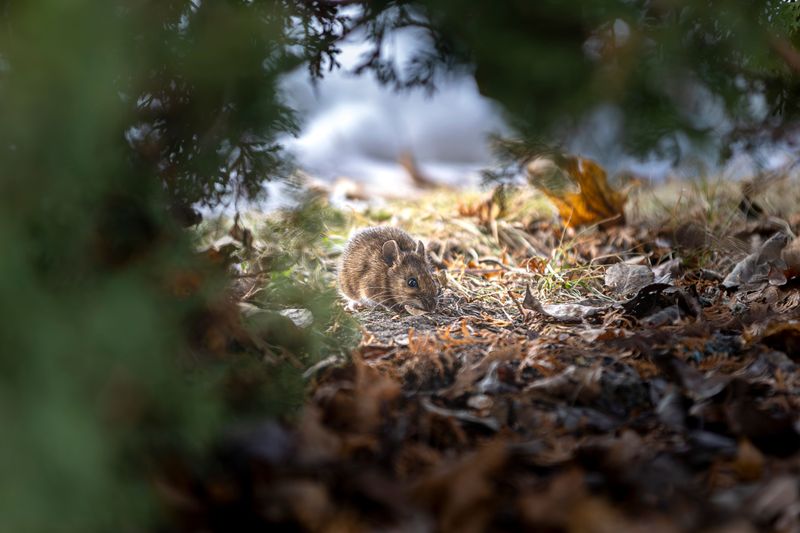
A lesser-known advantage of Pacific Northwest gardening is that narcissus naturally repels deer. The toxic compounds that make the bulbs dangerous to eat also make them unappealing to hungry wildlife.
Deer have a sharp sense of smell and quickly learn which plants are not worth the trouble. Narcissus plants are often left untouched while nearby tulip beds are heavily grazed by deer.
Rodents like voles and moles also tend to steer clear of narcissus bulbs underground. This is a real advantage in Washington, where burrowing pests can significantly damage a bulb planting in a single season.
Savvy gardeners plant narcissus as a protective border around more vulnerable plants like lilies and hyacinths. This living barrier strategy works surprisingly well without any chemical repellents needed.
Squirrels occasionally investigate but rarely return after one taste of the bitter bulb. Nature has built in a pretty effective defense system here.
If deer pressure is high in your neighborhood, narcissus is one of the smartest choices you can make. Beauty and resilience wrapped into one bulb.
6. Let Foliage Yellow Before Removing
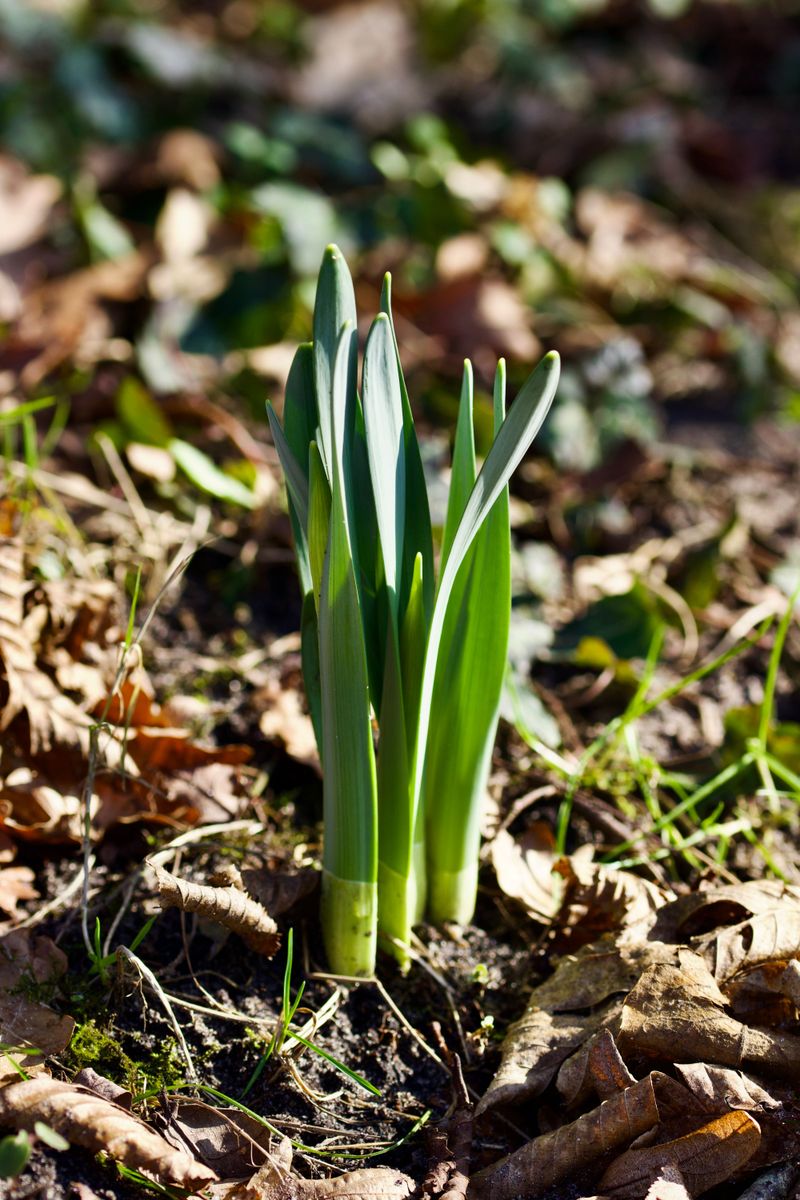
After the blooms fade, the green leaves might seem like garden clutter. Cutting them back too soon is one of the most common mistakes narcissus growers make.
Those leaves are working hard even after flowering ends. They capture sunlight and send energy back down into the bulb, refueling it for next year’s bloom.
Removing foliage early starves the bulb and leads to weak or missing flowers the following spring. Washington gardeners who skip this step often wonder why their narcissus stops performing after a few years.
Wait until the leaves turn completely yellow and flop over naturally before cutting or pulling them. That color change signals that the bulb has absorbed all the nutrients it can store.
Some gardeners braid the floppy leaves to keep beds looking tidy during this waiting period. Others plant low-growing perennials nearby to camouflage the withering foliage naturally.
Patience pays off in a big way here. Let the plant finish its full cycle and growing narcissus in Washington becomes a long-term reward rather than a short-term frustration.
7. Divide Overcrowded Clumps To Rebloom
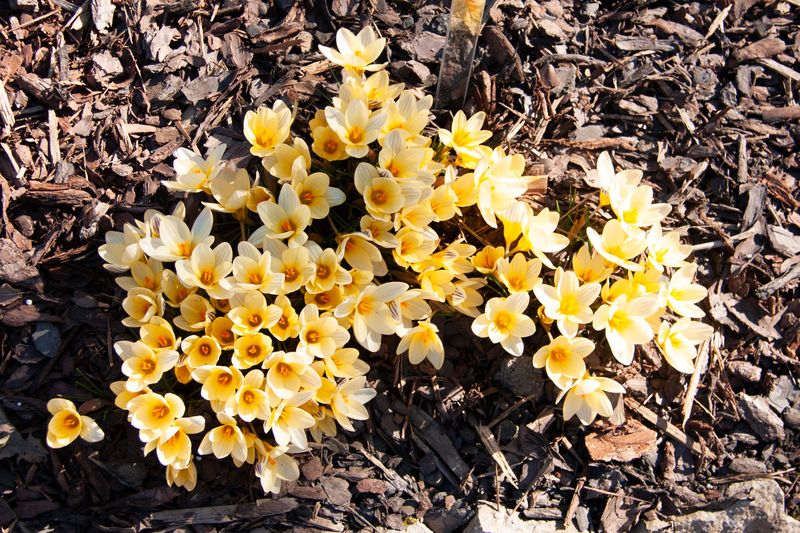
After a few years in the ground, narcissus clumps can get seriously crowded. When bulbs compete for the same nutrients and space, bloom production drops fast.
Dividing clumps every three to five years keeps the plants healthy and flowering abundantly. It sounds like extra work, but the payoff is a spectacular display that rewards your effort.
Wait until foliage has fully withered and turned brown before digging up the clump. Lift the whole mass carefully with a garden fork, trying not to slice through the bulbs.
Gently pull individual bulbs apart by hand, discarding any that feel mushy or look damaged. Healthy bulbs should feel firm and have papery, dry outer skin.
Replant them immediately with fresh compost mixed into the soil for a nutrient boost. Space bulbs about six inches apart so each one has room to develop its own root system.
Washington’s mild fall weather makes September and October ideal months for this task. Divided narcissus almost always bounces back stronger the very next spring.
8. Varieties Bloom At Different Times
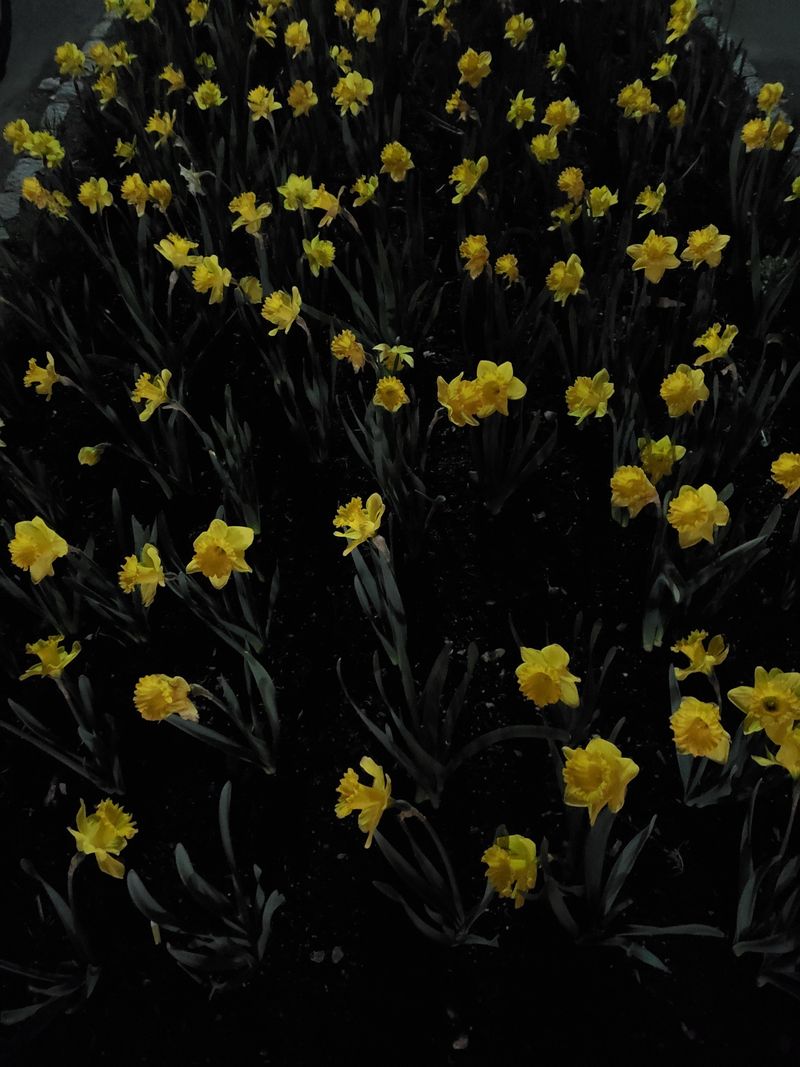
Not all narcissus varieties bloom at the same time, and that is actually great news for gardeners. With smart planning, you can have continuous color from late winter all the way through May.
Early bloomers like February Gold and Tete-a-Tete push up while snow is still possible in Washington. Mid-season varieties follow a few weeks later, and late bloomers like Thalia close out the spring show beautifully.
Layering these varieties in the same bed creates a rolling wave of color across the season. Gardeners call this technique succession planting, and it works brilliantly in the Pacific Northwest climate.
Check the bloom time listed on bulb packaging before you buy, since labels sometimes skip this detail. Knowing whether a bulb is early, mid, or late season helps you plan the sequence precisely.
Mixing fragrant varieties with non-fragrant ones adds another sensory dimension to your garden. Some narcissus types carry a powerful sweet scent that fills the yard on a warm afternoon.
Growing narcissus in Washington with variety in mind turns a simple planting into a season-long event. Your garden will keep surprising you well into late spring.
9. Cut Stems Shorten Other Flowers’ Life
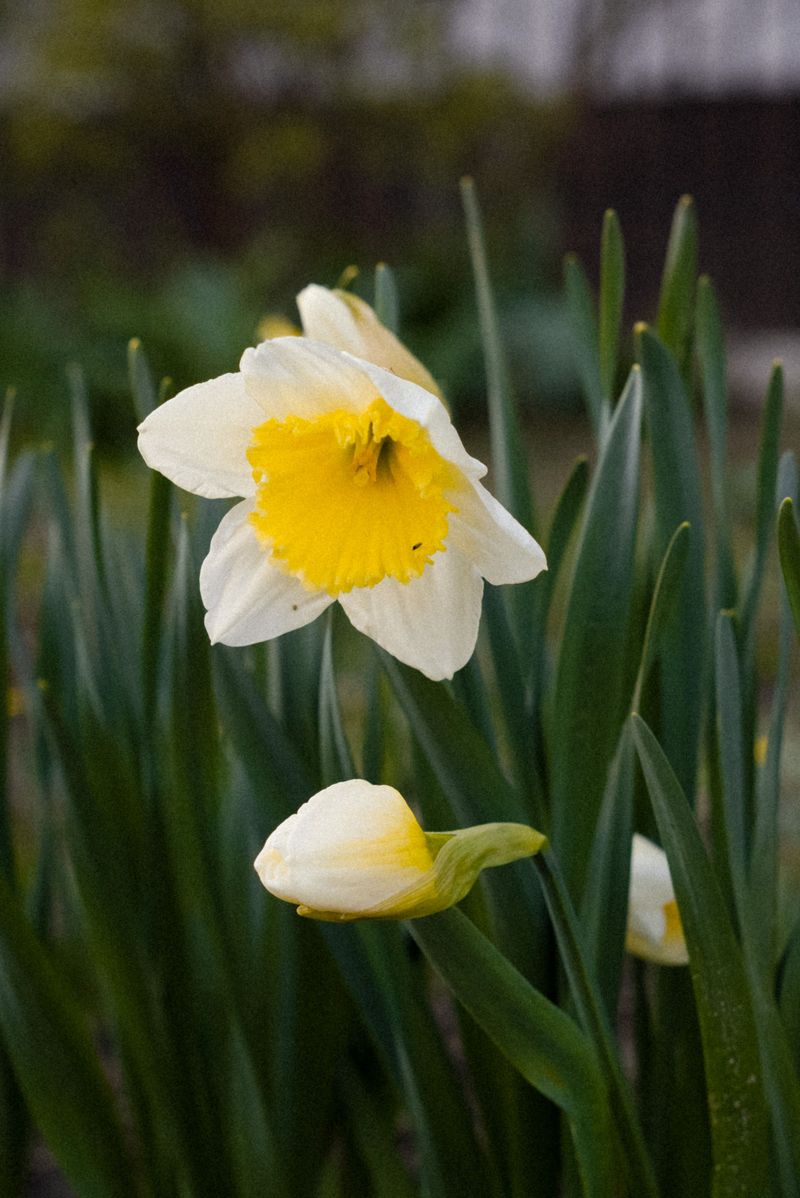
Bringing narcissus indoors sounds like a great idea, but there is a catch most people do not know. Freshly cut narcissus stems release a sticky sap that is harmful to other cut flowers in the same vase.
This sap clogs the water uptake systems of nearby blooms, causing them to wilt within hours. Roses, tulips, and ranunculus are especially vulnerable to this effect.
The fix is simple once you know it. Condition narcissus stems by placing them in a separate container of water for twelve to twenty-four hours before mixing them with other flowers.
During that time, the sap release slows dramatically and the water becomes safe to share. Change the water in your mixed arrangement daily to keep everything fresh longer.
Some florists add a tiny pinch of floral preservative to the conditioning water for extra protection. This small step extends the vase life of all the flowers in your arrangement.
Narcissus make stunning cut flowers once you follow this process. A little preparation goes a long way toward keeping your whole bouquet looking fresh and vibrant.
10. Bulbs Multiply If Left Undisturbed
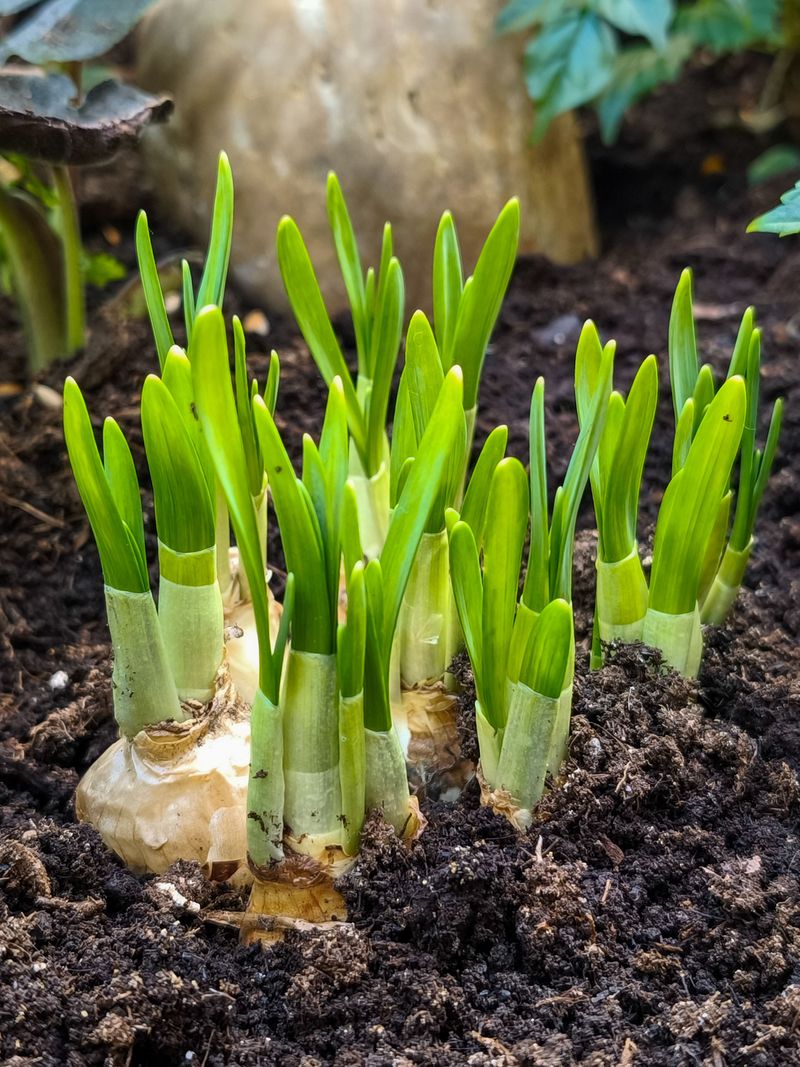
Leave narcissus bulbs alone long enough and they will multiply on their own, given the right conditions. Each bulb slowly produces offsets, which are small daughter bulbs that form around the parent underground.
Over several years, a single bulb can multiply into a dense flowering cluster. This natural spreading process is called naturalization, and narcissus are champions at it.
Washington gardens with established narcissus patches often develop dense, naturally spreading clusters over time. Nature handles the layout work entirely on its own schedule.
The best spots for naturalization are under deciduous trees or along fence lines where the soil stays undisturbed.
Lawn areas work beautifully too, as long as you delay mowing until the foliage has fully withered and turned brown.
Resist the urge to dig and rearrange every year if you want this effect. Patience and restraint are the two most powerful tools a naturalizing gardener can have.
Growing narcissus in Washington with a hands-off approach rewards you with a garden that improves every single year. Fewer chores and more blooms sounds like the perfect deal.