7 Fall Gardening Questions Every Nebraska Gardener Wants Answered
Fall conditions can shift a plant’s needs overnight. Nebraska doesn’t ease you into autumn, it pushes you toward winter fast.
Warm afternoons trick you right before frost arrives. Fall gardening tasks often move faster than expected.
Plants you nurtured all summer now demand fast decisions. Timing matters more than you think this time of year.
Mistakes you make now affect next year’s growth. Soil needs your attention before the ground turns firm.
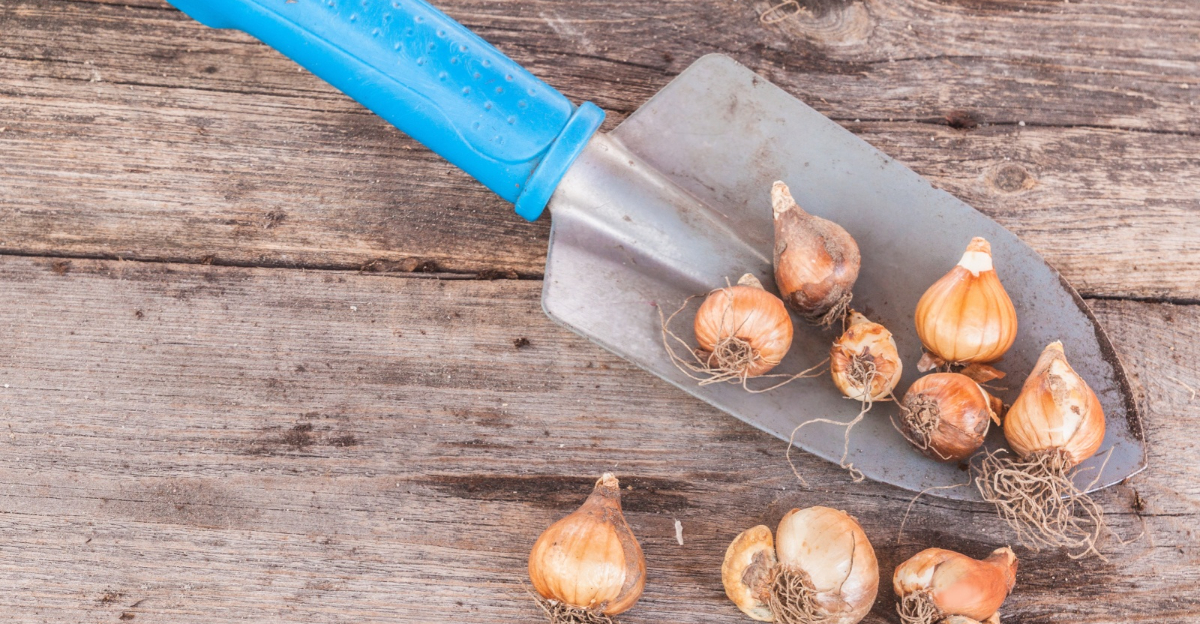
Bulbs, tools, and beds all wait on your next move. Local Nebraska yards near you get a narrow window before winter arrives.
Guessing can slow down timely fall tasks. Every choice you make right now shapes next year’s harvest.
Confusion spreads fast when your forecast changes without warning. Clarity matters more to you than ever right now.
Answers exist, but only if you know where to look. Preparing early makes fall gardening easier to manage.
1. Can You Stop Watering Now That Fall Has Arrived
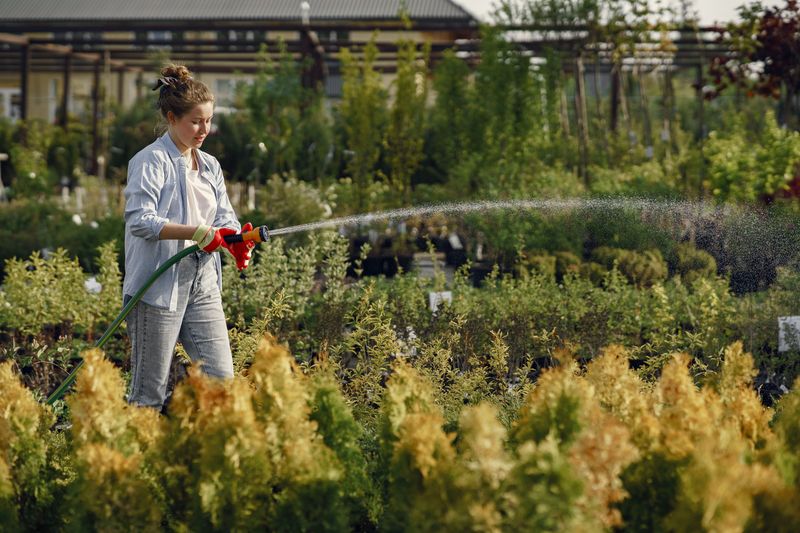
Your hose is still your best friend right now. Fall gardening in Nebraska means cooler temperatures, but that does not mean your plants stop being thirsty.
Trees, shrubs, and perennials are quietly storing energy for the winter months ahead. They need consistent moisture to complete that process well.
Rainfall in October can be unpredictable and inconsistent across the state. If your area goes a couple weeks without meaningful rain, grab that hose without hesitation.
Newly planted trees and shrubs are especially vulnerable to dry fall conditions right now. Their roots have not spread far enough yet to pull water from deep soil layers.
A good rule is to water deeply once a week until the ground freezes hard and solid. Shallow watering does not help roots that are trying to anchor themselves in.
Lawns also benefit greatly from fall watering, especially cool-season grasses like fescue and bluegrass varieties. Keeping them properly hydrated now supports strong, resilient growth once spring finally arrives.
Morning watering remains the smartest move throughout fall. It gives moisture ample time to soak in before cooler overnight air settles across your yard.
Watch closely for wilting or leaf curl on your evergreens. Those subtle signs mean your plants are stressed and need water fast.
Overwatering is always a lurking risk, so check soil moisture carefully before turning on the tap again. Stick your finger a couple inches down and feel for real dampness.
Cutting off water too early remains one of the most common fall gardening mistakes Nebraska gardeners make every year. Stay consistent and attentive, and your plants will clearly thank you once spring returns.
2. Should You Fertilize Plants Before The First Frost
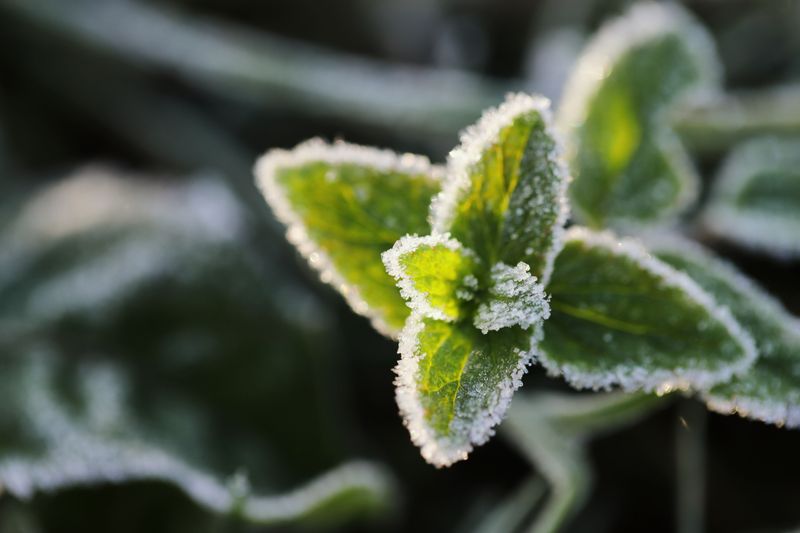
Timing is everything when it comes to fall fertilizing. Feed your plants at the wrong moment, and you could actually do more harm than good.
Nitrogen-heavy fertilizers applied in late fall push tender new green growth. That soft new growth is highly vulnerable to sudden frost damage.
The best window for fertilizing most plants falls in early fall, roughly late August through mid-September. After that period, hold off on anything high in nitrogen.
Your Nebraska Garden Changes Every Week. Your Plan Should Too.
Gardening in Nebraska changes quickly throughout the season. Every Friday you’ll receive a simple weekly plan showing exactly what to plant, prune, fertilize, harvest, and protect so you never miss the right timing.
Lawns, however, are a completely different story here. A late-fall lawn fertilizer application, sometimes called a winterizer, remains one of the smartest moves you can make.
Many winterizer products are formulated with higher potassium and phosphorus content, though exact ratios vary by brand. These nutrients strengthen roots and help grass endure harsh freezes.
Apply lawn winterizer after the grass stops actively growing but before the ground freezes completely solid. Depending on your specific region of the state, that window generally falls in October or early November.
For trees and shrubs, a slow-release fertilizer applied in early fall supports healthy root development without triggering unwanted leafy growth. Roots keep growing steadily even after leaves drop away.
Container plants heading indoors need an entirely different approach. Stop fertilizing them roughly a month before you bring them inside.
Vegetable gardens generally do not need fall fertilizing at all. Focus instead on adding compost to improve soil structure for next year.
Knowing precisely what to feed and when separates experienced gardeners from beginners quickly. A little patience now leads to noticeably stronger plants when warm weather eventually returns.
3. When Is The Right Time To Plant Fall Bulbs
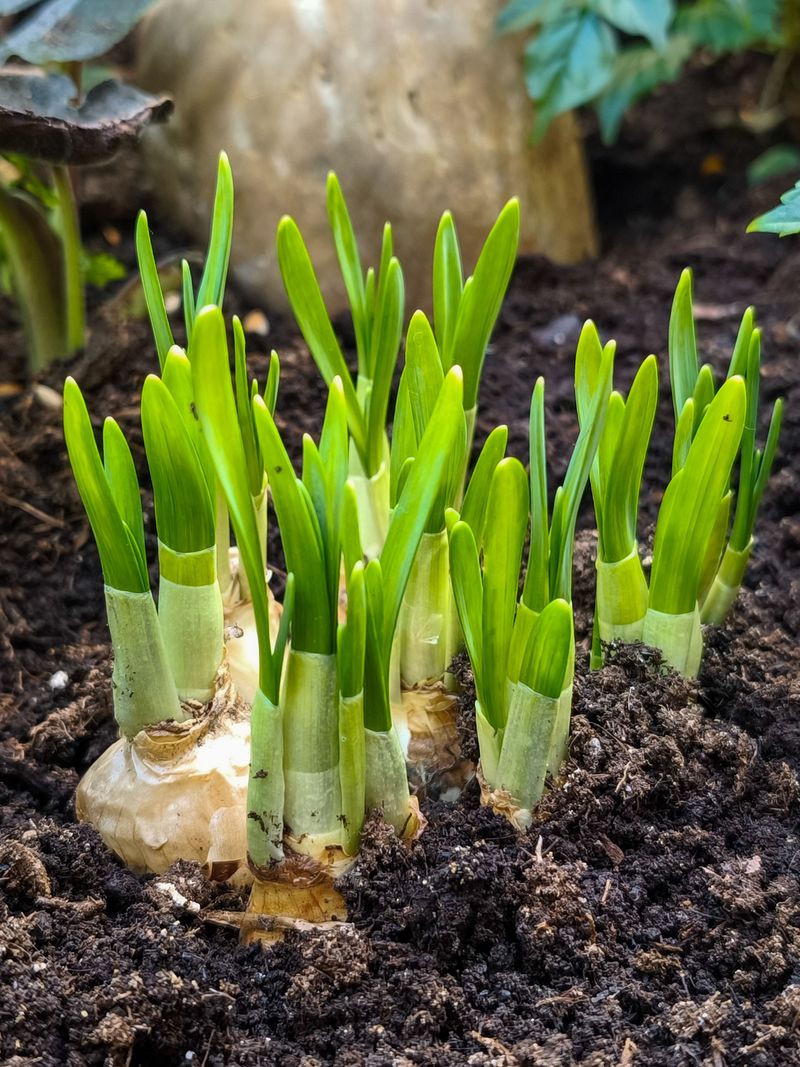
Picture your yard filled with tulips and daffodils next April. That dream starts with a shovel and some bulbs planted this fall.
Spring-blooming bulbs need a cold dormancy period to flower properly. Nebraska winters provide exactly the right conditions for that process.
The ideal planting window for most spring bulbs runs mid-September through mid-October, though gardeners in western Nebraska may need to plant earlier than those in the southeast.
Soil temperature should sit below 60 degrees Fahrenheit for best results. Tulips, daffodils, hyacinths, and alliums are all excellent choices for Nebraska gardens.
Each one offers bold color when the landscape is still waking up.
Planting depth matters more than most gardeners realize. A general rule is to plant bulbs at a depth three times their diameter.
Choose a spot with well-drained soil and at least six hours of sunlight. Bulbs sitting in soggy soil over winter are prone to rot.
Spacing bulbs properly gives them room to naturalize and spread over the years. Crowded bulbs produce smaller blooms and weaker plants.
Adding a layer of mulch after planting helps regulate soil temperature through freeze and thaw cycles. Two to three inches of shredded leaves or straw works well.
Squirrels love to dig up freshly planted bulbs. Covering the bed with chicken wire until the ground freezes can protect your investment.
There is something deeply satisfying about planting bulbs in the cold and waiting for spring to deliver on that promise.
Label your rows now, since bare soil looks identical once everything is buried. Trust the process and get those bulbs into the ground before frost.
4. Do Lawns Need Mowing Through The End Of Fall
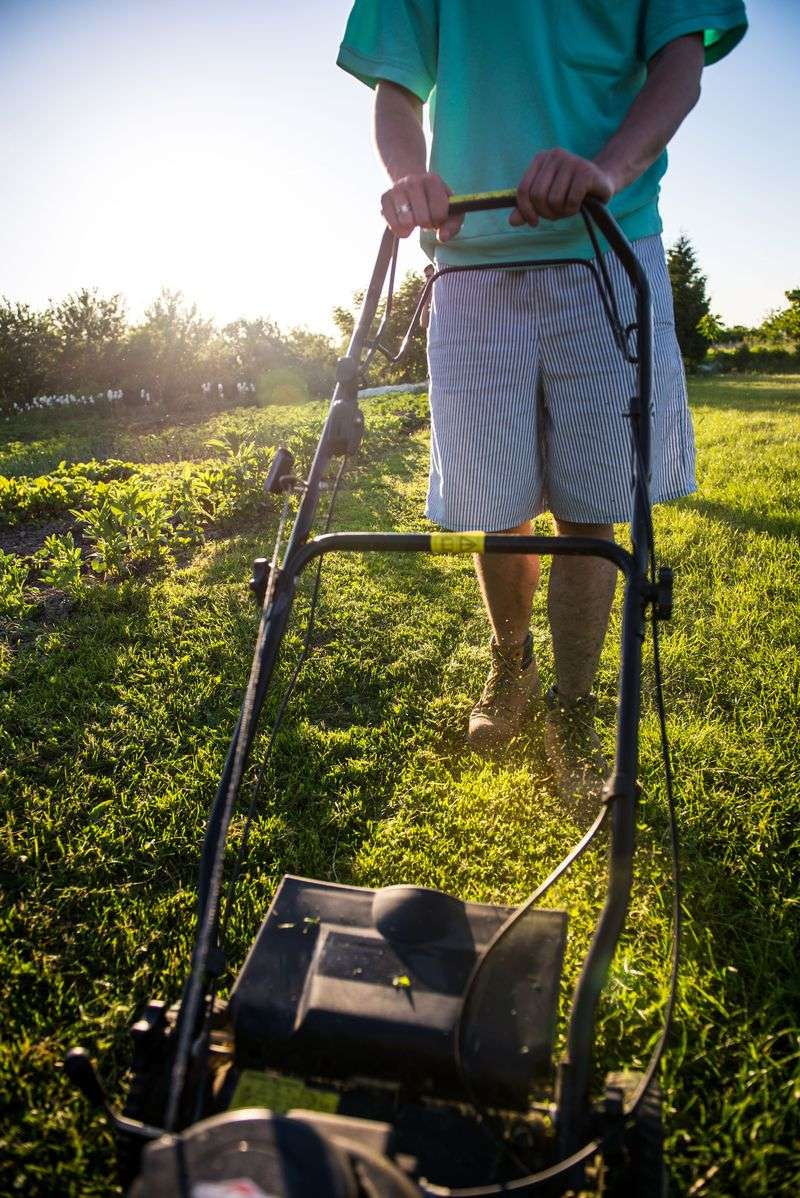
Most people assume the mower gets parked after Labor Day. That assumption can lead to a lawn that struggles all spring long.
Cool-season grasses common in Nebraska keep growing well into October. As long as the grass is actively growing, it still needs to be cut.
Letting grass grow too tall before winter creates serious problems. Long grass mats down under snow and creates conditions for fungal diseases like snow mold.
The target height for most lawns heading into winter is about two and a half to three inches. That height protects roots without inviting disease.
Do not scalp your lawn in fall thinking it helps. Cutting too short removes the protective leaf tissue that grass needs to endure cold stress.
Keep mowing as long as the grass shows growth, even if that means mowing in early November. Frequency will naturally slow as temperatures drop.
Mulching leaves with your mower is a smart dual-purpose move. Shredded leaves break down quickly and add organic matter back to the soil.
Thick layers of whole leaves left on the lawn block sunlight and trap moisture. That combination can smother grass over a long winter.
Sharpen your mower blade before the final cut of the season. A clean cut heals faster and leaves grass less susceptible to winter injury.
Ending the season with a well-maintained lawn sets you up for a head start in spring, and that first green flush feels like a reward.
5. Which Vegetables Can Still Be Harvested In October
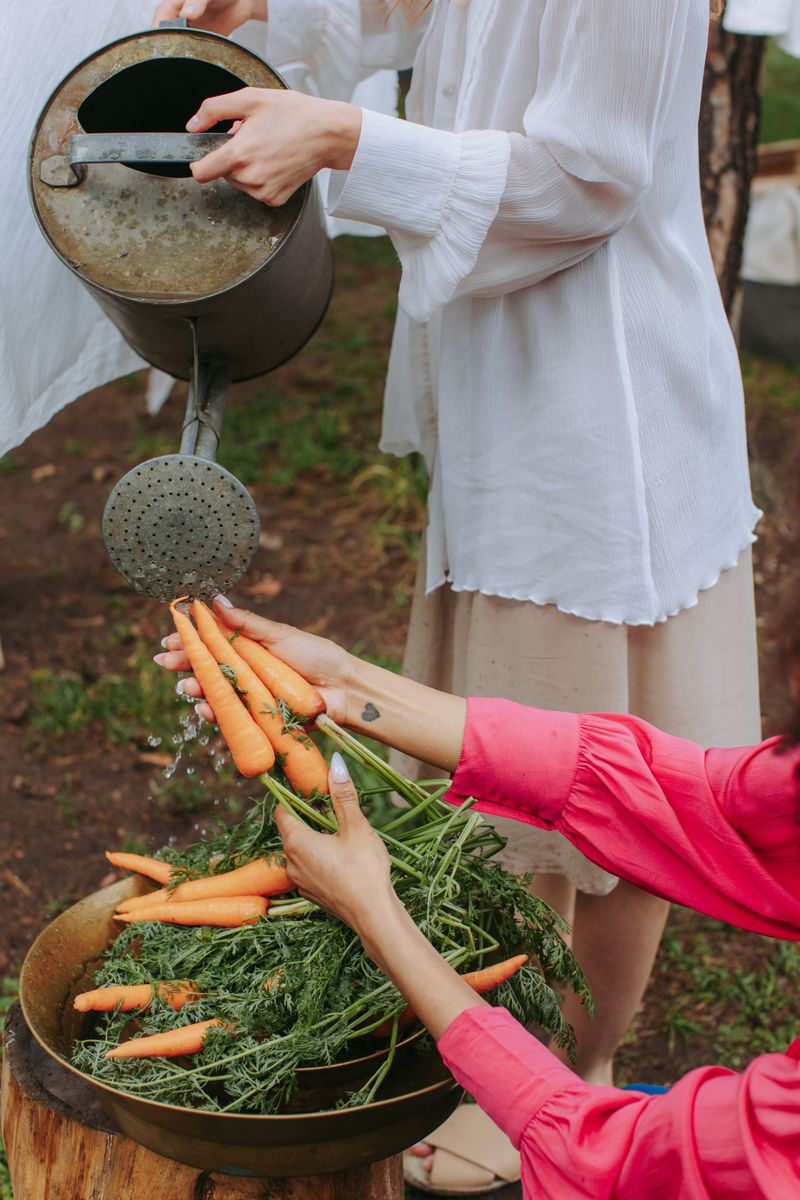
October does not mean the vegetable garden is finished. Some crops actually taste better after a light frost hits them.
Kale is a prime example of a frost-friendly vegetable here. Cold temperatures convert its starches to sugars, making leaves noticeably sweeter and more tender.
Brussels sprouts follow that same pattern closely. Leave them on the stalk through a few frosts and the flavor improves dramatically.
Root vegetables like carrots, parsnips, and turnips can stay in the ground well into October. The soil acts as natural insulation and storage all on its own.
Carrots left in the ground after a frost develop a richer, almost candy-like sweetness. Pull them as needed rather than harvesting everything at once.
Beets and radishes are also cold-tolerant and hold well in the garden through light freezes. Check them regularly so they do not become woody or tough.
Lettuce and spinach can handle light freezes with minimal protection, though exact cold tolerance varies by variety. A simple row cover extends the harvest by several additional weeks.
Broccoli and cabbage remain productive throughout early October across most of the state. Side shoots on broccoli plants keep producing even after the main head is cut.
Green onions and leeks are incredibly cold-hardy and can be harvested right up until the ground freezes solid. They are easy to overlook but genuinely worth holding onto.
A few plants can even hold up under snow if the cover is thick enough. Knowing which crops keep going in fall means less food wasted and more meals from your garden long after summer feels like a distant memory.
6. Is It Too Late To Plant Trees And Shrubs
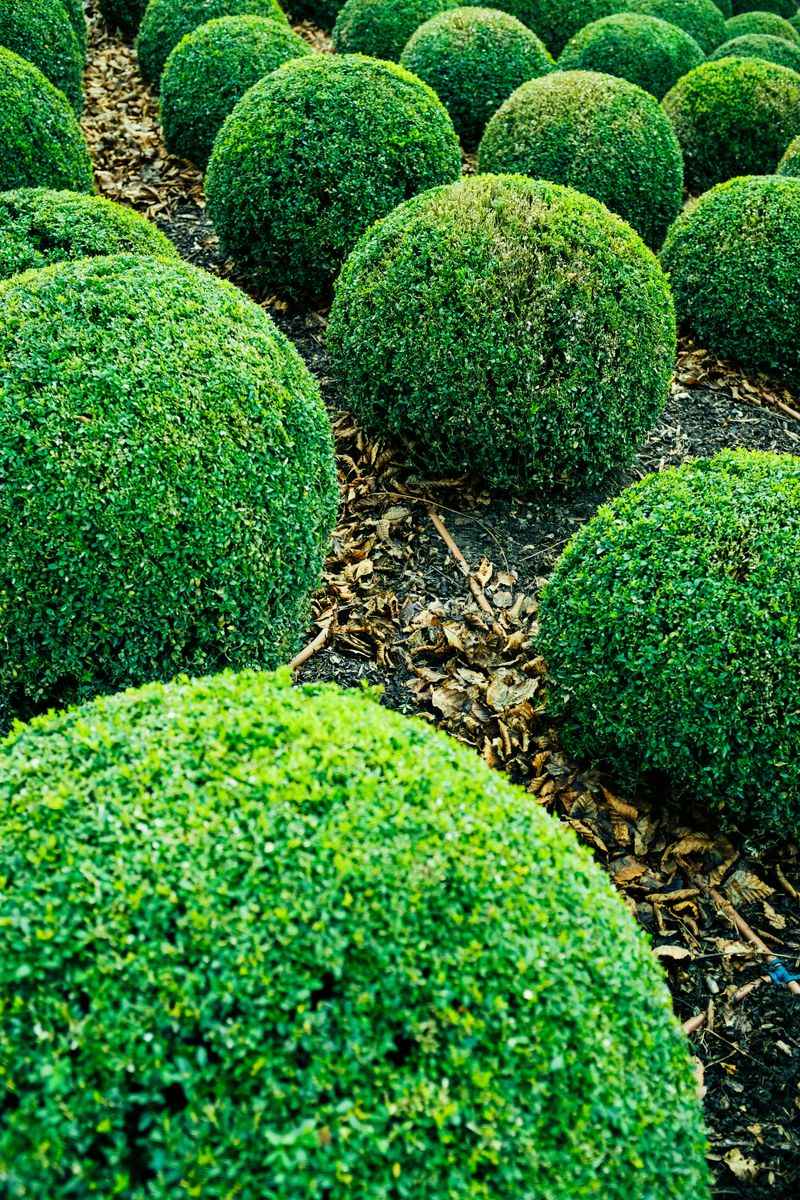
Fall tree planting has a strong reputation among experienced landscapers. Cooler soil temperatures and reliable moisture create ideal conditions for root establishment.
The general guideline is to plant trees and shrubs at least six weeks before the ground freezes hard. Depending on your region, that often means wrapping up planting sometime in October.
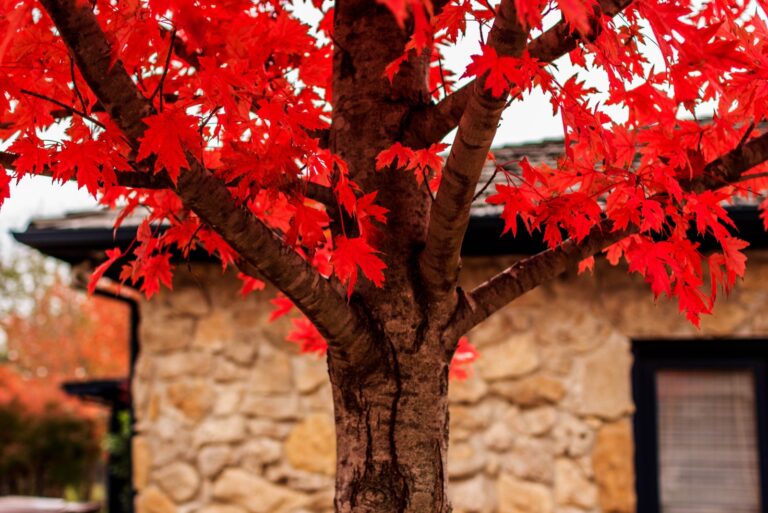
Deciduous trees like maples, oaks, and elms respond especially well to fall planting. Without leaves to support, they can focus all their energy on root growth.
Evergreens are trickier in fall. They continue losing moisture through their needles all winter, and newly planted evergreens may not have the root system to keep up.
If you plant an evergreen in fall, water it thoroughly before the ground freezes. Anti-desiccant sprays can also help reduce moisture loss through winter.
Shrubs like spirea, viburnum, and native sumac establish well when planted in September or early October. Native species tend to be more forgiving of fall planting overall.
Proper planting depth is critical regardless of season. The root flare, where the trunk meets the roots, should sit slightly above the soil surface.
Staking newly planted trees is sometimes necessary but should be temporary. Remove stakes after one growing season to avoid restricting natural trunk movement.
A three-inch ring of mulch around the base helps retain moisture and moderate soil temperature. Keep mulch away from the trunk to prevent rot.
Fall planting done right gives trees and shrubs a serious head start, and watching them leaf out confidently in spring makes every shovel full worth it.
7. How Should You Prepare Perennials For Winter Dormancy
Perennials are the workhorses of any garden, and fall is when you return the favor. A little preparation now means a stronger, healthier comeback next spring.
Not all perennials need to be cut back in fall. Some, like coneflowers and black-eyed Susans, offer winter interest and food for birds if left standing.
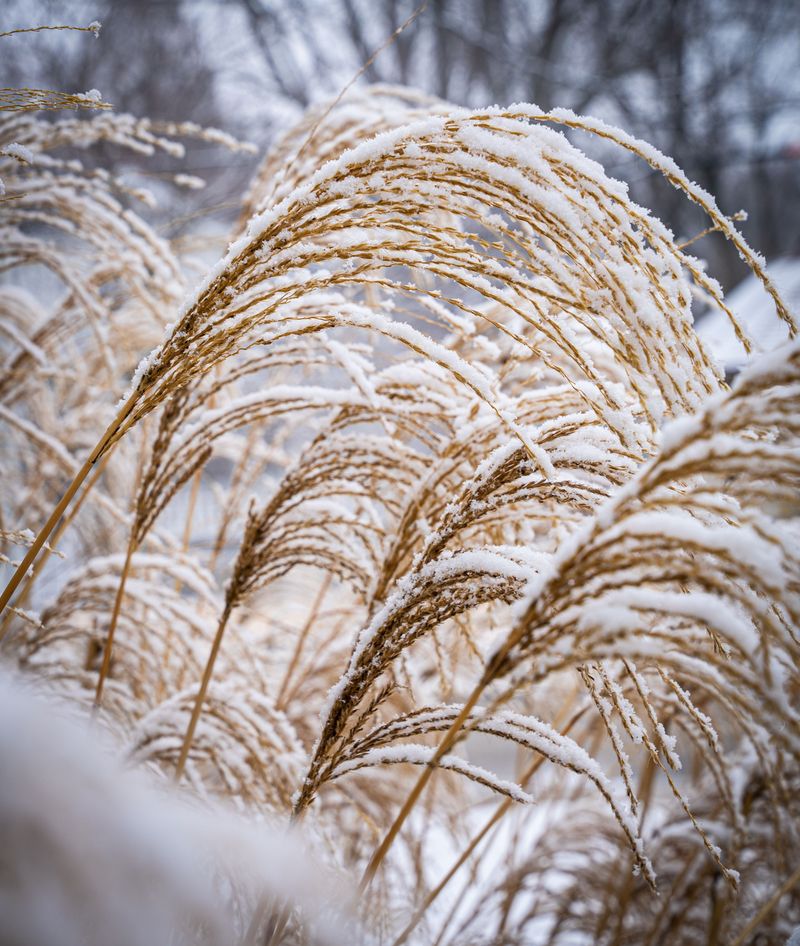
Ornamental grasses look stunning in winter and should generally be left alone until late winter or early spring. Cutting them back in fall removes that seasonal texture.
Hostas, on the other hand, should be cleaned up after the first hard freeze. Their leaves collapse into a soggy mess that can harbor pests and disease.
Peonies benefit from a thorough fall cleanup. Removing old foliage reduces the risk of botrytis blight, a fungal problem that can carry over from season to season.
Daylilies can be trimmed back to about four to six inches after frost browns the foliage. They are tough plants that rarely need much fussing.
Adding two to three inches of mulch over perennial beds after the ground cools helps prevent frost heaving. Heaving happens when freeze and thaw cycles push roots out of the soil.
Avoid mulching too early in fall. Piling on mulch while the soil is still warm can trap heat and delay dormancy.
Dividing overcrowded perennials in early fall is a great way to rejuvenate tired plants. Early September gives divisions time to settle before hard freezes arrive.
Taking care of your perennials in fall is one of the most rewarding acts in fall gardening, and spring will prove every bit of effort was worth it.