The Real Reason A Cardinal Keeps Coming Back To Your Nebraska Yard
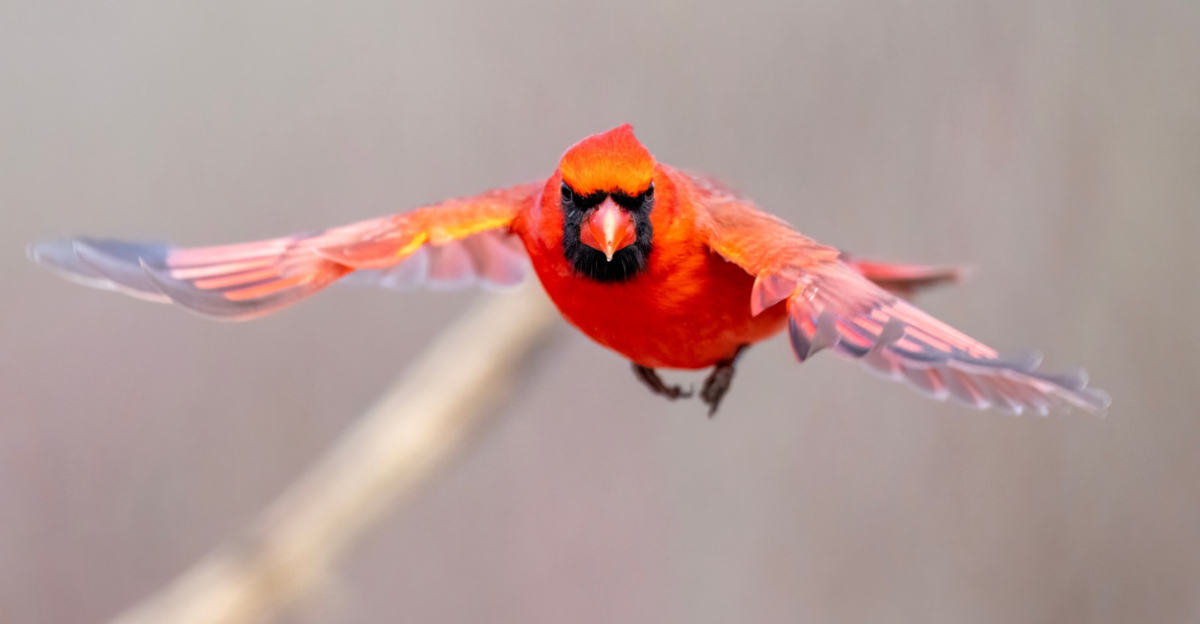
Something about Nebraska winters makes spotting a cardinal feel almost personal. That burst of red against a grey February morning, sitting perfectly still on a snow-dusted branch, looks less like wildlife and more like a deliberate visit.
And in a way, it is. Cardinals do not wander. They pick a territory, learn it well, and return to the same yards, the same feeders, the same trees season after season.
If one has been showing up in yours, that bird made a choice. Nebraska cardinals are year-round residents, which means the relationship you build with them is not seasonal.
It is ongoing. They are watching your yard the way a tenant watches a neighborhood before signing a lease.
The food, the shelter, the noise level, the safety. All of it gets evaluated. Get it right, and a cardinal does not just visit. It stays.
You Have Created The Perfect Habitat For It
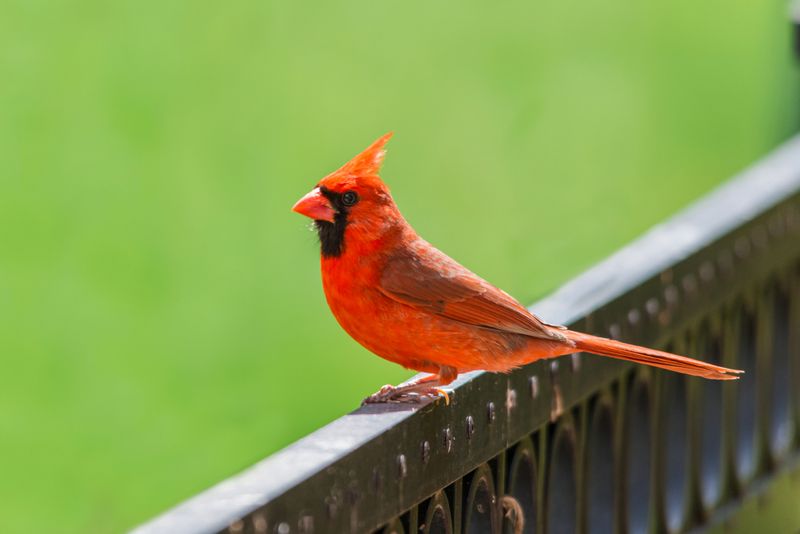
That splash of red is not random. When a cardinal keeps returning to your yard, it has made a deliberate choice based on what your space offers.
Cardinals are creatures of habit. Once they find a place that meets their needs, they stick around and defend that territory fiercely.
Your yard checks multiple boxes for them. Food, shelter, water, and safety all play a role in making a space feel like home to a bird.
Think of it like choosing a neighborhood to live in. A cardinal scouts locations carefully before committing, and your yard passed the test.
Midwestern yards with layered plantings are especially attractive. Tall trees, mid-level shrubs, and ground cover create the kind of layered environment cardinals thrive in.
Many homeowners never realize they have accidentally built a bird paradise. A few key plants and a feeder can transform an ordinary lawn into prime cardinal territory.
Cardinals are also year-round residents, which sets them apart from many other songbirds. They do not migrate south, so your yard becomes their permanent address through every season.
Knowing your yard is genuinely preferred by a wild bird carries its own quiet satisfaction. You have created something rare, a space wild enough for nature to claim as its own.
Why Cardinals Stay In Nebraska Yards Year-Round
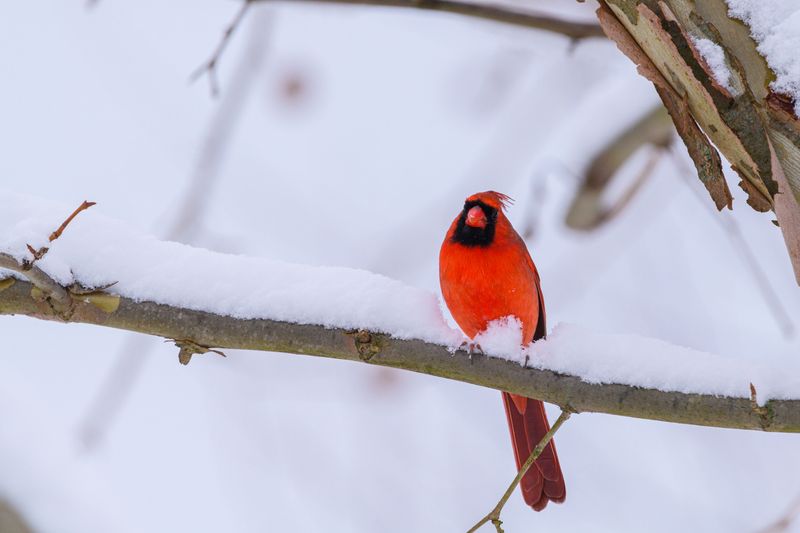
Most songbirds head south when temperatures drop. Cardinals are a notable exception, and that makes spotting one in January feel like a small gift.
Nebraska winters are genuinely harsh, with biting winds and heavy snowfall. Cardinals handle it by finding yards that provide consistent food and wind protection throughout the cold months.
Their thick plumage gives them better insulation than many birds their size. Still, they rely heavily on humans who keep feeders stocked when natural food sources disappear under snow.
A yard that feeds cardinals in winter becomes their anchor point. Once they associate your space with survival, they will not wander far even when spring arrives.
Female cardinals are often overlooked because they wear warm brown tones instead of red. Spotting a pair together in your yard means you have earned the trust of both birds.
Your Nebraska Garden Changes Every Week. Your Plan Should Too.
Gardening in Nebraska changes quickly throughout the season. Every Friday you’ll receive a simple weekly plan showing exactly what to plant, prune, fertilize, harvest, and protect so you never miss the right timing.
Cardinals establish territories of roughly three to ten acres. If your yard sits within that range and offers resources, it becomes a core stop on their daily circuit.
They are also surprisingly vocal in winter. A cardinal singing from your oak tree on a cold February morning is a genuine sign that your yard feels safe and familiar to it.
Year-round presence is the highest compliment a cardinal can pay a yard. Keep your feeders full through every season, and that red flash will never fully disappear.
Your Yard Has A Reliable And Accessible Food Source
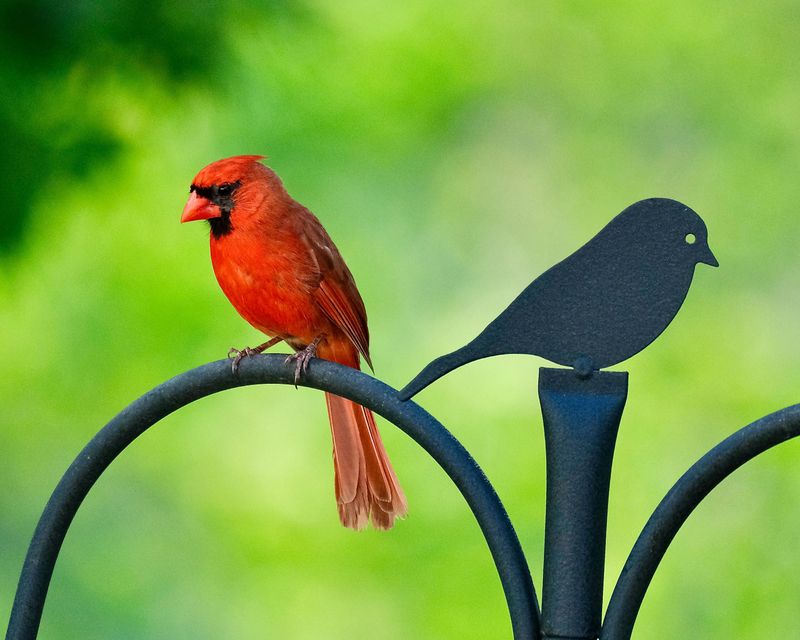
Sunflower seeds are one of the most reliable attractants you can offer. If your feeder is loaded with black-oil sunflower seeds, you have already solved the biggest puzzle of attracting these birds.
Cardinals have strong, cone-shaped bills built for cracking hard seeds. They prefer platform feeders or hopper-style feeders where they can sit comfortably while eating.
Tube feeders with small perches frustrate them. Switching to a wider, more open feeder style can immediately increase how often a cardinal visits your yard each day.
Safflower seeds are another favorite that many backyard birders overlook. The bonus is that squirrels tend to dislike safflower, so your cardinal gets more food without competition.
Cardinals also eat wild berries, dogwood fruits, and serviceberries when available. Planting native fruiting shrubs adds a natural food layer that supplements your feeder offerings beautifully.
Consistency matters more than quantity. A feeder that is always stocked trains a cardinal to expect food at your yard, turning a casual visitor into a loyal regular.
Cardinals feed most actively at dawn and dusk. Watching your feeder during those quiet golden-hour windows gives you the best chance of catching them in action.
A well-stocked feeder is the single fastest way to make a cardinal keep coming back. Stock it daily, and that bird will treat your yard like a dependable food source.
Dense Shrubs And Trees Are Giving The Cardinal Safe Shelter
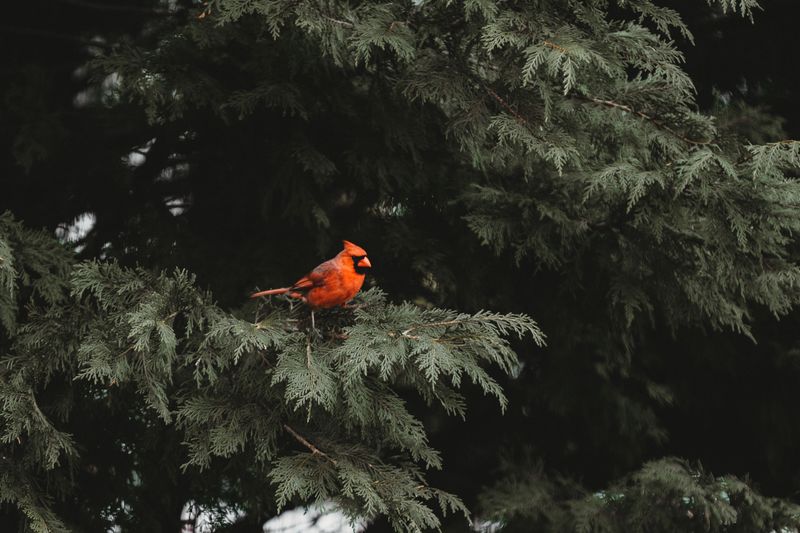
Cardinals do not feel safe in wide-open spaces. They need dense vegetation nearby so they can dart to cover the moment something feels threatening.
Evergreen shrubs like arborvitae, juniper, and holly are among their preferred options. These plants provide year-round cover, which matters even more in winter when deciduous trees lose their leaves.
A yard with nothing but open lawn is far less appealing to a cardinal. Adding even a few well-placed shrubs along a fence line can dramatically change how safe the space feels to them.
Cardinals nest in dense thickets, usually between three and ten feet off the ground. Female cardinals build cup-shaped nests using twigs, bark strips, and grasses woven tightly together.
If you have thorny shrubs like hawthorn or native wild rose varieties, cardinals love them. The thorns act as natural predator barriers, giving nesting birds an extra layer of protection.
Layered plantings create what birders call edge habitat. This means a mix of tall trees, mid-level shrubs, and low ground cover that mimics the natural woodland edges cardinals prefer.
Cats are one of the biggest threats to ground-level birds. Dense shrubs elevated slightly off the ground let cardinals perch safely while still scanning for danger below.
Planting for shelter is a long-term investment that pays off fast. Add a few native shrubs this season, and you may have a nesting pair by next spring.
The Right Balance Of Open Space And Cover Makes Your Yard Ideal

Cardinals want the best of both worlds. They need open ground to forage and dense cover to escape, and your yard may already offer that perfect mix.
Too much open space makes them nervous. Too much dense brush with no clearings makes foraging difficult and limits visibility, which also stresses them out.
The sweet spot is a yard with open patches near shrub borders. Cardinals hop along the ground searching for fallen seeds, then retreat to nearby cover when they sense danger.
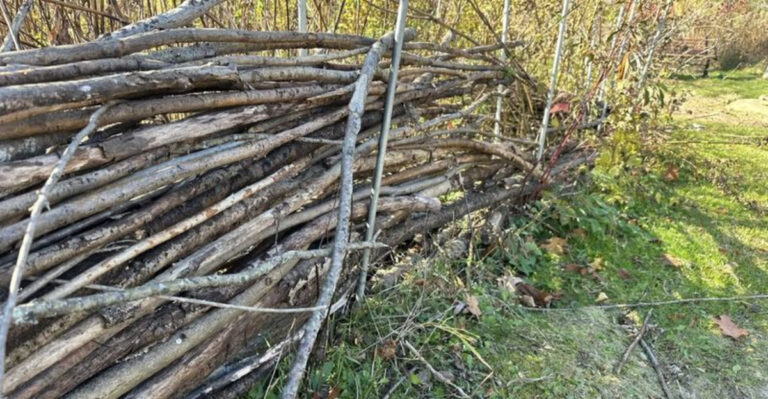
A brush pile in one corner of your yard is surprisingly effective. It looks a little wild, but cardinals treat it like a safe house between feeding trips.
Leaving some leaf litter under your shrubs also helps. Cardinals scratch through leaves searching for insects and seeds, so a tidy, raked-bare yard actually offers less than a slightly messier one.
Birdbaths placed near shrub edges work better than those set in the middle of open lawn. Cardinals want to drink without feeling exposed, so proximity to cover matters a lot.
Fences, especially wooden ones with nearby plantings, create natural perching corridors. A cardinal will often move fence post to fence post before deciding it is safe enough to drop down and feed.
Getting this balance right does not require a landscape overhaul. Small, intentional tweaks to your existing yard layout can make a cardinal feel right at home.
How To Encourage Cardinals To Keep Visiting Your Nebraska Yard
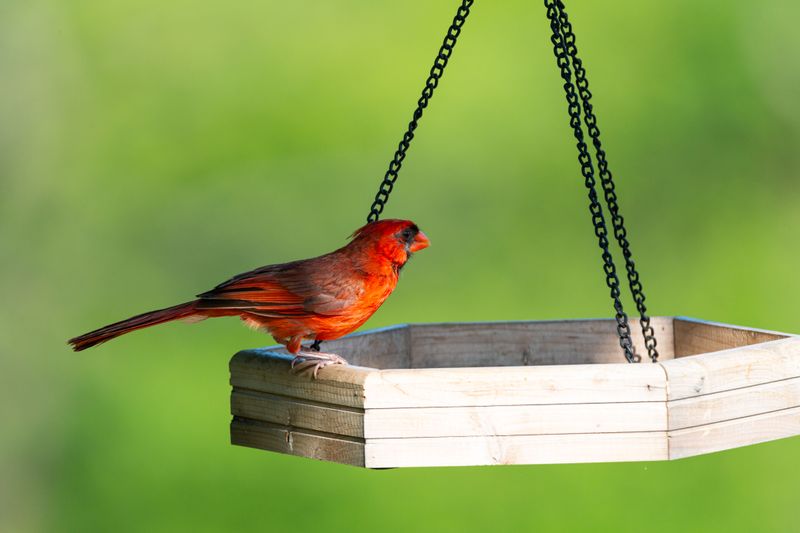
You already have a head start if a cardinal has found your yard. Now it is about making sure it never has a reason to leave for somewhere better.
Start with the feeder setup. A platform feeder at medium height, stocked daily with black-oil sunflower seeds, is the foundation of any cardinal-friendly yard.
Add a birdbath and change the water every two to three days. Cardinals bathe regularly, and clean water is just as attractive to them as a full feeder.
Plant native shrubs if you have not already. Species like American beautyberry, serviceberry, and native viburnums offer both shelter and natural food that cardinals recognize instinctively.
Reduce or eliminate pesticide use in your yard. Cardinals feed insects to their young, and a chemically treated lawn offers far fewer of the caterpillars and beetles nestlings need.
Keep outdoor cats indoors, especially during nesting season from March through August. A single roaming cat can disrupt an entire breeding pair and drive them away for the remainder of the season.
Consider adding a second feeder on the opposite side of your yard. Male cardinals are territorial and sometimes chase females away from a single feeder, so two options reduce that stress.
Encouraging a cardinal to keep coming back is simpler than most people think. Consistency, native plants, and a little patience are all it takes to make your yard their favorite place.
Cardinals Choose Yards Where They Feel Safe From Predators
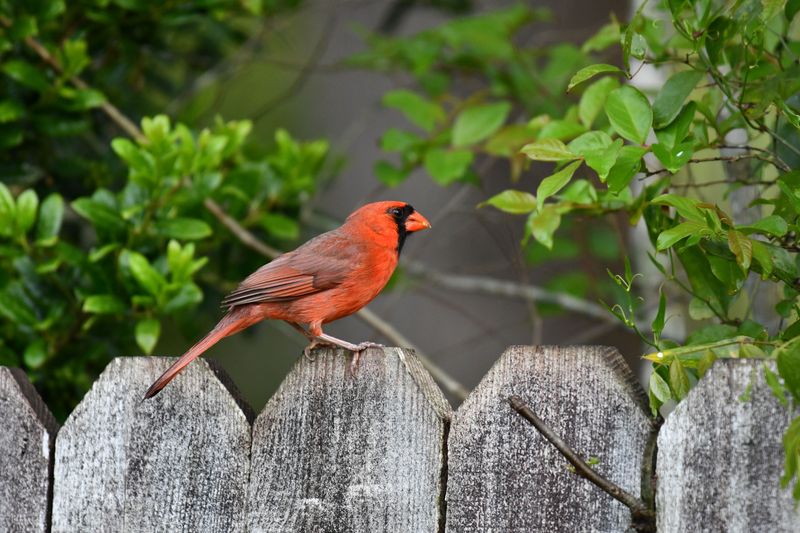
Safety is essential for cardinals. No matter how good your feeder is, a yard full of threats will send them looking for a calmer option down the street.
Hawks are the primary aerial predator that cardinals watch for constantly. Planting dense shrubs near feeders gives cardinals a fast escape route when a Cooper’s hawk cruises through.
Squirrels are more than just feeder thieves. Their frantic movements and sudden leaps can spook cardinals into abandoning a feeding spot entirely, even if food is still available.
Keeping feeders a few feet from shrubs strikes the right balance. Cardinals can reach cover quickly without the feeder being so close to brush that predators can hide right beneath it.
Window strikes are a serious hazard that many homeowners do not consider. Placing feeders either within three feet of windows or beyond thirty feet reduces the chance of a fatal window strike.
Noise matters too. Yards with barking dogs or heavy foot traffic near feeders make cardinals uncomfortable. Quieter, calmer spaces are consistently preferred by nesting and foraging pairs.
Installing a motion-activated sprinkler can deter cats and raccoons and is unlikely to harm them. Cardinals quickly learn which yards are free from ground-level threats and return to those spaces reliably.
A yard that feels safe is a yard that gets chosen. When a cardinal keeps coming back, it is telling you loud and clear that your space feels like a sanctuary.