The Best Pennsylvania Nurseries For Drought Tolerant Natives Worth Visiting Before Current Water Restrictions Get Worse
Water restrictions may feel more like a Western states problem, but Pennsylvania has been experiencing drier summers with increasing regularity, and gardeners across the state are starting to pay attention.
If you’ve been thinking about replanting with drought tolerant natives, the time to start making those changes is now, before another difficult summer reveals exactly which plants in your yard aren’t going to make it through without constant watering.
But finding the right plants requires finding the right nurseries. Not every Pennsylvania garden center stocks the kind of genuinely drought tolerant natives that will hold up through extended dry stretches without hand holding.
The big box options carry what sells broadly, not what performs specifically in increasingly dry Pennsylvania summers. For that, you need the nurseries that specialize in regionally appropriate, tough native plants and actually know their stock.
These are the places where the staff can point you toward plants that will still look great when the rain stops showing up on schedule.
1. Edge Of The Woods Native Plant Nursery – Orefield
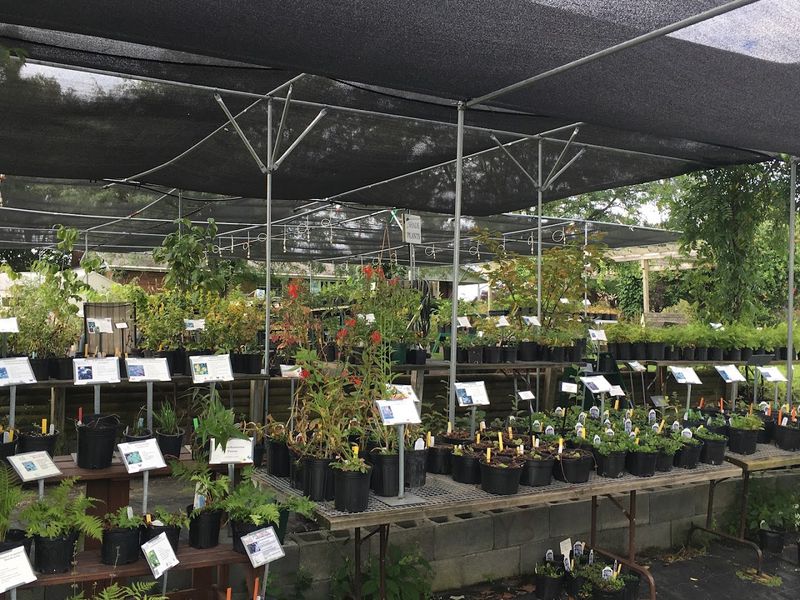
Since 2003, Edge of the Woods Native Plant Nursery has been quietly building a reputation as one of the go-to spots for gardeners who want plants that actually belong in the Mid-Atlantic landscape.
Located at 2415 Route 100 in Orefield, just west of Allentown, this nursery sits about 1.7 miles north of the Tilghman Street and Route 100 intersection.
You will find it tucked behind a dentist office, which makes the discovery feel like finding a hidden gem.
The plant selection here is genuinely impressive, covering perennials, ornamental grasses, native shrubs, climbing vines, and trees.
Many of these species are specifically matched to dry, sunny, or low-water conditions, which is exactly what Pennsylvania homeowners need as summer rainfall becomes less reliable.
The nursery also functions as a full retail garden center and offers professional landscape services, so you can walk in with a problem and walk out with a plan.
One of the most helpful features is their specialized plant lists, which are organized by site conditions or by the type of wildlife you want to attract.Looking to bring in more pollinators or butterflies?
The staff can point you toward the right selections without any guesswork.Retail hours run Monday through Saturday from 9:00 am to 4:00 pm, giving weekend visitors plenty of time to browse.
Choosing plants here means you are actively reducing your outdoor water use while also building habitat for local birds and insects.
Every plant that thrives without supplemental irrigation is a small victory for your water bill and for Pennsylvania’s broader conservation goals.
Edge of the Woods makes sustainable gardening feel approachable, practical, and genuinely exciting for gardeners of all experience levels.
2. Redbud Native Plant Nursery – Media
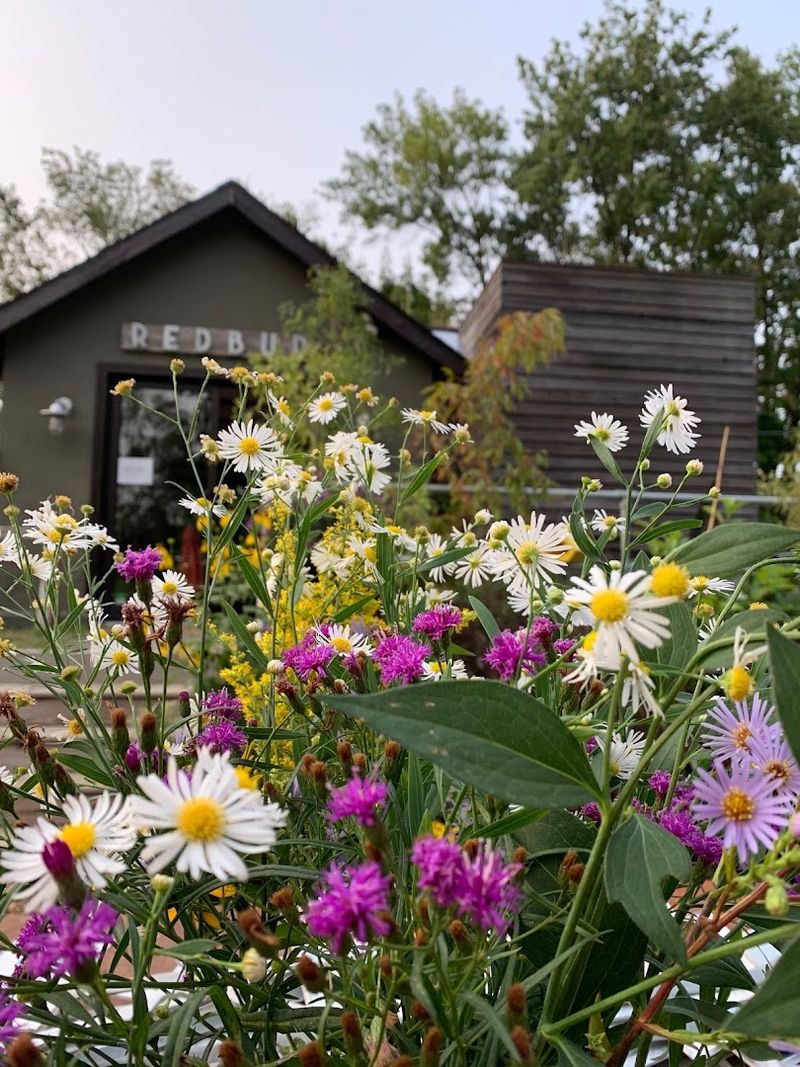
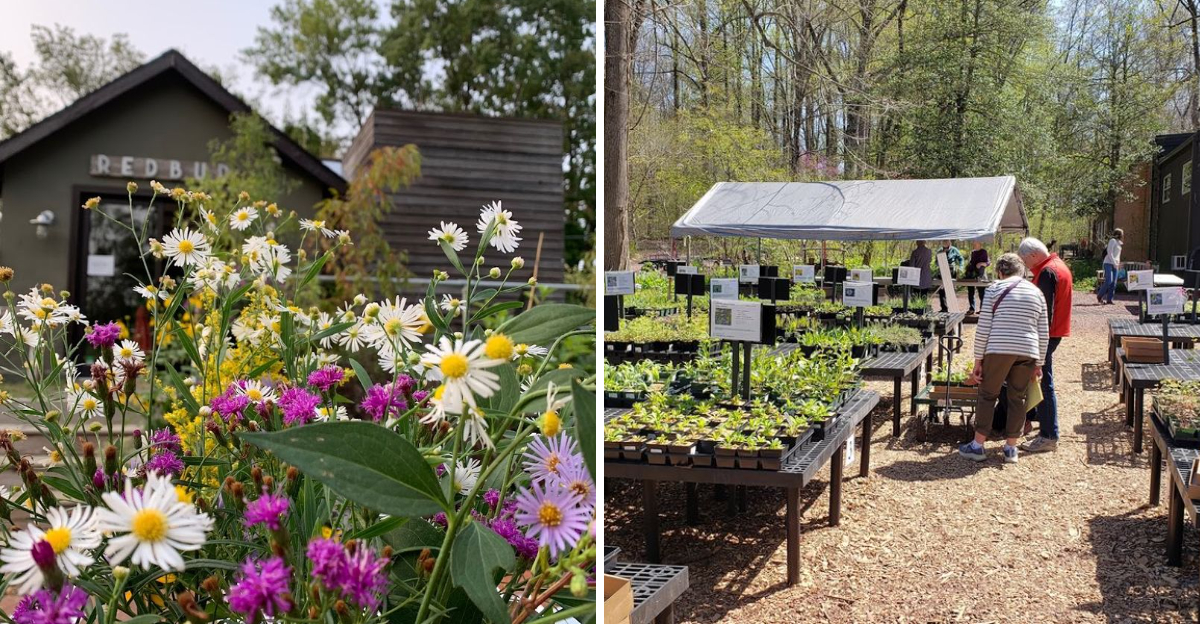
Walk into Redbud Native Plant Nursery in Media and you will immediately notice something different: this place feels like it was built by people who genuinely love what they grow.Located at 904 N.
Providence Road, Redbud has earned recognition as one of the larger native plant nurseries across the entire Mid-Atlantic region.
Your Pennsylvania Garden Changes Every Week. Your Plan Should Too.
Gardening in Pennsylvania changes quickly throughout the season. Every Friday you’ll receive a simple weekly plan showing exactly what to plant, prune, fertilize, harvest, and protect so you never miss the right timing.
That size translates directly into variety, and variety is exactly what southeastern Pennsylvania gardeners need when planning a drought-resilient yard.
The staff here are a real highlight of the experience.Rather than just pointing you toward a shelf, they take the time to understand your specific yard conditions, including sun exposure, soil type, moisture levels, and available space.
This kind of personalized guidance is especially valuable during dry summers when choosing the wrong plant for a hot, parched spot can lead to serious frustration.
Plant availability lists are updated weekly throughout the growing season, so the inventory stays fresh and relevant.
Redbud also offers some standout cultivars, including redbud varieties with white variegated leaves that resist scorching and others with deep reddish-purple buds that burst into vivid neon pink blooms.
Beyond the plants, a charming on-site shop carries gardening books, practical tools, and handmade gifts from local artists.
Redbud places a strong emphasis on the ecological role native plants play in supporting birds, insects, and small animals throughout the year.
Every purchase here supports a broader mission of biodiversity and habitat restoration across the greater Philadelphia region.
The nursery welcomes visitors Wednesday through Saturday from 9:00 am to 4:00 pm and Sundays from 9:00 am to 1:00 pm.
For anyone serious about water-smart gardening in southeastern Pennsylvania, Redbud is an essential stop.
3. Bowman’s Hill Wildflower Preserve Native Plant Nursery – New Hope
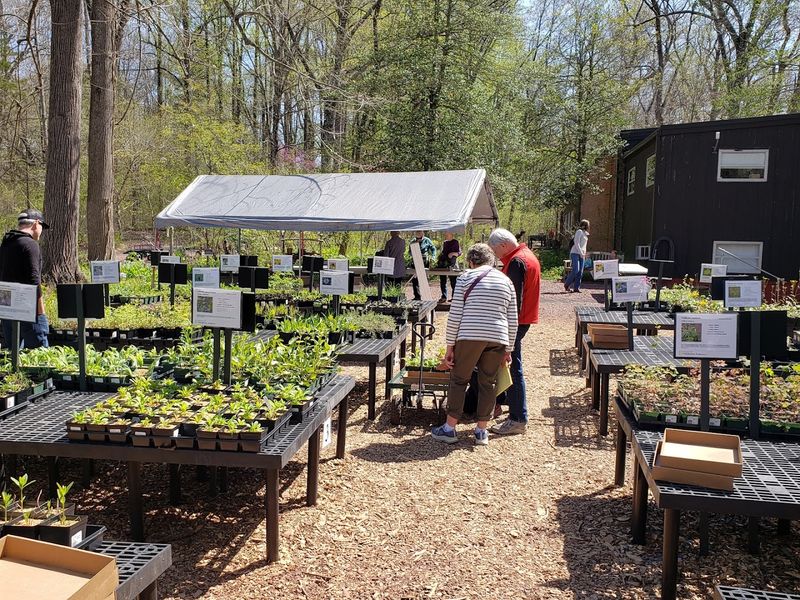
There are nurseries, and then there is Bowman’s Hill Wildflower Preserve in New Hope, Bucks County, which operates on an entirely different level.
Spread across 134 acres and accredited as a botanical garden, this preserve is also recognized as a fully native nursery by regional organizations.
The address is 1635 River Road, and the drive along the Delaware River alone makes the trip worthwhile.
During the peak growing season, the nursery offers more than 200 native species, spanning wildflowers, ferns, shrubs, vines, and trees.
All of these plants are indigenous to Pennsylvania and the Delaware Valley, meaning they evolved to handle local rainfall patterns, soil types, and seasonal temperatures.
Once established in your garden, they require dramatically less watering than non-native alternatives, a huge advantage as water restrictions across Pennsylvania continue to tighten.
Wandering the preserve’s trails before or after shopping is genuinely inspiring.You can observe mature native plants thriving in eastern deciduous woodlands, open meadows, and along the banks of Pidcock Creek and a quiet pond.
Seeing these plants in their natural context helps you visualize how they might look and perform in your own yard.
Educational programs and events run throughout the year, covering topics from native plant identification to rain garden design.
These workshops give gardeners real skills they can apply immediately at home.
The preserve is open daily from April through June, excluding major holidays, and is closed on Tuesdays from July through March.
A small admission fee for non-members directly supports conservation and education programs.
Bowman’s Hill is not just a place to buy plants; it is a place to fall in love with Pennsylvania’s natural heritage all over again.
4. Keystone Wildflowers – Robesonia
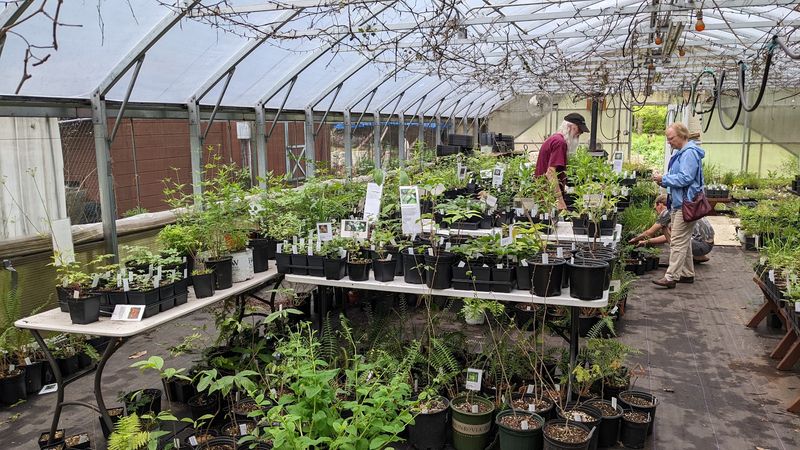
Appointment-only nurseries have a certain magic to them, and Keystone Wildflowers in Robesonia is proof of that.
Nestled among the rolling hills of southeastern Pennsylvania at 675 Hill Road, this small family-run operation specializes in native perennial plants grown from carefully collected seeds and root divisions.
The result is a plant inventory that feels personal, purposeful, and deeply rooted in the regional landscape.
The species list here covers native wildflowers, resilient grasses, sedges, ferns, shrubs, and vines, all of which are indigenous to the Mid-Atlantic, Upper Midwest, or New England regions.
That regional focus matters enormously when you are planning a drought-tolerant garden, because plants that evolved nearby are already equipped to handle Pennsylvania summers without constant irrigation.
Keystone’s propagation methods also produce hardy stock that establishes quickly and bounces back from dry stretches with impressive strength.
Because visits are by appointment only from February through November, planning ahead is essential.
The nursery is often busy with plant sales on Fridays and Saturdays, so preferred pickup times run Monday through Thursday from 8:00 am to 2:00 pm or 5:00 pm to 7:00 pm, with Sunday slots available from 10:00 am to 2:00 pm.
Coming prepared with information about your planting site, such as soil texture, sun hours, and available space, will help the staff match you with exactly the right plants.
Shipping is not available here, so all orders must be picked up at the Robesonia location. Inventory moves quickly during peak season, which means early ordering is strongly encouraged.
For gardeners who want a truly curated, ecological approach to water-wise planting, Keystone Wildflowers delivers an experience that larger commercial operations simply cannot replicate.
5. Heartwood Nursery – Felton
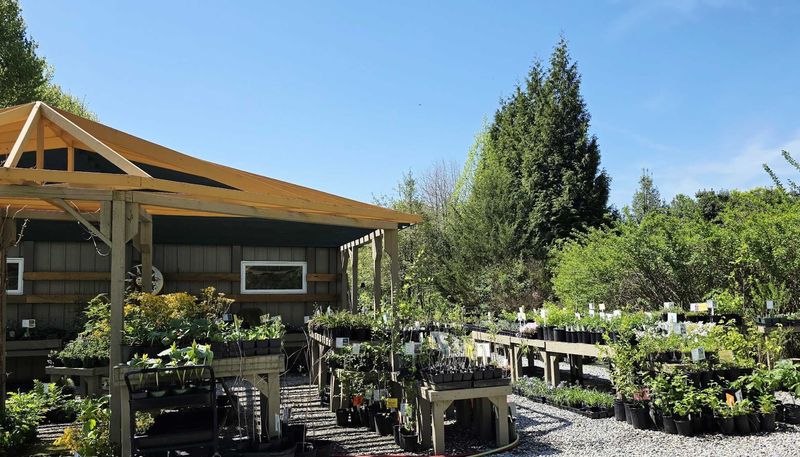
Heartwood Nursery in Felton carries a quiet confidence that comes from doing things right for a long time.
Located at 8957 Hickory Road, this nursery stands out because more than 95% of its inventory consists of straight-species native plants, meaning no genetic modification, no cultivar shortcuts, just plants as nature intended them.
That authenticity translates directly into better ecological performance and stronger long-term resilience in the landscape.
The plant range is broad and thoughtfully organized: native trees, shrubs, perennials, groundcovers, ferns, and grasses are all available, with clear guidance on which species thrive in sun, shade, dry soil, or moist conditions.
For anyone designing a low-water garden, that level of detail is invaluable. Approximately 90% of their trees and shrubs are propagated on-site from seeds and cuttings, and the entire operation runs without pesticides.
Heartwood has earned national recognition as an award-winning propagator of native Hollies and holds the distinction of being the largest U.S. propagator of American Holly, known botanically as Ilex opaca.
The Heartwood Holly Arboretum on the nursery grounds is a certified arboretum featuring hundreds of mature Holly trees and shrubs, providing year-round beauty and critical habitat for birds during the fall and winter berry season.
It is the kind of place where you can spend an hour just walking and learning. The nursery also offers native plant landscaping services, including installation of rain gardens, pollinator gardens, and meadows.
These services make Heartwood a one-stop resource for gardeners who want professional help translating their water-smart vision into reality.
Retail hours are consistent year-round, Monday through Saturday from 9:00 am to 4:00 pm.Heartwood Nursery is a standout example of how dedication to ecological integrity produces outstanding results for gardeners and the environment alike.
6. Go Native Tree Farm – Manheim
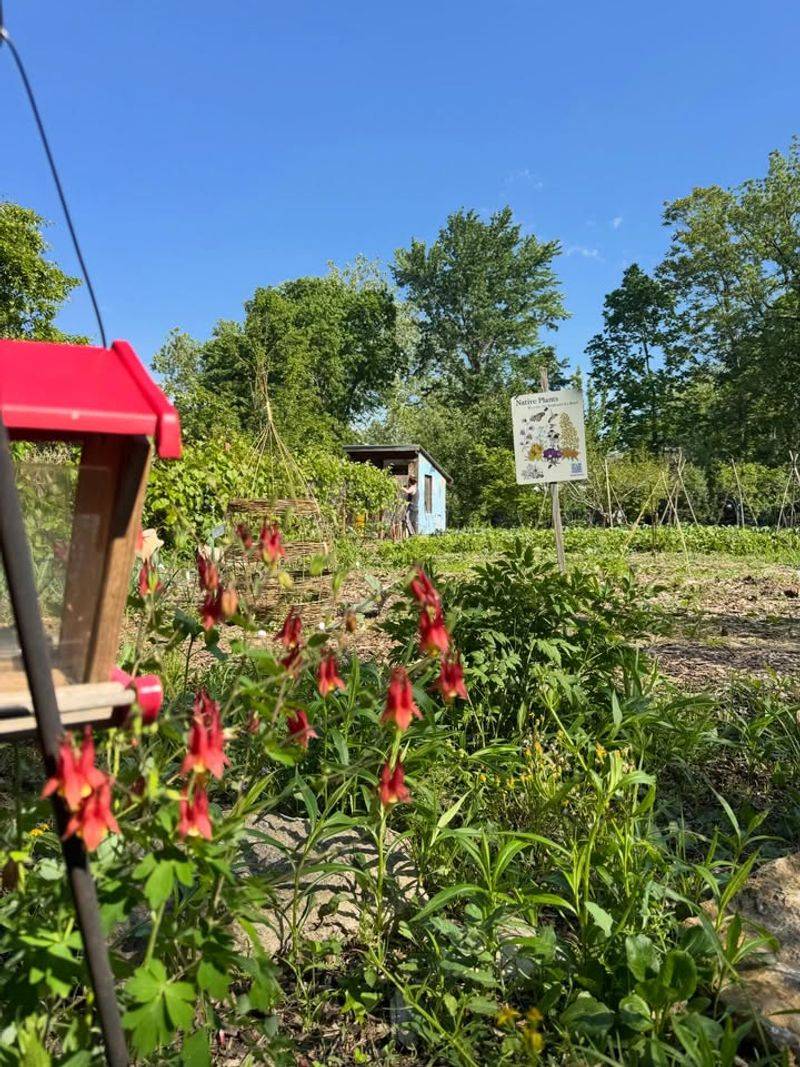
If your drought-tolerant garden plan calls for native shrubs and trees rather than just perennials, Go Native Tree Farm in Manheim should be near the top of your list.
Operating out of Lancaster County, affectionately known as the Garden Spot of Pennsylvania, this family-run farm at 678 S.
Chiques Road has been cultivating eastern native woody plants since 2001.With more than two decades of experience, the team here has developed an inventory that is both extensive and impressively hard-to-find.
Go Native proudly offers one of the largest selections of Eastern native woody plant species available anywhere in the region.
Their container-grown plants serve both wholesale and retail customers, making the farm accessible whether you are landscaping a single backyard or managing a larger restoration project.
The emphasis on native species means every plant you bring home is already adapted to Pennsylvania’s climate, requiring far less supplemental water once roots are established.
Beyond the environmental benefits, the farm points out that native plantings can increase property value and contribute meaningfully to carbon offsetting, which adds a practical financial argument alongside the ecological one.
Visits are strictly by appointment only, so reaching out via email or phone before heading out is non-negotiable.
Local pickups run Monday through Friday from 9:00 am to 4:00 pm and Saturdays from 10:00 am to 12:00 pm.
For gardeners who cannot make the trip in person, Go Native ships plants carefully packaged in their containers to most eastern U.S. states, broadening their reach well beyond Manheim.
This thoughtful shipping option means more Pennsylvania-bred native plants can find homes across the region.
Go Native Tree Farm is a serious resource for anyone ready to commit to a landscape that works with nature rather than against it.