White Clover In Pennsylvania Lawns Might Not Be What You Think
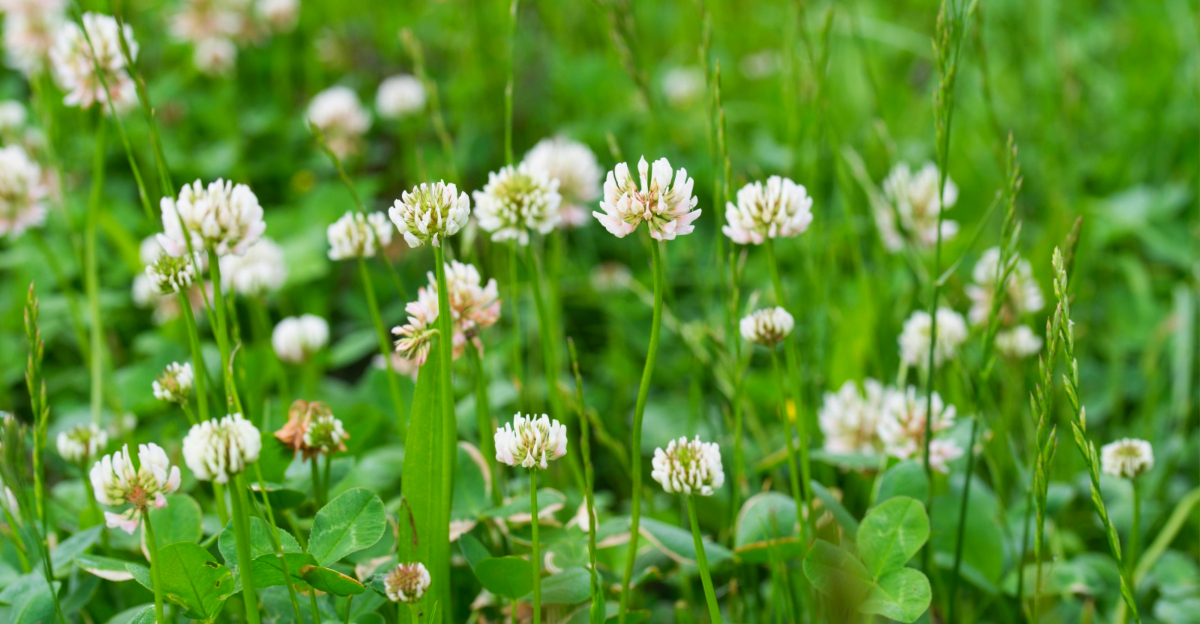
Take a walk through a Pennsylvania neighborhood in late spring or early summer, and you will probably spot white clover tucked right into the lawn like it owns the place.
For plenty of homeowners, that little patch of green with white blooms gets written off fast.
Out comes the weed label, then the herbicide, and that is usually the end of the story. But white clover has a much more interesting reputation than most people give it credit for.
This familiar lawn plant does more than just show up uninvited. In Pennsylvania, it has drawn attention for its ability to work with soil nitrogen, offer nectar to pollinators, and carry a long history in traditional herbal use.
Not bad for something people love to complain about while mowing.
The more you look at white clover, the more it starts to seem less like a lawn troublemaker and more like a plant with a surprisingly complicated resume.
1. White Clover’s Weed Reputation Tells Only Part Of The Story
Spend a few minutes at a garden center in Pennsylvania and you will find entire shelves dedicated to products designed to remove clover from lawns. That says a lot about how deeply the weed label has stuck to this plant.
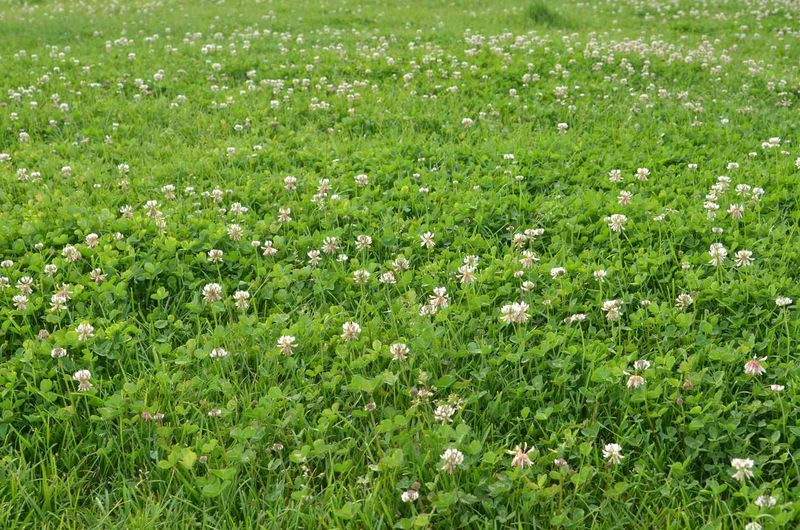
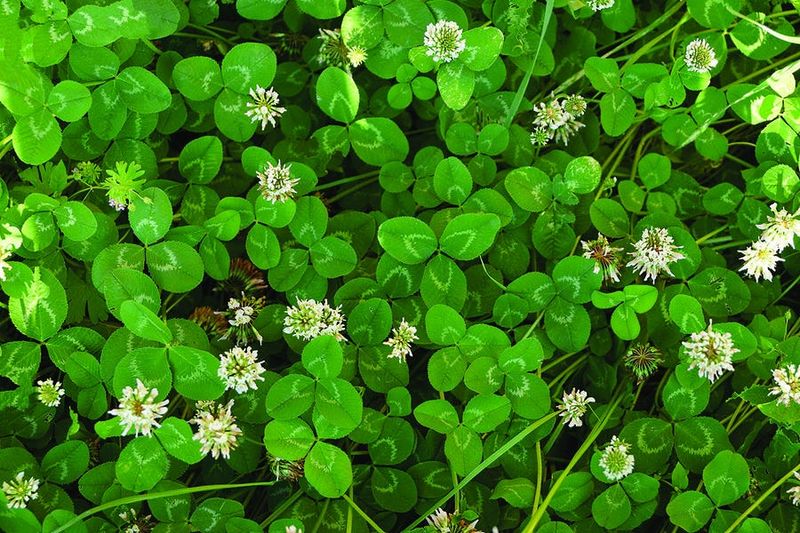
White clover, known botanically as Trifolium repens, is a low-growing perennial that spreads by creeping stems and can fill in bare patches of turf surprisingly fast.
For decades, a thick, uniform grass lawn has been the standard that most Pennsylvania homeowners have aimed for. Anything that broke that uniformity, including clover, got treated as a problem.
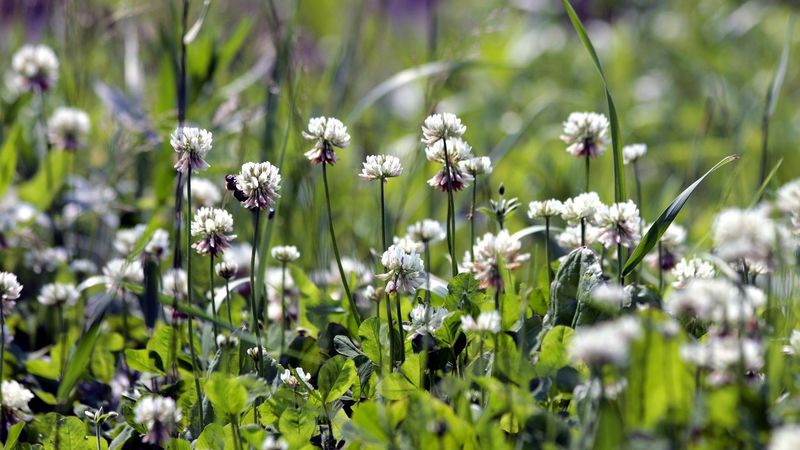
Clover’s round white flowers and three-leafed structure stand out visually against turfgrass, which made it easy to label as something that did not belong.
What that reputation leaves out is that white clover was not always viewed as a lawn invader. Before the mid-twentieth century, clover seed was commonly mixed into lawn seed blends on purpose.
Turf managers valued it for its low-growing habit and its ability to stay green during dry summer stretches when cool-season grasses struggle in Pennsylvania heat.
The shift away from clover had less to do with the plant’s actual performance and more to do with changes in herbicide chemistry. Once broadleaf weed solutions became widely available, clover became collateral damage.
Its reputation as a weed was partly a product of marketing rather than any genuine flaw in the plant itself.
2. Herbicides Changed The Lawn’s Relationship With Clover
Sometime around the middle of the twentieth century, lawn care in the United States shifted in a significant way.
Synthetic broadleaf herbicides, including early versions of products containing 2,4-D, became widely available to homeowners and turf professionals alike.
These products were effective at removing dandelions, plantain, and other broadleaf plants from lawns without harming grass.
White clover, as a broadleaf plant, was equally vulnerable to these herbicides. Because clover could not survive the treatments that homeowners were now applying regularly, it gradually disappeared from lawns across Pennsylvania and the rest of the country.
Your Pennsylvania Garden Changes Every Week. Your Plan Should Too.
Gardening in Pennsylvania changes quickly throughout the season. Every Friday you’ll receive a simple weekly plan showing exactly what to plant, prune, fertilize, harvest, and protect so you never miss the right timing.
Once it was gone from most yards, it started to look out of place in the ones where it remained.
Lawn seed manufacturers responded to this shift by removing clover from their standard turf blends. Before that change, a Pennsylvania homeowner buying grass seed might have expected some clover in the mix.
After the shift, a clover-free lawn became the default expectation, and clover itself became something to eliminate rather than maintain.
Understanding that history helps explain why so many people today instinctively treat clover as a problem. The plant did not change.
What changed was the chemical toolkit available to homeowners and the turf industry standards that followed.
Some Pennsylvania gardeners who now want a lower-input lawn are actively choosing to bring clover back, essentially reversing a decades-old decision that was made for them without much discussion.
3. The Nitrogen-Fixing Power Hidden In White Clover
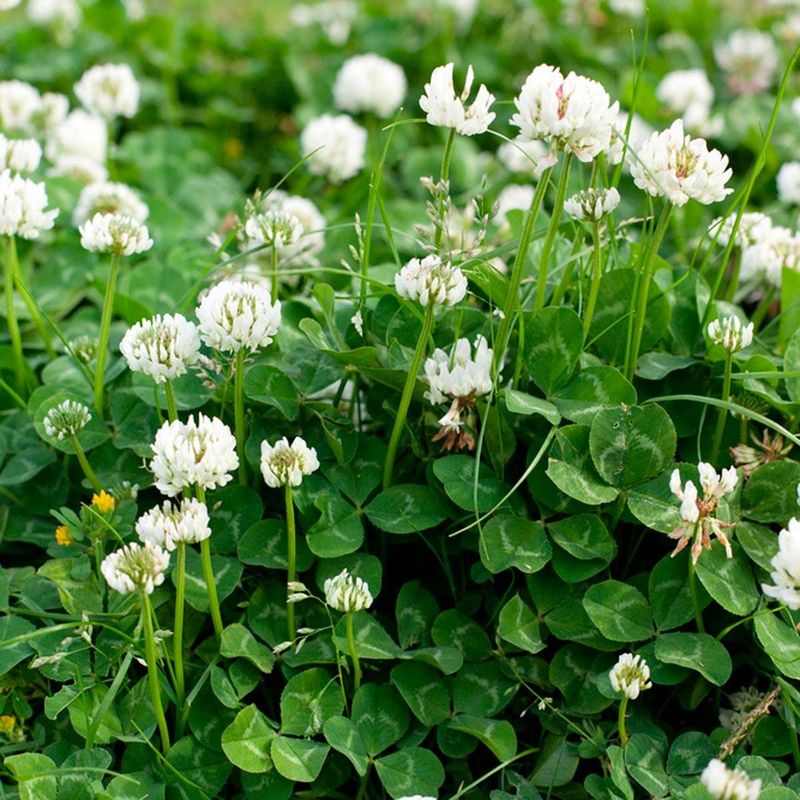
Beneath an ordinary-looking patch of white clover in a Pennsylvania backyard, something genuinely useful is happening underground. White clover is a legume, which means it has the ability to form a partnership with soil bacteria called Rhizobium.
These bacteria colonize the clover’s roots and convert nitrogen from the air into a form that plants can use.
Nitrogen is one of the most important nutrients for healthy lawn growth, and most Pennsylvania homeowners spend real money on fertilizers to keep their grass green and dense.
White clover essentially provides a portion of that nitrogen on its own, without any input from a bag or spreader.
As clover plants break down over time, that nitrogen becomes available to surrounding grass and soil organisms.
The practical result in a mixed lawn is that the grass growing near clover patches often looks noticeably greener than turf growing in areas without it. This is not a coincidence.
The nitrogen contribution from clover can reduce how much supplemental fertilizer a lawn needs over a season, which matters both for household budgets and for reducing nutrient runoff into Pennsylvania waterways.
Not every Pennsylvania homeowner will want clover in their lawn, and that is a reasonable choice.
But for those managing a low-input or naturalistic yard, the nitrogen-fixing ability of white clover is a real and documented benefit that works quietly in the background every growing season without requiring any extra effort from the homeowner.
4. White Clover Brings Pollinator Value To Pennsylvania Landscapes
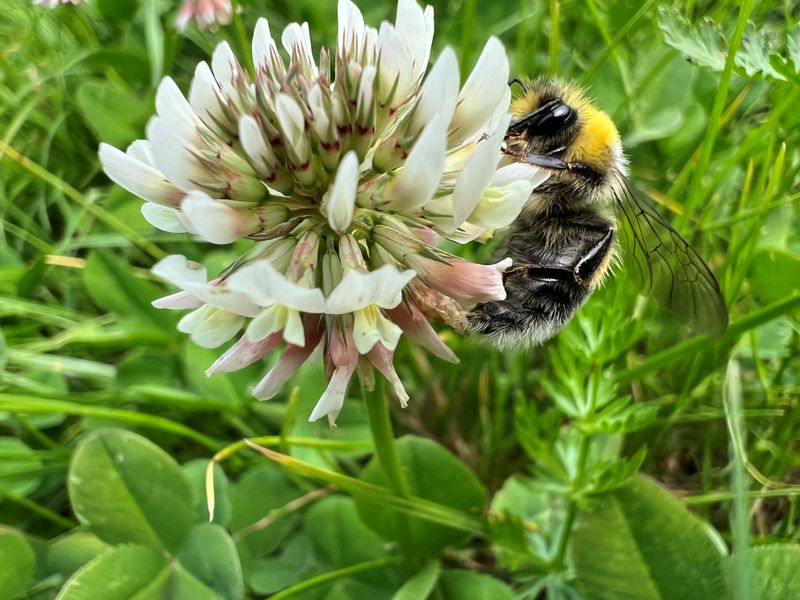
On a warm July afternoon in Pennsylvania, a lawn with white clover blooming across it sounds different from one without it.
The quiet hum of bees moving from flower to flower is one of the more noticeable signs that something ecologically useful is happening in that yard.
White clover is a well-documented nectar and pollen source for both honeybees and native bumblebees.
Pennsylvania has a diverse population of native bee species, and many of them visit clover flowers regularly during the summer months. The flowers are small and accessible, making them easier for short-tongued bees to use than deeper tubular flowers.
Even a modest patch of clover blooming through a lawn can support meaningful pollinator activity over the course of a season.
Honeybee keepers in Pennsylvania have long valued clover as a nectar source, and white clover honey has a recognizable mild flavor that many people associate with classic American wildflower honey.
That connection between white clover and honey production reflects just how reliably this plant feeds pollinators when it is allowed to bloom.
Homeowners who want to support pollinators without converting their entire yard to a wildflower garden may find that simply allowing clover to flower in part of their lawn is a low-effort way to contribute.
Mowing less frequently in clover-heavy areas during bloom season, or raising the mower deck height, can extend the time those flowers are available to bees without dramatically changing how the lawn looks overall.
5. The Soil Health Benefits Linked To White Clover
Healthy soil does more than hold grass roots in place. It supports a web of microorganisms, earthworms, and fungi that cycle nutrients, improve drainage, and help plants resist stress.
White clover contributes to that underground ecosystem in ways that go beyond nitrogen fixation alone.
As clover plants grow and eventually break down, they add organic matter to the soil.
In Pennsylvania lawns where decades of conventional mowing and bagging have removed plant material rather than returning it, soil organic matter levels can be lower than ideal.
Clover helps reverse that trend gradually by adding biomass back into the system through root turnover and leaf decomposition.
The root structure of white clover is also relatively shallow and fibrous, which means it does not compete aggressively with grass roots for deep moisture.
In a mixed lawn, the two plants can coexist in the same soil profile without one completely crowding out the other, especially in the cool-season grass regions that cover much of Pennsylvania.
Some Pennsylvania homeowners managing compacted clay soils may notice that clover establishes more readily than grass in those difficult spots.
While clover is not a guaranteed fix for severe compaction, its ability to grow where grass struggles can help stabilize bare areas and reduce erosion on slopes or shaded edges.
Over time, the organic matter it contributes may gradually improve the conditions in those spots, giving grass a better chance to fill in later.
6. The Growing Case For White Clover In Modern Pennsylvania Lawns
Across Pennsylvania, conversations about lawn care have been shifting.
Rising fertilizer costs, growing awareness of pollinator decline, and increasing interest in lower-maintenance yards have all contributed to a reassessment of what a good lawn actually looks like.
White clover fits naturally into that evolving discussion.
Micro-clover varieties, which are smaller-leafed and lower-growing than standard white clover, have become more widely available in Pennsylvania garden centers and online seed suppliers.
These varieties blend more seamlessly with turf grass and stay low enough that they do not interrupt the visual uniformity that many homeowners still prefer.
They offer the same nitrogen-fixing and pollinator benefits as standard white clover in a form that suits more traditional lawn aesthetics.
Some Pennsylvania municipalities and homeowner associations have also begun reconsidering rules that once required uniformly grass-only lawns.
As ecological lawn care practices gain traction, clover is being viewed less as a violation of turf standards and more as a reasonable component of a diverse, resilient yard.
Not every Pennsylvania homeowner will want clover spreading through their turf, and that preference is completely valid. Lawn care choices are personal, and they depend on how a yard is used, who uses it, and what the homeowner values most.
But for those who are open to a more relaxed approach, white clover offers a practical, low-input option that can reduce fertilizer needs, support local bees, and keep a lawn looking reasonably green even through the dry stretches that Pennsylvania summers regularly bring.
7. Simple Ways To Use White Clover In Your Landscape
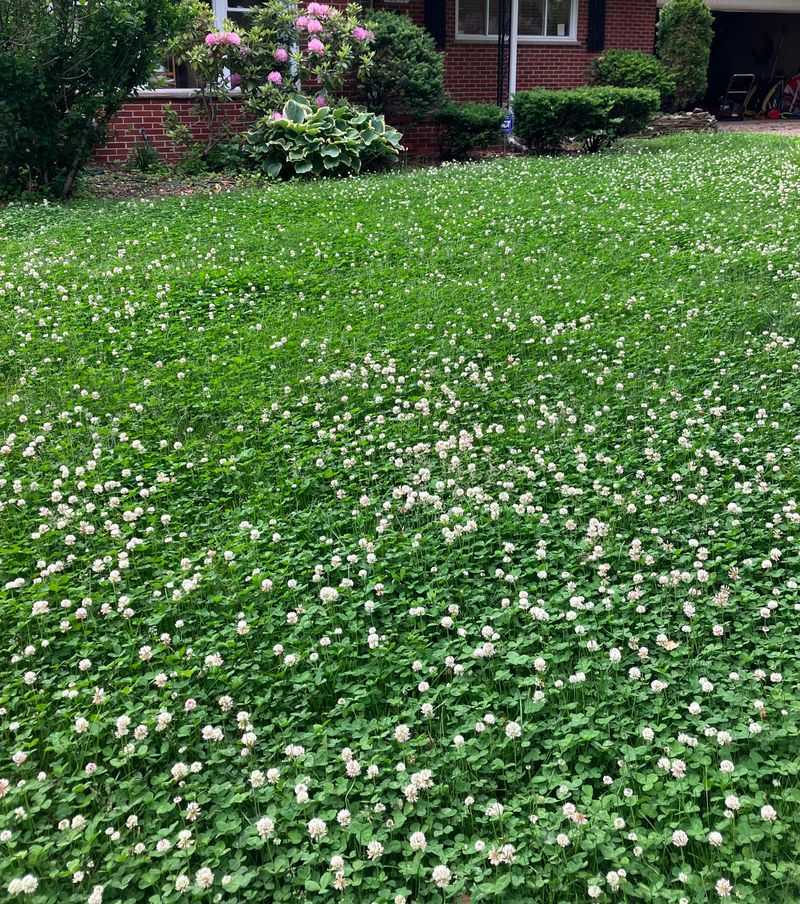
Getting started with white clover in a Pennsylvania yard does not require a major overhaul of how the lawn is managed.
For homeowners who want to try it, overseeding an existing lawn with white clover seed in early spring or early fall is one of the most straightforward approaches.
The seed is inexpensive, widely available, and germinates reliably in Pennsylvania’s temperate climate when soil moisture is adequate.
Mowing height plays a meaningful role in how well clover establishes and blooms alongside grass. Raising the mower deck to three inches or higher allows clover to develop more fully and compete better with aggressive turf.
Clover mowed too short will struggle to flower, which limits its value to pollinators and reduces the visual appeal of the mixed lawn.
Clover can also be planted intentionally in areas where grass has struggled, such as shaded edges, dry slopes, or spots with poor soil. In those situations, it often outperforms grass and provides stable ground cover that reduces bare soil and erosion.
Pennsylvania homeowners dealing with persistent bare patches may find that clover fills those spots more reliably than repeated grass reseeding.
For those interested in the traditional herbal side of white clover, the flowers have a long history of use in teas and folk remedies. That history is worth noting as a curiosity, though it should be approached with care rather than treated as medical guidance.
The real value of white clover in a Pennsylvania landscape lies in what it does for the soil, the bees, and the long-term health of a more resilient yard.