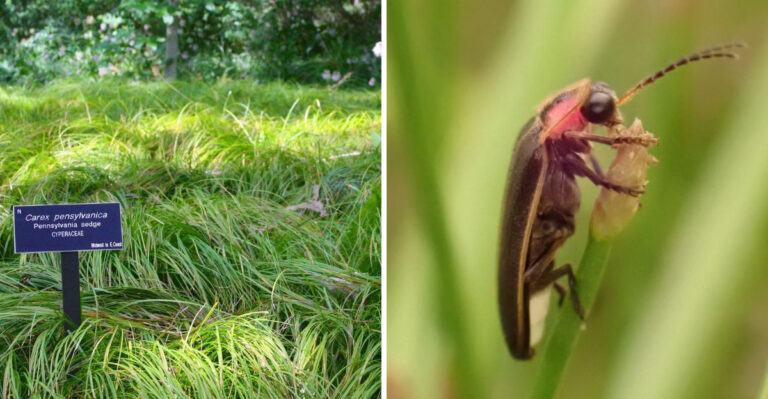
The Only Native Pennsylvania Perennial You Need If You Want Slugs To Find Your Shaded Beds Less Attractive
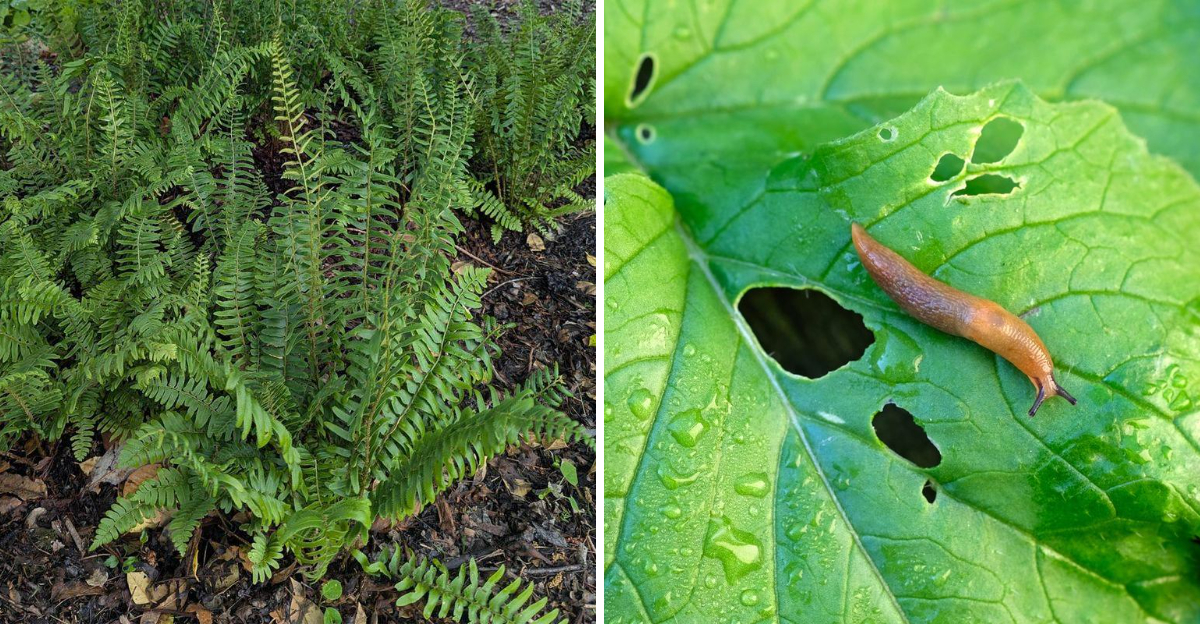
Slugs in shaded garden beds are one of those problems that Pennsylvania gardeners deal with almost every season. The cool, damp conditions that make shaded beds so hospitable for certain plants are exactly what slugs thrive in.
They work at night, they’re hard to catch in the act, and the damage they leave behind on hostas, heucheras, and other shade loving plants can be genuinely discouraging. Most people reach for pellets or traps.
Those work, but they need constant replenishing and come with real concerns around pets and wildlife. There’s a native Pennsylvania perennial that takes a completely different approach.
This plant creates conditions in and around shaded beds that slugs find consistently unappealing. It’s not a chemical deterrent.
It’s about what this plant naturally introduces to the immediate environment that slugs prefer to avoid. It’s beautiful, low maintenance, and perfectly suited to the shaded corners of a Pennsylvania garden.
Here’s the one native perennial that could make your shaded beds a much less welcoming place for slugs.
This Native Pennsylvania Perennial Makes Slugs Find Shaded Beds Less Attractive
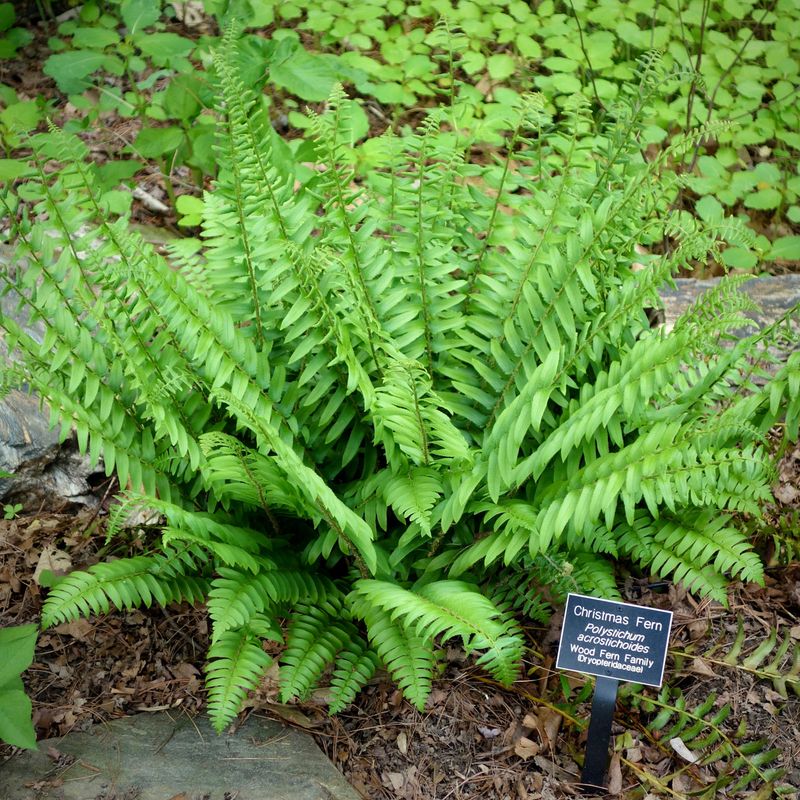
Walk through almost any Pennsylvania woodland and you will spot it right away. Christmas fern, known scientifically as Polystichum acrostichoides, is one of the most recognizable native perennials in the state.
Its deep green, leathery fronds stay evergreen all year long, giving your garden structure and color even in the middle of winter.
What makes it special for shaded beds is simple. Slugs prefer soft, tender, moisture-heavy leaves.
Christmas fern fronds are firm, tough, and waxy, making them far less appealing to slugs looking for an easy meal. That alone sets it apart from popular shade plants like hostas, which slugs absolutely love.
Planting Christmas fern is not a complicated process. It grows naturally in shaded spots, slopes, and woodland edges all across Pennsylvania.
It is well adapted to the local climate, soil, and rainfall patterns, which means it asks very little of you once it settles in.
Gardeners looking for a reliable native plant that reduces slug damage without harsh chemicals will find Christmas fern to be a practical and attractive solution.
It grows in clumps that spread slowly over time, gradually filling in bare shaded areas with handsome foliage.
Beyond slug resistance, Christmas fern supports local wildlife. Native insects, ground-nesting birds, and small mammals all benefit from its presence.
Choosing it means you are doing something good for your garden and your local ecosystem at the same time. It is a win that keeps growing year after year.
Why Slugs Love Shaded Pennsylvania Beds
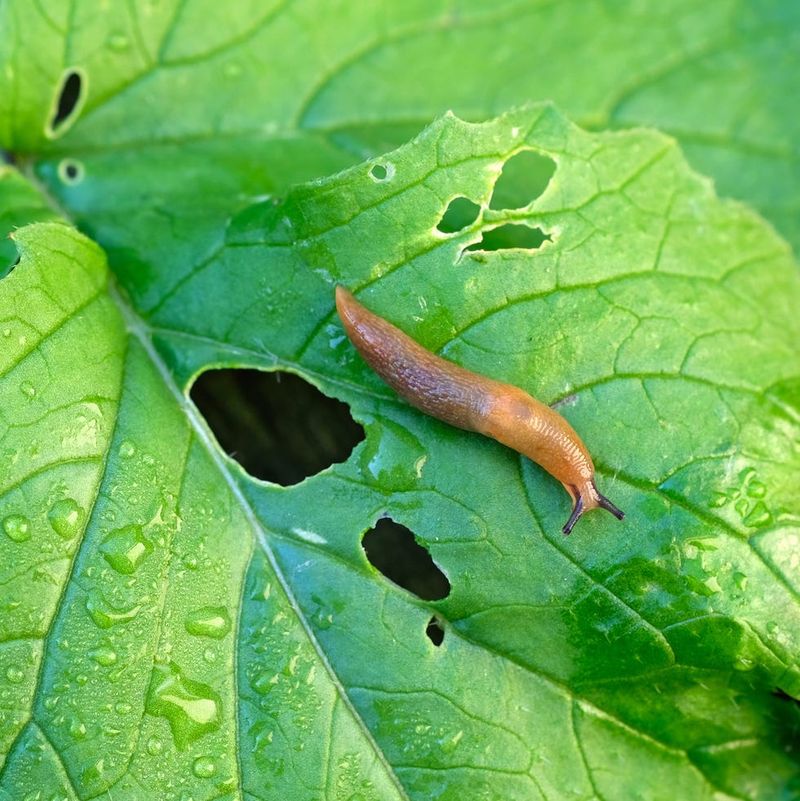
Slugs are not randomly wandering into your garden. They are actively searching for conditions that suit them perfectly, and shaded Pennsylvania beds often check every box on their list.
Cool temperatures, steady moisture, and protection from direct sunlight make shaded beds feel like a five-star resort for slugs.
Thick mulch is one of the biggest attractants. When mulch sits heavy and wet under a canopy of trees, it holds moisture for days.
Your Pennsylvania Garden Changes Every Week. Your Plan Should Too.
Gardening in Pennsylvania changes quickly throughout the season. Every Friday you’ll receive a simple weekly plan showing exactly what to plant, prune, fertilize, harvest, and protect so you never miss the right timing.
Slugs burrow into it during daylight hours and come out at night to feed. The thicker and wetter the mulch, the more comfortable they feel hiding inside it.
Leaf litter is another major factor. Piles of old leaves that never fully break down create dark, damp hiding spots that slugs use as shelter and breeding grounds.
Crowded plants make things worse by blocking airflow, keeping the soil surface wet long after rain stops.
Overwatering shaded beds is a common mistake that invites even more slug activity. Since shaded soil dries out more slowly than sunny areas, it needs far less supplemental water.
Watering in the evening makes conditions ideal for slugs to roam freely all night without drying out.
Poor drainage compounds every other problem. When water pools in low spots or the soil stays soggy for days, slugs thrive while your plants struggle.
Understanding what draws slugs to your shaded beds is the first real step toward making those beds less welcoming. Changing just a few habits can shift the balance significantly in your favor.
How Christmas Fern Helps
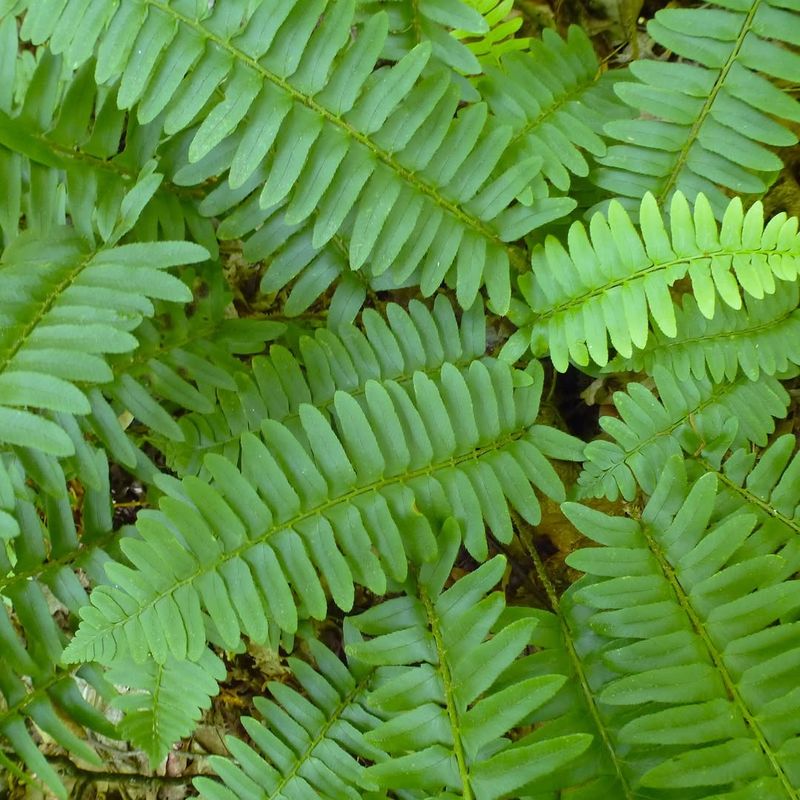
Not every plant fights back against slugs, but Christmas fern comes close. Its secret is texture.
The fronds are stiff, waxy, and tough in a way that soft shade plants simply are not. When slugs are looking for something easy to chew through on a damp night, Christmas fern is rarely their first pick.
Compare it to a hosta. Hosta leaves are broad, soft, and full of moisture.
Slugs can move right through a patch of hostas in a single night, leaving ragged holes across dozens of leaves. Christmas fern does not offer that kind of easy feeding opportunity, so slugs tend to move past it and look elsewhere.
The upright shape of Christmas fern also helps. Its fronds arch outward from a central crown, which allows air to circulate around the base of the plant.
Better airflow means the soil around Christmas fern dries out a bit faster after rain, making the immediate area slightly less attractive to slugs seeking moisture.
Replacing slug-prone plants with Christmas fern in key spots around your shaded bed can reduce the overall appeal of the area. It works best as part of a broader strategy rather than a single fix.
Think of it as lowering the invitation level of your garden rather than putting up a wall.
Christmas fern will not eliminate every slug in your yard. However, pairing it with smarter garden habits creates a shaded bed that slugs find noticeably less comfortable, which is exactly the goal most gardeners are working toward.
Where Christmas Fern Grows Best
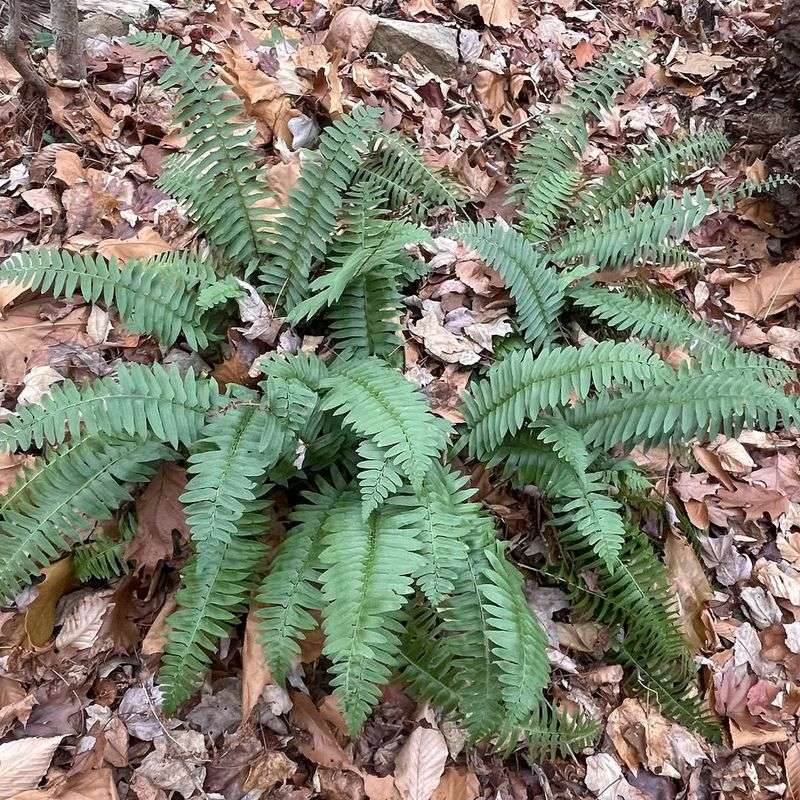
Finding the right spot for Christmas fern is easier than you might think because it is not a demanding plant. It naturally grows in part shade to full shade, which makes it an excellent fit for spots that get little to no direct sunlight.
Under trees, along shaded slopes, and beside north-facing house foundations are all ideal locations.
Woodland borders are another natural home for Christmas fern. If your yard transitions from lawn into a wooded area, planting Christmas fern along that edge creates a beautiful, naturalistic look.
It bridges the gap between the manicured garden and the wild woodland in a way that feels intentional and polished.
Soil preference matters here. Christmas fern does best in well-drained soil that stays consistently moist but never waterlogged.
It can handle rocky, sloped ground surprisingly well, which is one reason it grows so readily on hillsides throughout Pennsylvania. Slopes actually work in its favor because water drains away naturally rather than pooling around the roots.
Avoid planting it in areas where water collects after heavy rain. Soggy soil is one of the few conditions that Christmas fern genuinely dislikes.
If your bed has drainage issues, address them before planting, or choose a slightly elevated spot where water moves through freely.
Once established, Christmas fern is remarkably tolerant of summer dry spells, winter cold, and even occasional foot traffic near its base. It is a tough plant that asks for very little maintenance in return for year-round good looks and a less slug-friendly garden bed.
How To Use It In A Slug-Resistant Shade Bed
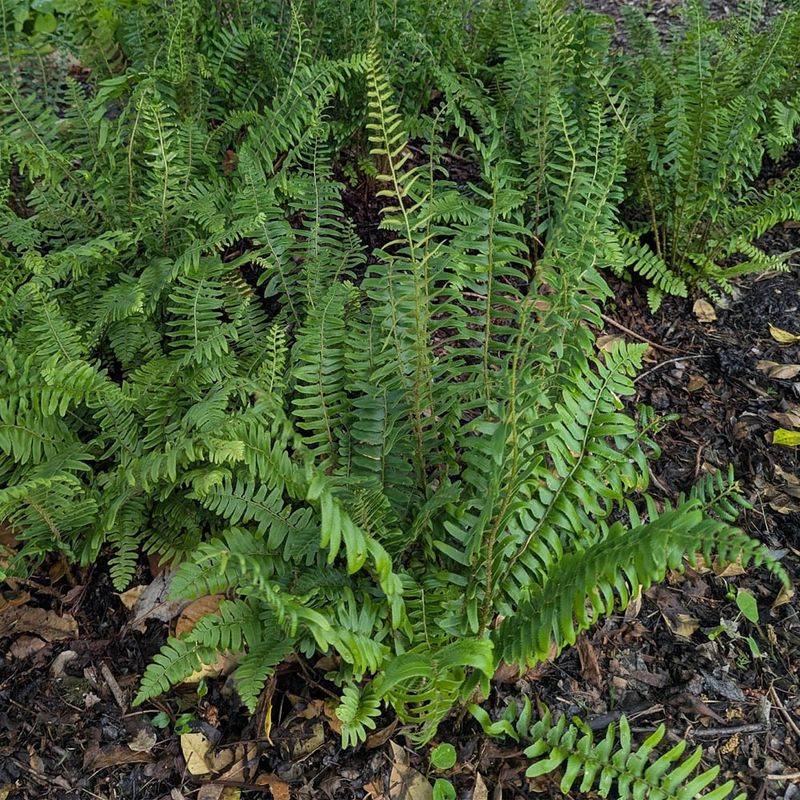
Planting a single Christmas fern will not transform your garden overnight, but planting them in groups absolutely will. A drift of three to five plants creates a fuller, more cohesive look while also covering more ground with slug-unfriendly foliage.
The visual impact goes up significantly when you plant in clusters rather than scattering individual plants around.
Pairing Christmas fern with other sturdy native shade plants strengthens the whole bed. Wild ginger, Solomon’s seal, and native sedges are all good companions.
They share similar growing conditions, require minimal care, and none of them are as appealing to slugs as soft, broad-leaved plants like hostas or ligularia.
Mulch management is critical. Keep mulch light and no deeper than two inches in shaded beds where slugs are a concern.
Heavy mulch holds too much moisture and gives slugs a perfect hiding place right at the base of your plants. A thin layer is enough to protect roots and suppress weeds without rolling out the welcome mat for slugs.
Spacing matters more than most gardeners realize. Crowded plants trap humidity between their leaves and stems, keeping the soil surface wet for longer.
Give Christmas fern and its neighbors enough room so that air can move freely between them. Good airflow is one of the simplest and most effective ways to make a shaded bed feel less hospitable to slugs.
Over time, a well-designed slug-resistant shade bed with Christmas fern as its anchor plant becomes easier to maintain, more beautiful, and far less likely to show the kind of overnight feeding damage that drives gardeners absolutely crazy.
What Else To Do If Slugs Keep Showing Up
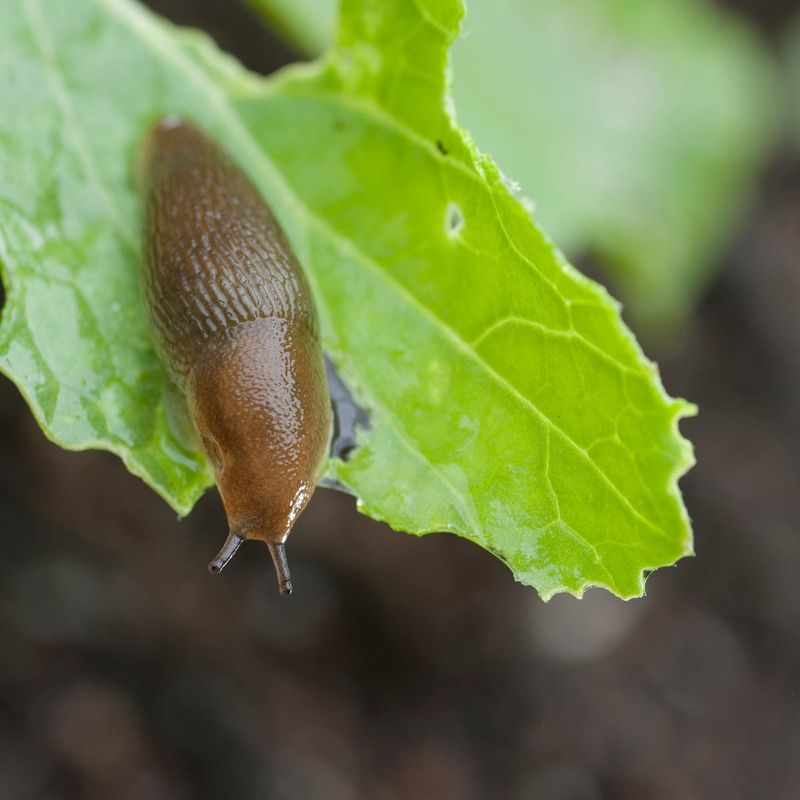
Even the toughest plant lineup needs backup sometimes. If slugs are still showing up after you have added Christmas fern and adjusted your plant choices, a few simple habit changes can make a real difference.
Start with your watering schedule and move it to the morning. Morning watering gives the soil surface time to dry out before evening, which is when slugs are most active.
Thin out heavy mulch in your shadiest beds. Pull it back slightly around plant bases and rake it loose so it dries faster between rain events.
Removing wet, compacted leaf litter is just as important. Old leaves sitting on the soil surface create exactly the kind of dark, damp cover that slugs seek out for shelter and egg-laying.
Check under boards, stones, pots, and any other objects sitting directly on the ground in or near your garden beds. Slugs love hiding under these during daylight hours.
Lifting them regularly disrupts slug activity and reduces the local population over time without any chemicals involved.
Improving drainage in low spots is a longer-term fix but a highly effective one. Adding organic matter to heavy clay soil, creating gentle berms, or redirecting downspouts away from garden beds can all help reduce standing moisture.
Drier conditions make the entire bed less appealing to slugs across the board.
After rainy stretches, walk your garden in the early morning and check plants closely for slug damage or eggs in the soil. Catching problems early keeps them from getting out of hand.
Christmas fern works best when the whole bed is cleaner, drier, and managed with a little extra attention during wet seasons.