The One Mistake That’s Ruining California Tomato Harvests Right Now
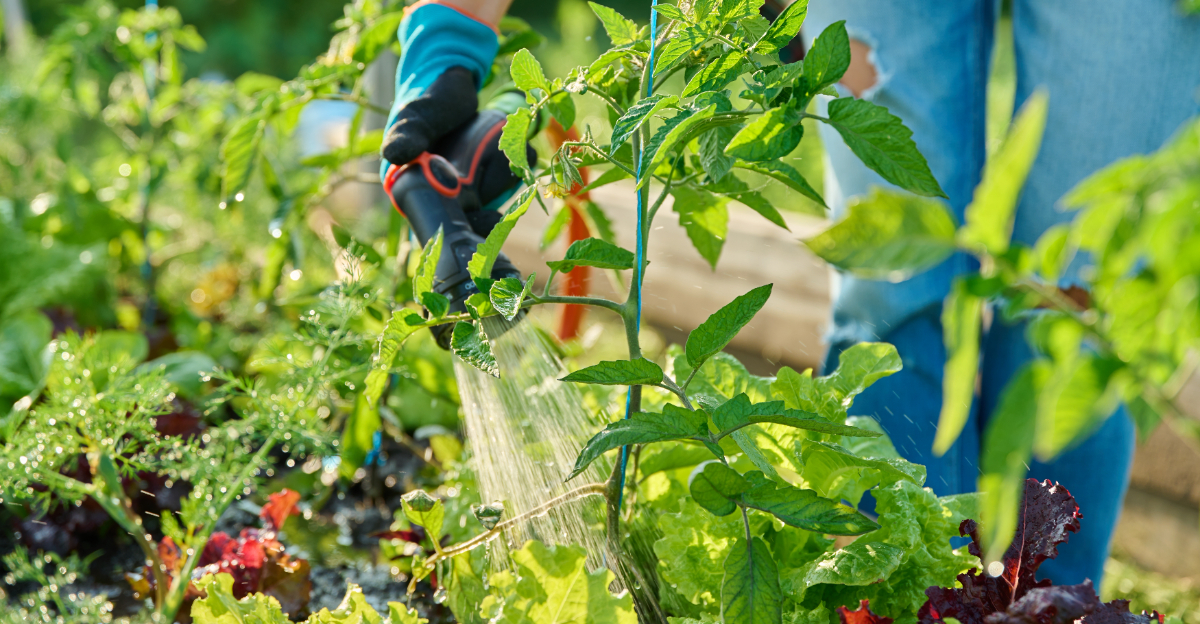
Tomato season should feel like a victory lap. The plants are tall, the vines are loaded, and every sunny afternoon seems to promise a bowl of ripe fruit.
Then the harvest slows down, tomatoes start struggling, and all that optimism gets replaced by some serious garden side-eye.
One common summer habit can quietly throw the entire plant off balance. It often looks helpful in the moment, which is exactly why so many people keep doing it. Sneaky, right?
The brutal heat here in California can make the mistake even more damaging. Tomato plants are already working hard to manage stress, so a small care choice may affect how well they flower and ripen fruit.
The frustrating part is that the problem may not show up right away. By the time the signs become obvious, the plant has already spent days trying to recover. A simple adjustment could help rescue the rest of the season.
1. Make Sure You Don’t Water This Way
Most tomato problems this season in California trace back to one thing: watering that swings between too dry and too wet.
It sounds simple, but this mistake is incredibly common. Even experienced gardeners fall into this pattern without realizing it.
Tomatoes are sensitive to moisture changes. When soil dries out completely and then gets flooded with water, the plant goes into stress mode.
Roots struggle to absorb nutrients properly when the moisture level keeps shifting.
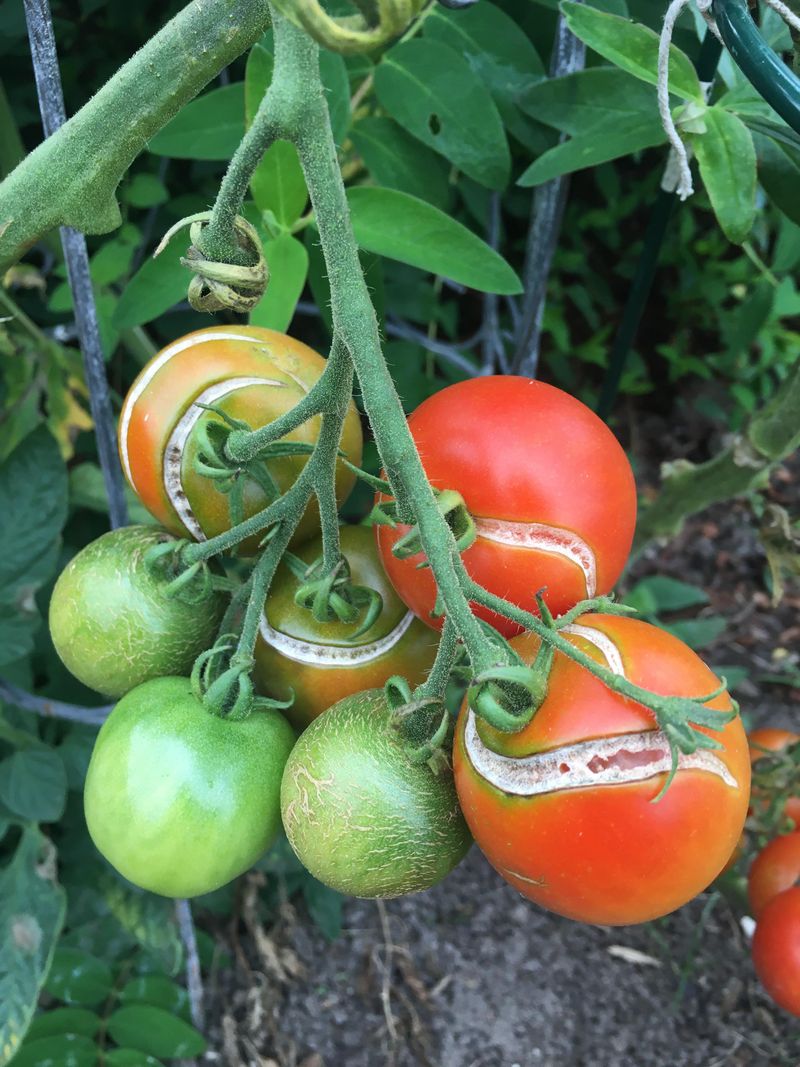
The result shows up on the plant in different ways. You might see leaves that curl inward, fruit that cracks open, or dark patches forming on the bottom of your tomatoes.
These are not random problems. They are signs of moisture stress caused by inconsistent watering.
Fixing this starts with awareness. Pay attention to how often you water and how much you give each time.
Try to water on a regular schedule instead of waiting until the soil looks completely dry and cracked.
A simple finger test works well. Push your finger about two inches into the soil. If it feels dry at that depth, it is time to water. If it still feels slightly moist, wait another day.
Keeping that moisture level steady is the key to healthier tomatoes and a better harvest overall this season.
2. Dry-To-Soaked Soil Stresses Tomatoes Fast
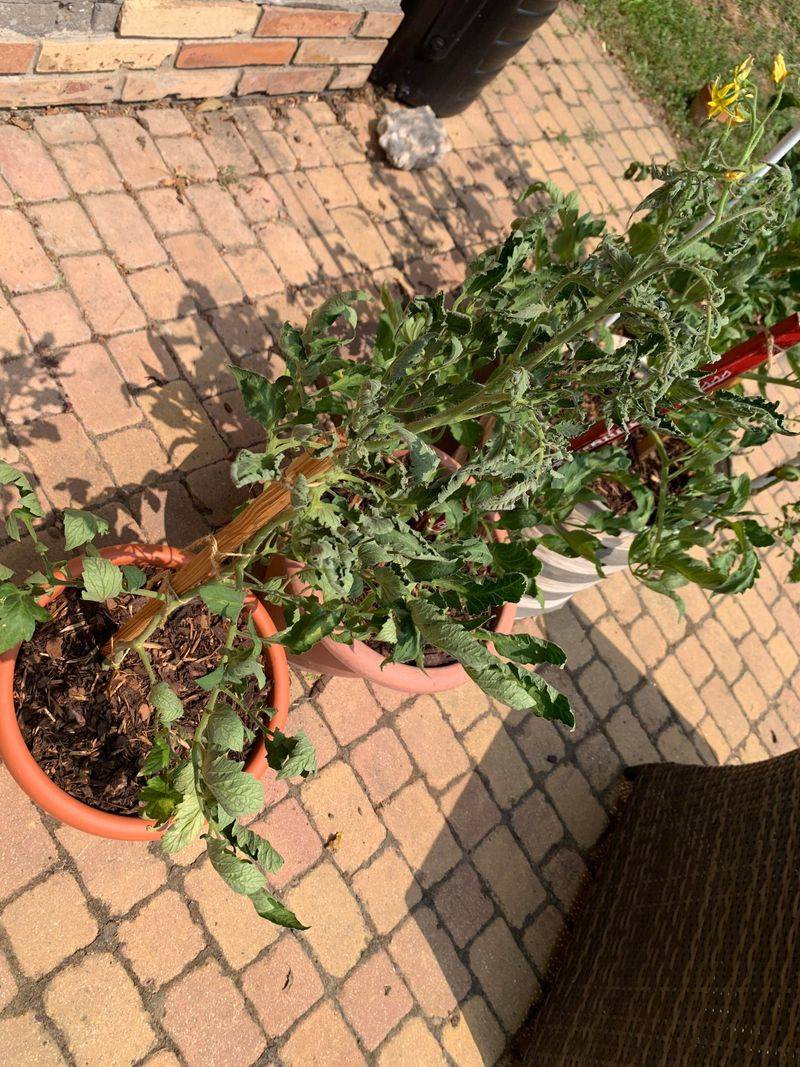
Few things push a tomato plant to its limit faster than the dry-to-soaked cycle. One day the soil is bone dry, the next it gets drenched. This whiplash effect hits roots hard and fast.
When soil dries out completely, root cells begin to shrink slightly. Then when a large amount of water suddenly floods in, those cells take in water too quickly.
That rapid intake is what causes fruit to crack and split open on the vine.
Northern growing regions can be especially tricky because temperatures climb fast during the day and drop at night.
That temperature swing speeds up soil drying, which makes it even easier to accidentally let things get too dry before the next watering.
Tomatoes need steady access to water, not dramatic highs and lows. Think of it like eating.
Your California Garden Changes Every Week. Your Plan Should Too.
Gardening in California changes quickly throughout the season. Every Friday you’ll receive a simple weekly plan showing exactly what to plant, prune, fertilize, harvest, and protect so you never miss the right timing.
A person who skips meals and then overeats does not feel great. Plants react the same way to feast-and-famine watering habits.
One helpful trick is to water slowly and deeply rather than quickly pouring a large amount all at once. A slow drip or gentle soaking lets water move evenly through the soil.
This gives roots time to absorb moisture at a healthy rate without getting overwhelmed all at once.
3. Water Swings Lead To Split Fruit
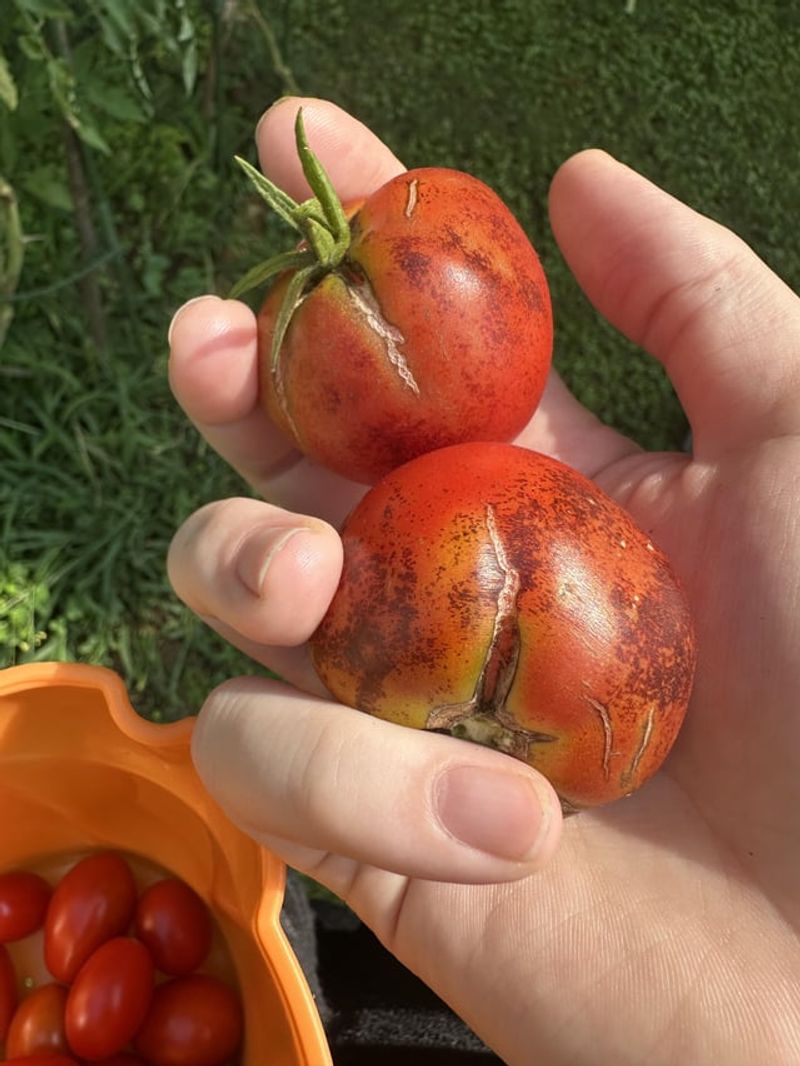
Cracked tomatoes are one of the most frustrating sights at harvest time. You wait weeks for that perfect red fruit, and then you find it split open. Water swings are almost always the reason.
Here is what happens inside the fruit. When a tomato is growing, it builds up its skin at a certain rate.
If water is scarce during that time, growth slows down. Then when a big watering comes along, the inside of the tomato grows fast.
The skin cannot stretch quickly enough, so it cracks.
Radial cracks run from the stem down the sides. Concentric cracks circle around the top near the stem.
Both types happen when water delivery is uneven. The fruit is basically responding to a sudden change in internal pressure.
Keeping soil moisture consistent during the fruiting stage is especially important. That is when tomatoes are putting the most energy into sizing up and ripening.
Any disruption during that window shows up clearly on the fruit.
Mulching around your plants can help slow down moisture loss between waterings. A two to three inch layer of straw or wood chips keeps the soil from drying out too fast.
That buffer makes it easier to maintain steady moisture and protect your fruit from splitting before it is ready to pick.
4. Blossom-End Rot Often Starts With Moisture Stress
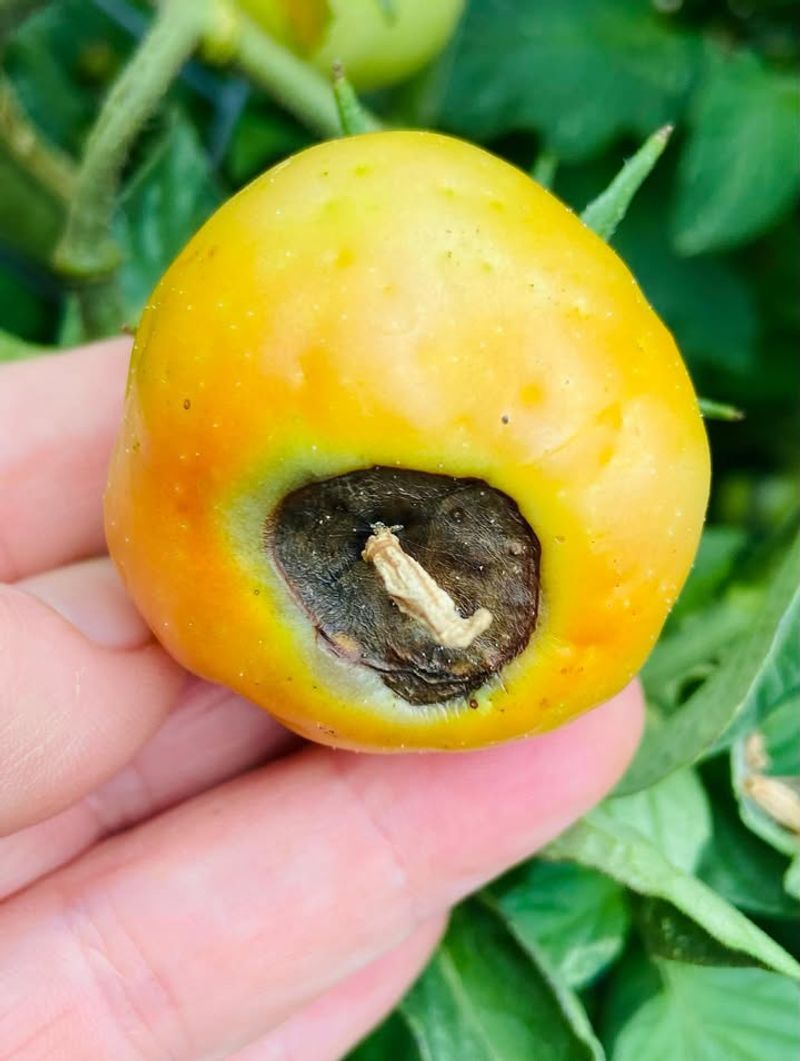
That dark, sunken patch on the bottom of a tomato is called blossom-end rot. It looks like a disease, but it is actually a nutrient problem triggered by uneven watering.
Most California gardeners are surprised to learn that. Calcium is the nutrient behind this issue. Tomatoes need calcium to build strong cell walls, especially in the fruit.
But calcium does not move well through the plant when water supply is inconsistent. When the soil swings from dry to wet, calcium uptake gets disrupted.
The bottom of the tomato, which is the last part to develop, gets the least amount of calcium when transport is blocked. Those cells break down, and the dark leathery patch forms.
By the time you see it, the damage is already done inside the fruit.
Adding calcium to the soil does not always fix the problem on its own. If watering stays uneven, the plant still cannot move that calcium where it needs to go.
Consistent moisture is the real solution.
Check your watering schedule and look for patterns. Are you skipping days and then overcompensating?
Do your containers dry out between waterings? Adjusting how you water is often more effective than adding supplements.
Steady soil moisture keeps calcium moving and helps the fruit develop without those damaging dark spots forming at the base.
5. Shallow Watering Trains Weak Roots
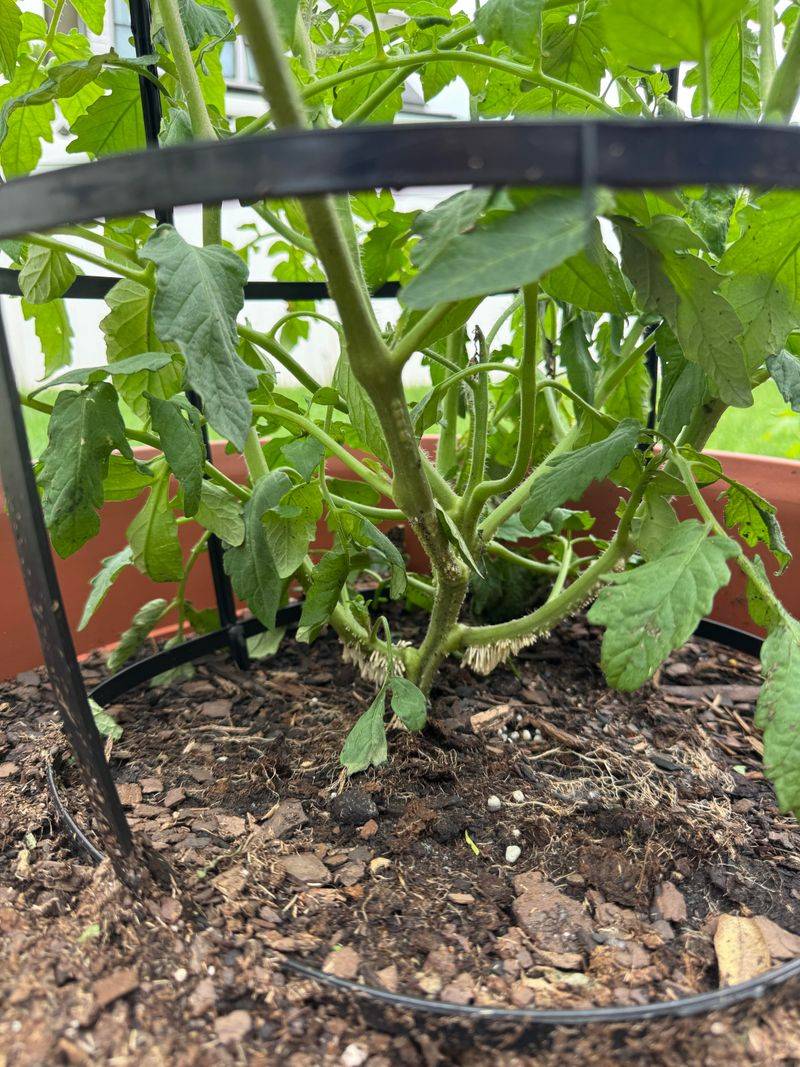
Quick, light waterings might seem like enough on a busy day, but they actually teach roots to stay near the surface. That is a problem because surface soil dries out fast, especially during warm afternoons.
When water only soaks the top inch or two of soil, roots follow it there. They grow where the moisture is.
Shallow roots have no buffer against heat and dry spells. One hot afternoon can stress the plant significantly if roots never learned to grow deep.
Deep watering means soaking the soil slowly until moisture reaches six to eight inches down. That encourages roots to chase water downward.
Deep roots tap into more stable soil moisture that does not evaporate as quickly throughout the day.
You can check how deep your water is reaching by using a wooden skewer or thin stick. Push it into the soil after watering and see how far down it feels moist.
If moisture only reaches the top two inches, you need to water longer or more slowly.
Plants with deep root systems handle heat waves, missed waterings, and dry stretches far better than shallow-rooted ones.
Building strong roots takes a few weeks of consistent deep watering, but the payoff is a more resilient plant that produces better fruit throughout the entire growing season in your garden.
6. Hot Containers Dry Out Before Garden Beds
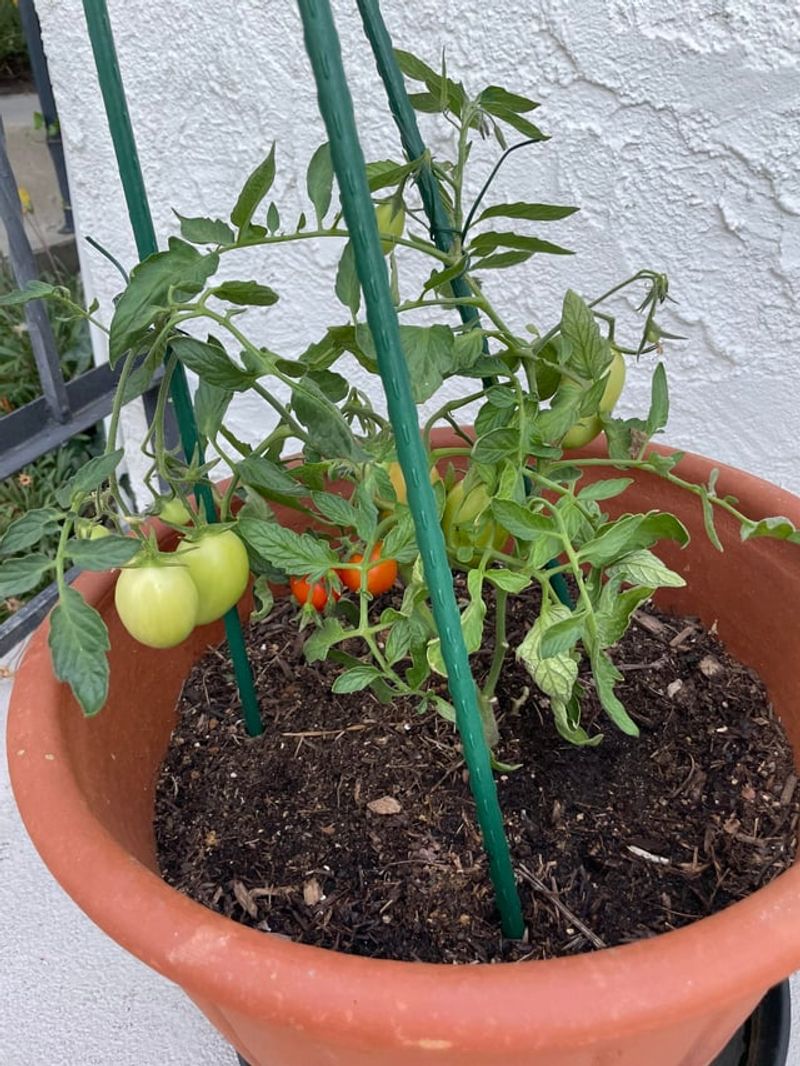
Container gardening has a lot going for it. You can move pots around, control the soil mix, and grow tomatoes in tight spaces.
But containers come with one big challenge: they dry out much faster than in-ground beds. Pots heat up quickly in direct sun. Dark-colored containers absorb even more heat.
That warmth moves through the walls of the pot and into the soil, speeding up evaporation. On a hot California afternoon, a container can go from moist to bone dry in just a few hours.
This makes consistent watering even harder to manage in pots. You might water in the morning and find the soil dry again by midday.
That rapid drying puts tomato plants through the exact moisture stress that leads to cracked fruit and blossom-end rot.
Choosing larger containers helps because more soil holds more moisture. Light-colored pots reflect heat instead of absorbing it.
You can also wrap dark pots with burlap or place them inside a slightly larger pot to add insulation.
Self-watering containers are worth considering if you grow in pots regularly. They have a built-in reservoir that feeds water to roots slowly and steadily.
That consistent supply removes the guesswork and keeps moisture levels stable even on the hottest days of the season when regular pots dry out fastest.
7. Mulch Helps Keep Soil Moisture Steady
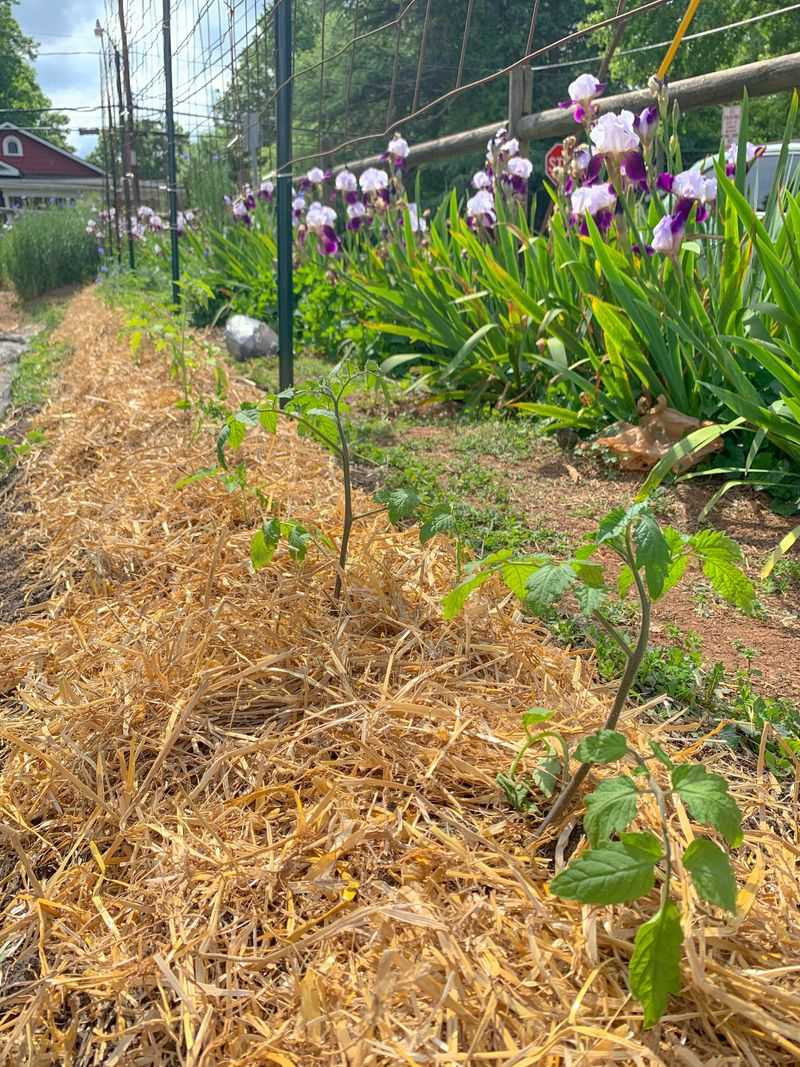
Straw, wood chips, shredded leaves, and even grass clippings can make a big difference in how well your soil holds moisture. Mulch is one of the simplest tools a gardener has, and it does not cost much to use.
A layer of mulch on top of the soil acts like a blanket. It slows down evaporation by blocking direct sun from hitting the soil surface.
That means the soil stays moist longer between waterings, which directly reduces those stressful dry-to-wet swings tomatoes hate.
Two to three inches of mulch is the sweet spot for most garden beds. Too thin and it does not insulate well.
Too thick and it can hold excess moisture against the plant stem, which can cause other issues. Keep mulch a few inches away from the main stem of the plant.
Organic mulches like straw and shredded leaves also break down over time, adding nutrients back into the soil.
That slow decomposition improves soil structure and helps it hold moisture even better in future seasons.
Applying mulch right after planting or early in the season gives you the most benefit. You can also add more mid-season if the layer thins out.
In California’s warm growing regions, mulch is especially valuable because summer heat can dry out unprotected soil surprisingly fast between watering days.
8. Morning Watering Gives Roots A Head Start
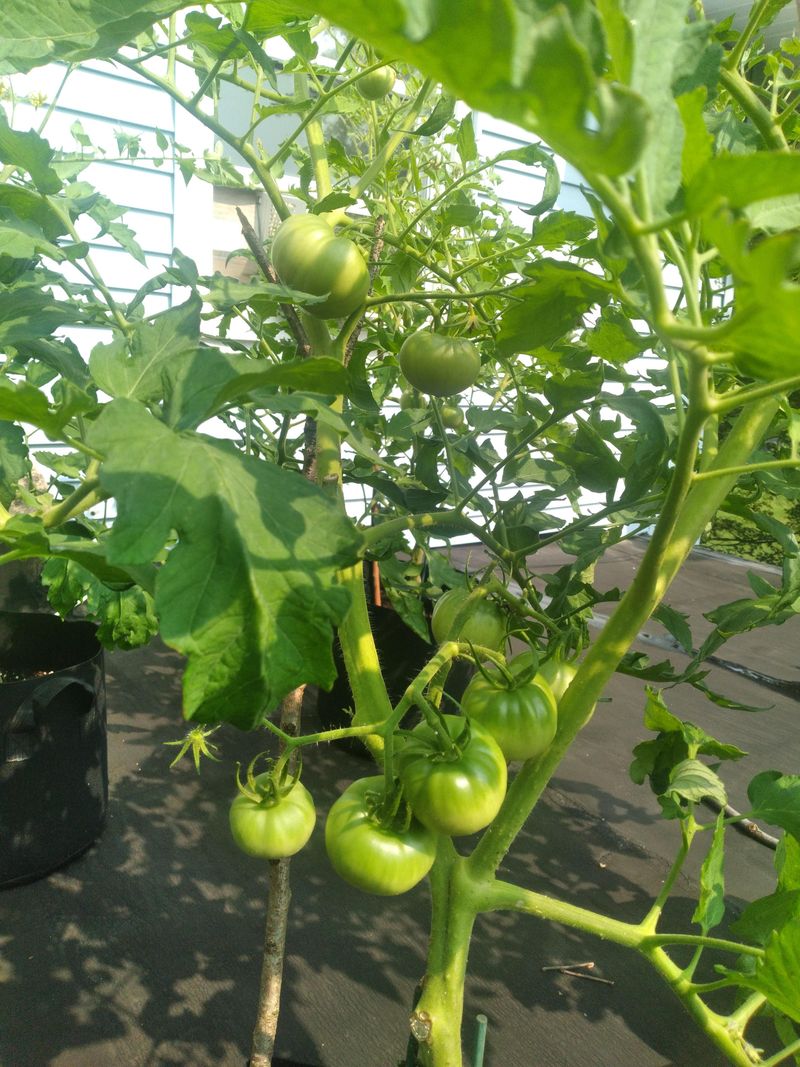
Timing your watering session might seem like a small detail, but it makes a real difference. Morning watering is consistently better for tomato plants than afternoon or evening watering, and here is why.
When you water in the morning, the soil absorbs moisture before the heat of the day kicks in. Roots get a steady supply of water right when the plant is gearing up for active growth and photosynthesis.
That head start helps the plant manage heat stress later in the day. Afternoon watering often means water evaporates quickly before roots can absorb it well.
Evening watering can leave foliage damp overnight, which creates conditions that invite fungal issues like early blight and powdery mildew.
Neither of those outcomes is good for your harvest. Morning watering also gives you a chance to check on your plants while the light is good and temperatures are still comfortable.
You can spot early signs of stress, pest activity, or soil dryness before the day gets too hot to work outside comfortably.
Aim to water before 10 in the morning if possible. Even a simple garden hose works well as long as you direct water at the base of the plant rather than overhead.
Keeping leaves dry while watering deeply at the root zone is the smartest habit you can build for a healthier tomato season.