Gardening Tips That Will Keep Your Oregon Backyard Thriving All Year
Oregon backyards are not a one-size-fits-all situation, and anyone who has moved across the state and tried to garden the same way in a new region has learned that lesson pretty quickly.
What thrives in a Willamette Valley raised bed can completely flop in Central Oregon, and coastal gardeners are often working with an entirely different set of challenges and opportunities than inland growers just a few hours away.
A genuinely productive Oregon garden comes down to more than good intentions and regular watering. Timing matters.
Soil health matters. Plant selection matched to your specific regional conditions matters quite a bit too.
The good news is that Oregon rewards gardeners who pay attention to those details with some seriously impressive results, and understanding how the climate shifts across the state is one of the best advantages you can give yourself out there.
1. Follow Oregon’s Seasonal Garden Calendar
Matching your gardening chores to the month and your specific region makes a noticeable difference in how well your backyard performs.
A gardener in the Willamette Valley has a very different spring window than someone tending a plot in Central Oregon or at higher elevation.
Acting on the right task at the right time keeps plants healthier and reduces the frustration of lost seedlings or missed harvests.
Oregon’s growing seasons shift significantly depending on where you live. Coastal gardens often stay mild enough for cool-season crops well into winter, while high-elevation gardens may still see frost in May.
Eastern Oregon gardeners deal with hotter summers and colder winters than their western counterparts, which means planting dates and soil prep timelines differ widely.
A monthly garden calendar specific to your region helps you plan ahead rather than react when something goes wrong. Checking in on soil temperature, frost dates, and seasonal rainfall patterns gives you a clearer picture of when to plant, prune, divide, or amend.
Think of the calendar as a flexible guide rather than a rigid rulebook, adjusting for unusual weather as needed.
2. Test Soil Before Adding Amendments
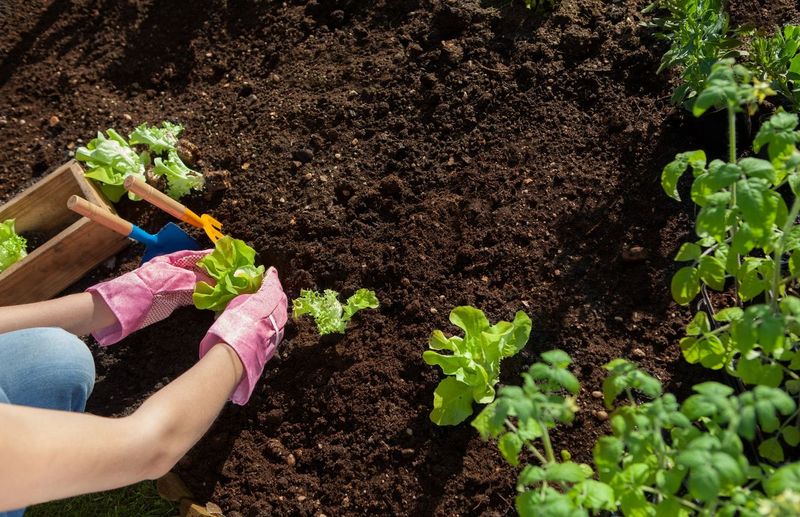
One of the most common mistakes backyard gardeners make is adding lime, fertilizer, or compost without knowing what the soil actually needs. Soil testing removes the guesswork and can save you money, time, and plants.
Oregon soils vary dramatically across the state, with some areas naturally acidic, others low in key nutrients, and some already rich enough that adding more amendments could cause problems rather than solve them.
A basic soil test measures pH and major nutrients like nitrogen, phosphorus, and potassium. Some tests also check for organic matter content and micronutrients.
Results typically come with recommendations for what to add and in what amounts, which is far more reliable than following a general bag label.
Testing is especially helpful if you have moved into a new home, converted a lawn into a garden bed, or noticed that plants in one area consistently underperform.
Oregon State University Extension Service offers soil testing guidance and can point you toward reputable labs.
Your Oregon Garden Changes Every Week. Your Plan Should Too.
Gardening in Oregon changes quickly throughout the season. Every Friday you’ll receive a simple weekly plan showing exactly what to plant, prune, fertilize, harvest, and protect so you never miss the right timing.
Plan to test in early fall or early spring before you add anything to the ground, giving yourself time to act on the results before the growing season begins.
3. Build Soil With Organic Matter Carefully
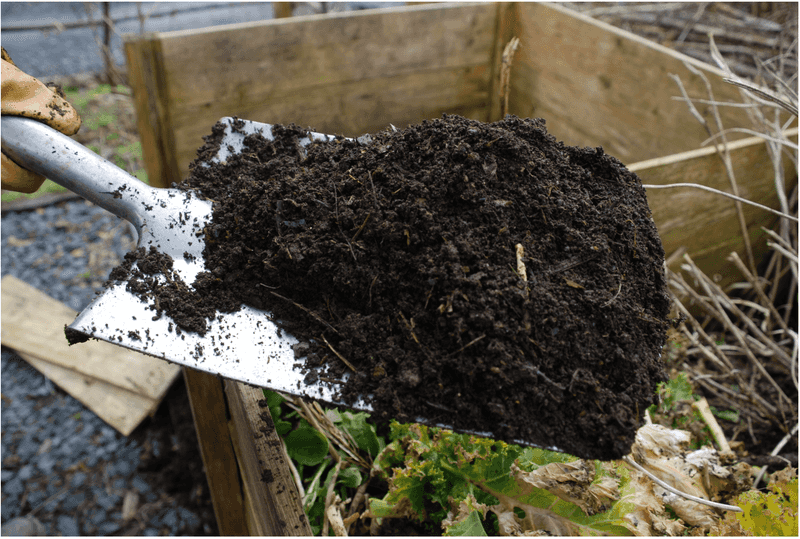
Compost is one of the best things you can add to an Oregon garden bed, but more is not always better. Layering too much organic matter too quickly can throw off soil structure, create drainage problems, or introduce an imbalanced nutrient load.
The goal is gradual improvement over time rather than a single dramatic fix.
Finished compost, aged wood chips, and leaf mold all contribute to healthier soil biology when used appropriately.
Working a one to two inch layer of compost into the top several inches of soil each season supports beneficial microbes, improves water retention in sandy soils, and loosens clay-heavy ground.
Coastal Oregon gardens and Willamette Valley clay soils often benefit most from consistent organic matter additions over multiple years.
Poorly finished compost or raw wood chips mixed directly into vegetable beds can temporarily tie up nitrogen as microbes break down the material, leaving plants looking pale and struggling.
Let compost cure fully before use, and use wood chips as a surface mulch rather than a soil amendment.
Building soil is a long-term investment, and even modest improvements each season add up to a noticeably healthier backyard over time.
4. Mulch To Protect Soil And Save Water
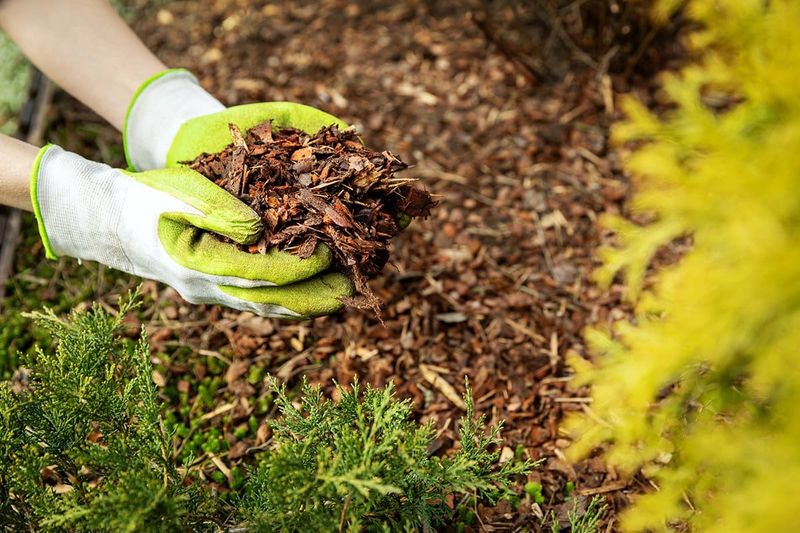
During Oregon’s dry summers, bare soil loses moisture quickly and can bake into a hard crust that resists water rather than absorbing it.
A two to four inch layer of mulch around shrubs, trees, and garden beds slows that evaporation, moderates soil temperature, and reduces weed pressure all at once.
It is one of the most efficient things you can do for a low-maintenance backyard.
Wood chips, straw, shredded leaves, and bark mulch all work well depending on the application. Coarser materials like wood chips suit pathways and shrub borders, while finer materials like straw or shredded leaves work better around vegetable plants.
Keep mulch a few inches away from plant stems and tree trunks to reduce rot and pest issues.
Mulch does not replace watering, and it is worth checking soil moisture beneath it regularly. In wetter parts of Oregon, heavy mulch in shaded areas can stay too wet through winter and encourage root rot in sensitive plants.
Pulling back mulch in early spring lets soil warm faster, which matters for vegetable gardens in cooler climates like coastal Oregon or high-elevation sites. Reapplying mulch before summer heat arrives keeps the benefits going through the driest months.
5. Group Plants By Water Needs
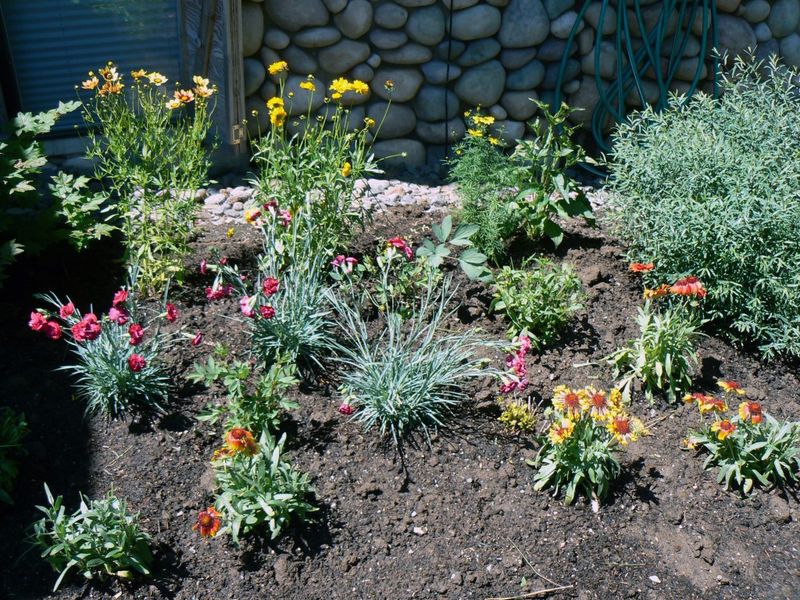
Watering a backyard efficiently becomes much easier when plants with similar needs grow near each other.
Mixing drought-tolerant natives alongside thirsty vegetables forces you to either overwater one group or underwater the other, and neither outcome is good for the garden or your water bill.
Oregon’s dry summers, which can stretch from July through September in western valleys and even longer in Central and eastern Oregon, make this kind of planning especially practical.
Grouping vegetables and annual flowers together in beds with drip irrigation or soaker hoses lets you water that zone deeply and consistently.
Meanwhile, established native shrubs and drought-adapted perennials can often get by on natural rainfall once they are well rooted.
Think about sun exposure, soil type, and slope when deciding where to place each group.
A south-facing slope in the Willamette Valley dries out faster than a shaded north-facing border, so plants with different water tolerances should not share that space without a plan.
Drawing a simple map of your yard and labeling water zones before you plant saves a lot of troubleshooting later. Even a rough sketch helps you avoid placing a water-hungry fern next to a lavender that prefers dry conditions.
6. Water Deeply And Efficiently In Summer
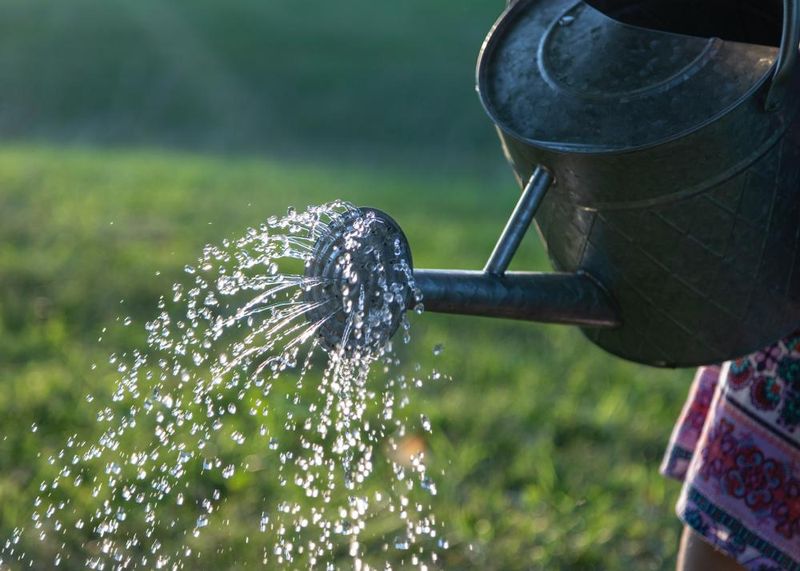
Shallow, frequent watering encourages plant roots to stay near the soil surface, where they are most vulnerable to heat and drought stress. Watering deeply and less often pushes roots downward, where soil stays cooler and holds moisture longer.
This approach works especially well for Oregon’s long dry season, when weeks can pass without meaningful rain.
How long and how often you water depends on several factors: plant type, soil texture, mulch depth, container versus in-ground, and current weather.
Sandy soils drain faster and need more frequent watering than clay-heavy soils, which hold moisture but can become waterlogged if overwatered.
A simple soil moisture check, pushing a finger or a wooden dowel a few inches into the ground, tells you more than a set timer schedule ever could.
Drip irrigation and soaker hoses deliver water directly to the root zone with less waste than overhead sprinklers, which lose moisture to evaporation and can promote fungal issues on foliage.
Watering in the early morning reduces evaporation and gives leaves time to dry before evening.
Containers dry out much faster than in-ground beds and may need daily attention during hot spells in places like the Rogue Valley or Central Oregon.
7. Plant Vegetables By Region
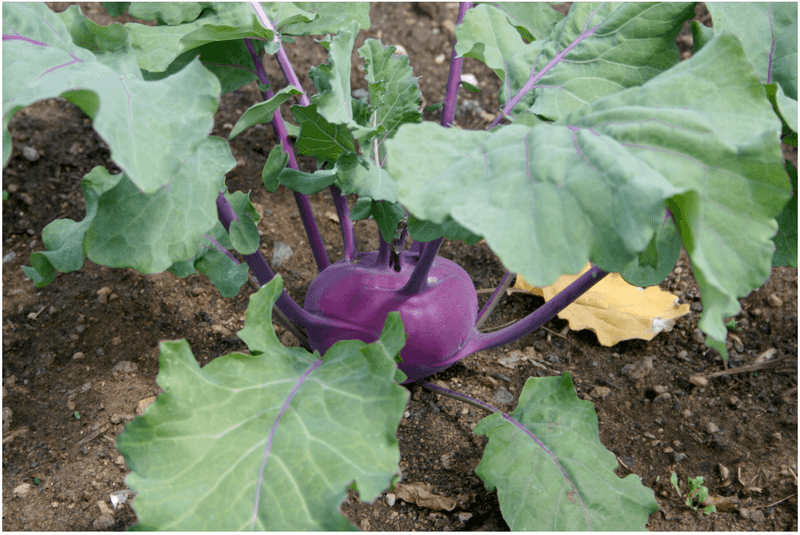
Oregon is not one uniform climate, and vegetable planting dates that work in Portland can fail completely in Bend or on the southern coast.
The Willamette Valley has a relatively long frost-free season and mild springs, which opens up a wide planting window for warm-season crops like tomatoes, peppers, and squash.
But even there, starting tomatoes outdoors too early without protection often leads to stunted plants.
Along the coast, cool summers and persistent fog limit heat-loving crops significantly. Coastal Oregon gardeners tend to do best with cool-season vegetables like kale, chard, lettuce, broccoli, and beets, which actually prefer those mild, overcast conditions.
Trying to grow melons or eggplant in a coastal garden is often a losing battle without a greenhouse or row cover.
Central Oregon and higher-elevation gardens face a much shorter frost-free window, sometimes only 90 to 100 days, which means choosing fast-maturing varieties and starting warm-season crops indoors well before the last frost.
Eastern Oregon’s hotter, drier summers can support a wide range of vegetables if irrigation is in place, but timing planting to avoid the most intense heat is key.
Knowing your local frost dates and average summer temperatures is the starting point for any successful vegetable garden in Oregon.
8. Use Fall And Winter Crop Windows
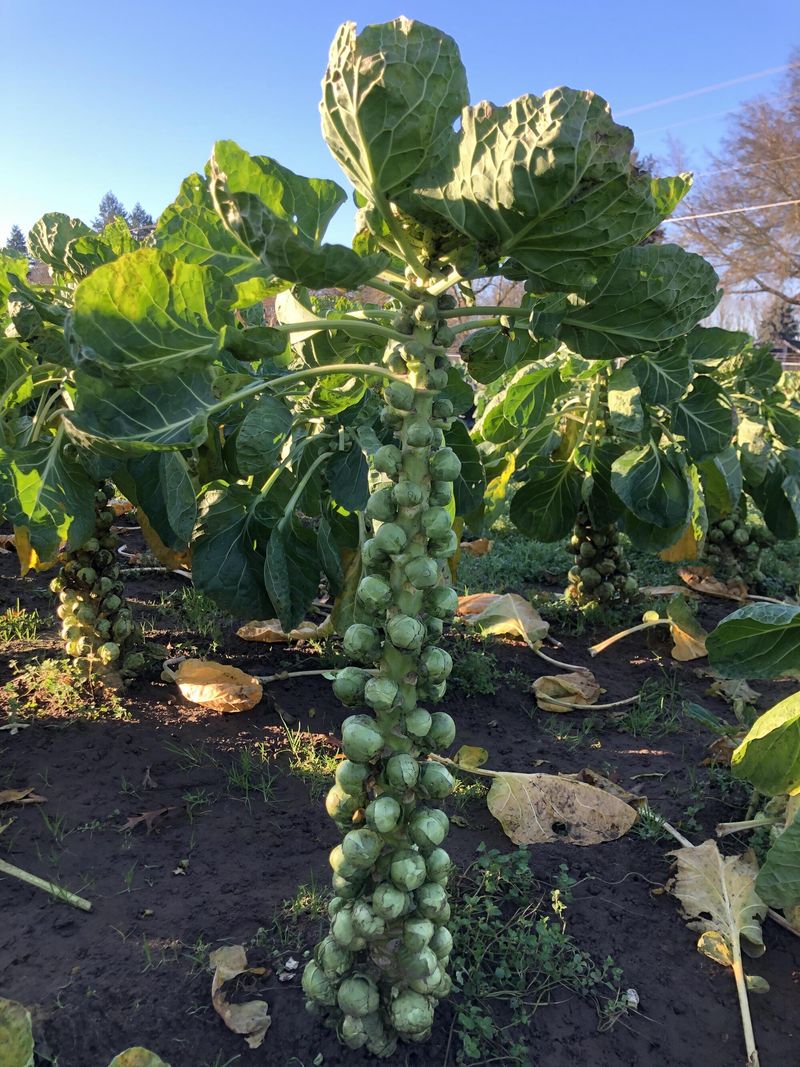
Many Oregon gardeners pack up the vegetable patch after summer tomatoes fade, but the edible garden does not have to stop producing when temperatures drop.
Fall and winter offer a real growing window for the right crops, particularly in western Oregon where hard freezes are less common and cool, moist conditions suit certain vegetables well.
Root vegetables like carrots, beets, and parsnips often taste sweeter after a frost, as cold temperatures convert starches to sugars.
Leafy greens including spinach, arugula, mache, and certain lettuces can handle light frosts and continue producing through much of the winter in milder parts of the state.
Brassicas like kale, chard, and overwintering broccoli varieties are reliable performers in fall and early winter Oregon gardens.
Timing is the key factor. Fall crops planted too late will not establish before cold and low light slow growth to a near halt.
In the Willamette Valley, most fall crops should go in the ground by late July or August to have enough growing time before conditions tighten.
Gardeners in Central Oregon or at higher elevations have a narrower window and may need row covers or low tunnels to extend the season.
Late-started fruiting crops like tomatoes or peppers planted in August rarely have enough time to produce a meaningful harvest.
9. Plant For Pollinators Across The Seasons
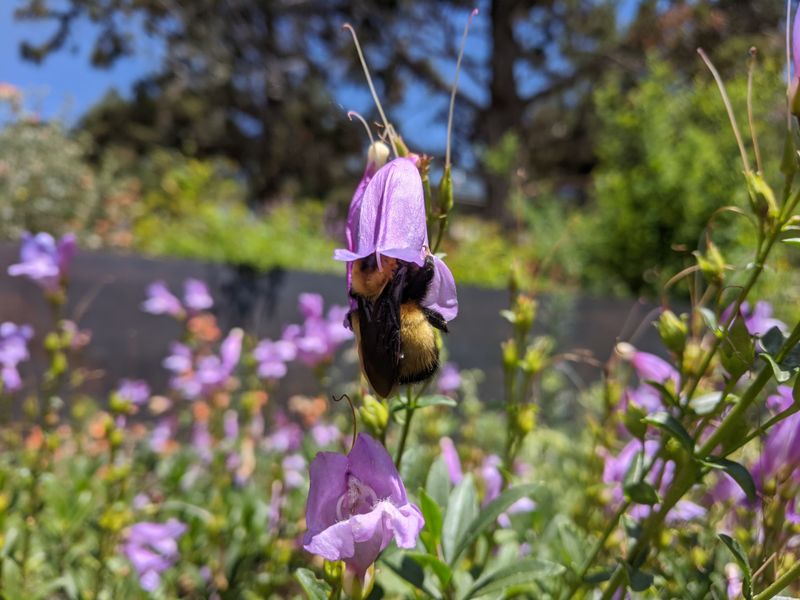
A single burst of summer blooms is not enough to support bees, butterflies, and other beneficial insects through an entire year.
Pollinators need a reliable sequence of flowers from early spring through late fall, giving them food sources across their active season rather than one brief window.
Building that sequence into your Oregon backyard takes a little planning but pays off in better pollination for vegetables and a more lively garden overall.
Early-blooming plants like Oregon grape, flowering currant, and willows provide critical resources when little else is available in late winter and early spring.
Mid-season bloomers such as lavender, phacelia, coneflowers, and native asters carry pollinators through the busy summer months.
Extending into fall with goldenrod, late-blooming asters, and sedums gives bees and butterflies fuel before colder weather settles in.
Flower shape matters too. Bees, hoverflies, butterflies, and beetles often prefer different flower forms, so mixing tubular, flat-topped, and daisy-type flowers supports a wider range of pollinator species.
Leaving some bare soil patches and hollow stems in the garden gives native ground-nesting and cavity-nesting bees places to shelter. Reducing pesticide use near flowering plants protects the pollinators your garden depends on throughout the Oregon growing season.
10. Choose Native Plants That Fit The Site
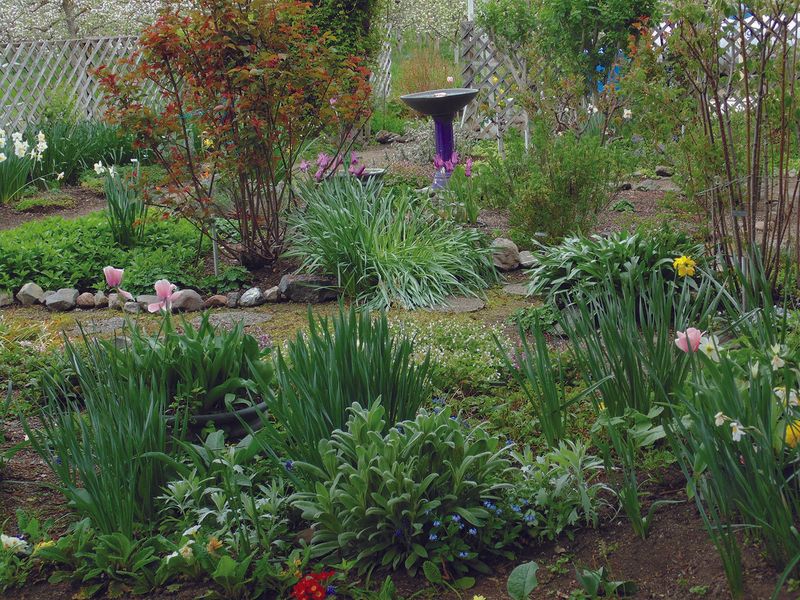
Native plants have a reputation for being easy and low-maintenance, and many of them are, but only when they are placed in conditions that match their natural habitat.
An Oregon native that thrives in a moist, shaded forest understory will struggle in a dry, sunny slope, just as a drought-adapted plant from eastern Oregon may rot in a poorly drained coastal garden.
Matching the plant to the actual site is what makes native plantings successful.
Oregon has a remarkable range of native plants suited to different conditions across the state. Sword ferns, red flowering currant, and osoberry work well in shadier, moister spots common in western Oregon.
Bitterbrush, blue wild rye, and yarrow are better suited to drier, sunnier sites like those found in Central and eastern Oregon. Choosing plants based on your specific light, soil moisture, drainage, and space keeps them healthier with less intervention over time.
Native plants generally need more attention during their first one to two growing seasons while roots establish. Watering through the first dry summer, even for drought-tolerant species, gives them a much better chance of long-term survival.
Once established, many Oregon natives require very little supplemental water and tend to support local wildlife, including birds, native bees, and beneficial insects, far more effectively than non-native ornamentals.