Why Clover Takes Over Oregon Lawns After A Dry Summer
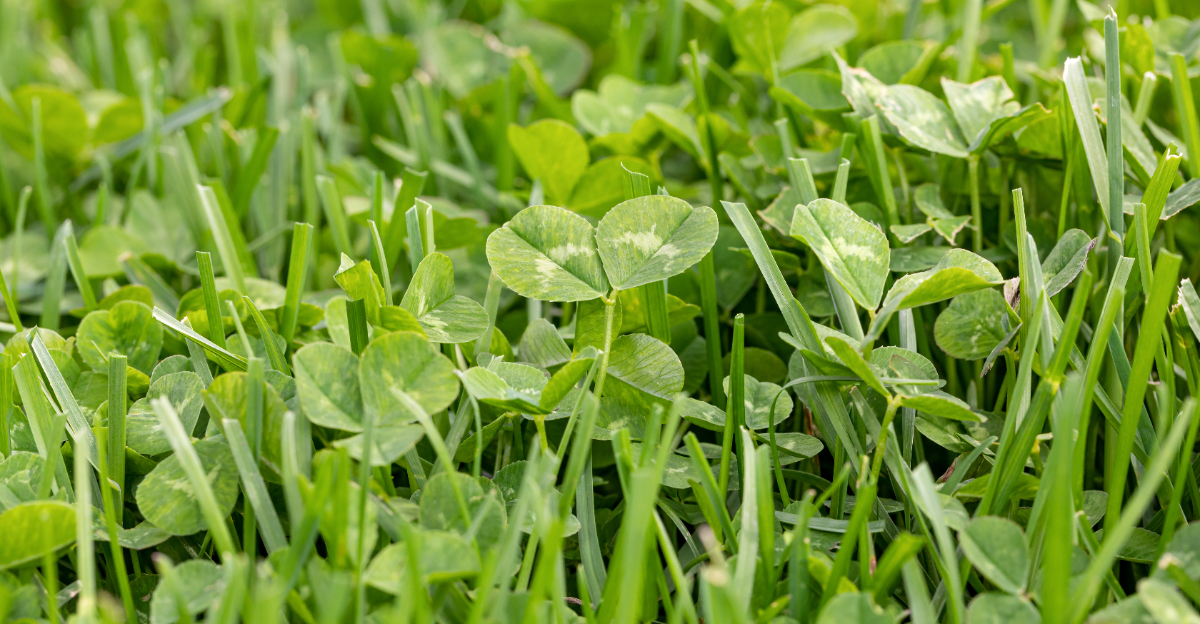
A lawn can come out of a dry Oregon summer looking thinner than expected, and clover is often one of the first plants to take advantage.
It may start with a few scattered patches, then spread quickly enough to make the change feel sudden.
The reason usually has more to do with the condition of the turf than with clover appearing out of nowhere. Summer stress can weaken grass and open space near the soil surface, giving tougher plants a chance to move in.
By late August, those differences become much easier to see. What looks like a clover problem may actually be a clue that the lawn has been struggling for a while.
Understanding why it gained ground can help you decide what needs attention before fall growth begins.
1. Dry Grass Leaves Clover Room To Move In
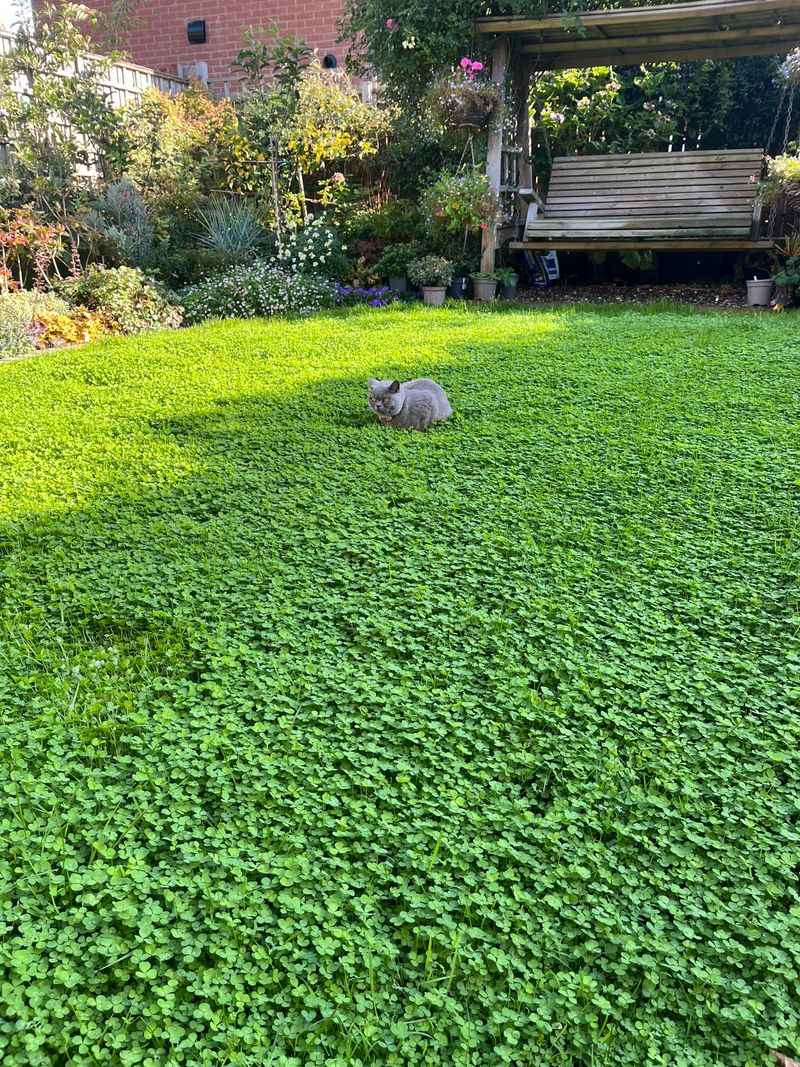
A long dry Oregon summer does a number on most lawn grasses. Cool-season grasses like ryegrass and fescue, which are common in the Pacific Northwest, go dormant when water runs short.
They turn brown, stop growing, and pull energy back into their roots to survive. That retreat creates open space, and clover wastes no time filling it in.
Clover does not go dormant the same way grass does. Its roots go deeper into the soil, pulling moisture from layers that grass roots never reach.
Even when the top of the soil is bone dry, clover can still find enough water to keep growing. That gives it a massive head start when the rest of your lawn is struggling just to stay alive.
The spaces left behind by stressed grass are like open invitations. Clover seeds that have been sitting in the soil for months, sometimes years, suddenly have sunlight, room, and a clear path to germinate.
Wind and birds can also drop new seeds into bare spots. Once clover gets a foothold in those open areas, it spreads by sending out runners called stolons that creep along the soil surface.
Each runner can root at multiple points, turning one small clover plant into a wide mat very quickly. By the time the rain returns, clover has already claimed its territory.
2. Thin Lawns Make The Perfect Opening
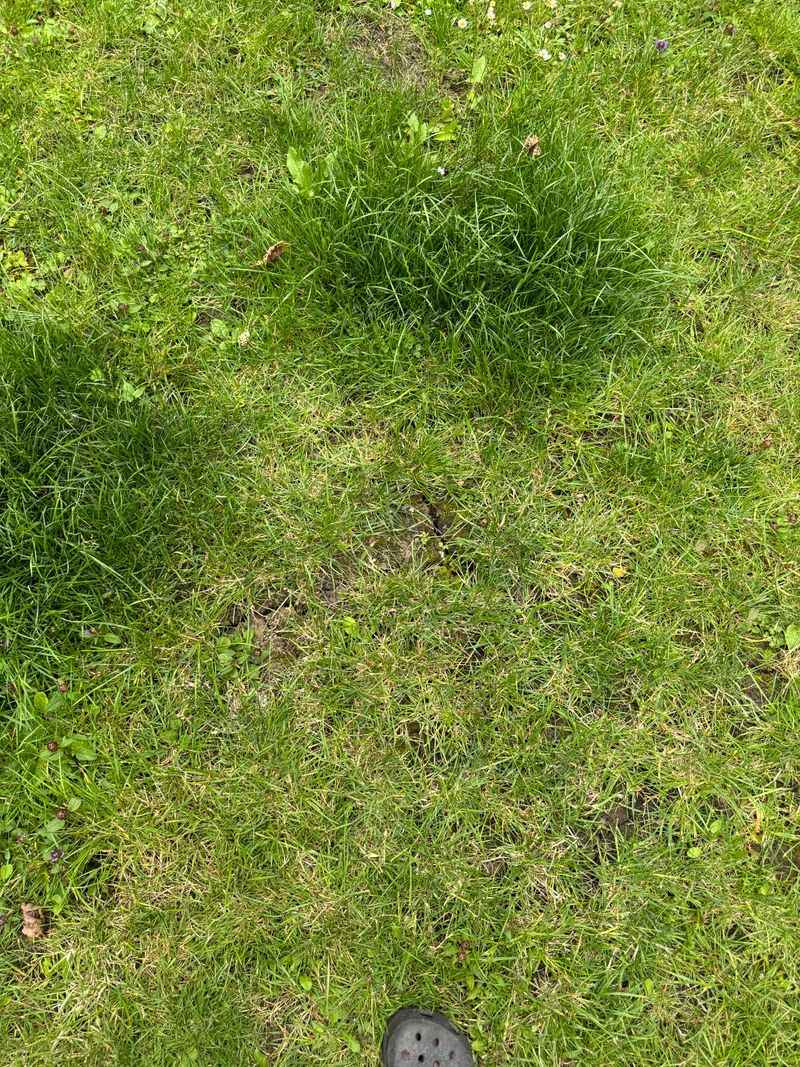
Not every lawn that struggles in summer was thick and healthy before the heat arrived. Thin lawns are especially vulnerable.
When grass is sparse to begin with, there are already gaps between plants where sunlight hits the soil directly. Clover loves those gaps.
It is a low-growing plant that does not need shade protection from tall grass blades to get started.
A thick, dense lawn acts like a living barrier. The grass plants grow close together, shading the soil and leaving very little room for weed seeds to sprout.
But when your lawn is thin, that barrier breaks down. Sunlight reaches the soil, soil temperatures rise, and conditions become ideal for clover seeds to wake up and grow.
Thin lawns also tend to have looser competition for water and nutrients, which gives clover even more of an advantage.
Your Oregon Garden Changes Every Week. Your Plan Should Too.
Gardening in Oregon changes quickly throughout the season. Every Friday you’ll receive a simple weekly plan showing exactly what to plant, prune, fertilize, harvest, and protect so you never miss the right timing.
Many lawns in the Willamette Valley and other parts of the region were already thinning before summer even started. Poor soil, heavy foot traffic, shade, and past pest damage all contribute to thin turf.
Summer drought just finishes the job. By late August, some lawns have lost so much density that clover can establish itself in large sections with almost no resistance.
Overseeding with quality grass seed in fall is one of the best ways to fight back. A dense lawn is your first and strongest line of defense against clover moving in.
3. Clover Handles Summer Stress Better Than Turf
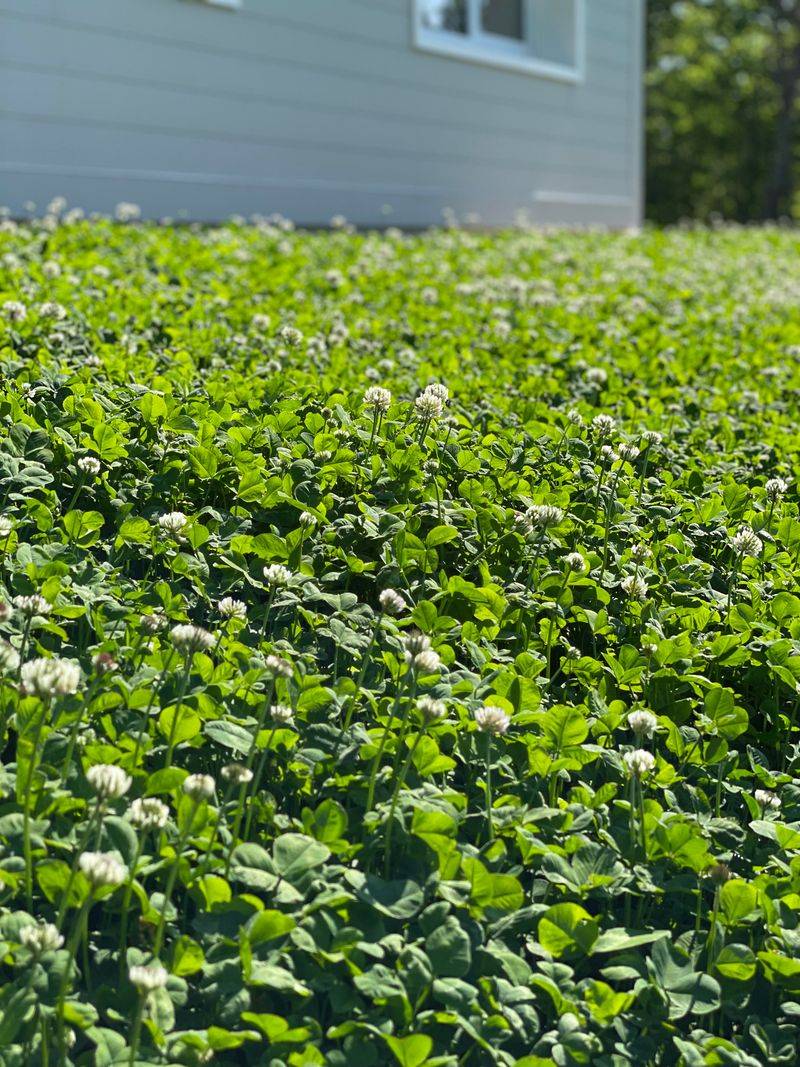
Clover is built for tough conditions. While lawn grasses are shutting down during a dry stretch, clover is still actively growing, flowering, and spreading.
That difference in stress tolerance is one of the biggest reasons clover ends up dominating after a difficult summer.
Grass and clover are playing two completely different survival games, and clover usually wins when the conditions get rough.
One major reason clover handles heat so well is its root system. Clover grows a taproot that can push several inches deeper into the soil than most lawn grass roots.
Deeper roots mean access to moisture and nutrients that surface-level grass roots simply cannot reach. Even on the hottest days of summer, clover roots are pulling up enough water to keep the plant green and growing.
Clover also has a built-in cooling advantage. Its leaves are broader than grass blades and can shade the soil around the plant, reducing moisture loss from the ground.
Grass blades are narrow and do not provide the same level of ground coverage. As summer heat builds, grass pulls back while clover stays comfortable and active.
This is not a design flaw in your lawn. It is simply a biological difference between the two plants.
Knowing this helps explain why clover always seems to bounce back faster after a dry spell, looking fresh and green while the rest of your lawn is still recovering from the heat.
4. Low Nitrogen Gives Clover An Extra Advantage
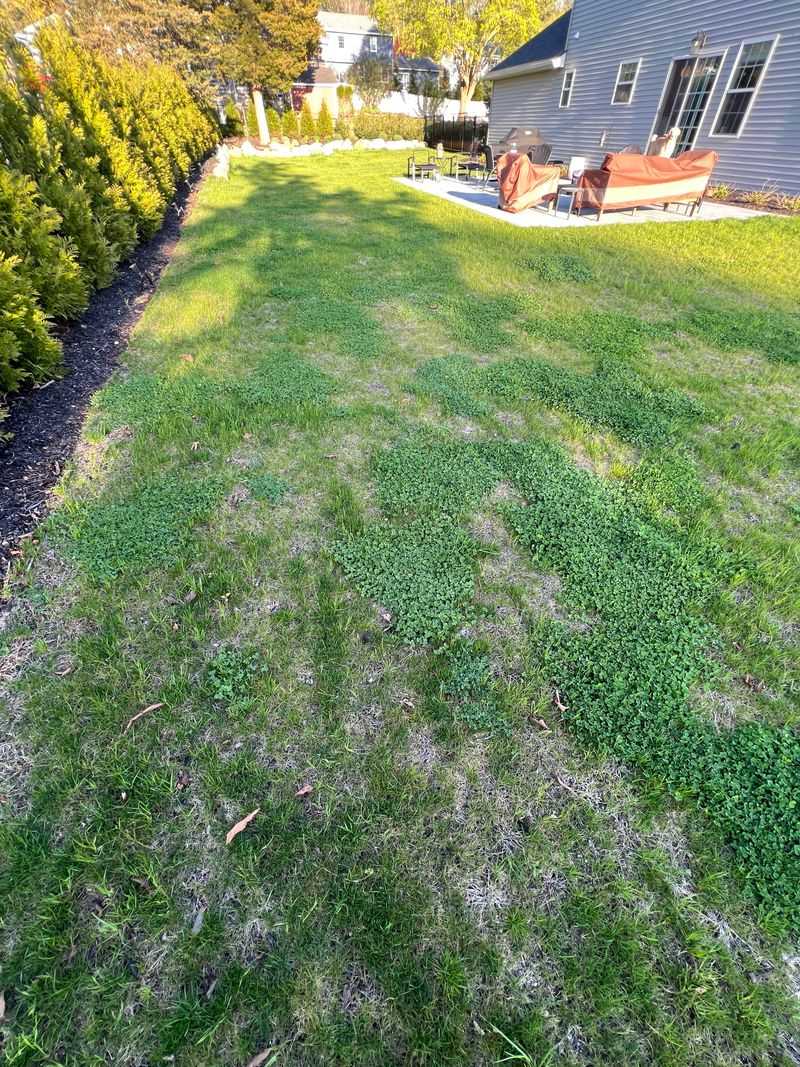
Here is something most homeowners do not know: clover does not need fertilizer the same way grass does. Clover has a special relationship with bacteria that live in its roots.
These bacteria pull nitrogen directly from the air and convert it into a form the plant can use. That process is called nitrogen fixation, and it gives clover a huge advantage when soil nitrogen levels are low.
Grass needs nitrogen to stay green and grow thick. Without enough of it, grass turns pale yellow and grows slowly.
Most lawns rely on fertilizer applications to keep nitrogen levels up. But during a dry summer, many homeowners skip fertilizing because watering restrictions make it seem pointless, or because they worry about burning an already stressed lawn.
That decision, while understandable, leaves the soil nitrogen-poor and tilts the playing field even further in clover’s favor.
Clover actually makes the nitrogen situation worse for grass over time. As clover spreads, it enriches the soil around itself with nitrogen.
That sounds helpful, but it mostly benefits the clover plant and the plants immediately around it. Meanwhile, areas of the lawn without clover continue to struggle with low nitrogen.
The result is a patchy lawn where clover patches stay green and lush while the surrounding grass looks thin and pale.
Fertilizing in fall after the heat breaks can help restore balance, but timing and application rate matter a lot for getting good results.
5. Bare Patches Turn Into Easy Landing Spots
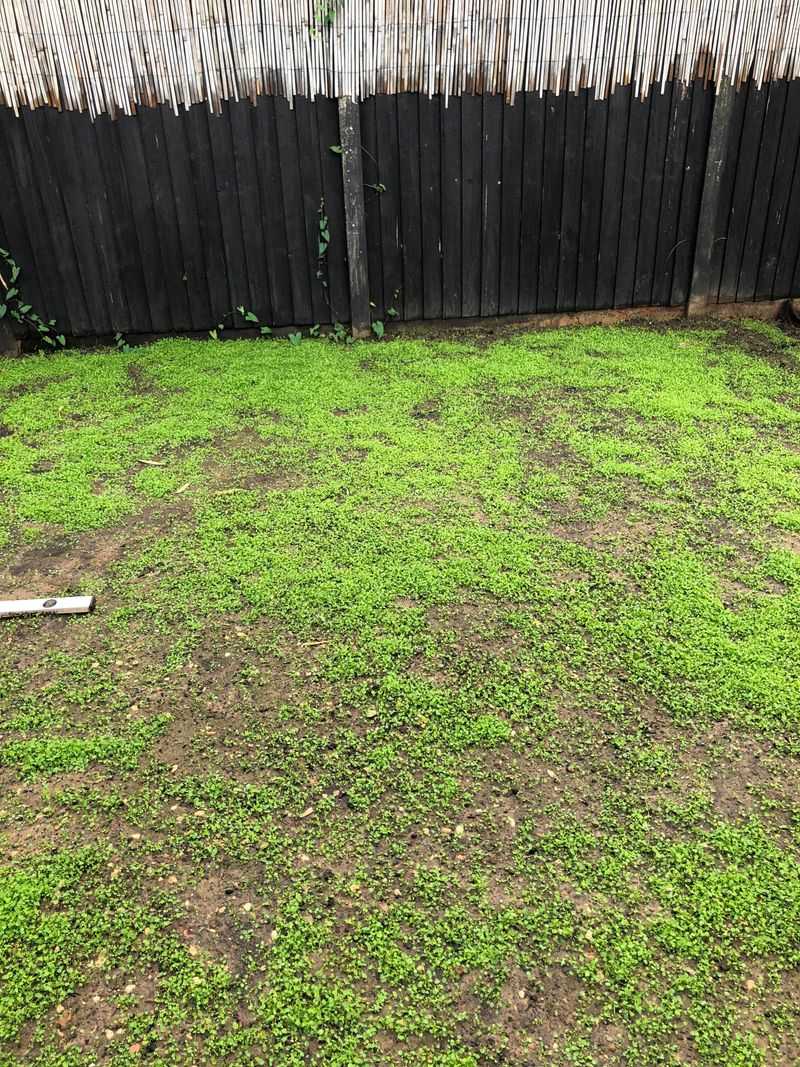
Every bare patch in your lawn is an opportunity waiting to be claimed. After a dry summer, bare spots are common.
Foot traffic, pet activity, grub damage, and drought stress all create areas where the grass has pulled back completely and the soil is exposed. Those spots are prime real estate for clover, and it moves in fast.
Bare soil warms up faster than soil covered by grass. Warm soil helps clover seeds germinate quickly.
At the same time, bare patches have no competition. There are no grass plants fighting for water, light, or nutrients.
Clover seeds that land in a bare spot have almost everything they need to grow without interference. Wind carries clover seeds easily, and birds that eat clover seeds often drop them in new locations.
A single bare patch can become a clover colony in just a few weeks under the right conditions.
The tricky part is that bare patches often go unnoticed until they are already covered with something new. By the time you spot a patch of clover in your lawn, it has likely been growing there for several weeks.
Filling bare spots quickly is one of the most effective ways to prevent clover from establishing itself. Patching with grass seed and keeping the area moist until germination gives grass a fighting chance.
Leaving bare patches alone, even for a short time, is basically rolling out a welcome mat for clover and other opportunistic plants.
6. Compacted Soil Can Help Clover Stick Around
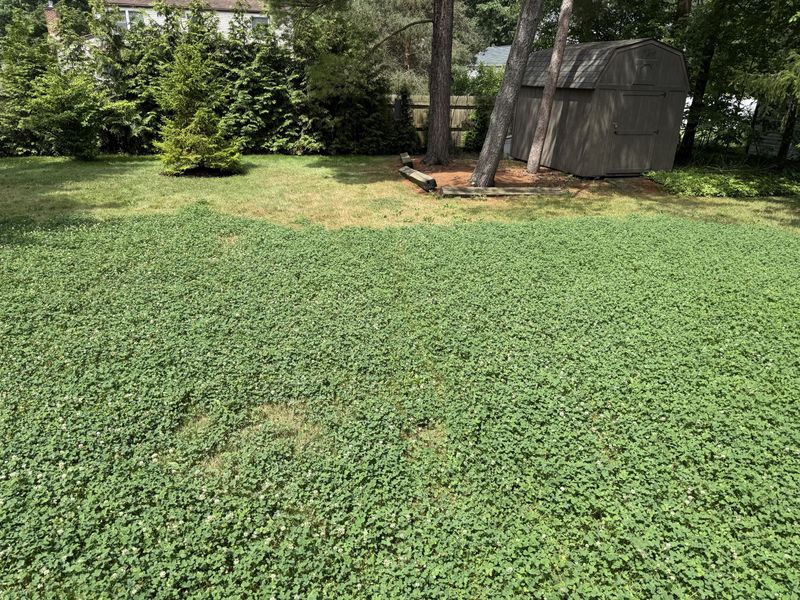
Compacted soil is a common problem in high-traffic lawns. When soil gets packed down tightly, it loses the air pockets and loose structure that grass roots need to grow well.
Water does not drain properly through compacted soil, and roots struggle to push through the dense layers. Grass thins out over time in compacted areas, which opens the door for clover to move in and settle down.
Clover handles compacted soil much better than most lawn grasses. Its taproot is strong enough to push through tighter soil layers, and its spreading growth habit means it does not need to push roots very deep to establish a large patch.
Clover can spread horizontally across the surface using stolons, covering large areas even when the soil underneath is hard and dense. That surface-spreading ability makes it very hard to displace once it is established in compacted zones.
Aeration is one of the best tools for fighting clover in compacted lawns. Core aeration punches small holes in the soil, loosening it and improving drainage and root growth for grass.
Doing this in early fall, right after summer heat breaks, gives grass roots a chance to expand before winter. Pairing aeration with overseeding and fertilizing gives your lawn the best shot at recovering and crowding out clover.
In Oregon, fall is the ideal window for this kind of lawn renovation work because cooler temperatures and returning rain create perfect growing conditions for new grass seed to take hold.
7. Short Mowing Makes The Takeover Even Easier
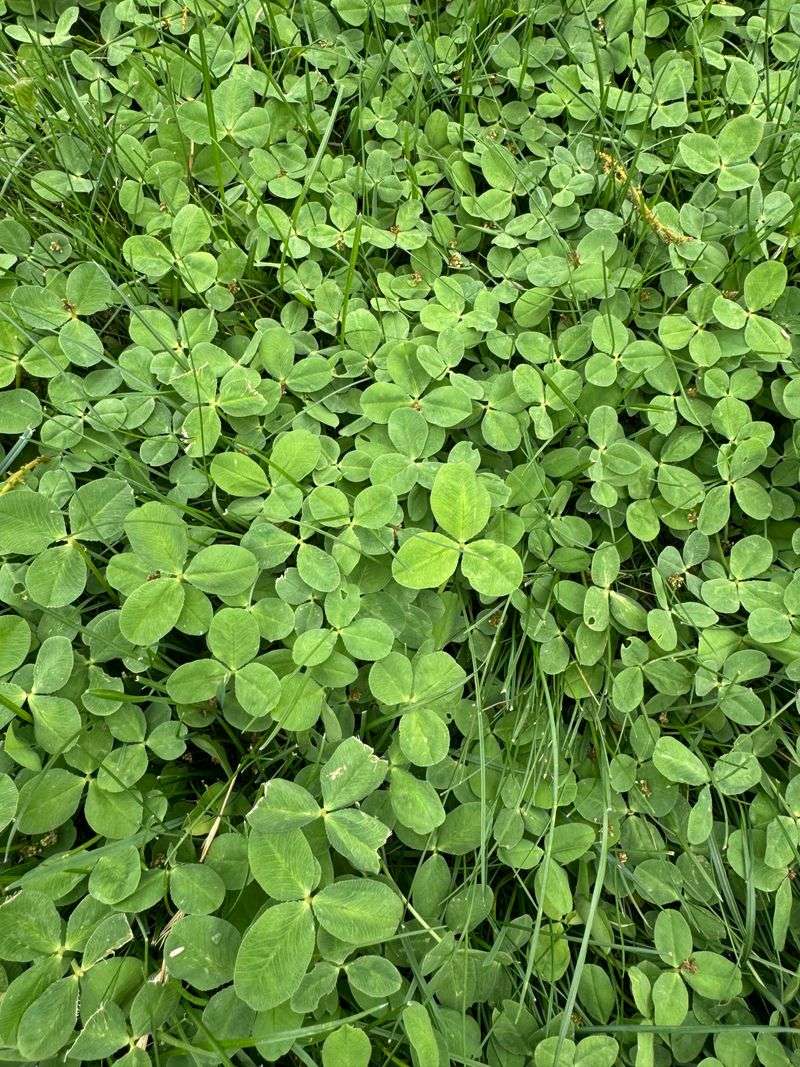
Mowing your Oregon lawn too short is one of the most common lawn care mistakes, and it plays a big role in helping clover spread. When grass is cut very low, the blades lose their ability to shade the soil.
Sunlight hits the ground directly, the soil dries out faster, and weed seeds including clover get the light they need to sprout. Short mowing also stresses the grass plant itself, reducing its ability to recover from summer heat.
Clover is a low-growing plant by nature. Even when you mow at a normal height, clover often ducks under the mower blade and keeps right on growing.
But when you mow short, you take away what little competitive advantage the grass had. Taller grass shades out low-growing plants and keeps the soil cooler and moister.
Dropping below that threshold flips the script and gives clover a much easier path to spreading.
Most lawn care experts recommend keeping cool-season grasses at a height of three to four inches during summer. That extra length helps the grass protect itself and the soil from intense heat.
Raising your mower deck even by half an inch can make a noticeable difference in how well your lawn handles summer stress. Taller grass also tends to develop deeper roots, which improves drought tolerance.
Changing your mowing habits is one of the simplest and least expensive adjustments you can make to slow clover’s spread and keep your lawn looking fuller and healthier all season long.
8. Late-Summer Rain Can Trigger A Fresh Clover Flush
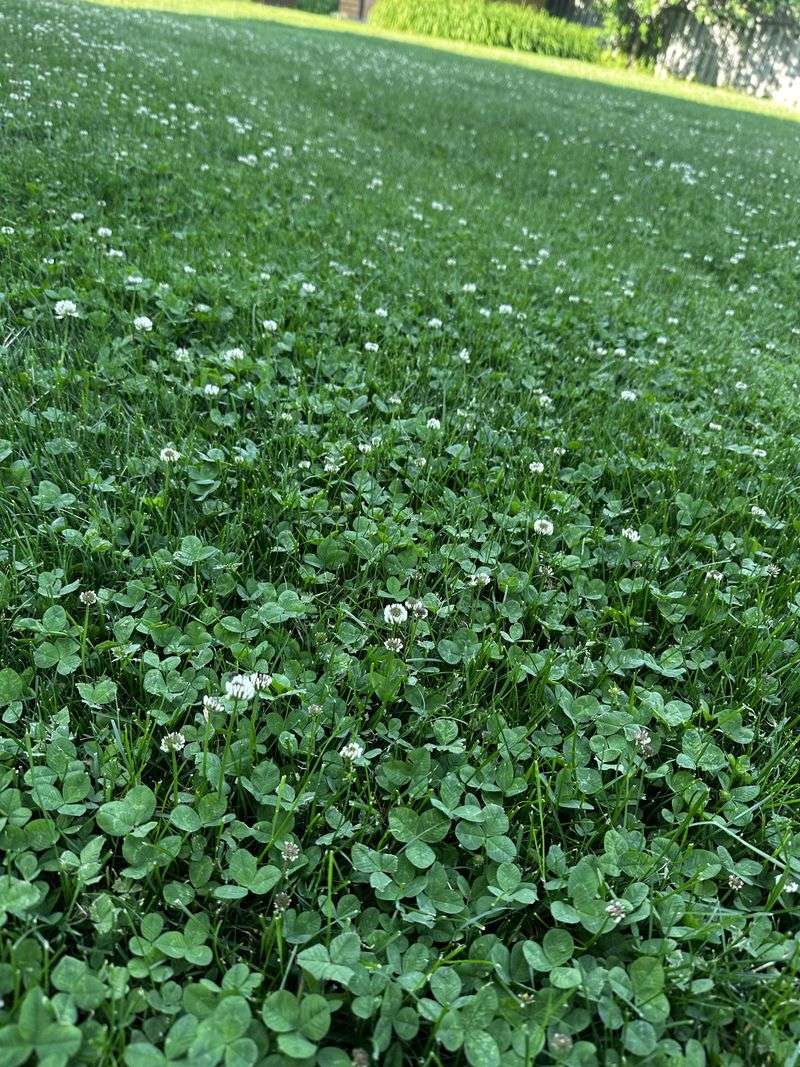
After a long dry spell, the first rains of late summer or early fall feel like a relief. For your lawn, that rain can be a turning point.
But for clover, those first showers are basically a starting gun. Clover seeds that have been sitting dormant in the soil all summer suddenly have the moisture they need to germinate.
And because the grass is still thin and recovering, clover gets a head start on filling in those open spaces.
The timing of late-summer rain is critical. Clover germinates and establishes itself very quickly when soil moisture returns.
Grass, especially cool-season grass coming out of summer dormancy, takes longer to bounce back. That gap between clover’s fast recovery and grass’s slower return is when the biggest clover flush happens.
You might notice your lawn turning noticeably greener in patches after the first fall rains, and much of that green is clover, not grass.
Taking action right before or right after those first late-summer rains gives you the best chance of getting ahead of the problem.
Overseeding with a quality grass mix just before rain arrives means your grass seed and clover seeds are competing on a more even playing field.
Watering new grass seed consistently until it establishes is key. The goal is to get grass growing thickly enough that it shades out clover before clover can take over entire sections of your yard.
Acting early makes a big difference in how your lawn looks come spring.