How To Protect Florida Raised Beds During A July Heat Advisory Without Causing More Stress
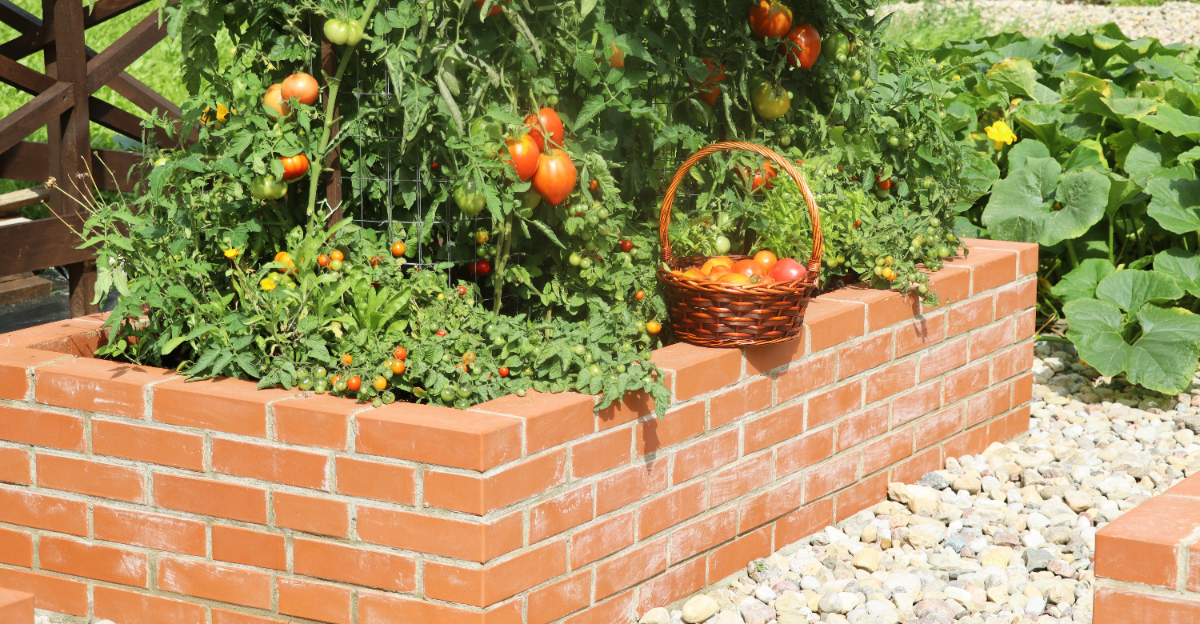
A heat advisory in Florida July lands differently on raised beds than on in-ground plantings. The soil heats up faster, dries out faster, and pushes root temperatures past what most vegetables can handle before the air temperature outside even peaks.
A raised bed that performed beautifully through spring can turn hostile to plant roots in a matter of days during a serious heat stretch. Most gardeners respond by watering more.
Sometimes that helps. Often it creates a second problem on top of the first, waterlogged soil at the surface while the deeper root zone stays hot and stressed.
Protecting a raised bed during a Florida heat advisory requires a different approach than ground level gardening. The interventions that work are specific, and they do not take long.
Done correctly, they keep the bed productive through conditions that would otherwise shut it down entirely.
1. Water Early Before The Bed Overheats
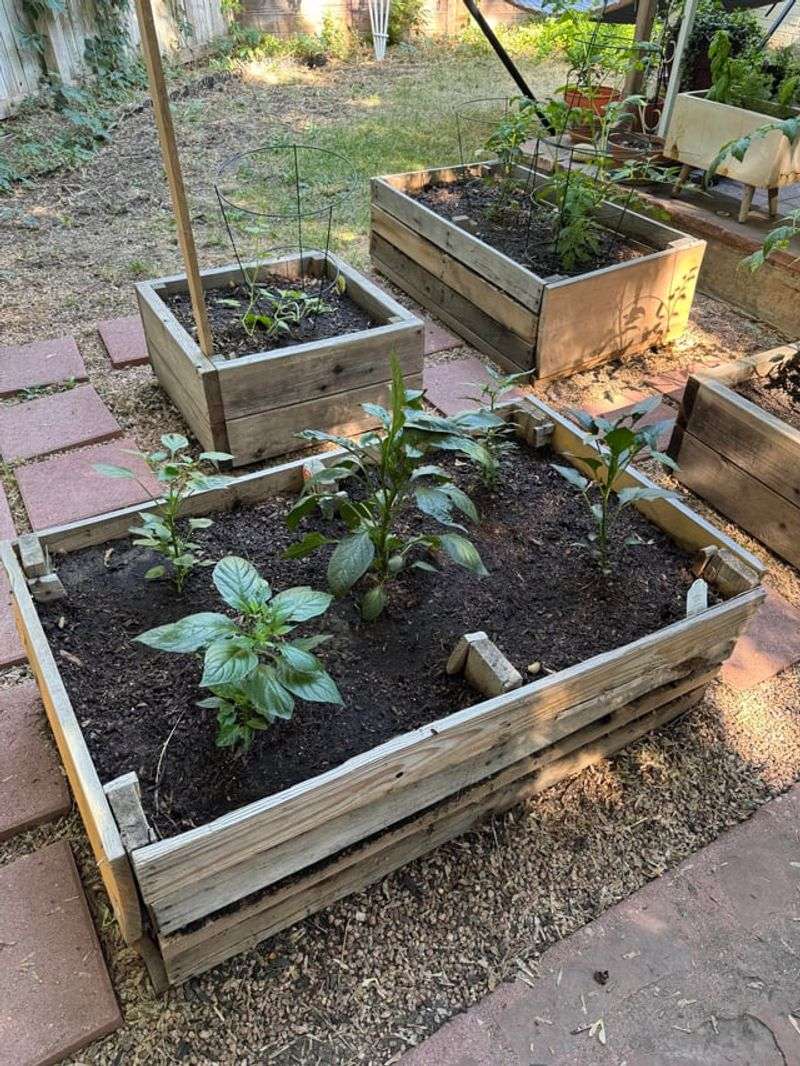
Mornings feel almost forgiving in July before the sun climbs high, and that window matters more than most Florida gardeners realize.
Watering your raised bed between sunrise and about 9 a.m. gives moisture time to soak into the root zone before the soil surface turns hostile.
Once temperatures spike, water sitting near the surface evaporates quickly and never reaches the roots that need it most.
Deep, slow watering does more good than a quick splash across the top. A drip system or a slow-running soaker hose can deliver moisture directly to the base of plants without wetting foliage.
Wet leaves during the hottest part of the day can cause problems, so keeping water low and targeted is smarter than overhead misting.
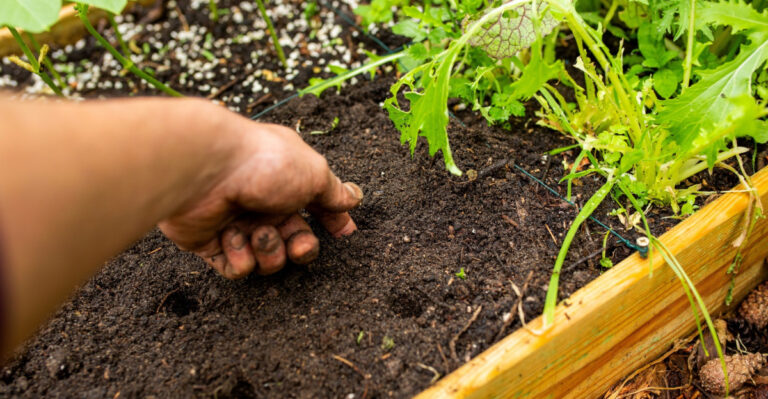
Before you water, push your finger or a wooden dowel about two inches into the soil. Dry-looking mulch on top does not always mean the soil below is bone dry.
Raised beds with good organic matter often hold moisture longer than the surface suggests. If the soil at that depth feels moist, hold off and check again in an hour or two.
Watering on a fixed schedule during a heat advisory, without checking first, can lead to overwatering and root problems that stress plants just as much as drought.
2. Add Mulch Before Soil Moisture Disappears
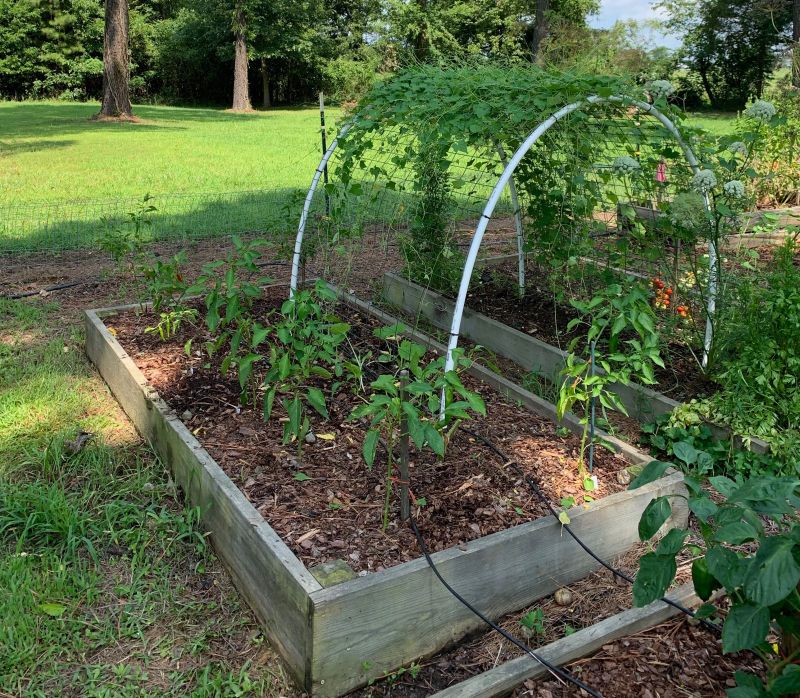
Bare soil in a raised bed during July acts like a frying pan left on high heat. Without a protective layer, moisture evaporates fast, soil temperatures climb, and surface roots suffer.
Mulch is one of the most effective and low-effort tools for slowing that process down during a heat advisory.
Straw, pine straw, and shredded leaves are all good options for vegetable and herb beds. Untreated wood mulch works well too, as long as it comes from a reliable, pesticide-free source.
Aim for about two to three inches of mulch spread evenly across the bed surface. That layer slows evaporation, moderates soil temperature, and reduces the hard crusting that can block water from soaking in.
One detail that trips up a lot of Florida gardeners is piling mulch right against plant stems or crowns. Doing that traps moisture and heat against soft tissue, which can cause rot or fungal problems.
Your Florida Garden Changes Every Week. Your Plan Should Too.
Gardening in Florida changes quickly throughout the season. Every Friday you’ll receive a simple weekly plan showing exactly what to plant, prune, fertilize, harvest, and protect so you never miss the right timing.
Keep mulch a few inches away from the base of each plant. Also, a layer that is too thick and stays wet underneath can create its own problems, especially in humid conditions.
The goal is a breathable, even layer that protects without smothering. If you did not mulch before the heat advisory hit, adding it now is still worth doing right away.
3. Use Shade Cloth Without Smothering Plants
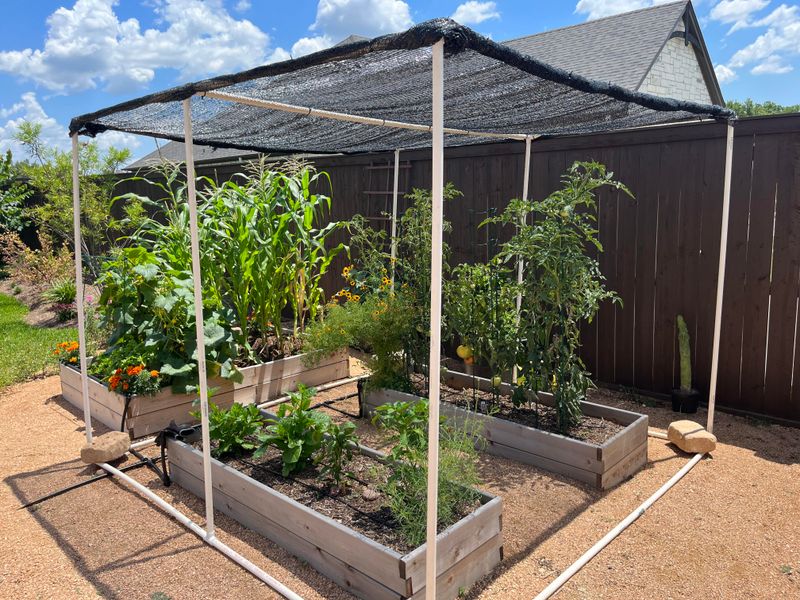
Shade cloth is not a magic fix, but it can make a real difference when temperatures stay dangerously high for several days in a row. The key is how you set it up.
Laying fabric directly on top of plants traps heat and blocks airflow, which can make the situation worse instead of better. Shade cloth needs to be suspended above the canopy so air can move freely underneath.
PVC hoops, wooden stakes, or a simple frame work well for this. You want at least several inches of clearance between the cloth and the top of your plants.
A 30 to 40 percent shade cloth is a reasonable starting point for most summer vegetables during a heat advisory. Crops like lettuce, herbs, and leafy greens may benefit from up to 50 percent shade.
Sun-loving crops like tomatoes and peppers still need enough light to keep functioning. Avoid using plastic tarps, old bed sheets, or any material that holds heat or blocks airflow.
Those materials can create a mini greenhouse effect that spikes temperatures inside the covered space. Shade cloth is designed to filter light while still letting air circulate.
Once the heat advisory ends and conditions return to normal, remove the cloth or roll it back so your plants get the full sunlight they need. Temporary shade is a tool, not a permanent setup.
4. Skip Fertilizer Until Heat Stress Passes
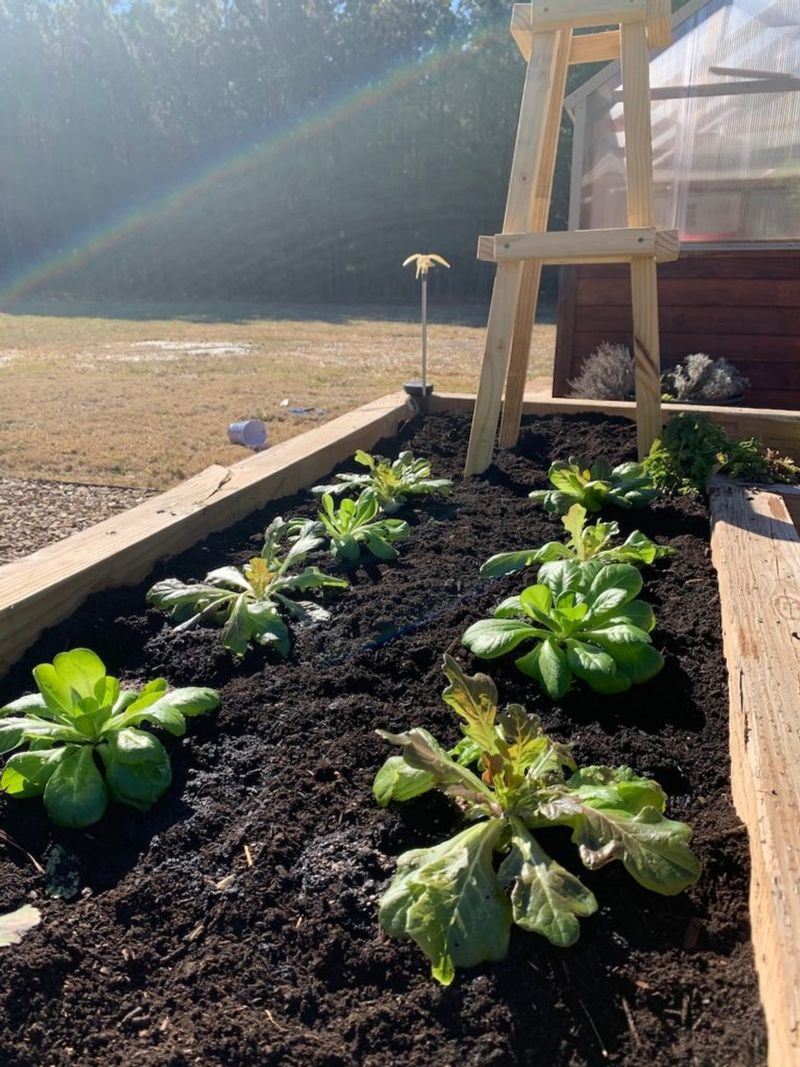
Reaching for fertilizer when plants look rough feels like the logical next step, but during a heat advisory, it is usually the wrong move. Stressed roots are not working at full capacity.
When a plant is struggling to maintain basic functions in extreme heat, its ability to absorb and use nutrients drops significantly. Applying fertilizer at that point can push the plant to try to grow when it has no real energy to do so.
Fertilizer salts can also pull moisture away from roots through osmosis, which adds another layer of stress to an already struggling plant. This is especially true with synthetic granular or liquid fertilizers applied in high concentrations.
Even organic fertilizers, while gentler, are best saved for when conditions have improved and the plant is showing signs of recovery.
Yellowing leaves, wilting, or slow growth during a July heat advisory are almost always stress responses, not nutrient deficiencies. The soil did not suddenly run out of nutrients because the temperature spiked.
Wait until the advisory passes, temperatures drop to a more manageable range, and you start seeing new growth or improved plant posture.
At that point, a light feeding appropriate to the crop and applied according to label directions is a reasonable next step.
Patience here protects plants far better than a quick application that the roots cannot use.
5. Stop Pruning When Plants Are Struggling
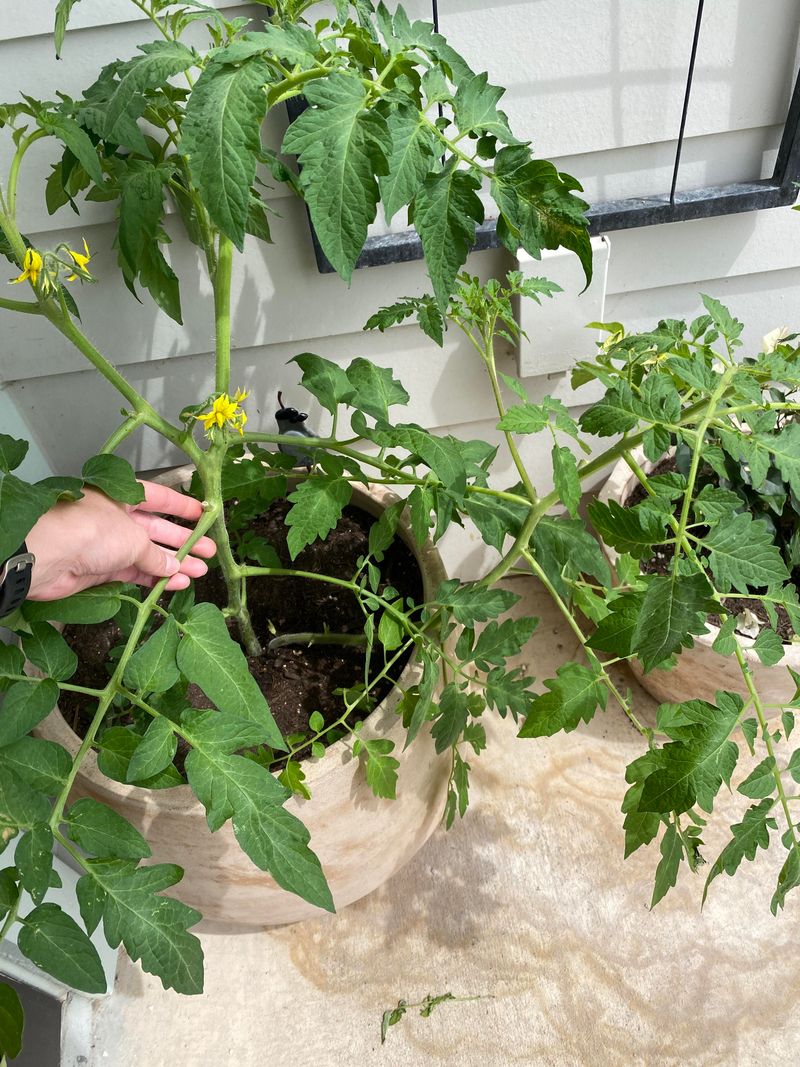
It is tempting to grab the pruning shears when a plant looks ragged and overgrown during a heat advisory. The instinct to clean things up makes sense, but cutting back stressed plants can do more harm than good.
Leaves play a critical role during heat stress because they shade the soil, protect stems, and shield developing fruit from direct sun exposure.
A plant that loses too much foliage during extreme heat has less surface area to support recovery. Even leaves that look slightly scorched or tired are still doing some work.
Removing them forces the plant to redirect energy toward new growth at a time when it should be focused on survival and maintaining what it already has. That added demand can set plants back further.
The only pruning that makes sense during a heat advisory is removing material that is clearly broken, fully diseased, or completely spent. A snapped branch, a blackened stem, or a fruit that has rotted on the vine can come off without much risk.
Everything else should stay put until the heat passes and conditions stabilize. Tomatoes, peppers, herbs, and ornamentals all benefit from this restrained approach.
Once cooler temperatures return and the plant shows signs of bouncing back, you can make more intentional pruning decisions. Base them on what the plant actually needs at that point.
6. Check Containers And Raised Beds Twice
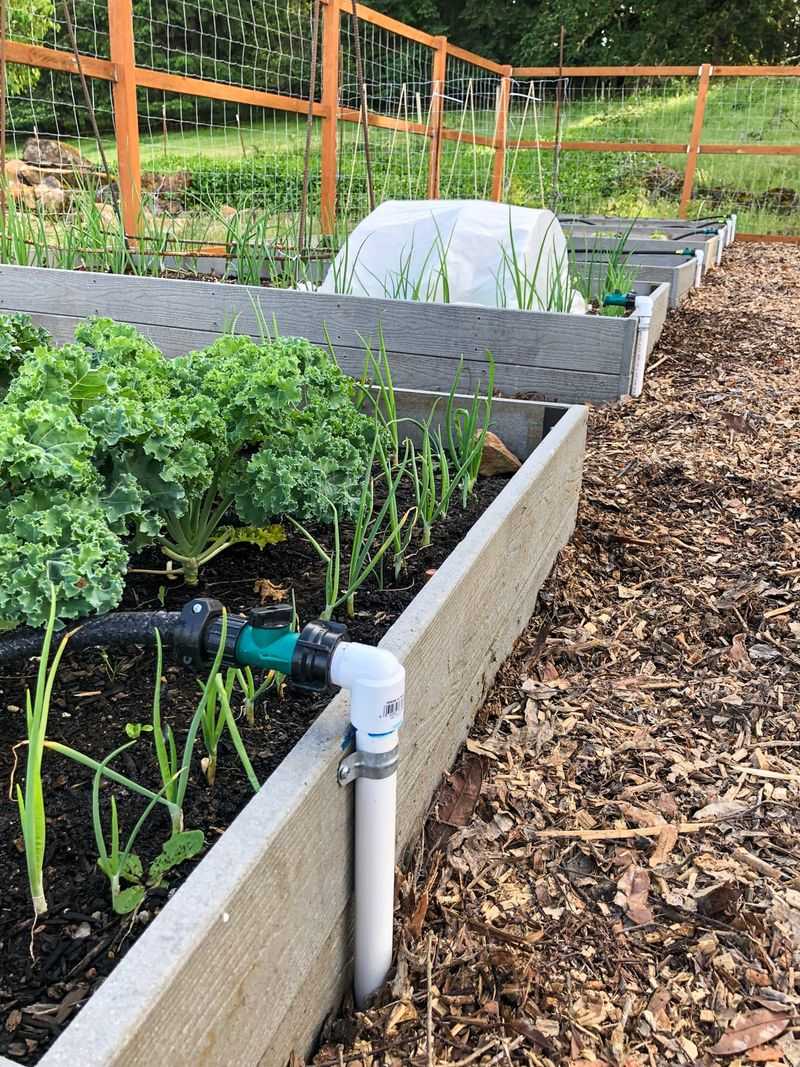
Not all raised beds behave the same way during a heat advisory, and containers add another layer of variability that Florida gardeners need to watch closely.
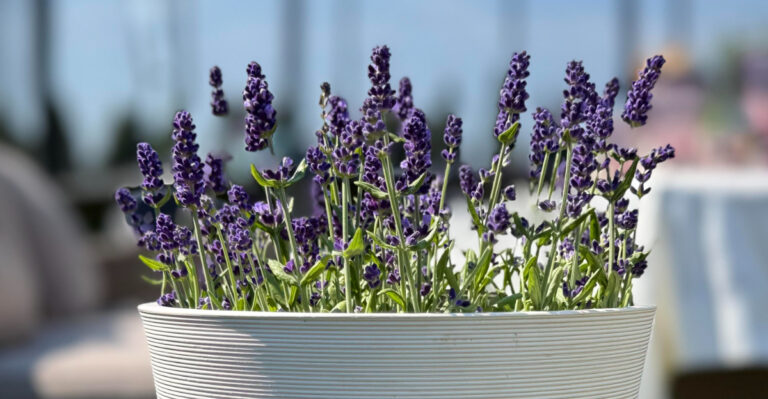
Smaller containers dry out faster than large raised beds, especially when they sit in full sun or catch afternoon wind.
Dark-colored pots absorb heat and can warm the root zone to damaging levels on a hot July afternoon.
Checking soil moisture in the morning is a good habit, but during a multi-day heat advisory, a second check later in the day makes sense for higher-risk setups. That does not mean automatically watering again.
It means pressing your finger into the soil, feeling what is actually there, and making a judgment call based on what you find. If the soil is still moist a few inches down, hold off.
Edge plants in raised beds often dry out faster than plants near the center because more soil surface is exposed to sun and wind on the outer edges.
Shallow beds with less than eight inches of growing medium are also higher-risk because they have less soil volume to buffer temperature and moisture swings.
Good drainage still matters even during a heat advisory. Soggy soil with poor drainage creates a second problem by cutting off oxygen to roots.
Balanced moisture, not flooding, is what keeps roots functional during the hardest days of summer.
7. Harvest Ripe Produce Before The Heat Peaks
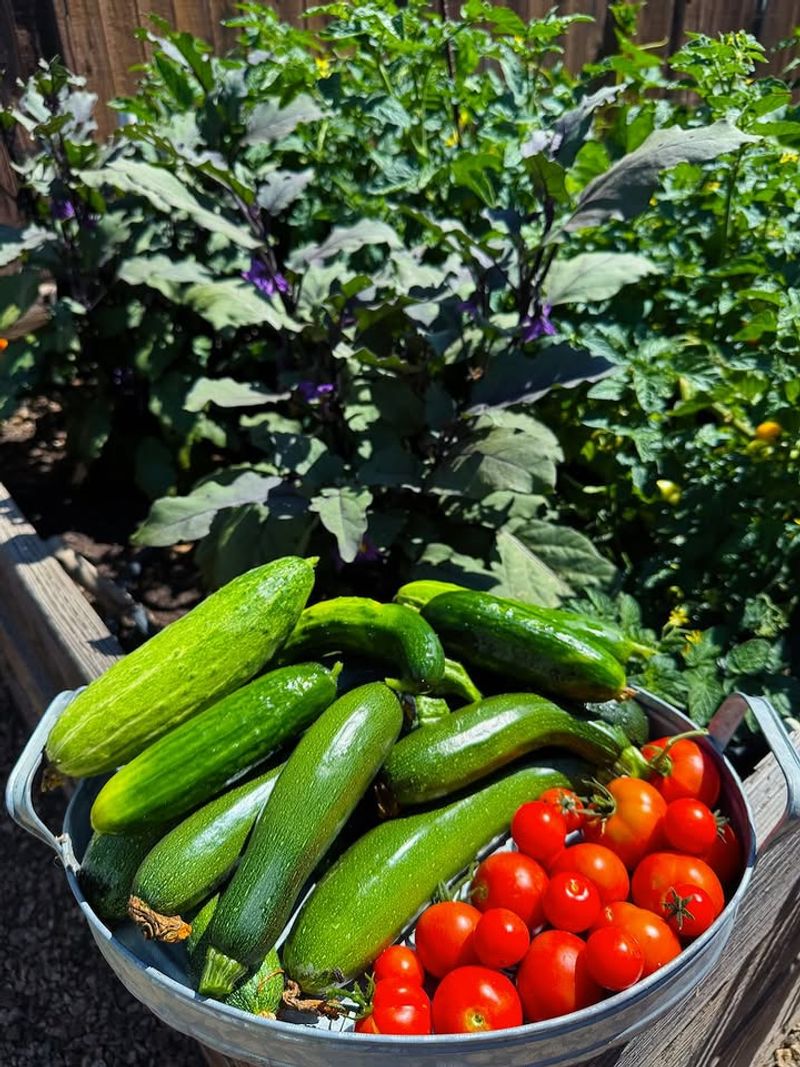
Walking out to your raised bed with a harvest basket before 8 a.m. during a heat advisory is one of the most practical things you can do for your plants.
Ripe or nearly ripe fruit left on the vine adds physical weight and metabolic demand to a plant that is already working hard just to stay upright.
Removing that load gives the plant one less thing to support.
Tomatoes, cucumbers, beans, peppers, and summer squash are all candidates for early harvesting during a heat advisory. Tomatoes that have started to blush can finish ripening indoors at room temperature.
Cucumbers left on the vine too long during extreme heat can turn bitter or go soft quickly. Picking them slightly early protects quality and reduces plant stress at the same time.
Herbs like basil, mint, and parsley can also be trimmed lightly during a morning harvest to remove any bolting or flowering stems. Keep cuts minimal during the advisory.
Sunscald is a real risk for fruit that stays exposed on the plant during extreme heat, so harvesting before temperatures peak also saves produce from heat damage.
Handle everything gently during the hottest weeks because bruised produce goes bad faster.
A morning harvest is not a cure for heat stress, but it is a low-risk action that helps both the plant and the gardener at the same time.
8. Let Plants Recover Before Making Big Changes
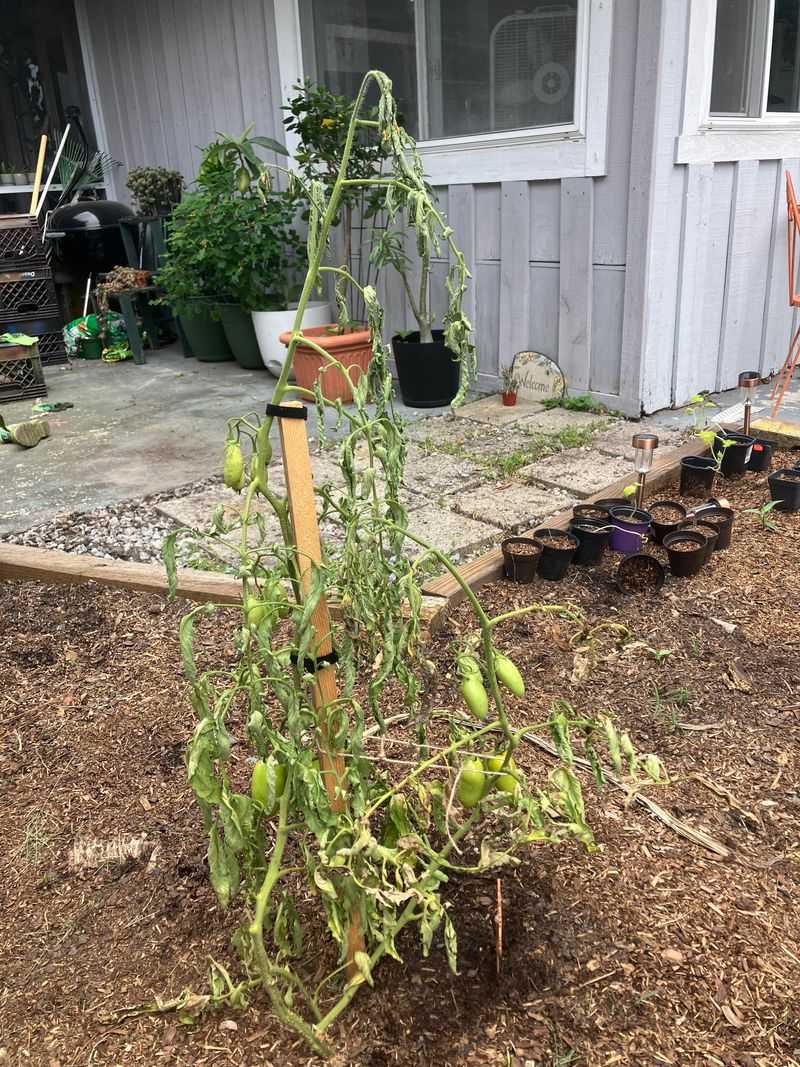
Once a heat advisory lifts and temperatures drop back into a more manageable range, the urge to jump in and fix everything can feel overwhelming. Resist it.
Plants that have been through several days of extreme heat need time to stabilize. Wait before moving them, cutting them back, feeding them, or transplanting new starts into the bed.
Watch for signs of recovery over the first day or two after the advisory ends. New leaf growth, stems that straighten back up, or fruit that resumes development are all positive signals.
Some plants may look rough for several more days before they show clear improvement. That does not mean they are beyond recovery.
It means they need steady, calm conditions and consistent moisture while they rebuild.
Shade cloth can come off gradually once conditions return to normal. Remove it during cooler morning hours rather than exposing plants to sudden full sun in the middle of the afternoon.
Wait before fertilizing, and wait before making any major pruning decisions. If a plant genuinely did not survive the advisory, remove it cleanly and give the bed a rest before replanting.
Steady, patient care after a heat event does more good than a rush of corrections. The gardeners who come through Florida summers with productive raised beds are usually the ones who know when to act and when to simply watch and wait.