8 Money-Saving Backyard Gardening Ideas Oregon Homeowners Should Try
The most effective way to save money in an Oregon garden has very little to do with buying cheaper plants or skipping supplies. It comes down to something a lot less glamorous and a lot more impactful: reducing waste.
Water running off compacted soil that was never going to absorb it. Fertilizer applied to beds that never needed it.
Plants replaced every season because they were never a good match for the site in the first place. These are the quiet budget drains that add up faster than most gardeners realize.
Oregon’s dry summers make smart irrigation especially worth getting right, and a few practical shifts in how you manage soil, water, and plant selection can genuinely change what you spend across the growing season.
Less waste, better results, and more money staying exactly where it belongs.
1. Test Soil Before Buying Amendments
Half-used fertilizer bags stacked in the garage are one of the most common signs that a garden is costing more than it should.
Many Oregon homeowners buy lime, compost, or specialty nutrients based on guesswork, only to find the soil did not need them in the first place.
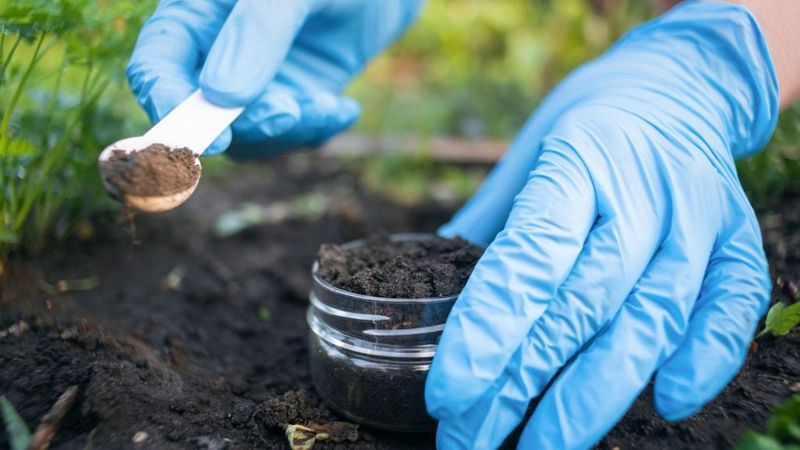
A simple soil test can change that habit entirely.
Oregon soils vary a great deal from one region to another. Soils in the Willamette Valley often differ from those in southern Oregon or coastal areas, and even neighboring yards can test differently depending on past landscaping, irrigation, and organic matter.
A soil test gives you a clear picture of pH, nutrient levels, and organic matter so you can buy only what is actually missing.
Testing before you amend means you stop adding lime to soil that is already at the right pH and stop pouring on nitrogen when the ground is already well supplied. Over-fertilizing can lead to nutrient imbalances, runoff, and stressed plants.
University extension programs in Oregon offer affordable soil testing options, and local garden centers sometimes carry basic test kits for home use. The small cost of a test can easily save more than you spend on unnecessary products throughout the season.
Savings depend on your soil, your current habits, and what amendments you were planning to buy, but for many Oregon gardeners, skipping one unnecessary bag of fertilizer more than covers the cost of testing.
2. Make Compost Work For The Garden
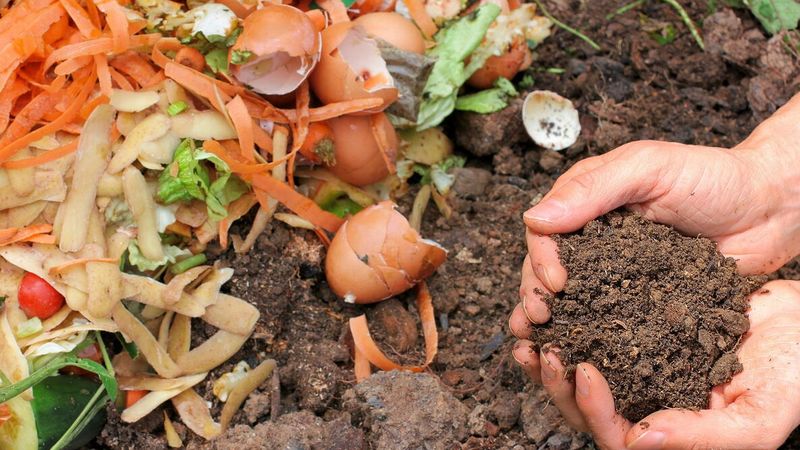
A compost pile sitting at the edge of the yard can look like a chore, but used correctly, it is one of the most practical tools an Oregon homeowner has for reducing purchased soil products.
Finished compost can improve soil texture, support beneficial soil life, and slowly release nutrients over time.
The key word is finished. Unfinished or poorly decomposed compost can tie up nitrogen, introduce weed seeds, or create drainage problems in beds.
Too much compost is also a real issue that does not get talked about enough. Adding heavy amounts every season, especially in beds that already have good organic matter levels, can raise phosphorus beyond what plants need and create nutrient imbalances.
Your Oregon Garden Changes Every Week. Your Plan Should Too.
Gardening in Oregon changes quickly throughout the season. Every Friday you’ll receive a simple weekly plan showing exactly what to plant, prune, fertilize, harvest, and protect so you never miss the right timing.
Compost works best when it is applied based on what the soil actually needs, which is another reason soil testing pairs well with composting habits.
For Oregon homeowners with yard trimmings, kitchen scraps, fallen leaves, and garden waste, a compost system can reduce or eliminate the need to buy bagged organic matter for vegetable beds, flower borders, and shrub plantings.
The savings depend on how much compost you make, how well it is managed, and what you would otherwise purchase.
A well-maintained compost pile that produces usable material each season can meaningfully offset costs for many gardeners, though results vary by yard size, plant density, and how much organic material the household generates.
3. Use Mulch To Cut Water Waste
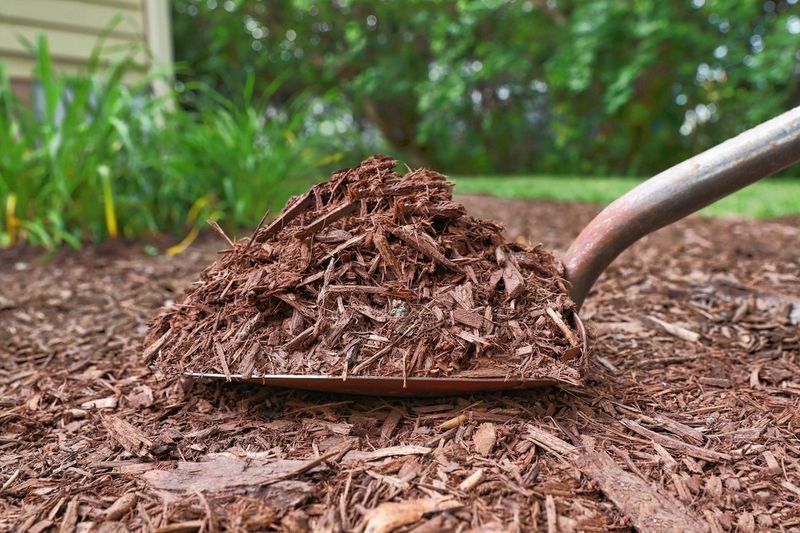
Dry Oregon summers can push water bills higher than homeowners expect, especially in July and August when rain nearly disappears across much of the state. One of the most straightforward ways to slow that water loss is to cover the soil around plants with mulch.
A few inches of organic mulch such as wood chips, shredded bark, or straw can reduce surface evaporation and help the soil hold moisture between watering sessions.
Mulch also moderates soil temperature, which matters during heat events that Oregon gardens experience more frequently in recent years. Cooler, more stable soil temperatures help roots stay comfortable and reduce plant stress.
As organic mulch breaks down over time, it adds small amounts of organic matter to the soil, which is a slow but useful side benefit.
One thing to watch for is applying mulch too thickly or piling it directly against plant stems and tree trunks, which can hold excess moisture and encourage rot or pest problems.
Water still needs to move through the mulch layer and reach the root zone below, so checking soil moisture under the mulch is a good habit.
Mulch is not a substitute for irrigation during dry spells, but it can meaningfully reduce how often you need to water. Savings on water costs depend on your local rates, your irrigation habits, soil type, and how well the mulch layer is maintained throughout the season.
4. Group Plants By Water Needs
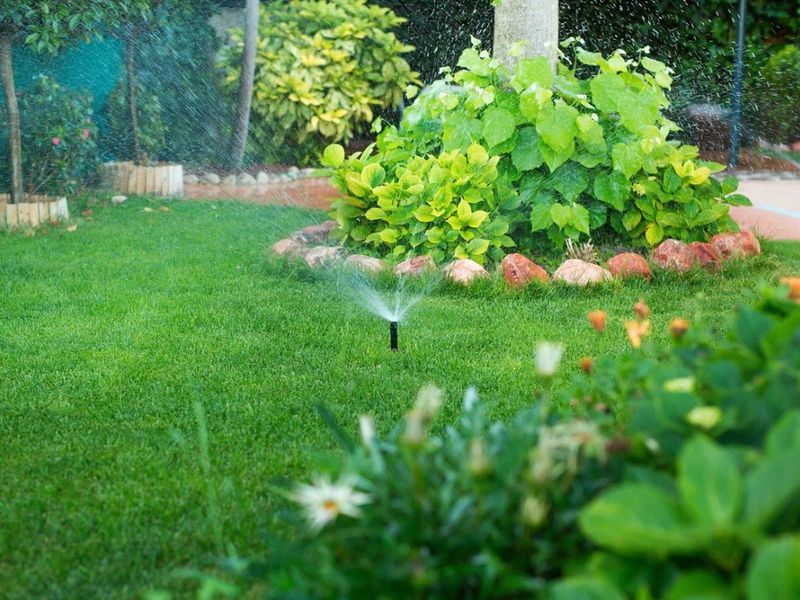
Running a sprinkler across an entire bed when only half the plants in it actually need water is one of the quieter ways a garden wastes money during Oregon’s dry season.
When plants with very different irrigation needs share the same zone or watering schedule, someone always loses.
Either the drought-tolerant plants get too much water and develop root problems, or the thirsty plants dry out because the schedule was set for their tougher neighbors.
Grouping plants by water needs, sometimes called hydrozoning, makes irrigation much more efficient.
Vegetables and annual flowers that need consistent moisture can share one zone, while established native shrubs, ornamental grasses, or Mediterranean-style plants that prefer drier conditions can be watered separately or much less frequently.
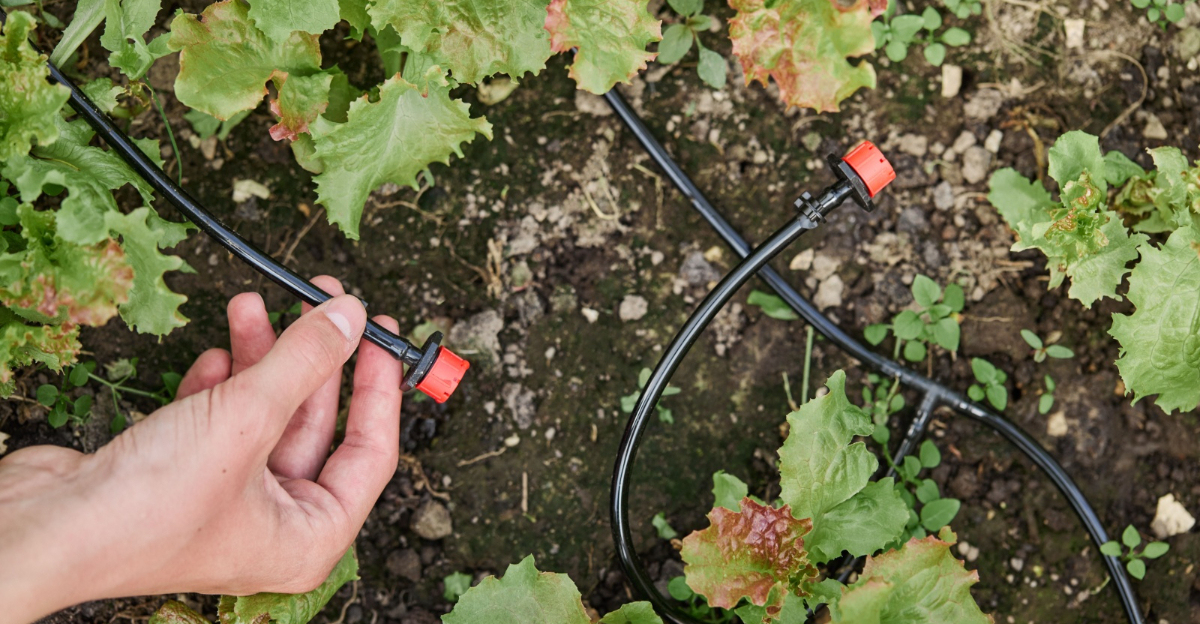
This approach works well with drip systems, soaker hoses, or even hand watering in smaller Oregon gardens.
The savings come from not overwatering plants that do not need it and not stressing plants that do. Overwatered plants in Oregon soils can develop root rot, crown diseases, and other problems that lead to replacement costs.
Underwatered plants in a poorly designed layout can fail to establish or decline over time. Rethinking how your yard is zoned does not have to mean a full renovation.
Starting with one bed or one area and adjusting the watering schedule to match what is actually planted there can make a noticeable difference in water use and plant health over a single season.
5. Water Deeply Instead Of Sprinkling Lightly
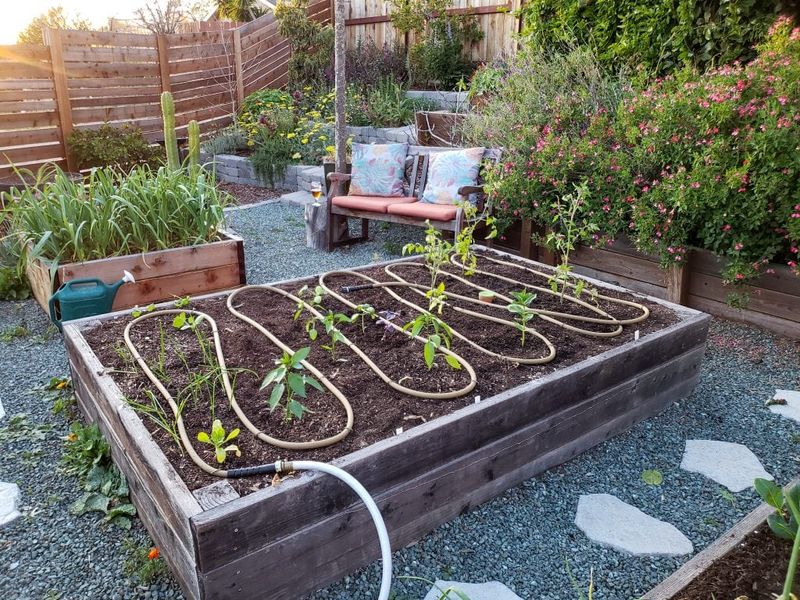
Frequent light watering is one of those gardening habits that feels responsible but often works against the garden. When only the top inch or two of soil gets wet, plant roots tend to stay shallow because that is where the moisture is.
Shallow roots make plants more vulnerable to heat, drought, and wind stress, which means more watering is needed just to keep them going through a dry Oregon summer.
Watering deeply and less often encourages roots to grow further down into the soil where temperatures are more stable and moisture lasts longer.
For most established garden plants, a thorough watering that moves moisture several inches into the soil is more useful than a quick sprinkle every day.
The exact frequency depends on soil type, plant size, weather conditions, and whether the plants are newly installed or fully established.
One easy way to check is to push a finger or a small trowel into the soil an hour or two after watering to see how far the moisture actually reached. If it only wetted the top layer, the watering time or volume needs to increase.
Drip systems and soaker hoses tend to do a better job of delivering water to the root zone slowly and efficiently compared to overhead sprinklers, which can lose significant moisture to evaporation in warm Oregon summer air.
Matching your watering method to your soil and plant types can reduce overall water use while keeping plants healthier through the dry months.
6. Grow High-Value Vegetables In Small Spaces
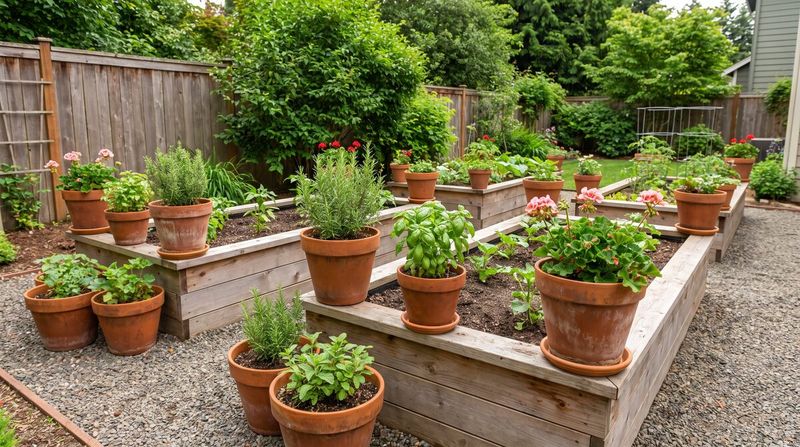
A four-by-eight raised bed or a cluster of containers on an Oregon patio can produce a surprising amount of food when the focus is on crops the household actually eats.
The money-saving potential of a small vegetable garden is real, but it depends heavily on what you grow and how much of it you use before it goes to waste.
Growing ten pounds of a vegetable nobody wants does not save anything.
High-value crops for small spaces tend to include fresh herbs like basil, cilantro, and parsley, which are expensive to buy in small grocery store bundles. Salad greens, cherry tomatoes, snap peas, and peppers also tend to give a good return in a limited footprint.
These crops can be harvested repeatedly over a season, which stretches their value further than crops harvested all at once.
Oregon’s growing season varies by region, so what thrives in the Willamette Valley may need more attention on the coast or in higher-elevation areas.
Starting seeds indoors to extend the season, or using a simple row cover to protect tender plants from late spring cold, can help maximize what a small space produces.
Raised beds and containers also give you more control over soil quality, drainage, and pest management.
The savings from a small vegetable garden are most consistent when you plant what your household will actually eat, manage the space well, and keep input costs like soil, amendments, and water in proportion to what you harvest.
7. Choose Native Or Water-Wise Plants
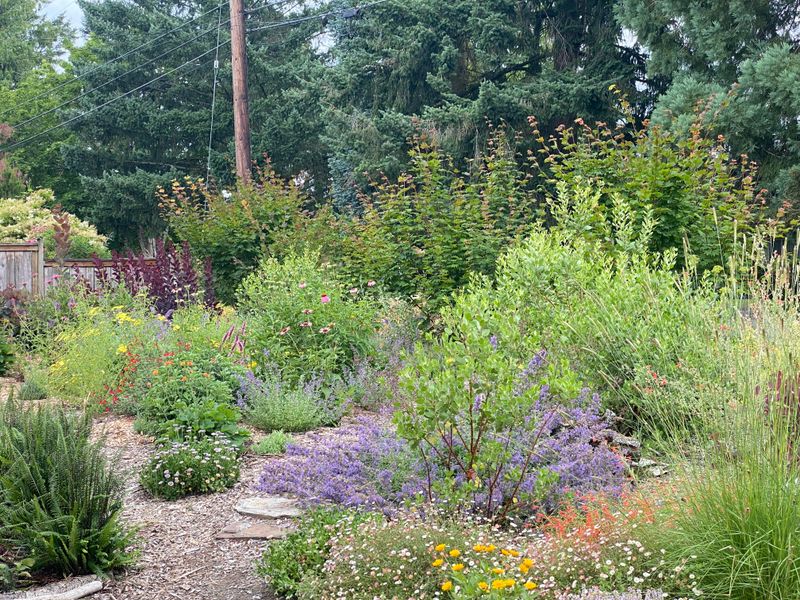
Yards that cost more than expected often have one thing in common: plants that are working too hard to survive where they were placed.
A moisture-loving rhododendron planted in a hot, dry south-facing slope, or a thirsty ornamental grass dropped into heavy clay, is going to need extra water, extra care, and possibly replacement sooner than it should.
Choosing plants that actually match the site conditions in your Oregon yard can quietly reduce several categories of expense at once.
Native plants and water-wise species adapted to Oregon’s climate can reduce irrigation needs once they are established, though establishment itself still requires consistent watering and attention during the first season or two.
Oregon natives like red flowering currant, Oregon grape, camas, and native fescues are well suited to the state’s wet winters and dry summers, and they tend to support local pollinators as a bonus.
Water-wise plants from similar Mediterranean or dry-summer climates can also perform well in many Oregon landscapes.
The savings from choosing site-matched plants tend to show up in reduced water bills, fewer replacement purchases, and lower maintenance time over several years.
That said, no plant is maintenance-free, and even drought-tolerant species can fail if they are planted in the wrong soil, placed in standing water, or not given enough support during establishment.
The best approach is to research what grows well in your specific part of Oregon, whether that is the coast, the valley, or inland areas, and match plants to the actual conditions in your yard rather than the ideal ones.
8. Start With Smaller Plants And Establish Them Well
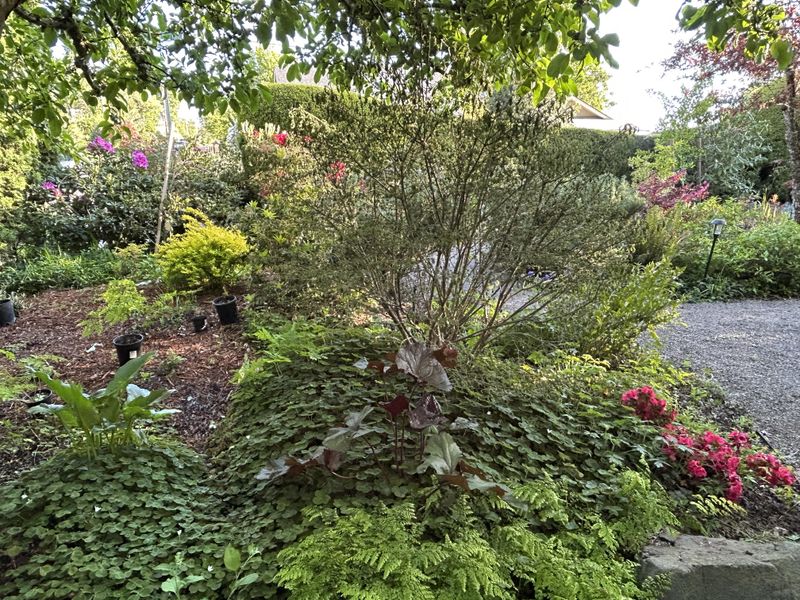
Bigger plants at the nursery can be tempting, especially when a yard feels bare and you want results quickly. But a large container plant at a premium price does not automatically mean faster results or better long-term performance.
Smaller starter plants, often sold in one-gallon or quart-sized containers, typically cost less upfront and can establish themselves well when given proper planting, water, and mulch during the first season.
The real savings from choosing smaller plants come not just from the lower purchase price but from the reduced stress on the plant itself.
Smaller plants often have a better root-to-canopy ratio when transplanted, which means they can settle into new soil more easily than a large plant that has been in a container long enough to become root-bound.
In Oregon, fall planting of smaller trees and shrubs can work well because cooler temperatures and returning rains help roots establish before summer stress arrives.
Establishment care matters more than plant size in most cases.
A small plant that gets consistent watering, a good layer of mulch, and a well-prepared planting hole will often outperform a larger, more expensive plant that was planted carelessly and left without support.
Checking soil moisture regularly during the first dry season, avoiding fertilizer overload on new roots, and making sure the plant is placed where it will actually thrive rather than just where it fits the design can make a meaningful difference in whether the investment pays off over time.