The One Himalayan Blackberry Disposal Mistake That Keeps Oregon Yards Infested For Years
Himalayan blackberry does not know when to leave quietly. Even after the canes are cut and the patch looks cleared, one careless disposal move can give the plant exactly what it needs to stage a comeback.
Persistent little menace. That is what makes removal so frustrating. The yard may seem under control for a while, then fresh growth appears and all that hard work suddenly feels suspiciously temporary.
The problem often starts after the digging is done. What happens to the cut material matters more than many people realize, especially during Oregon’s warm growing season.
A pile left in the wrong place can create trouble long after cleanup day.
Getting rid of blackberry properly is not the glamorous part of yard work, but it can decide how successful the entire project becomes.
Handle this step carefully, and the garden has a much better chance of staying free of those thorny repeat offenders.
1. Leaving Cut Canes On The Ground Is The Mistake
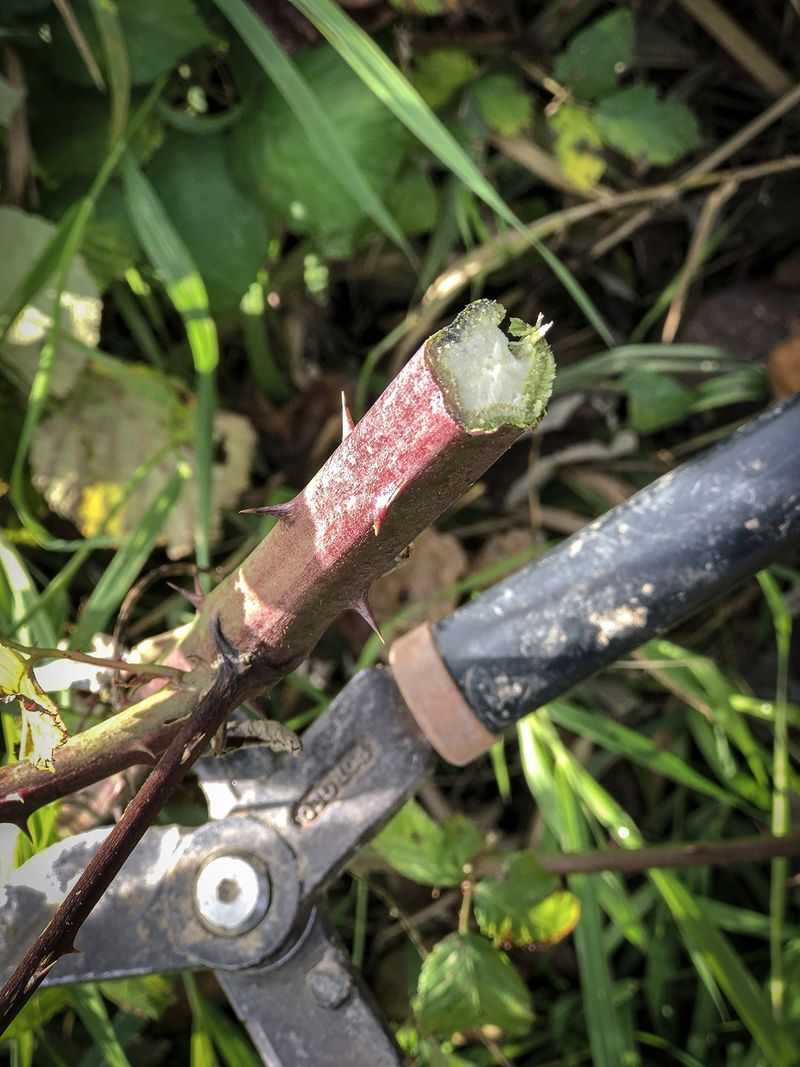
Cut canes lying on the ground look harmless. They look withered, dried out, and finished.
But Himalayan blackberry does not give up that easily. Even after being severed from the main plant, canes can still root if they make contact with moist soil.
That is the core of the problem most homeowners never see coming. When you cut a cane and leave it on the ground, the tip can touch the soil and begin rooting within days. This plant has a strong survival drive.
It does not need to be attached to its original root system to start a new one. A cane tip pressed against damp ground is all it takes.
Oregon has enough rain and moisture for much of the year to make this process very easy for the plant.
A cane you cut in late summer might look harmless through fall. But by spring, it has already started to anchor itself into the soil and grow.
The fix is simple but requires discipline. Never leave cut canes on the ground for more than a few hours.
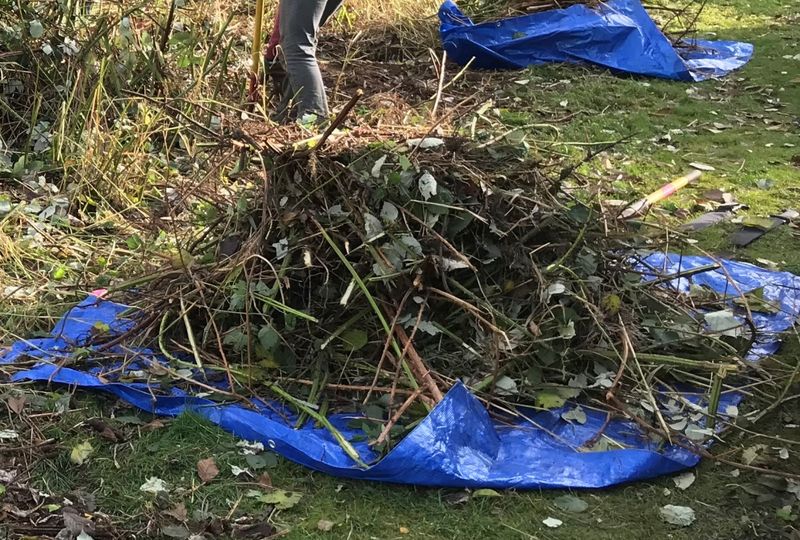
Bag them, haul them, or pile them on a tarp immediately. Getting into this habit is the single most important step you can take to stop the cycle of re-infestation before it starts.
2. Blackberry Debris Is Not Harmless Yard Waste
Most people treat blackberry cuttings like they treat grass clippings or fallen leaves. They assume the debris is just plant waste that will break down over time without causing any problems.
That assumption is one of the costliest mistakes a homeowner can make when managing this invasive plant.
Himalayan blackberry debris is not passive. Canes, crowns, and root fragments are all capable of regenerating under the right conditions.
A pile of cuttings left near a garden bed is not just messy. It is a waiting nursery of new plants ready to take hold.
Even dried-out canes can carry viable buds along their length. If those buds get pressed into soil by foot traffic or rain, they can begin to grow.
Your Oregon Garden Changes Every Week. Your Plan Should Too.
Gardening in Oregon changes quickly throughout the season. Every Friday you’ll receive a simple weekly plan showing exactly what to plant, prune, fertilize, harvest, and protect so you never miss the right timing.
Leaves and small stem pieces left behind after a cleanup session can also contribute to the problem if they contain any green tissue.
Treating blackberry debris as a serious threat changes how you approach cleanup. Every piece matters.
Every tip, every stem, every fragment with a bud on it should be handled as if it could sprout. Bag everything in heavy-duty yard waste bags.
Check with your local waste management service about proper disposal. Many areas in Oregon offer green waste pickup that handles invasive plant material safely.
Taking this seriously from the start saves a lot of frustration later.
3. Cane Tips Can Root Where They Touch Soil
Here is something most homeowners do not know about Himalayan blackberry. The plant spreads not just through its root system underground but also through a process called tip-rooting.
When a long cane arches over and the tip touches the soil, it can form a new root and start a whole new plant.
Tip-rooting is one of the main reasons blackberry patches grow so fast and spread so far. A single parent plant can send out canes that are six feet long or more.
Each tip that lands on bare or loose soil has the potential to anchor itself and become independent.
After you cut those long canes, the tips are still alive and still capable of rooting. If you drop them on the ground or drag them across a garden bed, you are essentially planting new blackberry starts all over your yard.
Many homeowners do this without realizing it. The best way to handle cut canes is to fold them carefully and place them directly into a yard waste bag. Do not drag them.
Do not toss them onto a pile and walk away. Keep the tips away from any bare soil.
If you are working in a large area, bring a tarp and lay canes on it as you cut. Roll the tarp up when you are done and move the whole bundle at once. Small steps like these make a big difference over time.
4. Root Crowns Can Resprout For Years
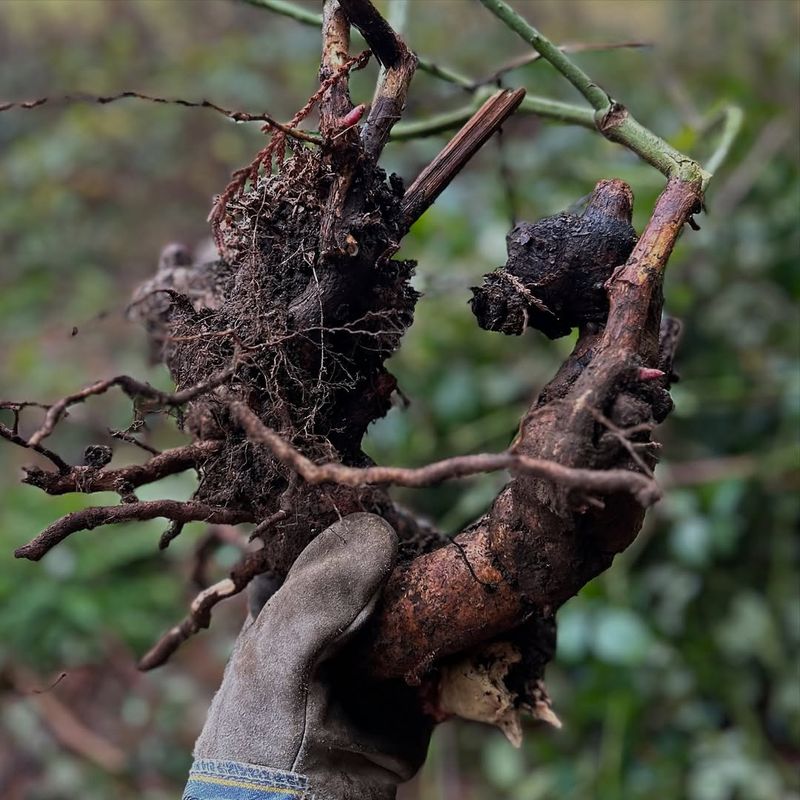
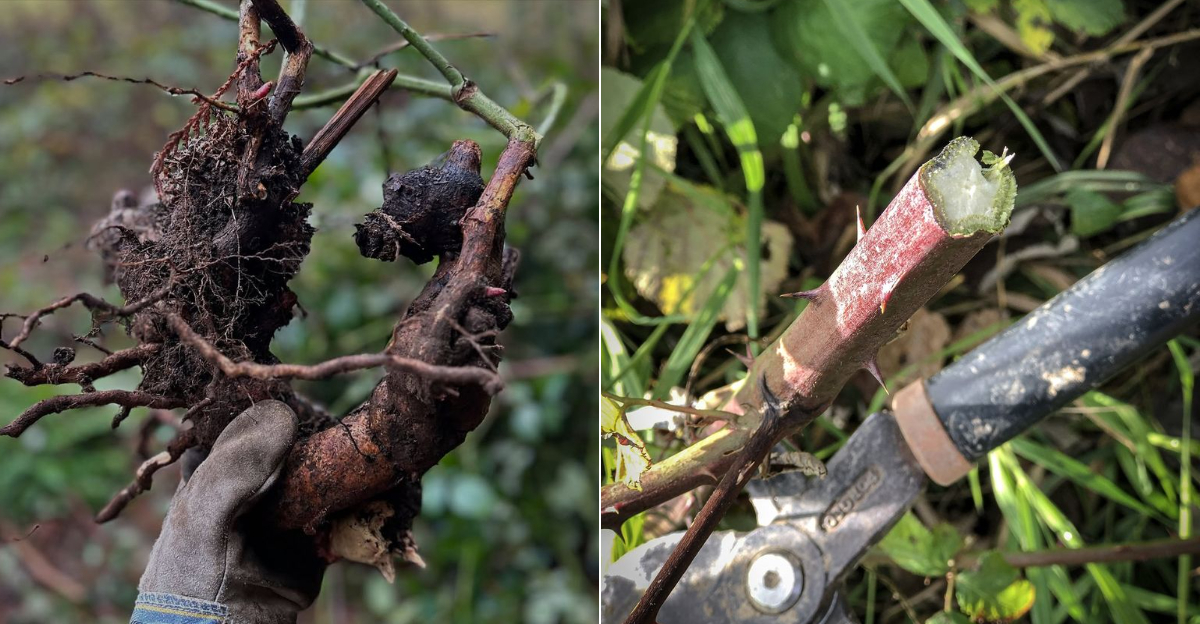
Pull the canes, and you might feel like the job is done. But underground, the root crown is still very much alive.
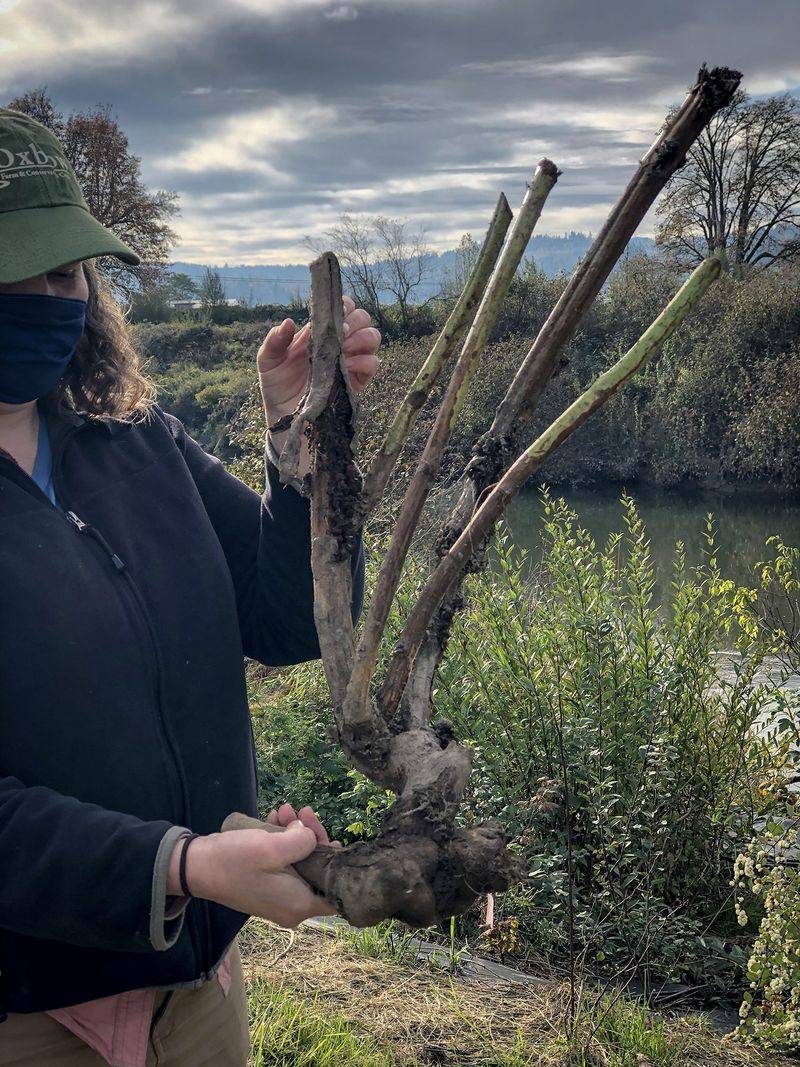
Himalayan blackberry has a thick, woody crown at the base of each plant that stores enormous amounts of energy.
That stored energy allows it to send up new shoots for years, even after the top growth has been completely removed.
Root crowns can sit dormant through dry summers and cold winters. When conditions improve, they push new canes up through the soil with surprising force.
Gardeners who remove all visible growth in the fall are often shocked to find a fresh flush of new canes emerging in the spring. That is the root crown at work.
Cutting canes without addressing the root crown is like trimming the top of a weed without pulling the root. You are managing the symptoms, not the source.
Over time, repeated cutting does weaken the crown, but it takes consistent effort over multiple seasons to see real results.
When removing blackberry, try to dig out as much of the root crown as possible. Use a mattock, a heavy garden fork, or a pry bar to loosen the soil around it.
Crowns can be surprisingly large, sometimes the size of a dinner plate. Bag all crown material separately and never leave pieces in the soil.
Even a small fragment left behind can regenerate into a new plant given enough time and moisture.
5. Dragging Canes Can Spread The Problem
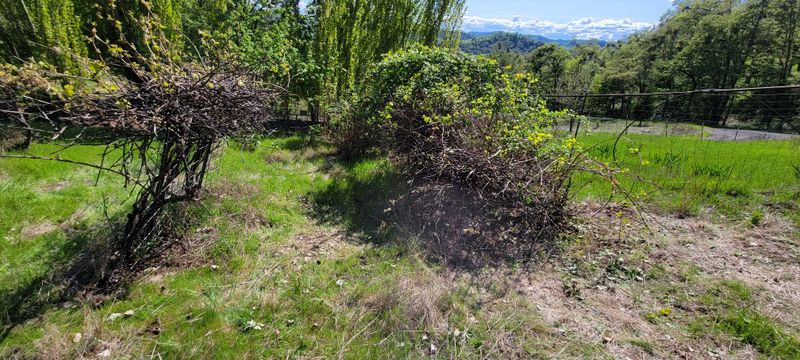
Nobody wants to carry an armful of thorny blackberry canes. They are heavy, scratchy, and awkward to handle.
So most people drag them. They grab one end and pull the cane across the yard to a pile or a bin.
It feels efficient. But dragging canes is one of the fastest ways to spread the infestation to new areas of your Oregon yard.
As a cane is dragged across the ground, every bud node along its length has a chance to make contact with the soil. Each of those contact points is a potential new root.
A single twelve-foot cane dragged across a lawn can deposit bud material in dozens of spots.
By spring, you might notice new blackberry shoots popping up in a line that follows exactly the path you dragged that cane.
It feels like the plant appeared out of nowhere. But really, you moved it there yourself.
This is one of the most frustrating and least-known ways that cleanup efforts can backfire. The harder you work without the right technique, the more you might be spreading the problem.
Use a tarp or a large bin to collect canes as you cut them. Pick them up rather than drag them whenever possible.
Wear thick gloves and use long-handled tools to keep your hands protected. If canes are too long to carry, cut them into shorter sections before moving them.
Keeping canes off the ground during transport is a simple but powerful habit.
6. Chopped Pieces Can Hide In Mulch
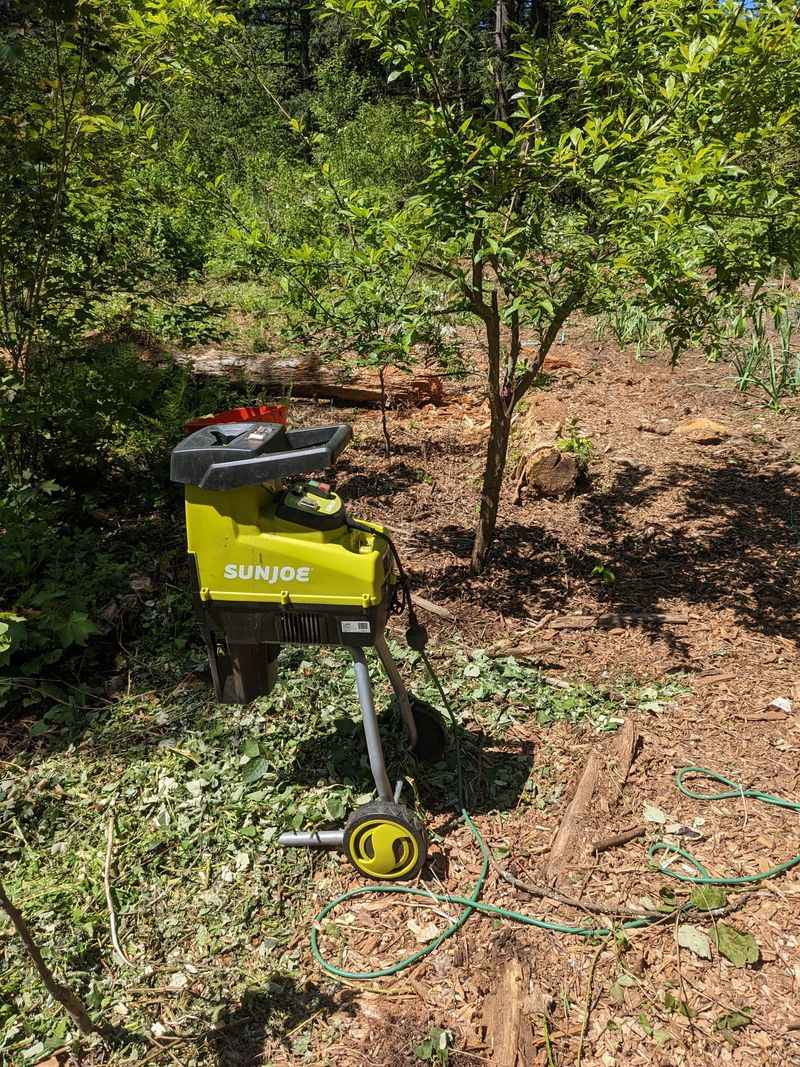
Running a weed whacker or a string trimmer through a blackberry patch feels satisfying. The canes get chopped up into smaller pieces, and the patch looks cleared.
But those chopped pieces do not disappear. They fall into the soil and the surrounding mulch, and some of them carry live buds that can still grow.
Mulch is especially tricky because it creates the perfect warm, moist environment for rooting. Small blackberry fragments buried in mulch have everything they need to establish roots.
You might not notice them until new shoots start poking through the surface weeks later. By then, they already have a foothold.
This is why chopping or shredding blackberry canes in place is a risky approach. It might look like a thorough cleanup, but you are essentially mixing plant propagation material into your garden beds.
Pieces with even one viable bud can become new plants under the right conditions.
If you use a trimmer or chipper on blackberry, be very careful about where the debris lands. Collect all chopped material and bag it rather than leaving it on the ground or mixing it into existing mulch.
Refresh your mulch with clean material after a removal session. Inspect the area again two to three weeks later for any new shoots.
Catching regrowth early is much easier than dealing with a full patch that has re-established itself over a season.
7. Don’t Toss Fresh Canes On A Brush Pile
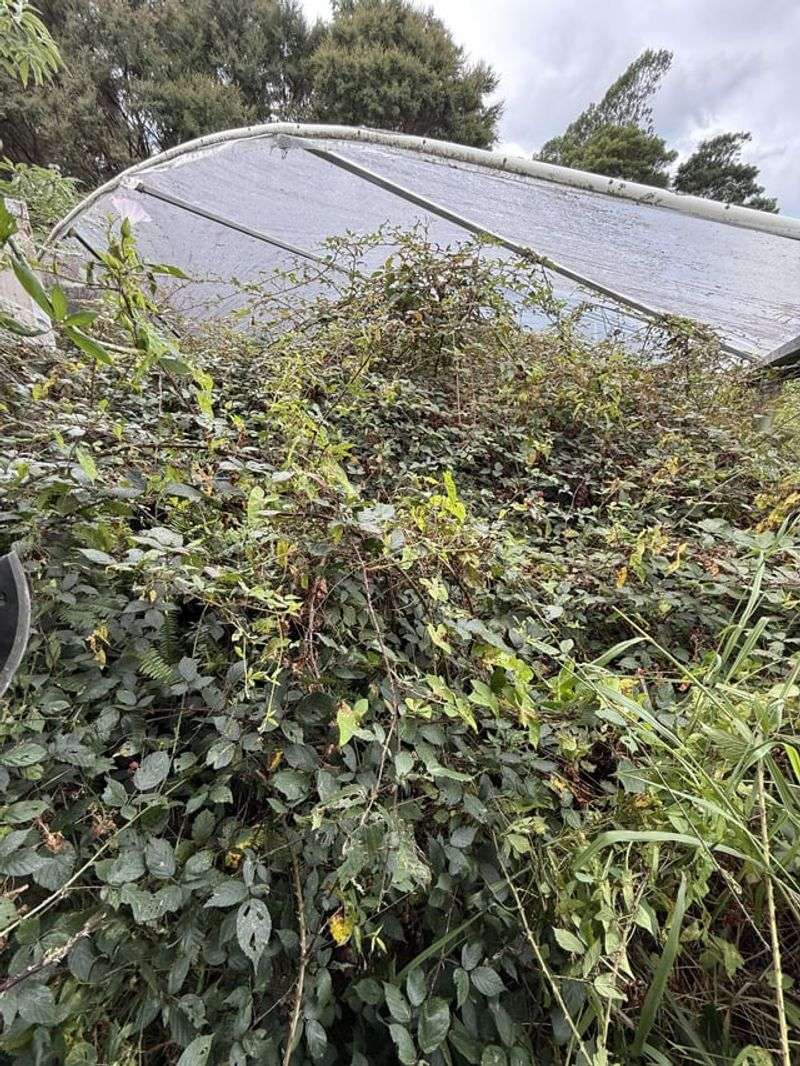
A brush pile at the edge of the yard seems like a practical solution. You toss your garden debris there, let it sit, and assume it will all break down eventually.
Many Oregon homeowners toss fresh blackberry canes onto brush piles without a second thought. But that habit can keep your yard infested for a very long time.
Fresh canes tossed onto a brush pile do not break down quickly. Blackberry canes are tough and fibrous.
They can stay viable for weeks or even months, especially in cooler or shaded spots. If the pile sits on or near bare soil, cane tips can root right through the pile and into the ground below.
A brush pile with rooted blackberry canes is essentially a raised planting bed for the invasive plant. The pile provides moisture retention and organic matter, two things that help blackberry thrive.
Over time, the pile becomes a launch point for new infestation into surrounding areas.
Fresh blackberry canes should never go on a brush pile. Bag them in heavy-duty yard waste bags or load them directly into a truck for disposal at a green waste facility.
If a brush pile already has canes on it, check the base of the pile for rooted growth. Remove any rooted material carefully and dispose of it properly.
Keep brush piles away from fence lines and garden beds where blackberry would have the best chance of spreading unnoticed.
8. Never Compost Live Blackberry Crowns
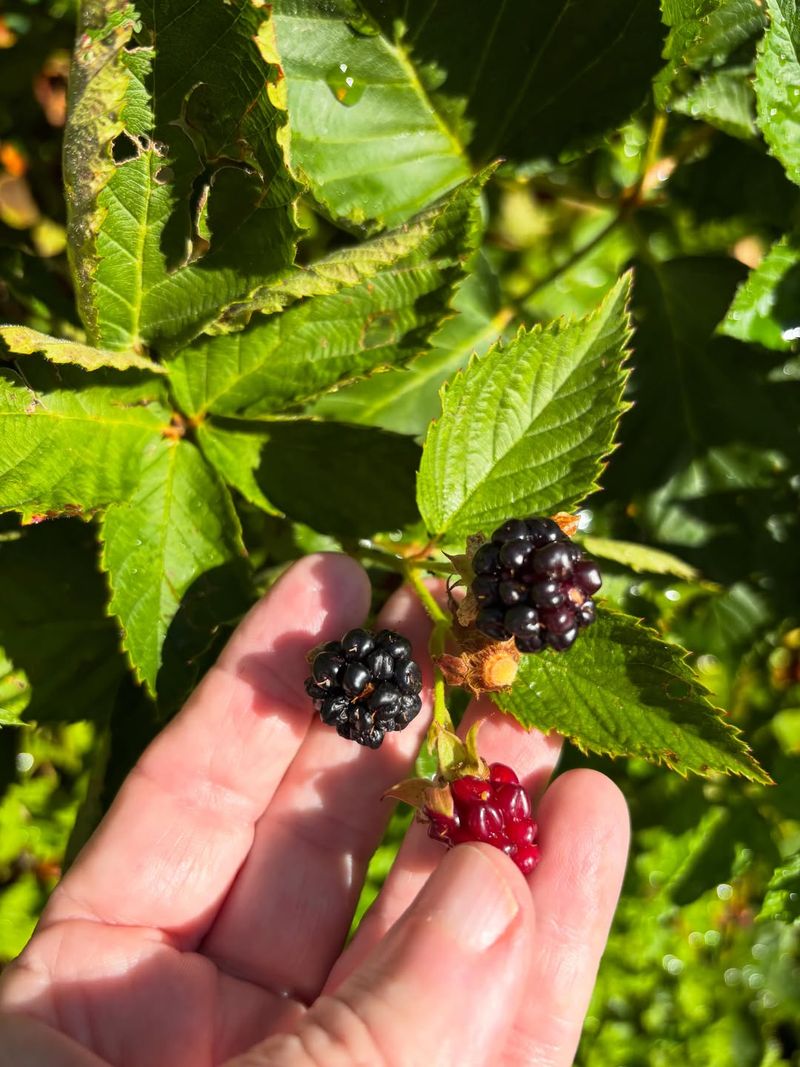
Composting is a great habit for most yard waste. But Himalayan blackberry crowns and root fragments are not safe to compost at home.
Most backyard compost piles do not get hot enough to destroy the plant tissue. That means live crowns and root pieces can survive the composting process and come back stronger than ever.
When you spread finished compost that contains blackberry material, you are spreading the plant itself.
Gardeners who compost their blackberry crowns sometimes find new blackberry shoots growing in every bed they amended.
It is a frustrating and avoidable setback that can set your garden management back by a full season or more.
Commercial composting facilities reach much higher temperatures and are better equipped to handle invasive plant material. Many green waste programs in Oregon accept blackberry and process it safely.
Check with your local utility or waste management provider to find out what is accepted in your area.
When removing blackberry crowns, place them directly into yard waste bags. Do not set them aside to dry out before composting, because drying does not always eliminate viability.
Seal the bags and keep them out of the sun to prevent the bags from breaking down before pickup. If you have a large amount of material, consider renting a truck or trailer to haul it to a drop-off facility directly.
Proper disposal of crown material is the final step that makes all your other removal work actually stick.