The Oregon Native Plant That Outperforms English Lavender Across The State
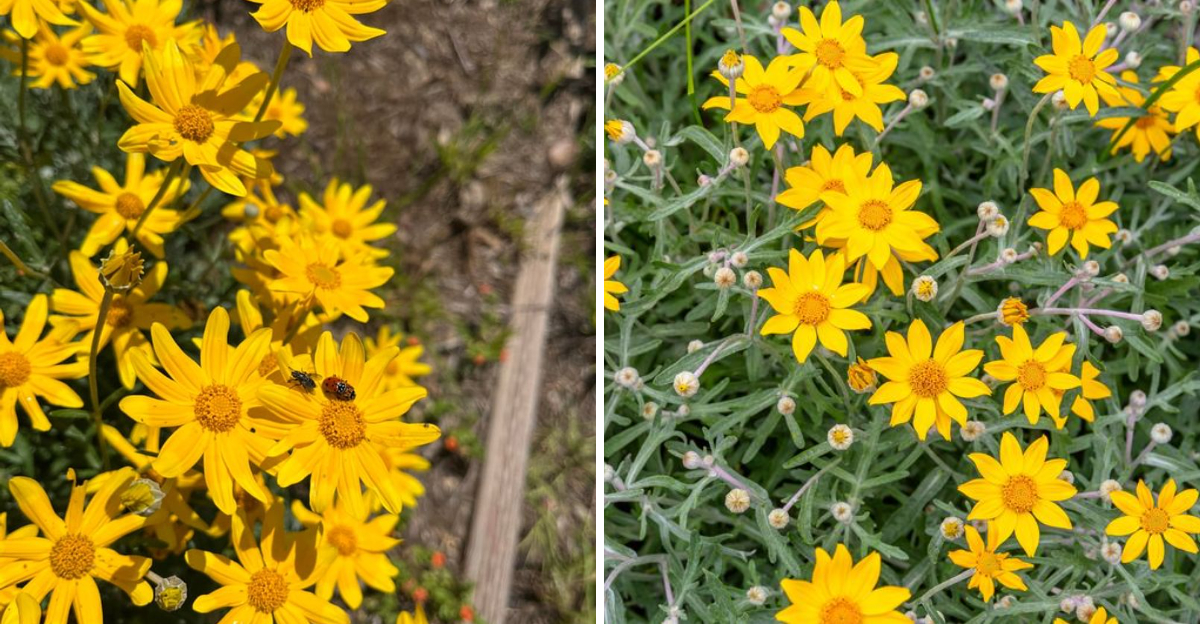
Two silver-leaved plants can look equally at home in an Oregon garden until winter starts asking harder questions.
One comes from Mediterranean country. The other already knows Oregon’s dry slopes, rocky openings, and long summer stretch.
That second plant is Oregon sunshine, Eriophyllum lanatum.
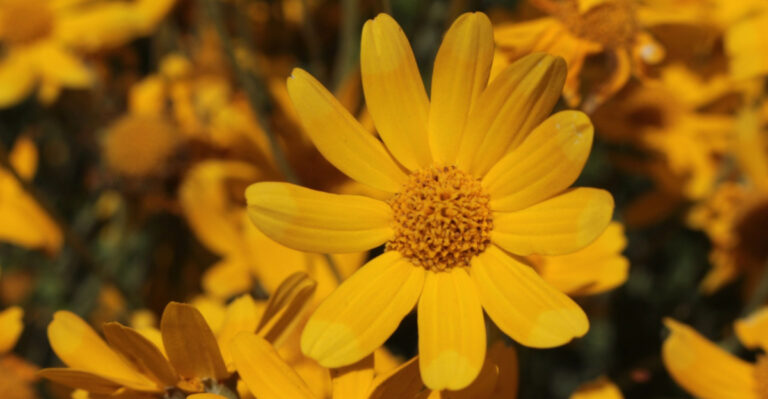
Its yellow daisies are cheerful, but the real surprise sits below the flowers.
This native occurs across broad regions of Oregon, from the coast and Willamette Valley to Central, southern, and eastern parts of the state. It favors full sun, lean soil, low water, and excellent drainage.
Does that make English lavender the wrong choice?
Not at all.
Lavender can thrive in sunny, well-drained Oregon gardens. Oregon sunshine simply brings a different advantage to dry native beds, rock gardens, pollinator patches, and places where extra fertilizer or summer irrigation feels unnecessary.
The comparison has one important limit. Soggy soil can spoil the whole performance.
Give this native the site it actually wants, and that small gray mound can make lavender look surprisingly high-maintenance right beside it.
Meet Oregon Sunshine
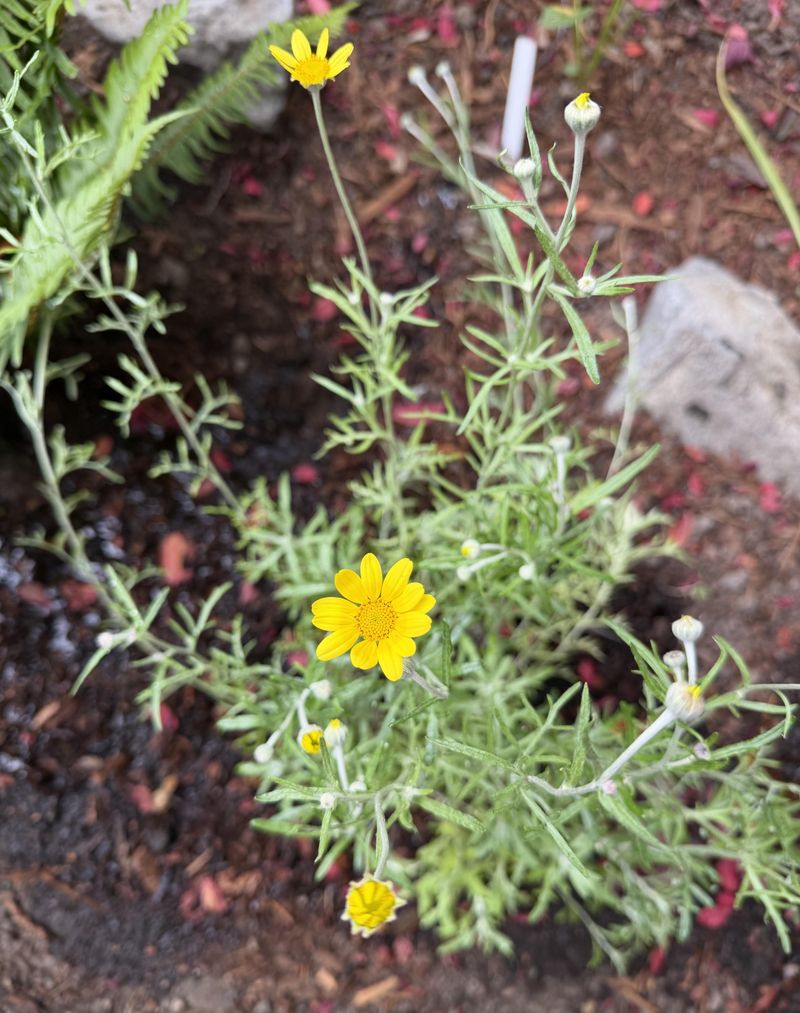
A low gray mound on a rocky Oregon slope tells you more about this plant than a nursery tag ever could.
Oregon sunshine, Eriophyllum lanatum, is a perennial member of the aster family. Its native range reaches from British Columbia through California and east into parts of the interior West.
Within Oregon, documented populations occur across broad regions that include the coast, Willamette Valley, Columbia Gorge, southern Oregon, Central Oregon, and eastern Oregon.
That statewide reach is the strongest reason the lavender comparison deserves attention.
English lavender can perform beautifully in Oregon, and it also likes sun, low water, and good drainage. Oregon sunshine does not automatically beat it in every yard.
The native advantage shows up in dry, open sites that resemble the places this species already occupies naturally.
Expect a mound rather than a formal little hedge.
Plants can stay only a few inches tall or reach close to two feet, based on the form and site. The foliage carries a gray-green, woolly look that remains attractive after the flowers finish.
Use that shape near rocks, low borders, native grasses, or other drought-tolerant perennials.
Do not ask it to impersonate lavender.
Oregon sunshine has its own trick: it already knows the local script, and it performs best without a Mediterranean costume change.
Give It Full Sun And Lean Soil
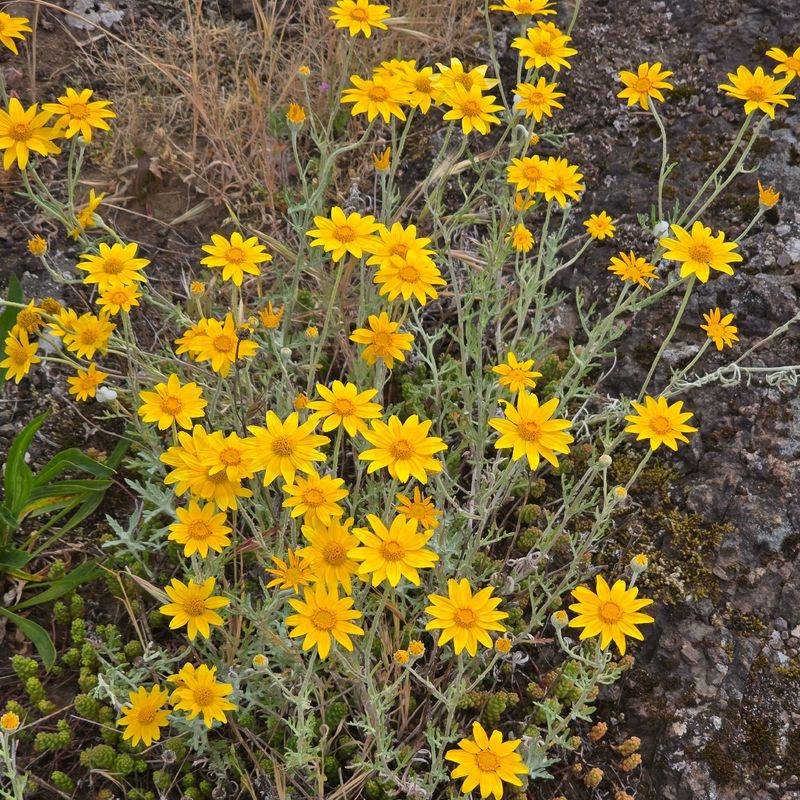
The brightest part of the yard is usually where this native starts to show off.
Give Oregon sunshine full sun. A well-drained site matters just as much, because the species naturally favors dry, sandy places, rocky ground, and fine talus slopes.
Skip the rich flower-bed treatment.
Ordinary garden soil can work, and nutrient-poor soil suits the plant well. A pH near 6.0 to 8.0 fits its documented preference. Heavy fertilizer offers little benefit because established plants need little or no added fertility.
Walk the site before you plant.
Choose the spot that dries first after rain, receives strong sun, and does not collect roof runoff. A slope, rock garden, raised area, or naturally gravelly bed can suit the plant far better than a low pocket that stays wet through winter.
Your Oregon Garden Changes Every Week. Your Plan Should Too.
Gardening in Oregon changes quickly throughout the season. Every Friday you’ll receive a simple weekly plan showing exactly what to plant, prune, fertilize, harvest, and protect so you never miss the right timing.
Lavender shares several of these preferences, so this is not a contest between a desert plant and a swamp plant. Both want sun and drainage.
The difference is familiarity.
Oregon sunshine occupies dry habitats across broad parts of the state, so gardeners can use a native perennial that already fits many Oregon summer-dry landscapes.
Give it the sunny seat and keep the fertilizer scoop bored.
This plant prefers a lean lunch and a very bright table.
Let Gray Foliage Handle Dry Sites
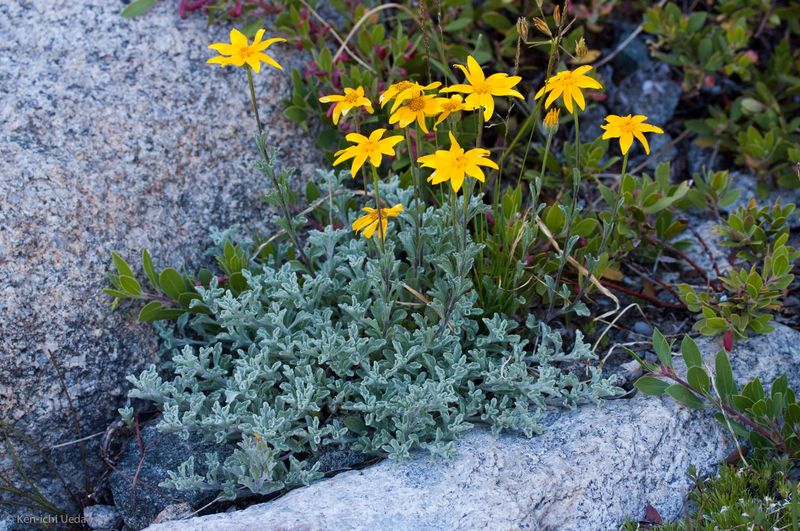
A hose can become almost optional once this plant has a strong root system.
Established Oregon sunshine is very drought tolerant and can need little to no supplemental irrigation in a suitable site. Small amounts of summer water may improve appearance, but routine moisture is not the main path to success.
New plants deserve a different routine.
Provide enough water during establishment to help roots expand into nearby soil. Water-wise native plant recommendations note that establishment can take two to three years for drought-tolerant plants, with extra irrigation reduced gradually as roots mature.
Check the soil before the hose comes out.
A dry surface does not always mean the root zone needs another soak. Let the site drain well between deep drinks, especially once cool, wet weather returns.
This is one place where Oregon sunshine can feel refreshingly simple in a low-water bed.
English lavender is also classified as a low-water perennial, so neither plant deserves a reputation as thirsty.
The native still brings a useful fit for gardeners who want a dryland pollinator patch built around regional flora.
Group it with plants that share similar water needs rather than place it beside perennials that prefer moisture.
Once the roots settle, put the hose on a shorter shift.
Oregon sunshine would rather sip occasionally than host a lawn sprinkler convention.
Use Yellow Blooms For Summer Color
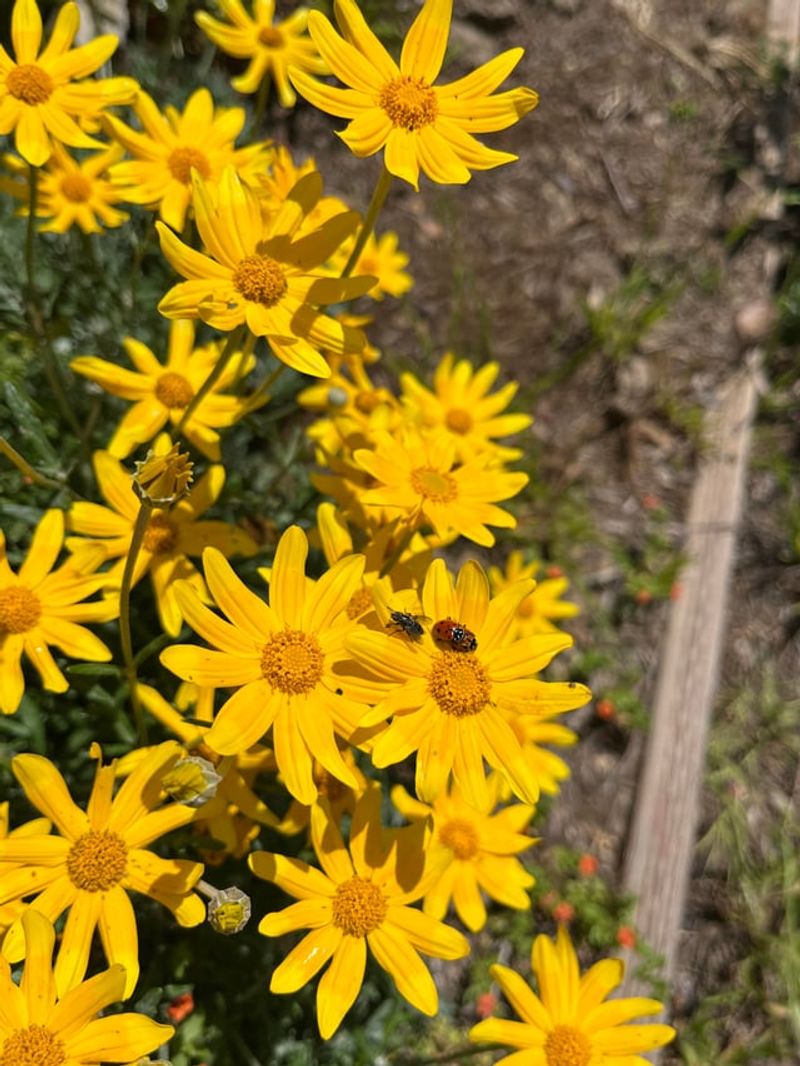
The flowers arrive with plenty of confidence, but they do not last all summer.
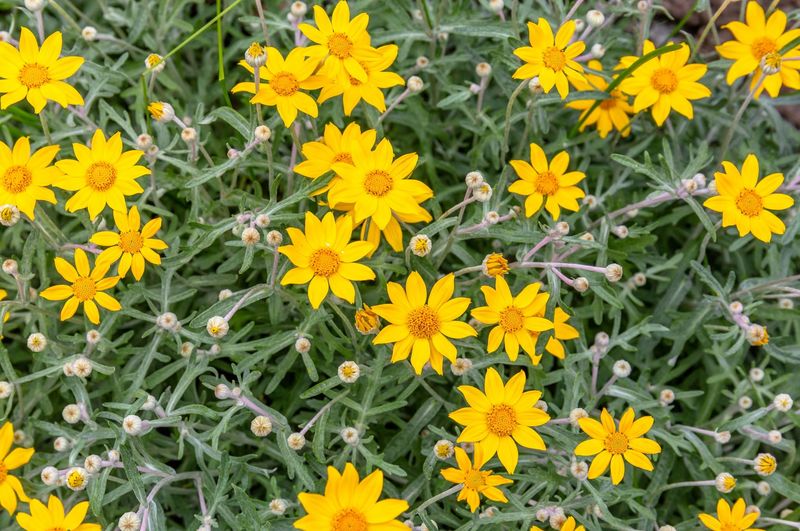
Oregon sunshine produces bright yellow, daisy-like heads mainly in May and June. A strong display commonly lasts about two to three weeks, based on weather. That is shorter than the long bloom claim sometimes attached to this species.
The plant still earns space after the yellow fades.
Dense gray-green foliage forms an attractive mound through the dry season. Narrow leaves carry tiny hairs that create the woolly appearance behind the common name woolly sunflower.
Use the foliage as part of the design rather than treat the plant as a one-act flower show.
Place it beside darker green leaves, native bunchgrasses, stones, or purple-flowered perennials. That contrast keeps the bed lively after peak bloom.
Deadhead after the main flower display for a tidier mound and to limit unwanted seed spread. Oregon sunshine can spread prolifically by seed across open ground.
Leave some heads where volunteers are welcome.
That gives you a choice between a neat border and a looser native patch and still lets the plant keep its own character.
Lavender wins the purple-spike category without argument.
Oregon sunshine answers with gold over silver-gray.
The bloom may be brief, but the foliage refuses to leave the stage after the petals pack up.
Feed Native Bees With Oregon Flowers
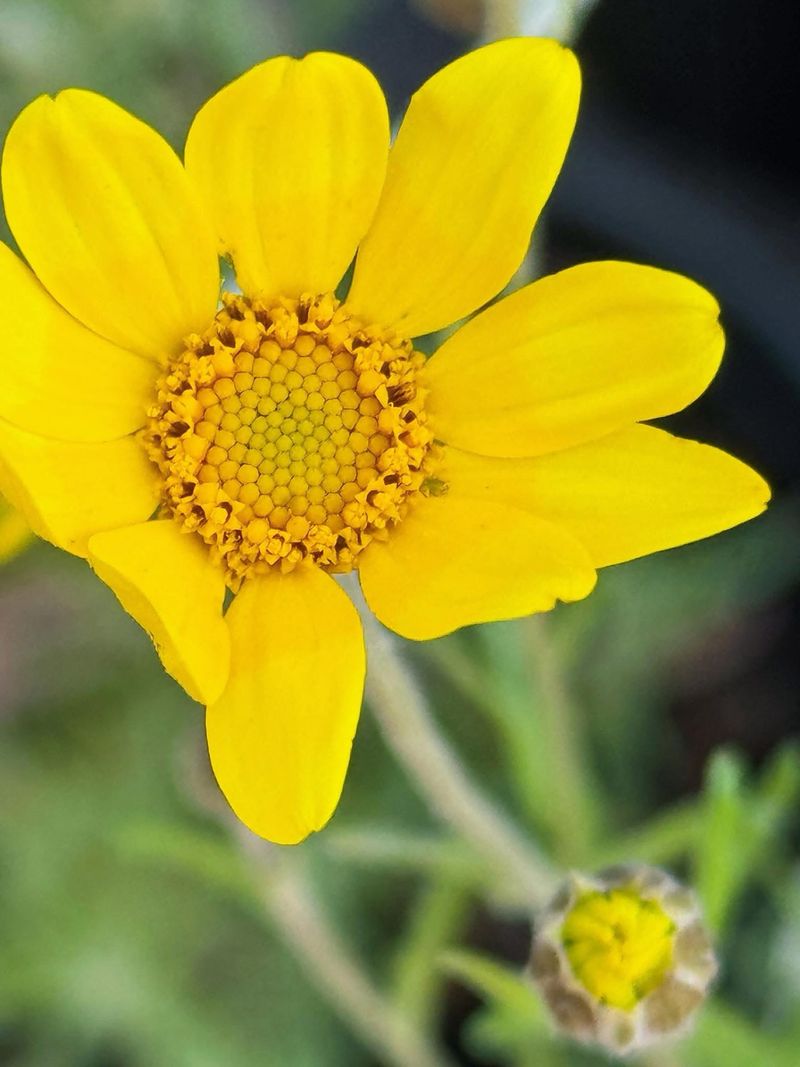
A sunny patch can turn busy fast once those yellow flower heads open.
Oregon sunshine offers pollen and nectar access to a wide range of native bees.
Oregon Bee Atlas records cited by Oregon State University document 20 bee genera on Eriophyllum, and the plant profile highlights the black-tipped miner bee among notable visitors.
That makes the plant much more than a drought-tolerant decoration.
Add several clumps rather than one isolated specimen. A broader patch gives pollinators more flowers to work across during the late-spring and early-summer bloom.
Keep pesticides away from open flowers unless a specific problem truly requires treatment and the label allows use around pollinators.
You can also pair Oregon sunshine with native species that bloom earlier or later. Douglas’ aster, camas, lupines, farewell-to-spring, and other regional plants can help extend floral resources beyond the short yellow burst.
English lavender also attracts bees, butterflies, and other pollinators, so the comparison should not turn lavender into the villain.
The native advantage is ecological familiarity.
Oregon sunshine belongs to the regional flora and serves insects that already use those flowers in Oregon landscapes.
Give the bees a patch they recognize.
They may not leave a review, but 20 documented genera is a fairly persuasive customer list.
Plant It Across Diverse Oregon Regions
Oregon changes dramatically from one side of the Cascades to the other, and this plant still turns up.
Its documented native distribution spans the Oregon Coast, Willamette Valley, Columbia Gorge, southern Oregon, Central Oregon, and eastern Oregon. In the interior West, the species occurs from sagebrush flats to forests and exposed high-elevation ridges.
That does not mean every Oregon yard suits it.
Use habitat as the better guide.
Central Oregon gardeners can place it in sunny, dry sites, where local landscape recommendations list Oregon sunshine for sun and dry soil.
Western Oregon gardeners need to pay especially close attention to winter drainage. The region has cool, wet winters and warm, dry summers, so a sunny bed can look perfect in July yet hold far too much water in January.
Coastal gardeners should choose an open, well-drained location rather than assume a native coastal presence guarantees success in every foggy or saturated bed.
Eastern and southern Oregon sites can offer abundant sun, but establishment water still matters during the first seasons.
Walk your own yard before the nursery trip.
Find the dry pocket, not merely the Oregon ZIP code.
That is the useful point behind “across the state.”
The plant has broad regional credentials, but it still wants the right seat for the local show.