What Happens If You Prune Oregon Lavender Too Late In The Season
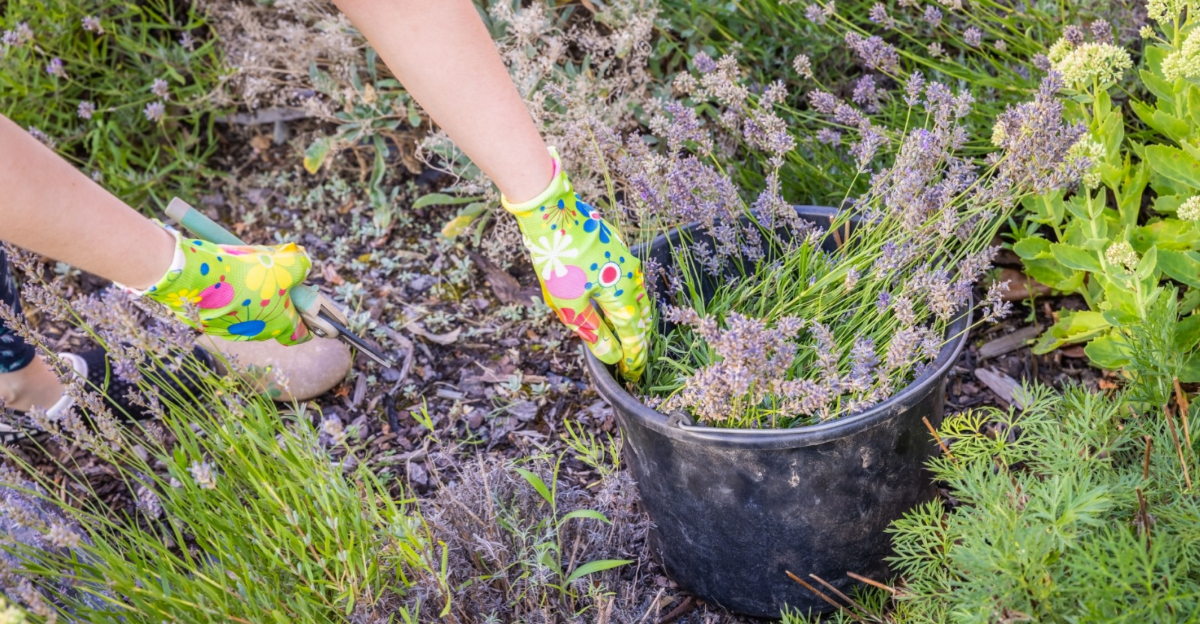
Lavender is one of those plants that looks effortlessly low maintenance right up until you prune it at the wrong time and spend the next season wondering why it looks so woody and sparse.
Timing really does matter with lavender, and in Oregon the window for getting it right is more specific than most gardeners expect.
Cut too late in the season and you risk removing next year’s blooms before they even get started.
Push structural pruning too close to Oregon’s wet winter months and you expose fresh cuts to exactly the kind of damp, cold conditions lavender finds deeply unpleasant.
There is also an important difference between light cleanup after blooming and genuine structural pruning, and mixing those two tasks up is one of the most common lavender mistakes gardeners make.
1. The Correct Lavender Pruning Time Is In Spring
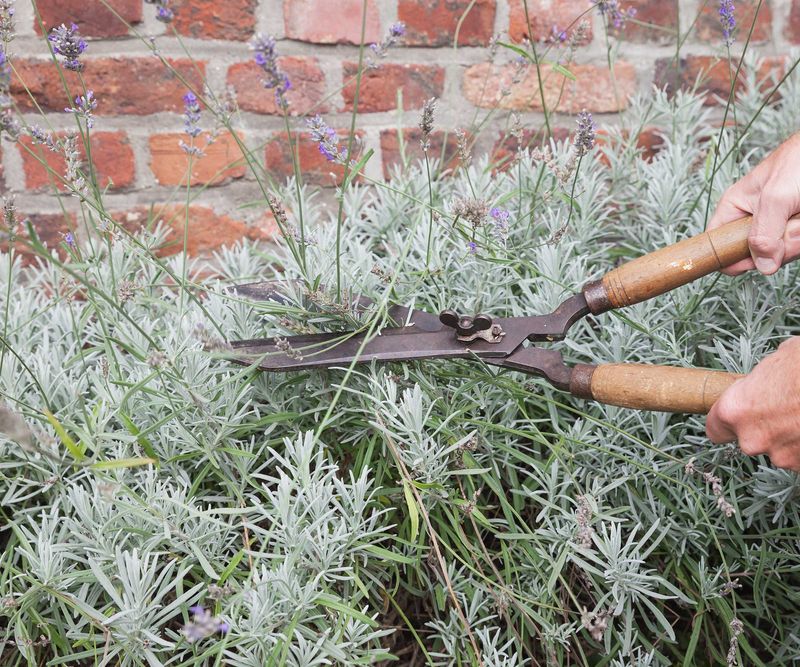
Woody lavender stems can be tricky to read, especially when the plant looks scraggly after a long Oregon winter. Spring pruning works well because new green growth shows you exactly where the plant is actively pushing out fresh shoots.
Cutting just above that new growth helps you avoid removing healthy material or cutting too deep into old wood.
Established lavender tends to respond better to spring shaping than to cuts made later in the year. Once frost risk eases and you can see green growth emerging from the lower stems, that is a reliable signal that the plant is ready.
Waiting for that visual cue takes the guesswork out of timing.
Pruning at this stage also gives the plant a full growing season to recover, fill in, and set up flower buds for summer. Oregon’s spring weather can still be unpredictable, so watching the plant rather than the calendar is often the smarter approach.
A light to moderate cut at the right moment sets the plant up far better than a hard cut made at the wrong time of year.
2. Summer Cuts Can Remove Blooms In Progress
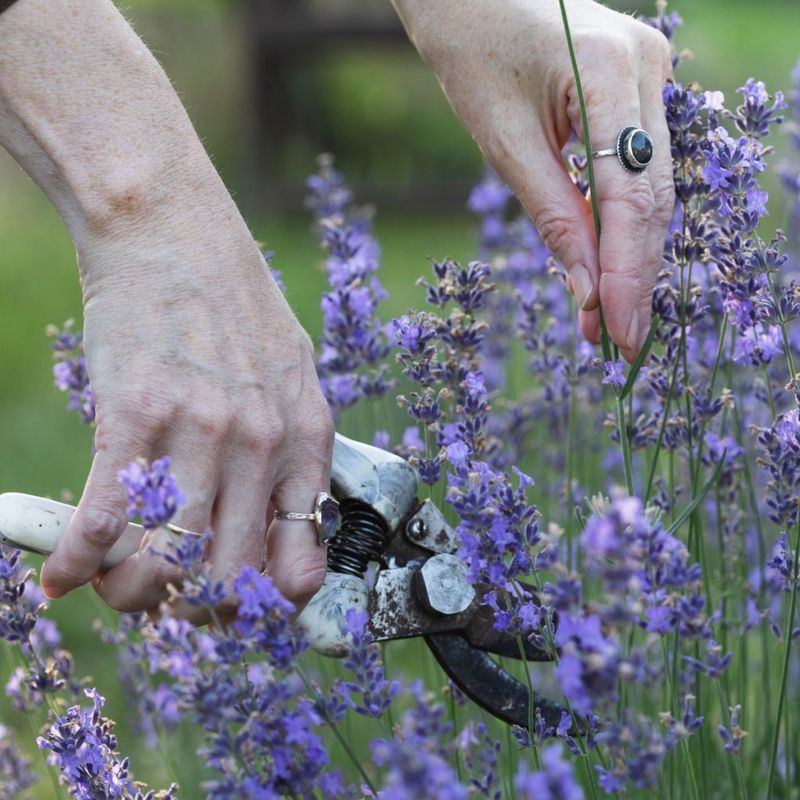
Walking through an Oregon herb garden in July and seeing lavender in full purple bloom is one of summer’s better rewards.
Heavy pruning during that window can cut away flower stems that are still developing or just opening, which means losing the very blooms you waited all season to enjoy.
Timing a hard structural cut during active bloom is not the same as a quick pass with scissors to remove faded flower heads.
Light deadheading, which means snipping off spent flower spikes after they fade, encourages a tidy look and may support a second flush of blooms in some varieties. Hard structural pruning is a different task entirely and carries more risk when done mid-season.
Removing too much at once during the growing season can stress the plant and interrupt its natural rhythm.
Oregon summers are relatively short compared to warmer climates, so lavender bloom windows matter. Cutting heavily while the plant is actively flowering shortens the display without giving the plant enough time to recover before fall arrives.
Your Oregon Garden Changes Every Week. Your Plan Should Too.
Gardening in Oregon changes quickly throughout the season. Every Friday you’ll receive a simple weekly plan showing exactly what to plant, prune, fertilize, harvest, and protect so you never miss the right timing.
Saving structural cuts for spring and limiting summer work to light deadheading is a practical approach that most home gardeners find works well over time.
3. Late Pruning Removes Too Much Protective Growth
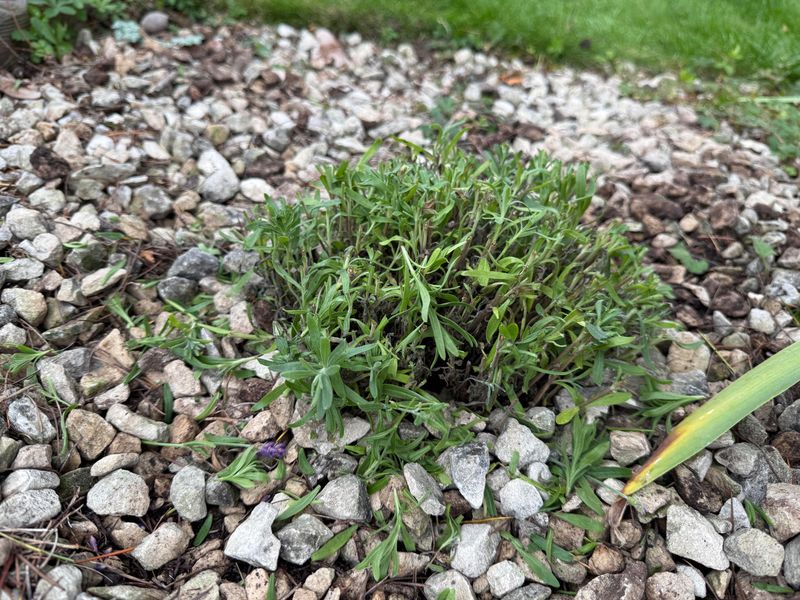
By late summer, lavender has built up a full season of foliage that acts as a buffer heading into the cooler, wetter months. Cutting heavily at that point strips away some of that protection right before Oregon’s rainy season begins.
The plant goes into fall and winter in a more exposed state than it would be if pruning had been held off until spring.
Lavender is naturally adapted to warm, sunny, well-drained conditions. In western Oregon especially, where fall and winter bring persistent rain and gray skies, the plant can already face some stress just from the moisture alone.
Removing a significant portion of its foliage late in the season adds to that stress without giving the plant time to recover before cold weather settles in.
Gardeners in colder inland areas face an even narrower window, since temperatures can drop faster and harder than along the coast. Leaving more growth intact through fall gives the plant a better chance of coming through winter without significant damage or loss.
A plant that enters the wet season with its foliage reasonably intact tends to look better in spring and requires less corrective work when pruning time finally arrives.
4. New Growth Starts At The Wrong Time
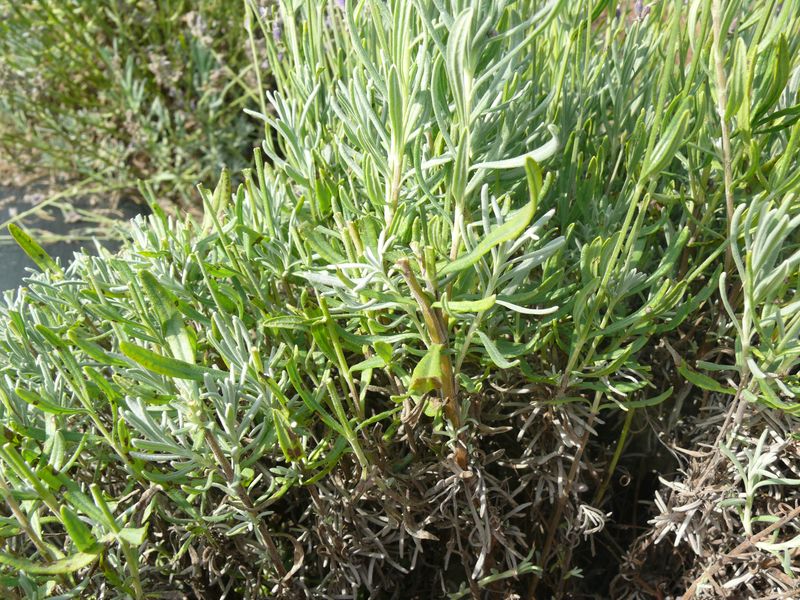
Pruning sends a signal to most plants, and lavender is no different. A hard cut in late summer or early fall can trigger the plant to push out new tender growth in response, even as the season is winding down.
That soft new growth is not well-suited to handle what Oregon’s fall and winter can bring.
Young, tender shoots that emerge after a late-season cut have not had time to harden off. Hardening off is the process where plant tissue gradually toughens up and becomes more resistant to cold and wet conditions.
Growth that skips that process can be more vulnerable when temperatures drop or when persistent rain settles in across western Oregon.
The timing mismatch is the core problem here. The plant responds to pruning by growing, but the season is moving in the opposite direction.
Instead of slowing down and conserving energy as it naturally would, the plant spends resources on new shoots that may not survive the winter well.
Waiting until spring to prune means any new growth triggered by the cuts emerges into warming temperatures and longer days, which is a much more favorable environment for recovery and healthy development.
5. Fresh Cuts Face Wet Oregon Winter Weather
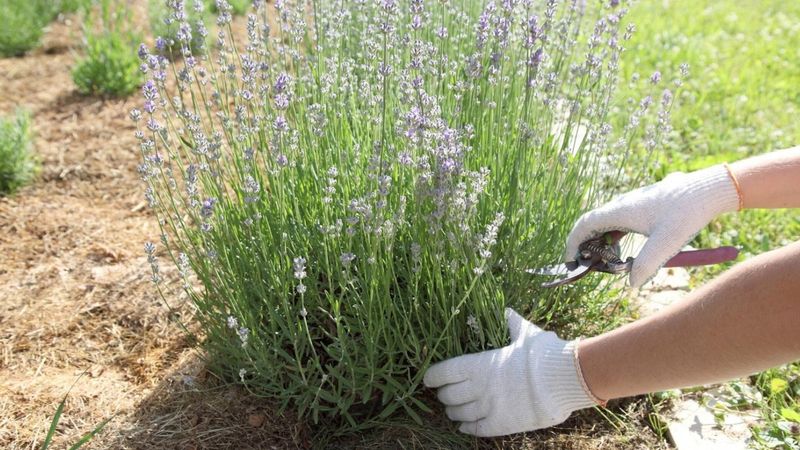
Open pruning cuts on a lavender plant are not the same as a sealed wound on a tree. The exposed stem tissue after cutting is relatively vulnerable, and wet conditions can add stress, particularly where airflow around the plant is limited.
Oregon’s wet season, which can stretch from October through well into spring in many parts of the state, creates exactly those conditions.
Lavender planted in raised beds or on sunny slopes with good drainage tends to handle Oregon winters better than plants sitting in heavier, moisture-retaining soil.
When a plant has also been cut back heavily right before the rains arrive, the combination of poor drainage and fresh cuts can create more problems than either factor would alone.
Site conditions matter a lot when thinking about late-season pruning risk.
Gardeners with lavender in containers have a bit more flexibility since pots can sometimes be moved to a drier spot or under an overhang during the worst of the winter weather. In-ground plants in western Oregon do not have that option.
Keeping pruning cuts to spring, when the wet season is winding down and the plant is actively growing, reduces the amount of time fresh cuts spend exposed to rain and saturated soil.
6. Old Wood May Not Fill Back In
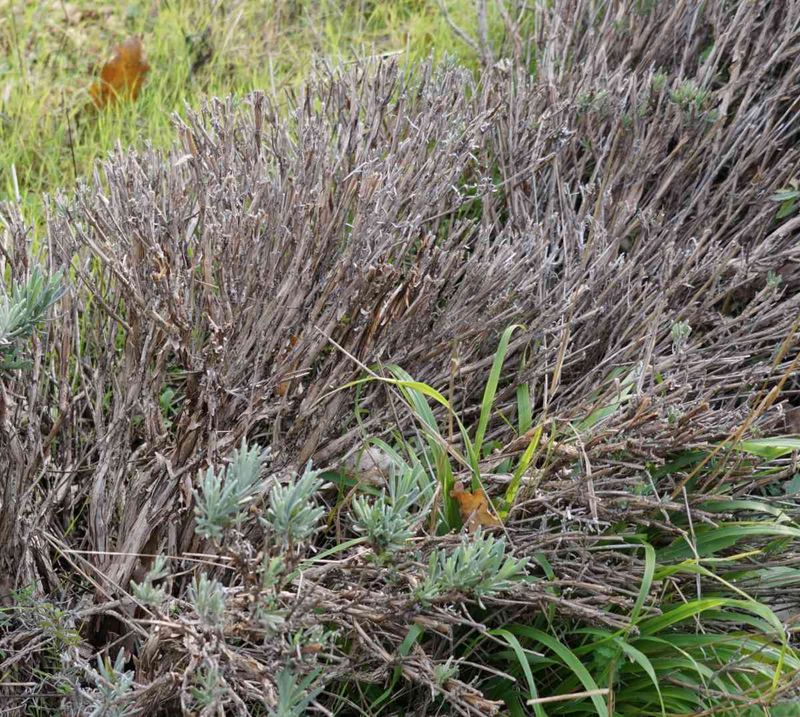
One of the trickier things about lavender is that it does not reliably regrow from bare, old woody stems the way some other shrubs do.
If a late-season cut goes too deep into the older wood below the green growth zone, that section of the plant may simply stay bare rather than pushing out new shoots.
Over time, those bare gaps can make the plant look open and uneven.
This is one of the reasons that pruning guides consistently recommend cutting above green growth rather than into the brown woody base. When you prune in spring and can see where the plant is actively growing, it is much easier to stay within the safe zone.
A late-season cut made when the plant is less visually active makes it harder to judge where the green growth ends and the old wood begins.
In Oregon gardens where lavender has been growing for several years, the woody base can become quite substantial. Plants that receive regular, timely pruning tend to stay more compact and productive.
Those that are cut hard and late, especially into old wood, may develop permanent gaps or a lopsided shape that is difficult to correct without replacing the plant entirely.
7. Unpruned Lavender Can Split Open Over Time
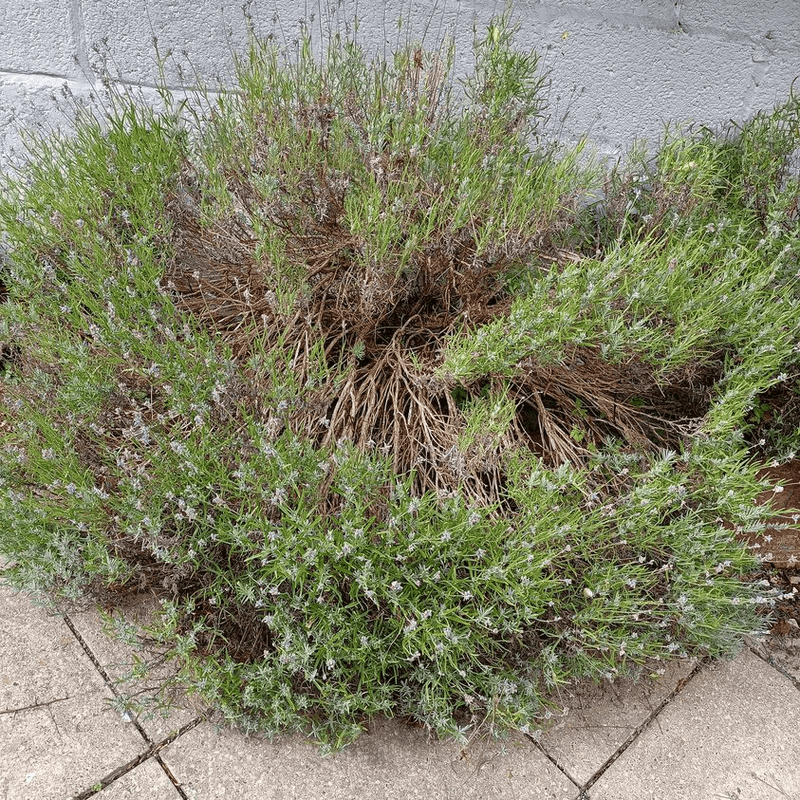
A lavender shrub that has gone several seasons without any pruning tends to develop a distinctive look over time.
The center of the plant becomes woody and open, the outer branches splay outward, and the whole shrub can take on a sprawling, split appearance that is hard to fix without taking some risk.
Skipping pruning is not a neutral choice when it comes to lavender.
The instinct when a plant looks like that is to cut it back hard, hoping it will fill in and tighten up. For some shrubs, that approach works well.
For lavender, hard pruning into old wood is not a reliable fix, and doing it late in the season adds another layer of risk on top of an already uncertain outcome.
The plant may respond, or it may not, depending on variety, age, and site conditions in your specific Oregon garden.
Regular, moderate pruning each spring is the more practical way to avoid reaching that point. Keeping the plant shaped and reasonably compact while it is still young and manageable means you are working with the plant rather than trying to rescue it.
A lavender shrub maintained with consistent spring pruning in an Oregon pollinator border or front-yard planting tends to look better and last longer than one that is ignored and then cut hard.
8. Wet Winters Make Late Pruning Riskier
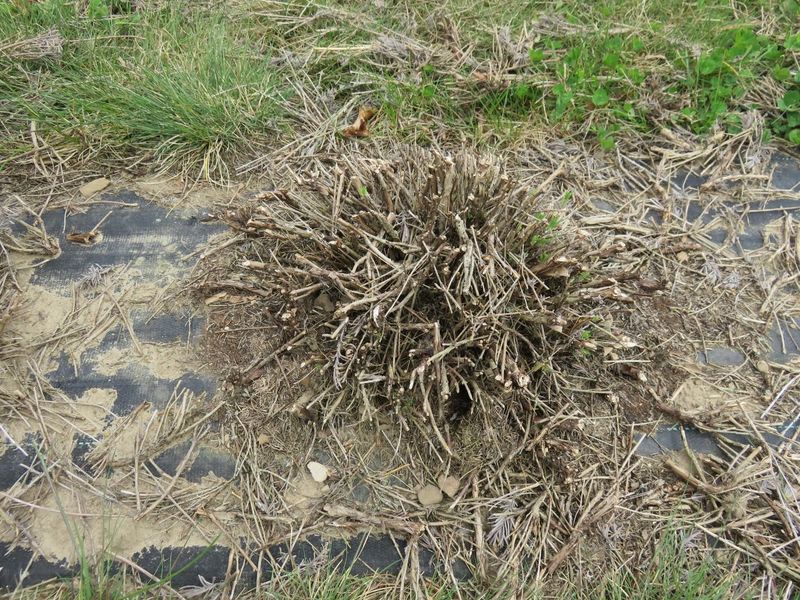
Oregon’s reputation for wet winters is well-earned, particularly in the western valleys where rain can be nearly constant from November through March.
Lavender is a Mediterranean plant at heart, and it thrives in conditions that are essentially the opposite of what an Oregon winter delivers.
That contrast is manageable for a healthy, established plant with good drainage and intact foliage, but it becomes more complicated after a heavy late-season pruning.
Saturated soil, low light, and persistent cold rain are not ideal conditions for a plant that was just cut back. The combination can slow recovery, limit airflow around the remaining stems, and make the plant work harder just to get through the season.
Varieties that are more cold-tolerant or better suited to Pacific Northwest conditions may handle this better than others, but even those plants benefit from going into winter with their foliage reasonably intact.
Raised beds and sloped plantings in Oregon home landscapes tend to drain faster and stay drier at the root zone, which gives lavender a better chance through the wet months.
If your lavender is in a spot with slower drainage, late pruning is an even higher-stakes decision.
Keeping structural cuts in spring, when conditions are improving rather than worsening, is a straightforward way to reduce that risk.
9. Poor Timing Can Reduce Next Season’s Flowers
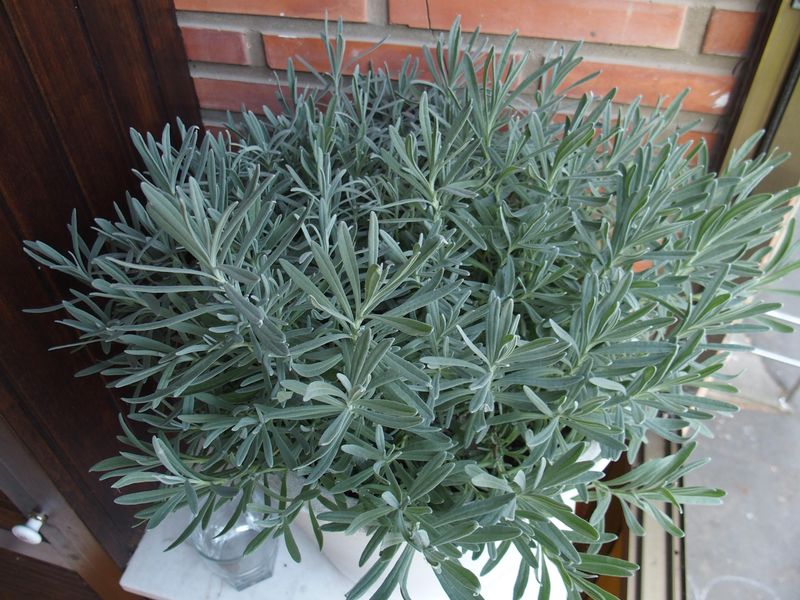
Bloom production in lavender is connected to how the plant was treated the season before. Lavender sets up the structures that will become next year’s flower spikes during the growing season, and pruning at the wrong time can interfere with that process.
A late cut that removes developing stem tips or stresses the plant heading into winter may show up as fewer flowers the following summer.
That said, one late pruning does not automatically ruin a plant or guarantee a flowerless season. Plant response depends on variety, how hard the cut was, the age of the plant, site drainage, sun exposure, and how the Oregon winter plays out.
Some plants bounce back more readily than others, and younger, more vigorous plants may recover faster than older ones.
What late pruning can do is shift the odds in the wrong direction.
A plant that goes into winter stressed, freshly cut, and pushing tender new growth is starting the next season from a weaker position than a plant that was pruned in spring and had a full summer to recover and develop.
For Oregon gardeners who grow lavender for its summer flower display in herb gardens, pollinator borders, or front-yard plantings, protecting that bloom potential is a good reason to pay close attention to pruning timing.