The 10 Smart Tricks Ohio Gardeners Should Use To Prevent Weeds In August
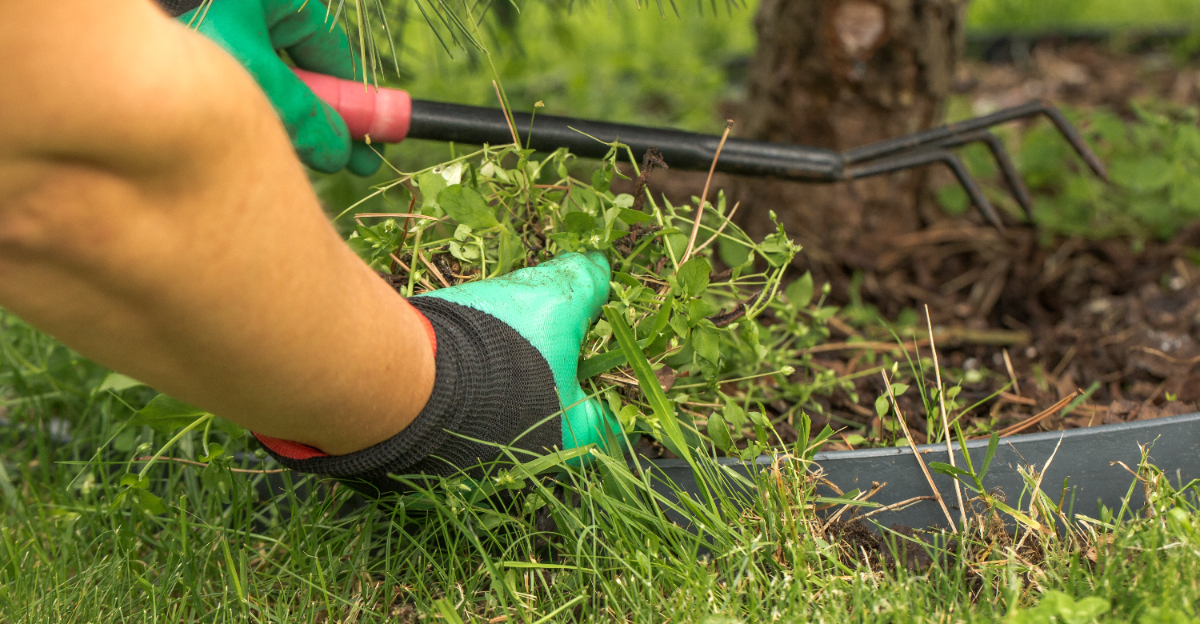
August weeds in Ohio do not wait for an invitation. They move into every bare patch, every thin edge, every gap that opened up when a summer annual finished and left space behind.
By the time they are visible, they are already established enough to make removal feel like a full weekend project. Prevention is different from removal.
August has a specific window when the right moves can shape what garden beds look like in September and October. The tricks that work are not complicated.
Several take under ten minutes. A few require nothing more than a change in habit that costs no money and produces results that show up within weeks.
Ohio beds that stay clean through late summer are not luckier than the ones that struggle. They are managed differently during a window that most people let pass without acting on it.
1. Cover Bare Soil Before August Weeds Arrive
A bare patch left after beans come out is basically a welcome mat for weed seeds. Weed seeds need light and open soil to germinate, and an uncovered bed gives them exactly that.
OSU Extension weed guidance notes that reducing bare soil is one of the most effective long-term ways to reduce weed pressure in home gardens.
Covering empty spaces quickly after harvest can make a real difference. Spreading two to three inches of mulch over a cleared bed blocks light from reaching the soil surface and slows germination of many common weed seeds.
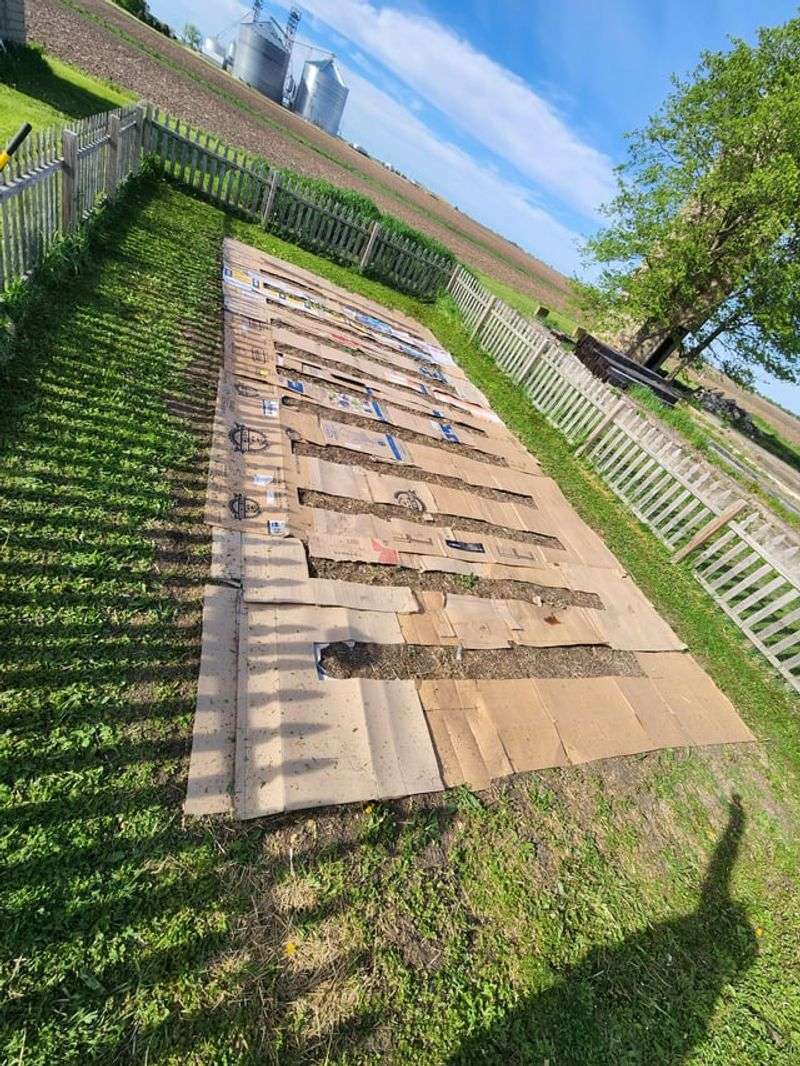
Cardboard placed under mulch on path edges or empty borders adds another layer of light-blocking protection where plants are not growing.
Fall crops and cover crops are another option worth considering. Sowing a fast-growing cover crop like buckwheat or oats in a cleared bed fills the space with plant canopy before weeds can claim it.
Vegetable beds, flower borders, and path edges all need attention in August. No single method stops every weed, but keeping soil covered consistently can reduce how many weeds establish and how much seed gets added to your soil over time.
2. Pull Tiny Weeds Before They Set Seed
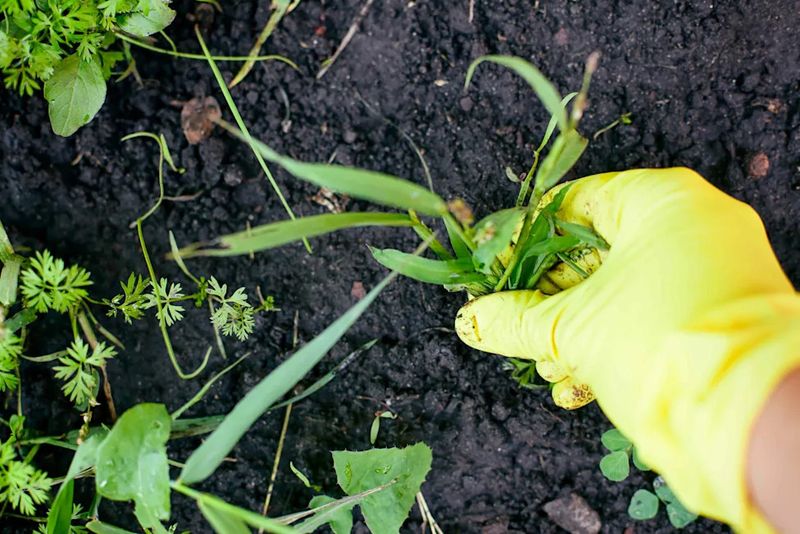
A tiny pigweed seedling looks harmless. Two weeks later, it can be knee-high and loaded with seed.
Pulling weeds when they are small is one of the most practical habits any Ohio gardener can build. In August, it matters because late-summer weeds are racing to reproduce before frost.
Small weeds pull out much more easily than large ones, especially right after rain or irrigation when the soil is softer. Getting the root out along with the top growth gives better results, since some weeds can regrow from root fragments left in the ground.
University extension sources recommend checking fast-growing weeds like purslane and lamb’s quarters every few days. In warm weather, they can go from seedling to seed head surprisingly quickly.
Preventing seed production is the real goal here. Each plant that sets seed adds to what weed scientists call the soil seed bank, a reserve of dormant seeds waiting for the right conditions to sprout.
Your Ohio Garden Changes Every Week. Your Plan Should Too.
Gardening in Ohio changes quickly throughout the season. Every Friday you’ll receive a simple weekly plan showing exactly what to plant, prune, fertilize, harvest, and protect so you never miss the right timing.
One weeding session will not empty that bank, but stopping plants before they flower can meaningfully reduce how many new seeds get added. Small, frequent effort pays off more than one big weeding marathon late in the season.
3. Refresh Mulch Without Smothering Plant Stems
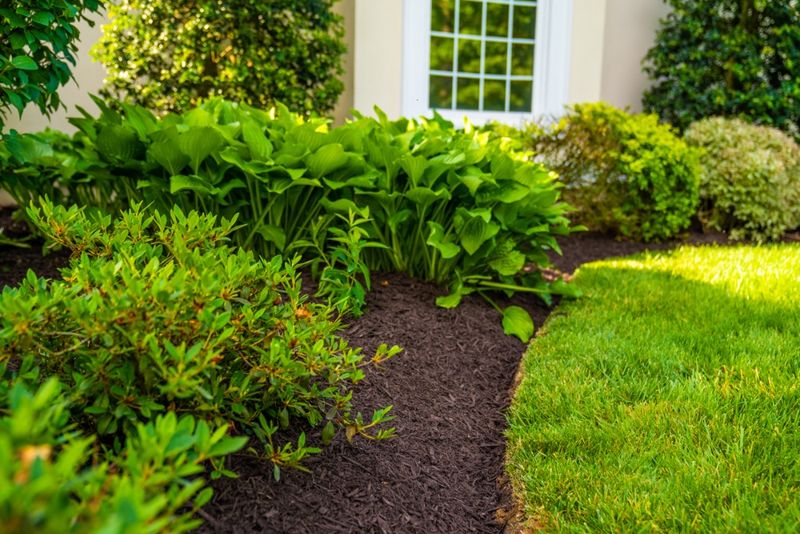
Faded mulch around tomatoes is one of those things that sneaks up on you. What started as a solid two-inch layer in June can thin out, decompose, and shift by August, leaving patches of bare soil where weeds quickly move in.
Refreshing that mulch layer before it disappears completely is much easier than dealing with a full crop of new weeds.
Mulch can reduce weed germination, conserve soil moisture, and help cool the soil surface when applied correctly.
Vegetable gardening guidance recommends keeping mulch about two to three inches deep in beds, while making sure it stays a few inches away from plant stems and crowns.
Piling mulch directly against stems can trap moisture and create conditions that encourage rot and disease.
Thick, wet mulch piles cause their own problems, so the goal is an even, breathable layer rather than a heavy mound. Straw, shredded leaves, and wood chips all work well depending on the bed type.
Ornamental beds and vegetable beds may call for different materials, so matching the mulch to the planting makes sense. Disturbed or thinning mulch lets weed seeds reach the soil surface and find the light they need.
Staying ahead of it through August can help prevent a late-season weed surge.
4. Water Crops Deeply Without Watering Weed Paths
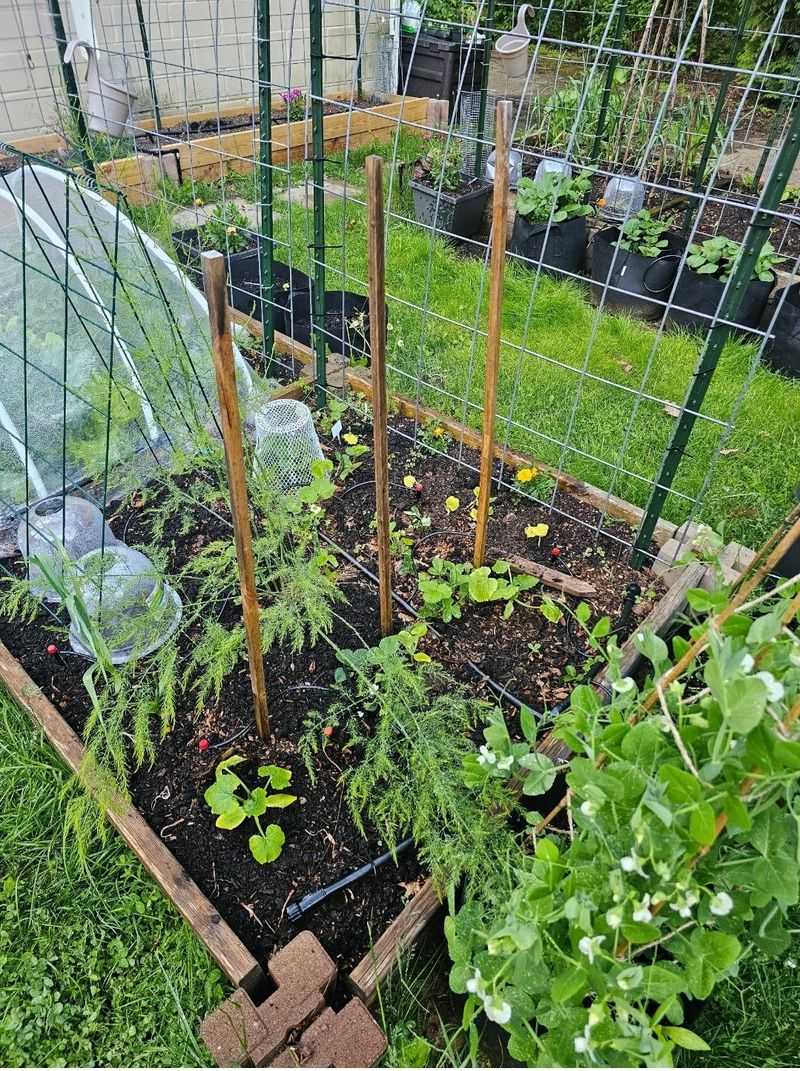
Water is essential for your crops, but it does not have to be a gift to every weed in the garden. Broad sprinkler watering that soaks paths, open soil, and bed edges can encourage weed germination in spots you are not even trying to grow anything.
Redirecting moisture toward the plants you actually want is a straightforward way to reduce weed-friendly conditions.
Drip irrigation and soaker hoses deliver water directly to the root zone of your crops. Horticulture experts advise that this approach supports plants more efficiently.
It also keeps surrounding soil drier, which can slow weed germination in uncovered areas between plants. A watering can used carefully near the base of each plant works well in smaller beds where drip lines are not practical.
Deep, less frequent watering tends to support desired plants better than shallow daily sprinkling. Deep watering encourages roots to grow downward, which makes plants more resilient during dry spells.
Water alone does not cause weeds, but applying it broadly across bare paths and open spaces does create conditions where weed seeds can sprout more easily.
Keeping moisture focused on your crops rather than on weed-prone gaps is a simple adjustment that can make a noticeable difference through the rest of the summer.
5. Hoe Shallowly Before Roots Take Hold
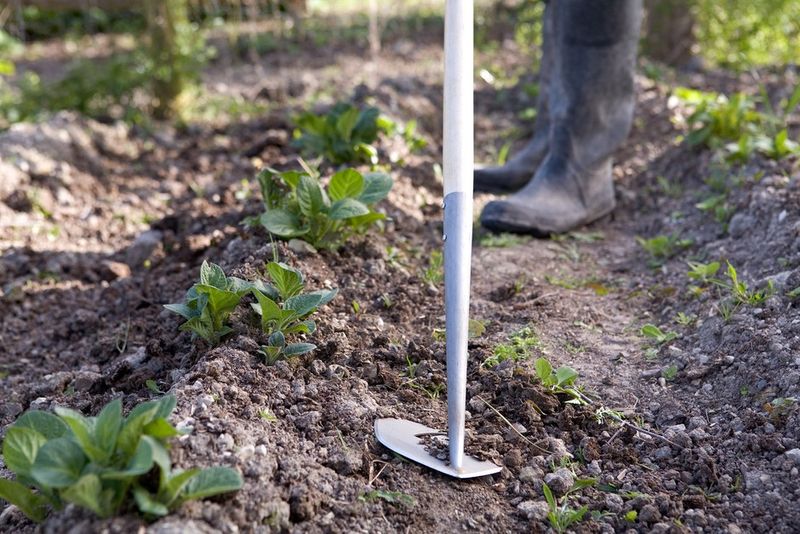
A shallow hoe stroke right below the soil surface can wipe out dozens of tiny weed seedlings in seconds. The trick is timing.
Hoeing works best when weeds are still very small, before roots have anchored deeply and before any flower or seed structure has formed. Waiting too long turns a five-minute job into an exhausting dig.
Weed science resources explain that shallow cultivation is more effective than deep digging. Turning soil deeply can bring buried weed seeds to the surface, where light triggers germination.
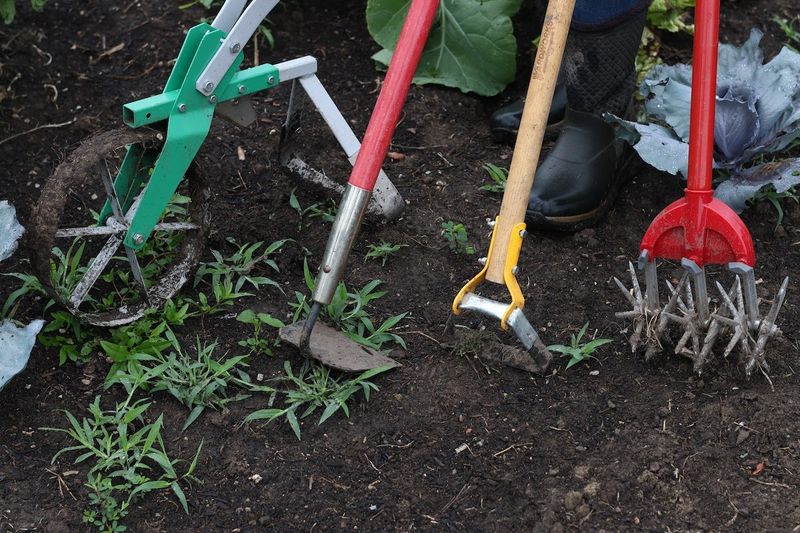
Skimming just an inch or so below the surface cuts seedling roots without disturbing the deeper seed bank. Stirrup hoes and collinear hoes are popular choices for this kind of precise, shallow work between vegetable rows.
Avoid hoeing when soil is very wet, since wet soil can compact and clump around tool edges, making the work harder and potentially damaging crop roots.
Working carefully around shallow-rooted crops like lettuce, onions, or newly transplanted seedlings is also important.
Repeated shallow hoeing through August, even just a few minutes every few days, can stop many small seedlings before they become established plants.
The goal is not to dig the garden up but to disturb only the very top layer where new seedlings are trying to take root.
6. Trim Weedy Flowers Before Seeds Scatter
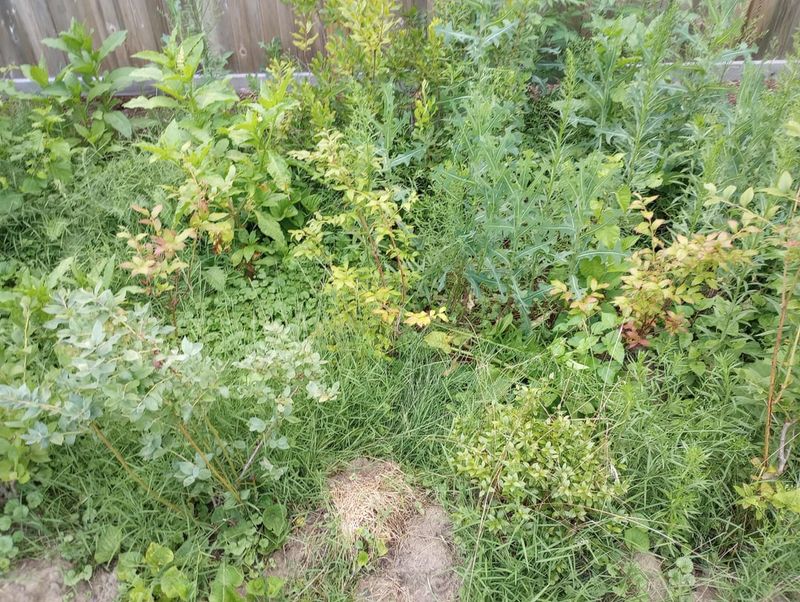
By August, some weeds are already flowering along fence lines, compost edges, and the corners of beds that did not get much attention through the summer. Each seed head that matures and drops adds hundreds or even thousands of seeds to the soil.
Cutting those seed heads before they dry out and scatter is one of the most direct ways to reduce next year’s weed pressure.
Landscape-bed guidance in Ohio warns that common late-summer weeds can produce enormous quantities of seed if left unchecked. These include lamb’s quarters, common ragweed, and giant foxtail.
Bagging the cut material is better than leaving it on the ground when seed heads are already partly formed. Seeds can continue maturing even after the stem is cut.
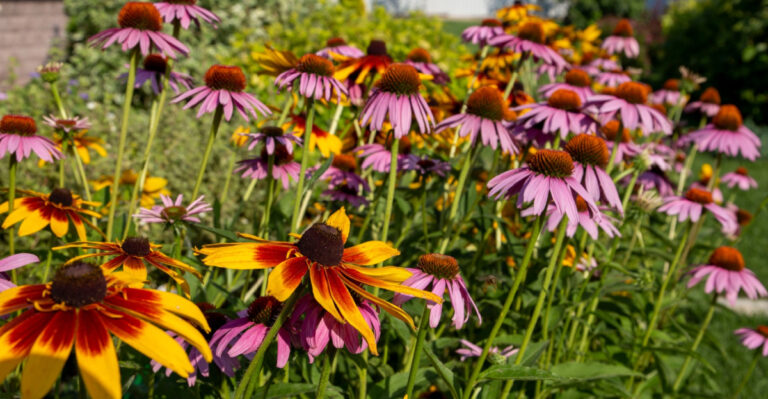
Not every seed head in the garden needs to go. Some plants, like coneflowers and black-eyed Susans, produce seed heads that birds rely on through fall and winter.
The distinction worth making is between wanted self-seeders and plants you never intended to grow. Unwanted spreaders and invasive plants need to be cut before seed matures.
Keeping an eye on pollinator beds, compost edges, and shaded corners where weeds tend to hide can help you catch seed heads before they turn into next summer’s problem.
7. Fill Empty Spaces With Fall Crops Or Cover
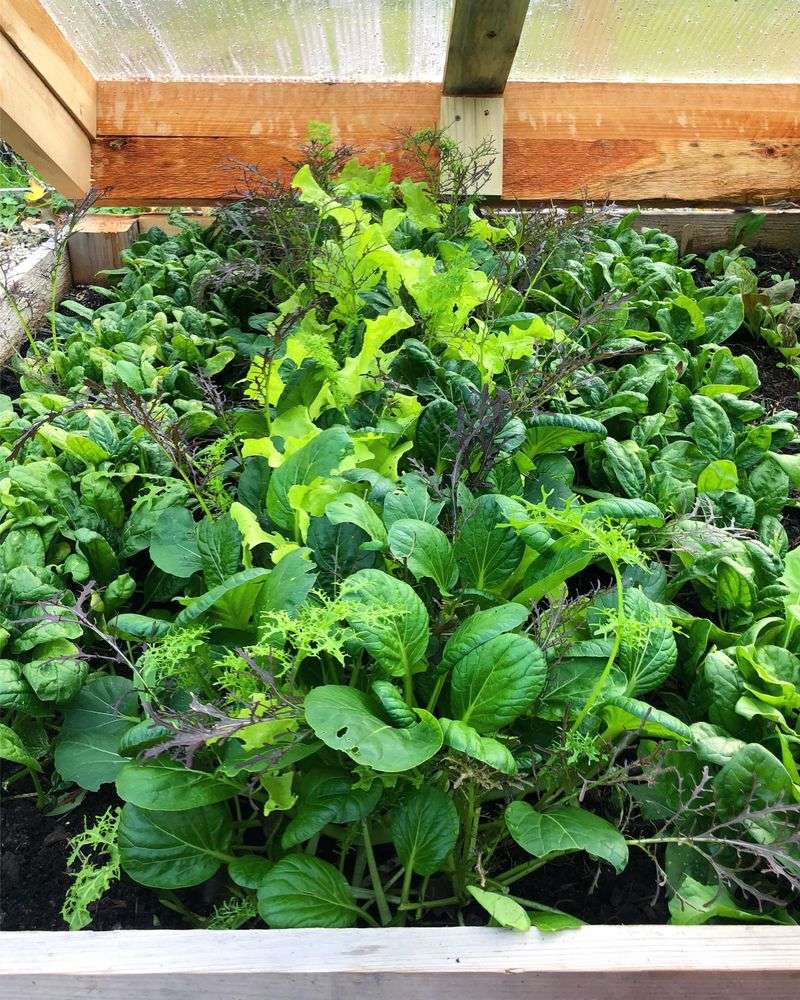
Pull out a spent summer crop and you immediately have a decision to make. Leave that bed empty and weeds will likely fill it within a week or two.
Plant something useful and the soil stays covered, productive, and far less welcoming to weed seeds looking for an open spot.
Fall vegetables like kale, spinach, arugula, turnips, and radishes can be direct-seeded or transplanted into cleared beds through August in many parts of the state.
Timing depends on your region, your first expected frost date, and the days-to-maturity listed on the seed packet.
Northern Ohio generally has earlier first frosts than southern Ohio. Checking local frost dates before planting helps avoid losing a crop to an early cold snap.
Cover crops are another solid option where a food crop does not fit the timeline. Oats, buckwheat, and annual ryegrass are commonly used in late summer because they establish quickly and create a canopy that shades out weed seeds.
Vegetable gardening guidance suggests that even a temporary mulch layer works better than bare soil if a cover crop or fall vegetable is not practical. The goal is simply to keep that open soil covered so weeds do not get a free run at it before winter arrives.
8. Keep Garden Paths From Turning Into Seed Banks
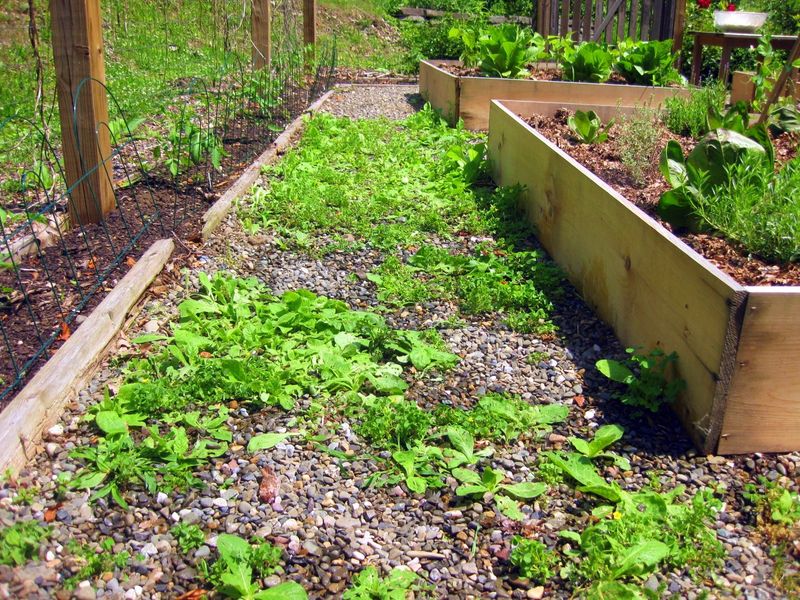
Paths are easy to walk past and easy to ignore, which is exactly why they so often become weed nurseries by late summer. Crabgrass on a gravel path, foxtail at the edge of a mulched walkway, or purslane on a dry soil path can all drop seed into nearby beds.
That happens if they are left alone long enough.
Keeping paths mowed, trimmed, or mulched through August makes a real difference. Landscape-bed guidance recommends pulling or trimming path weeds before they set seed.
Path weeds can creep into beds or scatter seeds with wind, foot traffic, or rain splash. Mulching paths with wood chips or gravel can reduce weed germination in the path itself, though some weeds will still push through over time.
Landscape fabric can be useful under path mulch when installed and maintained properly.
Neglected fabric that shifts, tears, or gets covered in soil often makes weeding harder.Keeping bed edges clearly defined with a sharp edger or spade also reduces the zone where path weeds can spread into cultivated soil.
A few minutes of path maintenance each week through August can prevent a lot of seed from reaching your beds before the season ends.
9. Use Pre Emergent Products Only Where They Fit
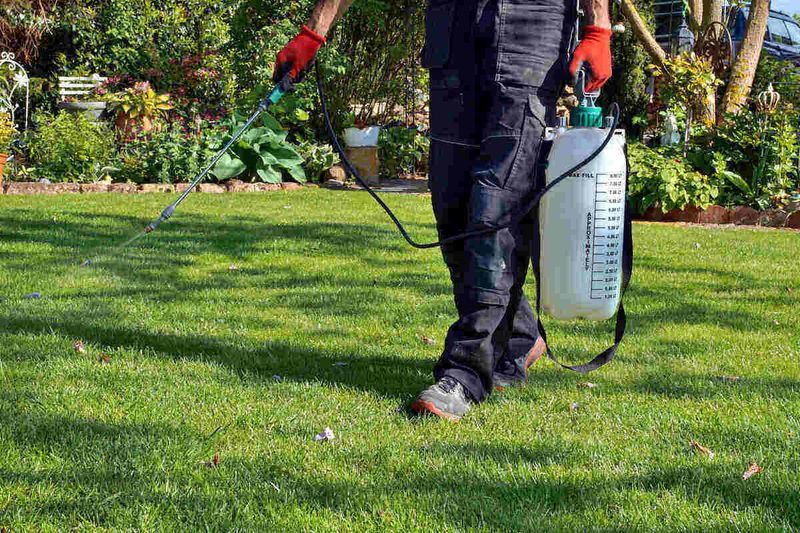
Pre-emergent herbicides work by preventing certain weed seeds from germinating successfully. They do not destroy weeds that are already growing, and they are not a fix for an existing weed problem.
Understanding what these products actually do, and where they fit, helps Ohio gardeners use them safely and realistically.
Reading the label thoroughly before applying any pre-emergent product is essential. Labels specify which weeds the product is registered to suppress, which plants it is safe to use around, and how to apply it correctly.
OSU Extension weed guidance emphasizes caution with pre-emergent products near desired plants or areas where seeds will be sown. If the label is not followed carefully, they can damage germinating crops or ornamentals.
Vegetable gardens generally require extra caution with pre-emergent herbicides because many products are not labeled for use around food crops. Ornamental beds and established lawns are more common settings where these products are used.
Disturbing the soil after application can break the chemical barrier and reduce effectiveness, so avoiding cultivation in treated areas is important. Pre-emergent products can be part of a broader weed-management plan in the right settings.
They work best alongside mulching, early removal, and soil coverage. Always follow label directions and seek OSU Extension or local extension guidance when uncertain.
10. Clean Tools Before Weed Seeds Hitchhike
A muddy trowel carrying soil from a weedy corner of the yard to a freshly cleared raised bed can move weed seeds without you ever noticing.
Tools, shoes, gloves, wheelbarrows, and mower decks all pick up soil clumps, plant fragments, and seeds as you work through the garden.
Cleaning up between tasks is a simple habit that can stop seeds from hitchhiking into new areas.
Brushing soil off tools before moving from a weedy area to a clean bed takes only a moment. Mower decks can carry weed seeds across the yard if they are not cleared after mowing through areas with mature seed heads.
Dumping pulled weeds into a designated spot reduces the chance that partially mature seeds finish ripening on the ground. It also keeps those seeds from falling back into the soil.
Composting pulled weeds is fine for immature plants. Seed heads that are already formed should be bagged and removed unless your pile gets hot enough to destroy seeds consistently.
August weed prevention is ultimately less about one big battle and more about stopping small weeds, bare soil, and stray seeds before they become next year’s problem. Small habits, done regularly, are what make the biggest difference over time.