Skip English Ivy Under North Carolina Trees And Plant This Native Groundcover Instead
English ivy has a way of looking like the perfect quick fix for that bare, shaded ground under your North Carolina trees, and a lot of homeowners have fallen for that promise. The problem is that once ivy gets comfortable, it does not stay where you put it.
It spreads across woodland edges, climbs tree trunks uninvited, and shoulders out plants that actually belong in North Carolina landscapes without a second thought. Not exactly the well-behaved ground cover anyone signed up for.
Green-And-Gold is a native woodland alternative that handles part shade and full shade with a lot more grace and a lot less drama. Soft foliage, cheerful spring blooms, and no invasive tendencies to worry about.
It still needs the right conditions to settle in properly, but for shady tree beds across North Carolina, this one is worth knowing about.
1. Green-And-Gold Turns Bare Shade Into A Planting Bed
Bare soil under a large shade tree is one of the most frustrating spots in any North Carolina yard. Grass rarely survives there, and most flowering plants give up before summer even starts.
That shadowy ring around the base of a mature oak or maple can feel nearly impossible to fill.
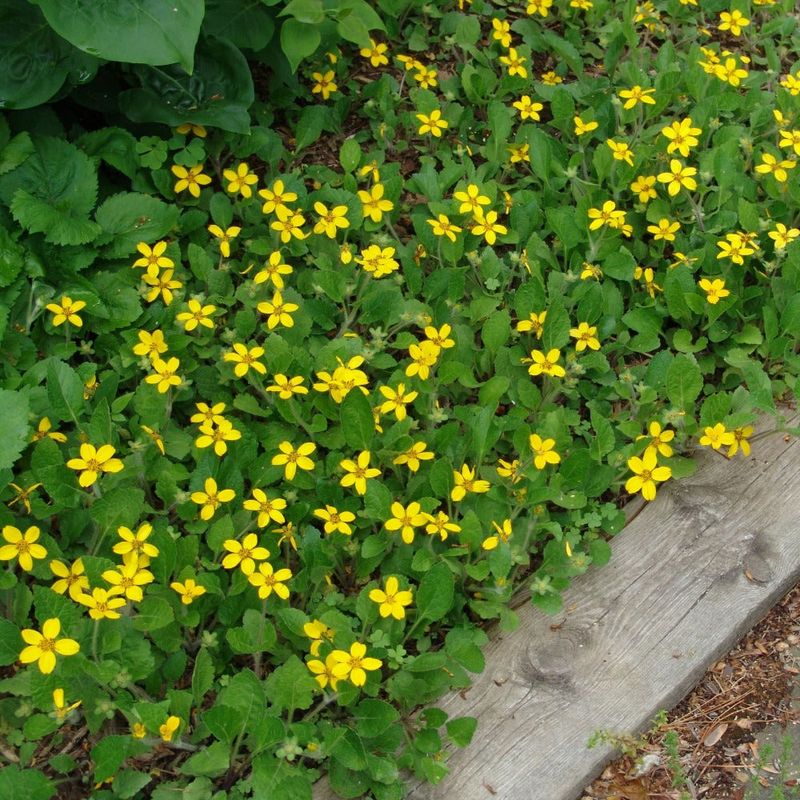
Green-And-Gold, known botanically as Chrysogonum virginianum, is a low-growing native groundcover that naturally grows in woodland settings across the eastern United States, including many parts of North Carolina.
It stays close to the ground, spreading slowly outward to form a soft, leafy mat over time. Unlike bare mulch or struggling turf, it gives shaded tree beds a finished, living look.
Gardeners in the Piedmont and other regions of North Carolina often find it useful for spots where other groundcovers have failed. It handles part shade well and can manage deeper shade in some conditions, though growth tends to slow where light is very limited.
It works best when planted in reasonably good soil with some organic matter.
Green-And-Gold is not a fast fixer. It takes a season or two to really start filling in, especially under a dense canopy.
But once it finds its footing, it creates a low, leafy carpet that looks far more intentional than bare dirt or a layer of wood chips sitting alone beneath a tree.
2. English Ivy Does More Than Cover The Ground
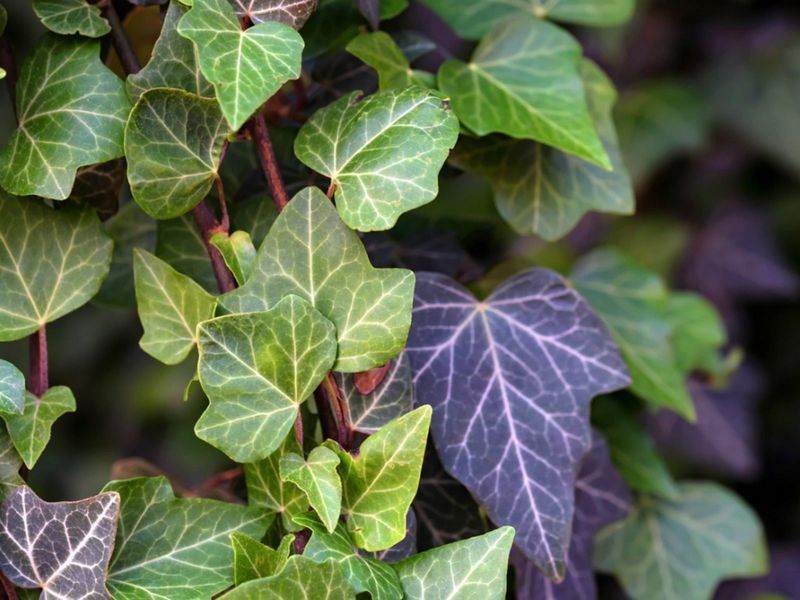
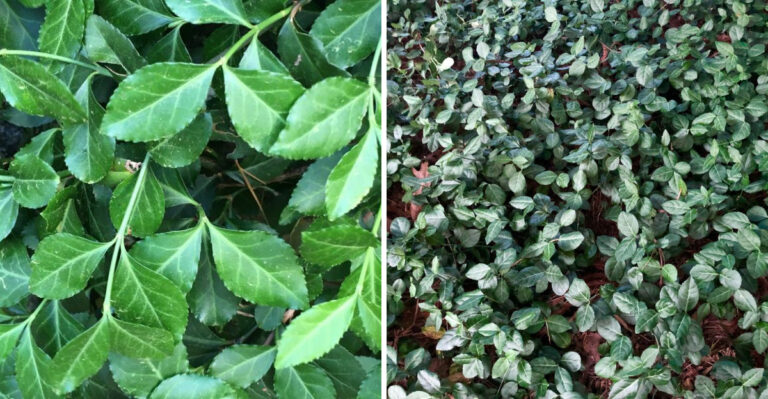
Plenty of homeowners plant English ivy thinking it will stay low and quiet under their trees. It looks tidy at first, spreading across bare soil and filling in gaps where nothing else grows.
What many people do not expect is how quickly it begins to climb.
Once English ivy reaches a tree trunk, it does not stop at the base. It works its way upward, sending roots into the bark and adding weight to branches over time.
In North Carolina, this climbing habit has become a real concern for tree health in residential landscapes, parks, and woodland edges alike.
Beyond the climbing issue, English ivy spreads aggressively across the ground. It moves into natural areas, crowding out native plants and reducing the diversity that North Carolina woodland ecosystems depend on.
Your North Carolina Garden Changes Every Week. Your Plan Should Too.
Gardening in North Carolina changes quickly throughout the season. Every Friday you’ll receive a simple weekly plan showing exactly what to plant, prune, fertilize, harvest, and protect so you never miss the right timing.
Birds can carry seeds into nearby forests, extending the spread even further from the original planting.
North Carolina lists English ivy as an invasive exotic pest plant, and many native plant organizations across the state encourage gardeners to remove it and replace it with better-suited alternatives.
The plant is still widely sold, which is part of why it continues to appear in so many yards.
Understanding what it actually does once it gets established helps explain why native options like Green-And-Gold are worth considering for shaded tree beds instead.
3. This Native Spreads Without Taking Over Trees
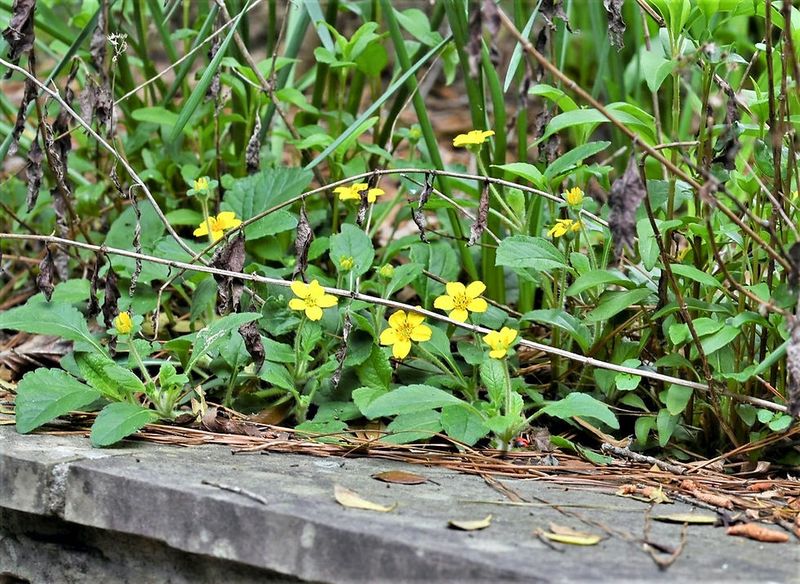
One of the most appealing things about Green-And-Gold is how it spreads. It sends out short stolons, or runners, that creep along the soil surface and root at intervals, gradually expanding the planting without climbing anything nearby.
It stays low and horizontal rather than reaching upward.
For homeowners in North Carolina who have watched English ivy work its way up a beloved oak or dogwood, this growth habit is a meaningful difference. Green-And-Gold simply does not have the inclination to scale tree trunks.
It hugs the ground, filling in around roots and covering soil without putting pressure on the bark above.
The spread rate is moderate rather than aggressive. In good conditions with decent soil and consistent moisture during the first season, it can fill a bed reasonably well over two to three years.
In drier or shadier spots, progress tends to be slower, and spacing plants closer together at the start can help reduce waiting time.
Gardeners planting under trees in North Carolina should give each plug or small plant about a foot of space and allow time for the colony to knit together naturally.
It will not smother competing weeds on its own right away, so some hand-weeding and light mulching between plants in the early stages helps it get established without too much competition pulling it back before it has a real chance to settle in.
4. Golden Spring Blooms Wake Up Shady Spots
Shaded spots under trees in North Carolina can feel a little dull in early spring when everything is just waking up. Most groundcovers offer leaves and not much else.
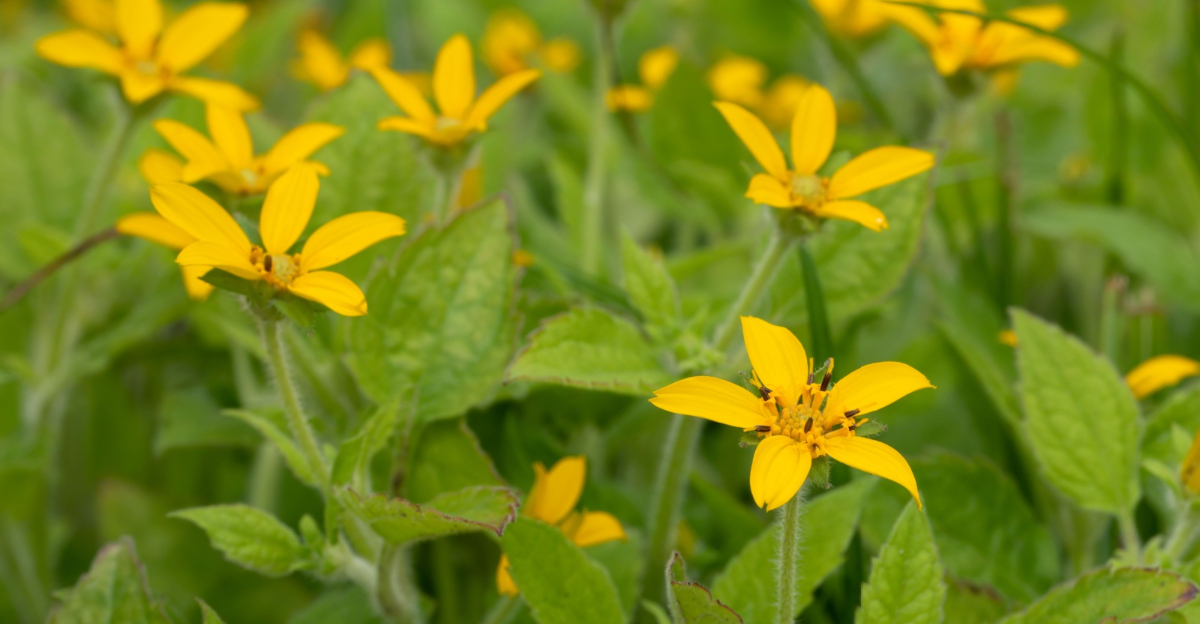
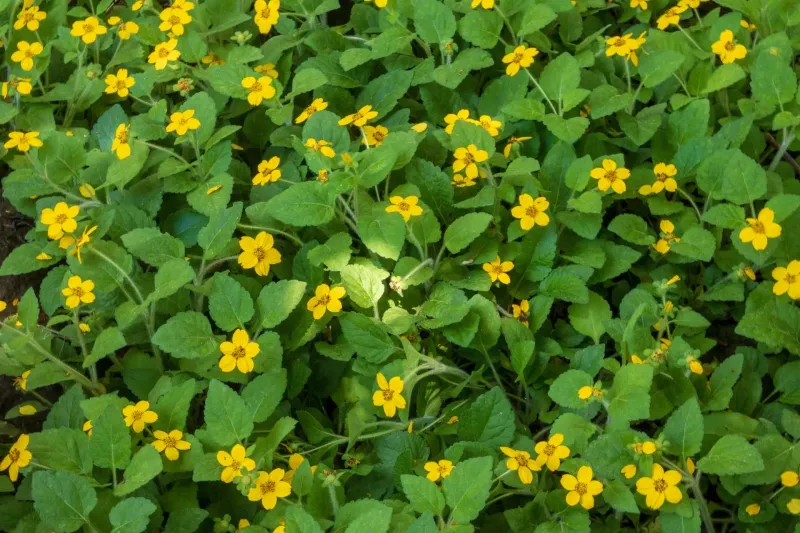
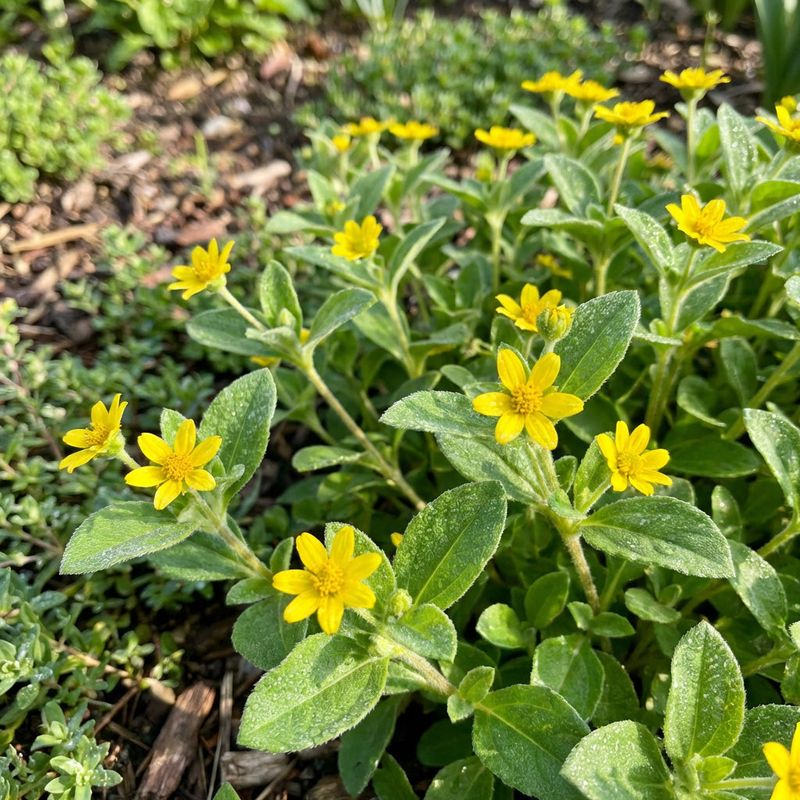
Green-And-Gold breaks that pattern with small, bright yellow flowers that appear in spring and often continue blooming on and off through the warmer months.
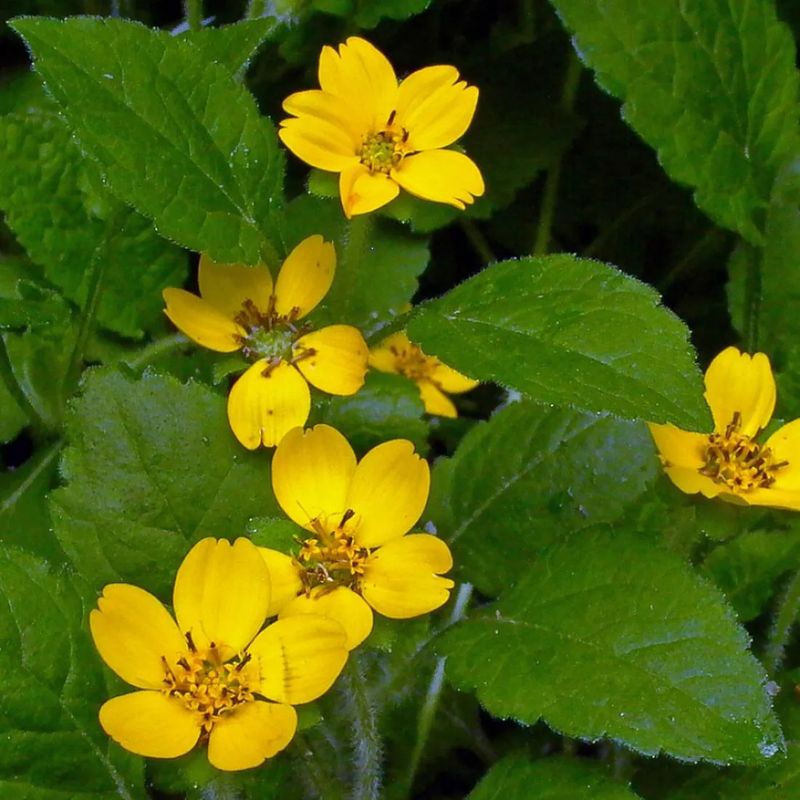
The blooms are star-shaped with five petals and a cheerful golden color that stands out against the dark soil and green foliage of a shaded bed.
They are not large or showy in the way a garden rose might be, but scattered across a mat of low foliage under a canopy, they add genuine warmth and color to a corner of the yard that might otherwise go unnoticed.
Bloom timing in North Carolina typically begins in early to mid-spring, depending on the region and local weather patterns. Mountain gardens may see flowers a bit later than Piedmont or Coastal Plain yards.
The flowers tend to slow down during the hottest part of summer but can pick back up as temperatures ease in early fall.
Pollinators visit the flowers, which adds another layer of value for gardeners who want their shaded beds to support native bees and other beneficial insects.
The blooming habit makes Green-And-Gold more interesting than a plain foliage groundcover, giving shady spots a seasonal rhythm that feels connected to the natural world around it.
5. Soft Green Leaves Keep The Ground Covered
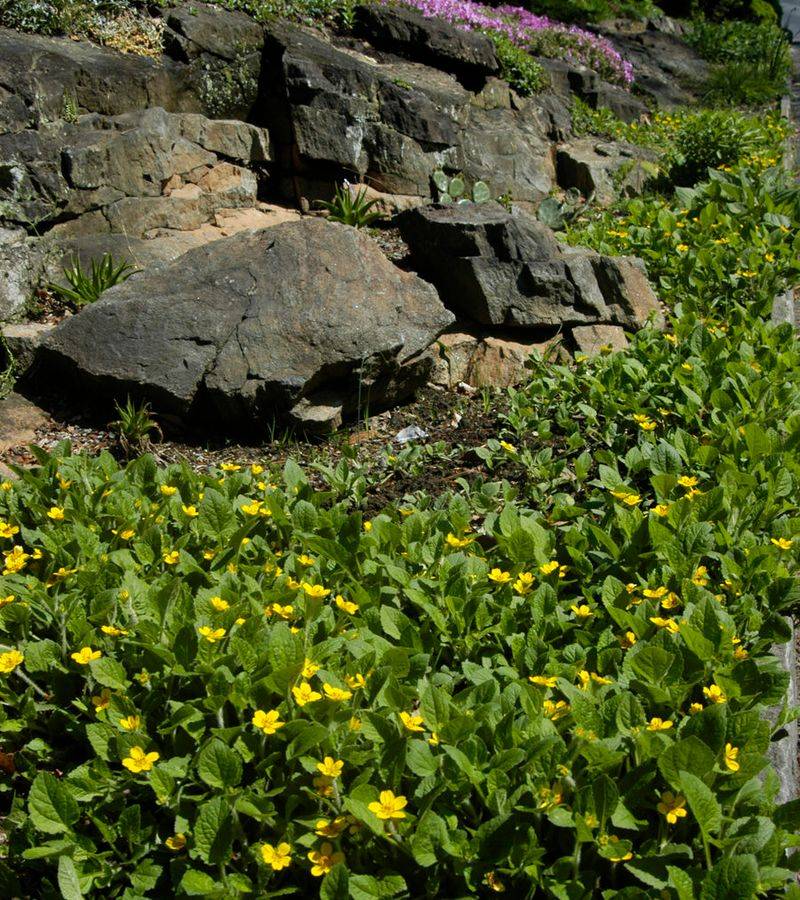
Even when Green-And-Gold is not in bloom, the foliage does a solid job of covering the ground. The leaves are slightly textured, oval-shaped, and a pleasant medium green that holds up reasonably well through much of the year in North Carolina.
In milder winters, the plant can behave as semi-evergreen, keeping some leaves through the cold months before fresh growth emerges in spring.
This foliage coverage is one of the main reasons gardeners consider it as a groundcover rather than just a flowering perennial.
A well-established colony creates a soft, leafy layer that suppresses some weeds, reduces soil erosion on gentle slopes, and gives shaded tree beds a finished appearance even during seasons when nothing is blooming.
In colder parts of North Carolina, such as the mountain counties, the plant may lose more of its foliage during harsh winters compared to warmer areas like the Piedmont or Coastal Plain.
This is worth keeping in mind when deciding how much coverage to expect year-round. A bit of bare ground in winter is normal and not a sign that the plants are struggling.
The soft texture of the leaves also makes the planting look welcoming rather than stiff or formal. Under a large tree where the mood tends to be quiet and natural, that relaxed quality fits well.
It pairs nicely with other native woodland plants when used along shaded borders or naturalized areas near wooded edges.
6. Good Soil Helps It Fill In Faster
Soil quality makes a noticeable difference when planting Green-And-Gold under trees. Like many native woodland plants, it performs best in soil that has some organic matter, drains reasonably well, and does not stay waterlogged after rain.
Compacted clay or heavily disturbed soil can slow establishment considerably.
Under established trees in North Carolina, the soil situation varies quite a bit. Some shaded beds have loose, leaf-enriched soil that feels almost spongy underfoot.
Others are packed down from years of foot traffic or construction activity, making it harder for roots to move through easily. Taking a moment to assess the soil before planting saves frustration later.
Mixing in compost before planting helps loosen compacted areas and adds nutrients that support early root development. A few inches worked into the top layer of soil can make a real difference in how quickly new plants establish.
This step is especially helpful in Piedmont clay soils, which can be dense and slow to drain without some amendment.
Once plants are in the ground, avoiding soil disturbance around them gives the roots time to settle without being disrupted.
Green-And-Gold does not need rich fertilizer inputs once it is established, but a healthy start in decent soil puts it in a much better position to spread naturally over the following seasons and eventually cover the ground the way a good native groundcover should.
7. Dry Tree Roots Can Slow It Down
Shaded ground under a mature tree is not always as hospitable as it looks. Large trees pull moisture from the surrounding soil, and the canopy above intercepts rainfall before it reaches the ground.
In dry summers across North Carolina, the soil under a big oak or beech can stay surprisingly dry even after a decent rain.
Green-And-Gold handles shade reasonably well, but it does have limits when it comes to dry conditions.
In spots where tree roots dominate the soil and moisture is consistently scarce, the plant may grow slowly, look stressed during summer heat, or fail to spread the way it would in a better-matched location.
It is not a groundcover that thrives on neglect in very dry sites.
Watering during the first season or two of establishment is one of the most practical things a gardener can do to help it along.
Once the roots are settled, the plant becomes more tolerant of dry spells, but it still benefits from occasional watering during prolonged dry stretches in summer.
Gardeners in the drier parts of North Carolina should plan for this from the start.
Sites with extremely dry, compacted, or shallow soil over dense root systems may not be the best match for Green-And-Gold. In those situations, a different native groundcover with stronger drought tolerance might serve better.
Choosing the right plant for the actual conditions on the ground is always more reliable than hoping a plant will adapt to a difficult site on its own.
8. A Little Mulch Helps It Get Started
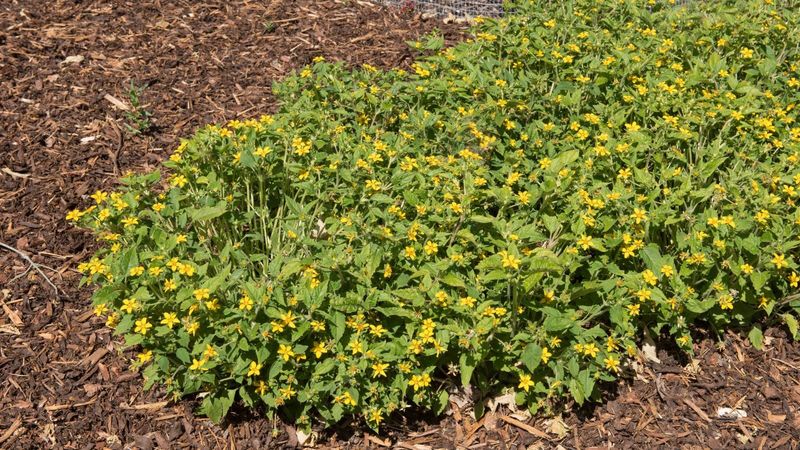
Young plants need a little help in the weeks and months after going into the ground. Mulch is one of the simplest and most effective tools for giving new Green-And-Gold plugs a better start under a North Carolina tree.
A light layer placed between the plants helps hold soil moisture, moderates soil temperature, and slows weed competition while the groundcover is still too small to do that work on its own.
Shredded leaves or fine wood chip mulch works well for this purpose. A layer of about two inches is usually enough.
Going too thick can actually work against the plants by making it harder for the stolons to root into the soil as they spread. Keeping mulch pulled back slightly from the crowns of the plants also helps prevent moisture from sitting against the stems.
As Green-And-Gold fills in and the foliage mat thickens, the need for mulch between plants gradually decreases. The living groundcover itself begins to do what the mulch was doing, shading the soil and reducing weed pressure.
This transition from mulched bed to established groundcover colony is one of the more satisfying things to watch in a shaded garden.
In North Carolina, fall is a fine time to plant and mulch, giving roots time to settle before winter. Spring planting works too, though summer heat arrives quickly in much of the state, making consistent watering more important for plants going in after late spring.
Starting with good mulch coverage gives any planting a more stable beginning.