The Weed-Looking Flower Kansas Gardeners Should Never Remove
Pulling this plant from your border might be a mistake. You could be tossing away nature’s quietest, most reliable defender. Bees swarm around it while mosquitoes tend to steer clear.
Nobody warns you how much real power this plant holds. Silvery leaves give off a scent insects cannot tolerate.
Aphids stay far away without a single spray. Protection arrives without you lifting a chemical bottle.
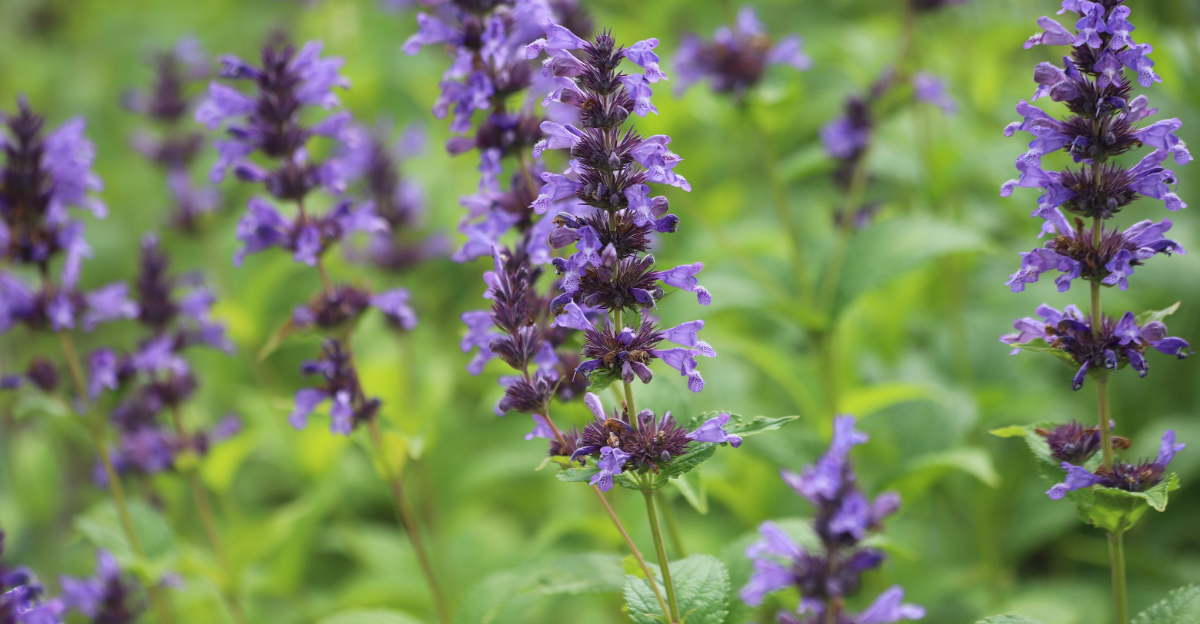
Gardeners across Kansas are catching on fast. Evenings throughout Kansas grow noticeably calmer once it takes hold. Purple blooms stretch from late spring into autumn.
Pollinators, color, and pest defense all arrive together. Nothing about this plant demands constant attention from you. Butterflies drift toward it, drawn by its herbal scent.
Few plants deliver this much quiet, practical value. Every patch you grow works against common summer pests.
Momentum builds quickly once you notice what changes. What this plant truly is will surprise you completely.
Why This Flower Gets Mistaken For A Weed
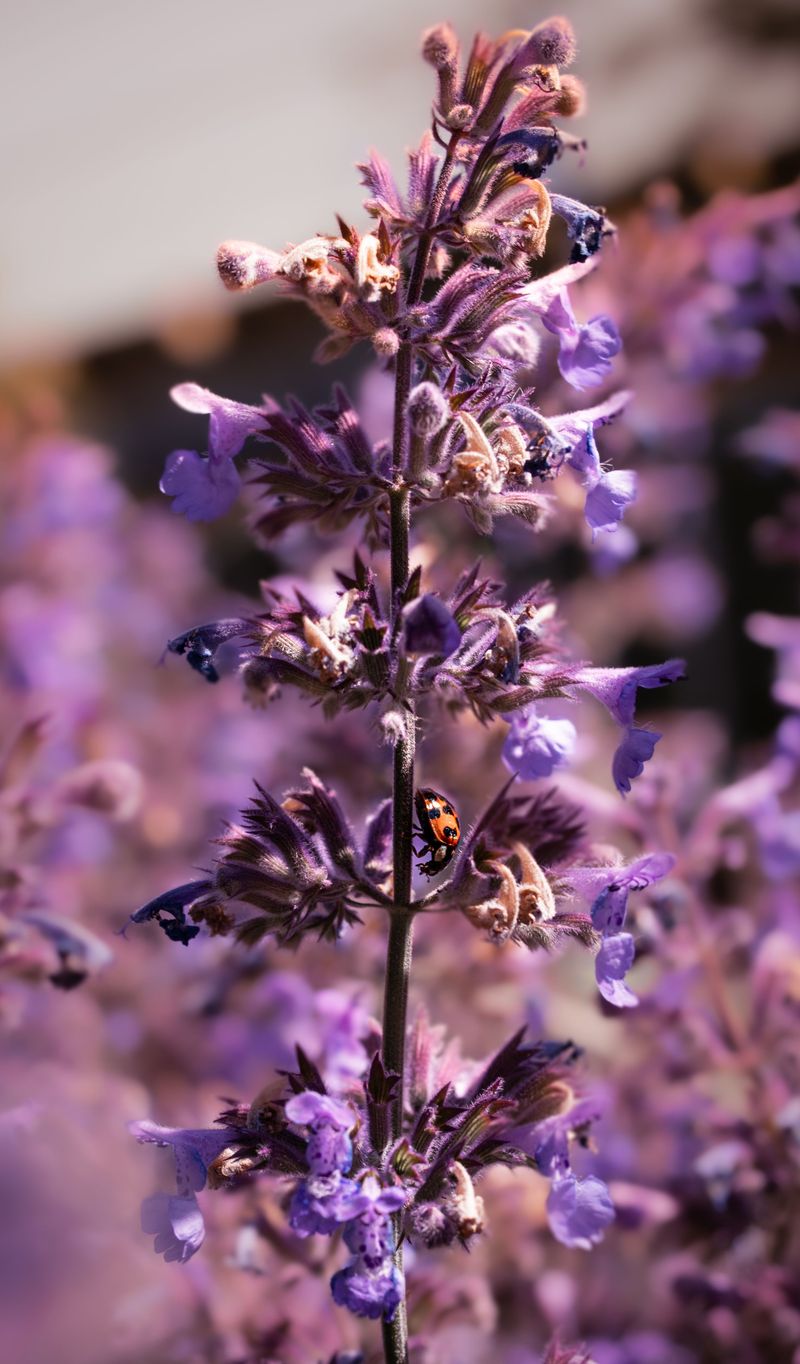
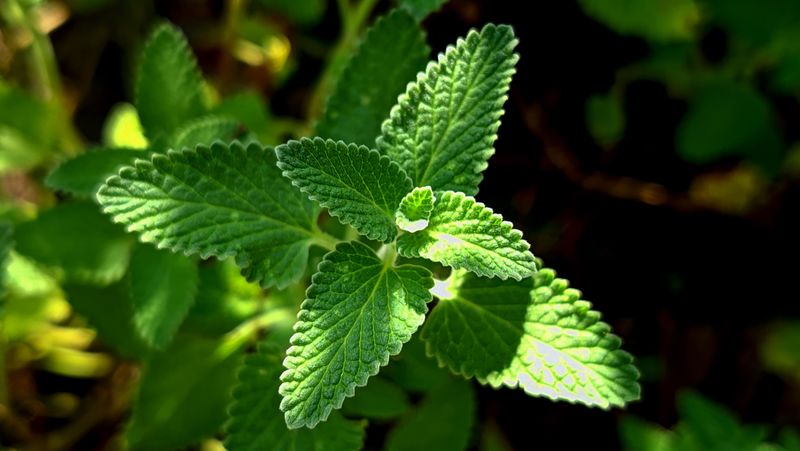
At first glance, catmint looks like something that just showed up uninvited. Its leaves are small, fuzzy, and gray-green, and it spreads low across the ground in a loose, sprawling shape.
Many gardeners see that wild growth habit and immediately reach for their gloves. It does not have the tidy, upright look of roses or coneflowers, so it often gets lumped in with weeds.
The flower itself is tiny and pale purple, almost wispy looking. When it is not in bloom, the plant looks especially rough around the edges, which makes the confusion even easier to understand.
Catmint also self-seeds freely, meaning it pops up in spots you never planted it. That surprise appearance in random corners of your yard makes it seem even more weed-like to the untrained eye.
But here is what separates catmint from actual weeds: it is completely intentional in what it does. Every part of the plant serves a purpose, from its scent to its flowers to its spreading roots.
The flower that repels insects in Kansas gets dismissed constantly because people judge it too quickly. Once you know what you are looking at, you will never mistake it again.
Recognizing catmint starts with its smell. Rub a leaf between your fingers and you get a sharp, minty, slightly medicinal scent that is impossible to ignore and very hard to forget.
Catmint: Kansas’s Natural Insect Deterrent
Catmint has been used as a natural pest deterrent for centuries, without sprays or store-bought products.
The plant produces a compound called nepetalactone, which is the same chemical that makes cats go a little crazy. To mosquitoes and other pests, though, it is a serious repellent.
Some research suggests nepetalactone has repellent properties comparable to commercial insect repellents, though exact comparisons vary by study.
Across the Midwest, summers bring thick clouds of mosquitoes, gnats, and aphids that can ruin any outdoor gathering. Planting catmint near patios, porches, and garden borders creates a natural barrier those pests simply avoid.
What makes catmint especially practical is that it starts repelling bugs the moment it is established. You do not need to do anything extra, no crushing leaves, no boiling, no spraying.
Your Kansas Garden Changes Every Week. Your Plan Should Too.
Gardening in Kansas changes quickly throughout the season. Every Friday you’ll receive a simple weekly plan showing exactly what to plant, prune, fertilize, harvest, and protect so you never miss the right timing.
The scent releases naturally as the plant grows, especially on warm days when the oils become more active. A light breeze carries that scent outward, expanding the protective zone around your yard.
Catmint is the flower that repels insects in Kansas without asking much in return. Plant it once, give it a little sun and decent soil, and it will go to work for you season after season without complaint.
How It Naturally Repels Mosquitoes And Pests
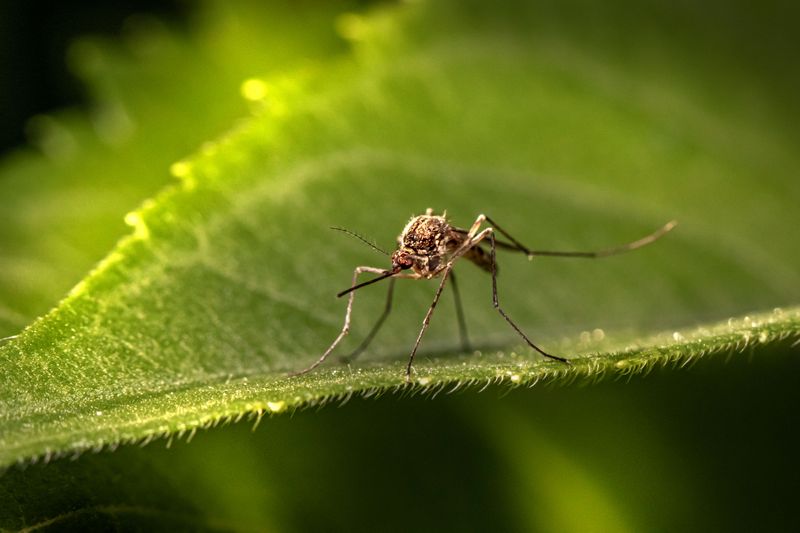
Some science supports this. Nepetalactone, the oil found in catmint, appears to interfere with the sensory receptors insects use to find food and hosts.
Nepetalactone, the oil found in catmint, messes with the sensory receptors insects use to find food and hosts.
Mosquitoes locate people by detecting carbon dioxide and body heat. Catmint’s scent may make it harder for mosquitoes to detect you, though the exact mechanism is not fully confirmed.
Planting catmint near tomatoes, peppers, or herbs may create a scent barrier that discourages aphids, though this effect is largely anecdotal and not rigorously proven in controlled studies.
Spider mites and squash bugs also steer clear of areas where catmint is growing. The broader your planting, the wider the protection zone becomes across your yard.
One of the smartest moves you can make is planting catmint near your outdoor seating area. Even a few clumps around a patio edge can cut down on mosquito activity during evening hours.
Crushing a few leaves before sitting outside releases an extra burst of oil into the air. That simple trick boosts the repellent effect without any added products or effort on your part.
The flower that repels insects in Kansas works through chemistry, not luck. Understanding how it operates helps you place it more strategically and get the most out of every single plant.
Where And How To Plant It In Your Yard
Catmint is not picky, and that is a huge part of its charm. It thrives in full sun but tolerates partial shade without much fuss.
Well-drained soil is the main requirement. Catmint actually struggles in heavy clay or soggy ground, so if your yard holds water, mix in some compost or sand before planting.
Spring is the best time to get it in the ground, ideally after the last frost. You can also plant in early fall, giving roots time to settle before winter arrives.
Space plants about 18 to 24 inches apart. Catmint spreads as it grows, so giving it room from the start prevents crowding and keeps air flowing through the foliage.
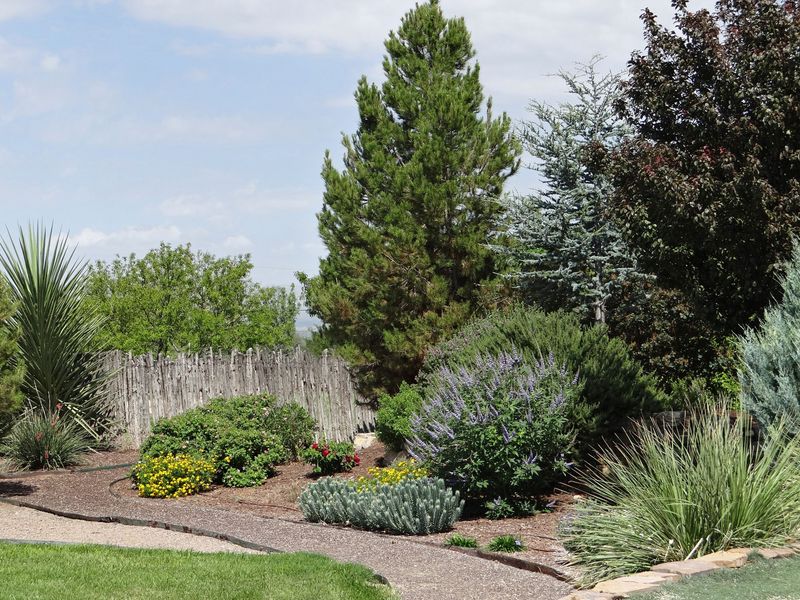
Along garden borders and fence lines, catmint looks intentional and polished once it fills in. Near pathways, it spills over edges beautifully and releases scent every time someone brushes past.
Pairing catmint with roses is a classic garden trick. Roses attract aphids, and catmint planted nearby helps keep those pests from settling in.
If you have a porch or deck, container planting works well too. A large pot of catmint near the door adds both beauty and a natural bug barrier at your home’s entry point.
You can find catmint starts at most garden centers in spring, often labeled as Nepeta. Choosing a named variety like Walker’s Low gives you a reliable, compact plant that performs consistently season after season.
Simple Care Tips To Keep It From Spreading
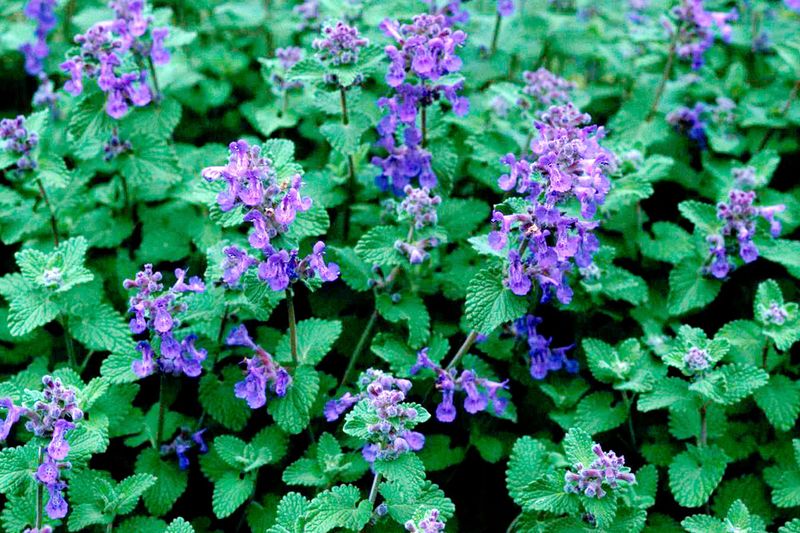
Catmint is tough, but it does have a spreading habit that can catch you off guard. A little maintenance goes a long way toward keeping it exactly where you want it.
The most important tip is to cut it back after the first bloom cycle ends in early summer. Trim it down by about one-third and it will bounce back quickly with fresh growth and new flowers.
This process, called shearing, also prevents the plant from setting too many seeds. Fewer seeds mean less surprise sprouting in spots you did not plan for.
Removing spent flowers throughout the season also helps. Pinching off faded blooms encourages the plant to keep flowering rather than putting energy into seed production.
If catmint starts creeping beyond its intended space, simply dig up the outer sections and transplant or compost them. The roots are shallow and easy to manage with basic garden tools.
Mulching around the base of your plants helps too. A two-inch layer of mulch slows spreading, retains moisture, and keeps the root zone from drying out during hot Kansas summers.
Watering is minimal once catmint is established. It is drought-tolerant and actually prefers to dry out between waterings rather than sitting in consistently moist soil.
With just a bit of seasonal attention, catmint stays tidy, productive, and firmly in its lane. Managing it is far easier than dealing with the bugs it keeps out of your yard all summer long.
Other Benefits Beyond Bug Control
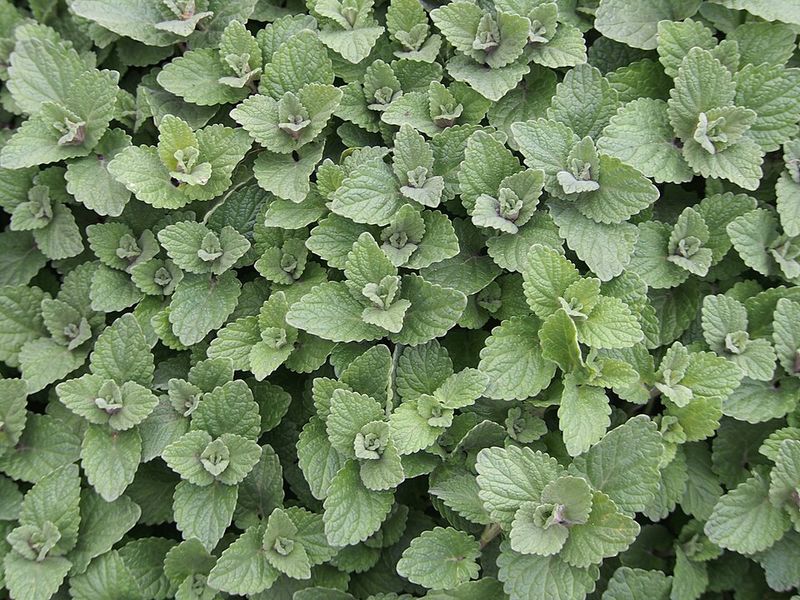
Bug repellent is just the beginning of what catmint brings to your yard. This plant offers several additional benefits beyond pest control.
Pollinators absolutely love it. Bees, butterflies, and even hummingbirds are drawn to catmint’s flowers from late spring through fall, making your garden more lively and productive.
If you grow fruits or vegetables nearby, that pollinator activity directly boosts your harvest. More bees visiting your garden means better fruit set on tomatoes, squash, and berry plants.
Catmint also works as excellent ground cover. Its low, spreading form fills in bare spots quickly and crowds out actual weeds that would otherwise take over those empty patches of soil.
The plant has a long history in herbal medicine too. Traditional uses include calming teas, remedies for mild anxiety, and treatments for digestive discomfort, though always check with a doctor before using any plant medicinally.
From a design perspective, catmint adds soft texture and cool color to garden beds. Its silver-green leaves and lavender blooms pair beautifully with bold colors like orange marigolds or deep red salvias.
It is also completely safe for children and pets, except for cats who may roll in it enthusiastically. That makes it a smart choice for family-friendly outdoor spaces where safety matters.
The flower that repels insects in Kansas also feeds pollinators, covers bare ground, and adds beauty all season long. Recognizing catmint’s value changes how you might treat it in your garden.