Why New Mexico Yards Are Facing Critical Fire Danger Right Now
New Mexico’s grass is browning ahead of schedule this year, and the timing says something worth noticing. Highway fire danger signs across Taos and Las Cruces have already flipped to red, weeks before locals expected them to.
Soil moisture is dropping fast under a run of dry, persistent wind. Lawns that held up fine through last spring are now drying into something closer to kindling.
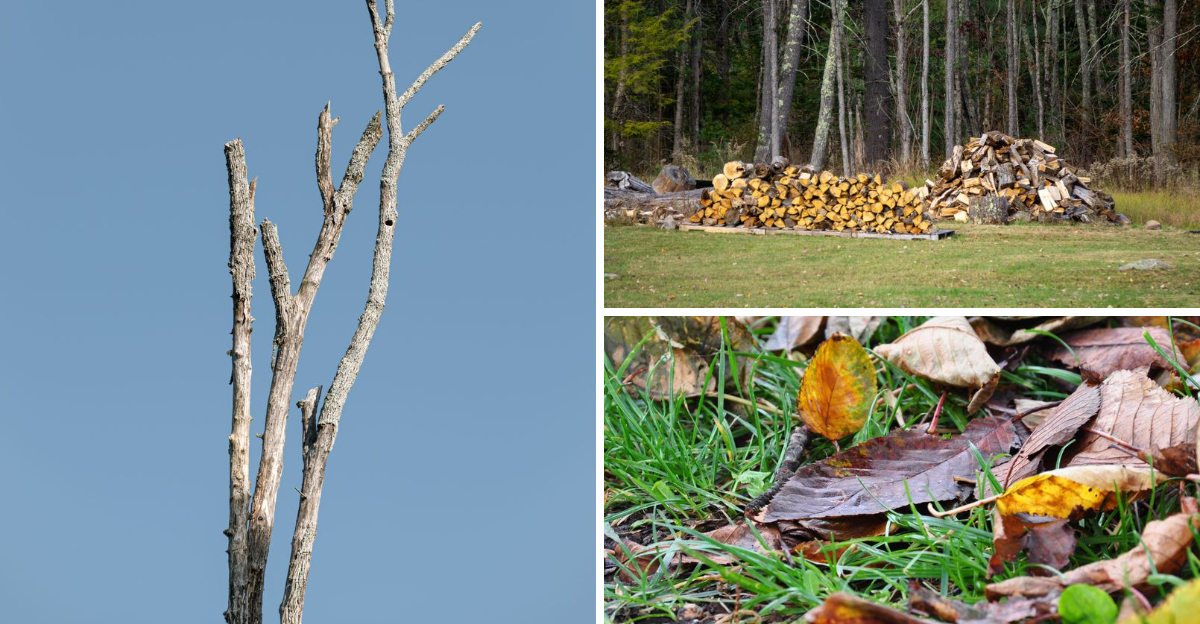
None of this happens quietly in the background. Overgrown shrubs, brittle leaf litter, and stacked firewood near a house turn an ordinary yard into fuel the moment a spark lands nearby.
The next few weeks decide a lot. Small changes made now, from clearing debris to spacing out vegetation, shift a property from vulnerable to defensible before peak fire season arrives.
1. Dry Winds And Low Humidity Are Driving The Danger
Step outside on a windy afternoon and you can feel it instantly. The air pulls moisture right off your skin, and the same thing is happening to every blade of grass in your yard.
Low humidity is one of the biggest drivers of fire danger in the Southwest. When relative humidity drops below 15 percent, plant material dries out fast enough to catch a spark with almost no effort.
New Mexico regularly sees humidity levels in the single digits during spring and early summer. Combine that with winds gusting over 30 miles per hour, and you have conditions that can spread flames faster than most people expect.
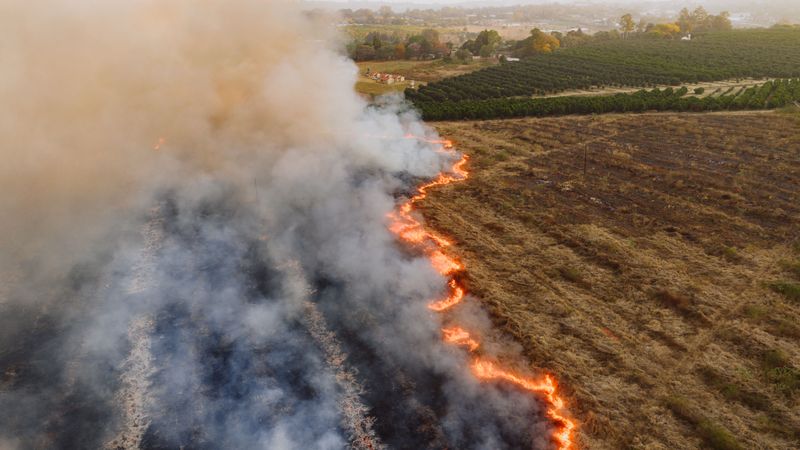
Wind does two dangerous things at once. It dries out fuel and pushes fire across the landscape at alarming speed, making even a small yard fire hard to control.
The critical fire danger we are seeing right now is not just about heat. It is the combination of dry air, strong winds, and drought-stressed plants that creates the perfect storm.
Fire weather forecasters track atmospheric dryness and instability to gauge how easily a fire could grow large. Those conditions have been elevated across the state for weeks.
Understanding what the atmosphere is doing helps homeowners make smarter choices. When wind advisories go up, that is the day to skip the outdoor burning and check your yard for loose debris.
Staying aware of daily fire weather forecasts from the National Weather Service costs nothing. That small habit could be the thing that keeps your property safe this season.
2. Monsoon Lightning Brings A Hidden Spark Risk
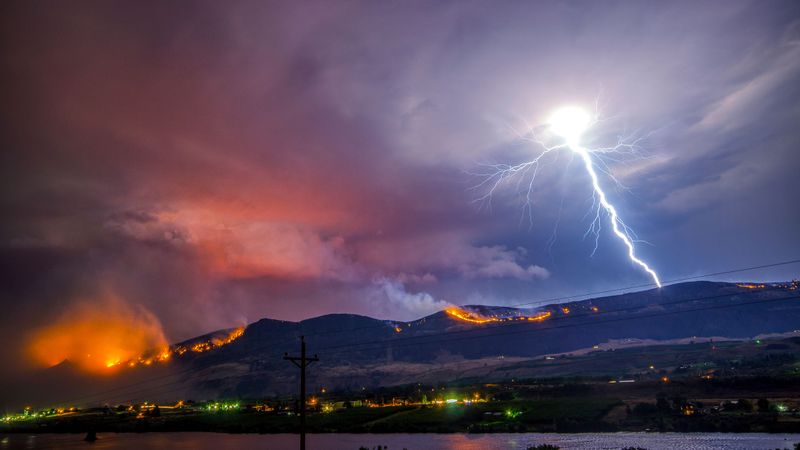
Monsoon season sounds like relief, but it brings its own brand of trouble. Lightning strikes dry ground before rain ever reaches it, and that gap is where wildfires are born.
New Mexico sees thousands of lightning strikes every monsoon season. Many of those bolts hit remote hillsides, but plenty land close to neighborhoods, open lots, and dry backyards on the edge of town.
The tricky part is what meteorologists call dry lightning. A storm rolls in, lightning crackles across the sky, but the rain evaporates before hitting the ground. Fuel ignites with no moisture to slow it down.
Your New Mexico Garden Changes Every Week. Your Plan Should Too.
Gardening in New Mexico changes quickly throughout the season. Every Friday you’ll receive a simple weekly plan showing exactly what to plant, prune, fertilize, harvest, and protect so you never miss the right timing.
Homeowners near foothills or open desert land are especially at risk. A strike in the arroyo behind your fence can send embers drifting toward your porch before you even hear the thunder.
Paying attention to monsoon forecasts is genuinely useful. When the Storm Prediction Center issues a dry thunderstorm outlook, that is a signal to clear loose debris from around your home immediately.
Keeping a garden hose accessible during storm season sounds simple, but it works. A quick soak of your lawn edges and wooden fences before a dry storm rolls in buys you critical time.
Fire danger does not pause just because clouds appear overhead. Monsoon storms can actually make conditions worse before they get better, and knowing that changes how you prepare.
Awareness is your first defense against lightning-sparked fires. Watch the sky, listen to local alerts, and treat every storm as a potential ignition event.
3. Tall Grass And Brush Quietly Become Fuel

That patch of tall grass you kept meaning to mow is not just an eyesore anymore. Right now, in these conditions, it is essentially a pile of kindling sitting next to your house.
Grasses that dry out and fall over create what fire scientists call a continuous fuel bed. A single ember landing in that mat can grow into a ground fire within seconds.
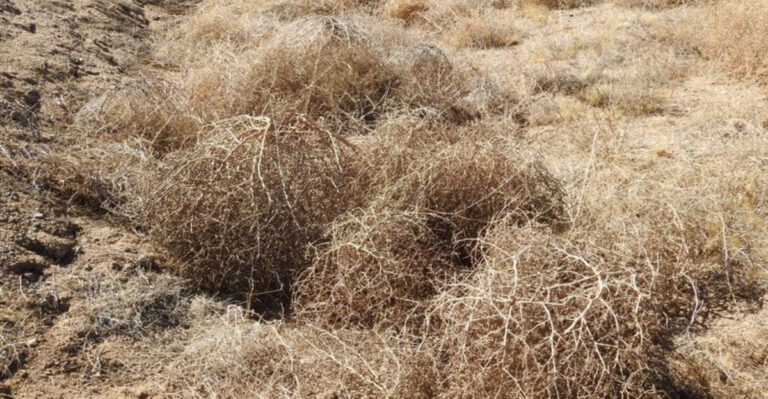
Tumbleweeds are another sneaky problem in New Mexico yards. They break loose, pile against fences and walls, and dry into near-perfect fire starters that can ignite from a passing spark.
Native shrubs like chamisa and rabbitbrush are beautiful, but they contain oils that burn hot and fast. When they go unmanaged close to structures, they dramatically increase fire danger for the whole property.
Mowing grass down to about four inches or shorter removes a huge amount of fuel. That one task alone can change how a fire behaves if it reaches your property line.
Trimming brush back at least 30 feet from your home creates what firefighters call a defensible buffer. It does not make your yard fireproof, but it slows ignition and gives crews more time to respond.
Bagging and removing clippings matters too. Leaving cut grass in piles just relocates the fuel without reducing the risk.
Think of yard maintenance as active fire protection, not just weekend chores. A tidy yard in fire season is one of the most powerful tools a homeowner has.
4. Firewood Piles And Dry Mulch Sit Too Close To Homes
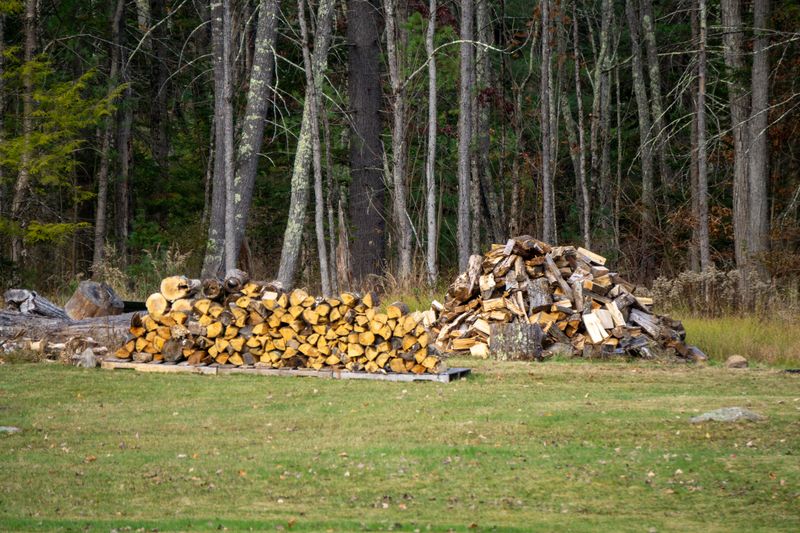
Stacking firewood against the house feels practical, especially when winter feels far away. But during peak fire danger, that cozy pile becomes one of the most hazardous spots on your property.
Firewood is essentially pre-dried fuel sitting right next to your siding, your windows, and your roof eaves. An ember from a nearby fire can land in that stack and smolder for hours before igniting.
The recommended distance for firewood storage is at least 30 feet from any structure. If your yard does not allow that, even moving the pile 10 feet away reduces ignition risk significantly.
Bark mulch is another overlooked hazard. It looks great in garden beds, but it dries into a spongy layer that catches embers easily and can smolder underground for days without anyone noticing.
Switching to gravel or decomposed granite near the foundation creates what landscapers call a non-combustible zone. That strip of bare, rocky ground acts as a natural firebreak right at your home’s edge.
Rubber mulch might seem like a safer alternative, but it can be just as flammable as wood-based products. Inorganic materials like crushed stone are the better choice in high-risk areas.
Pine needles in gutters are just as dangerous as a mulch pile. A single ember landing in a gutter full of dry needles can ignite your roofline faster than most people realize.
Cleaning gutters and repositioning stored materials takes an afternoon. That investment of time could protect everything you have built.
5. Dry Trees Raise The Stakes
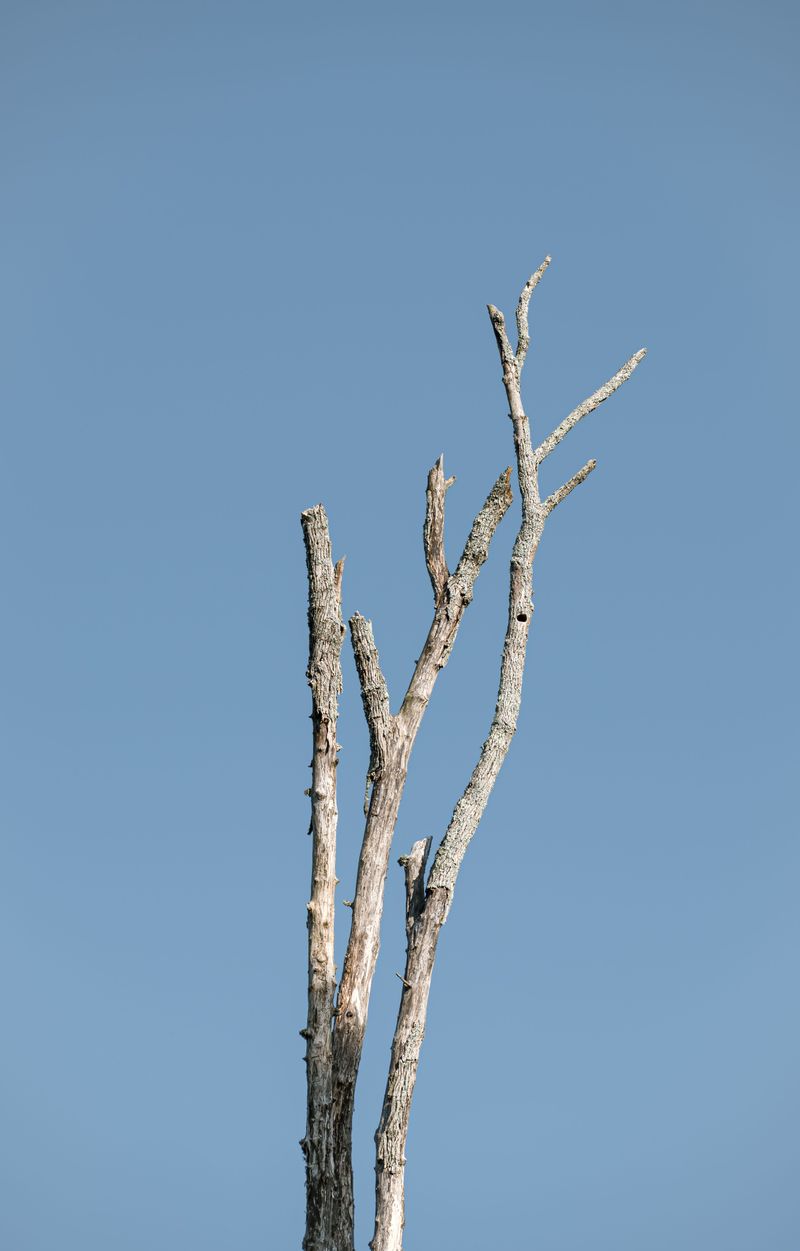
A tree can look healthy from the street and still hide brittle wood. Those dried branches burn faster than living limbs, and often go unnoticed until a storm brings them down.
Drought stress this past year has left many trees carrying extra dried-out growth. That material acts like a fuse, carrying fire upward from the ground into the canopy.
Removing brittle limbs near a roof or deck cuts off a dangerous shortcut. Even a small ember bridge through dry wood can move flames from yard to rooftop.
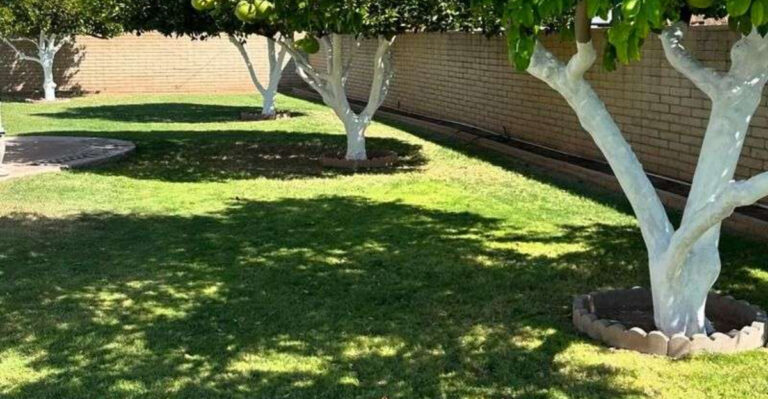
Distance between tree canopies matters just as much as individual tree health. Touching branches let flames jump tree to tree, turning one spark into a spreading canopy fire.
Spacing canopies at least ten feet apart breaks that chain reaction. Where trees already stand too close, pruning overlapping limbs helps without removing the tree entirely.
Cracked bark, oozing sap, or brittle branches are early warning signs. These often show up well before a tree looks visibly stressed.
A professional inspection for large or aging trees adds real certainty. Catching hazardous dry wood now closes off one more path a spark could take toward the house.
6. Fallen Leaves And Pine Needles Pile Up Unnoticed
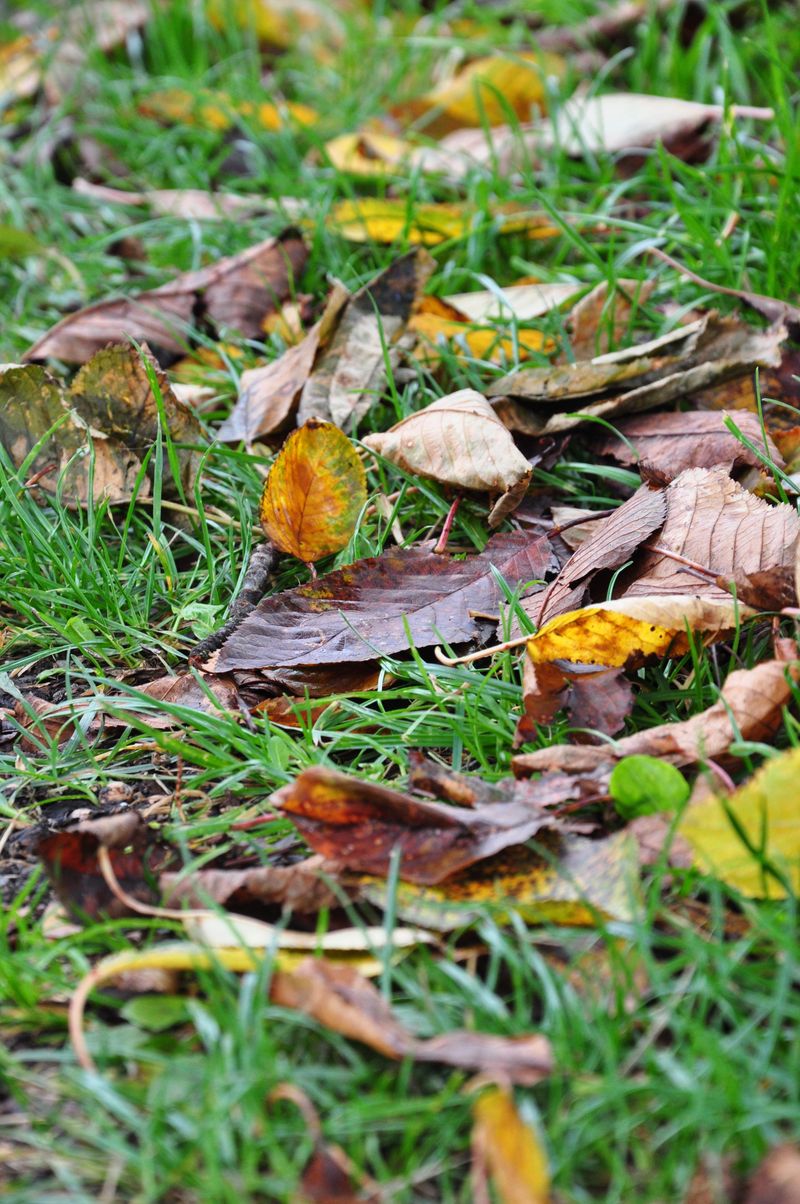
Fallen leaves and pine needles rarely get a second thought. Left alone through a dry spring, they turn into a thin layer of tinder across the yard.
Wind carries this light debris into fence lines and under decks. It piles against foundation walls too, drying out fast in those still corners.
A single ember landing in dry pine needles can ignite within seconds. Fire spreads along the ground before anyone even notices the smoke.
Gutters deserve extra attention this time of year. Dry needles collect there quietly, turning the roofline into a hidden strip of fuel.
Raking beds, fences, and gutters every few weeks keeps this fuel from building up. Skip that routine for a month, and the yard’s risk rebuilds almost completely.
Bagging or composting the debris matters as much as removing it. Piling leaves against a shed just relocates the fuel instead of clearing it.
Large trees nearby mean litter accumulates faster than expected. A consistent cleanup schedule beats one big seasonal push every time.
7. Watering Key Areas Now Adds An Extra Layer Of Protection
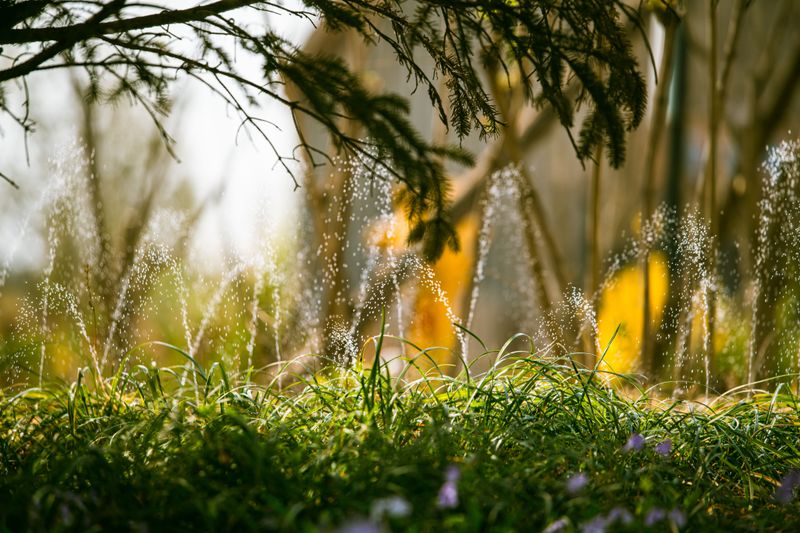
Water is not a cure-all for fire danger, but it is a tool that too many homeowners forget to use. Keeping specific areas of your yard moist during high-risk periods adds a meaningful layer of defense.
Focus your watering efforts on the areas closest to your home. Grass, ground cover, and low shrubs within that first 30-foot zone should stay as green and hydrated as your water budget allows.
Drip irrigation systems are especially efficient in this climate. They deliver moisture directly to roots without wasting water to evaporation, which helps plants stay hydrated even during hot, windy stretches.
Timing matters with outdoor watering. Early morning is ideal because plants absorb moisture before afternoon heat and wind can strip it away, giving you better results with less water used.
Wooden fences, decks, and pergolas can also benefit from a quick hose-down before a predicted wind event. Wet wood resists ignition longer than dry wood, buying critical minutes during an emergency.
Do not forget the roof and gutters. A light spray before a high-wind day clears loose debris and dampens dry material that could otherwise catch an ember from a neighbor’s property.
Check with your local water utility about fire-season watering schedules. Some municipalities offer guidance or even rebates for efficient irrigation setups that support fire-safe landscaping.
Staying consistent with watering throughout fire danger season keeps your yard from becoming part of the problem. Protecting your home from critical fire danger starts with the simple act of turning on the hose.
8. A Few Feet Of Cleared Space Makes A Real Difference

Firefighters talk about something called Zone One, and it starts right at your foundation. Keeping the first five feet around your home clear of combustible material is one of the highest-impact actions you can take.
Studies from the Insurance Institute for Business and Home Safety found that homes with clear perimeter zones showed measurably better outcomes during wildfires. That is not a small margin, it is the difference between loss and survival.
Zone One does not have to look barren. Decorative rock, concrete pavers, and succulents with high moisture content all work beautifully and keep fire danger low at the same time.
Moving potted plants, wooden furniture, and doormats away from doorways matters more than most homeowners think. Those items act as stepping stones that carry flames from the yard straight to the door.
The next zone, from five to thirty feet out, is where you space out plants and trees. Gaps between shrubs prevent fire from running continuously toward the house.
Limbing up trees so the lowest branches are at least six feet off the ground removes what firefighters call ladder fuels. Without those low branches, ground fire cannot climb into the canopy.
None of this requires a professional landscaper or a big budget. A rake, pruning shears, and a wheelbarrow are enough to transform your yard’s risk profile in a single weekend.
Small changes in the right places add up fast. Cleared space is quiet protection that works even when you are not home.