Florida Gardeners Are Growing These 7 Soil-Building Plants For A Healthier Yard
Florida soil does not exactly make things easy. It drains fast, holds almost nothing, and has a talent for making perfectly good plants look like they gave up halfway through the season.
Many gardeners respond by buying more fertilizer, watering more, and wondering why nothing sticks.
A growing number of Florida gardeners are trying something different. Not a product. Not a soil amendment from a bag. A plant.
Certain plants do something remarkable when given the chance. They pull nitrogen from the air and push roots deep into compacted ground.
They protect bare soil from summer storms and hand the next crop a better starting point than the one before it had.
These plants work whether you have a backyard vegetable plot or just a patch of ground that has never quite cooperated. Florida gardeners are tucking them in and watching their soil transform.
Want to know which ones are doing the most work? Here they are.
1. Plant Sunn Hemp For Fast Biomass
Florida summer gaps between planting seasons used to mean bare, baking soil with nothing going on. Sunn hemp has a strong opinion about that.
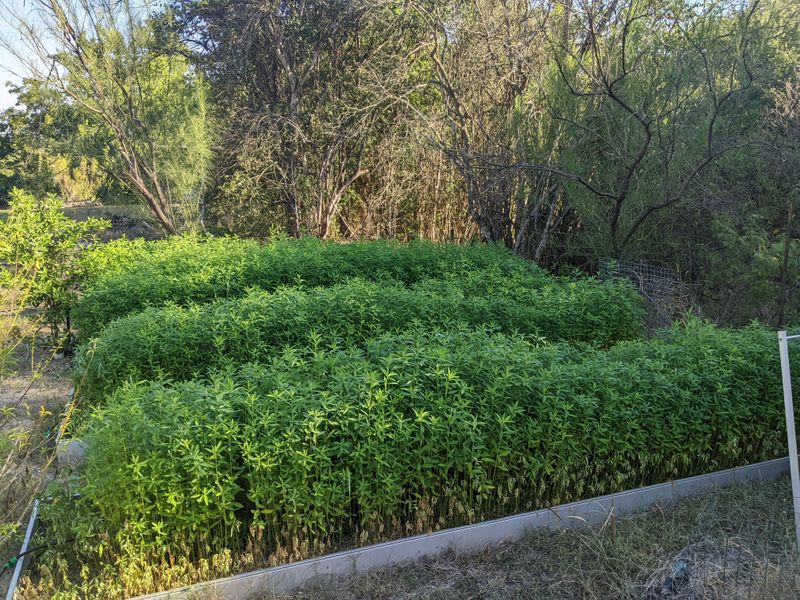
Within 60 days, this warm-season cover crop can reach six to eight feet tall, creating a thick wall of green that shades out weeds and shields the soil from the full force of the Florida sun.
That growth rate is not just impressive. It is genuinely useful.
Sunn hemp is a legume, which means it is doing two jobs at once. Above ground it is building biomass and blocking weeds.
Below ground it is working with soil bacteria to pull nitrogen from the air and store it in root nodules. When you chop it down and incorporate the material, that stored nitrogen releases slowly into the soil, feeding your next crop without synthetic fertilizer.
It thrives in sandy, low-organic-matter soils and handles Florida humidity without complaint.
Plant it from April through August for the best results. Sow seeds directly into prepared beds, let it grow for 45 to 60 days, then mow or chop it before it sets seed.
Work the chopped material into the top few inches of soil. Organic matter levels climb noticeably after just one season of sunn hemp, which is a meaningful shift in soil that usually resists improvement.
Six to eight feet of growth in 60 days, nitrogen in the soil, weeds blocked, and organic matter on the rise. Sunn hemp does not pace itself, and Florida gardeners who have tried it are very glad it does not.
2. Grow Cowpeas To Add Nitrogen
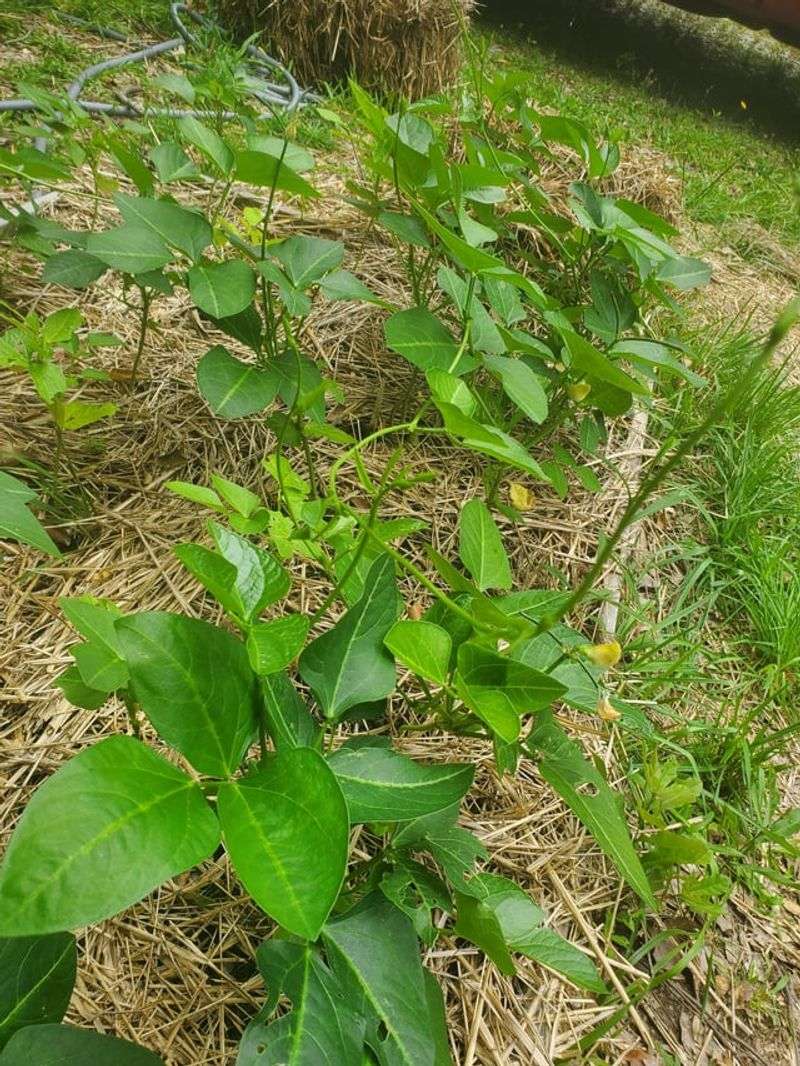
Summer in Florida is hot, wet, and genuinely challenging for most crops. Cowpeas do not seem to notice.
Also called southern peas or black-eyed peas, these legumes have been feeding Southern soils and Southern families for centuries, and their reliability in Florida’s warm season is the kind of thing that earns a permanent spot in any serious gardener’s rotation.
The nitrogen-fixing ability of cowpeas comes from a partnership with Rhizobium bacteria living in nodules on the roots.
Your Florida Garden Changes Every Week. Your Plan Should Too.
Gardening in Florida changes quickly throughout the season. Every Friday you’ll receive a simple weekly plan showing exactly what to plant, prune, fertilize, harvest, and protect so you never miss the right timing.
As the plants grow, they convert atmospheric nitrogen into a form the soil can hold and plants can use. Research shows cowpeas can fix anywhere from 100 to 200 pounds of nitrogen per acre under good conditions.
That is a significant free fertility boost for any garden bed that previously relied on bags from the garden center.
Cowpeas are forgiving plants. They tolerate poor sandy soils, handle dry spells without drama, and grow quickly enough to fit into tight windows between spring and fall vegetable seasons.
Plant them from May through August across most of Florida.
Sow seeds about an inch deep, roughly three to four inches apart. Let the vines sprawl or train them on a simple trellis.
At full bloom, mow them down and incorporate the green material into the soil. Fall garden beds that follow cowpeas tend to perform noticeably better.
They also produce edible pods if you let them go, which means you can feed the soil and yourself from the same planting. Cowpeas understood efficiency long before it was a gardening trend.
3. Use Buckwheat Between Vegetable Cycles
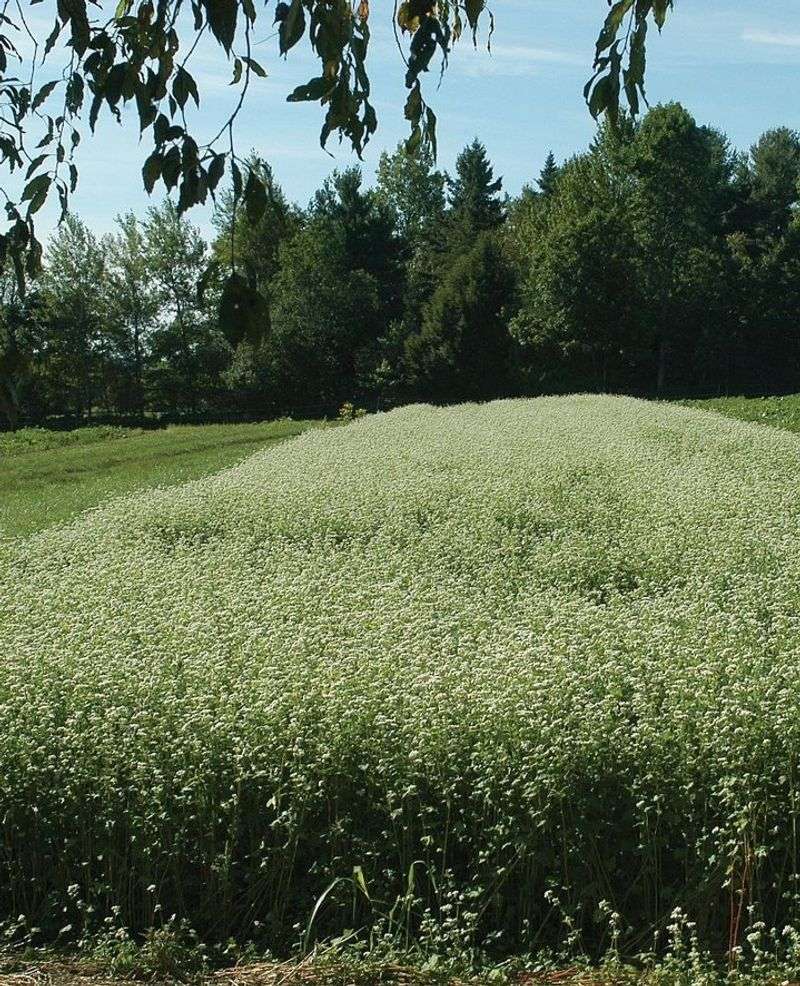
Every garden has those awkward gaps between planting seasons when the beds are empty and the soil is just sitting there exposed to the sun and rain.
Buckwheat was practically made for those moments. It germinates in three to five days, reaches flowering stage in about 30 days, and completes its full life cycle in roughly 70 to 90 days.
That speed fits neatly into Florida’s back-to-back planting calendar without disrupting anything.
Buckwheat is not a legume, so it does not fix nitrogen. What it does instead is scavenge phosphorus from the soil and make nutrients more available to the next crop you plant.
Its dense canopy suppresses weeds aggressively, and the root system loosens compacted soil layers, improving drainage in spots where water tends to pool after heavy rain.
Pollinators love buckwheat. The small white flowers attract bees, hoverflies, and beneficial insects that stick around to help pollinate your vegetable crops once you replant.
That ecological bonus alone is worth the minimal effort of broadcasting a handful of seeds.
Buckwheat works best in spring or early fall in Florida, avoiding the peak summer heat when it can bolt too fast. Broadcast seeds at about one pound per 1,000 square feet.
Mow at early flowering before seeds form and let the material break down right where it falls.
Fast, useful, pollinator-friendly, and it handles the awkward between-season gap that most gardeners just ignore. Buckwheat is the cover crop that makes doing nothing feel productive. That is a rare quality.
4. Sow Sorghum Sudangrass For Organic Matter
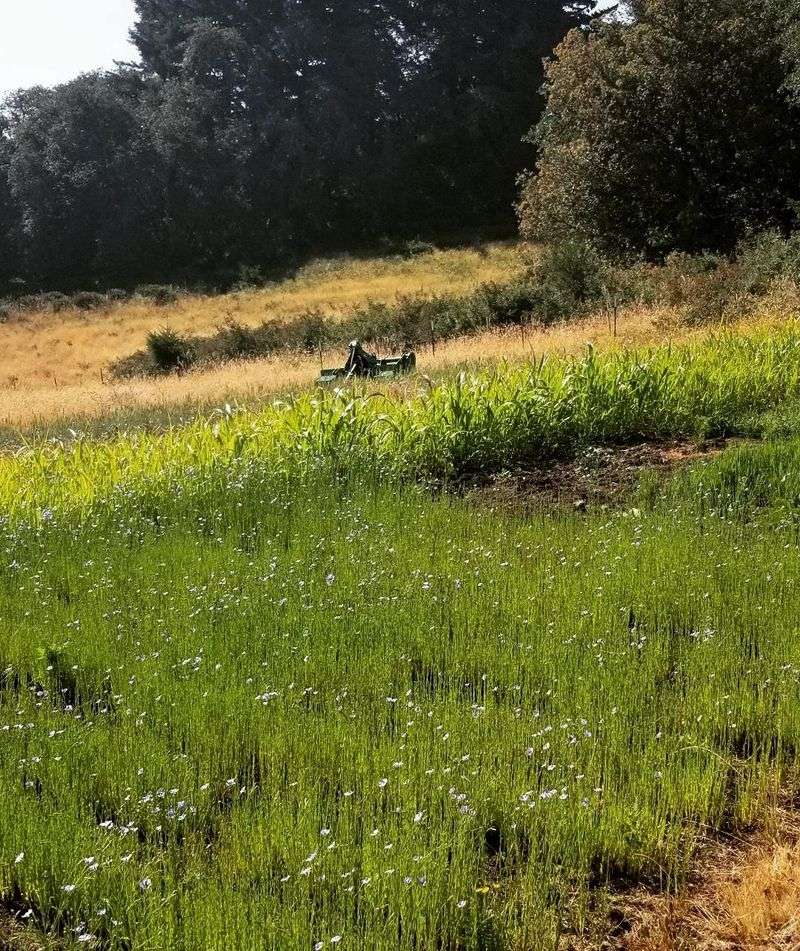
Sandy Florida soil has one persistent weakness: it barely holds organic matter.
Nutrients wash through quickly, and without enough carbon-rich material in the ground, plants struggle to access what little nutrition exists.
Sorghum sudangrass is the cover crop built specifically to address that problem, and it does it on a scale that most gardeners find genuinely surprising the first time they see it grow.
This warm-season annual grass can reach six to twelve feet in a single growing season. The sheer volume of biomass it produces gives the soil something substantial to work with as it breaks down.
More carbon in the ground means better water retention, better nutrient cycling, and a soil structure that improves noticeably from one season to the next.
The root system goes deep and wide, breaking up compacted layers that other plants cannot reach.
As those roots grow and eventually decompose, they leave behind channels that improve water infiltration and air movement through the soil profile. That kind of structural change is slow to achieve any other way.
Plant from April through July. Let the crop grow for 60 to 90 days, then chop or mow before it reaches the hard seed stage.
Incorporate the material into the top six inches of soil, or leave it as a thick surface mulch to decompose slowly over the coming weeks.
Six to twelve feet tall, deep roots, and a serious organic matter boost. Sorghum sudangrass commits fully to whatever job it is given. Florida soil did not know what was coming.
5. Try Pearl Millet For Summer Coverage
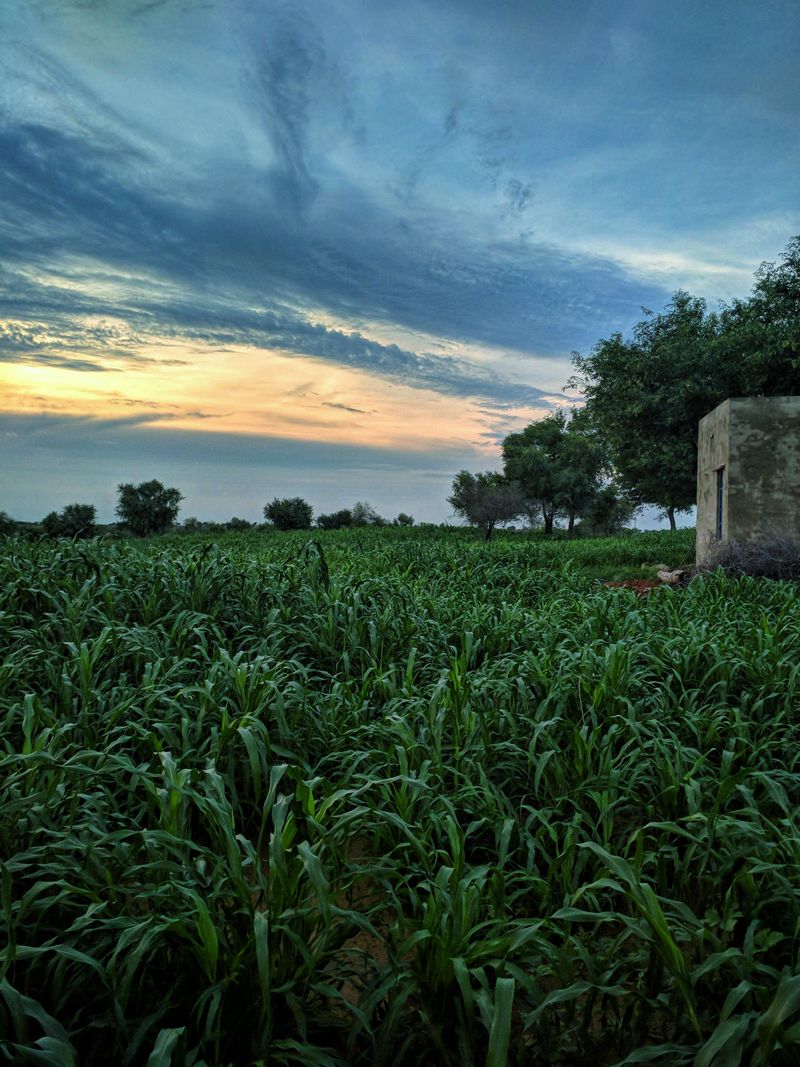
When Florida summer hits its peak and most cover crops start to look stressed, pearl millet keeps going without complaint.
This warm-season annual grass was built for high heat, sandy soils, and the kind of inconsistent rainfall that Florida delivers from June through September.
Gardeners who try it once tend to keep it in their rotation permanently, because the alternatives during peak summer are limited and less reliable.
Beyond heat tolerance, pearl millet does serious work protecting soil from erosion. Florida summer storms can dump two inches of rain in thirty minutes, and bare soil does not hold up against that kind of force.
Pearl millet establishes a protective canopy quickly, keeping soil particles in place and reducing nutrient runoff into nearby waterways. That matters especially for gardeners near lakes, retention ponds, or coastal areas where runoff has real consequences.
The root system is fibrous and extensive, reaching deep into sandy ground and slowly breaking up compaction over time.
As roots and above-ground material decompose, they add valuable organic carbon to the soil season by season.
Sow from April through August at roughly 25 to 30 pounds per acre. For small garden beds, broadcast seeds lightly and rake them in about a half inch deep.
Mow or cut at flowering stage before seeds set and incorporate the material for maximum organic matter benefit.
Tough, fast-growing, erosion-stopping, and completely unbothered by the conditions that challenge everything else in a Florida summer garden. Pearl millet shows up when other options step aside.
6. Plant Crimson Clover In Cool Season
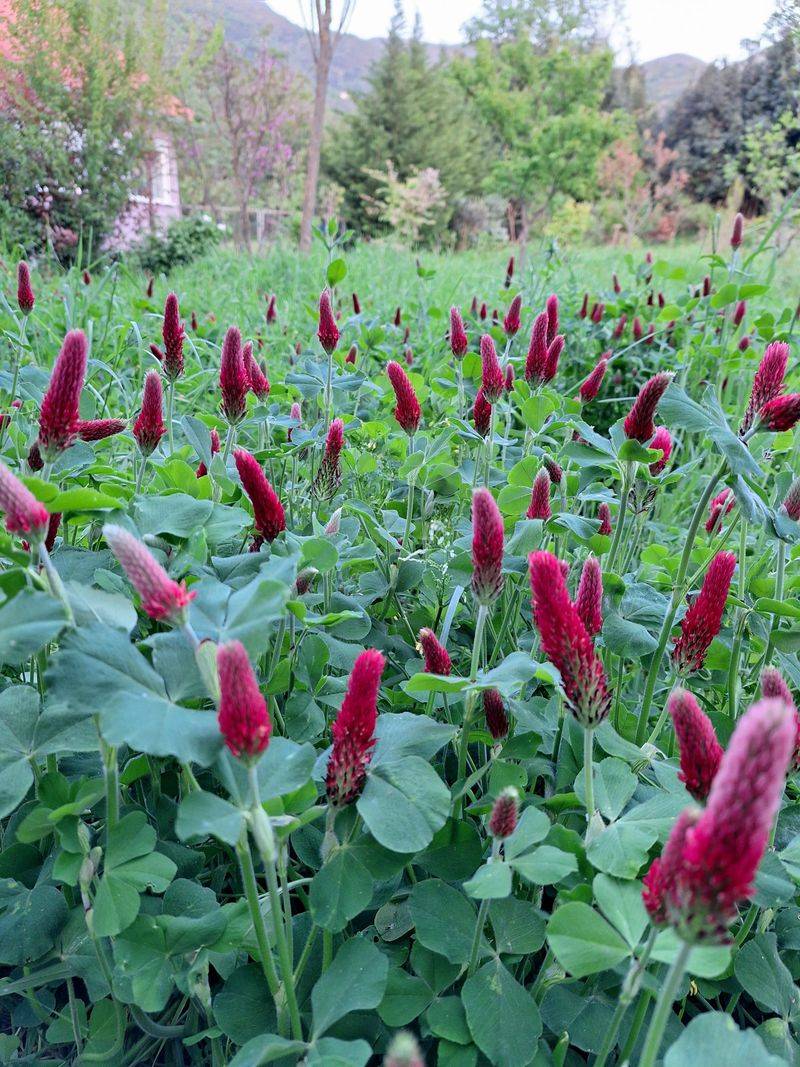
When fall arrives in Florida, many gardeners shift their attention to vegetables. Experienced soil builders shift their attention to crimson clover.
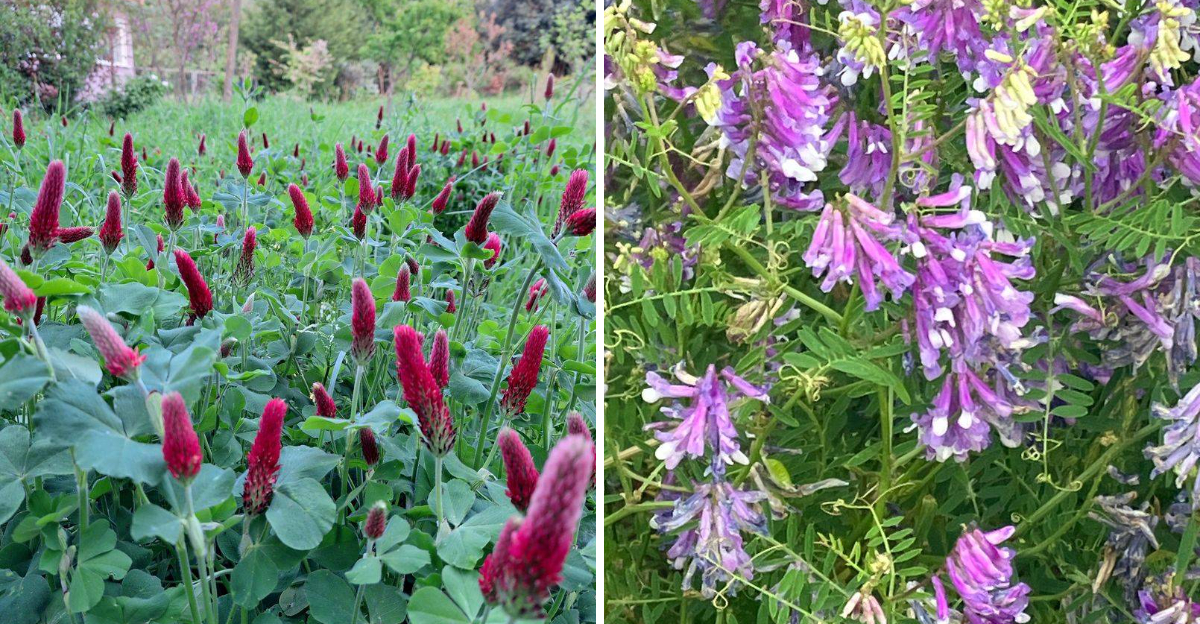
This cool-season annual legume is one of the best nitrogen-fixing cover crops available for Florida’s mild winters, and it brings deep red color to the garden that makes it genuinely hard to mow down when the time comes. Almost too pretty for its own good.
Crimson clover fixes atmospheric nitrogen through root nodule bacteria across the winter months. When spring arrives and you incorporate the plants into your beds, that stored nitrogen becomes available to warm-season vegetables and flowers.
The fertility contribution is real and measurable, often reducing or eliminating the need for synthetic nitrogen fertilizers in the following planting cycle.
Beyond nitrogen, crimson clover protects soil from winter erosion and compaction. Florida winters bring cold snaps, heavy rain, and wind that can strip bare garden beds of topsoil faster than most people expect.
A living cover holds everything in place while improving soil biology underground at the same time.
Plant from October through December in North and Central Florida. South Florida gardeners can plant into January. Broadcast seeds at about one pound per 1,000 square feet.
Inoculate seeds with the proper Rhizobium inoculant before planting to maximize nitrogen fixation, especially in new garden areas where the bacteria may not yet be present.
Gorgeous red blooms, free nitrogen, erosion protection, and improved soil biology, all from one cool-season planting. Crimson clover overachieves at every opportunity. The bees who show up in winter to visit it seem to agree.
7. Use Hairy Vetch For Nitrogen Support
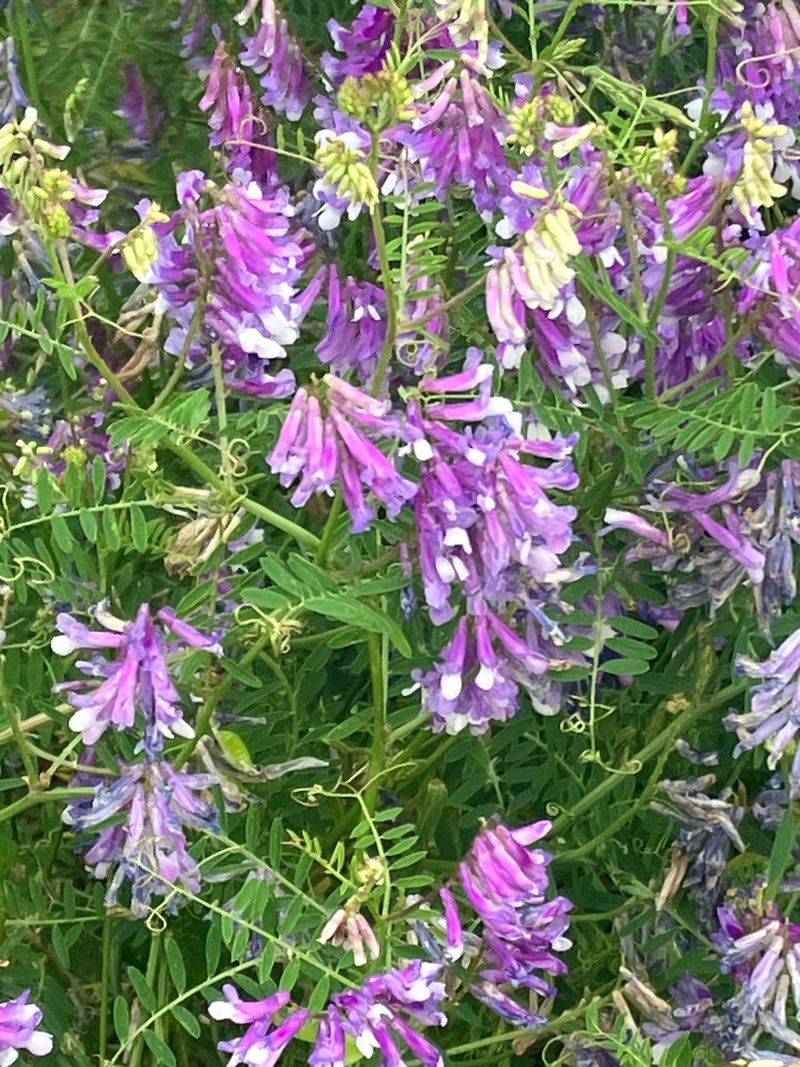
Hairy vetch does not have the most glamorous name in the cover crop world.
What it does have is a seriously aggressive growth habit and a nitrogen-fixing capacity that makes it one of the most effective cool-season legumes a Florida gardener can plant.
It sprawls, it climbs, it tangles itself around everything nearby, and it absolutely thrives during Florida winters when other cover crops look half asleep.
Hairy vetch partners with Rhizobium bacteria to pull nitrogen from the atmosphere and lock it into root nodules through the cool season.
When you terminate the crop in spring and incorporate it into the soil, that nitrogen releases slowly as the plant material breaks down, feeding warm-season crops for weeks after planting.
The timing lines up well with Florida’s spring vegetable season.
It pairs especially well with winter rye or oats, which provide a natural trellis for the vines to climb and add carbon biomass to balance the nitrogen-heavy legume material.
The combination creates a well-rounded cover crop blend that improves both fertility and soil structure at the same time.
Sow from October through December at about 30 to 40 pounds per acre. For smaller gardens, mix with winter rye at a 50/50 ratio.
Terminate at early flowering in late winter or early spring, cutting or rolling it down and letting the residue act as a mulch over spring garden beds.
Scrappy, effective, and working almost all winter while the rest of the garden waits for spring. Hairy vetch does not need a better name. The results speak loudly enough on their own.