8 Things South Carolina Gardeners Should Do Before This Week’s Rain
Storm clouds gather fast over South Carolina, changing everything you planned this season. Rain reveals every weakness hiding in your unprepared soil.
Puddles overwhelm roots you spent countless months nurturing carefully underground. Wind bends stems you never bothered to stake.
Heavy rain compacts loose soil, stealing oxygen your plants desperately need. Mulch scattered loosely drifts downhill within just a few minutes.
Containers without drainage holes trap water around fragile roots. Fertilizer applied too early disappears before plants absorb it. Pests find quiet refuge the instant humidity spikes sharply.
Fungal disease spreads once excess moisture settles deep into your beds. Timing alone decides whether your garden flourishes or simply struggles badly.
South Carolina storms reward preparation and outpace hesitation quickly. Every minute you delay costs you something valuable you cannot regrow.
Another fierce storm always follows, testing whatever you left unprepared. Your garden’s outcome depends entirely on what you do next.
1. Weed Garden Beds Before Soil Gets Too Saturated
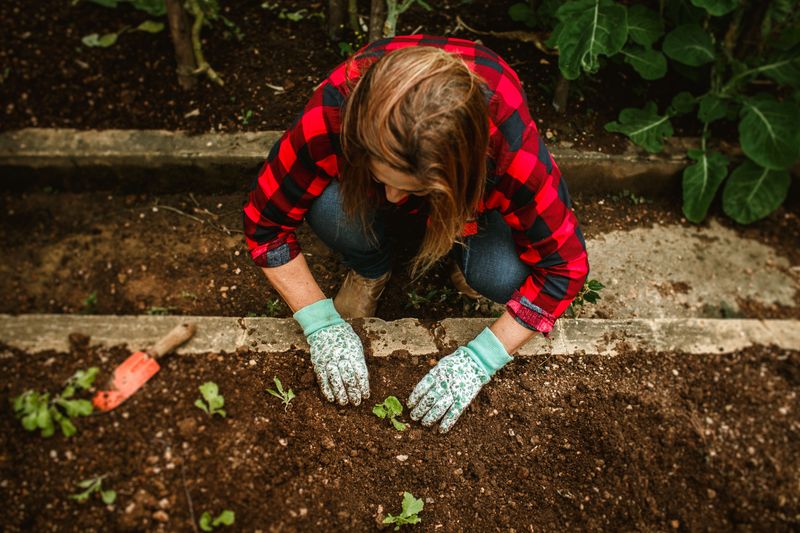
Weeds are sneaky little opportunists, and rain is their best friend. When soil gets waterlogged, pulling weeds becomes a muddy, frustrating mess that leaves root pieces behind, guaranteeing round two within weeks.
Those broken fragments regenerate faster than you’d expect, turning one weed into three. Dry soil gives you a clean advantage before the storm arrives. Roots come out whole, and you can clear a bed in half the time it would take after a downpour.
You’ll feel the difference the moment your hand weeder slides through loose, forgiving earth instead of thick, clingy mud.
South Carolina gardens are no strangers to fast-growing weeds like chickweed, henbit, and wild violet. These plants grow rapidly after heavy rain, stealing nutrients meant for your vegetables and flowers.
Left unchecked, they’ll outcompete seedlings within days, choking out root systems still trying to establish themselves.
Grab a hand weeder or garden hoe and work through each bed systematically, section by section.
Focus on weeds that have already started flowering, since those are the ones dropping seeds into your soil right now, setting up next season’s infestation before this one even ends.
Even a quick twenty-minute session can make a huge difference before the storm arrives. Toss pulled weeds into a bucket rather than leaving them on the soil surface, because some will re-root even after being pulled, especially in humid conditions.
Pre-rain weeding is one of the more valuable tasks a South Carolina gardener can tackle all season. A clean bed after the rain means your plants get all the good stuff the water delivers, undiluted by competition.
2. Stake Tall Plants To Prevent Wind And Rain Damage
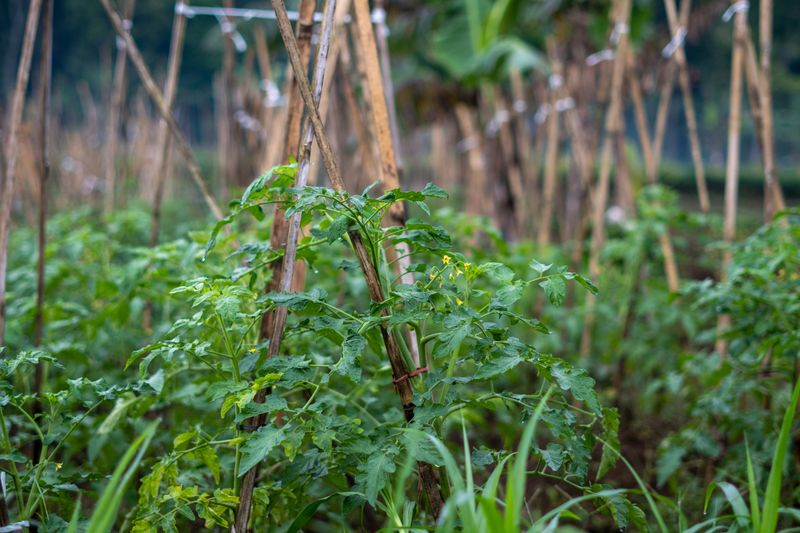
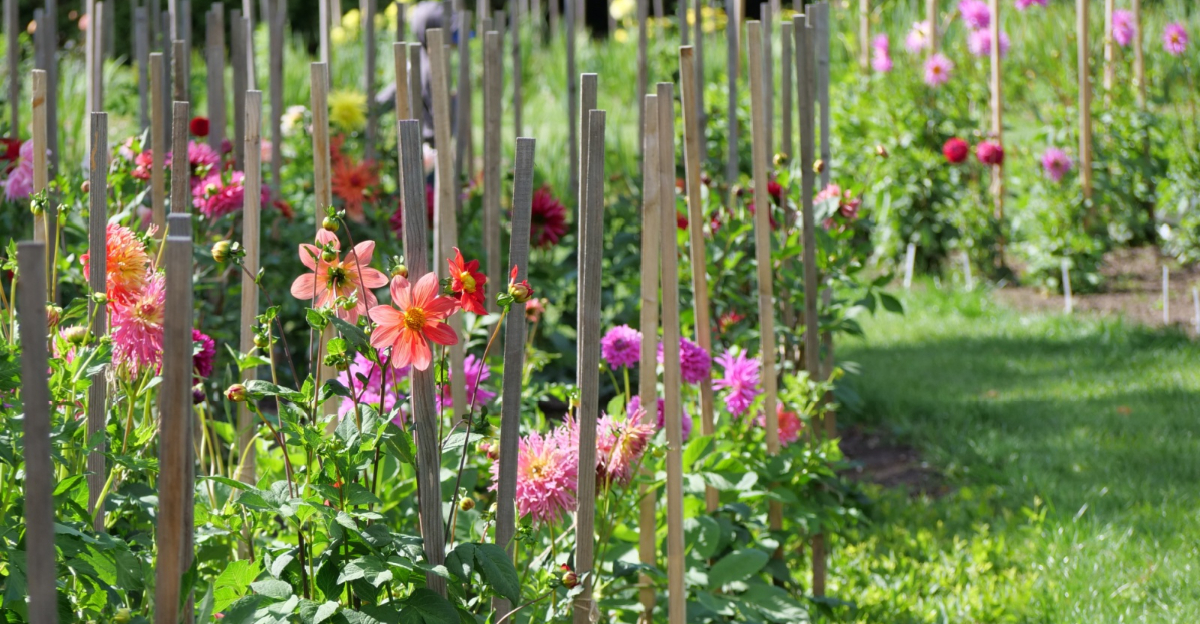
Tall plants look impressive until a storm snaps them clean in half. Tomatoes, dahlias, and sunflowers are especially vulnerable when their stems carry heavy fruit or blooms they were never built to bear alone.
Wind and rain together create a tough combination no stem handles well. A stem that seemed sturdy on a calm afternoon can bend or break under a gust carrying heavy water weight.
Your South Carolina Garden Changes Every Week. Your Plan Should Too.
Gardening in South Carolina changes quickly throughout the season. Every Friday you’ll receive a simple weekly plan showing exactly what to plant, prune, fertilize, harvest, and protect so you never miss the right timing.
What held firm yesterday can break overnight unexpectedly. Walk through your garden right now and identify every plant standing taller than two feet. These are your candidates for staking before the storm moves in and turns hesitation into regret.
Don’t skip the ones that look strong, because storms don’t discriminate. Bamboo stakes work great for most garden plants and cost almost nothing.
Drive the stake a few inches from the main stem, then use soft garden twine or stretchy plant tape to loosely tie the stem to the stake.
The tie should be snug enough to offer support but loose enough to allow natural movement. Plants tied too tightly can actually experience stem damage from pressure during high winds, defeating the entire purpose.
Check any existing stakes you placed earlier this season before assuming they’ll hold. Heavy rain can soften soil and cause stakes to lean or pull free, leaving plants unprotected right when they need it most.
A few minutes of staking now saves hours of cleanup and heartbreak later. Your future self will thank you when the sun returns and your garden is still standing tall, untouched and unbroken.
3. Clear Gutters And Drains To Prevent Yard Flooding
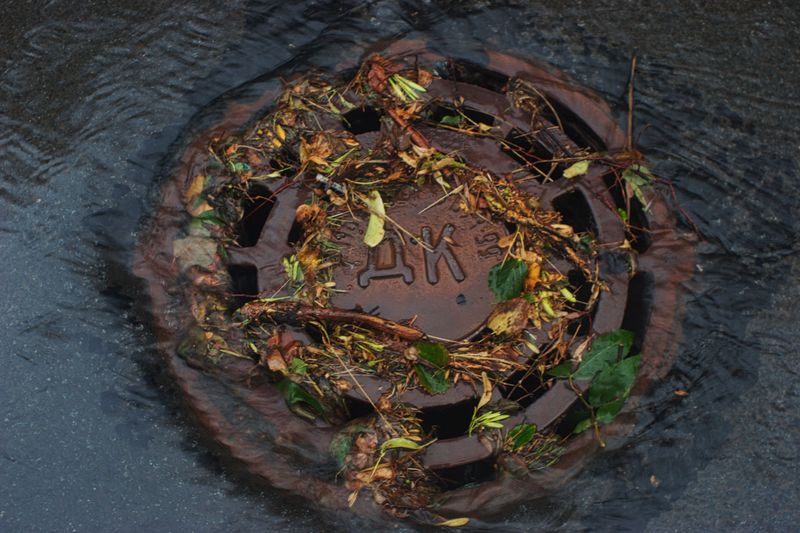
Clogged gutters are the silent enemy of a healthy yard. When water cannot flow freely through your drainage system, it overflows and dumps directly onto your garden beds and lawn.
South Carolina storms are known for delivering intense, fast-moving summer downpours that can overwhelm an unprepared drainage system in minutes.
A blocked gutter turns that rainfall into a waterfall aimed straight at your foundation and flower beds.
Grab a ladder and check every gutter run around your home before the rain arrives. Look for packed leaves, pine needles, and any debris that has collected since your last cleaning.
Also check your downspout extensions and yard drains. A downspout that empties right next to a raised bed or vegetable garden can flood it completely during a heavy storm.
Use a garden hose to flush each gutter section after clearing debris by hand. This confirms that water can flow freely and shows you any low spots where standing water might pool.
While you are at it, clear any storm drains visible in your driveway or street curb area. Blocked street drains can cause water to back up onto your property faster than you expect.
Clean gutters and clear drains are an easy-to-overlook but essential part of storm prep. Getting this done before the rain hits protects not just your garden but your entire property from unnecessary water damage.
4. Harvest Ripe Vegetables Before Rain Causes Splitting
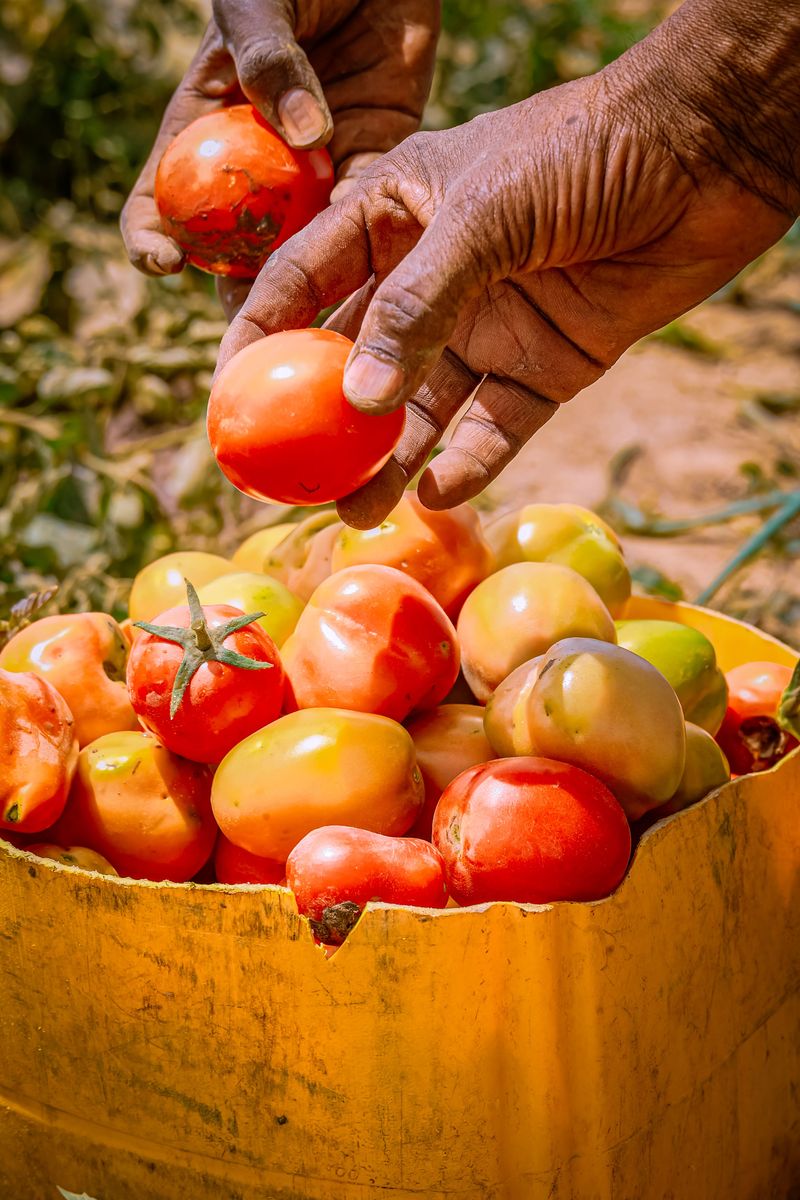
There is nothing sadder than a perfectly ripe tomato split wide open by overnight rain. That crack in the skin happens when the plant absorbs water faster than the fruit can expand to handle it.
Tomatoes are the biggest offenders, but cucumbers, peppers, and even squash can crack after a heavy soaking. If a vegetable looks almost ready, go ahead and pick it now.
Most vegetables will continue ripening indoors after harvest. A tomato pulled just before full ripeness will reach peak flavor on your kitchen counter within a day or two.
Walk your entire vegetable garden and look for anything showing signs of color change or full size. When in doubt, harvest it rather than gambling on the weather forecast being wrong.
Peppers are a great example of a crop that holds up well after early picking. A green pepper pulled before rain will finish turning red on a sunny windowsill without any splitting risk.
Also check for any vegetables already showing small surface cracks from previous moisture swings. Those should come off the plant immediately, since another rain event will make them completely unusable.
Harvesting before a storm is smart gardening, not impatience. A basket full of produce on your counter beats a pile of split, rotting vegetables on the vine any day of the week.
5. Apply Mulch To Reduce Soil Erosion From Runoff
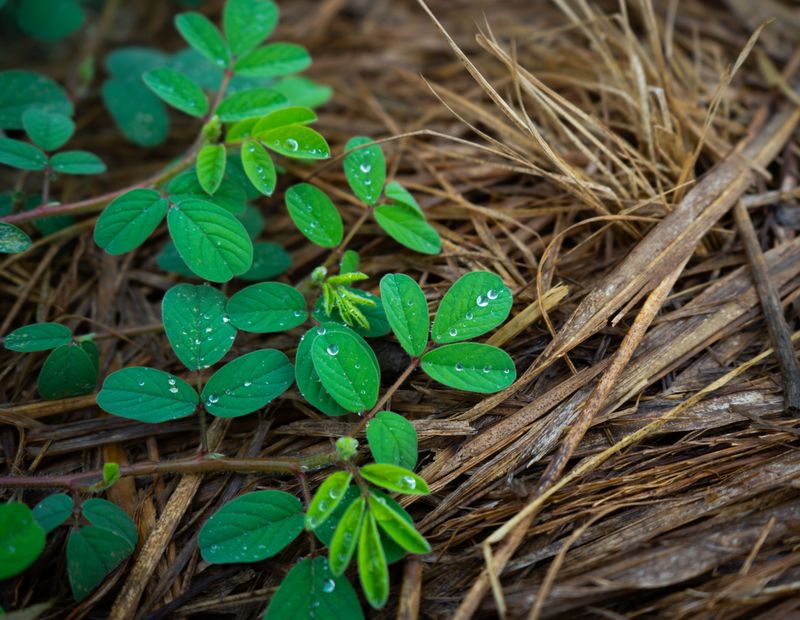
Bare soil and heavy rain are a challenging pair. Without a protective layer on top, raindrops hit exposed dirt with enough force to compact the surface and send topsoil washing away.
Mulch acts like a shield, absorbing the impact of falling rain and slowing the movement of water across your garden beds. It keeps the good stuff right where your plants need it.
Pine straw is a classic choice across South Carolina gardens. It is affordable, locally available, and breaks down slowly enough to stay in place through multiple storm events.
Aim for a mulch layer about two to three inches deep around your plants. Too thin and it does little to stop erosion. Too thick and it can hold excess moisture against plant stems, causing rot.
Keep mulch a few inches away from the base of each plant or tree trunk. Mulch piled directly against stems creates a damp environment that invites disease and pest problems.
If you already have mulch down from earlier in the season, now is a good time to refresh thin spots. Rainfall compresses mulch over time, reducing its protective effectiveness.
A fresh layer of mulch before the storm is one of the easiest investments you can make. Your soil stays intact, your plants stay healthy, and your garden looks sharp after the clouds clear.
6. Move Potted Plants To Higher, Sheltered Ground
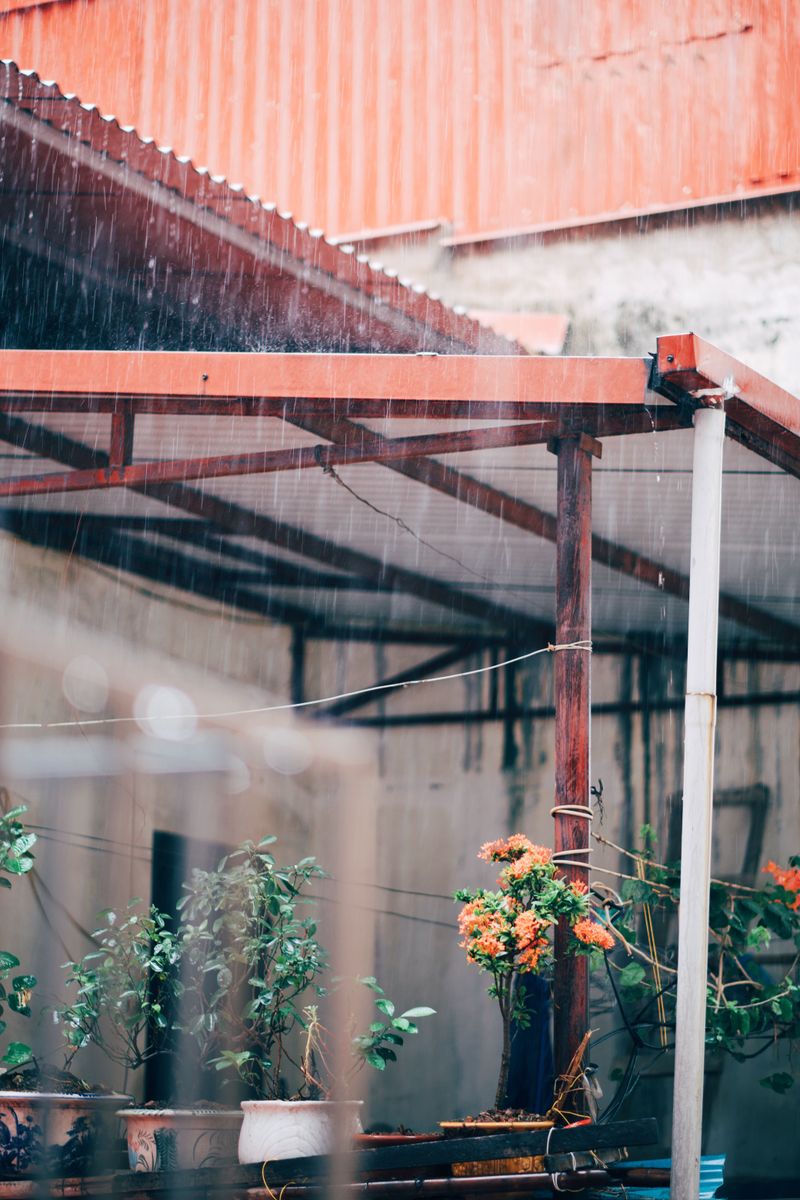
Container plants are highly exposed during a heavy storm. Unlike in-ground plants, pots can tip over, flood completely, or get damaged by wind-driven rain with nowhere to escape.
Start by moving your most valuable or delicate container plants under a covered porch, carport, or overhang. Even partial shelter makes a big difference during a sustained downpour.
Check the drainage holes on every pot before you relocate it. Clogged drainage holes turn a pot into a bucket, and roots sitting in standing water can weaken within hours.
Heavy ceramic or terracotta pots are especially risky in high winds. A large pot that tips over can crack, spill soil everywhere, and damage nearby plants in the process.
Group smaller pots together in a sheltered spot rather than leaving them scattered across an exposed patio or deck. Clustering them also reduces the chance of individual pots blowing over.
If you have hanging baskets, take them down and set them on the ground in a protected area. The swinging motion during wind gusts can stress plant stems and break hooks from walls.
Moving containers takes maybe 15 minutes but saves you from repotting, replacing, and cleaning up after the storm passes. Your favorite plants deserve better than getting battered by a South Carolina downpour.
7. Delay Fertilizing Since Heavy Rain Washes Nutrients Away

Fertilizing right before a heavy rain often means wasting your fertilizer investment. The nutrients you apply get picked up by runoff water and carried far away from your plant roots before they can be absorbed.
Nitrogen is especially prone to washing away quickly. It bonds loosely to soil particles and moves with water, meaning a solid rain event can wash away most of what you just applied.
Hold off on any granular or liquid fertilizer application until after the storm has passed and the soil has had a day or two to dry out. Patience here pays off in a big way.
If you already scheduled a fertilizing session this week, simply push it back by a few days. Your plants will not be affected by a short delay, and your investment will actually reach the roots.
There is also an environmental angle worth considering. Fertilizer runoff from home gardens contributes to nutrient pollution in local waterways, which harms fish and aquatic plants across South Carolina.
Slow-release fertilizers are slightly more resistant to washout than fast-acting liquid types. But even slow-release formulas lose effectiveness when a major storm moves through before the pellets have time to break down.
Skipping fertilizer before this week’s rain is the right call for your garden and your wallet. Wait for dry conditions, and every granule will go exactly where it belongs.
8. Check Drainage Paths To Redirect Water From Beds
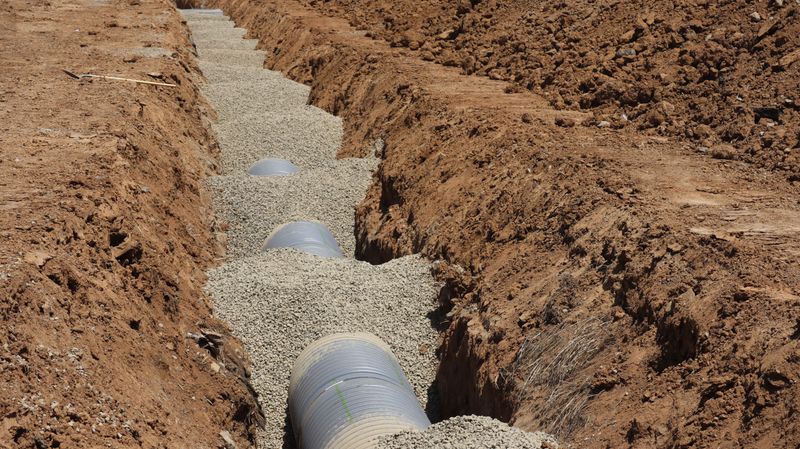
Water always finds the path of least resistance, and sometimes that path runs straight through your favorite garden bed. Knowing where water flows across your yard before a storm is genuinely useful information.
Walk your yard on a dry day and look for natural low spots, slopes, and channels where water collects. These are the areas that will fill up first and stay wet longest after heavy rain.
If any of those drainage paths point toward a garden bed, now is the time to redirect them. A simple trench, a redirected downspout, or a few sandbags can shift water flow away from vulnerable plants.
Raised beds are not immune to flooding problems. If water pools around the base of a raised bed, it can saturate the surrounding soil and wick moisture up into the bed from below.
Check that any existing garden borders or edging are not acting as unintentional dams. A solid edging board or brick border can trap water inside a bed rather than letting it drain outward.
French drains and gravel channels are longer-term solutions worth considering if flooding is a recurring problem in your yard. Even a small DIY trench filled with gravel can dramatically improve drainage performance.
Before this week’s rain hits, a quick drainage walkthrough puts you in control of where the water goes. Redirecting flow now means your garden beds stay healthy and your plants stay exactly where you planted them.