These Are The Overlooked Reasons Fire Ant Mounds Keep Multiplying In South Carolina

One mound disappears, and within a week your South Carolina lawn looks dotted with new ones all over again.
Fire ants seem to multiply unpredictably, popping up in fresh spots just when you thought the problem was handled.
It feels personal, almost like they’re rebuilding faster than you can knock them down. But this isn’t bad timing or rotten luck.
Something in your yard, your soil, or even your neighbor’s property is quietly working in their favor, and most homeowners never connect the dots.
South Carolina’s warm, wet climate gives these colonies exactly the conditions they crave, and a single missed nest can undo weeks of effort. The mounds you see are rarely the whole story.
Underneath the surface, a much bigger colony network is often growing unnoticed. Once you know what’s actually triggering this cycle, treating your yard stops feeling like a guessing game and starts becoming a real strategy.
1. Warm Winters Keep Colonies From Fading Back
Most bugs slow way down when cold weather hits. Fire ants, though, are built differently.
In states with harsh winters, freezing temperatures naturally knock back fire ant populations each year. South Carolina does not get cold enough, long enough, to do that job.
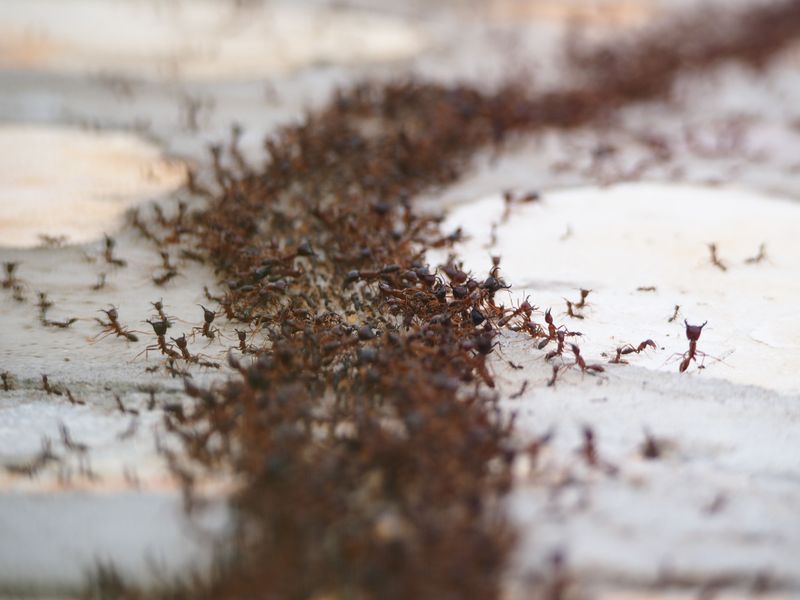
When winter temperatures stay mild, colonies keep eating, breeding, and expanding without pause. Queens never stop laying eggs, and worker populations stay strong through February and March.
A colony that survives winter at full strength hits spring already primed to split and spread. That means more mounds appearing earlier in the season than most homeowners expect.
This is a pattern many pest professionals across the Southeast have noticed: warmer-than-average winters often line up with bigger mound counts the following spring.
Climate trends are making this worse over time. Average winter lows across the state have trended upward over recent decades, which can give colonies a longer active season.
Homeowners often blame spring rain for the sudden mound surge. The real culprit is often a winter that never got cold enough to slow things down.
Understanding this pattern helps you plan better. Starting treatment in late winter, before populations surge, gives you a real advantage against fire ant mounds multiplying across your property.
2. Construction Projects Disturb Soil And Scatter Queens
New neighborhoods are going up all across South Carolina at a rapid pace. Every time a bulldozer breaks ground, it disrupts colonies underground.
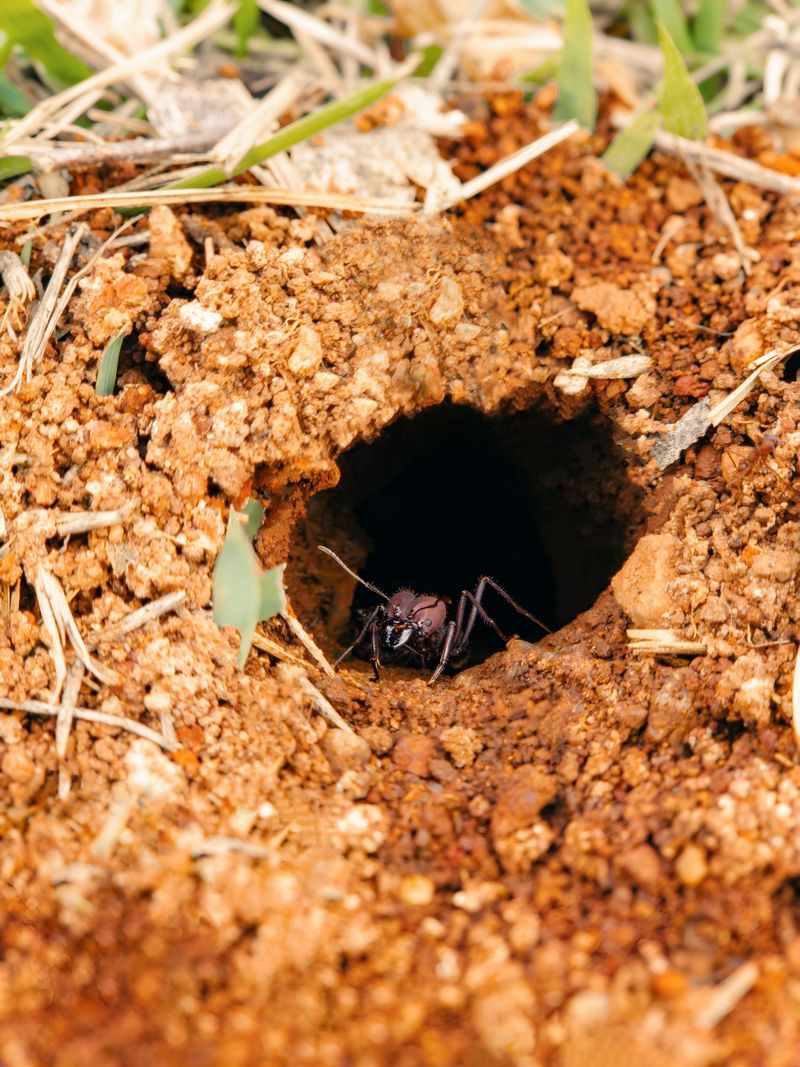
Fire ant colonies live several feet deep in the soil. Heavy equipment cuts through established colonies, physically scattering workers and queens in different directions.
A single queen can start a brand-new colony almost anywhere she lands. She needs only a small patch of loose, warm soil to begin laying eggs and rebuilding her population.
Construction activity also creates ideal soil conditions for new colonies. Freshly turned dirt is loose, airy, and easy for ants to excavate, making it far more attractive than compacted ground nearby.
Grading and filling operations move enormous amounts of soil between sites. Queens hiding inside that transported dirt can end up miles from their original location without anyone realizing it.
Your South Carolina Garden Changes Every Week. Your Plan Should Too.
Gardening in South Carolina changes quickly throughout the season. Every Friday you’ll receive a simple weekly plan showing exactly what to plant, prune, fertilize, harvest, and protect so you never miss the right timing.
Neighboring homeowners often notice a sudden surge in mounds right after construction begins nearby. That is not a coincidence, and it is not random bad luck either.
Protecting your yard during nearby construction takes some effort. Treating your lawn perimeter with a quality broadcast bait before and during active construction phases can intercept displaced queens before they establish new colonies.
Fire ant mounds multiplying near construction zones are a direct result of this soil disruption. Staying proactive during building seasons gives your yard a fighting chance against the invasion.
3. Heavy Rains Push Colonies Upward To Escape Flooding

After a big rainstorm, fire ant mounds seem to appear out of nowhere. Yards that looked clean the day before suddenly have fresh mounds dotting the landscape.
This is not a coincidence. Fire ants respond to flooding by moving upward through the soil and building new mounds above the waterline.
South Carolina gets significant rainfall throughout the year, especially during late spring and hurricane season. Each heavy rain event triggers this survival response across thousands of colonies simultaneously.
Ants also form living rafts during extreme flooding, clumping together to float until they find dry ground. Once they land on your lawn, they immediately begin establishing new nesting sites.
Homeowners often misread this pattern. They assume the rain brought ants from somewhere else, but the colony was likely already living beneath the surface nearby.
The mounds you see after rain are the visible proof of colonies that were hidden underground before the storm. They were always there, just invisible until the water forced them up.
Flood-prone areas of the yard, like low spots near drainage ditches, tend to see the highest mound counts after storms. Improving drainage in those zones reduces the frequency of this upward migration.
Treating your lawn within a day or two after heavy rain is one of the most effective timing strategies available. Colonies are disrupted, workers are active, and bait uptake tends to be higher during this window.
4. Lawn Fertilizer Creates Ideal Nesting Conditions
A thick, healthy lawn feels like a win for any homeowner. What most people do not realize is that the same fertilizer feeding that grass is also feeding fire ant colonies.
Nitrogen-rich fertilizers accelerate plant growth, which increases the organic matter and seed content in the soil. Fire ants rely on organic material as a primary food source, so richer soil supports larger, more productive colonies.
Fertilized lawns also tend to hold moisture better than sparse ones. Fire ants prefer moist, nutrient-dense soil for nesting because it supports faster brood development and colony growth.
Heavily fertilized turf areas tend to support higher fire ant mound densities than unfertilized areas nearby. The richer soil and food source appear to be a key part of that connection.
Switching to a slow-release fertilizer reduces the rapid nutrient spikes that create those ideal conditions. It keeps your lawn healthy without accidentally rolling out a welcome mat for ant colonies.
Applying fire ant bait right after fertilizing is a smart pairing. Worker ants are actively foraging when food sources are plentiful, making them far more likely to pick up and carry bait back to the queen.
Timing matters here too. Early morning or late afternoon applications, when ants are most active, dramatically improve how much bait gets collected and processed by the colony.
Your lawn care routine and your pest management plan should work together. A few small adjustments can make a huge difference in keeping fire ant mounds from taking over.
5. Imported Nursery Plants Carry Hidden Ant Queens
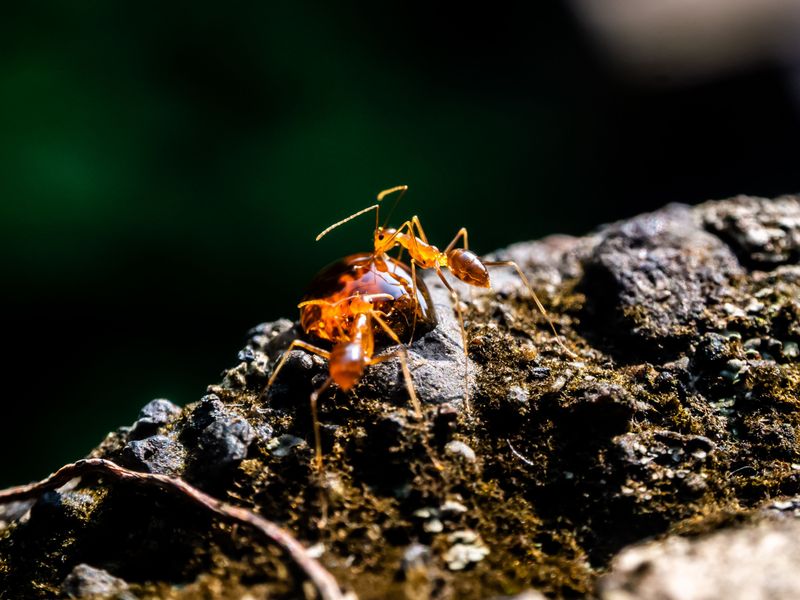
Buying a beautiful shrub or flowering plant feels harmless enough. But that pot of soil sitting in your trunk might be carrying something you never paid for.
Fire ant queens and small colonies frequently hitch rides inside potted nursery plants. The soil in those containers is warm, moist, and nutrient-rich, which makes it a perfect environment for young colonies to hide.
Commercial nurseries move plants across long distances, sometimes from states with even higher fire ant pressure than South Carolina. Inspections do not always catch small colonies tucked deep inside root balls.
Once you plant that shrub in your yard, the colony emerges and begins expanding into your native soil. Within weeks, what started as a tiny hidden colony becomes a full-sized mound.
Gardeners who frequently add new plants to their landscape tend to see higher mound counts than those who plant less often. The correlation is not always obvious, but it is consistent.
Inspecting new plants before placing them in the ground is one of the easiest prevention steps available. Look closely at the soil surface and around the drainage holes at the bottom of the pot.
Soaking the root ball in water before planting can force hidden ants to the surface where you can deal with them directly. It takes an extra ten minutes but saves significant headaches later.
Fire ant mounds multiplying near recently planted areas are a strong signal to check your purchasing habits. Your local garden center may be the source you never suspected.
6. Mowing Patterns Carry Pheromone Trails Between Yards

Your lawn mower does more than cut grass. It also picks up fire ant pheromone trails and spreads them across your entire yard with every pass.
Fire ants rely heavily on chemical signals to communicate. It’s possible that a mower rolling over a mound or active trail disturbs those pheromone trails.
This could influence ant movement nearby, though the effect isn’t something that’s been closely studied.
Mower wheels could also physically transport ant eggs, larvae, or small workers from one section of the yard to another. If a colony fragment lands in fresh soil, it may have a chance to start a new satellite mound.
This is especially relevant in neighborhoods with shared lawn care services. A commercial crew mowing multiple properties in one day can inadvertently connect ant populations across several adjacent yards.
Rinsing your mower deck and wheels after cutting through a known mound zone reduces this transfer risk significantly. It takes less than five minutes and breaks the pheromone trail before it leads somewhere new.
Mowing around mounds rather than directly through them also helps. Disrupting a mound mid-day when ants are deep underground causes less scattering than hitting one in the early morning when ants are near the surface.
Changing your mowing direction each week can also disrupt established trail patterns. Ants rely on consistent paths, and breaking those routes slows their ability to expand into new lawn sections.
Small changes to your mowing routine can genuinely reduce how fast fire ant mounds spread across your property. Consistency in these habits adds up over an entire season.
7. Drought Conditions Drive Ants Toward Irrigated Lawns

When the ground dries out and cracks, fire ants do not just wait around. They move, and they move fast toward the nearest water source.
Irrigated lawns become attractive options during drought periods. The combination of moisture, soft soil, and healthy grass roots creates a highly attractive environment for colonies seeking stable ground.
South Carolina summers can turn very dry between rain events. Homeowners running irrigation systems during these dry stretches are creating an attractive nesting location for nearby fire ant colonies.
Colonies from neighboring dry lots may migrate toward more favorable, well-watered ground when conditions get dry enough.
Fire ant colonies are capable of relocating when their environment becomes inhospitable. This explains why yards with sprinkler systems often see dramatic mound increases during summer droughts.
The surrounding landscape dries out while your lawn stays green and inviting. Adjusting your irrigation schedule slightly can help reduce this effect.
Watering deeply but less frequently encourages deeper root growth while making the surface soil slightly less attractive as a nesting zone.
Early morning watering, which allows the surface to dry out by midday, creates less ideal conditions for new mound establishment. Ants prefer consistent moisture at the soil surface for brood development.
Keeping fire ant mounds from multiplying during drought means thinking strategically about your watering habits. A small tweak in timing can make your yard significantly less attractive to migrating colonies looking for a new home.
8. Neighboring Vacant Lots Become Unmanaged Breeding Grounds
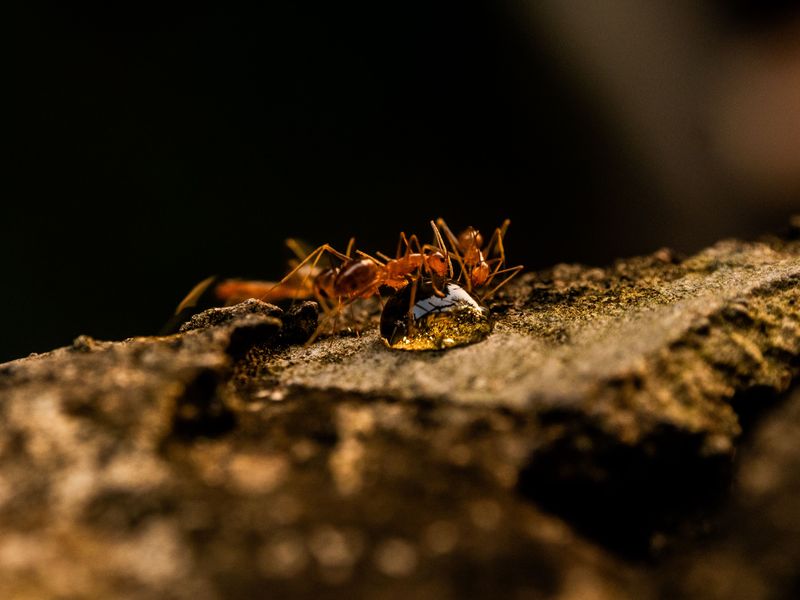
That empty lot next door might look harmless. Underneath the weeds, it is often home to an active, unmanaged fire ant colony.
Vacant lots receive no pest control, no mowing pressure, and no foot traffic to disrupt colony growth. Fire ant populations in unmanaged spaces can reach densities far higher than anything seen in maintained yards.
As those colonies grow and mature, they naturally bud off and send new queens into adjacent properties. Your well-maintained lawn becomes the next frontier for expansion from that untreated neighboring lot.
This process is called colony budding, and it happens when a colony grows large enough to split. One queen stays, and another takes a group of workers to establish a new colony nearby.
Homeowners who treat their own lawns diligently but ignore the vacant lot next door often feel like their efforts are pointless. New fire ant mounds keep appearing from that unmanaged source no matter what they do.
Contacting your local county extension office is a smart first move. Some areas have ordinances requiring property owners to manage invasive pest populations, and fire ants may qualify, so it’s worth checking local regulations.
Creating a treated buffer zone along your property line can intercept migrating colonies before they get established in your lawn. Granular baits applied along fences and borders work well for this strategy.
Fire ant mounds multiplying from a vacant lot next door require a neighborhood-level response. Talking to neighbors and coordinating treatment efforts is often the most powerful tool you have.