10 Single-Ingredient Fertilizers That Work Wonders On Tomatoes In North Carolina
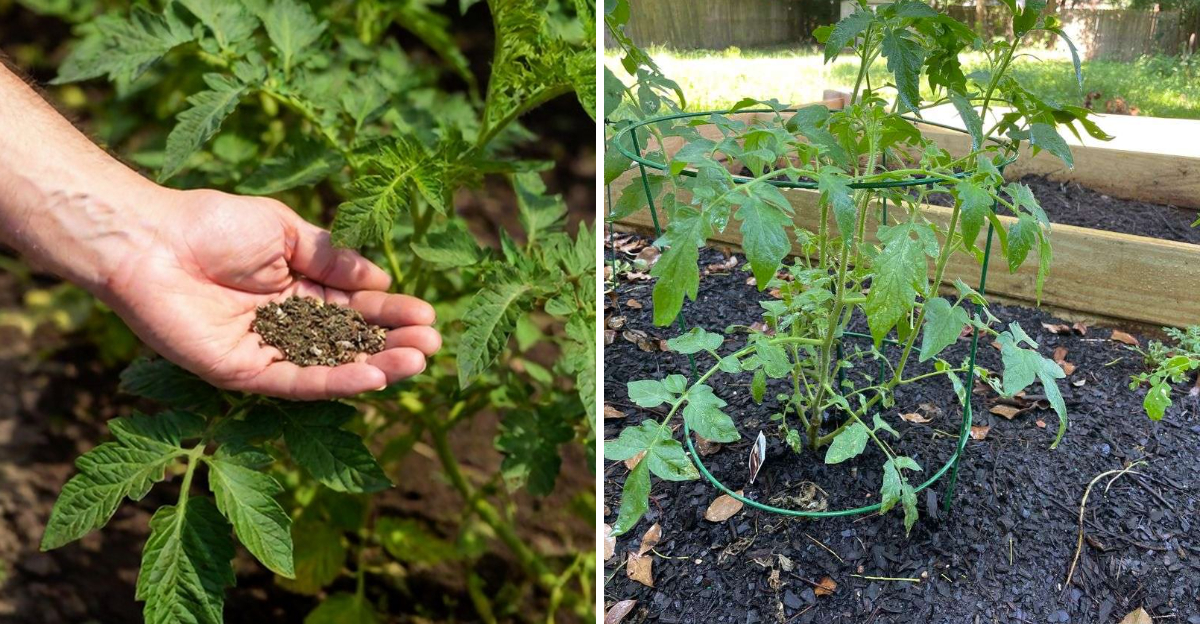
Store shelves are full of tomato fertilizers with long ingredient lists and prices that add up fast over a North Carolina growing season.
What experienced growers have figured out is that some of the most effective feeding options are single-ingredient, inexpensive, and already sitting in most kitchens or available at any garden center without any complicated mixing or measuring.
North Carolina’s long tomato season gives these simple inputs enough time to make a visible difference in fruit size, plant vigor, and overall production.
Each one targets something specific that tomatoes need during a particular stage of growth.
Knowing which ingredient to reach for at the right moment is more useful than any all-purpose blend applied on a fixed schedule throughout the season.
1. Finished Compost
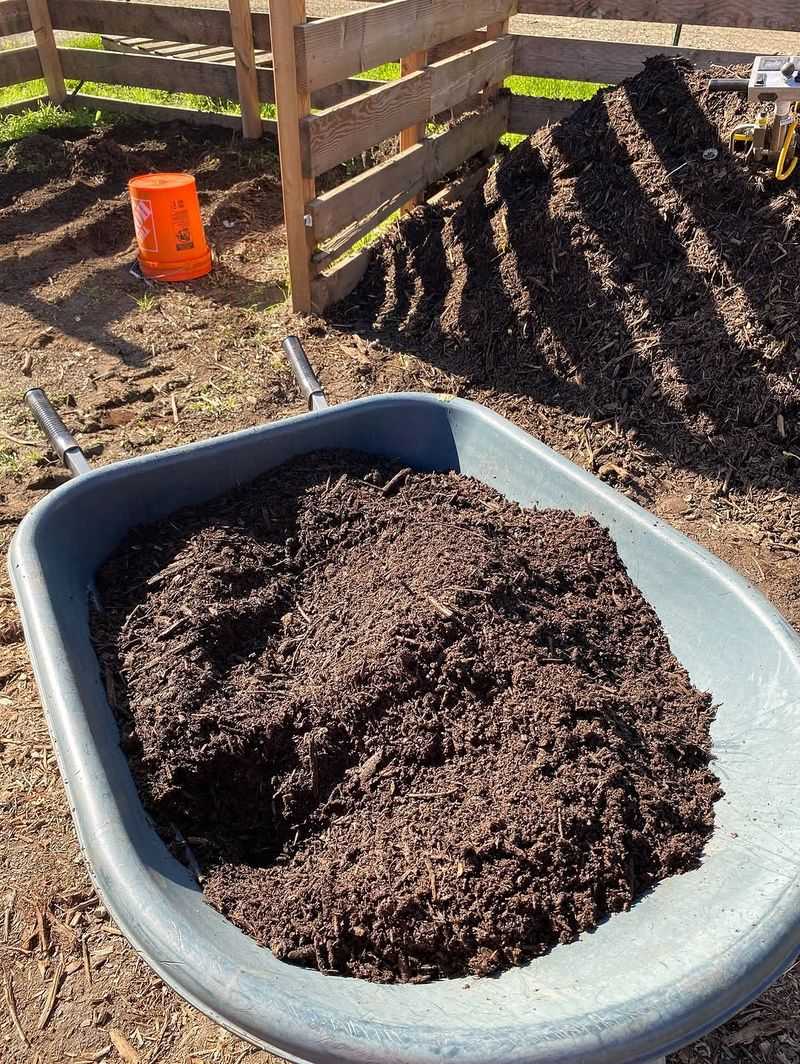
Ask any experienced North Carolina gardener what their secret weapon is, and compost will come up almost every time. Finished compost is not just fertilizer, it is one of the most powerful soil improvers you can add to your garden.
When it is ready to use, it looks dark, crumbly, and earthy, almost like chocolate cake mix for your plants.
North Carolina soils range from thick red clay in the Piedmont to loose sandy ground along the coast. Both types benefit from compost in a big way.
Clay soils become less compacted and drain better, while sandy soils hold onto moisture and nutrients longer. That improved root zone makes a real difference when tomatoes are pushing out new growth and setting fruit.
Compost also feeds the billions of tiny organisms living in your soil. Those microbes break down organic matter and release nutrients that tomato roots can actually absorb.
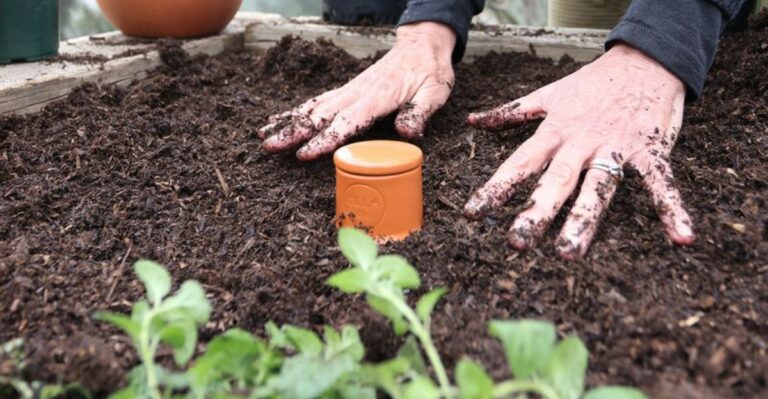
Spread finished compost two to three inches deep across your planting bed and mix it in before transplanting. For established plants, a light layer around the base works well as a top dressing.
Keep it a few inches away from the stem to avoid moisture buildup. Used consistently, compost builds better soil year after year, and your tomatoes will reward that effort with stronger growth and bigger harvests.
2. Worm Castings
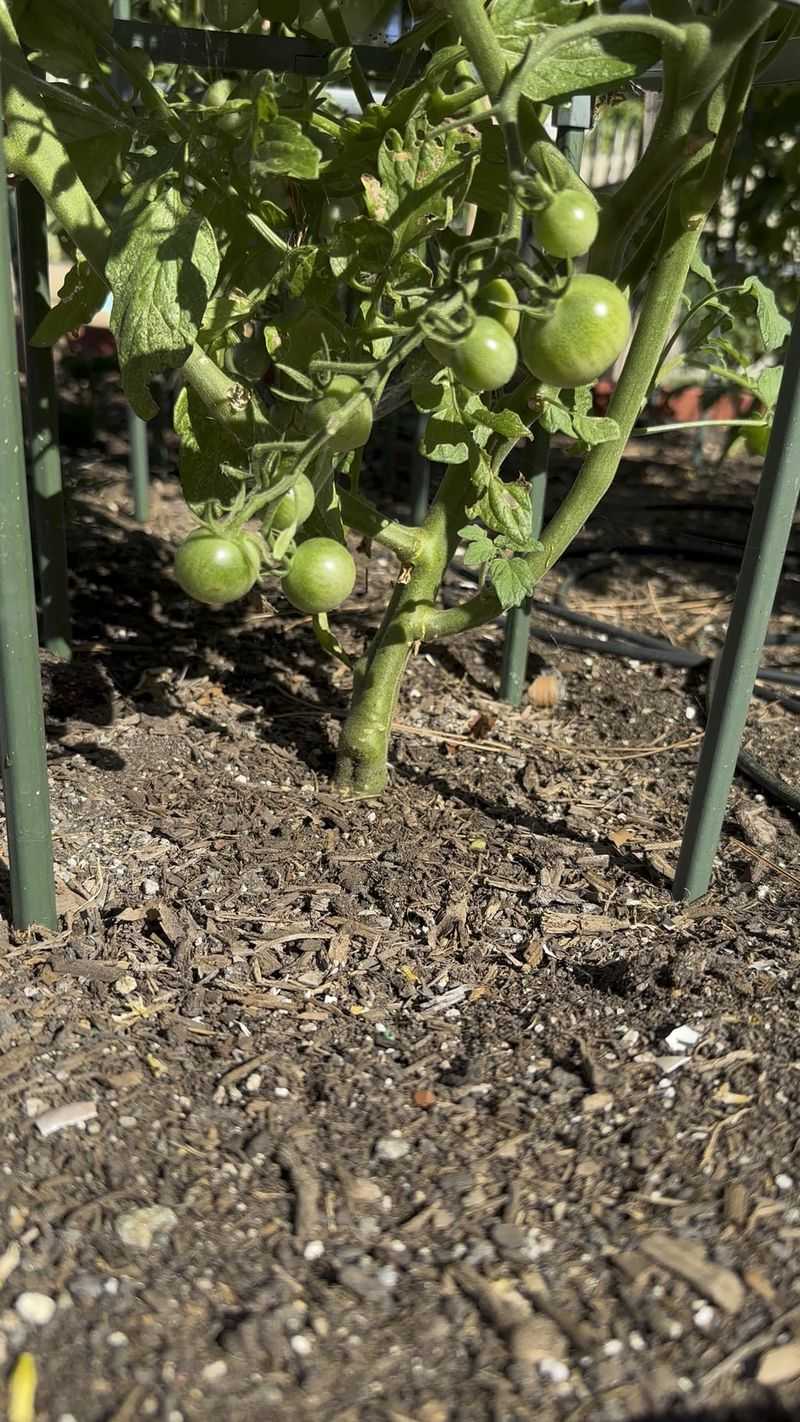
Worm castings might just be the most underrated amendment in the gardening world.
These tiny, dark pellets are what earthworms leave behind after processing organic material, and they are packed with nutrients in a form that tomato roots can absorb right away.
The texture is smooth, almost velvety, and the smell is clean and earthy.
What makes worm castings so valuable is how they improve soil structure alongside feeding your plants. In heavy North Carolina clay, they help open up the soil so roots can breathe and water can drain.
In sandy coastal soils, they act like tiny sponges, holding onto moisture and nutrients that would otherwise wash away. That kind of dual benefit is hard to find in a single product.
Worm castings also contain beneficial microbes that support a healthy root environment. They release nutrients slowly and steadily, which means less risk of overfeeding your tomatoes.
Mix a generous handful into each planting hole before you set your transplant in, or blend them into the top layer of soil around established plants.
Your North Carolina Garden Changes Every Week. Your Plan Should Too.
Gardening in North Carolina changes quickly throughout the season. Every Friday you’ll receive a simple weekly plan showing exactly what to plant, prune, fertilize, harvest, and protect so you never miss the right timing.
Some gardeners brew worm casting tea by soaking them in water overnight and then using that liquid to water their plants.
Worm castings work best as part of a complete soil plan rather than the only food source, but they are a fantastic addition to any tomato garden.
3. Composted Manure
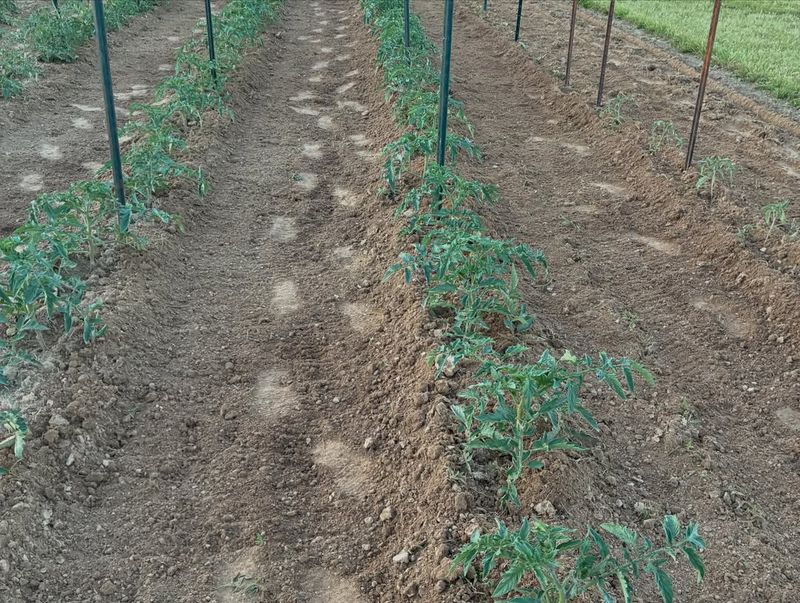
Few soil amendments have been trusted by farmers and gardeners as long as composted manure.
Long before bagged fertilizers existed, growers across North Carolina were working aged animal waste into their fields and watching their crops respond beautifully.
That tradition holds up today, especially for tomatoes that love rich, organic soil. The key word here is composted. Fresh manure is a completely different story and should never go directly around tomato plants.
It can introduce harmful bacteria, burn roots with excess salts, and throw nutrient levels wildly out of balance. Fully composted manure has broken down into a stable, dark material that is safe to use and much gentler on plant roots.
Chicken, cow, and horse manure are the most common types you will find at garden centers in North Carolina.
Nutrient levels in composted manure can vary quite a bit depending on the animal source and how the manure was processed. That is why a soil test from NC State Extension is so helpful before you start adding it.
Some composted manures are high in phosphorus, and piling on more when your soil already has enough can actually lock up other nutrients and cause problems.
Work composted manure into the top several inches of your bed before planting, and use it in combination with your soil test results to keep things balanced and your tomatoes growing strong all season.
4. Fish Emulsion
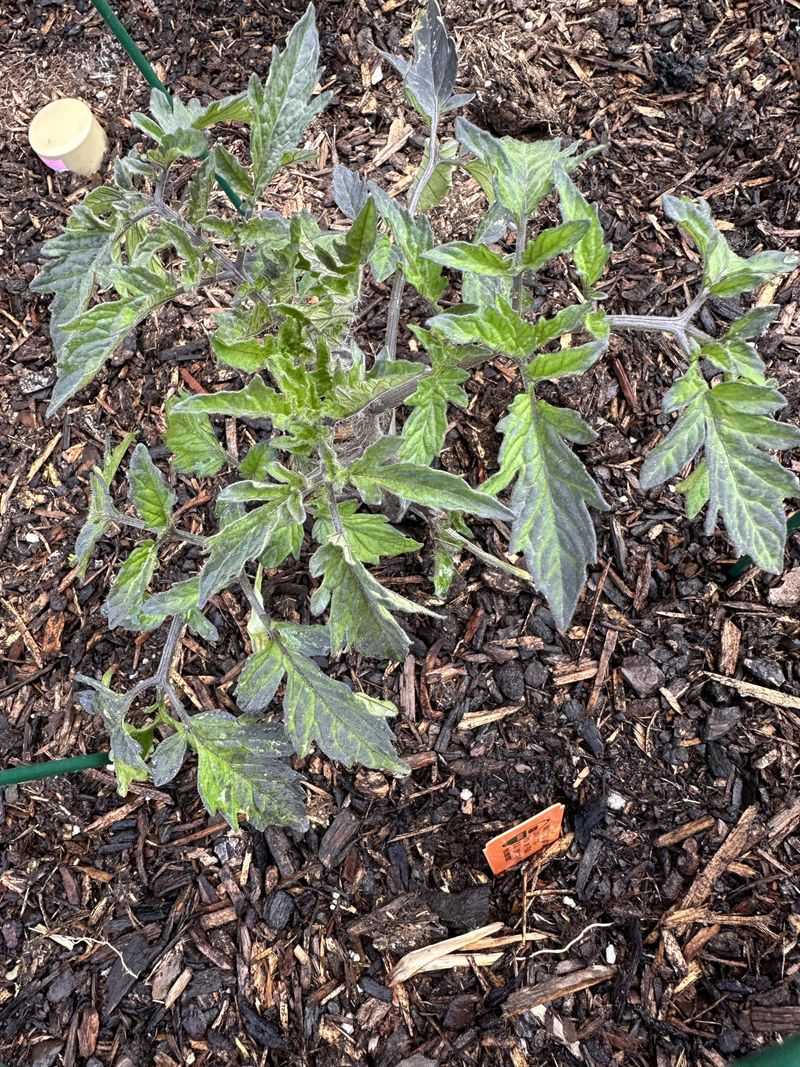
There is no denying that fish emulsion has a smell that announces itself the moment you open the bottle. But tomato gardeners who push past that initial reaction quickly discover one of the most effective liquid organic fertilizers available.
Made from processed fish byproducts, fish emulsion delivers a quick nutrient boost that plants can use fast.
During the active growing season in North Carolina, tomatoes push out new leaves, flowers, and fruit all at once. That rapid growth demands a steady supply of nutrients, especially nitrogen.
Fish emulsion steps in nicely as a gentle feeding option when plants look like they could use a pick-me-up between heavier soil applications. It is absorbed both through the roots when watered in and through the leaves when used as a foliar spray.
The label on your fish emulsion bottle is your best guide for how much to use and how often. More is not better here.
Overfeeding with nitrogen can cause tomato plants to produce lots of lush green leaves while holding back on fruit production, which is the opposite of what you want.
Consistent watering is also important because it helps nutrients move evenly through the root zone rather than pooling in one spot.
Fish emulsion works especially well as a mid-season supplement alongside other soil amendments rather than as a standalone feeding program.
5. Fish Meal
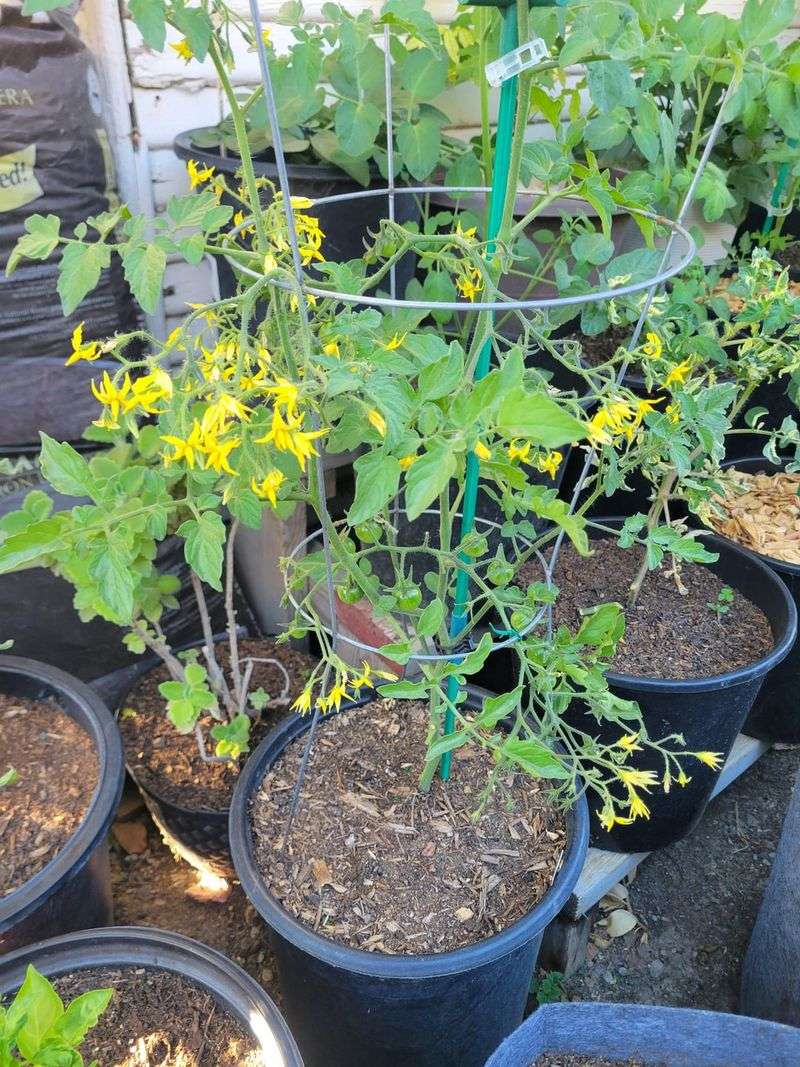
Before the growing season kicks off, smart tomato gardeners in North Carolina are already thinking about what goes into the soil. Fish meal is one of those ingredients worth having on hand before you ever plant your first transplant.
It is a dry, granular organic fertilizer made from ground and dried fish, and it packs a solid nitrogen punch along with varying amounts of phosphorus and potassium depending on the brand.
NC State Extension recognizes fish meal as a legitimate organic nutrient source for home gardens, which gives it some real credibility. Because it is a dry amendment, it works best when mixed directly into the soil before planting.
This gives it time to start breaking down and releasing nutrients as soil microbes get to work on it. By the time your tomato roots are spreading out and looking for food, the nutrients are already becoming available in the root zone.
Always check the label before applying fish meal because nutrient concentrations can differ between products.
Following the recommended rate keeps you from accidentally overloading your soil with nitrogen, which can push vegetative growth at the expense of fruit.
Fish meal is a great fit for gardeners who want to build soil fertility the organic way, taking a slow and steady approach that pays off over the whole season. Pair it with a soil test for the best results.
6. Blood Meal
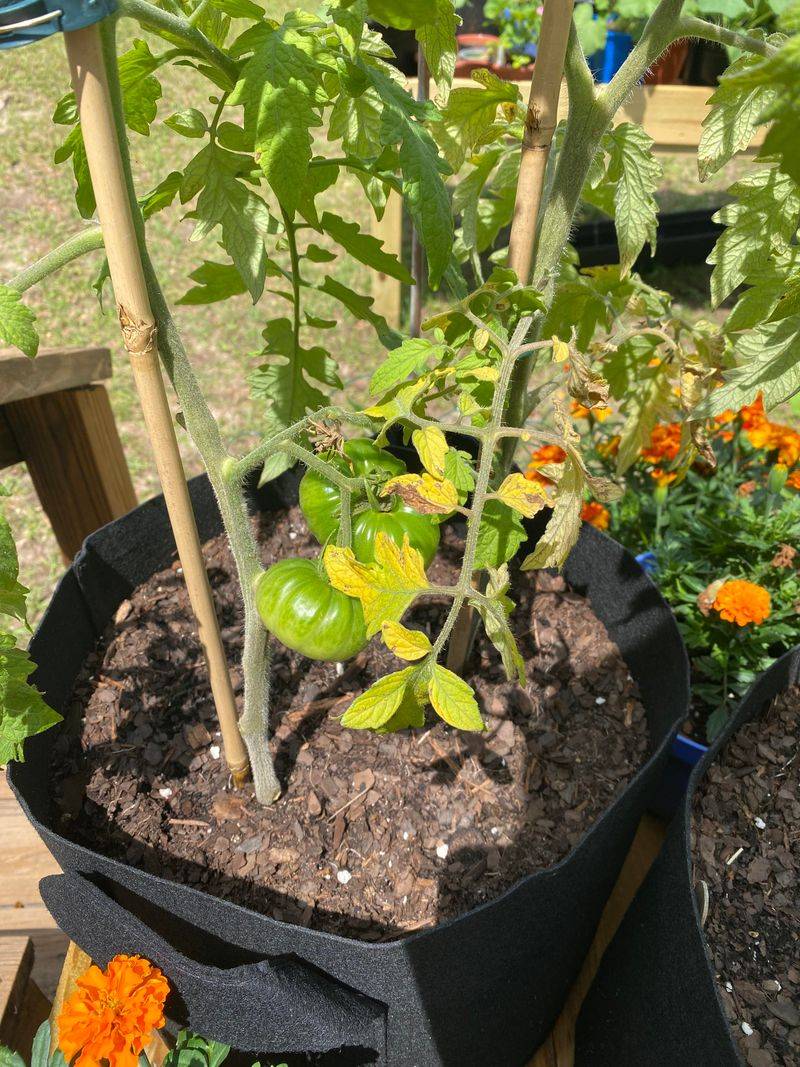
When tomato plants in North Carolina start looking pale, with leaves fading from deep green to a washed-out yellow, nitrogen is often the first suspect.
Blood meal is one of the fastest-acting organic nitrogen sources you can reach for, and it can help reverse that color change relatively quickly.
Derived from dried animal blood, it is a concentrated product that demands careful handling and respect.
That concentration is exactly what makes blood meal effective, and also what makes it risky if you use too much. Nitrogen is the nutrient most responsible for leafy, vegetative growth.
Pour on too much, and your tomato plant will respond by going wild with new leaves and stems while holding back on setting fruit. That is a frustrating outcome when you are waiting on tomatoes all summer.
The goal is to use just enough to meet an actual need, not to drench the soil hoping for bigger plants.
A soil test is the most reliable way to know whether your garden actually needs extra nitrogen before you apply blood meal.
If the test or visible plant symptoms confirm a deficiency, follow the label directions carefully and apply a conservative amount.
Blood meal also breaks down and releases nutrients faster in warm, moist soil, which is exactly the condition North Carolina summers provide.
Keep it away from direct contact with stems, water it in well after application, and monitor your plants closely for the response.
7. Bone Meal
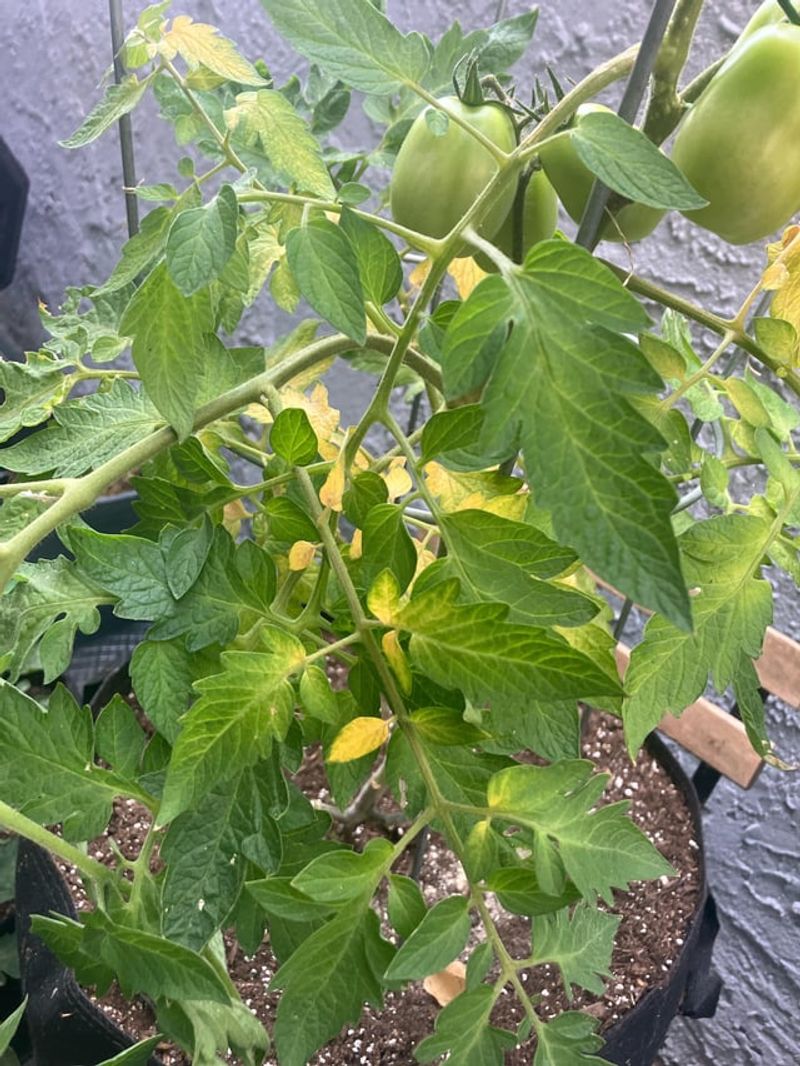
Phosphorus gets less attention than nitrogen in most backyard gardening conversations, but it plays a huge role in tomato success. Phosphorus supports strong root development, helps flowers form properly, and contributes to healthy fruit set.
Bone meal has been the go-to organic phosphorus source for generations of gardeners, and it remains popular today for good reason.
Made from steamed and ground animal bones, bone meal also supplies calcium, which tomatoes need to avoid a frustrating problem called blossom end rot.
That combination of phosphorus and calcium in one product sounds appealing, but there is an important catch.
Bone meal only becomes useful if your soil actually needs more phosphorus and if the soil pH is in the right range for that phosphorus to become available to plant roots.
North Carolina soils vary widely in both phosphorus levels and pH, so adding bone meal without testing first can be a waste of money or even create an imbalance.
An NC State soil test will tell you whether phosphorus is genuinely needed in your garden. If the results show a deficiency and your pH is between 6.0 and 6.8, which is the sweet spot for tomatoes, bone meal can be a smart addition.
Work it into the soil before planting rather than sprinkling it on top. That gets it into the root zone where it can actually do some good and supports strong early plant establishment.
8. Cottonseed Meal
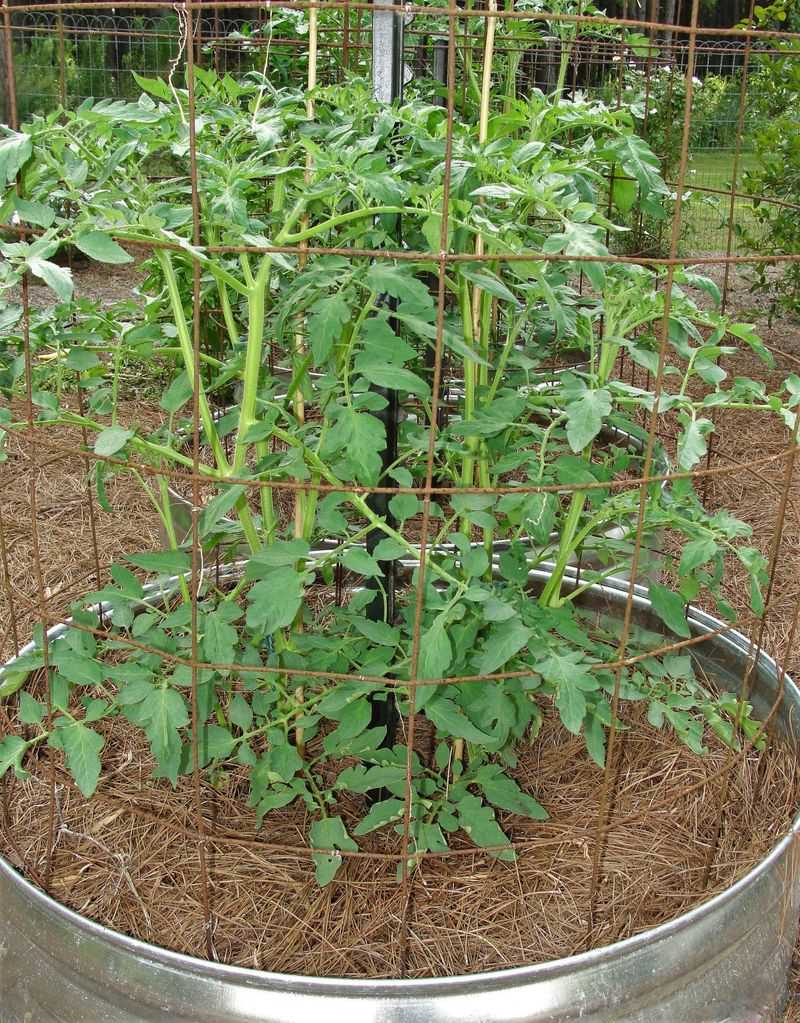
Not every fertilizer needs to act fast to be valuable. Cottonseed meal is a slow-releasing organic option that fits perfectly into a soil-building approach for North Carolina tomato gardens.
It is made from the seeds of cotton plants after the oil has been extracted, and it offers a moderate nitrogen content along with smaller amounts of phosphorus and potassium.
The gradual release is actually one of cottonseed meal’s biggest strengths. Rather than flooding the soil with nutrients all at once, it breaks down steadily over weeks as soil microbes get to work on it.
That means a longer window of feeding without the risk of a sudden nitrogen surge that could push leafy growth instead of fruit.
For gardeners who prefer a low-maintenance approach to fertilizing, this slow and steady supply is a real advantage through the long North Carolina growing season.
Cottonseed meal works best when mixed into the soil before planting, giving it time to start breaking down before your transplants go in. Some gardeners blend it into their bed preparation along with compost to create a well-rounded soil mix.
Always follow the product label for application rates, and avoid piling it directly against tomato stems where it could hold too much moisture.
One more thing worth knowing: cottonseed meal tends to be slightly acidic, which can actually be a benefit in North Carolina soils that run on the higher pH side. Check your soil test results to see if that fits your situation.
9. Greensand
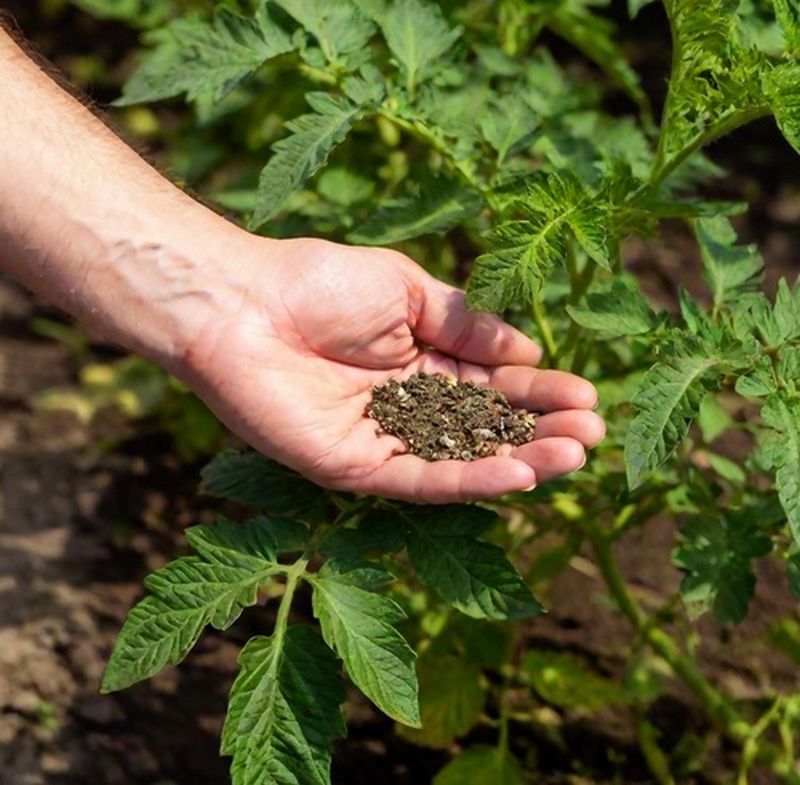
Greensand has been quietly improving garden soils for well over a century, and it still earns a spot in serious organic tomato programs today.
This mineral amendment comes from ancient marine deposits, specifically a sedimentary rock called glauconite, and it contains potassium along with a range of trace minerals that most synthetic fertilizers simply do not provide.
NC State Extension lists greensand as an approved potassium source for organic gardening, which speaks to its legitimacy as a real soil input.
Potassium plays a critical role in tomato health, supporting water movement within the plant, helping with disease resistance, and contributing to fruit quality and flavor.
When potassium levels are low, tomatoes can show scorched leaf edges and produce fruit that does not taste as good as it should.
The most important thing to understand about greensand is that it works slowly. Very slowly, actually.
It can take months or even multiple growing seasons for the potassium to fully become available in the root zone. That makes it a long-term soil investment rather than a quick fix.
A soil test from NC State is essential before adding greensand because applying potassium when the soil already has enough can interfere with the uptake of other nutrients like calcium and magnesium.
Used wisely and in response to actual soil needs, greensand is a genuinely useful mineral amendment for North Carolina tomato gardens.
10. Used Coffee Grounds
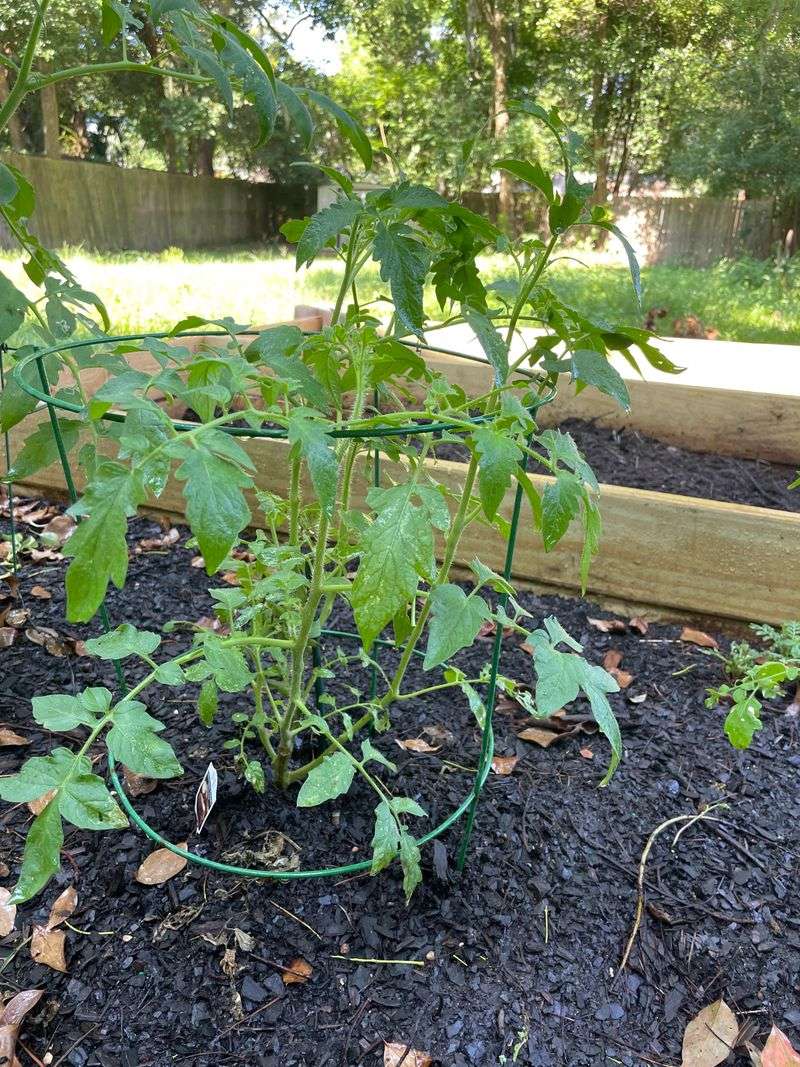
Coffee grounds have developed a devoted following among home gardeners, and it is easy to see why. They are free, widely available, and feel like a satisfying way to recycle something that would otherwise head straight to the trash.
Around tomato plants, they can offer some genuine benefits, but they also come with a few common myths worth clearing up before you start piling them on.
Used coffee grounds do add small amounts of nitrogen and other minerals to the soil as they break down, and soil organisms like earthworms seem to appreciate them. That microbial and worm activity is a real benefit for soil health.
However, coffee grounds are not a reliable fertilizer on their own, and they will not meaningfully lower your soil pH the way lime raises it.
Many gardeners assume that because coffee is acidic, the grounds will acidify the soil significantly, but research does not strongly support that idea for used grounds.
The smarter approach is to use coffee grounds in modest amounts, either mixed into your compost pile or lightly blended with other organic matter around your tomato plants. A thin layer worked into the top inch of soil is plenty.
Thick layers can mat together, repel water, and create more problems than they solve. Think of coffee grounds as a small bonus for your soil ecosystem rather than a primary feeding strategy, and they will serve your tomatoes well without any downsides.