Get Your Alabama Home Storm-Ready Before The Weekend By Doing These 8 Tasks
Thunder doesn’t warn you before it arrives in Alabama. Clear skies shift into sudden chaos faster than most homeowners ever expect.
Wind exposes every hidden weakness in your roof, fence, and gutters. Trees bend under force they were simply never built to handle.
Storms in Alabama ignore your schedule and your excuses. Rain finds gaps you didn’t know existed until water pools quietly.
Power lines snap, branches fly, and windows shudder completely without mercy. Nobody truly wants to discover a leak during a downpour.
Readiness always separates calm homeowners from overwhelmed ones every stormy season. Small cracks become real trouble when pressure builds overnight.
Loose shingles, clogged drains, and shaky fences invite trouble incredibly fast. Your home holds clues about what fails soonest.
Ignoring small warning signs now costs far more money later. Weekend prep always beats weekday stress every single time. You won’t want to face this storm unprepared.
1. Secure Loose Furniture And Outdoor Decor Items
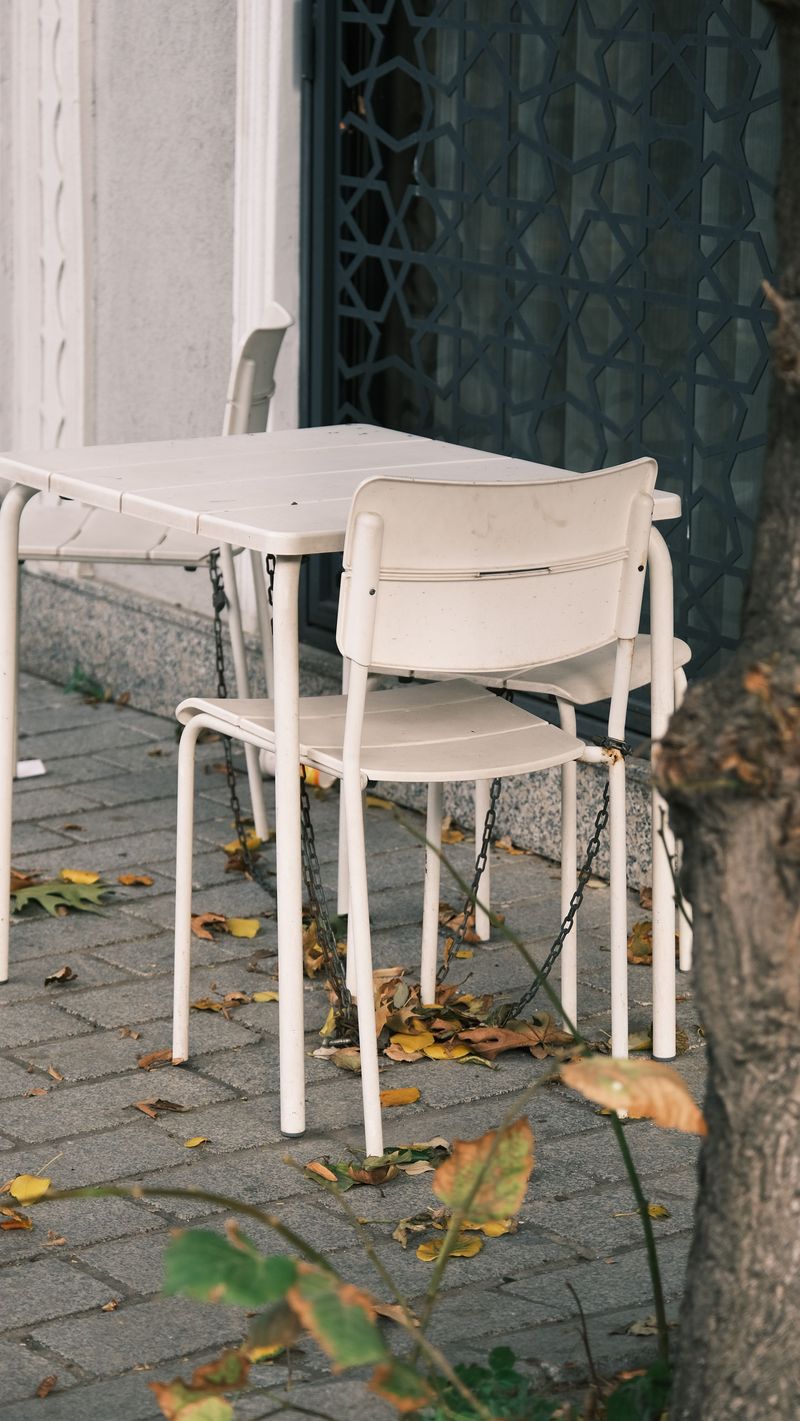
That cute metal chair on your porch looks harmless right now. But once strong winds hit, it becomes a fast-moving hazard.
Outdoor furniture, planters, and decor can move quickly and cause damage during a storm. Even lightweight items can crack windows or dent your siding.
Start by walking around your yard and noting everything that is not anchored down. Chairs, tables, decorative signs, and umbrellas are the top culprits.
Stack chairs and store them inside your garage if possible. Fold up your patio umbrella and latch it tight, or bring it indoors entirely.
Heavy tables can sometimes stay put if you flip them upside down against a wall. Lightweight decor should go straight into a storage bin or closet.
Do not forget about doormats, wind chimes, and hanging planters. These small items are often overlooked but can cause real damage when airborne.
Bungee cords and rope ties work great for securing larger pieces you cannot move. A few minutes of tying things down now saves hours of cleanup later.
Think of this task as a pre-storm sweep. Walk the full perimeter of your Alabama home and treat every loose item as a potential problem.
Your neighbors will thank you too. Projectiles do not respect property lines during a serious storm system.
2. Clear Gutters And Downspouts Before Rain Hits
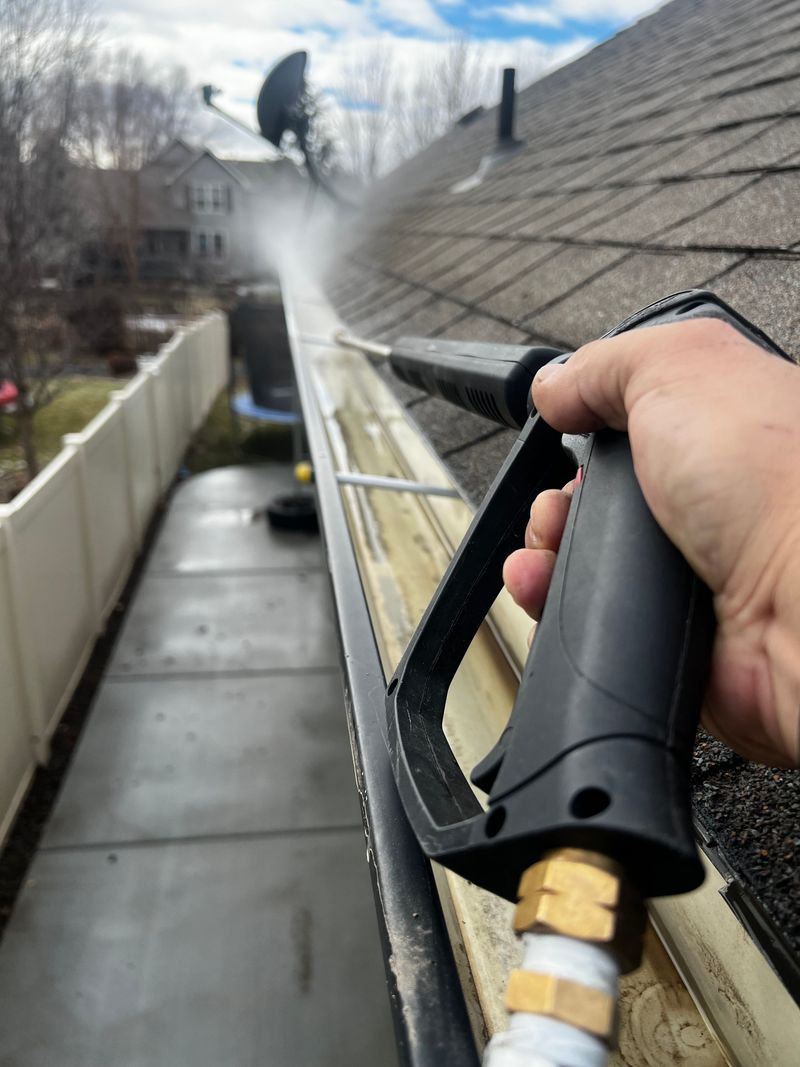
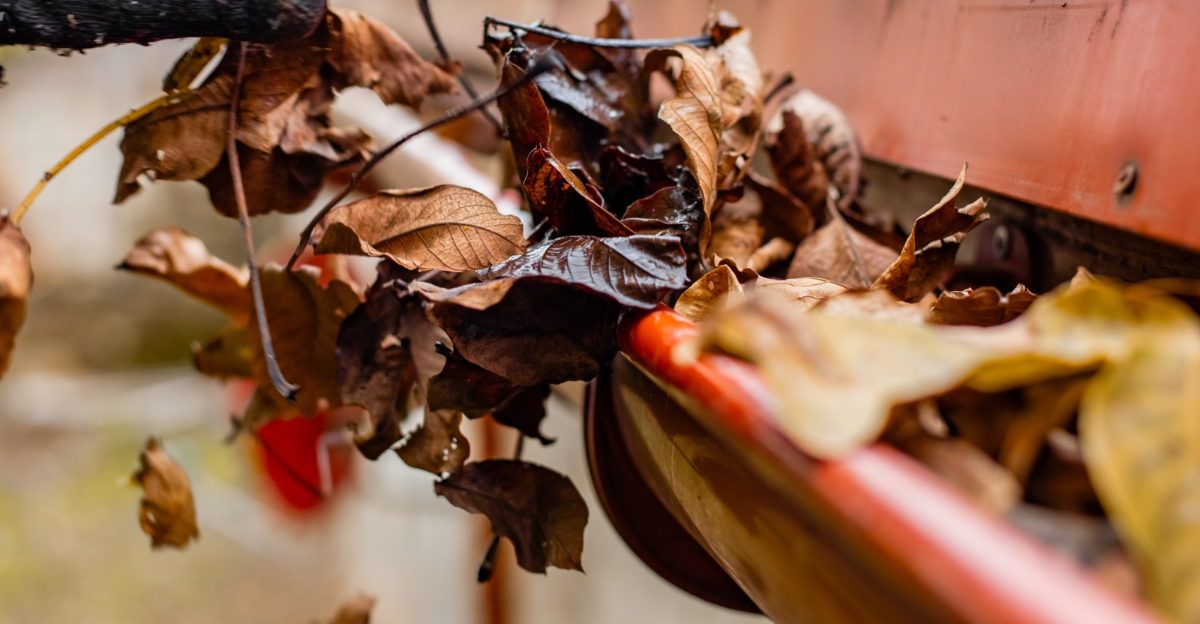
Clogged gutters are one of the sneakiest causes of storm damage. When water has nowhere to go, it backs up fast.
Leaves, pine needles, and twigs build up in gutters all season long. A heavy rain on top of that mess can lead to overflow and roof damage.
Grab a pair of gloves and a ladder before the weekend arrives. Clear out every scoop of debris you can reach safely from the roofline.
Pay special attention to the downspout openings. These narrow tubes clog easily and are often the first point of failure during a big storm.
Run a garden hose down each downspout to check the flow. If water backs up instead of draining, you have a blockage that needs clearing right away.
Your Alabama Garden Changes Every Week. Your Plan Should Too.
Gardening in Alabama changes quickly throughout the season. Every Friday you’ll receive a simple weekly plan showing exactly what to plant, prune, fertilize, harvest, and protect so you never miss the right timing.
A plumber’s snake or a strong burst of water pressure usually does the trick. Do not skip this step just because the clog is not visible from the top.
Once everything is clear, check where the downspouts direct water. They should point away from your foundation, not toward it.
Extension attachments are cheap and easy to snap on at the bottom. They push runoff further from your home and protect your basement or crawl space.
Clean gutters are a small job with a big payoff. Getting your home storm-ready starts here, at the roofline, where water first lands.
3. Trim Weak Or Overhanging Tree Branches Now

That long branch hanging over your roof has been there all summer. But it is unlikely to hold up in strong wind.
Weak, lifeless, or overgrown branches are one of the leading causes of storm damage to roofs and power lines. Trimming them now is a smart move.
Look up at the trees around your property and spot any branches that hang directly over the house. Those are your first priority targets.
Lifeless branches are easy to identify because they have no leaves or their bark looks gray and dry. These snap off quickly in high winds.
Use a pole saw for branches you can reach safely from the ground. For anything close to power lines or very high up, call a certified arborist.
Do not try to tackle large limbs on your own without proper equipment. A falling branch can cause serious harm to both people and property.
Focus on branches that are already cracked, leaning, or growing at odd angles. These are the ones most likely to come down during a storm.
After trimming, clear the cut branches from your yard right away. Leaving them on the ground creates new tripping hazards and yard clutter.
A little pruning now protects your roof, your car, and your peace of mind. Strong trees with clean structure hold up far better when the winds pick up speed.
4. Check Yard Drainage Paths For Potential Flooding
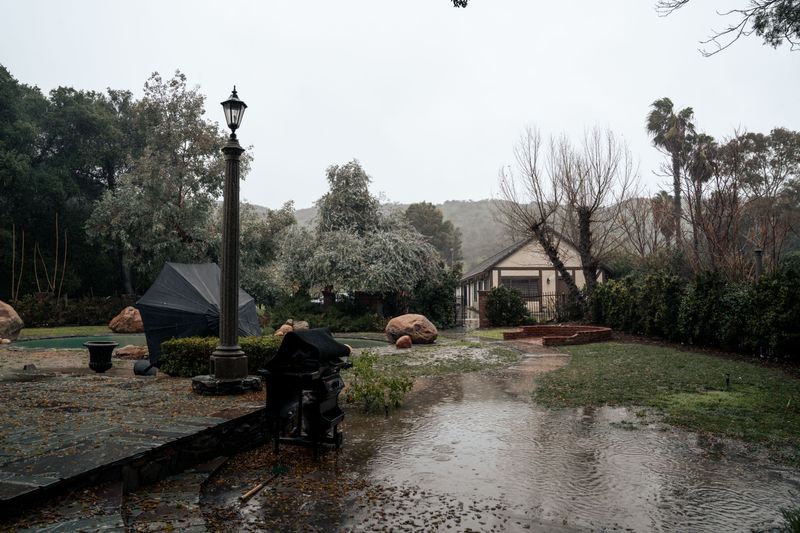
Standing water after a storm is more than just annoying. It can seep into your foundation and cause lasting damage over time.
Before the weekend rain arrives, walk your yard slowly and look for low spots where water tends to pool. These are your flood-risk zones.
Pay attention to the slope of your lawn. Water should always flow away from your house, not toward it.
If you notice areas where water collects, try raking or digging a shallow channel to redirect the flow. Even a small trench can make a big difference.
Check any French drains or drainage pipes on your property. Clear out leaves and debris that may have built up at the openings over time.
Storm drains near the curb matter too. If the drain in front of your home is blocked, street flooding can push water up your driveway fast.
Grab a shovel and clear any packed dirt or leaf piles blocking natural drainage paths in your yard. This takes maybe twenty minutes but protects a lot.
If your yard has a serious grading problem, sandbags are a quick temporary fix. Stack them along the low edge of your foundation before the storm arrives.
Good drainage is one of the most overlooked parts of storm prep. Keeping your Alabama home storm-ready means thinking about where water goes, not just what falls from the sky.
5. Bring Potted Plants To Sheltered Areas
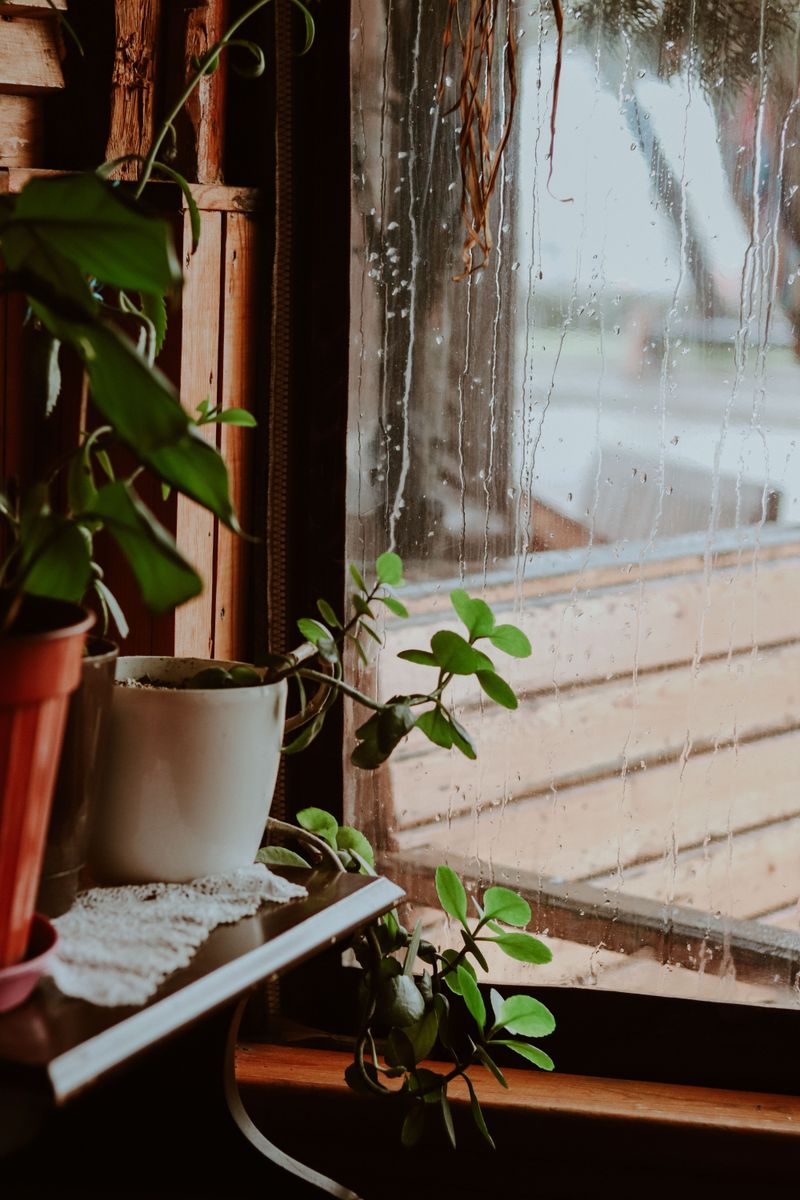
Your potted plants took months of care to grow. Do not let one windy afternoon wipe them out.
Pots sitting on porches, decks, and patios are incredibly vulnerable during storms. Wind tips them over, rain waterlogged the roots, and hail shreds the leaves.
Start by moving your most delicate plants first. Herbs, tropical varieties, and anything in a lightweight plastic pot need shelter right away.
Your garage is the best option for most plants. Even a covered porch on the side of the house away from the wind can work well.
Larger ceramic or terra cotta pots are heavy but not immune to storm damage. A strong gust can topple them and shatter them completely on your concrete driveway.
If you cannot move every pot, at least group them together in a corner with a wall or fence on two sides. This cuts wind exposure significantly.
Lay tall, top-heavy pots on their side in a sheltered spot. This keeps them from catching wind like a sail and rolling across your yard.
Check the drainage holes in pots before bringing them inside. You do not want excess water dripping all over your garage floor during the storm.
Plants are an investment of both time and money. A few trips back and forth before the rain hits keeps your garden thriving long after the clouds clear.
6. Harvest Ripe Produce Before Storms Cause Damage
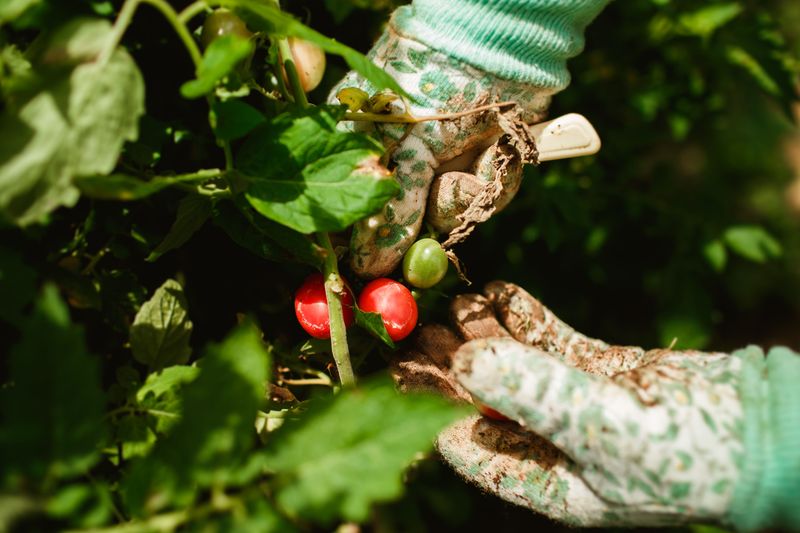
Your garden worked hard all season to grow that produce. A single storm can bruise, split, or flatten it all in minutes.
Before the weekend rain rolls in, walk through your vegetable garden and pick anything that looks close to ripe. It is better to harvest a little early than to lose it all.
Tomatoes are especially vulnerable to splitting after a heavy rain. Once they absorb too much water too fast, the skin cracks and spoilage follows.
Pick peppers, cucumbers, squash, and beans that are at or near full size. These crops handle post-storm conditions poorly, especially if hail is in the forecast.
Even slightly underripe tomatoes will finish ripening indoors on your countertop. Place them stem-side down in a single layer at room temperature for best results.
Do not put freshly harvested tomatoes in the refrigerator right away. Cold temperatures stop the ripening process and can affect their texture and flavor.
Peppers, cucumbers, and squash can be refrigerated without this issue.
Check your berry bushes and fruit trees too. Any fruit hanging low or already loosened by previous wind should come off now before it falls on its own.
Harvest into baskets or bins you can carry easily. Making multiple small trips is smarter than one overloaded haul that drops everything on the ground.
Fresh produce saved from storm damage is a small victory worth celebrating. Your future self will appreciate every tomato you rescued before the clouds moved in.
7. Stake Tomatoes And Tall Plants For Support
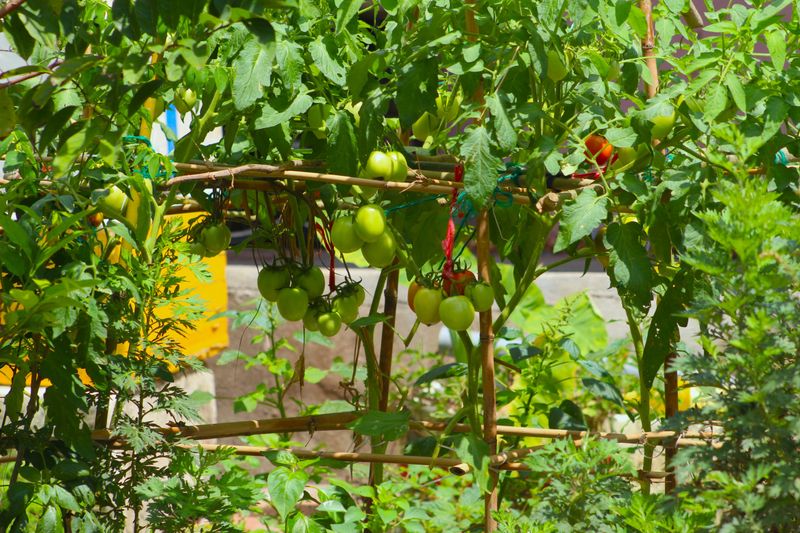
Tall plants look impressive swaying gently in a breeze. But in a real storm, that sway can lead to breakage.
Tomato plants, sunflowers, and other tall garden staples need solid support before heavy winds arrive. Staking them now prevents broken stems and lost harvests.
Check your existing stakes first. If they are wobbly, loose, or shorter than the plant, they need to be replaced or reinforced before the storm hits.
Push new stakes at least eight to ten inches deep into the soil, adjusting for plant height and soil type. Shallow stakes can pull out when the ground gets wet and wind pressure increases.
Use soft garden twine or cloth strips to tie stems to the stake. Never use wire or hard string directly on a stem, as it cuts into the plant.
Tie the plant loosely enough that it has a little movement. A knot that is too tight can damage the stem just as much as no support at all.
For tomato cages, press the legs deeper into the ground if they feel loose. A cage that tips over can damage the plant, though it is usually possible to restake it afterward.
Pepper plants and eggplants also benefit from staking. Their stems are surprisingly brittle when loaded with fruit and hit by wind.
A well-staked garden bounces back faster after a storm. Give your plants the backbone they need and they will keep producing long into the season.
8. Turn Off Irrigation Systems Ahead Of The Rain
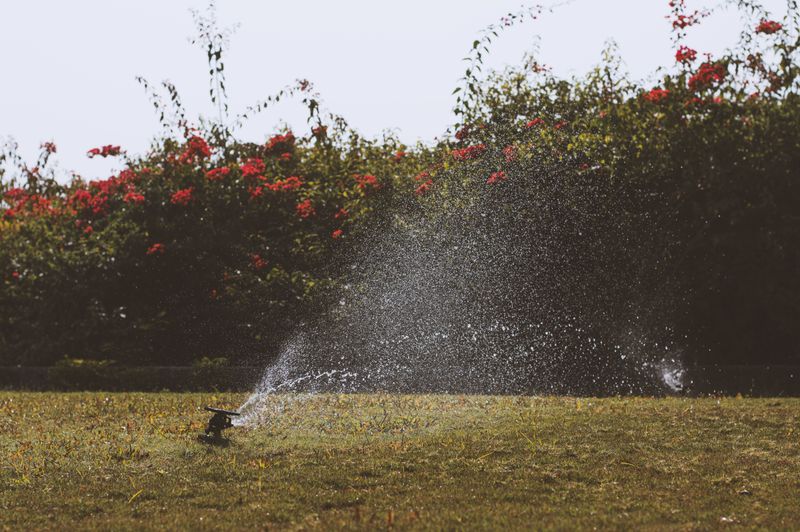
Your sprinkler system does not know a storm is coming. It will run on schedule even while rain is already soaking your yard.
Running irrigation during a rainstorm wastes water and can saturate your soil to the point of flooding. Turning it off before the weekend is a simple but smart move.
Locate your irrigation controller, usually in the garage or on an exterior wall. Most systems have a manual off switch or a rain delay setting you can activate quickly.
The rain delay option is especially useful. It pauses the system for a set number of days without erasing your normal schedule.
If your system has a smart controller, check the app on your phone. Many modern systems let you pause or adjust settings remotely in just a few taps.
Older systems without smart features need to be switched off manually at the controller box. Set it to the off position or unplug it if that is the easier option.
Also check for any drip lines or soaker hoses running in your garden beds. These can be temporarily disconnected or capped to prevent oversaturation during heavy rain.
After the storm passes, wait a day or two before restarting your irrigation. Let the soil dry out enough to absorb water normally before adding more.
Getting your Alabama home storm-ready includes the systems you cannot see working. Turning off the irrigation is one of those small steps that protects your lawn with little effort.