These Texas Yard Mistakes Are Making Your Heat-Stressed Shrubs Worse No Matter What You Try
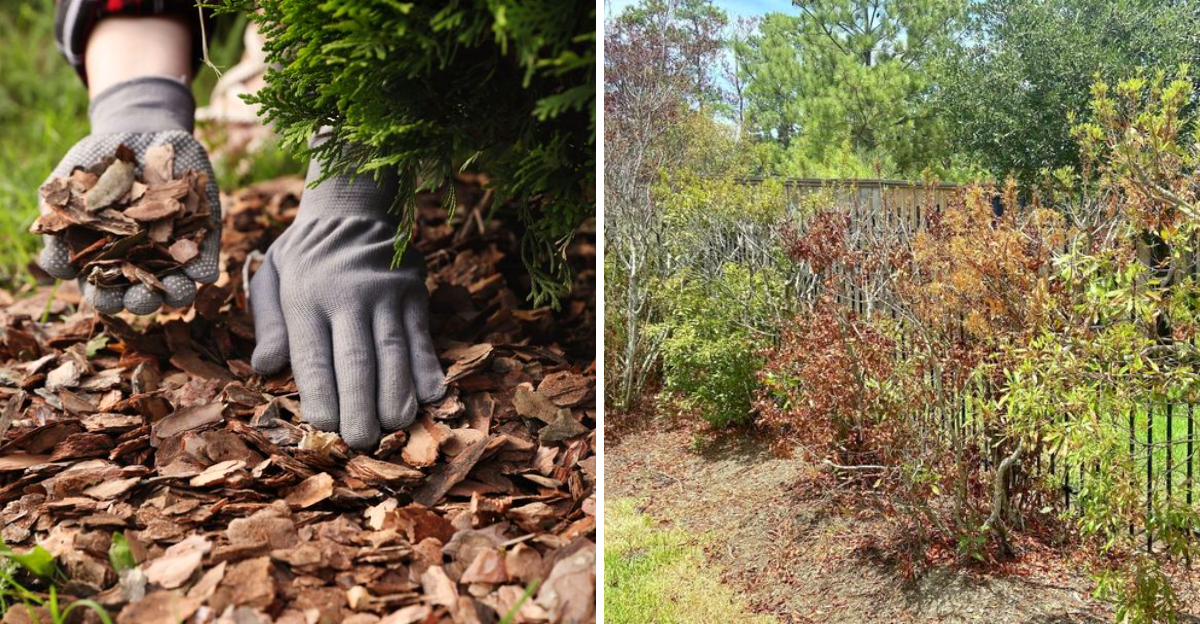
Texas summers have a way of exposing every little gap in your yard care routine, and shrubs tend to feel it first.
Wilted leaves, browned edges, drooping branches: these are the kinds of signals that send homeowners straight into problem-solving mode, usually with the best intentions and occasionally with results that make things worse.
Here is the part that catches a lot of people off guard: struggling shrubs during the hottest weeks of the year are rarely dealing with just one issue.
Shallow watering, excess moisture, poor irrigation coverage, bare soil, improper mulching, fertilizer habits, heavy pruning, and unnecessary chemical treatments can all pile on at the same time, each one quietly adding to the stress load.
Figuring out which habits are actually working against your plants is the most practical place to start when things are not going the way you hoped.
1. Watering Lightly Every Day
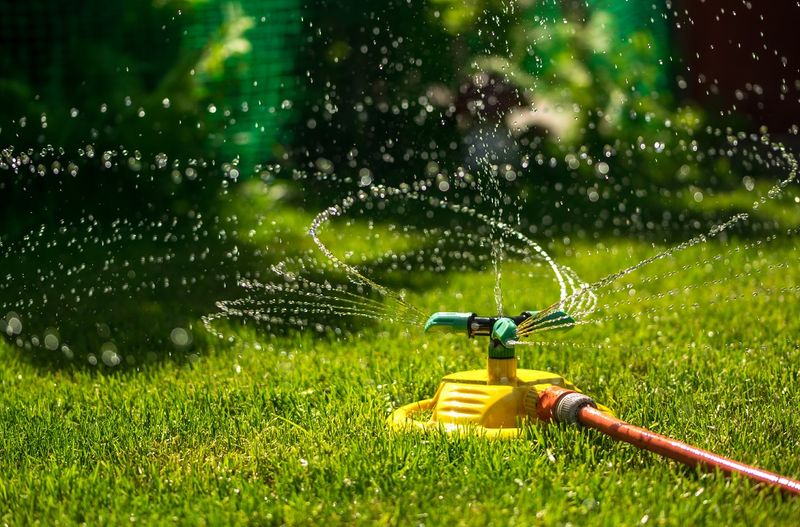
Brief daily watering sessions can feel like the responsible thing to do, especially when Texas temperatures push well past 100 degrees and the soil surface looks parched by mid-morning.
The problem is that a short burst of water often moistens only the top inch or two of soil while leaving the deeper root zone almost completely dry.
Shrub roots extend several inches below the surface, and that is where consistent moisture matters most.
Surface moisture creates a misleading picture. The soil may feel damp when you press your finger into the top layer, but a few inches deeper it can be bone dry.
Plants drawing from a shallow, frequently wetted zone may not be reaching the moisture they actually need to manage heat stress.
Irrigation should be applied slowly enough to soak into the root area without producing runoff across hard surfaces or slopes. How long that takes depends on your sprinkler output, soil texture, and the size of the shrub.
Sandy soils in parts of Texas drain quickly and may need longer soaking periods, while clay soils absorb water more slowly and can become waterlogged if irrigation is not adjusted.
Checking soil moisture several inches below the surface before and after watering can help you understand whether your current schedule is actually reaching the root zone or just wetting the surface.
2. Adding Water Without Checking The Soil
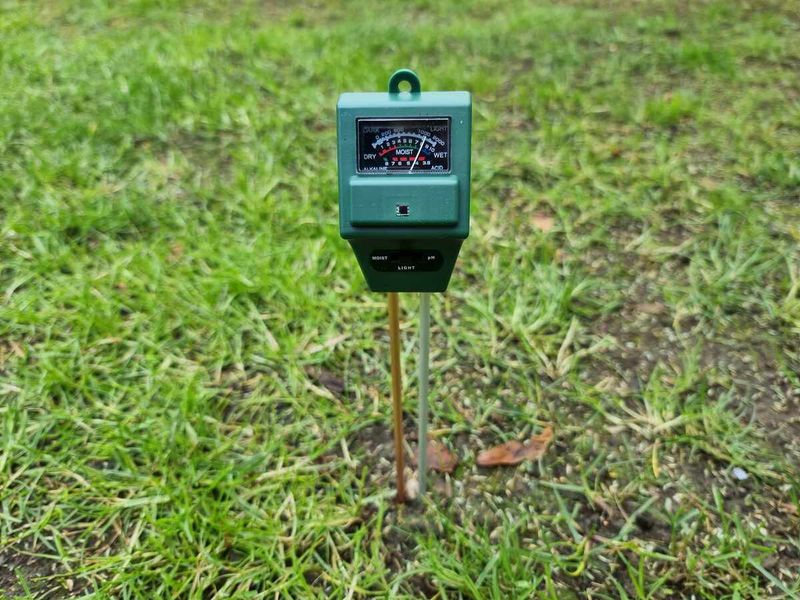
Wilted or curled leaves are easy to misread. Many Texas homeowners see drooping foliage on a hot afternoon and immediately reach for the hose, assuming the plant is thirsty.
Leaf appearance alone cannot confirm whether a shrub needs more water, because the same symptoms can appear when roots are sitting in overly saturated soil.
Soil that stays too wet for too long contains less oxygen than roots need to function properly. When the root zone becomes waterlogged, roots may struggle to take up water and nutrients even though plenty of moisture surrounds them.
This can cause wilting, yellowing, and leaf drop that looks almost identical to drought stress from the outside.
Before adding more water, check the soil several inches below the surface. You can use a wooden dowel, a soil probe, or simply push a long screwdriver into the ground and feel for resistance.
Your Texas Garden Changes Every Week. Your Plan Should Too.
Gardening in Texas changes quickly throughout the season. Every Friday you’ll receive a simple weekly plan showing exactly what to plant, prune, fertilize, harvest, and protect so you never miss the right timing.
Dry soil is hard and crumbly, while adequately moist soil holds together slightly without feeling soggy or slick.
Texas landscapes vary widely, from heavy clay in the Blackland Prairie region to sandy soils along the coast, and drainage differs significantly between sites.
Shrubs planted in low spots, near downspouts, or in compacted clay may be holding far more moisture than you realize.
Adjusting irrigation frequency based on actual soil conditions rather than a fixed schedule can prevent both under-watering and over-watering during stressful Texas summers.
3. Relying On Lawn Sprinklers To Water Shrub Roots
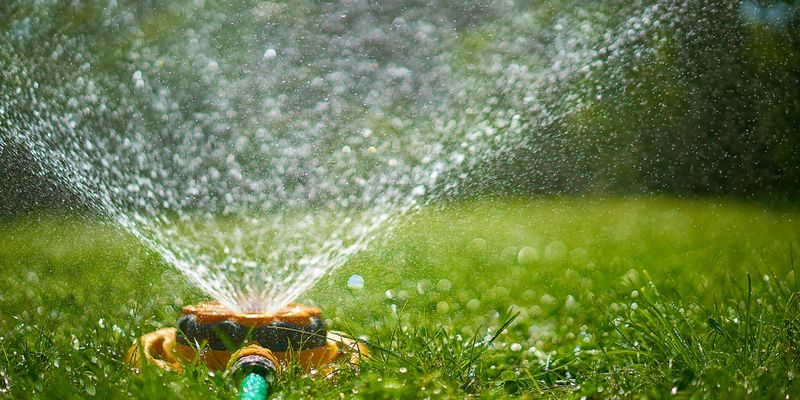
Sprinkler systems designed primarily for turf often do not apply water in the right pattern or volume to reach shrub root zones effectively.
Grass roots stay relatively shallow, so irrigation heads calibrated for lawn coverage may simply wet the soil surface around shrubs without soaking deeply enough to benefit the root system.
Several factors can reduce how much water actually reaches the soil near your shrubs. Leaves and dense branching can intercept spray before it hits the ground.
Walls, fences, and garden structures may block coverage from certain angles. Wind is a significant factor in many parts of Texas and can shift spray patterns considerably.
Clogged emitters, low pressure, and worn heads can also create dry pockets in a bed that appears to be covered on paper.
Drip irrigation, soaker hoses, or slow hand-watering directed at the root zone can be more reliable options for shrubs in mixed landscape beds. That said, every irrigation system benefits from regular inspection.
Checking for leaks, blocked emitters, uneven output, and actual soil penetration gives you a clearer picture of what your plants are receiving. Running your system during daylight and walking the yard while it operates can reveal gaps you might not notice otherwise.
Recovery from heat stress may take time, and improving irrigation coverage is one adjustment that can support shrubs without adding more risk to an already difficult situation.
4. Leaving The Root Zone Bare
Exposed ground around shrubs heats up fast during Texas summers.
Bare soil absorbs solar radiation directly and can reach temperatures significantly higher than the air above it, especially when it sits in full sun or near reflective surfaces like concrete driveways, stone pathways, or light-colored walls.
That heat transfers into the root zone and adds stress to plants already working hard to manage high temperatures.
Moisture loss is another concern with bare soil. Evaporation from unprotected ground can happen quickly in Texas heat and wind, reducing the moisture available to shallow roots between watering cycles.
Weeds also establish more easily in bare soil, and they compete with shrubs for water and nutrients during the driest months of the year.
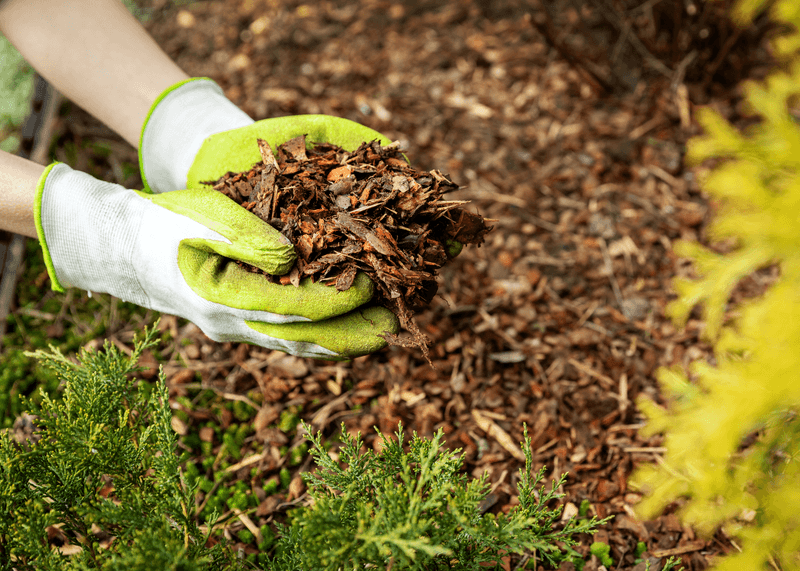
Covering the root zone with a suitable layer of organic mulch can help moderate soil temperature, slow evaporation, and reduce weed pressure. Wood chips, shredded hardwood bark, and pine bark are common options used in Texas landscapes.
The right choice and depth can depend on the plant species, the site, and local availability. Shrubs adapted to very rocky or arid conditions may not need or respond the same way to mulch as plants that prefer consistently moist soil.
Extending mulch out to the drip line of the shrub rather than just the area directly beneath the canopy tends to cover more of the active root zone and provides broader benefit during periods of heat stress.
5. Piling Mulch Against The Stems
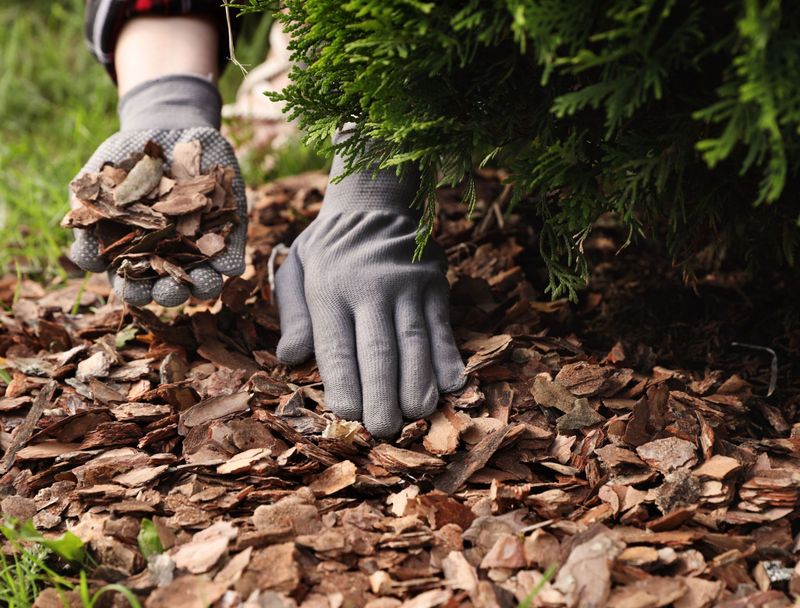
Mulch applied in a broad, relatively even layer across the root zone can genuinely help shrubs manage Texas heat. However, the way mulch is placed matters as much as whether it is used at all.
Piling mulch directly against the trunk or main stems of a shrub creates conditions that can work against the plant rather than support it.
Deep mulch mounds that press against bark hold moisture against the stem for extended periods. That constant contact can soften bark tissue, create entry points for fungal issues, and make it harder to spot early signs of trouble at the base of the plant.
Roots may also begin growing upward into the mulch layer rather than downward into stable soil, which can leave them more vulnerable to temperature swings and dry conditions.
A better approach is to spread mulch evenly across the root zone while leaving a clear gap of several inches around the shrub’s base. The mulch should cover a wide area rather than being concentrated in a deep pile near the stem.
Different mulch materials break down at different rates, and the appropriate depth can vary depending on the material, the plant, and the site conditions.
Checking the mulch layer periodically throughout the Texas summer and adjusting it as needed helps maintain the balance between retaining moisture and allowing air circulation around the base of the plant.
6. Fertilizing A Severely Stressed Shrub
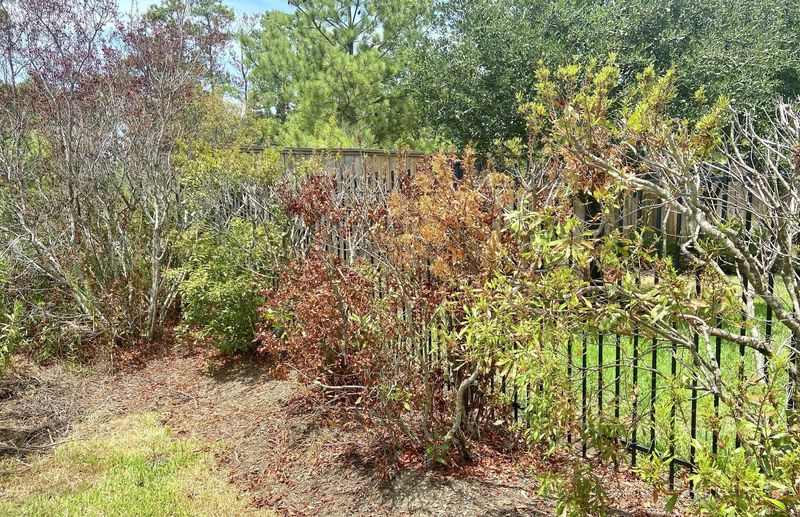
Scorched leaf edges, wilted foliage, and faded color can make it tempting to reach for fertilizer as a quick fix. The reasoning feels logical: if the plant looks weak, feeding it might help it recover.
In practice, applying fertilizer to a severely stressed shrub during Texas summer heat can add more difficulty rather than providing relief.
Fertilizer introduces salts into the soil, and when the soil is dry or the plant is already struggling with moisture uptake, those salts can intensify root stress. Nutrient applications may also stimulate new, tender growth that requires more water to support.
A shrub managing heat and moisture stress during peak summer is not well-positioned to sustain a flush of new growth, and that soft new tissue may show damage quickly under intense conditions.
Nutrient deficiencies can resemble moisture stress, root injury, poor drainage, pest damage, or disease, and it is easy to misidentify the cause based on leaf symptoms alone. A soil test provides far more useful information than a visual diagnosis.
If a nutrient problem is confirmed, timing and application rate matter significantly. Measured fertilizer applications based on plant needs and actual soil conditions tend to be more helpful than feeding a shrub simply because its leaves look damaged.
Recovery from stress depends on the species, the root condition, the site, and how long the stress has continued, and fertilizer alone is unlikely to resolve the underlying issue.
7. Pruning Heavily During Extreme Heat
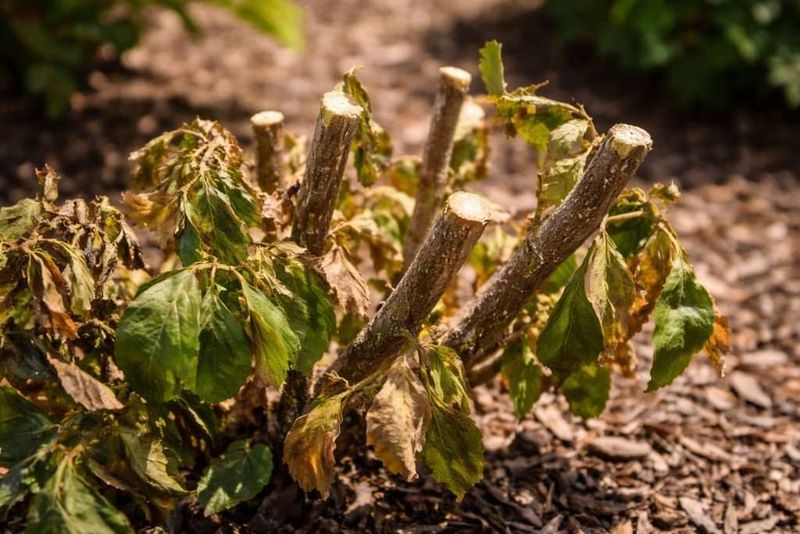
Reaching for the pruning shears when shrubs look ragged during a Texas summer is an understandable reaction. Brown tips, uneven growth, and sprawling branches can make a plant look worse than it may actually be, and the instinct to tidy things up is common.
Heavy pruning during extreme heat, though, removes foliage that the plant is using to manage its own energy and water balance.
Leaves, even partially damaged ones, continue to support the plant through photosynthesis. Removing a large portion of the canopy at once forces the shrub to push new growth while it is already managing heat and moisture stress.
Fresh pruning wounds also create openings that require energy to close, and new growth emerging in intense summer heat may struggle and show damage quickly.
Major reshaping is generally better postponed until temperatures moderate and the appropriate pruning window for the specific species arrives.
Different shrubs have different ideal pruning periods, and cutting at the wrong time can reduce flowering, delay recovery, or stress the plant further.
Broken branches, hazardous limbs, or wood that is clearly no longer viable may still need careful removal during the season. However, not every brown branch should be cut immediately.
Heat-damaged foliage and temporarily inactive wood can sometimes recover once conditions improve, and removing too much before evaluating the situation carefully can reduce the shrub’s ability to bounce back on its own timeline.
8. Applying Chemicals Before Identifying The Problem
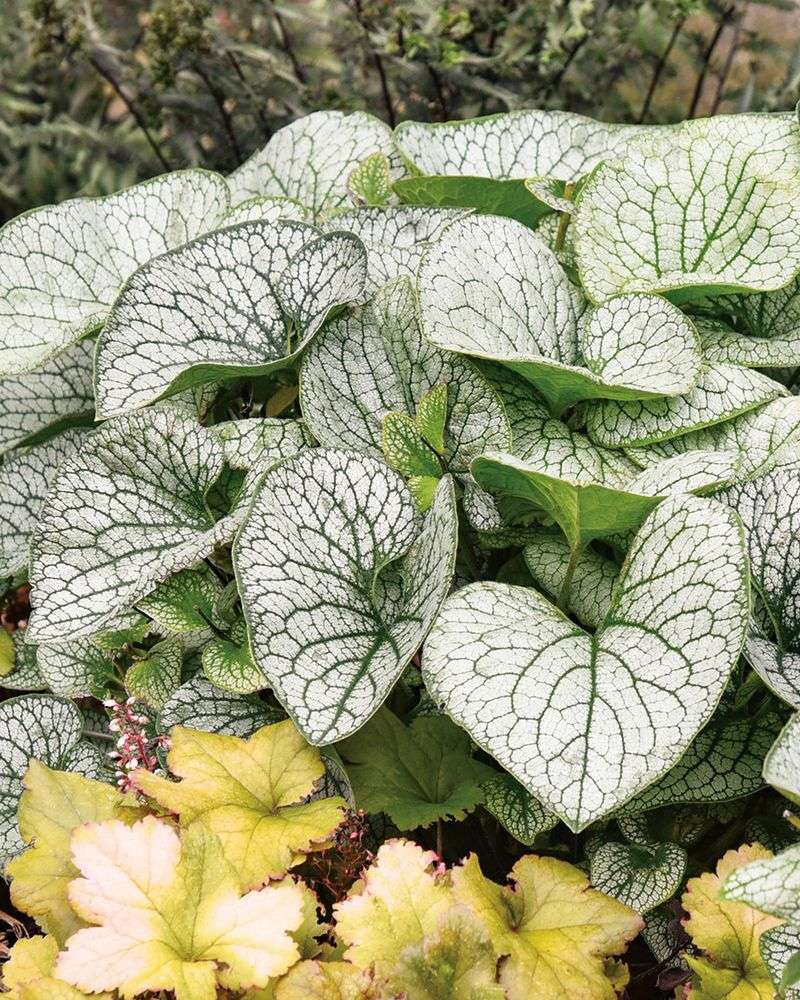
Spotted leaves, curled edges, stippling, discoloration, and leaf drop can all show up on the same shrub for very different reasons.
In Texas landscapes during summer, those symptoms might reflect heat stress, inconsistent watering, excess moisture, root problems, herbicide drift, fertilizer salt damage, insect feeding, or fungal issues.
Spraying a pesticide or fungicide before identifying what is actually causing the problem may not help and could add another layer of stress to an already struggling plant.
Inspecting the shrub carefully before selecting any treatment gives you much better information to work with. Look at both sides of the leaves, the stems, and the base of the plant.
Check the soil moisture several inches down, consider your recent watering and fertilizer history, and think about any chemicals applied nearby.
Herbicide drift from lawn treatments is a common and often overlooked cause of leaf distortion and discoloration in Texas landscape shrubs.
If insects are present, identifying the specific pest matters before choosing a response. Some insects on shrubs are beneficial or neutral and do not require treatment.
Fungal issues often look similar to bacterial problems or environmental damage, and treating for the wrong cause delays the right response. Rushing to apply a product without a clear diagnosis tends to be an expensive and sometimes counterproductive step.
Taking time to observe, research, and consult local horticultural resources can lead to a more accurate and helpful course of action for your specific plant and site.